
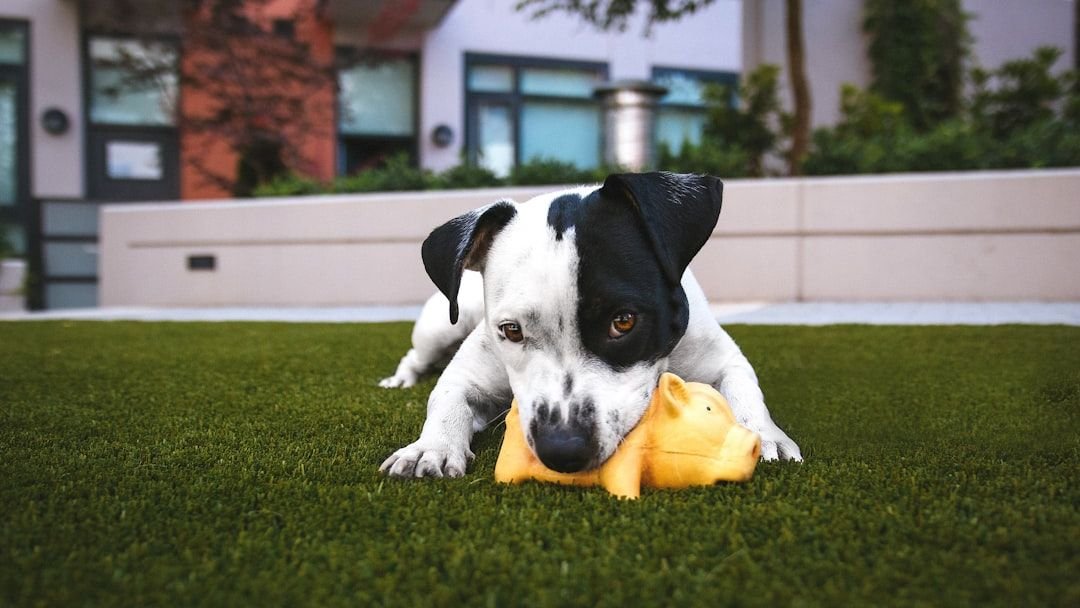
Picture this: your dog bypasses the brand-new toy you just spent twenty dollars on, walks straight past it, and picks up that ratty old rope that’s been sitting in the corner for three years. Sound familiar? There is something quietly fascinating happening in that moment, something that goes way beyond stubbornness or quirk. The toy your dog reaches for, the way they play with it, and even how fiercely they guard it are all tiny windows into who your dog truly is on the inside.
Dogs can’t tell us what they’re feeling in words. They bark, wag, nudge, and play. Honestly, if you pay close enough attention, what they choose to play with speaks louder than any bark ever could. So let’s dive in, because what you discover might completely change the way you see your pup.
The Squeaky Toy Obsession: Meet Your Little Hunter
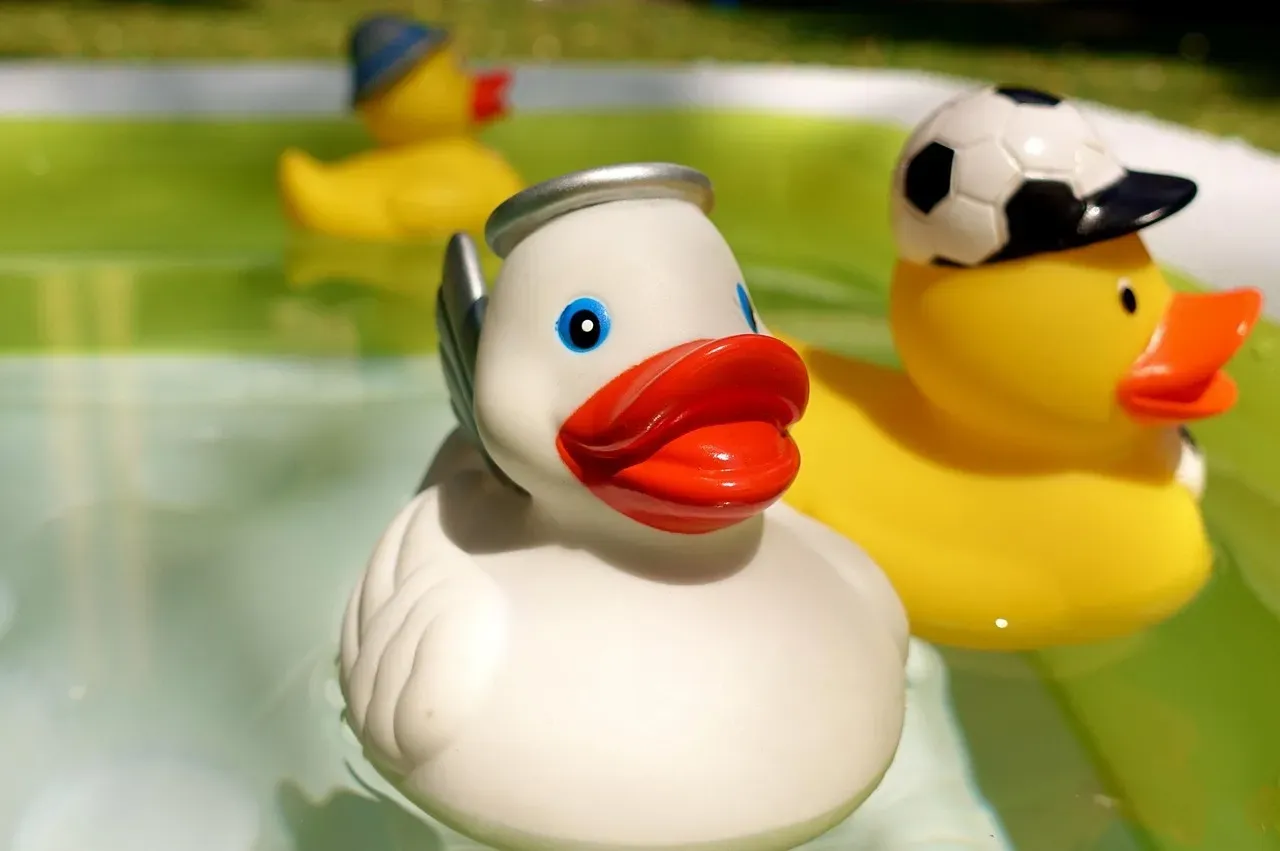
If your dog goes absolutely wild for squeaky toys, you’ve got a furry little hunter on your hands. The squeak those toys make is comparable to the sounds that potential prey would make if frightened or injured, and dogs with high prey drives are naturally drawn to them. It’s not random at all. It’s ancient instinct wrapped in a plush little duck shape.
Squeaky toys are also great at providing immediate gratification. Every single time your dog chews on one, they get that instant, satisfying reaction, which makes it endlessly rewarding. Think of it like a tiny dopamine hit your dog never gets tired of. Some dogs go the extra step and shred their toy until the squeaker is removed, which can become a choking hazard, so always keep a watchful eye during play.
The Fetch-and-Chase Dog: Built for Speed, Wired for Joy
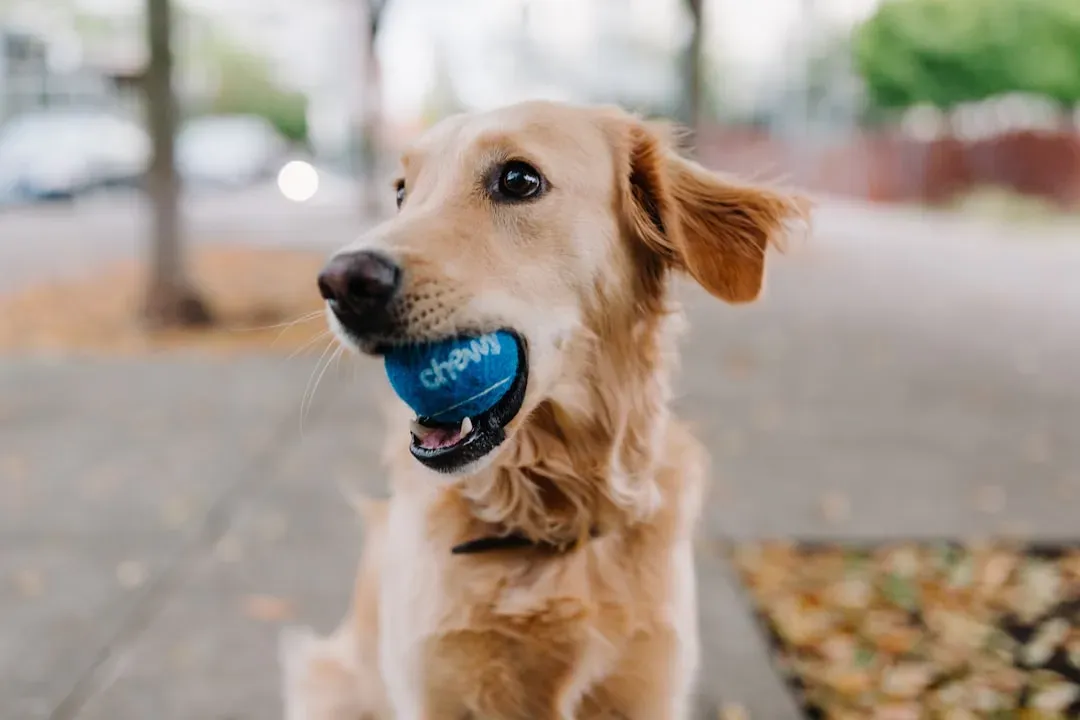
Throwable toys all share one thing in common for your dog: the thrill of the chase. Dogs who prefer these toys tend to have a lot of energy to burn, love the feeling of accomplishment, and triumphantly returning to their person with a ball or toy in mouth is a joyous occasion indeed. It’s pure, unfiltered happiness in motion. If your dog would fetch until their paws fall off, you know exactly what I mean.
Herding breeds like Collies are often drawn to toys that involve movement because they mimic the behavior of herding livestock, while Retrievers, true to their name, typically love fetch toys since the activity aligns deeply with their instincts. Fetch-focused toys also promote essential exercise while strengthening the bond between you and your dog, with durable options encouraging active play sessions that are easy to enjoy outdoors. Let’s be real, for these dogs, a tennis ball is basically a spiritual experience.
The Plush Toy Cuddler: Tender Hearts and Nurturing Souls
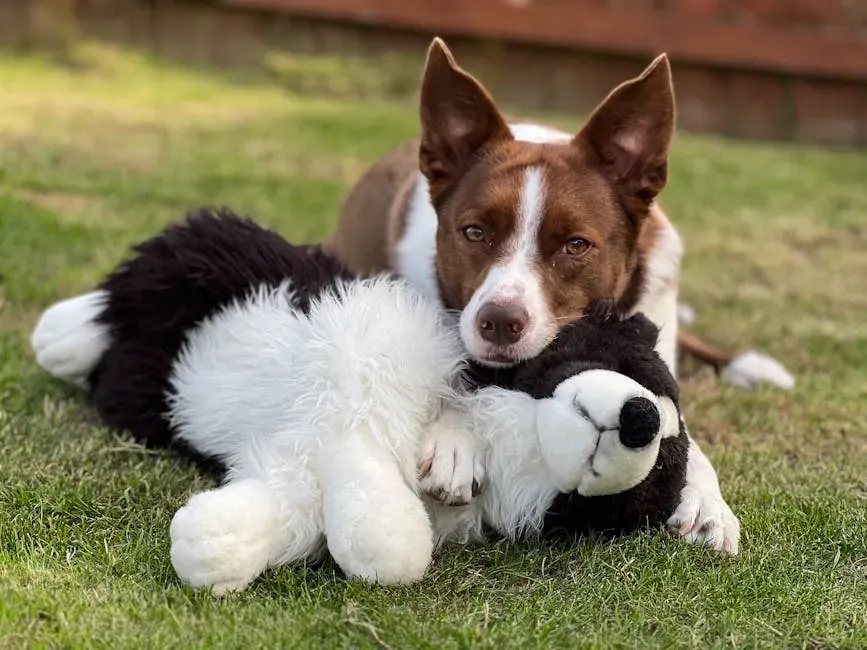
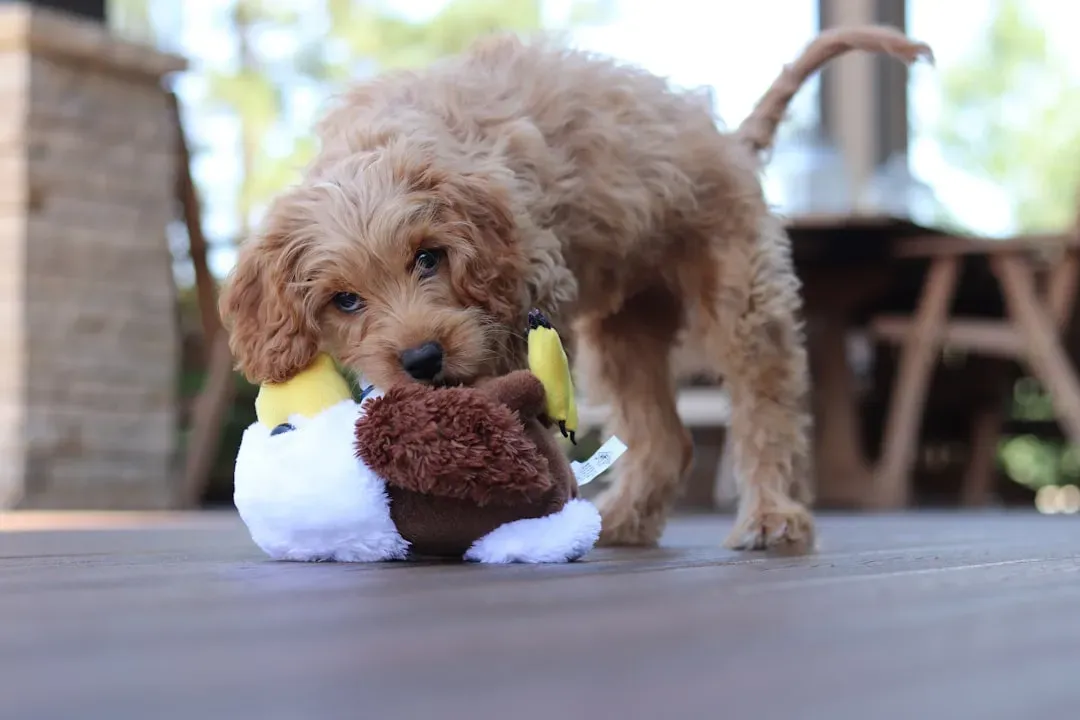
Carrying around and sleeping with a stuffed animal are signs that your dog is tapping into their parental instincts. They may also want to make sure they have a companion when you are not around and anxiety creeps in. As long as your dog doesn’t become obsessive about their stuffed animal, this is entirely normal behavior. It’s one of the sweetest things a dog can do, honestly.
Dogs who love plush toys often tend to have a sensitive and nurturing side, frequently carrying their “babies” around and sometimes cuddling them for comfort. Just as children have favorite blankets or stuffed animals, dogs can form attachments to certain toys that provide real comfort, and that attachment can be especially strong during times of stress or change, such as moving to a new home. If your dog tucks their stuffed rabbit into their bed every night, your heart should absolutely be melting right now.
The Tug-of-War Champion: Confident, Bold, and Totally Obsessed With You
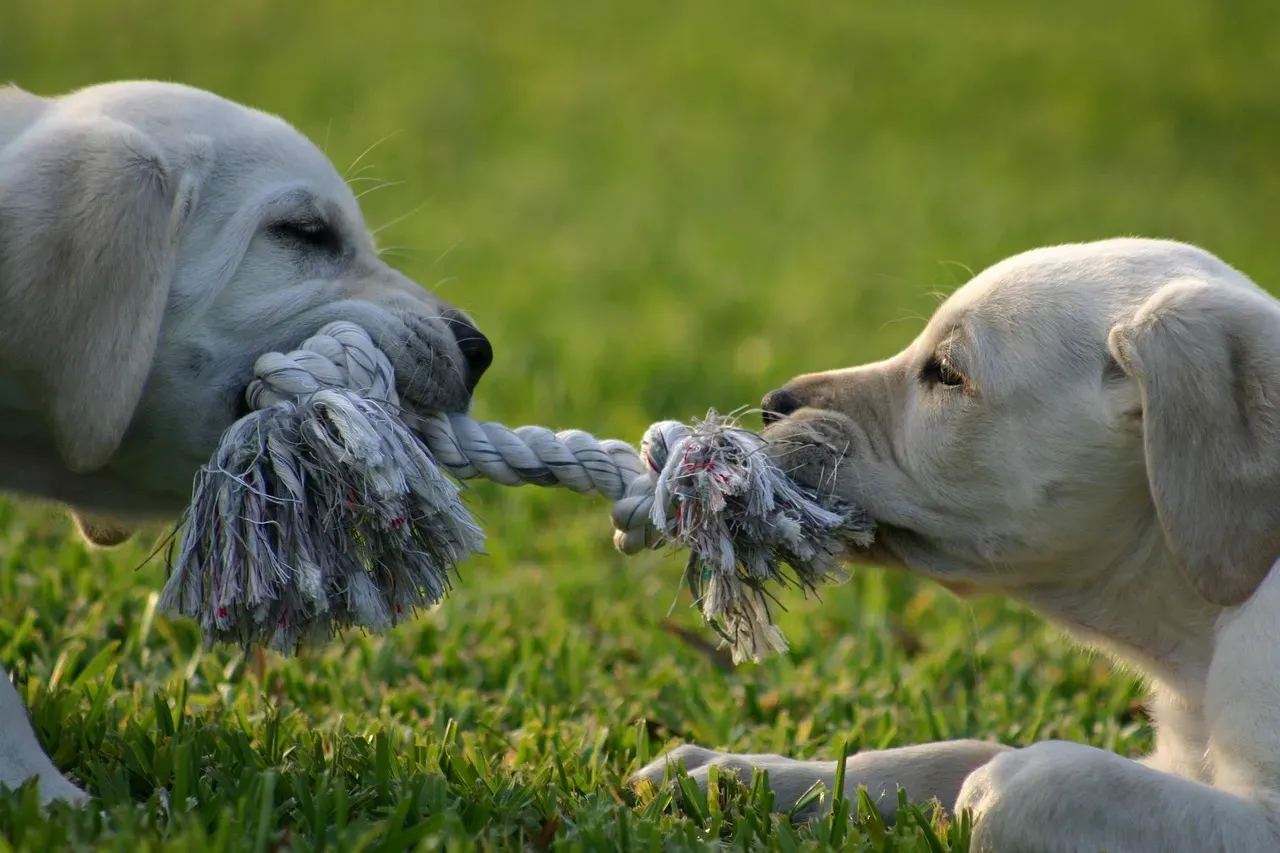
If your dog prefers a game of tug-of-war, you have a competitor who understands you are their favorite person to play against. Tug-of-war is a collaborative game that lets them get out a lot of energy while showing off their strength, and a penchant for pulling can also indicate a dog who likes to channel their predatory instincts in a way that still keeps you at the center of the fun.
Dogs who love tug-of-war are often competitive, confident, and strong-willed, using the game to channel their predatory instincts in a fun and controlled manner. Having a physical contest with their favorite person is a way to test their strength, and a tug champion is essentially an extrovert who craves interaction. These games do need to be controlled and watched over so things don’t get out of hand, and training your dog to release on demand is essential. A dog who loves tug is one who deeply loves you. They just happen to also love winning.
The Puzzle Solver: The Einstein of the Dog Park
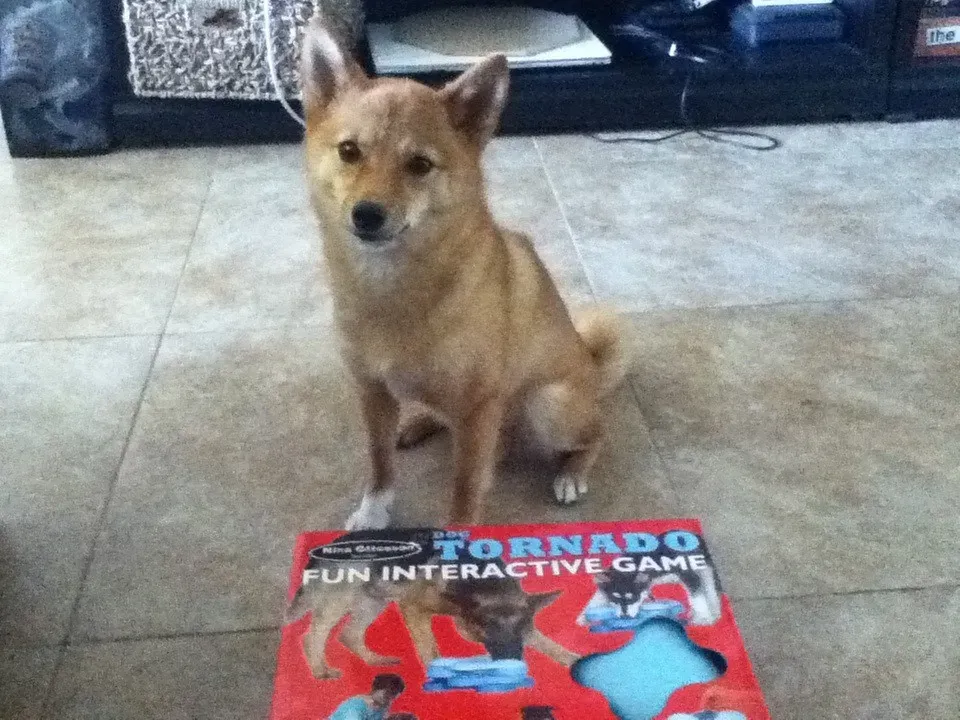
Dogs that love puzzle toys are often highly trainable, thriving on variety and mental stimulation. Their owners know that an engaged mind is a happy mind. Treat-dispensing puzzles and interactive balls provide mental stimulation while encouraging problem-solving skills, keeping dogs occupied for extended periods and potentially reducing anxiety and destructive behaviors. Advanced puzzle toys can even be adjusted for difficulty, allowing them to grow with your dog’s problem-solving abilities.
Toys that dispense treats tap into a dog’s foraging instincts, keeping them engaged and mentally sharp. Think of it like a crossword puzzle for your dog. Without that kind of mental challenge, these clever dogs can quickly get bored and express that boredom in ways you really won’t enjoy, like redecorating your couch cushions. Dogs, like people, can get bored with the same toys over time, so rotating toys and introducing new ones periodically can help maintain interest and cater to their different moods and energy levels.
What Your Dog’s Toy Relationship Reveals About Their Emotional Health
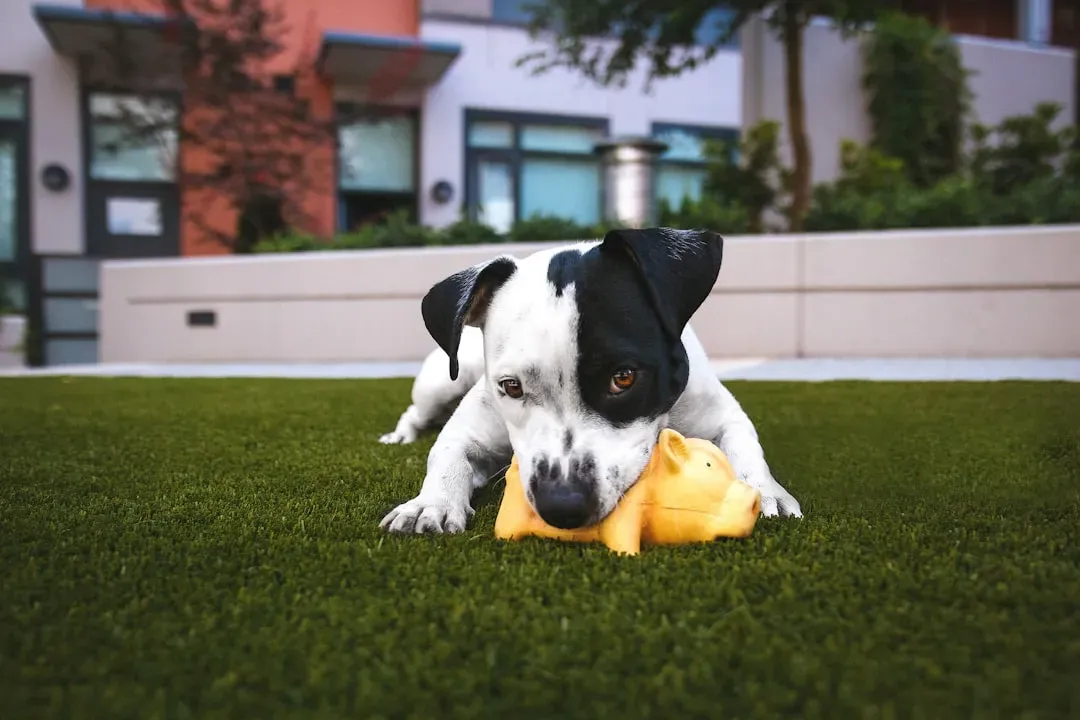
Your dog’s favorite toy reveals how they think, cope, and move through the day, but it is only part of the story. When a dog carries a toy from room to room, it is rarely about play. There is no squeaking or thrashing, just deliberate transport. The toy is something your dog wants close, and more often it functions as a stabilizing object during downtime or transitions. It is kind of beautiful, in a quiet way.
According to the Merck Veterinary Manual, toys can sometimes function as high-value resources, meaning a favorite toy may trigger tension or guarding behavior in certain dogs, and in some cases that tension can turn into possessive aggression directed toward another pet or person who approaches. This kind of resource guarding is often rooted in anxiety or prior experiences, and using trading and counterconditioning rather than confrontation is the recommended approach to reduce defensiveness. It’s not bad behavior, it’s a message worth listening to.
Conclusion: Your Dog Is Talking. Are You Listening?
Understanding what drives dogs to select certain toys goes beyond simple entertainment. It encompasses their sensory experiences, physical needs, and psychological well-being, and by understanding what affects these preferences, we can better meet our pets’ needs and improve their daily lives. Every chew, every carry, every game of tug is a tiny love letter from your dog to you, written in the only language they have.
The next time your dog drags out that favorite toy, pause before you dismiss it as just a thing. It is a clue. Choosing the right toy for your dog is more than a matter of preference, it is essential for maintaining emotional health, physical exercise, and intellectual stimulation. When you truly understand what your dog’s toy choices mean, you stop just being their owner and start becoming their person, the one who really gets them.
So, what does your dog’s favorite toy say about them? You might be surprised by how much you already knew, you just needed someone to point it out. Tell us in the comments which toy type perfectly describes your pup.


