
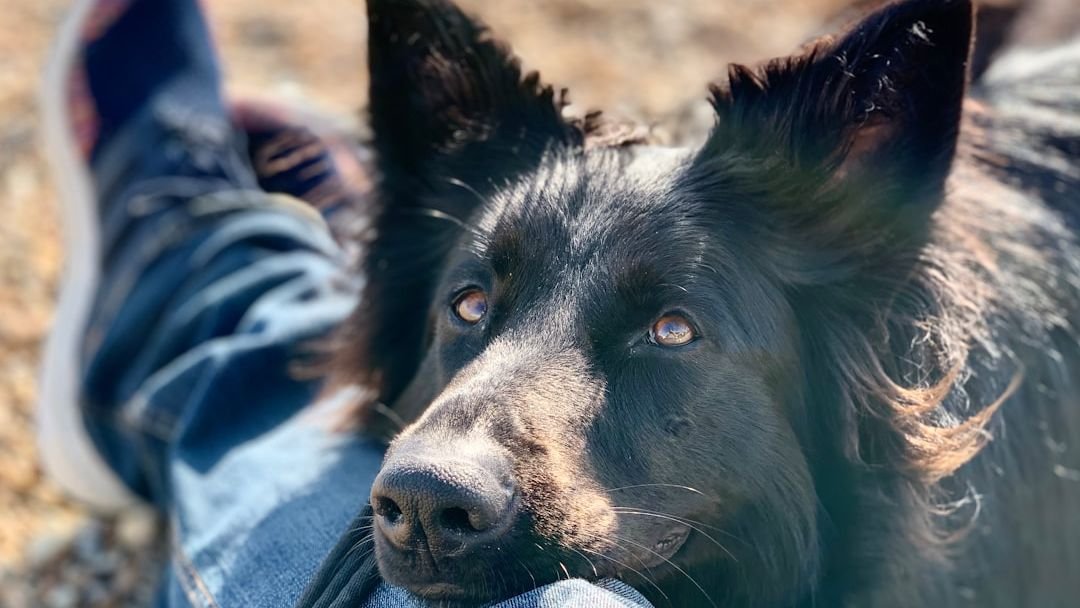
Ever feel like you have a furry shadow? You get up for a glass of water, and there they are. You head to the bathroom, and they wait patiently outside the door. You shift from the couch to the kitchen, and suddenly your dog appears at your feet like magic. It’s adorable, maybe a little amusing, sometimes even a tiny bit annoying when you trip over them for the third time today. If this sounds familiar, you’re living with a dog who’s deeply bonded to you. This constant companionship isn’t random, it’s rooted in biology, emotion, and thousands of years of evolution.
When your dog follows you, they’re showing that they enjoy your company and feel secure with you. That warm, fuzzy feeling you get when they curl up beside you or trail behind you from room to room? It’s mutual. Your dog isn’t just tagging along out of habit, they’re choosing you, over and over again. Let’s dive into what makes this behavior so special and what it reveals about the powerful connection you share.
Rooted in the Pack: Why Following You Feels Natural to Your Dog
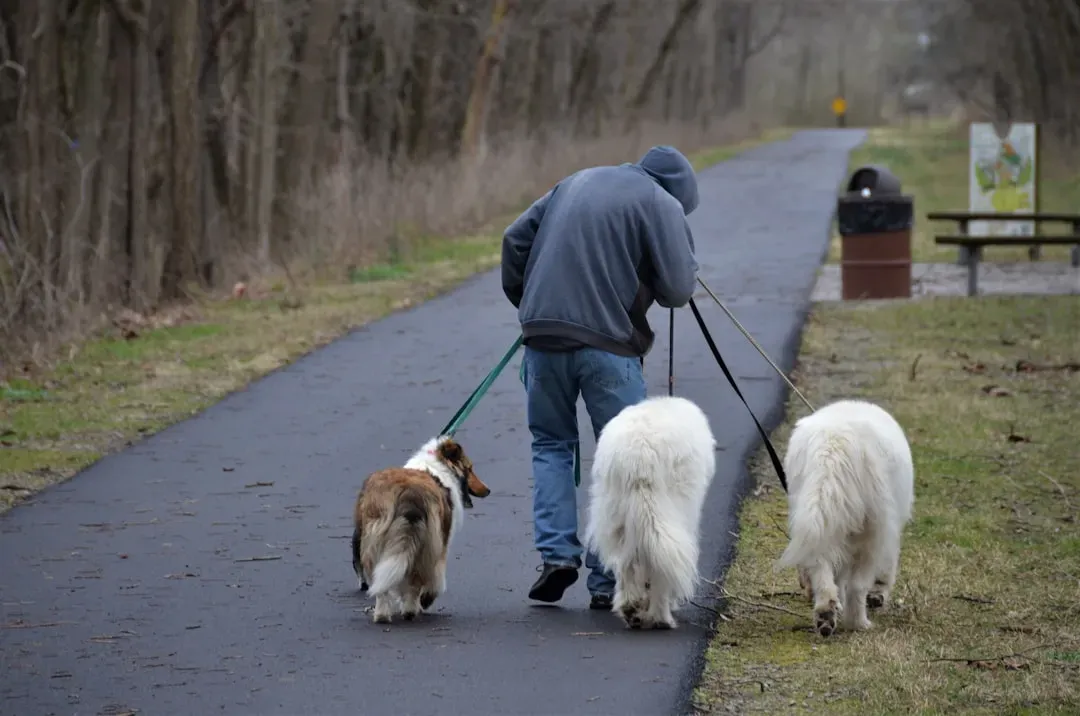
Dogs are descendants of wolves, animals that thrived by sticking together in tight-knit groups. In the wild, wolves stick close to their pack, and the pack leader is the key to their survival. This pack mentality has been passed down to your domesticated doggo. Even though your dog no longer hunts for survival, that ancestral wiring still influences their behavior today. To your dog, you’re not just a housemate, you’re family, the core of their pack.
Honestly, it makes perfect sense when you think about it. Your dog looks to you for food, safety, play, and affection. Dogs are pack animals, which means they prefer to live in a group. Although your pet isn’t navigating the wild, their tendency to travel in a pack – close by your side – is reflective of natural instinct. Following you around is how they stay connected to their group, ensuring they don’t miss out on important activities or feel isolated. It’s not clinginess in the negative sense, it’s companionship driven by deep evolutionary roots.
The Love Hormone: What Happens in Your Dog’s Brain When They’re Near You
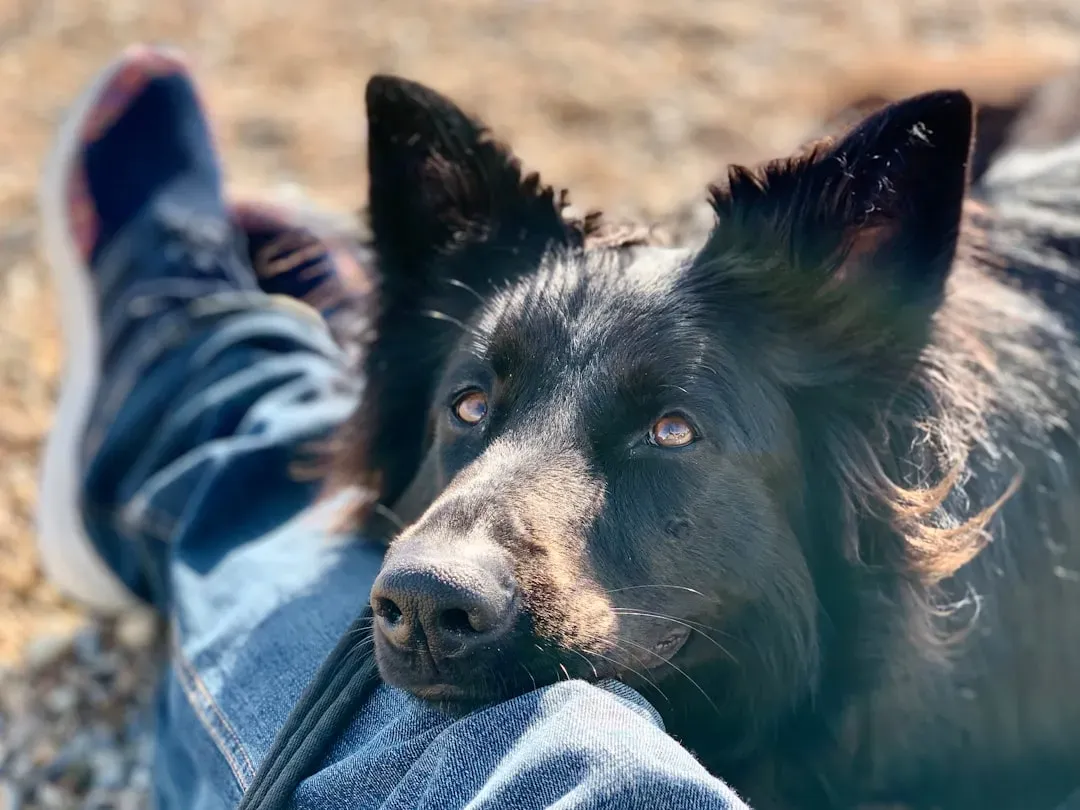
Here’s the thing, when your dog is close to you, actual chemical changes happen in their brain. When your dog is near you, their brain releases oxytocin – the “love hormone” – which is the same hormone that strengthens the bond between humans. This is the same hormone mothers release when bonding with their babies, the same one humans experience in loving relationships. Pretty incredible, right?
Studies have demonstrated that both dogs and humans release oxytocin while spending quality time together. This release of oxytocin is correlated with the formation of a strong social bond. So when your dog follows you around, they’re literally experiencing a chemical reward that reinforces their attachment. Every time they stay close and get positive interaction, their brain lights up with feel-good hormones, making them want to stick by your side even more.
From Puppyhood to Adulthood: How Imprinting Shapes Following Behavior
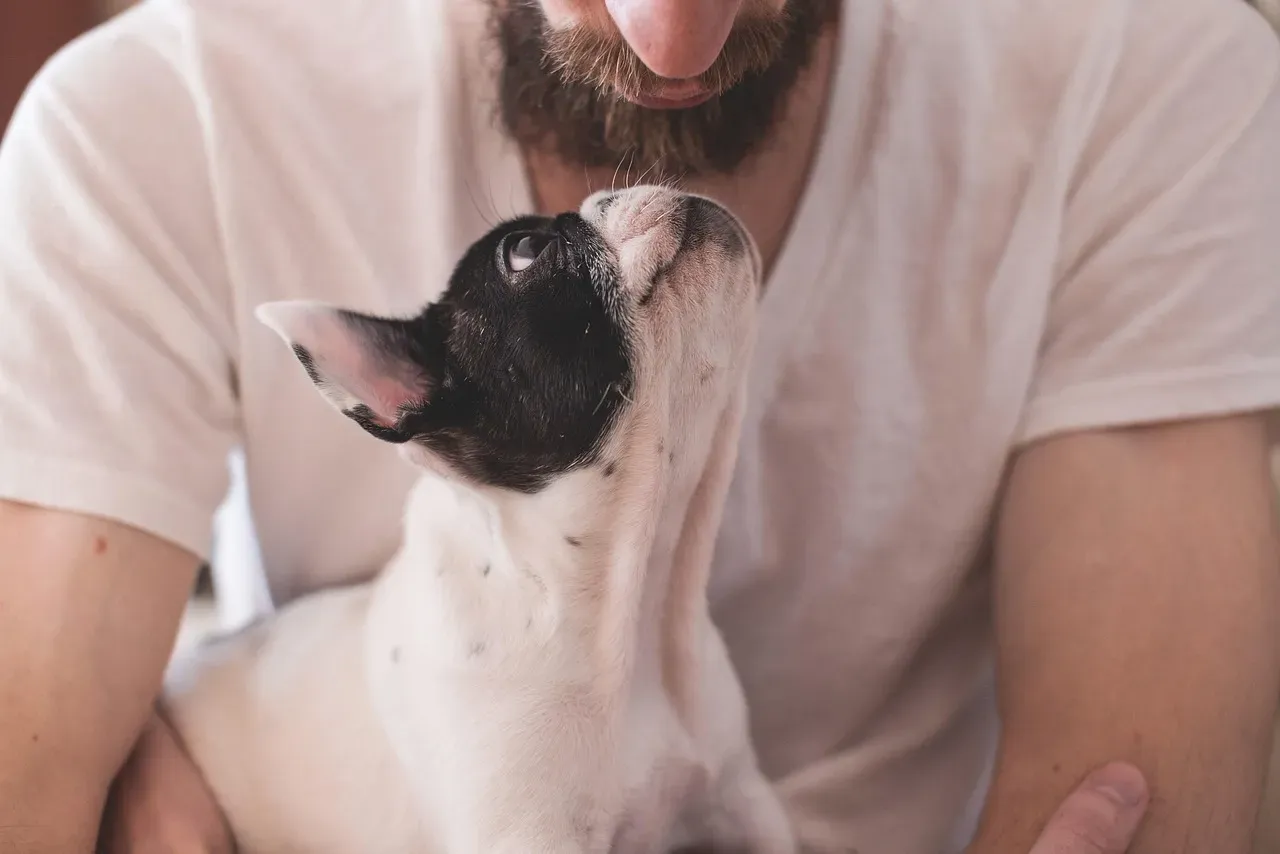
Young puppies anywhere from birth to 6 months of age can often imprint on their owners and look to them as they would their mother. If you brought your dog home as a puppy, you essentially became their world during those critical early weeks. Imprinting is a powerful process where young animals learn who their caregivers are, and for puppies, this can create a lifelong attachment that manifests as constant following.
That early bonding period creates deep emotional ties. Dogs who are adopted as young puppies may genuinely feel like you’re their parent figure, which explains why they shadow you so devotedly. It’s not just learned behavior, it’s a fundamental part of how they see you. Even as they grow older, that imprinted connection remains strong, making you their safe place, their comfort, and their guide.
Breed Matters: Some Dogs Are Hardwired to Stay Close
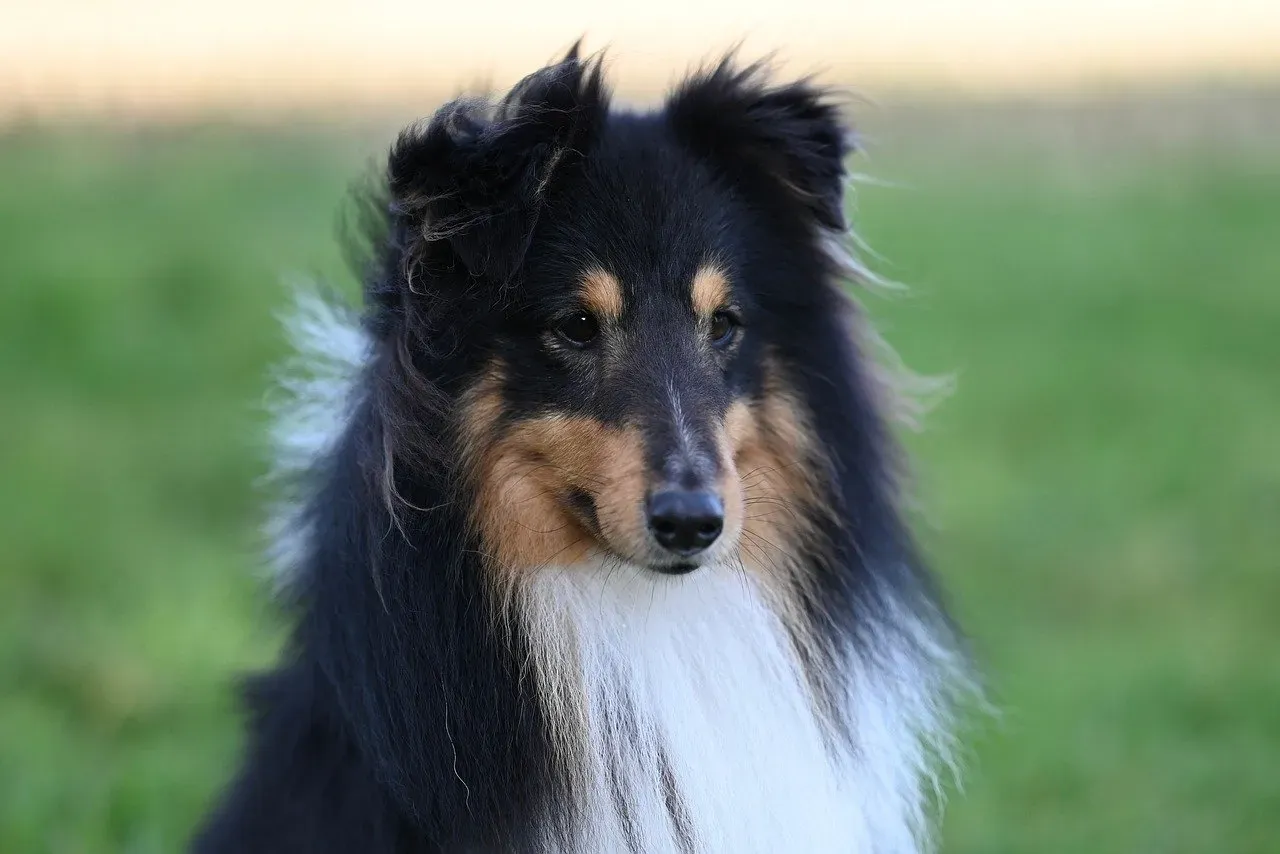
Not all dogs are equally clingy, and genetics play a big role. This includes dogs in the Working Group or Herding Group that are bred to work side-by-side with humans. “It’s a trait that’s prized and bred into their genetic history.” Breeds like Border Collies, German Shepherds, Golden Retrievers, and Australian Shepherds were literally designed to collaborate closely with people. For them, following you everywhere isn’t odd, it’s what they’re built to do.
Some breeds are known to follow their masters more than others because it’s in their nature. These are usually working breeds that have been bred to work alongside their master or protect them like Border Collies, Golden Retrievers, Shetland Sheepdogs, Labradors, Hungarian Vizslas, Dobermans, and German Shepherds. Some toy breeds which were bred to be lapdogs may naturally want to be much closer to their owner too. If you’ve got one of these breeds, that constant companionship is baked into their DNA. It’s part of what makes them such devoted, loyal friends.
When Following Turns Into a Red Flag: Recognizing Separation Anxiety
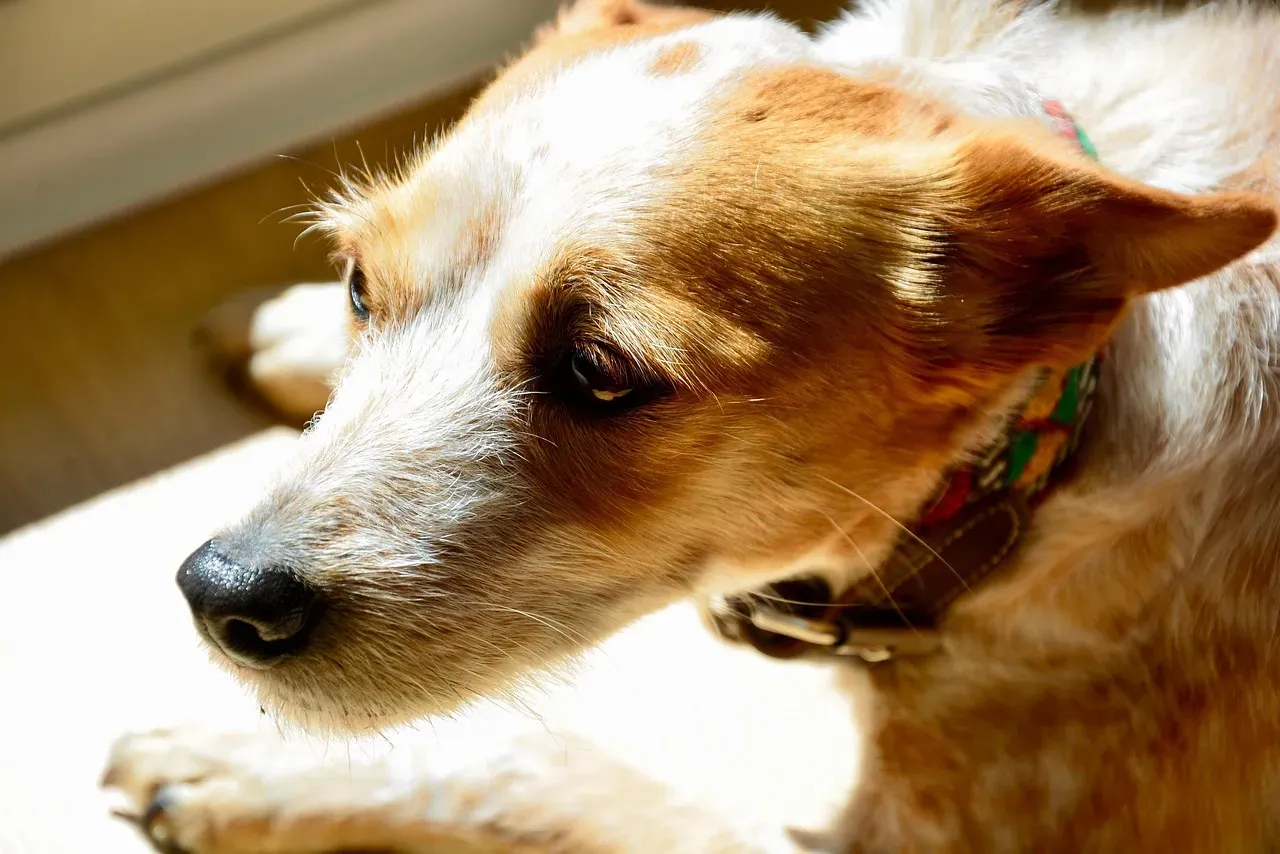
Let’s be real, there’s a difference between a dog who loves being near you and one who panics when you leave. A velcro dog might be a bit put out when you leave the house, but one with separation anxiety will experience emotional distress and panic when left alone. If your dog is calm and content when you step away, you’ve got a velcro dog who simply adores you. If they become frantic, destructive, or deeply distressed, that’s separation anxiety, and it needs attention.
Separation anxiety causes dogs to engage in destructive, anxious behavior when left alone. Such behavior includes incessant whining, pacing, destructive chewing, and urinating or defecating in the home. Watch for signs like excessive barking, destructive behavior, house soiling, or self-harm when you’re gone. A dog that suddenly becomes very clingy may be suffering from a physical ailment and keeping you in reach for comfort. A checkup by the veterinarian is a good idea if this happens. Sudden clinginess can also signal health issues, especially in older dogs losing vision or hearing.
Fostering Healthy Independence While Honoring the Bond
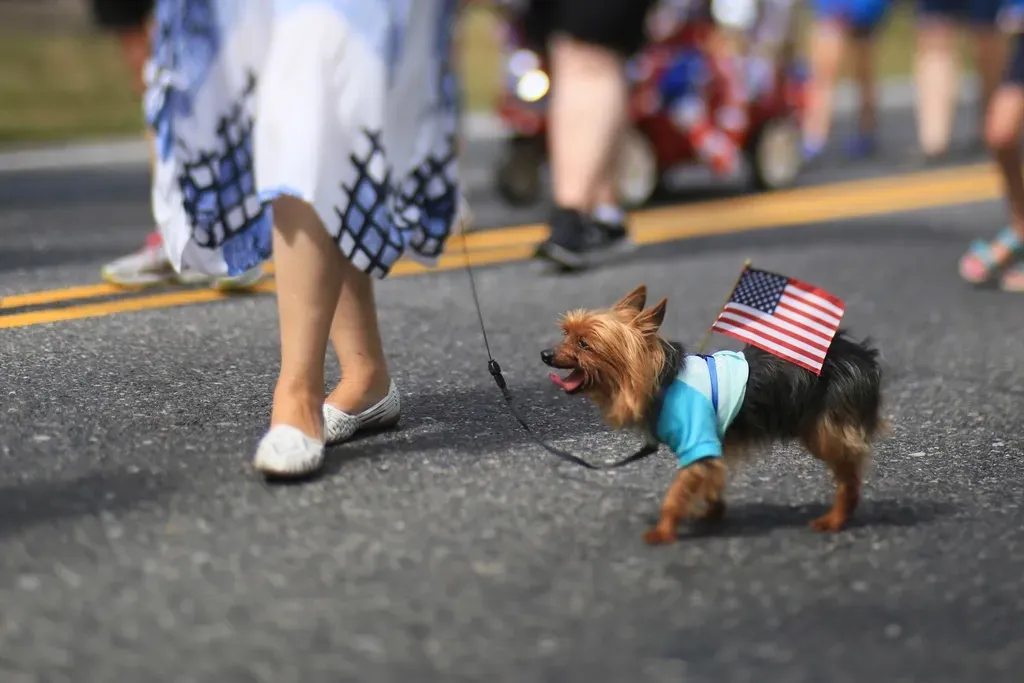
You can love your dog’s companionship while still encouraging healthy independence. The first step is to make sure your dog is getting plenty of exercise. A tired dog is usually a content dog and less likely to continually follow their owners. Physical and mental stimulation helps them feel fulfilled, making them more likely to relax and settle on their own without feeling anxious about your whereabouts.
Methodical training is key. Begin by leaving your dog alone for short periods, then gradually increase the time. This teaches them that it’s okay to be by themselves and that you’ll always return. To make these experiences positive, you can reinforce their good behavior with treats and praise. Create a safe, cozy space for them with toys, treats, and comfort items near their bed. Gradually increase the time you spend apart, rewarding calm, independent behavior. The goal isn’t to break the bond, it’s to help them feel confident and secure even when you’re not in the same room.
Conclusion
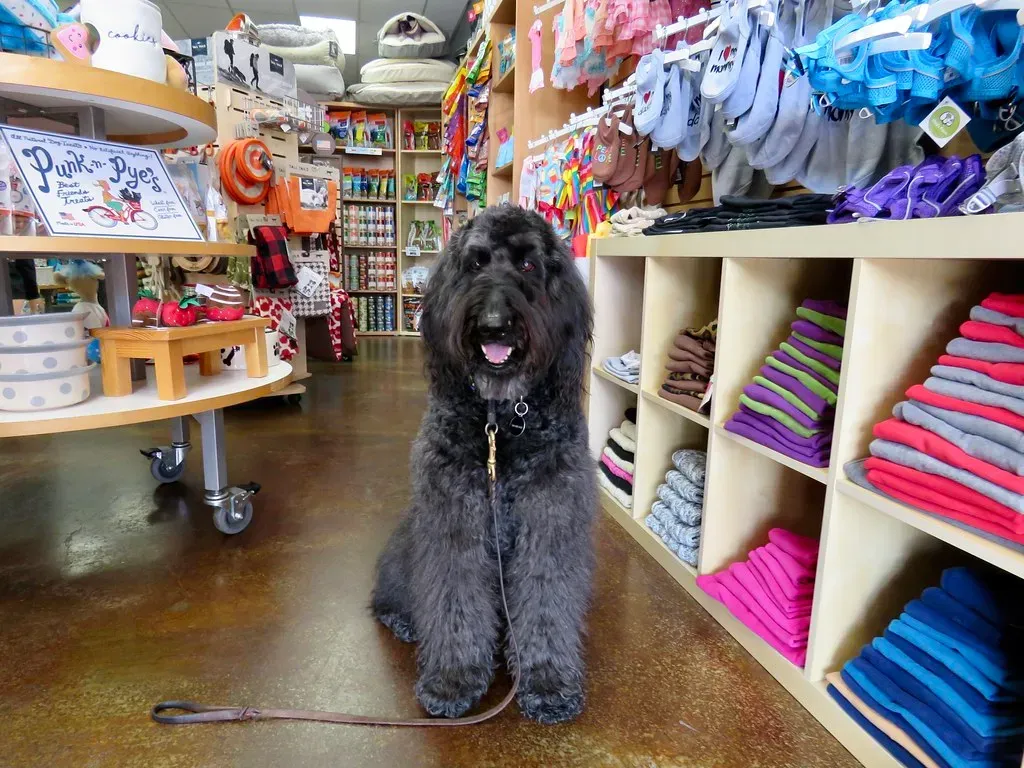
Your dog’s habit of following you everywhere isn’t just cute, it’s a powerful testament to the bond you share. It’s love, loyalty, and thousands of years of evolution all wrapped up in four furry legs. They follow you because you’re their pack, their comfort, and their whole world. Understanding this behavior helps you appreciate just how deeply your dog trusts and adores you.
Keep an eye on the difference between affectionate companionship and anxious dependency. Most of the time, your dog’s shadow behavior is simply their way of saying “I love you.” Cherish it, honor it, and when needed, gently guide them toward healthy independence. What’s your dog’s favorite way to stick close to you? Do they wait outside the bathroom door, or are they the type to follow you to every corner of the house?


