
Picture this: your dog is lying on the couch, not really interested in their food, their coat looking a little dull, and they seem just a bit… off. You check for obvious signs of illness, everything looks fine on the surface, but something still feels wrong. Here’s what many dog owners don’t realize – the answer might be quietly hiding inside your dog’s gut.
The gut is so much more than a place where food gets digested. For your dog, it’s the command center of their entire health. From their immune system to their mood, their skin to their energy levels, virtually everything is connected to what’s happening inside that digestive tract. It’s fascinating, honestly, and once you understand it, you’ll never look at your pup’s bowl the same way again. So let’s dive in.
The Gut Is Your Dog’s Hidden Superpower
The canine gut microbiome plays a vital role in overall health and well-being by regulating various physiological functions, including digestion, immune responses, energy metabolism, and even behavior and temperament. That’s not a small list. That’s basically everything that makes your dog feel alive and vibrant every day.
The gut microbiome is a complex and dynamic ecosystem within dogs that plays a significant role in their overall health and wellbeing, and this intricate community of microorganisms influences various bodily systems, from the gastrointestinal tract to the brain, heart, and immune system. Think of it like a city inside your dog. When everything is running smoothly, the traffic flows, the businesses stay open, and the streets stay clean. When it’s not, chaos creeps in.
With 70% of the canine immune system located in the gastrointestinal tract, a tough day for the microbiome is a tough day for your dog overall. That single fact should stop every dog parent in their tracks. The gut isn’t a side story – it’s the main event.
Warning Signs Your Dog’s Gut Is Crying for Help
Your dog can’t tap you on the shoulder and say “hey, my stomach hurts.” So the gut speaks through symptoms instead. Signs of poor gut health in dogs include changes in appetite, loose stools or constipation, excessive gas, vomiting, and drastic changes in weight. Many of these are easy to dismiss as “just one of those days,” but consistency is the red flag.
Lethargy and depression, muscle mass changes, weight loss, inability to gain weight, poor hair coat and skin, or failure to thrive can all be non-specific signs resembling illness in many organ systems, especially in a dog without obvious GI signs present. So if your dog’s coat suddenly looks less glossy or they’re sleeping more than usual, it might be time to look deeper.
Gut inflammation releases cytokines, chemical messengers that travel to the brain and trigger sickness behaviors, such as lethargy, withdrawal, loss of appetite, depression-like symptoms, aggression, and repetitive behaviors. Honestly, the gut-brain connection in dogs is something that doesn’t get nearly enough attention from pet parents. We’ll get to that shortly, but keep this in mind.
The Gut-Brain Axis: When Belly Troubles Affect Your Dog’s Mood

Digestive discomfort can sometimes affect your pet’s mood and behavior, and growing evidence shows that the bacteria living in your dog’s digestive tract is a central player in the gut-brain axis, meaning the digestive tract can directly impact the mental health of your dog. This isn’t theory – the science is solidly building in this direction.
Evidence demonstrates that stress has the ability to alter the composition, function and metabolic activity of the gut microbiota in ways that may be detrimental to health, including lowered microbial diversity, an increase in pathogenic bacteria, compromised gut barrier integrity, and increased systemic inflammation. So stress hurts the gut. The gut then signals the brain. The brain amplifies the anxiety. It’s a loop that can spiral fast.
Scientific research supports that gut health is closely linked to your dog’s behavior, and digestive problems can shape not only your dog’s physical health but also their emotions and behavior. If your pup suddenly seems snappy, withdrawn, or unusually restless, don’t rule out the gut as a contributing factor. It’s worth a conversation with your vet.
Feeding the Good Guys: Diet, Prebiotics, and Probiotics
Research has shown that dogs with a more diverse gut microbiome are generally healthier and more resilient to diseases, while a less diverse microbiome is often associated with an increased risk of chronic diseases, such as inflammatory bowel disease and cardiovascular conditions. Diversity in the gut is like biodiversity in a rainforest – the richer, the better.
Dogs may benefit from probiotics during times of stress, illness, dietary changes, or after antibiotic use, and probiotics can help manage diarrhea, reduce allergic reactions, and support mental calmness in dogs. Think of probiotics as reinforcements for the good guys already living in your dog’s belly – a boost when life gets rough.
Prebiotics are especially helpful for dog digestive problems. These are foods containing a specific type of fibre that feeds the friendly bacteria in your dog’s gut, and healthy prebiotic foods for dogs include mushrooms, asparagus, berries, leafy green vegetables, and seeds such as pumpkin, chia, and flax. Small additions to the bowl can honestly make a big difference over time.
Studies show that introducing more fiber into your pet’s diet can cause metabolic changes within two days and a full bacterial community transformation by day six. That’s not weeks or months – that’s days. The gut is more responsive than most of us give it credit for.
Everyday Habits That Protect Your Dog’s Gut for Life
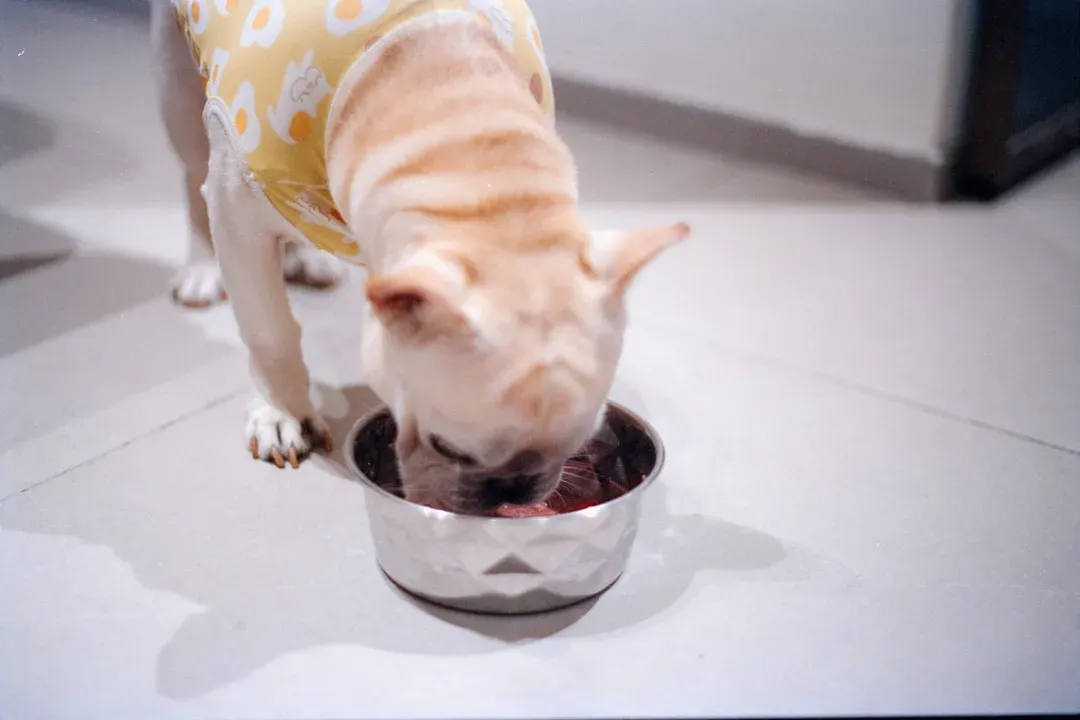
Many factors can impact your dog’s gut health, including sudden diet changes, stress, aging, or poor-quality food, and supporting gut health with consistent routines, balanced nutrition, and vet guidance can help maintain digestive balance. Consistency is your best friend here. Slow and steady genuinely wins the race when it comes to gut health.
Feeding a balanced, fiber-rich diet for healthy bacteria, using probiotics if recommended, and avoiding abrupt food changes while managing stress are all key steps for healthier gut-brain signaling. These aren’t complicated or expensive interventions. They’re just smart, mindful daily practices that add up over a lifetime.
Modern society is seeing a rise in microbiome-associated disorders in our dogs, due to a number of factors including commercial pet diets, medications particularly antibiotics, and lifestyle choices such as being mostly indoors and using antimicrobial cleaners. Let’s be real – our dogs often share our modern, sanitized, processed-food lifestyle. That can quietly take a toll on their gut diversity without us even noticing.
Investing in your dog’s gut health through a comprehensive approach of diet, exercise, environment exposure, vet consultations, and supplements can significantly improve their overall well-being. It’s not about doing everything at once – it’s about building a foundation, one small choice at a time.
A Final Thought Worth Carrying With You
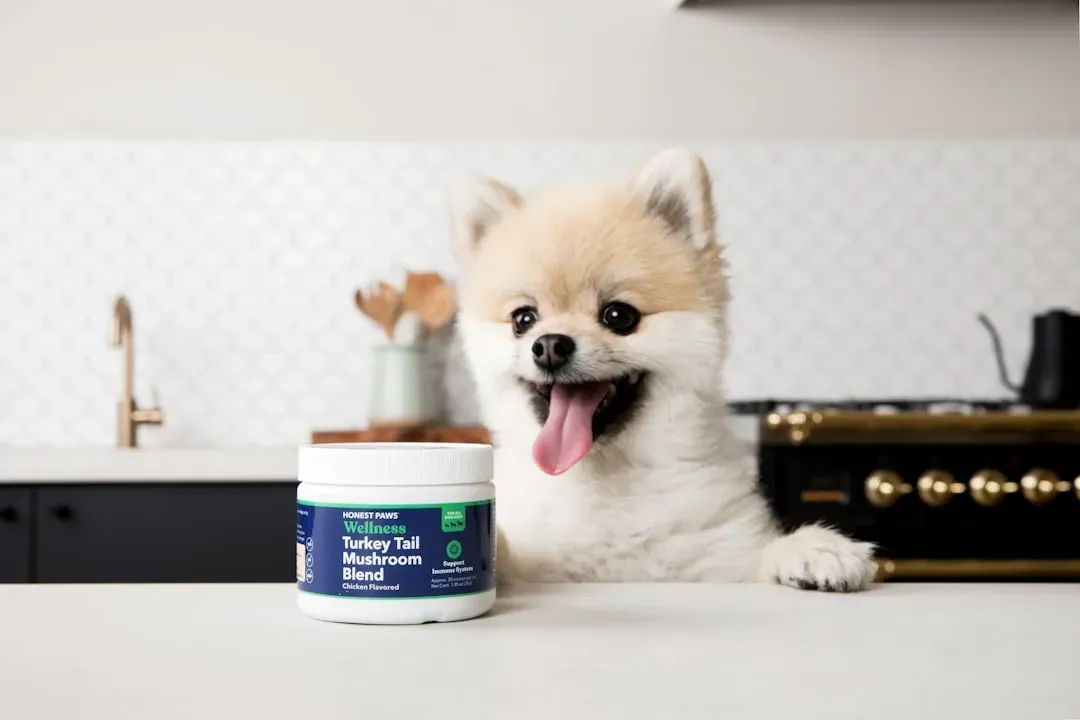
The gut is not a glamorous topic. Nobody’s posting about their dog’s microbiome on social media or raving about fermented prebiotics at the dog park. Yet it may be the single most important system affecting how your dog feels, behaves, and thrives every single day.
The good news is this: a healthy gut is vital for your dog’s immune system, nutrient absorption, and overall well-being, and dogs with good gut health are less likely to fall ill, have better appetites, and may live longer, more active lives. That right there is everything we want for the dogs we love.
So the next time your pup gives you that look – the one that makes your whole day better – remember that behind those bright eyes and wagging tail is a thriving gut working hard to keep them that way. Protect it, nourish it, and never underestimate it. Your dog can’t ask you to. But now you know.
What change will you make for your dog’s gut health this week? Share your thoughts in the comments – we’d love to hear from you.


