
Ever wonder why some dogs seem to bounce through life with endless energy while others struggle with constant tummy troubles or seem perpetually anxious? Let’s be real, the answer might not be what you expect. It all comes down to something happening deep inside your dog’s digestive system, something most of us never think about until things go wrong.
We’re talking about the gut microbiome. That mysterious community of trillions of tiny organisms living in your dog’s intestines. Here’s the thing that might surprise you: the canine gut microbiome plays a vital role in overall health and well-being by regulating various physiological functions, including digestion, immune responses, energy metabolism, and even behavior and temperament.
Think about that for a moment. Your dog’s belly isn’t just about processing kibble. It’s actually controlling how they feel, how they fight off illness, and even how they act. Honestly, it sounds crazy until you dig into the science. So let’s dive into what makes this hidden world so important and how you can help your furry friend thrive from the inside out.
The Gut Microbiome: Your Dog’s Internal Ecosystem
Picture a bustling city inside your dog’s digestive tract. The organisms living inside the microbiome within your dog’s digestive tract include bacteria, bacteriophage, fungi, viruses and protozoa. This diverse population works around the clock, performing jobs that keep your dog healthy and happy.
What’s truly fascinating is the sheer scale of it all. Dogs have 10x more bacteria in their gut microbiome, compared to cells in their body. This means the gut microbiome needs to be managed, which parents can do through a real food diet. Think about that. Your dog is actually more microbe than dog, in terms of cell count.
Dogs with a more diverse gut microbiome are generally healthier and more resilient to diseases. It’s like having a well-rounded team instead of just one or two players. When that diversity gets disrupted, though, problems start to emerge. Dysbiosis, or an imbalance in the microbiome, can lead to various health issues, including gastrointestinal disorders, systemic inflammation, and behavioural changes.
Here’s where it gets even more interesting: Physiological interactions with microbial metabolites extend across the entire body to impact virtually every aspect of animal health. That means these tiny organisms are sending chemical messages throughout your dog’s entire body, influencing everything from their joints to their brain.
The Immune System Connection You Can’t Ignore
If you’ve ever wondered why some dogs seem to catch every bug going around while others stay healthy, the gut might hold the answer. Seventy percent of a dog’s immune system is associated with their gut. That’s not a typo. Nearly three-quarters of your dog’s ability to fight off illness lives in their digestive system.
The gut depends on its microbiome, a collection of microorganisms throughout the digestive tract that modulate inflammation; assist with digestion and nutrient absorption; protect against harmful bacteria; and influence mood, behavior and stress responses. It’s essentially a control center for your dog’s entire defense system.
When the balance tips in the wrong direction, the consequences can ripple through your dog’s whole body. Factors like a poor diet, antibiotics and stress can disrupt the balance of beneficial and harmful bacteria, potentially exacerbating inflammation or creating other gut health issues.
The good news? The administration of probiotics can improve the balance of the intestinal microbiota, suppress inflammation, enhance immune function, and alleviate intestinal disorders in dogs and cats. Supporting gut health isn’t just about digestion. It’s about giving your dog’s entire immune system the foundation it needs to function properly.
The Gut-Brain Axis: When Your Dog’s Belly Talks to Their Brain
This might sound like science fiction, but bear with me. There’s a direct communication highway between your dog’s gut and their brain. Serotonin, a neurotransmitter, is mostly produced in the intestine, which has led to the development of the gut-brain axis concept. That’s right, the same chemical that regulates mood and happiness is being manufactured in the gut.
Emerging evidence suggests a link between gut microbiome composition and behavioural and cognitive outcomes, including anxiety, stress responses, and learning abilities. I know it sounds incredible, but researchers have found that dogs with imbalanced gut bacteria often show more anxious or reactive behaviors.
Here’s a real-world example: Dogs who took BL999 were less likely to bark, jump, spin or pace in situations that normally caused them distress. This specific probiotic strain actually helped calm anxious dogs by working through their digestive system.
Gut inflammation releases cytokines, chemical messengers that travel to the brain and trigger “sickness behaviors,” such as lethargy, withdrawal, loss of appetite, depression-like symptoms, aggression, and repetitive behaviors. So when your dog seems unusually grumpy or withdrawn, it might not be a training issue at all. It could be their gut sending distress signals to their brain.
Up to 70% of behavioral disorders in dogs can be attributed to some form of anxiety, and the gut-brain connection is increasingly recognized as a key player in managing these issues. Supporting your dog’s gut health might just be the missing piece in addressing behavioral challenges.
Recognizing When Your Dog’s Gut Needs Help
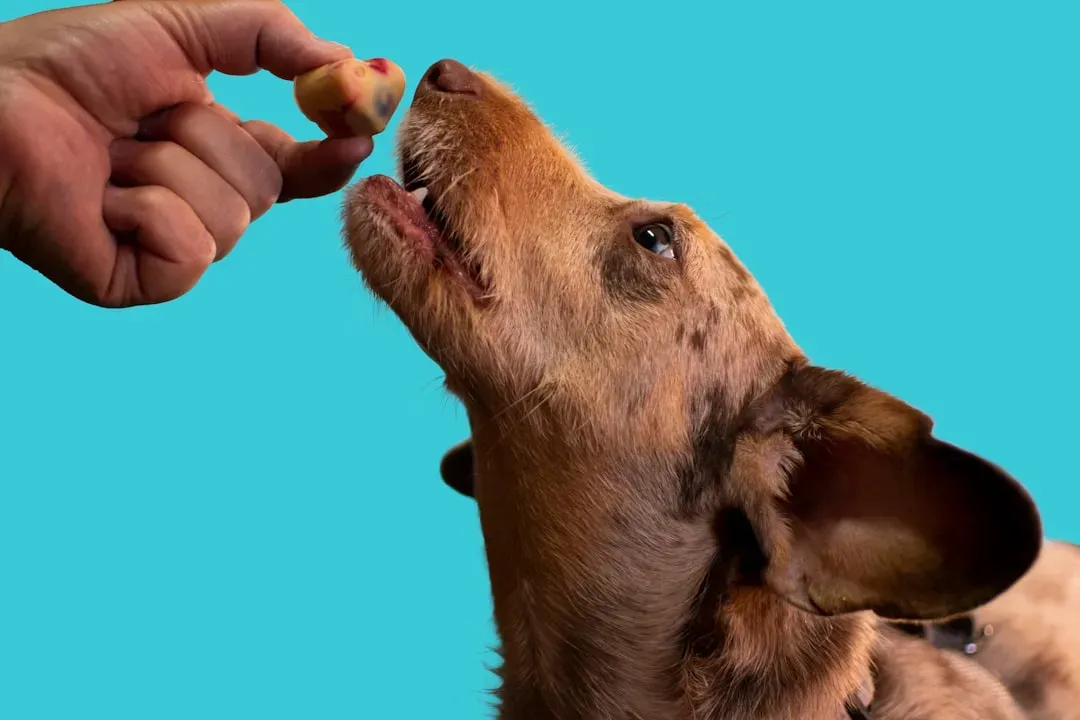
Let’s talk about the warning signs. Signs of digestive system disease can include excessive drooling, diarrhea, constipation, vomiting or regurgitation, loss of appetite, bleeding, abdominal pain and bloating, straining to defecate, shock, and dehydration. These are the obvious red flags that something’s not right.
Sometimes the signs are less dramatic. Poor gut health can manifest in many ways – from the obvious signs of diarrhoea and vomiting to the more subtle symptoms of abdominal tenderness and lethargy. Your dog might just seem a bit off, maybe less playful than usual or showing changes in their coat quality.
Watch for patterns in their bathroom habits too. Signs typically include longterm diarrhea, weight loss, and altered appetite (loss of appetite or excessive eating). If your dog is constantly hungry but losing weight, that’s a red flag worth investigating.
Gastrointestinal problems are the primary reason for vet visits. You’re definitely not alone if your dog has experienced digestive issues. The key is catching problems early before they escalate into chronic conditions that are harder to manage.
Feeding Your Dog’s Gut: Diet Makes All the Difference
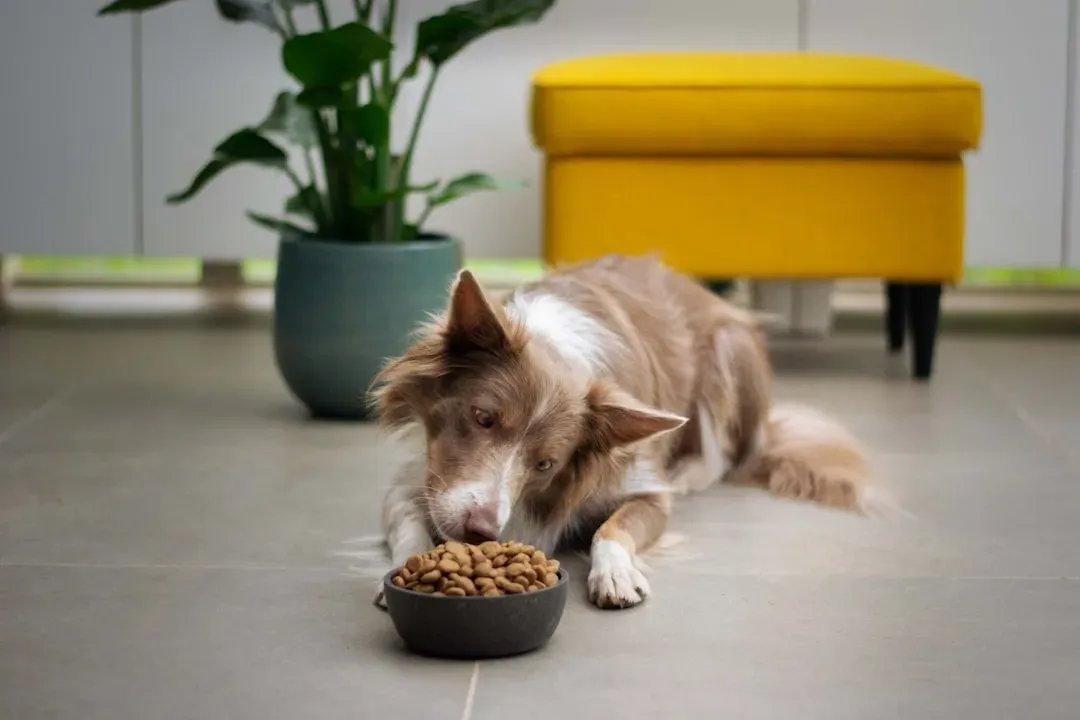
Many processed dog foods contain fillers and artificial ingredients that harm dog gut health over time. Common ingredients like corn, wheat, soy and byproducts can cause inflammation and contribute to digestive issues. It’s hard to hear, but that bargain kibble might be doing more harm than good.
Variety is key for a healthy gut microbiome. A diet with diverse whole foods supports a pet’s digestive system. A healthy gut needs a balance of fiber, protein, healthy fats, and essential vitamins and minerals. Omega-3 fatty acids from sources like fish or flaxseed oil also play a critical role in reducing inflammation.
Pumpkin is rich in fiber and a great source of prebiotics, which feed probiotics. Adding a spoonful of plain canned pumpkin to your dog’s meals is an easy way to boost their gut health. Just make sure it’s pure pumpkin, not pie filling loaded with sugar and spices.
There are many foods you can add to your dog’s diet to boost their gut health, from leafy greens to lean meats. Non-starchy, fibrous vegetables – like broccoli, green beans, carrots, cauliflower, asparagus, and leafy greens – contain the kinds of prebiotic fiber that beneficial gut bacteria like to eat. These whole food toppers can make a significant difference without completely overhauling your dog’s diet.
Switching a dog’s diet from processed to fresh food requires a progressive approach to avoid digestive upset. Start by mixing a small amount of naturally fresh dog food with their current processed food, gradually increasing the fresh food portion over seven to 10 days. Patience is key here. Rushing the transition can cause more problems than it solves.
Probiotics and Prebiotics: Your Dog’s Gut Health Allies

Probiotics boost the healthy gut bacteria that help digest food. They are a well-known therapy for diarrhea and gastrointestinal upset. Think of probiotics as reinforcements for the good bacteria already living in your dog’s digestive system.
Prebiotic fiber comprehensively feeds the good bacteria in your dog’s GI tract to restore their unique balance. In the large intestine, bacteria ferment prebiotics, releasing compounds called short-chain fatty acids. These fatty acids are incredibly important because they nourish the cells lining your dog’s colon and help maintain a healthy gut environment.
Here’s the difference: probiotics are the actual beneficial bacteria, while prebiotics are the food that helps those bacteria thrive. A combination of dog prebiotics and probiotics can support a healthy gut. That’s why many foods and supplements aimed at improving digestive health have both.
In a 2019 study, dogs given a probiotic blend alongside antibiotics had fewer digestive issues – such as diarrhea, vomiting, and loss of appetite – compared to dogs who didn’t receive probiotics. This is especially important if your dog needs antibiotics, which can wipe out beneficial bacteria along with the harmful ones.
You might be wondering when to use these supplements. You might consider giving your healthy dog a probiotic if they are prone to developing diarrhea in stressful situations. For example, if you are planning to take your dog to a show or to boarding for a week, it may make sense to give them probiotics a few days in advance. Prevention is always easier than treatment.
Making Gut Health Part of Your Daily Routine
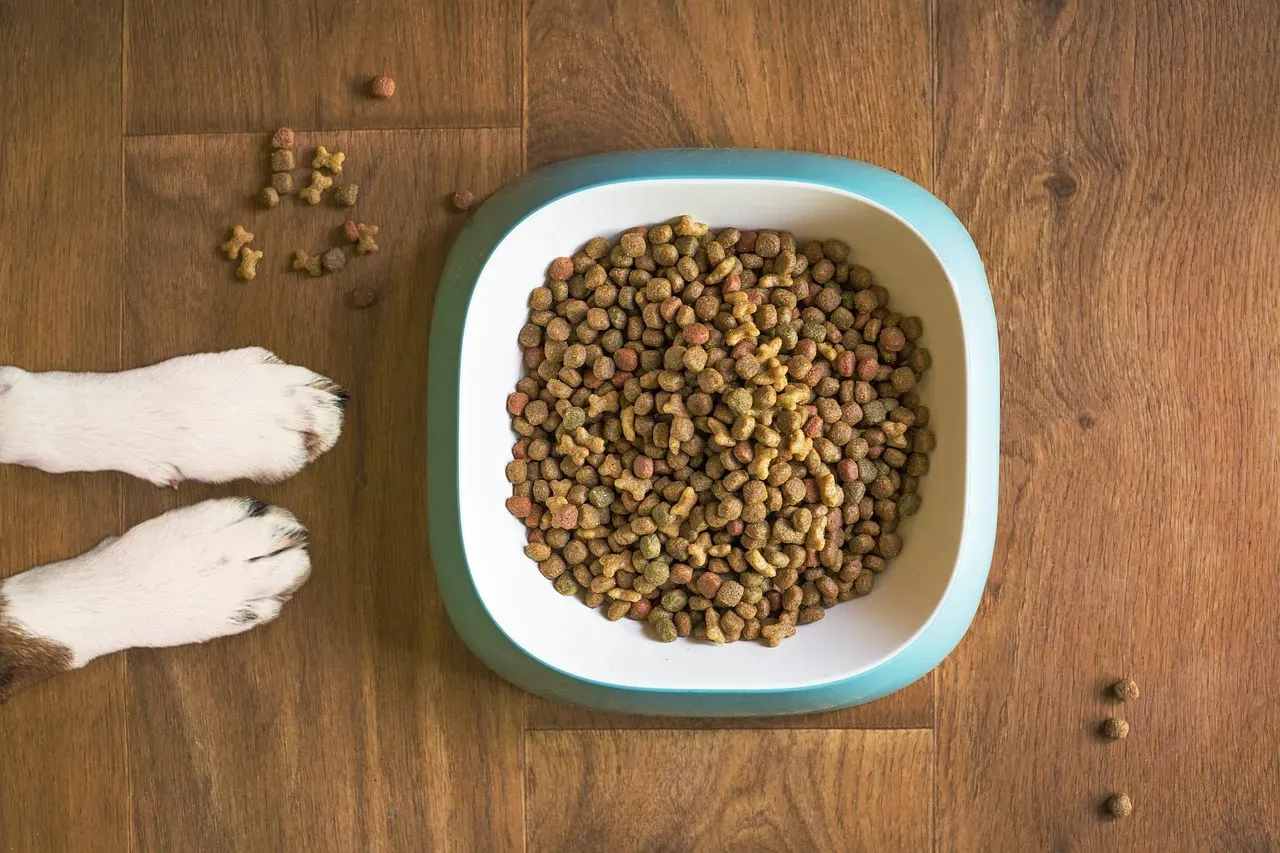
Supporting your dog’s gut health doesn’t have to be complicated. Start with the basics: consistent, high-quality nutrition and plenty of fresh water. Control of digestive diseases and parasites depends on practicing good sanitation and hygiene. This is achieved primarily by providing adequate space for your dog and by regular cleaning of its living areas. In addition, adequate nutrition and housing will minimize the stress on your dog and help it to stay healthy.
Stress management matters more than most people realize. Dogs pick up on our emotions and environmental changes. Whether it’s moving house, a new pet, or even changes in your work schedule, these stressors can impact gut health. Creating a calm, predictable routine helps keep their digestive system balanced.
Regular veterinary checkups are essential. Regular wellness visits allow our veterinarians to monitor your pet’s health, provide advice on nutrition, and catch potential issues early. Don’t wait until something seems seriously wrong. Prevention is your best tool.
Keep a log of your dog’s eating habits, bathroom patterns, and overall behavior. Keep a log of your dog’s behavioral and digestive changes. Report to your veterinarian: unusual restlessness, difficulty sleeping, hiding, or aggressive behavior. Your veterinarian can use your observations and their diagnostic tests to uncover and treat underlying gut disease. Your observations are valuable data that can help your vet identify problems before they become serious.
When choosing between prebiotics and probiotics for dogs, consider your pet’s needs. Probiotics can be great for immediate support, especially after illness or stress. But for long-term gut health, prebiotics are the way to go. Both have their place in supporting your dog’s digestive wellness.
Here’s the bottom line: your dog’s gut health is not just about avoiding upset stomachs. It’s the foundation of their immune system, influences their behavior and mood, and affects virtually every aspect of their physical wellbeing. By paying attention to what goes into their bowl, managing stress, and working closely with your veterinarian, you’re giving your dog the best chance at a long, healthy, happy life. What changes will you make today to support your dog’s gut health? Your pup’s wagging tail will thank you.


