
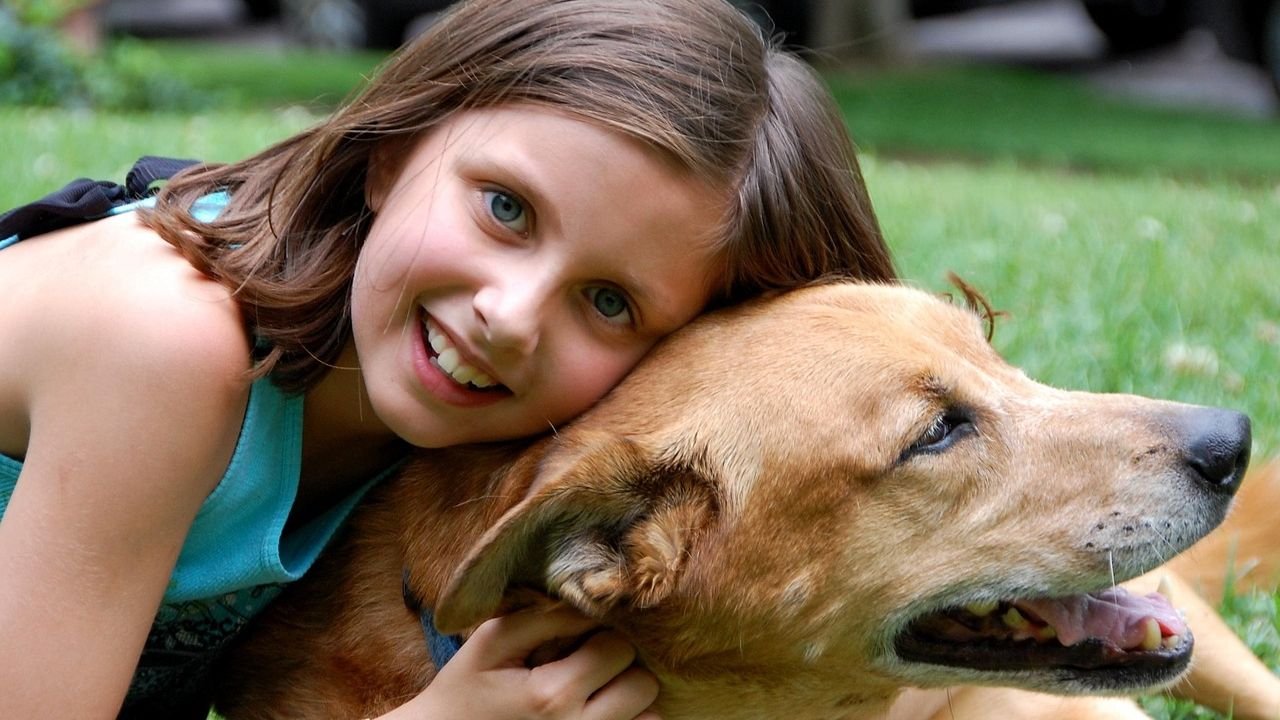
There is something almost magical about coming home after a long, draining day and having your dog greet you like you just returned from a decade-long voyage. That tail spinning, that full-body wiggle, those soft eyes locked on yours. It is hard not to feel something warm unfold in your chest. Honestly, I think it is one of the most genuinely human moments a person can experience, and dogs are the ones creating it.
What most of us sense intuitively, science is now confirming in remarkable ways. The joy your dog feels and the joy you feel are not separate events. They are part of the same living, breathing, emotionally synchronized system. This connection is deeper, stranger, and more beautiful than you might expect. Let’s explore it together.
You and Your Dog Share More Than a Home – You Share Emotions
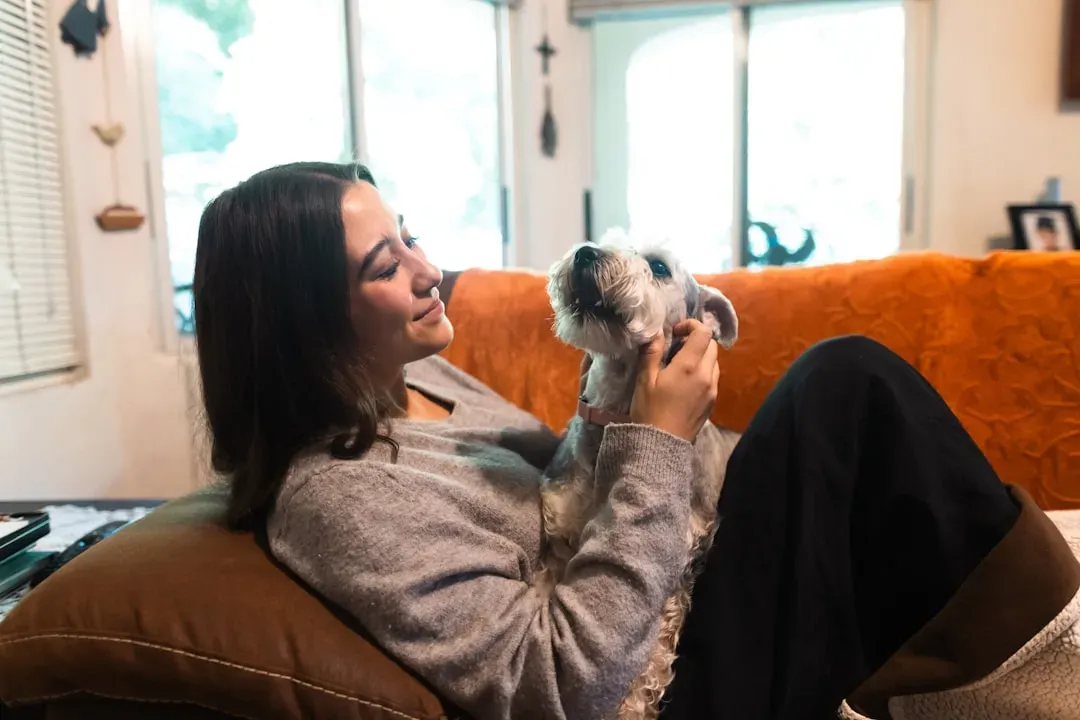
Here is the thing that genuinely blew my mind when I first came across it: your dog’s emotional state and your own are physiologically linked. A study from the University of Jyväskylä found that dogs and their owners share synchronized heart rate variability, reflecting a deep emotional connection. Think of heart rate variability like an emotional fingerprint. When yours shifts, your dog’s shifts too.
When the owner was relaxed, their dog reflected that calmness, and during physical tasks, both activity levels and heart rate patterns between the two mirrored each other. It is less like living with a pet and more like being emotionally co-regulated with another living being. If you have ever noticed your dog melting into the couch when you finally unwind after a stressful week, now you know why.
Researchers measured stress levels over several months by tracking the concentration of cortisol in a few centimeters of hair from both dog and owner, and found that owners with high cortisol levels had dogs with high cortisol levels, while owners with low cortisol levels had dogs with low levels. Your nervous system and your dog’s nervous system are in a constant, quiet conversation. That is not a metaphor. That is biology.
What a Happy Dog Actually Looks Like – Reading the Real Signs
Let’s be real: most of us think a wagging tail equals a happy dog. Not always. A wagging tail doesn’t always mean a happy dog – context is key to interpreting canine emotions. The whole body tells the story, not just one part of it.
If your dog seems relaxed in their posture and not tense or stiff, that is a good indication they are feeling good. Loose shoulders, soft eyes without a fixed gaze, and a dose of “wiggliness” or pure “flopped-outness” are all clues that your dog is feeling super chill. Picture a dog collapsed on their side, completely boneless-looking. That is contentment in its purest form.
A study on tail-wagging showed that dogs tend to wag their tails more to the right when feeling positive about something, such as interacting with their owner, and tails wagged more to the left when dogs faced something negative. Meanwhile, watch for warning signs too. Stressed dogs often avoid eye contact, and a distressed dog might perform exaggerated yawns, sneeze, or lick their lips frequently. These small signals are worth learning – they are your dog’s honest, unfiltered feedback.
The Science of Joy: What Happens Inside a Happy Dog’s Brain

Dogs do not experience happiness as a vague, fuzzy feeling. It is a full neurochemical event. Dogs experience core emotions remarkably similar to human toddlers, and their brains produce the same neurochemicals that drive our feelings: oxytocin for bonding, dopamine for pleasure and motivation, and serotonin for contentment and calm. Sounds a lot like us, doesn’t it?
Dopamine surges during play and anticipation, like when you grab their leash for a walk. Oxytocin floods their system during cuddle sessions and eye contact with you. Serotonin maintains their baseline mood, keeping them calm and content throughout the day. It is essentially the same happiness cocktail humans enjoy, just experienced with fewer existential worries.
Gentle interactions like petting or snuggling trigger oxytocin in both owner and dog, and regular companionship reduces levels of cortisol and anxiety-related tension. This is a two-way street. Research shows that emotionally fulfilled dogs live longer, healthier lives with fewer behavioral issues, and they recover faster from stress and adapt better to change. Investing in your dog’s joy is genuinely good medicine – for both of you.
How Your Emotional Wellbeing Shapes Your Dog’s World
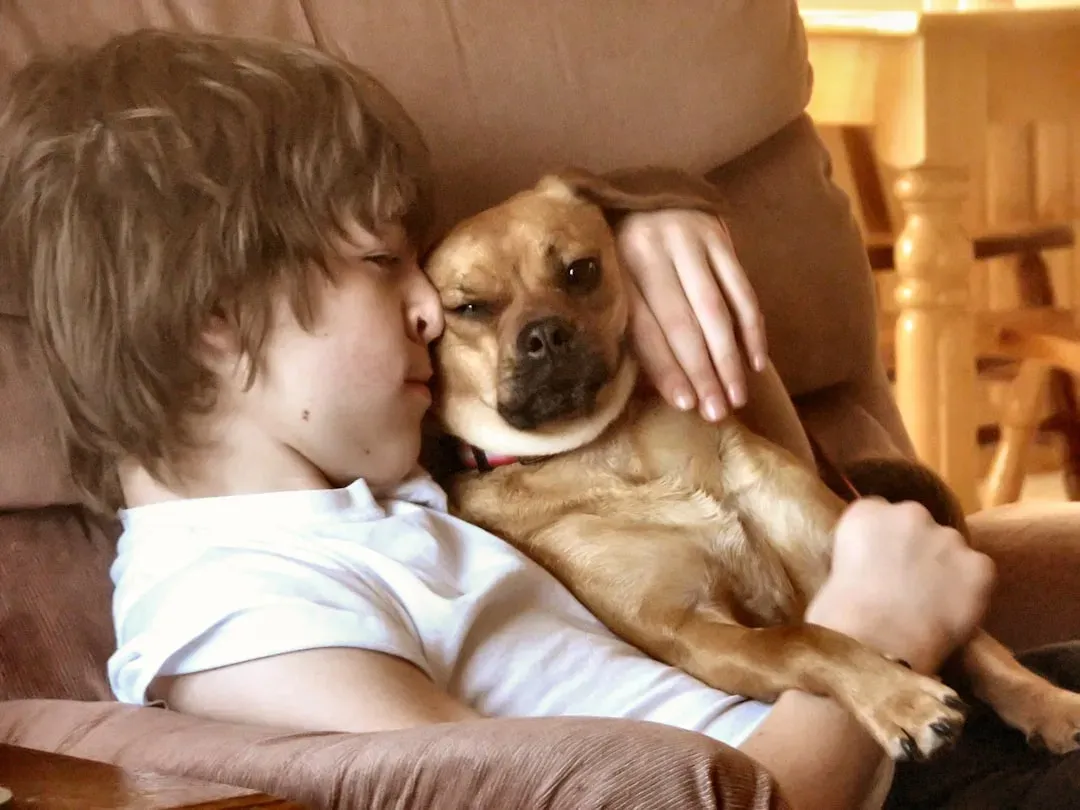
Your dog is watching you more closely than you realize. Dogs synchronize their behavior with their owners, and they are watching us very closely, picking up on gaze and body language, the sounds we make, and even the scents we give off. You are essentially their primary source of emotional information about how the world is going.
Dogs are known for their attunement to human emotions. They can sense when their owners are sad or anxious and often respond with comforting behaviors such as physical proximity, licking, or nuzzling. That moment when your dog puts their head in your lap during a hard day? They are not guessing. They know something is off.
The flip side of this is equally important. The key is self-regulation. Practicing mindfulness, creating calm environments, and maintaining healthy routines can help soothe both of your nervous systems. You cannot pour calm into your dog’s world from an empty cup. Taking care of your own emotional health is, quite literally, an act of love for your dog.
Feeding the Joy: Enrichment, Play, and the Practical Side of Canine Happiness
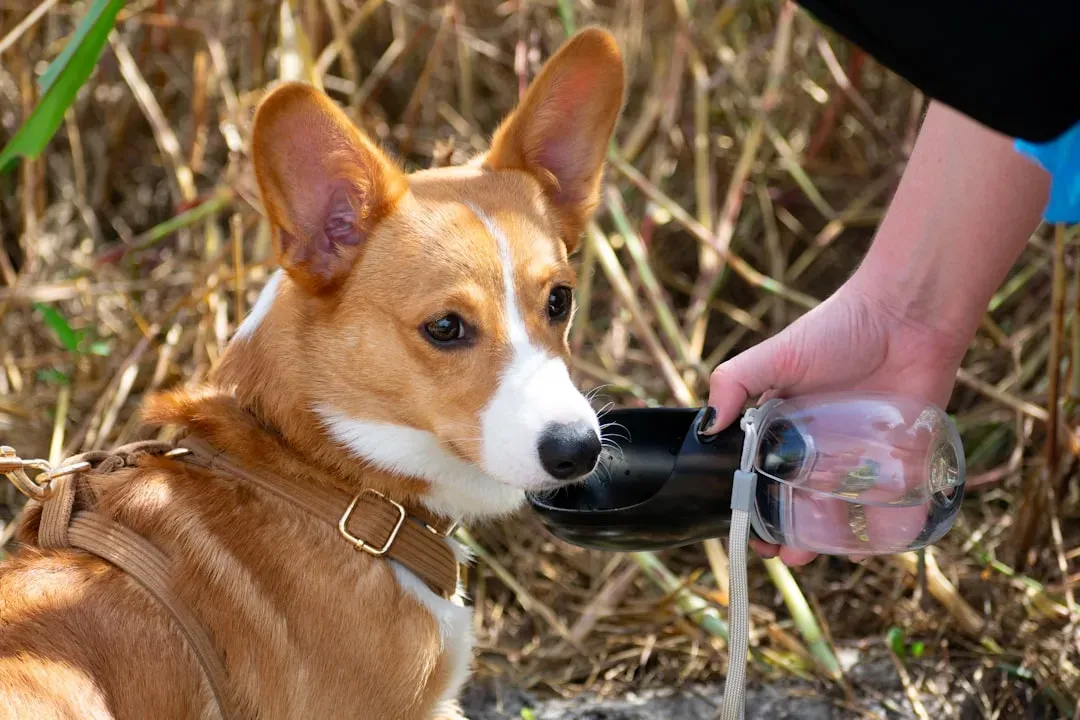
A happy dog is not just a loved dog – it is a stimulated dog. Just like humans, dogs thrive when they have engaging activities to stimulate their minds and bodies. Enrichment isn’t just about keeping your dog busy – it’s about providing them with meaningful experiences that tap into their natural instincts, reduce boredom, and improve overall well-being. Boredom in dogs is a silent saboteur of joy, and it often shows up as chewing, barking, or restless pacing.
Sniffing during walks is more than just physical exercise – it’s a vital form of mental stimulation. Allowing your dog to sniff engages their brain and satisfies their natural instincts, making walks more enriching and fulfilling. So the next time your dog stops to investigate every lamppost on the block, let them. They are basically reading the newspaper.
Mental stimulation is just as important for dogs as physical exercise. Signs that a dog is bored include tail-chasing, excessive barking, pacing, and digging. Simple ideas like puzzle feeders, hide-and-seek games, or even rotating their toys weekly can make a real difference. Human interaction is the most enriching experience dogs can have. Whether you’re playing, training, or simply relaxing together, you are your dog’s favorite part of their world.
A Conclusion Worth Holding Onto

There is a profound and beautiful truth at the heart of life with a dog: you are not separate emotional beings coexisting in the same space. You are part of the same emotional ecosystem. When you are well, they feel it. When you thrive, they thrive. The bond is not one-directional, and it is not superficial. It is written in cortisol levels, heartbeat patterns, oxytocin surges, and a thousand quiet moments between species.
The responsibility that comes with this is gentle but real. Learn your dog’s body language. Create space for play and mental challenge. Tend to your own wellbeing as an act of care for them. Notice the small signals. Show up with presence, not just presence.
Your dog does not need you to be perfect. They just need you to be there – calm, curious, and connected. The joy you give each other is, in the most literal sense, mutual. And honestly? That might be one of the most hopeful things science has ever confirmed about love.
What small thing could you do today to add a little more joy to your dog’s world – and, without even trying, to your own? Share your thoughts in the comments below.


