
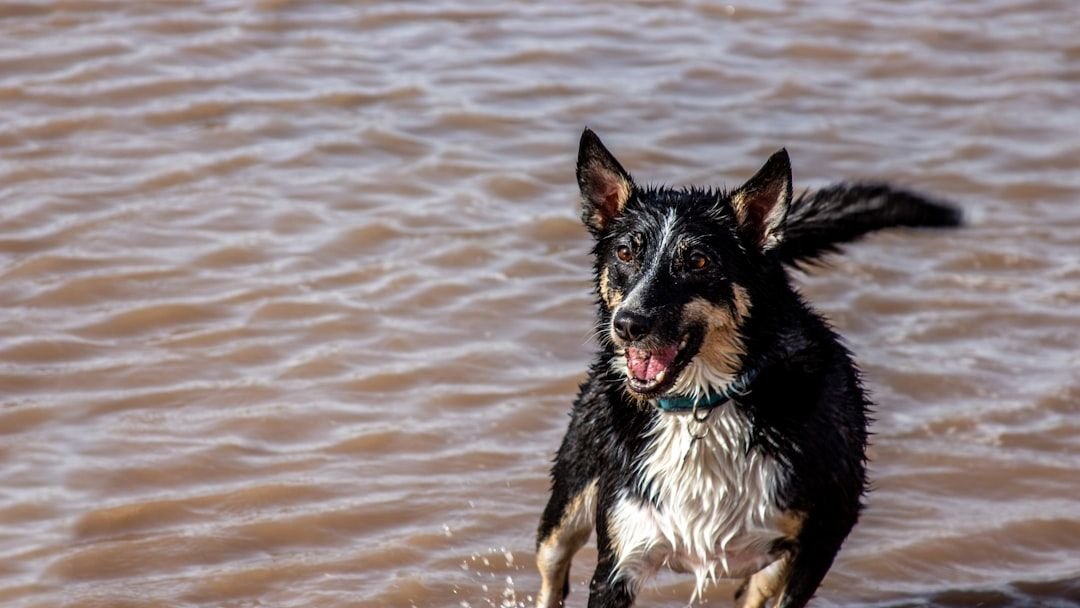
Picture yourself walking through the front door after a long, exhausting day. Before you’ve even dropped your keys, there’s a blur of fur, a wiggling body, and a tail moving at what seems like a hundred miles an hour. It’s one of the most recognizable moments in pet ownership, and most of us read it exactly the same way: happy dog. But what if that wagging tail is saying something far more specific, far more layered, than a simple “welcome back”?
Dogs are extraordinary communicators. Words are the basis of human communication, so people are good listeners. Dogs, on the other hand, are watchers. Lacking a verbal vocabulary, they communicate broader messages with body language. The tail is one of the most expressive tools they have, and once you start reading it carefully, you’ll realize your dog has been having full conversations with you all along.
The Tail Is a Social Instrument, Not Just a Body Part
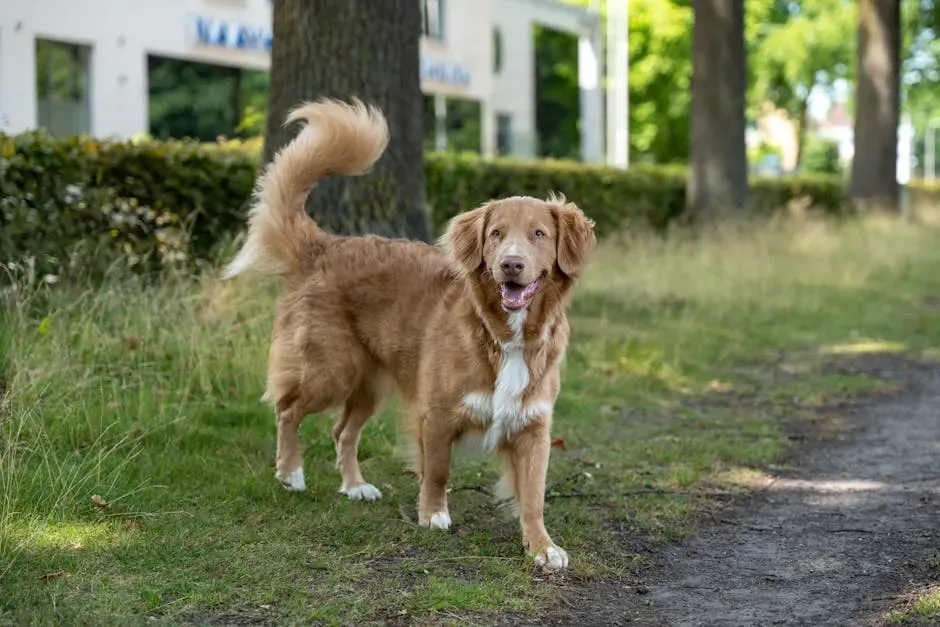
There’s a reason dogs evolved to wag their tails with such variety and visible movement. Within the domestic dog, the tail plays multiple roles, including balance and communication. It is considered a social signal. It’s not random movement. It’s intention.
Dogs tend not to wag their tails unless there is another animal or human nearby with whom to interact. That detail alone says a lot. Your dog isn’t wagging at the wall. They’re talking to you. Tail wagging isn’t random. It’s deliberate communication that reflects both emotion and intent. Each wagging pattern reveals a distinct emotional state.
Wagging tails are visible at a distance, which allows dogs to communicate with other dogs while keeping enough space to minimize conflicts. Evolution shaped the tail to be seen, which explains why so many breeds have contrasting tips, bushy fur, or lighter undersides. Evolution has helped by producing tails that are more visible. Some tails have color variations such as dark or light tips, some are lighter on the underside, and some are bushy. All these traits accentuate the tail wag and enhance communication.
Puppies Learn to Wag – It Doesn’t Come Naturally
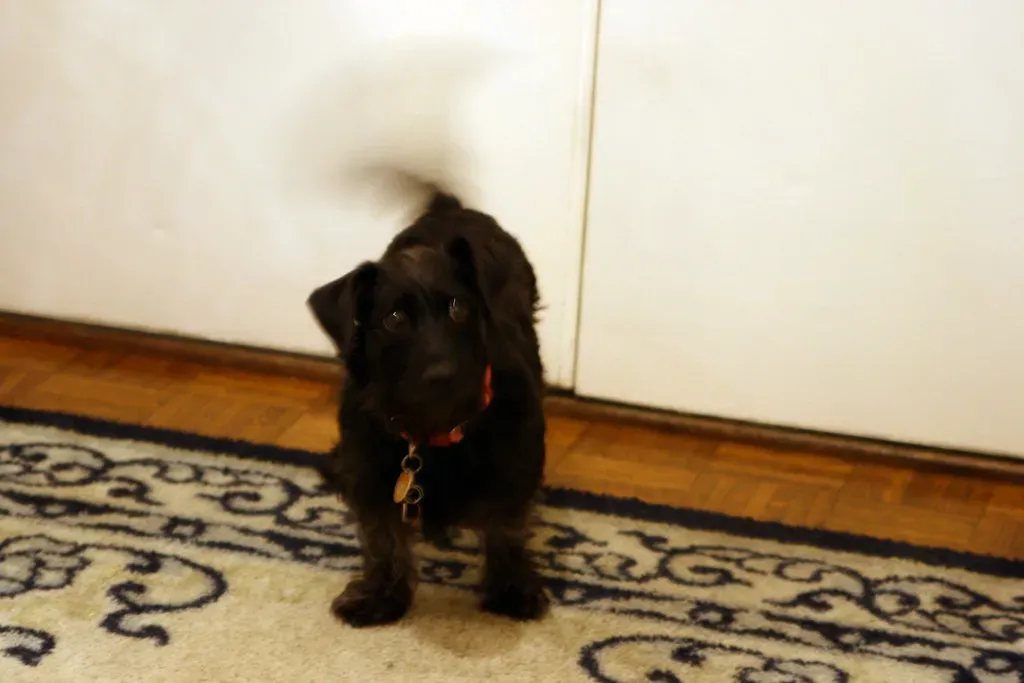
Here’s something many dog owners don’t realize: tail wagging is a learned behavior, not an instinct switched on at birth. Puppies don’t wag their tails until they are about one month of age. For this reason, it’s likely that tail wagging is a learned behavior. At first, tail wagging may be used to signal to a puppy’s mother that they are hungry or to tell their littermates playtime has gotten too rough.
As puppies grow, they learn to use their tails as a tool for communication, influenced by interactions with their littermates and humans. This behavior is shaped by the dog’s experiences and the responses it receives from others, reinforcing the tail wag as a means of expressing emotions and intentions. It’s essentially a vocabulary being built in real time.
As puppies get older, tail communication becomes more varied and nuanced. Since tail movements are controlled by skeletal muscle and tail wagging is a learned behavior, the action is likely intentional. Think of it the way children learn to wave or point. It starts simple, then grows into something richly expressive.
Speed, Height, and Direction: The Three Dimensions of a Wag
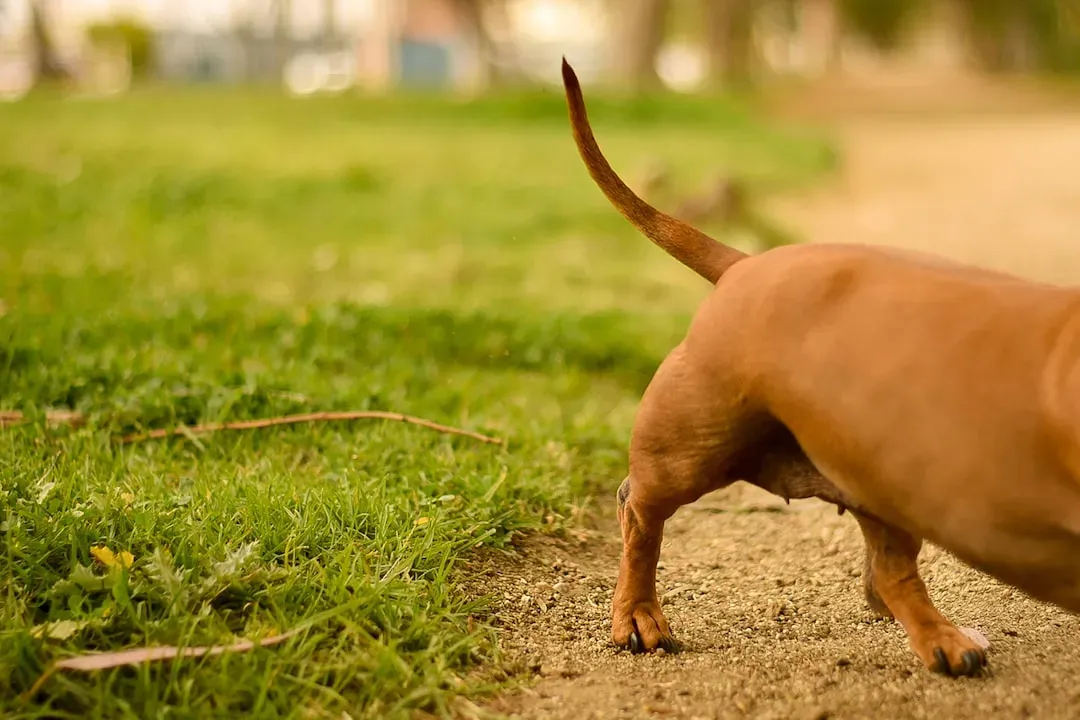
Not all wags are created equal. The rate at which a tail moves contributes to the dog’s communication, as does the position of the tail while wagging. As a dog’s arousal increases, the tail may wag more quickly regardless of the nature of that arousal. That last part is worth sitting with. Faster doesn’t automatically mean happier.
A wide, fast-moving tail wag usually indicates excitement and happiness. Dogs display this type of wag when they see their favorite humans, are about to receive treats, or are engaging in playtime. This is often accompanied by other friendly body language, such as a relaxed face, wiggling body, and perky ears. Contrast that with a stiff, high tail. A stiff tail wag held high often indicates dominance or alertness. Dogs that are feeling assertive or protective may hold their tails up and wag them in small, controlled movements. If a dog exhibits this type of wag while staring intently or stiffening its body, it could be signaling a warning.
Then there’s the direction of the wag itself, which is perhaps the most surprising discovery in canine science. It turns out that even the direction of the wagging may be significant. Studies show that dogs wag their tails to the right when they are happy or confident, and to the left when they are frightened. The left side of the brain controls movement on the right side of the body, and vice versa. So the left brain is engaged when the tail wags to the right. Since the left side of the brain is associated with positive feelings like love and serenity, a happy dog wags to the right. Conversely, the right half of the brain is associated with negative feelings like fear and depression, so a frightened dog wags to the left.
When a Wagging Tail Actually Means “Back Off”
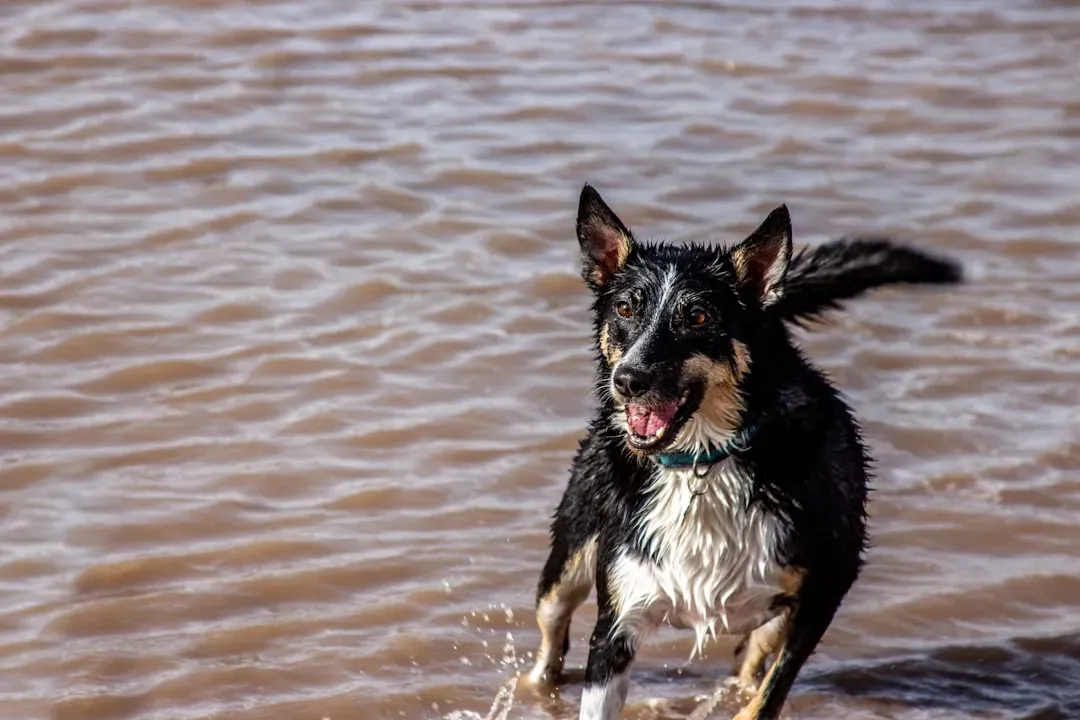
This is where understanding tail language really matters, especially around children or unfamiliar dogs. The tail wagging behavior of a dog may not always be an indication of its friendliness or happiness. Though indeed tail wagging can express positive emotions, tail wagging is also an indication of fear, insecurity, challenging of dominance, or a warning that the dog may bite.
It is important to recognize that a dog with a wagging tail does not necessarily mean they want to interact or continue an interaction. A tail may begin to wag tentatively during an interaction, and the message here is “pause.” Dogs experiencing emotional conflict may begin to wag their tails rapidly as a reflection of their discomfort. Tail wags are often misinterpreted to mean that the dog is “friendly” and wants to engage, when the dog may be trying their best to find a way to end the interaction. In some cases, this miscommunication ends with physical confrontations such as snaps or bites.
If a dog tucks its tail between its legs but still wags it slightly, this typically signals fear or anxiety. Dogs that feel threatened or scared may use this gesture as a way of trying to appease a perceived threat. This is a sign that a dog needs space and comfort rather than direct engagement. Recognizing this in the moment can prevent a lot of unnecessary distress for the dog and real safety risks for people nearby.
Breed Differences Matter More Than You Might Think
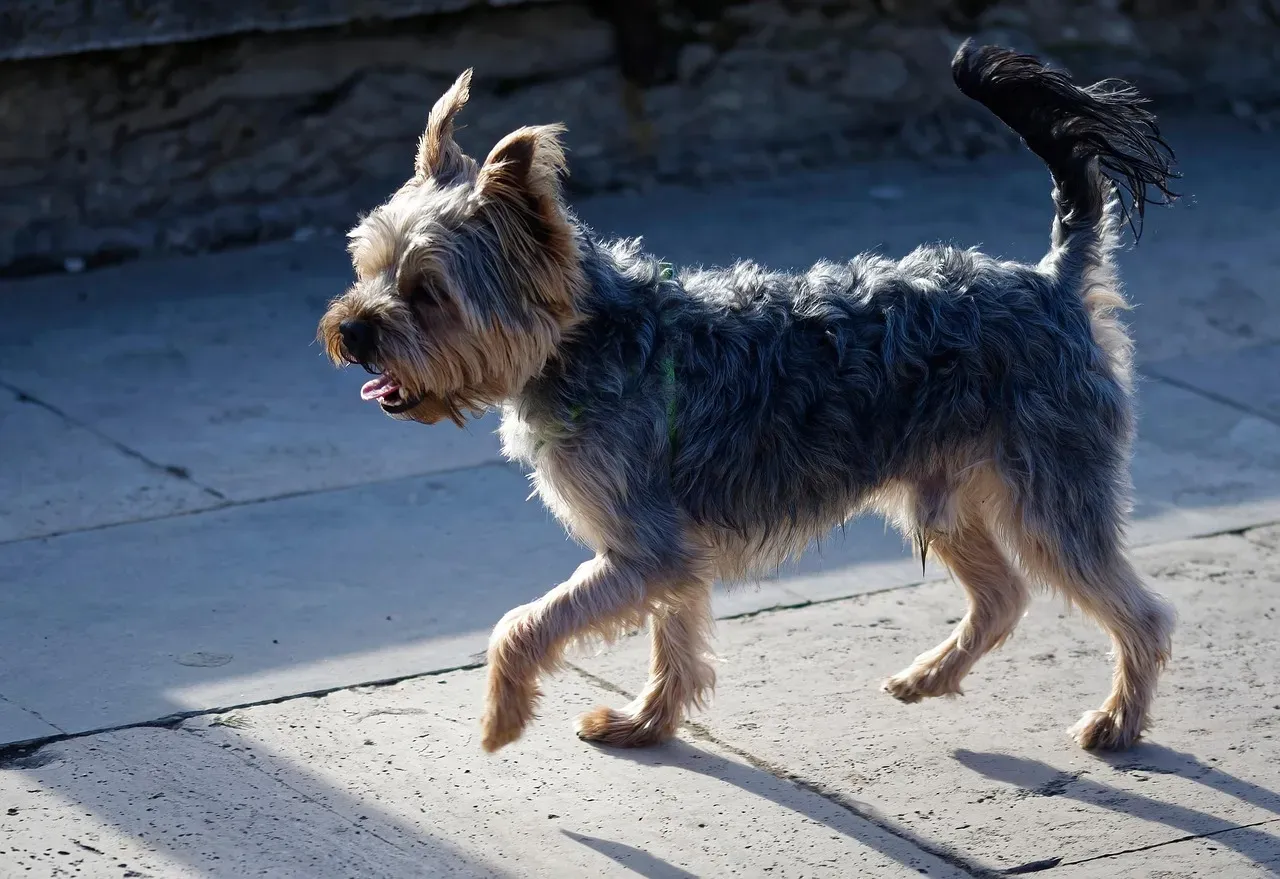
Reading tail language isn’t a one-size-fits-all skill. The neutral or natural position of a dog’s tail varies by breed. Most dogs have tails that hang down near their heels when they are relaxed. But some dogs, for example Beagles, hold their tails more vertically. Breeds such as Greyhounds and Whippets curl their tails under their bellies, while many other breeds, such as Siberian Huskies and Norwegian Elkhounds, curl their tails over their backs.
Tail posture and movement patterns can differ slightly between breeds, so it’s important to be aware of breed-specific tendencies. For instance, breeds with naturally high-carried tails like Akitas or Huskies may appear more confident or alert than they are. On the flip side, dogs with short or docked tails may be harder to read, making it even more essential to look at the entire body language.
Many breeds, such as Doberman Pinschers and Boxers, have docked tails, which can limit their ability to express emotions clearly. In these cases, body language and facial expressions become even more important for understanding a dog’s mood. Breeds with long, expressive tails, such as Golden Retrievers and Border Collies, have a wider range of wagging motions. Their tails often provide clear indicators of their emotions, making it easier to interpret their moods. If your dog’s breed has limited tail movement, pay close attention to their ears, posture, and eye shape as compensating signals.
When a Suddenly Still or Limp Tail Is a Health Warning
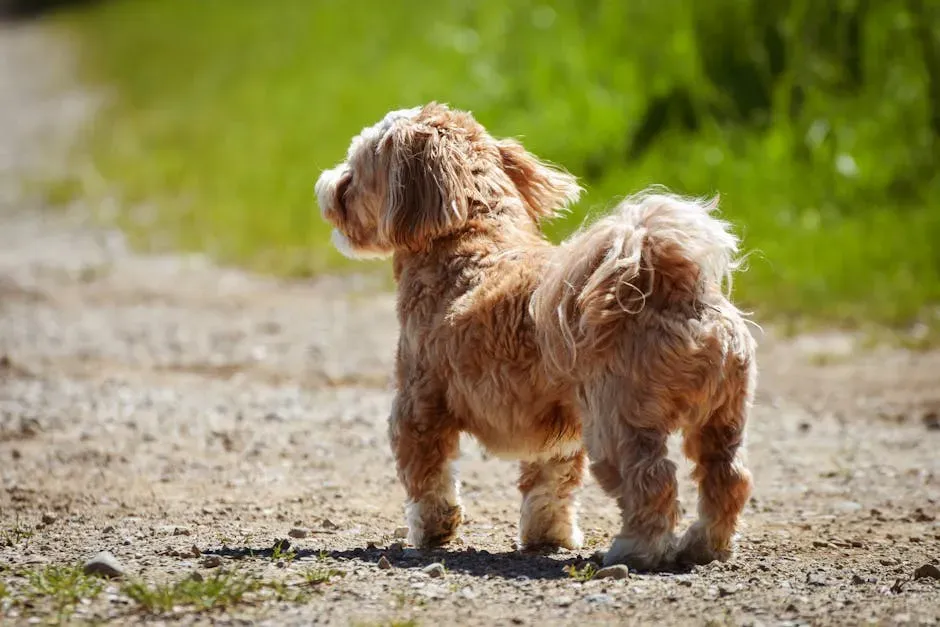
A tail that stops wagging when it normally wouldn’t is worth paying attention to. While tail wagging is a natural behavior, sudden changes in how a dog moves their tail can indicate discomfort or injury. If a dog stops wagging their tail or holds it in an unusual position, it could be a sign of pain. Conditions like limber tail syndrome, fractures, or nerve damage can affect a dog’s ability to move their tail normally.
Your dog may be suffering from acute caudal myopathy, or “limber tail syndrome,” a condition where the tail becomes flaccid or limp after strenuous activity or exposure to cold environments. Causes of limber tail include increased tail activity, swimming, crate transport, under-conditioning, overexertion, cold and wet weather, and potential genetic factors. It looks alarming but is usually treatable.
Although limber tail can be painful, most dogs recover fully with rest and anti-inflammatory medications. Limber tail is thought to be caused by overexertion and sudden muscle injury. Sometimes a dog’s tail position can indicate the state of their physical health, too. If their tail stays low for a while, they may be feeling tired or under the weather. When it’s accompanied by tiredness, loss of appetite, vomiting, diarrhea, joint stiffness, or other signs of illness, they should be checked over by the vet. Trust your gut when something seems off. You know your dog’s baseline better than anyone.
How to Read the Full Picture, Not Just the Tail
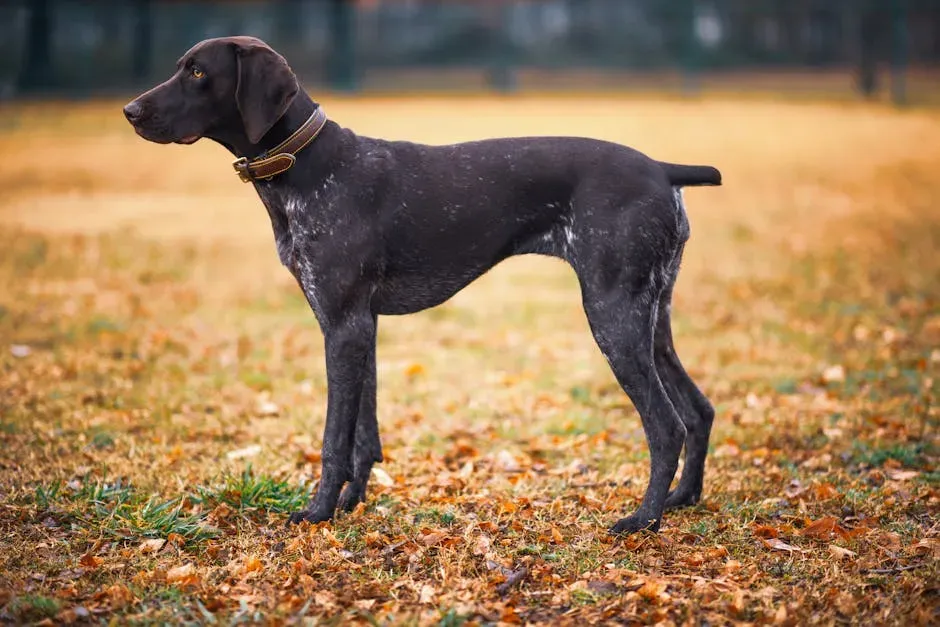
Tail language is one piece of a much larger puzzle. It is always important to observe and interpret the tail wag in conjunction with all the dog’s postures. Tail wags are just one of the dog’s many communication tools. Watching only the tail is like listening to just one instrument in an orchestra. You’ll catch the melody, but miss the whole song.
To truly understand how a dog is feeling, pet owners need to observe a variety of body language cues. By looking at other aspects like ear position, mouth shape, hackles, and overall body posture, you can get a more comprehensive picture of your dog’s emotional state. Ears are highly expressive in dogs. Ears that are forward and alert often indicate curiosity or attentiveness, while ears laid back can signal fear or submission.
The same wag may mean different things in different situations. Assessing your dog’s environment before making assumptions is important. A wag at the dog park carries a very different weight than a wag in the waiting room of a veterinary clinic. Context is everything. The more you practice observing the full picture, the better you’ll become at understanding what your dog is really saying to you in each moment.
Conclusion: Your Dog Has Been Talking – It’s Time to Really Listen
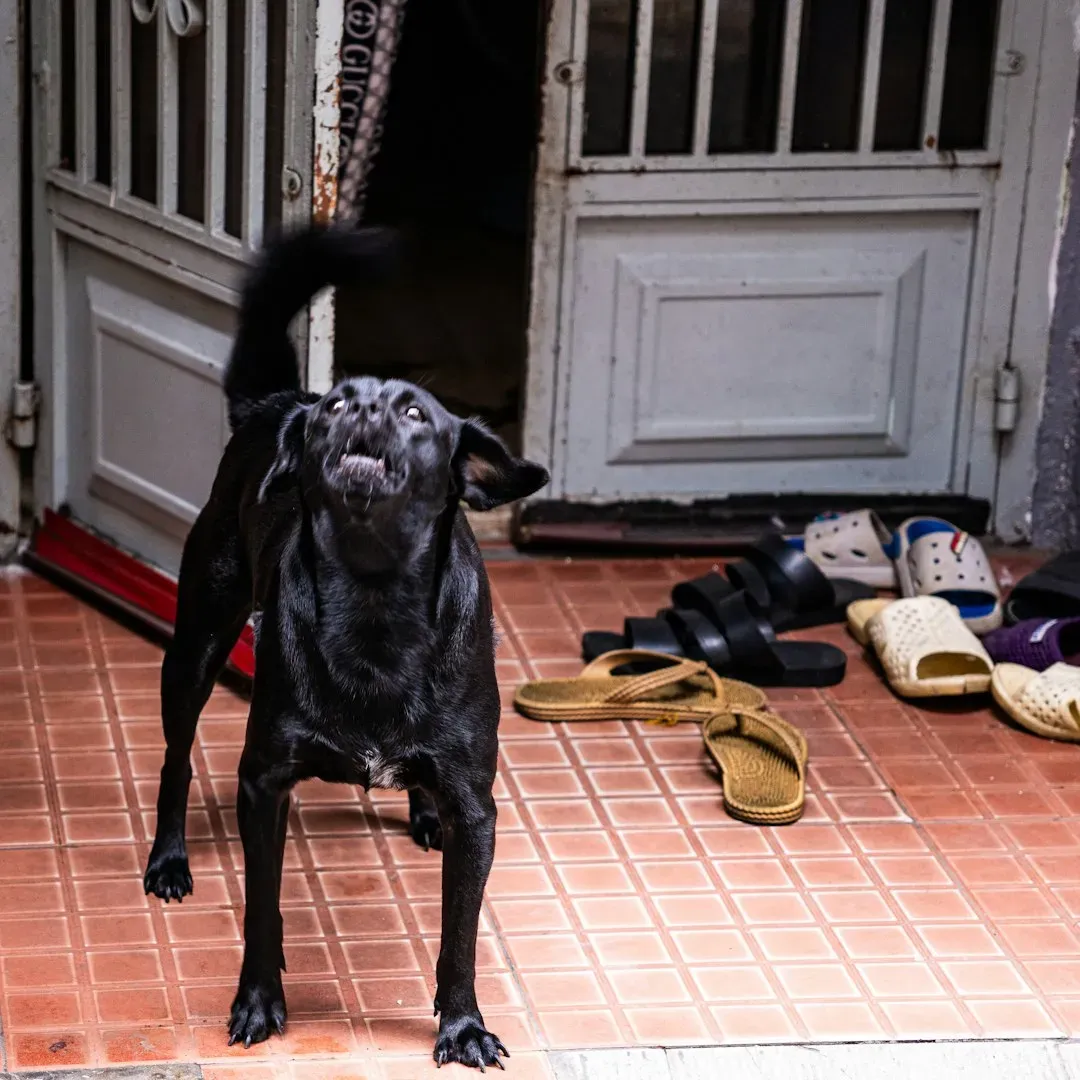
Understanding your dog’s tail language isn’t about memorizing a chart. It’s about tuning in. It’s about noticing the small shifts – the tight wag that’s faster than usual, the low tail creeping toward tuck, the loose full-body shimmy that means pure, unfiltered joy. If you want to build a better relationship with dogs, start by learning to read their tails. It’s one of the clearest indicators of how they’re feeling, and recognizing the differences can not only help in preventing unwanted situations but also enhance positive interactions.
By recognizing the different types of tail wags and what they mean, you can build a stronger, more trusting relationship with your dog. Paying attention to your dog’s tail movements can help you better understand their emotions and provide reassurance in unfamiliar situations. Your dog has been communicating with you since the day they arrived in your life. The wag was never just a greeting. It was always an invitation to understand them better.
The more fluent you become in tail language, the deeper your bond grows. And that, for any dog lover, is well worth the effort of paying closer attention.


