
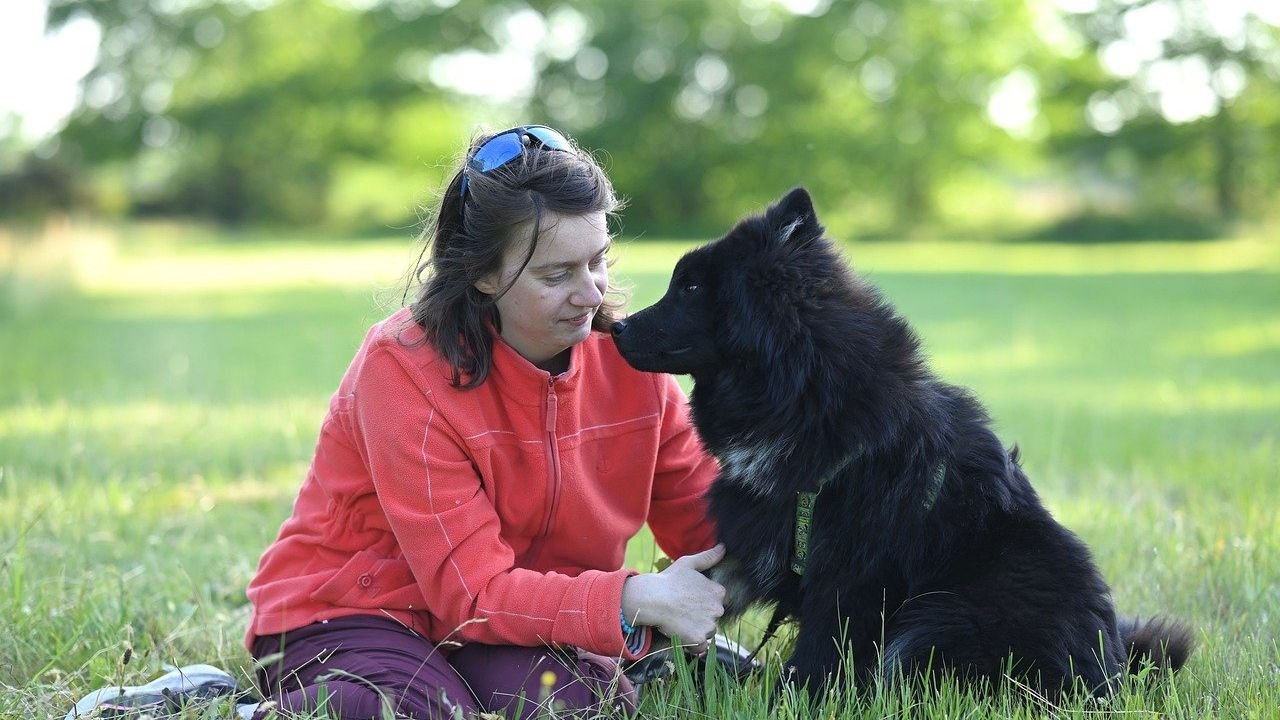
You ever catch your dog staring at you with those big, soulful eyes and wonder what’s really going on in that furry head? Maybe you’ve noticed a subtle shift in their body posture or a quick flick of their tongue and thought nothing of it. Here’s the thing, though. While we’ve been living alongside dogs for thousands of years, most of us are missing out on an entire universe of communication happening right under our noses.
Dogs are sociable creatures that form strong ties with humans, yet their emotional vocabulary is vastly different from ours. They’re not using words or long explanations. Instead, they’re speaking through a complex system of body movements, facial shifts, and energy changes that most people never learn to decode. Let’s dive in and discover the hidden messages your dog has been sending you all along.
The Science Behind Canine Emotions: More Than Just Instinct

It’s easy to think dogs operate purely on instinct, but science tells a different story. Research has investigated the complex ways in which our canine companions communicate and understand their feelings, revealing that dogs possess genuine emotional intelligence. Think about it this way: when you walk through the door after a long day, your dog doesn’t just mechanically wag their tail because they’re programmed to do so. They’re experiencing joy, anticipation, and relief all at once.
Dogs are able to access the affective content of emotional expressions and respond to them, meaning they’re not just recognizing patterns but actually processing emotional information. Recent studies have shown something fascinating. Traini’s proprietary models cover nearly 120 dog breeds with reported emotion-translation accuracy up to 94%, which demonstrates just how sophisticated canine emotional expression really is.
The bond between humans and dogs has evolved over millennia, and during that time, our furry friends have developed remarkable abilities to read us. Research shows that dogs use a combination of visual and auditory cues to understand how someone is feeling, and they can decipher between positive and negative emotions. So yes, they really do know when you’re having a rough day.
Reading the Tail: It’s Not Always What You Think
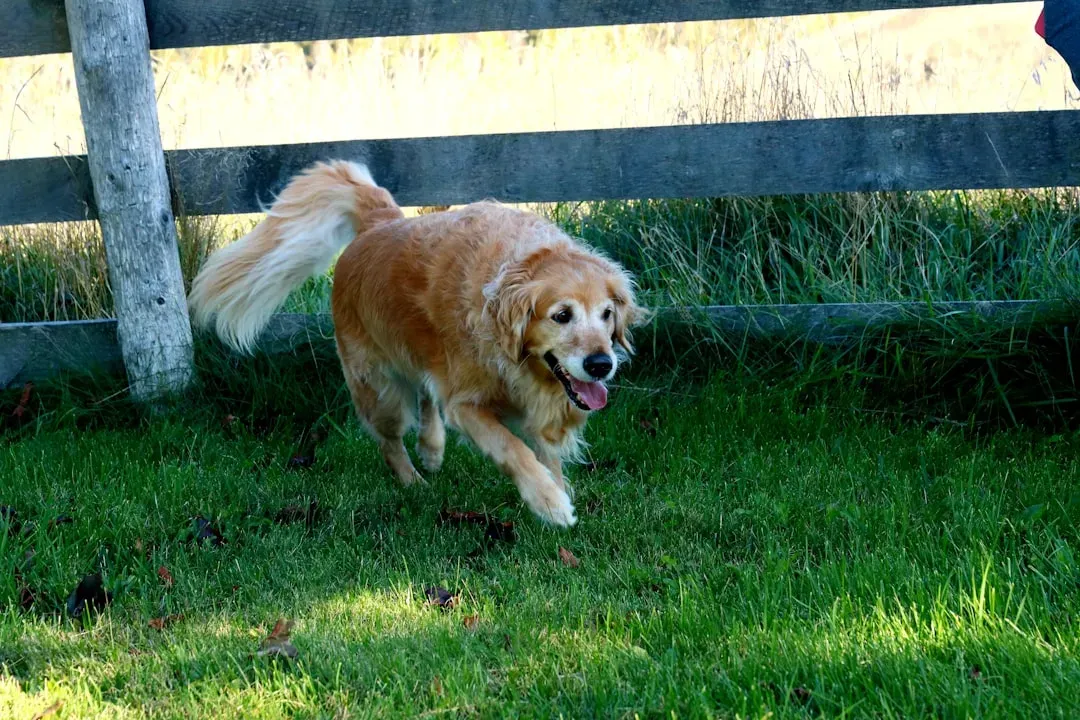
Let’s be real, we’ve all been taught that a wagging tail equals a happy dog. Not quite. All a wagging tail means is that the dog is emotionally aroused, which could signal excitement, anxiety, or even aggression depending on the context. The truth lies in the details most people overlook.
The tail can express a variety of feelings depending on its pace, height, and stiffness. A loose, mid-level wag with a wiggling body usually means your pup is genuinely happy and relaxed. However, a high, stiff wag accompanied by tense body language? That’s a warning sign that your dog is overstimulated or feeling threatened.
A dog’s tail tucked between their legs can mean the dog is afraid or uncomfortable. It’s their way of making themselves smaller, less threatening, and hopefully avoiding conflict. Some research even suggests that when a dog sees someone they like, her tail wags more to the right, though you’d need to be paying pretty close attention to catch that one.
The Eyes Have It: Decoding Canine Gazes and Glances

Ever heard of “whale eye”? It’s not about marine mammals. When a dog shows the whites of the eyes, it’s a signal that they’re feeling anxious or stressed in a situation. This happens when your dog turns their head away from something while keeping their eyes locked on it, revealing that crescent of white around the iris.
Stressed dogs may have dilated pupils and blink rapidly, and they may open their eyes wide and show more sclera (white) than usual, giving them a startled appearance. It’s their silent alarm system going off, telling you they’re uncomfortable with whatever’s happening. Maybe it’s a stranger getting too close, or perhaps they’re unsure about that new vacuum cleaner you just brought out.
Honestly, the eyes are one of the most expressive parts of a dog’s face. Ears that are relaxed, eyes that are soft, and a general posture that is loose and comfortable are typically indicators of a dog who is satisfied and contented. Soft, squinty eyes during petting or quiet time? That’s pure contentment right there. Hard, staring eyes with tension in the face? Your dog is locked in and potentially preparing for action.
Subtle Stress Signals: The Language of Anxiety

Here’s where things get really interesting. Dogs have developed an entire repertoire of what experts call “calming signals” to communicate their discomfort. Dogs have more than 30 ways to avoid stressful situations and try to calm themselves. The problem is, most of these signals are so subtle that humans miss them entirely.
A staggering nine in ten do not know that yawning could be an early warning sign of anxiety or fear. Yep, when your dog yawns during a stressful vet visit or when meeting a new dog, they’re not tired. Dogs yawn when they’re stressed, and they use yawning to calm themselves in tense situations and to calm others, including their owners.
Dogs will lick their lips when they feel anxious, often doing quick little tongue flicks that you might barely notice. Panting when it’s not hot? Dogs pant when hot, excited, or stressed, and if your dog is panting even though they have not exercised, they may be experiencing stress. These displacement behaviors are your dog’s way of saying, “Hey, I’m not comfortable with this situation.”
Facial Expressions: When Dogs Talk Without Barking
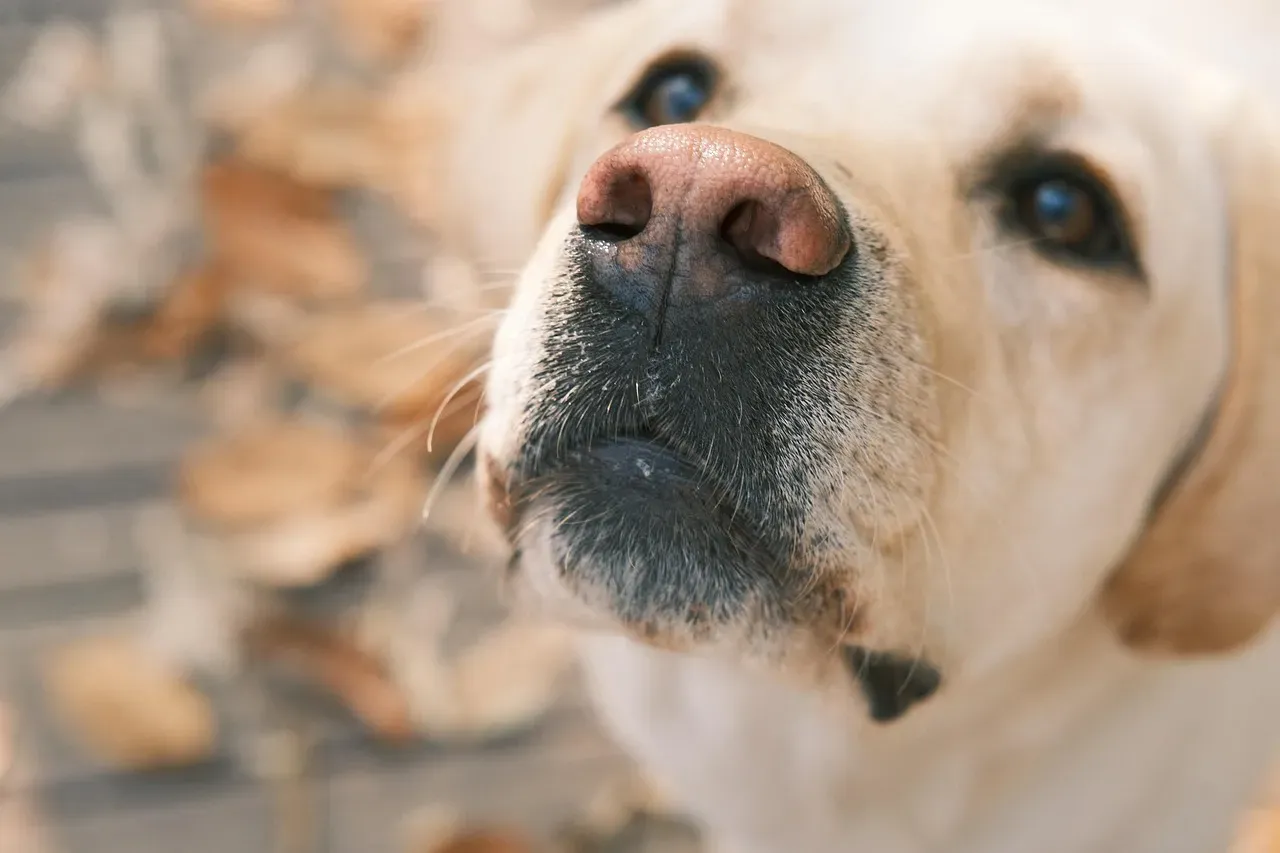
It might sound crazy, but dogs have actually evolved specific facial expressions to communicate with us. Dogs produced significantly more facial movements when the human was attentive than when she was not, and the food, however, as a non-social but arousing stimulus, did not affect the dogs’ behaviour. This tells us something profound: dogs aren’t just reacting emotionally, they’re actively trying to communicate.
The production of facial expressions made by dogs are dependent on the attention state of their audience and are not just a result of dogs being excited. When you’re watching, your dog turns on the charm, making more expressions to engage with you. It’s a social strategy they’ve developed over thousands of years of living alongside humans.
However, there’s a catch. People consistently misinterpret certain dog facial expressions, and humans often mistake positive anticipation as frustration, appeasement as happiness, distress as surprise, fear as happiness, and sadness as fear. We’re getting better at recognizing anger in dogs, but we’re still pretty bad at reading the more nuanced emotions.
Body Posture: The Full Picture of How Your Dog Feels
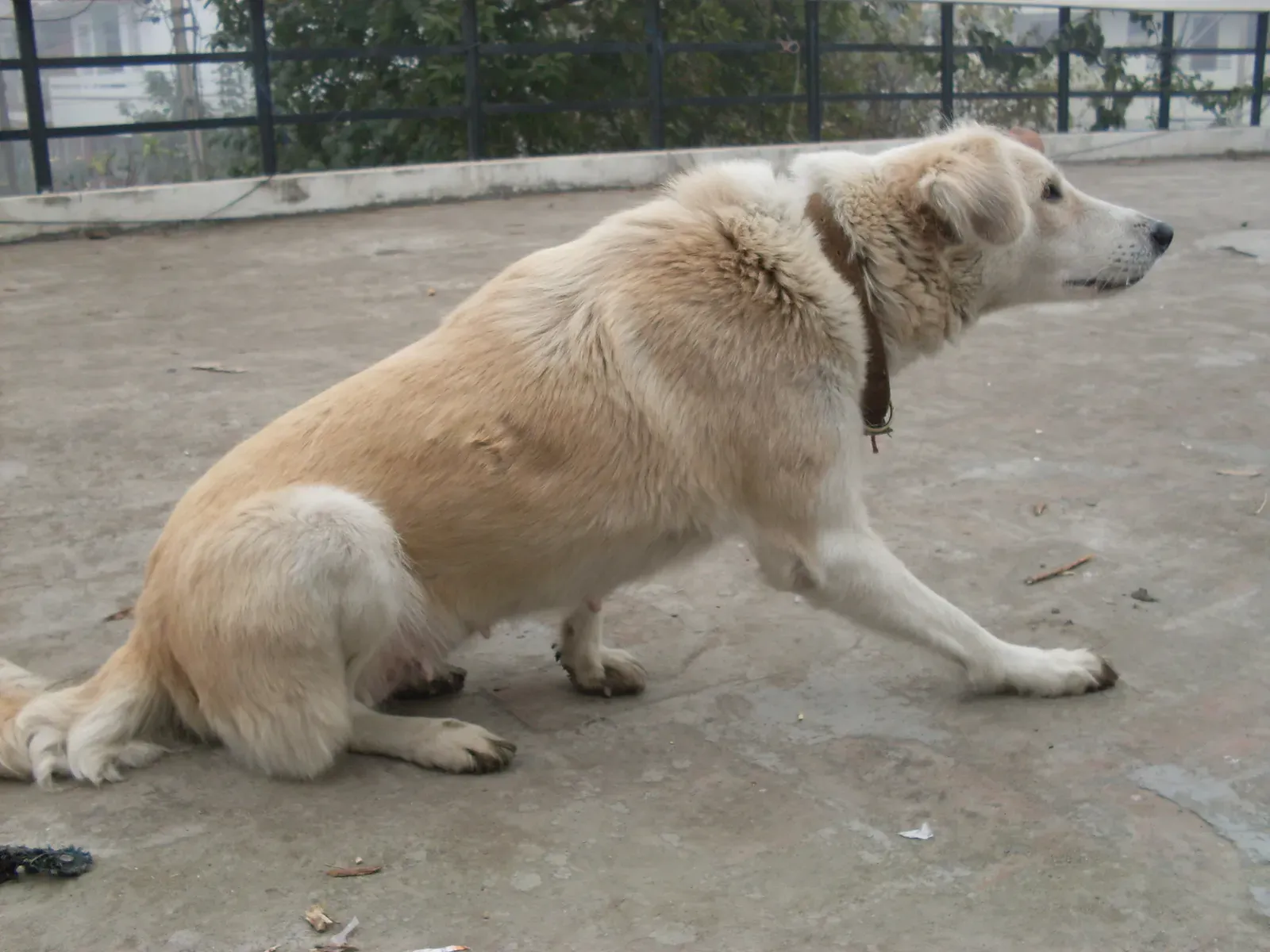
You can’t read a dog’s emotions from one body part alone. No dog body language signals act alone, they’re all part of a package, and when you read a dog’s communication, look at every signal the dog is using from the tail height to the eye shape. This is where many of us go wrong, focusing on just the tail or just the ears without seeing the complete emotional picture.
If a healthy dog with no orthopedic problems shifts their weight to the rear legs or cowers, they may be exhibiting stress, and when scared, dogs may also tuck their tails or become rigid. A dog leaning forward with raised hackles and a high tail? That’s a dog trying to appear larger and more threatening. A dog freezes if they’re scared or guarding something, such as food or a toy, or if they feel cornered.
The famous play bow, where dogs put their chest down and rear end up, is pretty universal. This is when dogs place their chest on the ground with their rump in the air, and as the name implies, it’s used to initiate play with other dogs and even with people. It’s one of the clearest invitations in dog language.
Practical Ways to Strengthen Your Emotional Connection
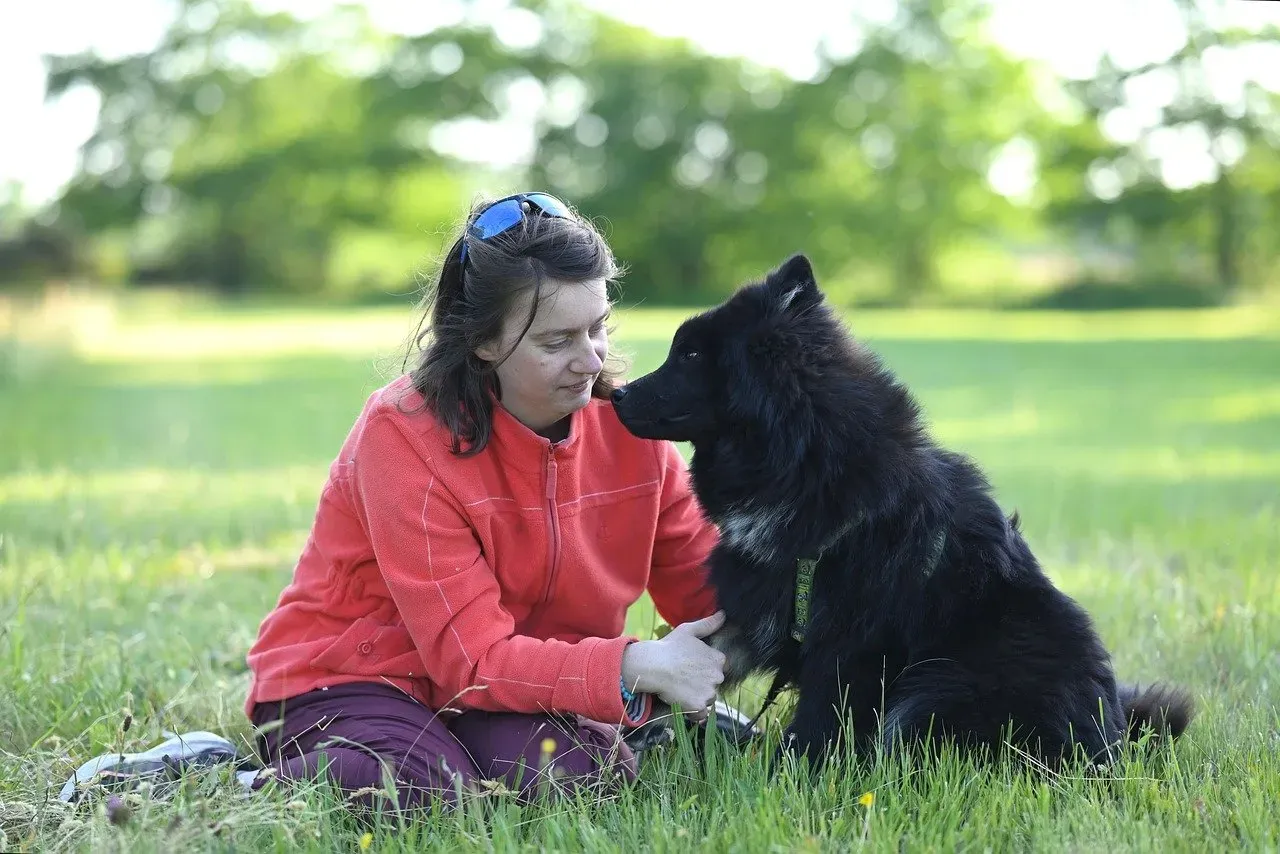
So what do you do with all this information? Start paying attention differently. To differentiate stress signs from normal behavior, you must be familiar with your dog’s regular demeanor and pay attention to the context. Every dog is an individual with their own baseline of behavior. What’s normal for a high-energy terrier might look anxious in a laid-back hound.
When you notice stress signals, remove them from the stressor and find a quiet place to regroup. Don’t overwhelm them with comfort, which can sometimes reinforce anxious behavior. Instead, give them space and the option to approach you when they’re ready. If your dog becomes stressed often or in response to many triggers, see your veterinarian, and after ensuring that your dog’s behavior does not have a physical basis, your veterinarian may refer you to a trainer or veterinary behaviorist for further assessment.
Learning this secret emotional language isn’t just about preventing problems. If you learn what your dog is saying, you will develop a deeper bond of trust and respect, and your newfound understanding of your dog’s emotional state can help you predict their behavior and prevent problems before they arise. It transforms your entire relationship from one-sided commands to genuine two-way communication.
Conclusion: Becoming Fluent in Dog
Understanding your dog’s emotional language is like learning to speak a foreign language. It takes time, patience, and a willingness to really observe rather than just look. The subtle lip lick, the quick tail tuck, the soft eyes, they all tell a story about what your dog is feeling in that exact moment.
We share our homes, our couches, and sometimes even our beds with these incredible creatures who have spent millennia figuring out how to live alongside us. The least we can do is meet them halfway by learning to understand what they’re constantly trying to tell us. Your dog has been speaking to you all along. The question is, are you finally ready to listen?
What do you think? Have you noticed any of these subtle signals in your own dog that you might have been missing? The journey to understanding your dog’s inner world starts with one simple step: paying attention.


