

Ever watch your dog demolish a throw pillow or bark relentlessly while you’re trying to work, and wonder what on earth is going through their head? Here’s the thing. Most of what we label as bad behavior isn’t defiance or spite. It’s communication, plain and simple. Your dog is trying to tell you something, and often, that something boils down to a desperate need for more mental or physical engagement.
Dogs aren’t wired to lounge around all day waiting for us to finish our to-do lists. They’re curious, social creatures with brains that crave stimulation and hearts that ache for connection. When those needs go unmet, they find their own ways to cope. Let’s dive into what your dog might really be saying when they act out, and how you can help them feel more fulfilled.
The Language Behind the Chaos
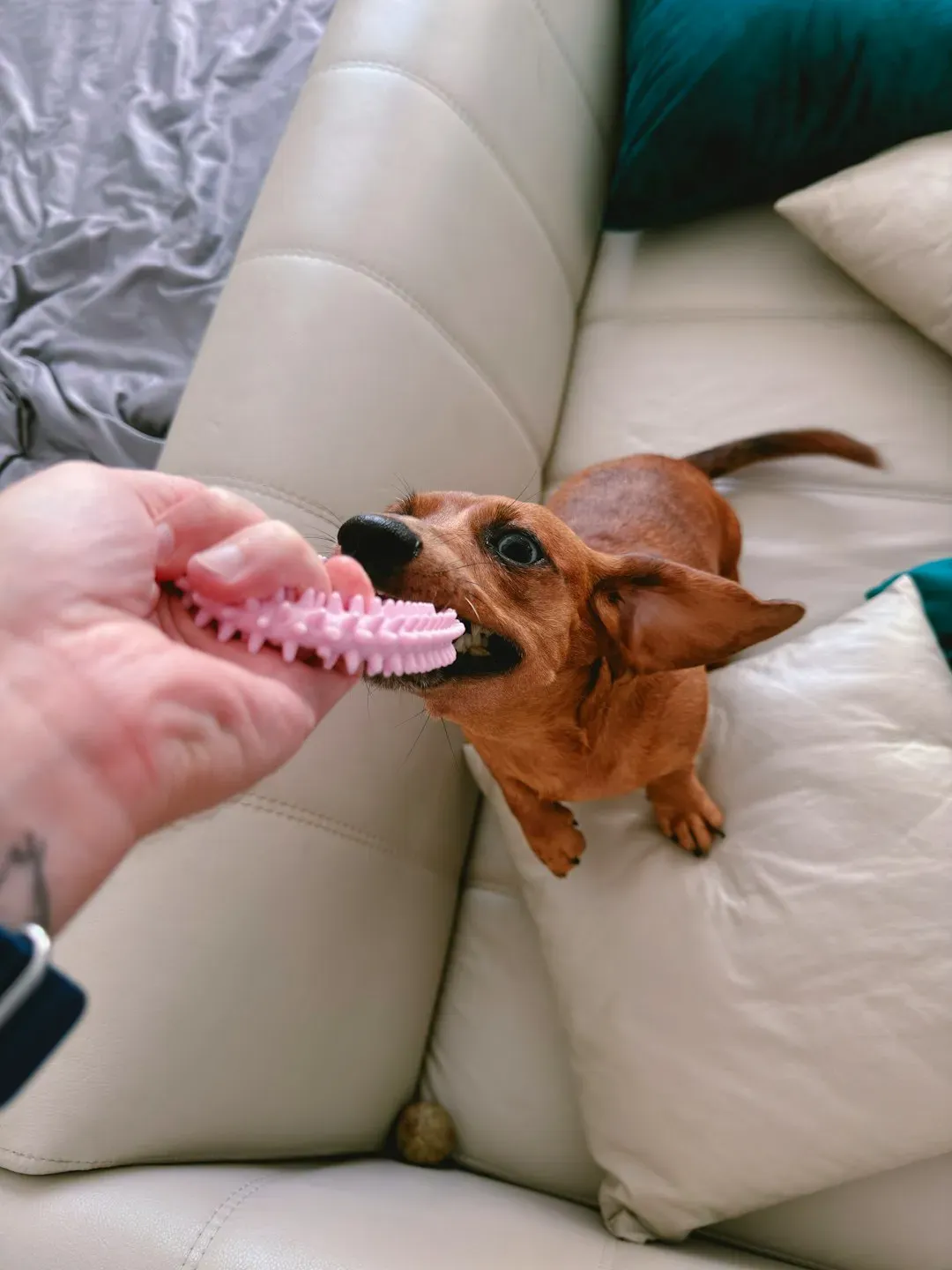
When your normally well-behaved pup suddenly starts shredding pillows, chewing furniture, or digging through the trash, boredom might be to blame. Think about it this way: if you were stuck in a room with nothing to do for hours on end, you’d probably start rearranging the furniture or finding creative ways to pass the time too.
Dogs need stimulation from exercise, attention, other dogs, chew toys, and opportunities to explore, and when they feel lonely, bored, or understimulated, they may resort to chewing and destroying as a way to cope with their emotions or release excess energy. It’s not personal. Your dog isn’t being bad; they’re just looking for something to do.
Pay attention to the timing too. Does your dog start acting up during your Zoom meetings or when you’re glued to your phone? That’s not coincidence.
Excessive Noise Is More Than Annoying

Increased barking, howling, panting, or whining could mean your dog is bored or lonely. Sure, some dogs are naturally more vocal than others, especially certain breeds. Yet there’s a difference between occasional communication and the relentless, desperate barking that makes your neighbors shoot you dirty looks.
If your dog is always looking for attention and acting restless, chances are they’re bored and want something to do, and your dog might also jump on you and your guests or bark excessively. I know it sounds crazy, but even negative attention can feel rewarding to a dog who’s starved for interaction. Even negative attention from a beloved owner is better than nothing.
When Sleep Becomes an Escape
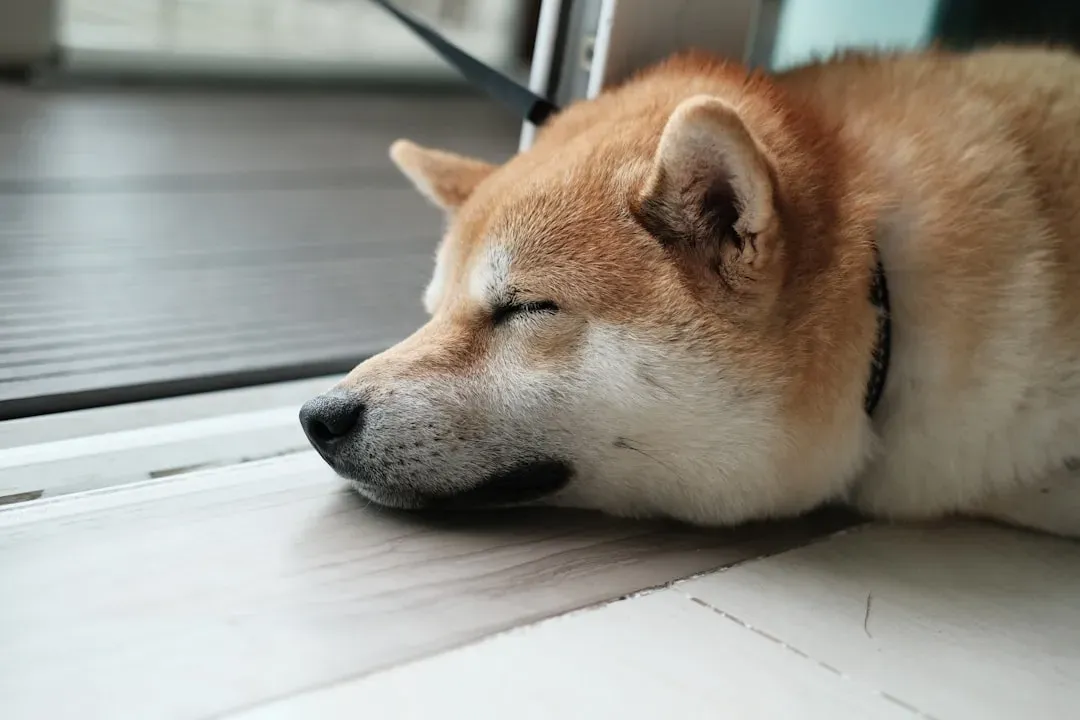
Here’s something that might surprise you. If your pup is snoozing all day out of sheer boredom (and not just because they ran a doggie marathon), it might be a sign that they’re lacking enough engagement or stimulation during the day. We often assume dogs sleep because they’re content, which can be true.
A bored dog will tend to lie around most of the day because there is little or no engagement, and when there is nothing else stimulating their environment, the dog will often sleep to pass the time. Think of it like depression in humans. When life feels empty or unstimulating, sometimes the easiest thing to do is just check out.
If your energetic pup suddenly becomes a couch potato, that’s worth investigating.
The Real Cost of Understimulation

Boredom in dogs isn’t just about a lack of fun; it can actually lead to behavioral issues, anxiety, and even health problems. Let’s be real here. Dogs left alone for more than four hours a day tend to exhibit increased signs of boredom. That’s a reality for many of us with full-time jobs, which makes finding solutions all the more critical.
A lack of mental stimulation can lead to both behavioral and health issues in dogs, including boredom causing anxiety, depression, and even aggression in some pets, and over time, these emotional states can impact their overall health significantly. We’re not talking about minor inconveniences here. We’re talking about your dog’s overall quality of life and wellbeing.
Simple Ways to Fill Their Cup
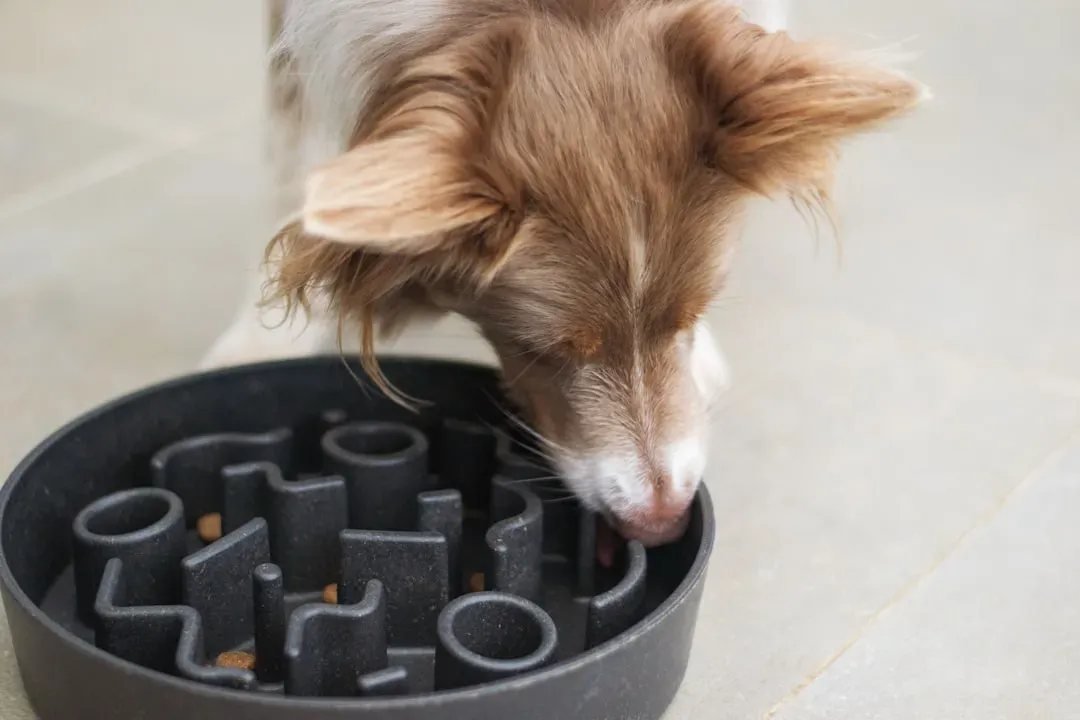
The good news? Mental stimulation is just as important for dogs as physical exercise, and mental exercises can actually make dogs even more tired than physical exercise. You don’t need to become a dog trainer overnight or spend a fortune on fancy equipment.
Playing hide-and-seek requires two things from your dog: critical thinking skills and a good nose, and in a home setting, dogs don’t need to use these skills as often, and having the opportunity to use them is lots of fun for them. Scent games are particularly magical. Experts say that 20 minutes of sniffing can be equivalent to an hour’s worth of a walk with regards to enrichment. Scatter some kibble around your living room before you leave for work. Hide treats in cardboard boxes. Let your dog use that incredible nose they were born with.
Puzzle toys are another game-changer. Honestly, watching a dog figure out how to get treats from a puzzle feeder is endlessly entertaining for both of you.
Building a Better Daily Routine

An hour of focused interaction per day is a good baseline, but the amount of attention a dog needs daily varies a lot. Some dogs need way more, especially working breeds like Border Collies or German Shepherds. Others might be content with less, particularly senior dogs or certain breeds bred for independence.
A simple walk does a lot to increase physical activity and stimulation for your dog through sniffing and social interaction, and a little increase in your dog’s activity level each day by just 10 minutes can have a great impact, with activities such as walks, fetch games, and short agility courses helping your dog burn energy and stay mentally busy. Mix things up. Change your walking routes regularly so your dog encounters new smells and sights. Walking somewhere new allows them to see and smell new things, and regularly changing your route helps keep things exciting for your dog, which is mentally stimulating.
Training sessions work wonders too, even just five to fifteen minutes a day. Teach your dog a new trick, practice old commands with new distractions, or try something completely different like scent work or agility basics. The mental workout is incredibly satisfying for them.
Conclusion
Your dog’s misbehavior is rarely about being stubborn or spiteful. More often than not, it’s a clear signal that something’s missing from their daily routine. Whether it’s mental stimulation, physical exercise, or simply more quality time with you, they’re asking for help in the only way they know how.
The beauty of this realization is that the solutions are often simpler than we think. A few puzzle toys, some scent games, varied walking routes, and dedicated one-on-one time can transform a frustrated, destructive dog into a calm, content companion.
Remember, a tired dog is a happy dog, but a mentally stimulated dog is an even happier one. Your pup isn’t trying to drive you crazy. They’re just trying to tell you they need more from their day, and honestly, don’t we all? What small change could you make today to help your dog feel more engaged and fulfilled?


