
Have you ever watched your dog drag themselves through the afternoon, snapping at nothing in particular, refusing to play, or staring blankly at a wall? You might blame the weather. Or boredom. Or maybe even your dog’s personality. But here’s the thing – the real answer might be hiding in what happened the night before.
Sleep is not just rest. For dogs, it’s the engine that powers everything – their mood, their training, their ability to cope with the world. Yet it’s one of the most overlooked parts of dog care out there. So if something feels “off” about your pup during the day, you may need to look much closer at what’s happening after the lights go out.
The Sleep-Behavior Loop Nobody Talks About

Most of us know that a tired dog can be a grumpy dog. Yet the science behind just how deeply nighttime rest shapes daytime behavior is genuinely surprising. Sleep deprivation negatively affects a dog’s physical and psychological health, and sleep loss has been found to increase anxiety-like behaviors, decrease cognitive performance, and is associated with depressive states.
Here’s what makes it really interesting. Research has identified a powerful cyclic effect: a disruptive pattern of sleep at night makes dogs less motivated or able to remain active during the day, and as a consequence, the lack of activity during the day does not promote better sleep at night. It’s a vicious loop, like a wheel spinning in the wrong direction.
Think of it this way: your dog is running on an empty tank every single day, and you keep wondering why the engine keeps stalling. Studies confirm that sleep loss increased inactivity, decreased play and alert behaviors, while also increasing time spent eating during the day. So that couch-potato version of your usually bouncy dog? That’s not laziness. That may be exhaustion showing up in disguise.
What “Poor Sleep” Actually Looks Like in Dogs
We tend to imagine poor sleep in dogs as a dog who tosses and turns all night. Honestly, it’s rarely that dramatic. Poor sleep doesn’t always look like fatigue – it often shows up as irritability, increased reactivity, difficulty settling, pacing, clinginess, or suddenly worsening anxiety behaviors. Sound familiar?
Sleep deprivation can manifest in subtle ways. Some dogs may become irritable or unable to focus, they may pace, pant, whine, hide, or even seem to forget their training. Other dogs may show changes in appetite or become aggressive toward other pets. If your dog has been failing commands they mastered months ago, sleep might genuinely be the reason.
Dogs can’t tell us they’re sleep-deprived, but their behavior and physical condition often reveal the problem. Watch for the small stuff: a dog who flinches at sounds they normally ignore, a dog who seems “checked out” during walks, or one who snaps when gently touched. These are tiny alarm bells worth listening to.
The Hidden Culprits Disrupting Your Dog’s Nighttime Rest
Sometimes we unknowingly set our dogs up for a rough night. According to veterinarians, inconsistent or overstimulating bedtime routines are a common but overlooked source of stress for dogs that can easily be fixed. That late-night play session that felt so fun? It might be costing your dog hours of quality sleep.
Late meals can increase nighttime wakeups, while intense walks too close to bedtime can delay sleep. Screen noise may also interfere, especially for anxious or noise-sensitive dogs. It’s a bit like trying to fall asleep after an espresso and a thriller movie, honestly. Your dog’s nervous system doesn’t shut off on command either.
Dogs are creatures of habit, and changes in their environment can trigger anxiety and restlessness. Factors such as new sleeping locations, different household sounds, temperature changes, or unfamiliar scents can all contribute to nighttime restlessness. Even something as minor as rearranging furniture near their sleeping spot can unsettle a sensitive dog more than you’d expect.
How Age, Feeding, and Health Play a Role
Let’s be real – not all dogs sleep the same, and a few key factors explain why. Sleep can vary with ecological and biological factors, such as age, sex, fitness, and even human presence. A senior dog’s needs are genuinely worlds apart from those of a bouncy two-year-old Labrador.
The duration and quality of sleep in dogs fluctuates both day to day and over their lifespan. As dogs get older, their sleep becomes more fragmented, accompanied by decreased bouts of REM sleep at night and increased NREM sleep during the day. This means older dogs may seem “awake more” at night, without owners realizing it signals a real change in their sleep architecture.
Feeding habits matter more than most people realize. Research has demonstrated that feeding times and frequency of feeding have a significant impact on sleep. Shifting from a single feed to being fed twice daily resulted in an early onset of sleeping bouts at night and a shorter latency to sleep during the night. Meanwhile, pain, digestive discomfort, itching, urinary problems, or hormonal imbalances can worsen in the evening, and if your dog is restless at night and symptoms persist, it may require veterinary diagnostic care to uncover hidden issues.
Simple, Powerful Steps to Transform Your Dog’s Sleep Tonight
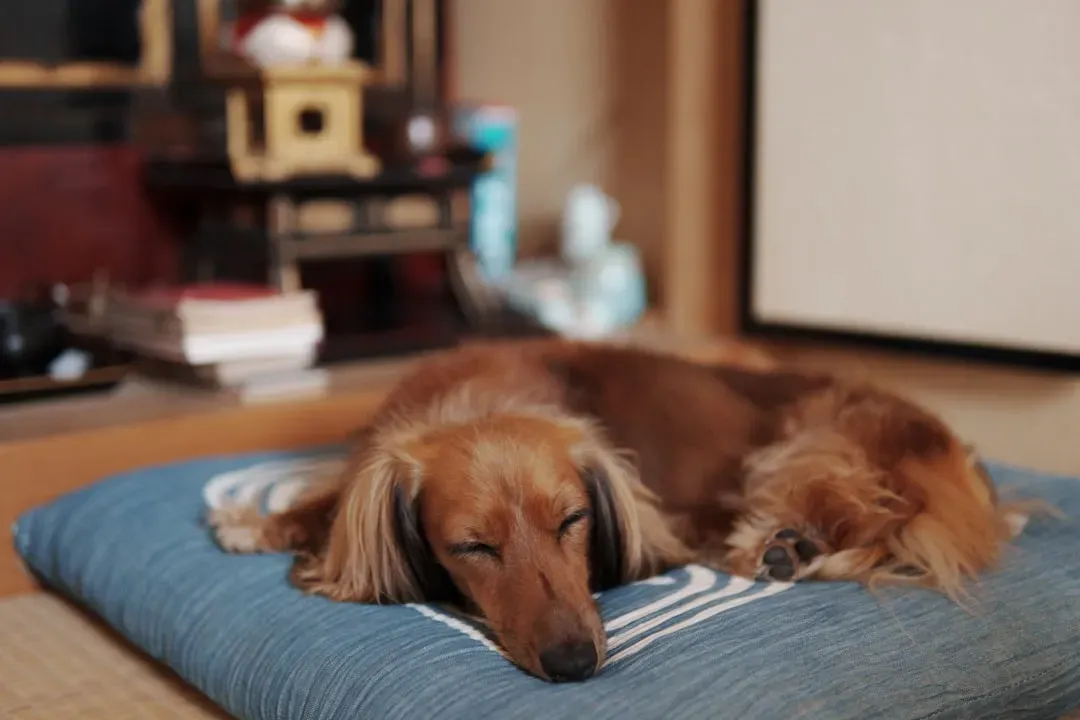
The good news? A lot of this is fixable. Dogs need more sleep than many owners realize, usually about 12 to 14 hours a day for adult dogs and 18 to 20 hours for puppies and seniors. Creating the right conditions for that kind of rest doesn’t require expensive gadgets. It requires consistency and intention.
Following an active day, dogs slept more, were more likely to have an earlier drowsiness onset, and spent less time in the drowsy stage and more time in deep NREM and REM sleep. So a well-timed, appropriately energetic daytime walk can actually be one of the best sleep aids your dog will ever have – and it costs nothing.
Create a calm wind-down ritual your dog can count on. Cutting off meals and exercise 30 to 60 minutes before bed and keeping the home quiet makes a real difference. A well-rested dog is generally more receptive to training, with better focus and a stable mood. Dogs that are sleep-deprived, on the other hand, may struggle with impulse control, exhibit heightened reactivity, and be less responsive to training cues. Think of good sleep as invisible training time, working silently in the background every single night.
Conclusion: Your Dog Is Telling You Something
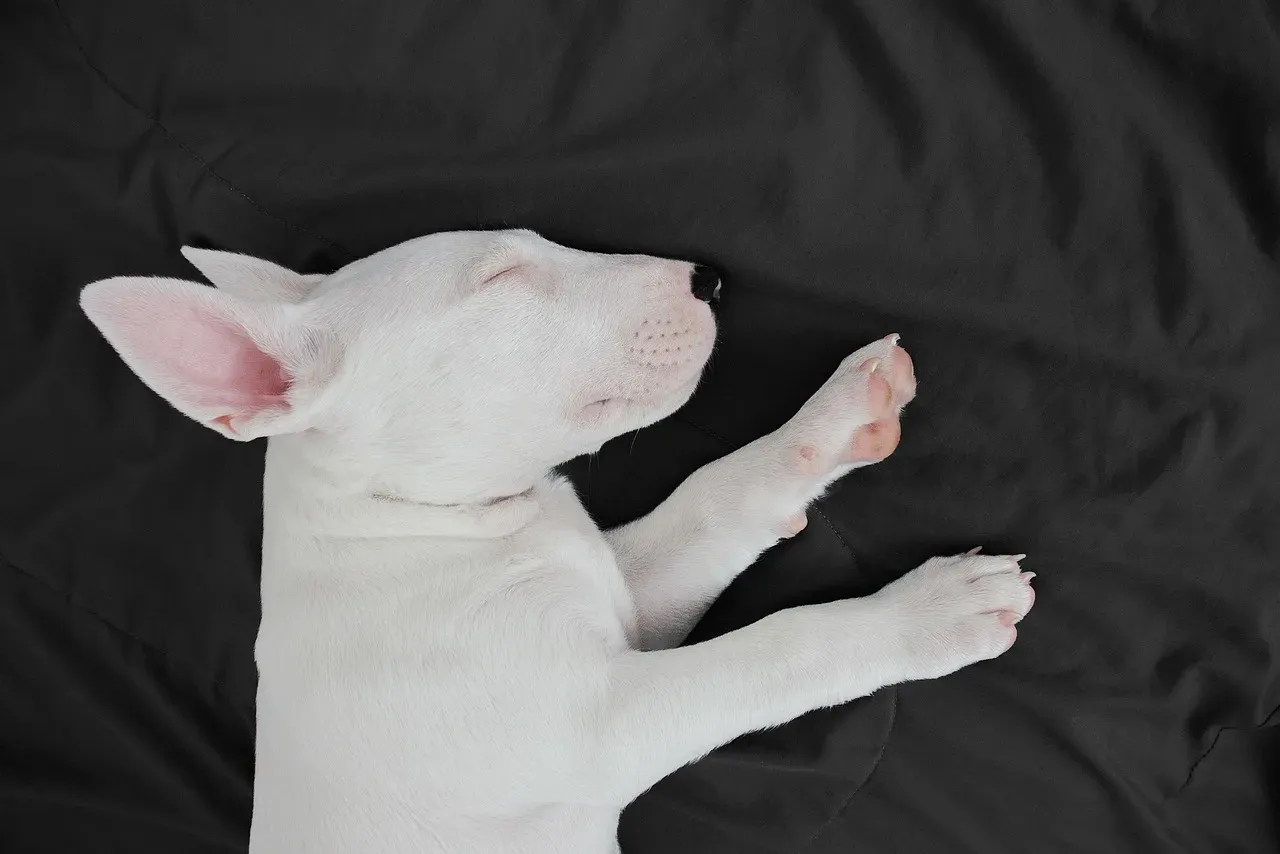
If your dog has been struggling during the day, consider this your gentle nudge to look at the night. Sleep is not a luxury for dogs – it’s the foundation everything else is built on. Changes in the pattern and duration of a dog’s sleep can reflect a dog’s wakeful experiences and how comfortable they are in their own environment. That matters deeply.
Just as humans emphasize sleep hygiene to ward off cognitive decline and emotional instability, dog owners can prioritize sleep as a cornerstone of their pet’s health regimen. Chronic sleep deprivation contributes to a progression toward conditions like Canine Cognitive Deficiency Disorder, worsened anxiety, and heightened aggression, reminding us that behavioral issues are often symptoms of deeper physiological disruptions.
Your dog gives you everything they have, every single day. They deserve a night that actually restores them. Start small: pick a bedtime, quiet the environment, adjust the feeding schedule, and watch what unfolds over the next few weeks. The transformation might honestly surprise you. So here’s a question worth sitting with – when was the last time you truly thought about how your dog sleeps? It might be the most important question you ask this year.


