
Have you ever watched your dog settle in for the night and wondered what all those little quirks actually mean? That circling ritual before they flop down, the way they curl into a tight ball or sprawl out like a starfish, those adorable twitches and soft woofs that escape while they dream. Let’s be real, these aren’t just random behaviors. Your dog’s nighttime habits are actually whispering secrets about their emotional world, physical comfort, and overall wellbeing.
Here’s the thing. Most of us think sleep is just sleep. Your dog conks out, maybe snores a bit, wakes up refreshed. Simple, right? Not quite. The truth is, how your dog behaves at night can tell you whether they’re feeling anxious, dealing with pain, or simply content and secure in their home. Think of it as your dog’s nightly report card, delivered without words but packed with meaning.
So let’s dive in. You might be surprised at what your furry friend is actually telling you when the lights go out.
That Adorable Pre-Sleep Circle Dance Isn’t Just Cute

You’ve seen it a million times. Your dog approaches their bed, pauses, then starts spinning in circles like they’re performing some ancient ritual. Sometimes they do it once. Sometimes they circle three or four times before finally settling down.
This behavior is inherited from canine ancestors like wild wolves, who did the same thing in the wild. They patted down tall grass and moved prickly underbrush to make their sleeping quarters more comfortable. Your living room doesn’t have tall grass, yet here’s your pampered pup doing the same thing on their cushy dog bed.
When dogs are presented with a soft, uneven surface, they are much more likely to turn in circles before they lie down. It’s like they’re fluffing their pillow. But there’s more to it. Turning in circles also provides an opportunity to take one last look for potential predators before bedtime.
Here’s what you need to watch for, though. Excessive or awkward movements can sometimes hint at underlying issues, and dogs experiencing joint stiffness, arthritis, or muscle discomfort may circle repeatedly without finding relief. If your dog suddenly starts circling way more than usual, especially if they seem unable to get comfortable, that’s your cue to check in with your vet.
Sleep Positions Are Your Dog’s Body Language Dictionary
Ever notice how your dog doesn’t just have one sleeping position? They’ve got a whole repertoire. Each position they choose actually reveals something about how they’re feeling in that moment.
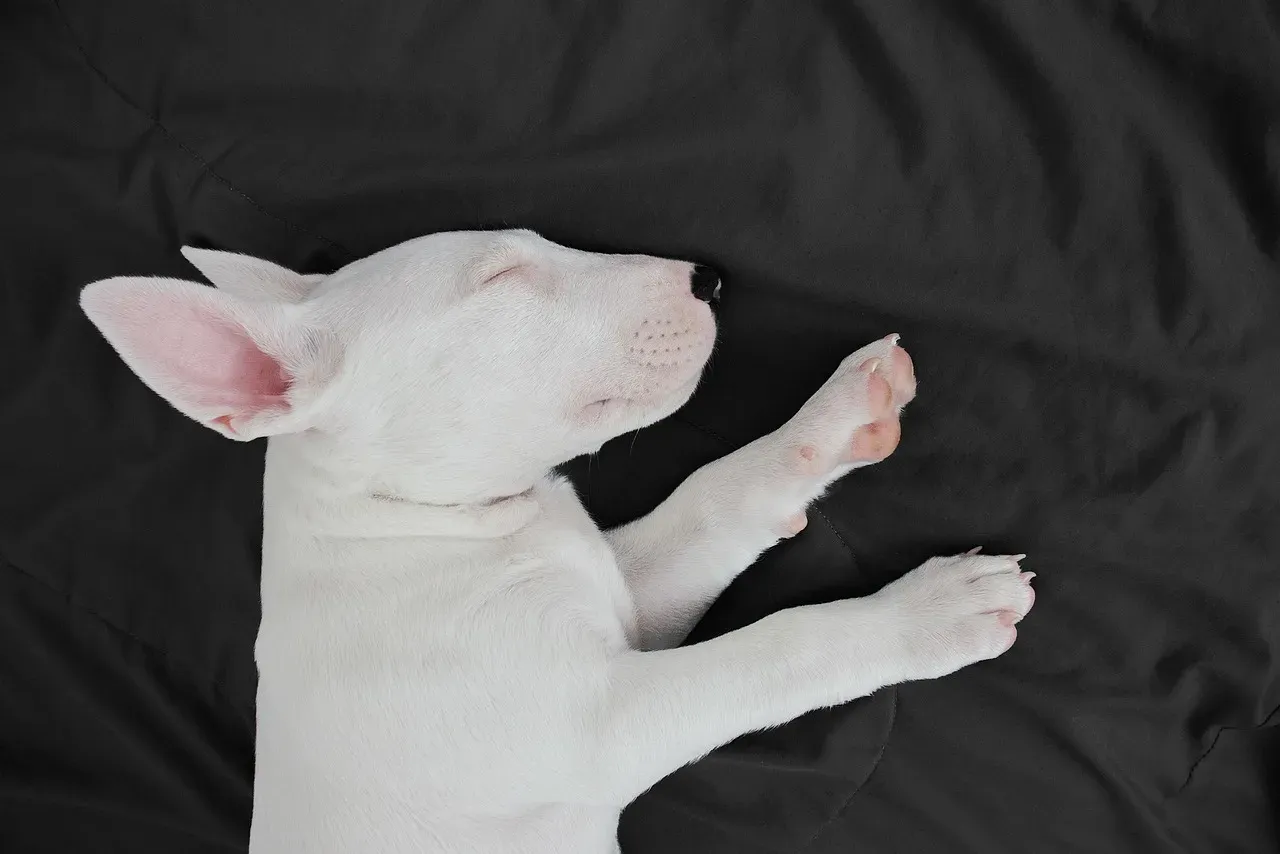
When your dog sleeps on their side with legs extended, it means they feel relaxed and safe in their environment. Dogs lying on their side are typically at ease, feeling secure and content, and this relaxed position often signals they’re in a deep, restorative stage of sleep. That’s the gold standard right there.
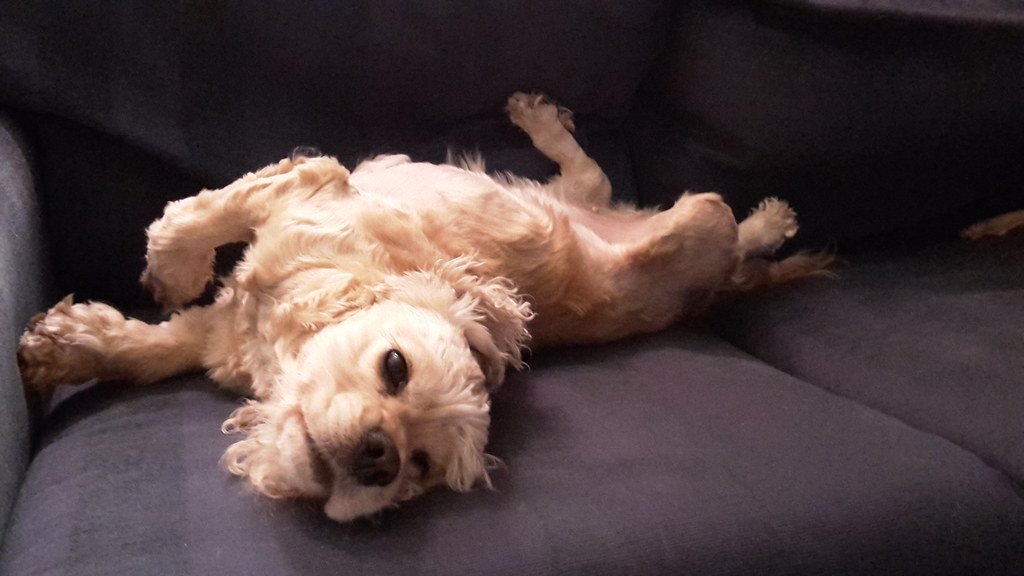
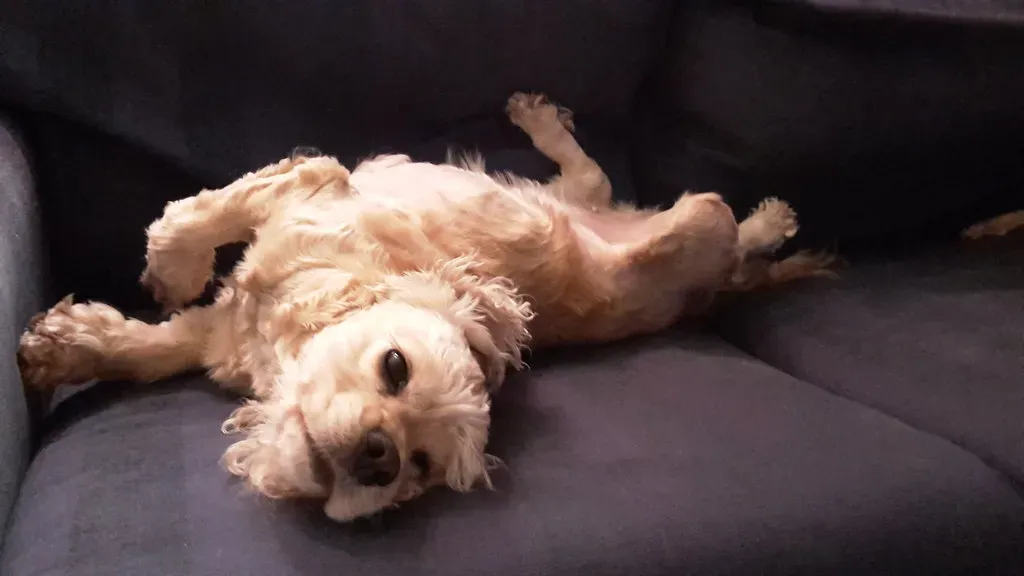
Then there’s the belly-up position. This dog sleeping position is submissive, meaning your dog is completely comfortable, relaxed and making themselves vulnerable. It’s also their way of cooling down since they expose their less insulated belly to the air.
The curled-up ball tells a different story. When a dog curls tightly into a ball, it’s usually to conserve warmth and protect vital organs. This position helps dogs feel safe and protected, so it’s common when dogs are getting used to their new home. If your usually sprawled-out dog suddenly starts sleeping curled up tight every night, it might signal they’re feeling stressed or insecure about something.
In the lion pose with their head perched on their paws, dogs are resting but not sleeping deeply. They’re ready to spring into action. This isn’t necessarily bad, but if it’s their only sleeping position, they might not be getting the deep restorative sleep they need.
Those Twitches and Kicks Mean Your Dog Is Dreaming

Few things are more endearing than watching your sleeping dog suddenly start paddling their paws or letting out tiny barks. You might wonder if they’re okay, or if something’s wrong.
Relax. Twitching in sleep or jerking when in REM sleep is normal, and dreaming happens during REM sleep, the deepest state of sleep. Dreams usually begin for the average dog after about 20 minutes of slumber during REM sleep, and while dreaming, the dog’s breathing may become shallow and irregular, and muscles may twitch.
According to research by psychologist Stanley Coren, an average-size dog will dream about every 20 minutes, and these dreams will last about a minute. What are they dreaming about? Dogs likely dream about their everyday experiences, and since dogs are generally extremely attached to their human owners, it’s likely your dog is dreaming of your face, your smell, and of pleasing or annoying you.
Now, here’s where you need to pay attention. Normal twitching usually occurs when a dog is lying on their side, paddling their paws, and possibly making little noises. That’s perfectly fine. However, when the twitching becomes a full-body tremor, causing the body to go rigid or lasting longer than a brief spasm, there may be another explanation.
If your dog seems distressed during sleep, resist the urge to wake them by touching. Disrupting a dog during REM sleep can result in serious consequences, and touching a dog when they’re dreaming may startle them and cause them to bite or scratch involuntarily. Instead, gently call their name from a distance.
Restless Nights Could Signal Hidden Pain or Anxiety
This one’s important. If your dog is suddenly pacing at night, can’t seem to settle, or keeps getting up and down, something’s likely bothering them.
Pain is one of the most common things that can disrupt sleep, and causes can include things such as arthritis, injury, and bowel problems. Restlessness can happen if your dog is in pain or discomfort, because in the dead of night with the house quiet and the lights out, there’s little distraction from pain, discomfort or itchiness, and restlessness can be a sign of nagging discomfort.
It’s hard to say for sure, but older dogs seem particularly vulnerable. Some problems can get worse at night when a dog has been inactive for a while and started to seize up. Joint pain that was manageable during active daytime hours becomes more noticeable when they’re trying to rest.
Anxiety and stress are common culprits when it comes to nighttime restlessness, and dogs are creatures of habit, so anything that disrupts their routine can make them feel anxious. Changes in living situation, loud noises, or even the absence of their favorite person can trigger this.
Watch for additional signs like panting when it’s not hot, whining, or obvious reluctance to lie down. These behaviors combined with restlessness paint a clearer picture that your dog needs help. Don’t just assume they’ll grow out of it or that it’s normal aging.
Where Your Dog Chooses to Sleep Speaks Volumes
Have you noticed your dog suddenly switching up their sleeping spot? Maybe they used to sleep in their cozy bed across the room, but now they’re pressed against your bedroom door. Or perhaps they’ve started seeking out cold tile floors instead of their usual cushion.
These location changes aren’t random. Sleep can vary with ecological and biological factors, such as age, sex, fitness, and even human presence. Sometimes your dog is just trying to regulate their body temperature. Weather can factor into your dog’s sleeping position, and if it’s a hot day and you notice your pup sprawling on the cool tile, they’re trying to cool down.
But there’s often an emotional component too. Dogs who suddenly start sleeping closer to their owners after previously being independent might be feeling insecure or anxious about something. Senior dogs especially may seek more proximity as their senses decline and they need reassurance.
Differences in pre-sleep activity and sleep location are associated with variability in daytime and nighttime sleep. If your dog keeps changing locations throughout the night, unable to settle anywhere, that’s another red flag worth investigating. They might be searching for a comfortable position to ease pain, or they could be feeling anxious and seeking security.
The key is noticing patterns and changes. A dog who’s always been a floor sleeper choosing the floor isn’t concerning. A lifelong bed sleeper suddenly abandoning their cushy spot deserves your attention.
Sleep Troubles in Senior Dogs Need Special Attention
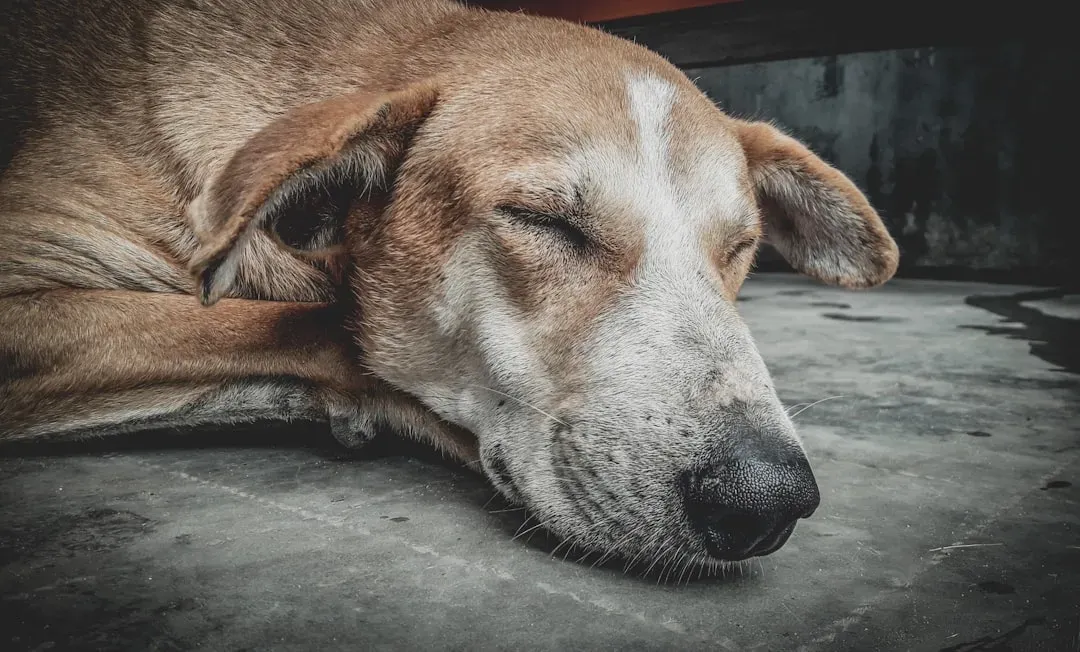
Aging changes everything, including how our dogs sleep. If you have a senior dog, their nighttime behaviors become even more telling.
Classic signs of canine cognitive dysfunction include mental confusion, loss of training, and disrupted sleep patterns. Canine Cognitive Dysfunction is a behavioral syndrome affecting senior dogs, and cognitive dysfunction symptoms include changes to their sleep-wake cycle, where the dog may become more fidgety at night when they’re supposed to sleep.
Honestly, it can be heartbreaking to watch. Your once peaceful sleeper now paces the house at two in the morning, seemingly confused about where they are. These older dogs may be restless, whining, pacing, or acting disoriented in the evening and at night, and recognizing the signs of CCD is important because it is very prevalent in senior dogs.
Pain management becomes crucial for older dogs. Sometimes pain medications can cure a dog’s anxiety at night, because poor senior dogs may be suffering from chronic pain that escalates at night. What looks like anxiety might actually be physical discomfort that worsens when they’re trying to rest.
Other age-related issues can disrupt sleep too. Common causes of insomnia in dogs include canine cognitive dysfunction, anxiety or stress, pain, and excessive itchiness, and dogs with insomnia will often pace, whine, bark, or act confused at night.
Here’s what matters most: don’t dismiss changes as just “getting old.” Many of these conditions are manageable with proper veterinary care, medication, or environmental adjustments. Your senior dog deserves comfortable, restful nights just as much as they did in their younger years.
Conclusion: Listening to What Your Dog’s Nights Tell You
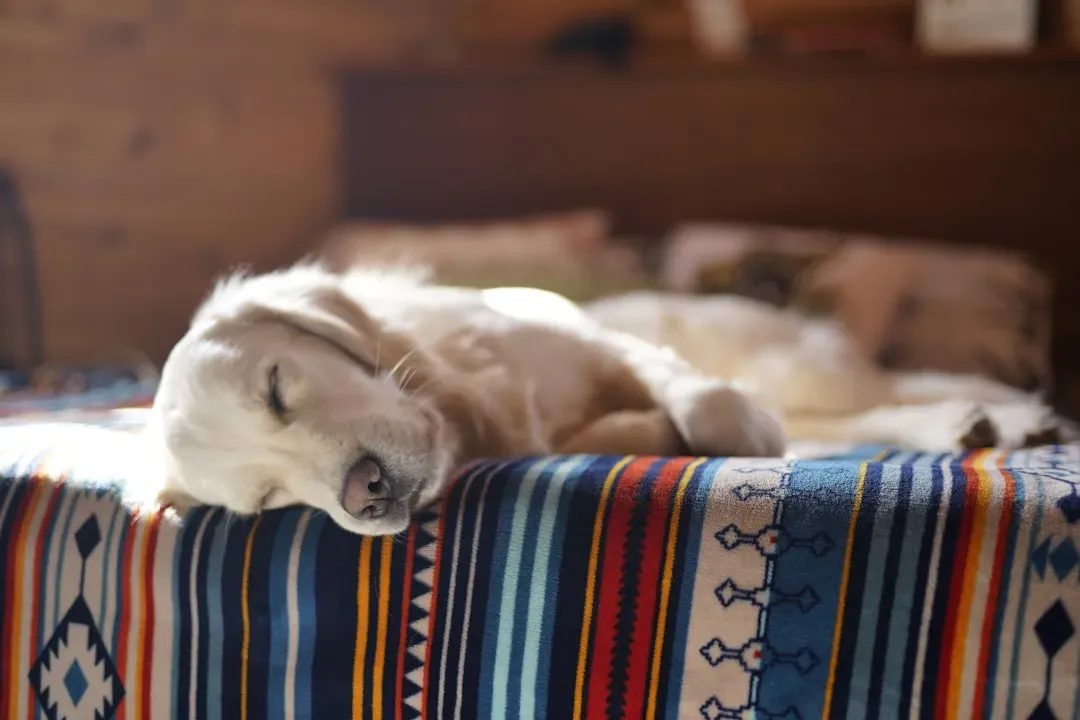
The beautiful thing about dogs is they’re always communicating with us, even in sleep. Those nighttime behaviors that seem quirky or puzzling are actually windows into their physical health and emotional state.
Dog sleeping positions and behaviors can provide clues about a dog’s sleep habits and emotional state. When you start paying attention to these patterns, you become better equipped to care for your dog. A sudden change in how they sleep, where they sleep, or how restful their nights are shouldn’t be ignored.
Keep in mind that sleep loss affects activity patterns, increases anxiety-like behaviors, decreases cognitive performance and is associated with depressive states. Quality sleep isn’t a luxury for dogs; it’s essential for their physical health, mental wellbeing, and quality of life.
So tonight, take a moment to really observe your dog as they settle in. Notice their little rituals, their chosen position, how deeply they rest. These observations might seem small, but they could be the key to catching health issues early or understanding your dog’s emotional needs better.
What surprising things have you noticed about your dog’s nighttime habits? Sometimes the smallest details reveal the biggest truths about our furry companions.


