
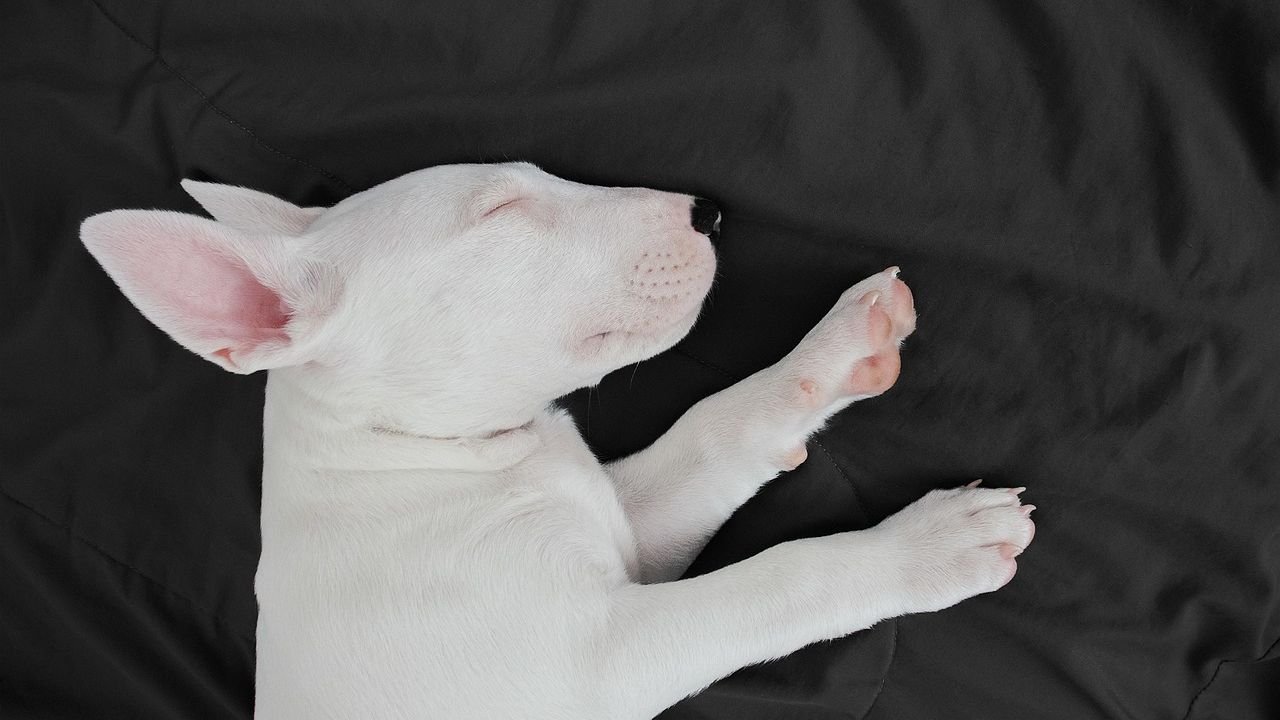
You’ve probably watched your dog curl up at the end of a long day, let out a big sigh, and drift off peacefully. Sweet, right? But here’s the thing – that quiet moment before sleep, and everything that follows through the night, is actually a tiny window into your dog’s entire world. Their body, mind, and emotional state during the day all quietly show up in the way they rest at night.
It’s easy to think of a sleeping dog as just… sleeping. Yet what’s really happening is far more layered than that. The quality and character of your pet’s sleep can give vital clues about their health. Whether your dog is snoring softly, twitching their paws, pacing the hallway, or suddenly whimpering at 2am, every single one of those behaviors is telling a story. You just have to know how to read it. Let’s dive in.
The Science of How Dogs Actually Sleep
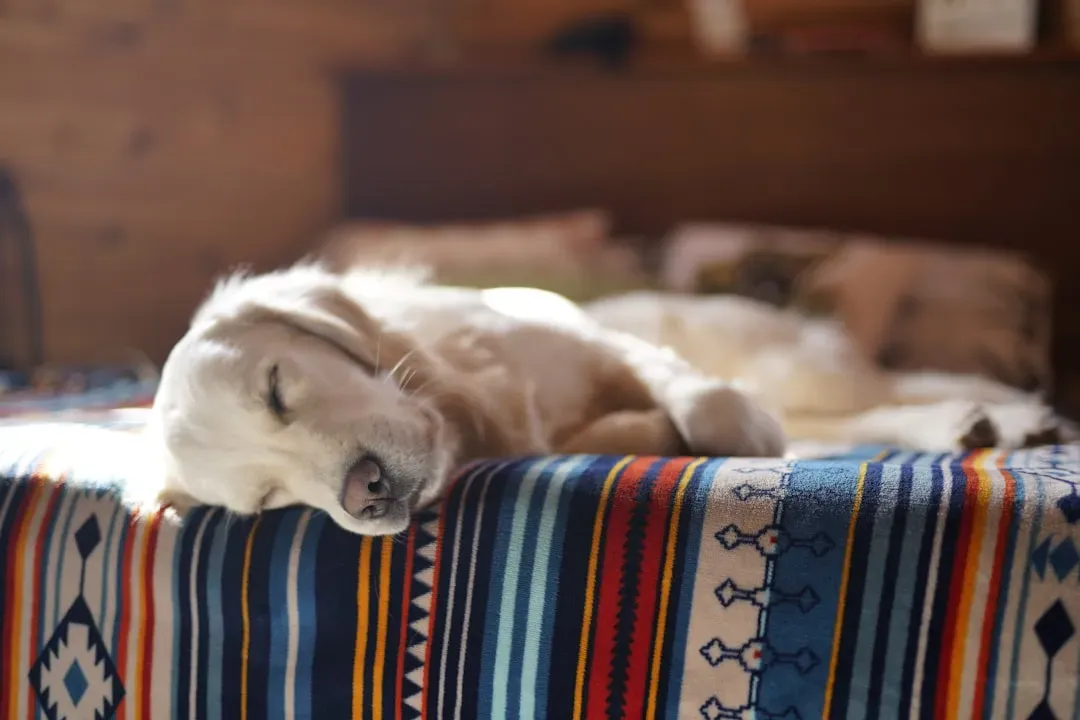
Most dog owners don’t realize just how different their dog’s sleep architecture is from their own. The sleep cycle of a dog consists of two main phases: REM (Rapid Eye Movement) sleep and non-REM sleep, and the big difference is that dogs have sleep cycles that last just 45 minutes at a time. During that time, they cycle through REM and non-REM sleep twice. Compare that to a human’s 90-minute cycle, and you get a sense of just how differently their bodies restore themselves.
Dogs are polyphasic sleepers, meaning their primary sleep behavior is most observed at night, but bouts are also present during the day. A 2020 study estimated that the average pet dog sleeps for roughly ten hours a day. That’s a lot of snoozing, but it’s not wasted time. Their brains are actively processing, recharging, and reviewing every experience from the day before.
Domestic dogs have largely diurnal sleeping habits, meaning awake during the day and asleep at night, aligning themselves to the lifestyle of their owners. Most of their sleep happens during the night, between the hours of 9pm and 6am. Honestly, it’s kind of beautiful how deeply they mirror us.
What Your Dog’s Dreams Are Actually About
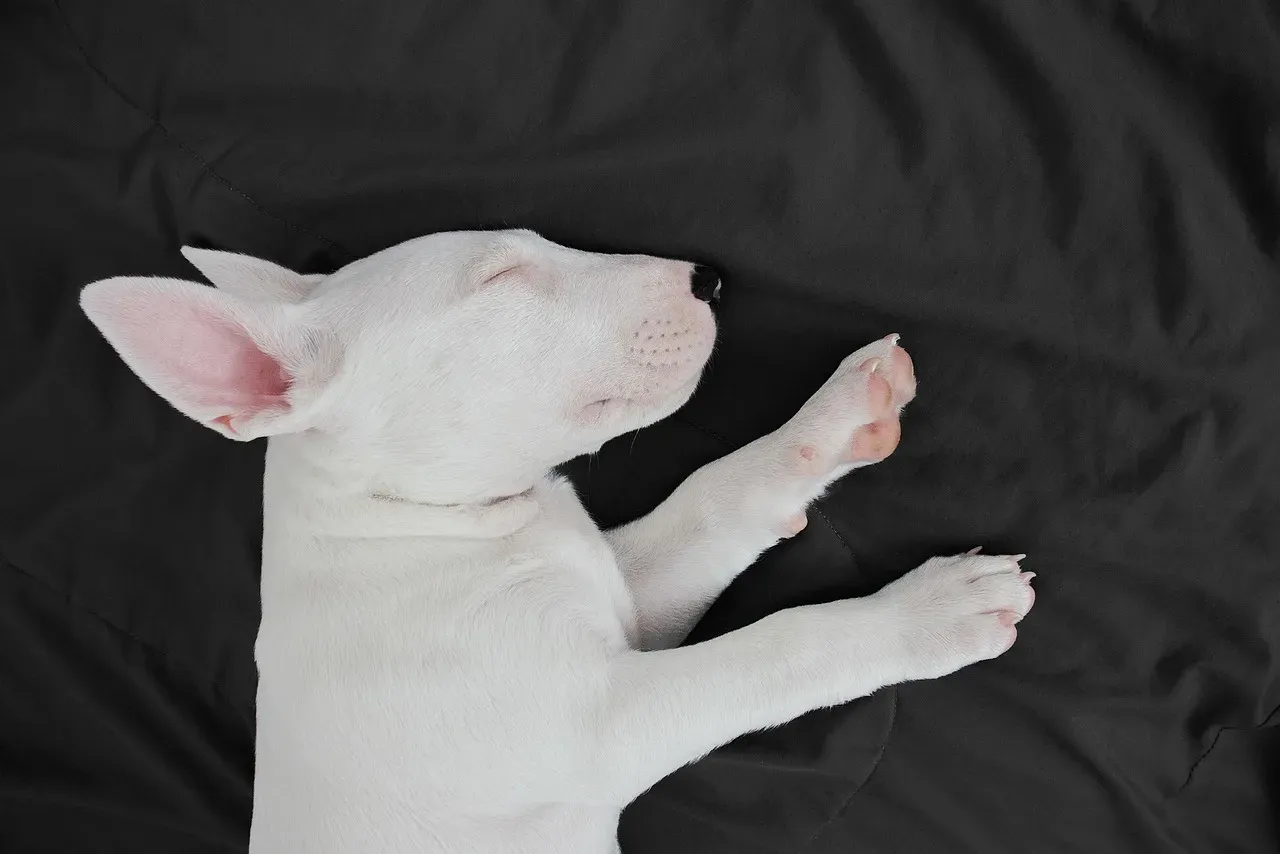
Have you ever watched your dog’s paws paddle like they’re chasing something in their sleep? That tiny leg kick is not random. Scientists concluded that dogs likely dream about their daily activities. So when your dog runs or barks softly in their sleep, they may be replaying a familiar scene, like chasing a ball or playing with you in the yard. I find that oddly moving, if I’m honest.
When your dog dozes off after a long day at the park, their brain enters a series of sleep stages that allow them to process experiences, store memories, and even relive their favorite moments. Dogs, like humans, use sleep to organize and store memories. Dreaming helps them process complex emotions and experiences, which may explain why dogs appear calmer and more responsive after a good night’s sleep.
Smaller dogs tend to enter REM more frequently but for shorter periods, while larger dogs experience fewer but longer dream cycles. So your tiny Chihuahua is likely dream-hopping all night long, while your Great Dane is having one long cinematic feature. Either way, those twitches are a very good sign.
When Nighttime Restlessness Is a Red Flag
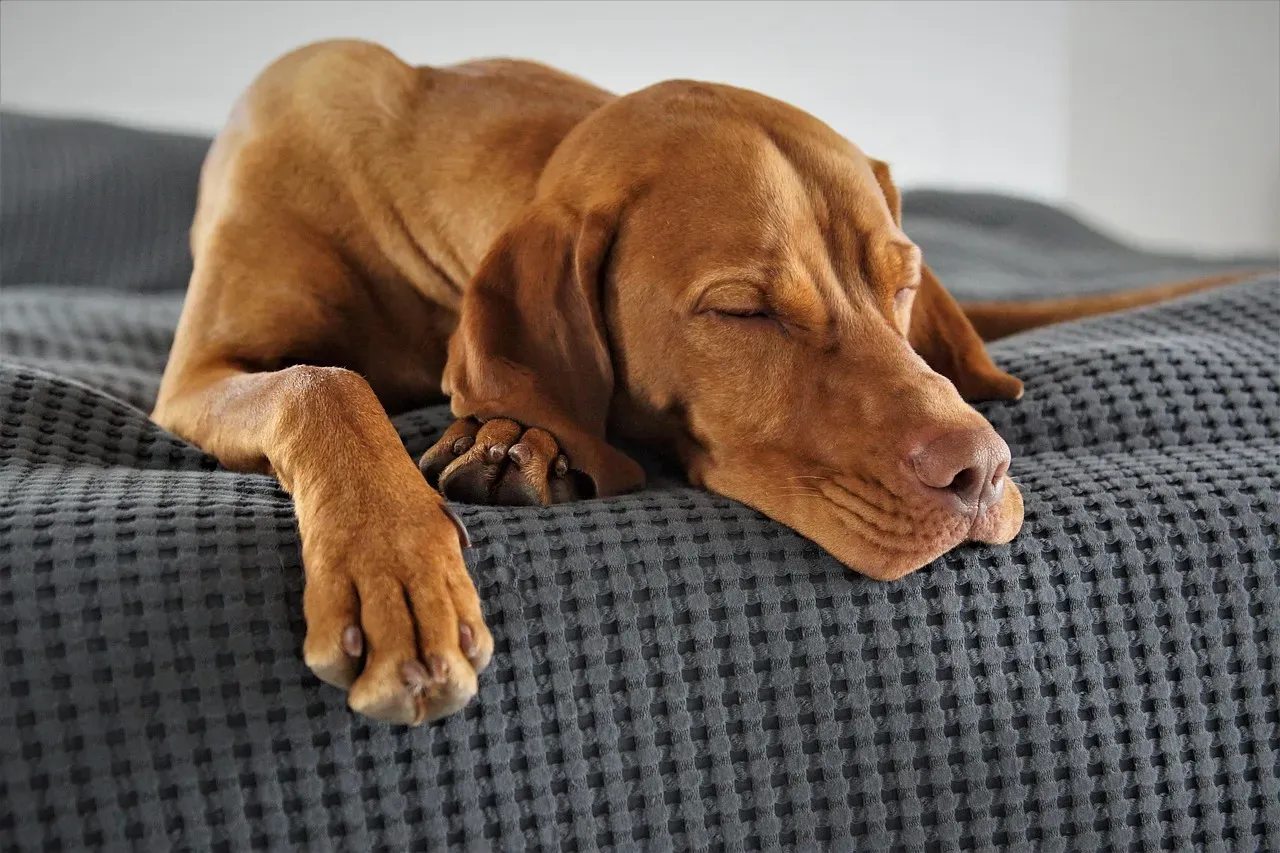
Not every night movement is cute or harmless. Pain or discomfort is one of the most common reasons for nighttime restlessness in dogs. Joint pain, especially from conditions like arthritis, can make it difficult for dogs to find a comfortable sleeping position. Digestive issues, such as gas or bloating, can also contribute to discomfort, preventing your dog from relaxing. Dogs suffering from chronic pain may have difficulty staying still, and this discomfort can worsen at night when they’re trying to rest.
In the dead of night, with the house quiet and the lights out, there’s little distraction from pain, discomfort or itchiness. Restlessness can be a sign of nagging discomfort or even pain which disrupts their sleep. Think of it this way: when the world goes quiet, there’s nothing left to distract them from what hurts.
Signs of canine insomnia include excessive whining, crying, or barking at night, inconsistent sleep patterns, daytime sluggishness, behavioral changes, and confusion or disorientation. If you’re seeing a cluster of these signs consistently, a vet visit is genuinely urgent, not optional.
Stress and Anxiety: The Invisible Nighttime Disruptors
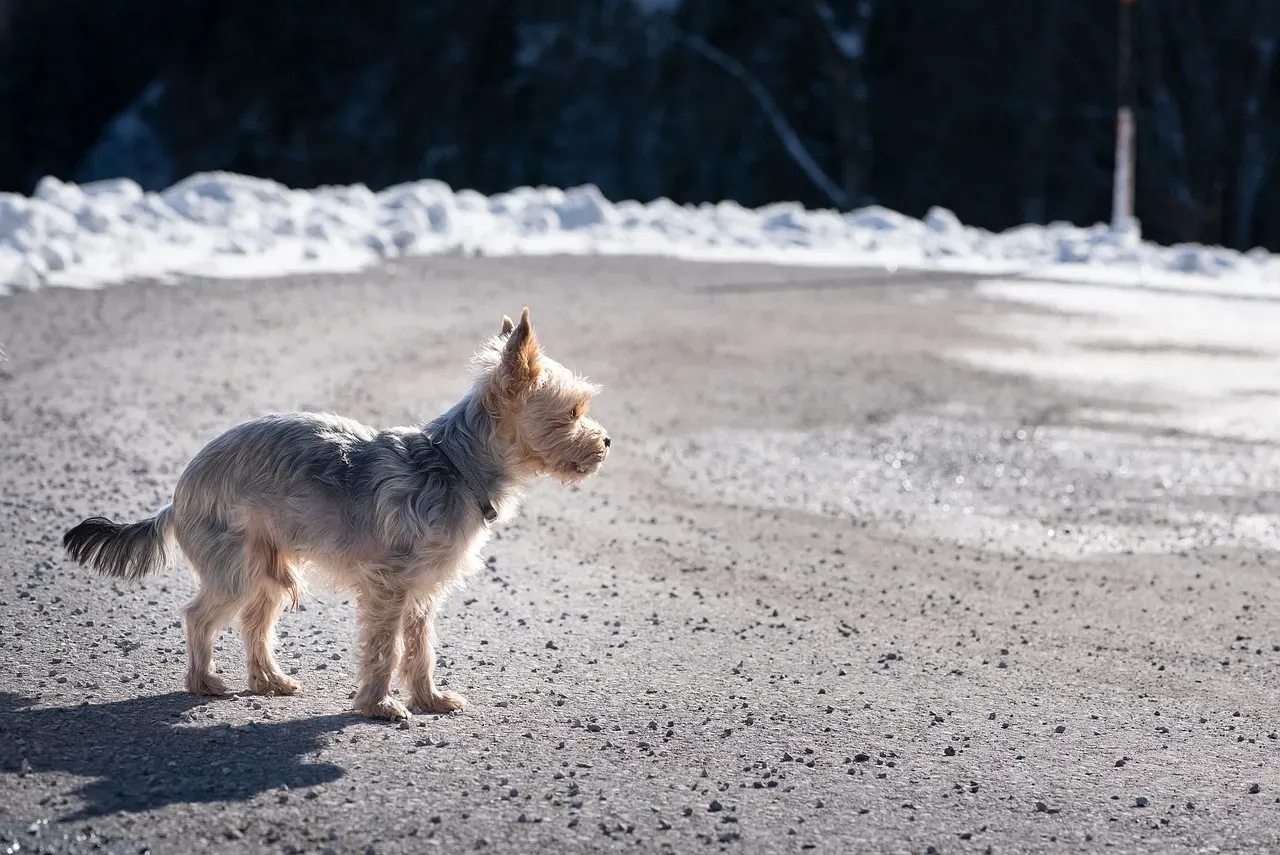
A dog that had a stressful day doesn’t always show it with barking or hiding. Sometimes the anxiety surfaces only when the house goes quiet. Stress and anxiety can be caused by a variety of factors, including changes in routine, loud noises, separation anxiety, and fear of certain situations or objects. When dogs are stressed or anxious, their bodies release cortisol, a hormone that can interfere with their sleep patterns. This can lead to difficulty falling asleep, waking up frequently during the night, and overall poor sleep quality.
Anxiety and stress are common culprits when it comes to nighttime restlessness. Dogs are creatures of habit, and anything that disrupts their routine – such as changes in their living situation, the absence of their owner, or loud noises – can make them feel anxious. Separation anxiety, in particular, can lead to nighttime pacing, whining, or even destructive behavior.
Here’s something worth knowing: poor sleep doesn’t always look like fatigue. It often shows up as irritability, increased reactivity, difficulty settling, pacing, clinginess, or suddenly worsening anxiety behaviors. Sound familiar? Your dog’s daytime mood is often a direct echo of the night before.
How Your Daily Routine Shapes Their Night
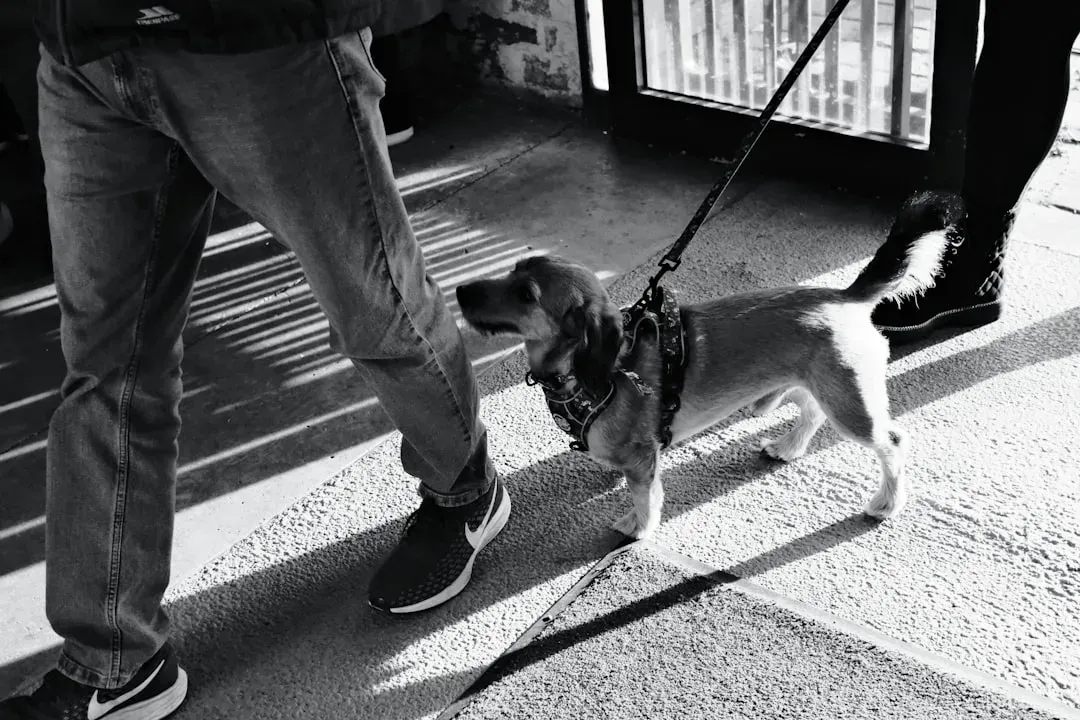
Let’s be real – we are our dogs’ entire world. And their nights reflect that more than we realize. Dogs no longer have to hunt, so instead, they base their schedules around when we feed them. They get up when we get up, as that’s usually the first opportunity for them to be fed. Once we go to bed, there is no more chance of getting food, so generally, the dog will go to bed as well. You are their clock, their compass, their whole routine.
Dogs need physical activity to expend energy, and without enough exercise, they can become restless at night. Pet parents may notice that their pup’s sleep patterns align with physical exercise or periods of mental stimulation with interactive toys, scent games, and things that keep them interested. A dog who hasn’t been tired out – physically and mentally – is basically a kid with too much sugar at bedtime.
Late meals can increase nighttime wakeups, while intense walks too close to bedtime can delay sleep. Screen noise may also interfere, especially for anxious or noise-sensitive dogs. Small daily tweaks can make a surprisingly big difference in how peacefully they rest.
Building a Nighttime Routine That Actually Works
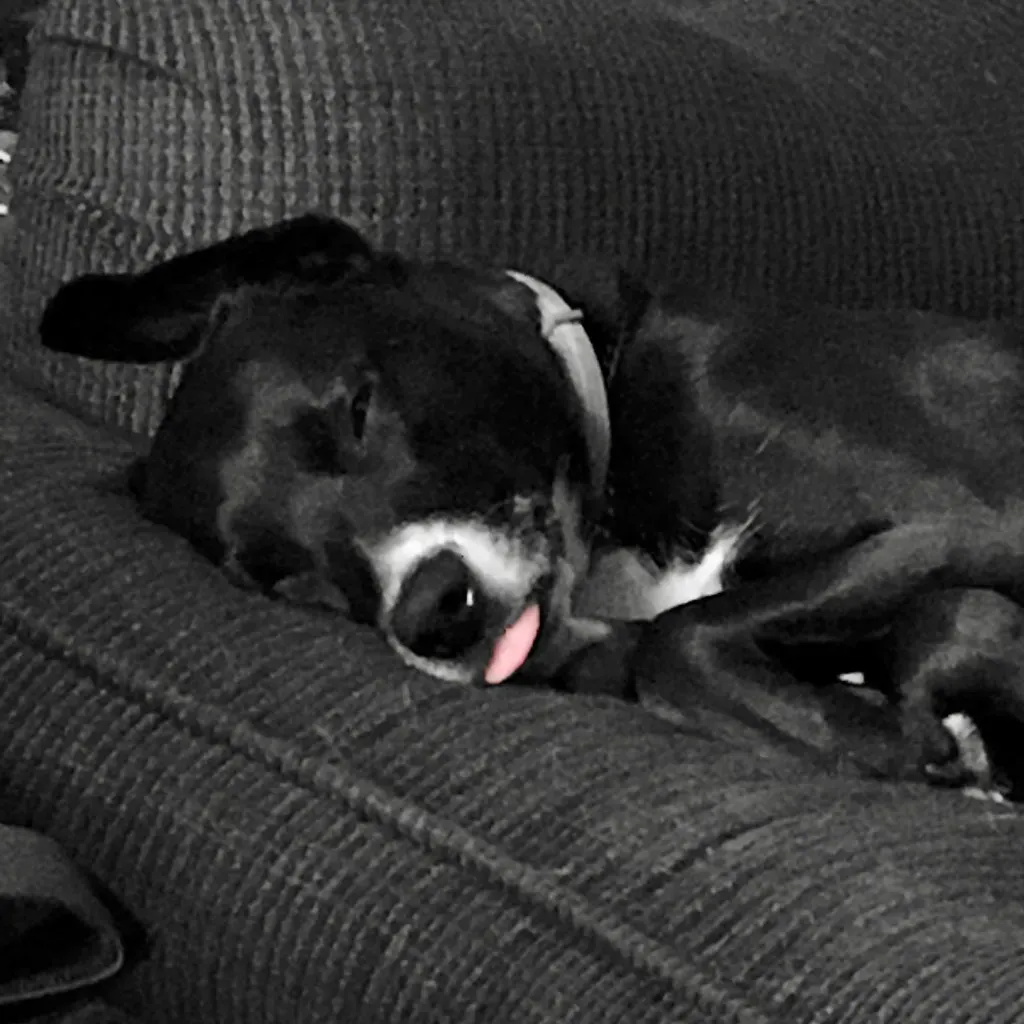
The good news? You have real power here. Dogs thrive on routine. Feeding, exercise, and bedtime at consistent times each day promote better-quality sleep. Regular physical activity also helps dogs burn energy, so they settle down more easily at night. Think of it as building a sleep ritual, much like the one you’d want for yourself.
Creating a calming environment for your dog can help alleviate anxiety. Offering a comforting, familiar space to sleep in, using calming products like pheromone diffusers or calming music, or providing a soft blanket with your scent can all make a difference. Sometimes the simplest gestures, like a worn t-shirt tucked into their bed, work like magic.
Dogs who feel safe and emotionally balanced tend to sleep better. Providing affection, mental stimulation, and social interaction during the day can help reduce stress and support peaceful sleep at night. In other words, a loved dog is a well-rested dog. It’s really that straightforward.
Conclusion: Your Dog’s Night Is a Mirror of Their Day
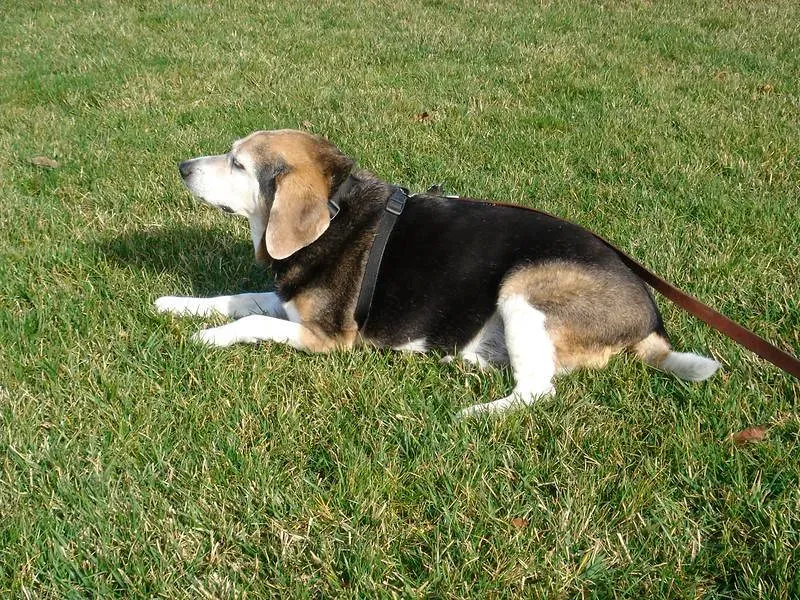
Here’s the takeaway: every sigh, every dream twitch, every 3am patrol around the house is your dog communicating with you in the only language they have. Their nighttime habits are not random. They are a direct reflection of how their body felt, how safe they felt, how stimulated or under-stimulated they were, and how connected to you they are.
You don’t need to be a veterinarian to be a great observer. Dogs will occasionally get disturbed by something and remain restless for a night. Lasting restlessness, especially when it’s only at night, can typically be attributed to something specific. Take note of your dog’s behaviors and relay that information to your veterinarian. Paying attention is one of the most loving things you can do.
The next time you glance over at your dog softly paddling their paws in sleep, know that they’re probably reliving something joyful from the day you shared together. Give them a full day, a safe space, and a calm evening, and chances are, they’ll give you a peaceful night right back. What does your dog’s nighttime behavior tell you about their day? We’d love to hear in the comments.


