

Have you ever watched your dog sniff every blade of grass on a walk and wondered what fascinating world they’re tuning into? That wet nose is constantly working, gathering information we humans could never imagine processing. While we rely on sight to navigate the world, our dogs live in an intricate universe of scent, where every molecule tells a story.
What if I told you that this incredible ability could transform your relationship with your dog, calm their anxious energy, and give them a sense of purpose they’ve been craving all along? Scent work at home isn’t just a fun game. It’s tapping into something deeply instinctual that can change everything about how your dog experiences their day.
Understanding the Incredible Power of Your Dog’s Nose
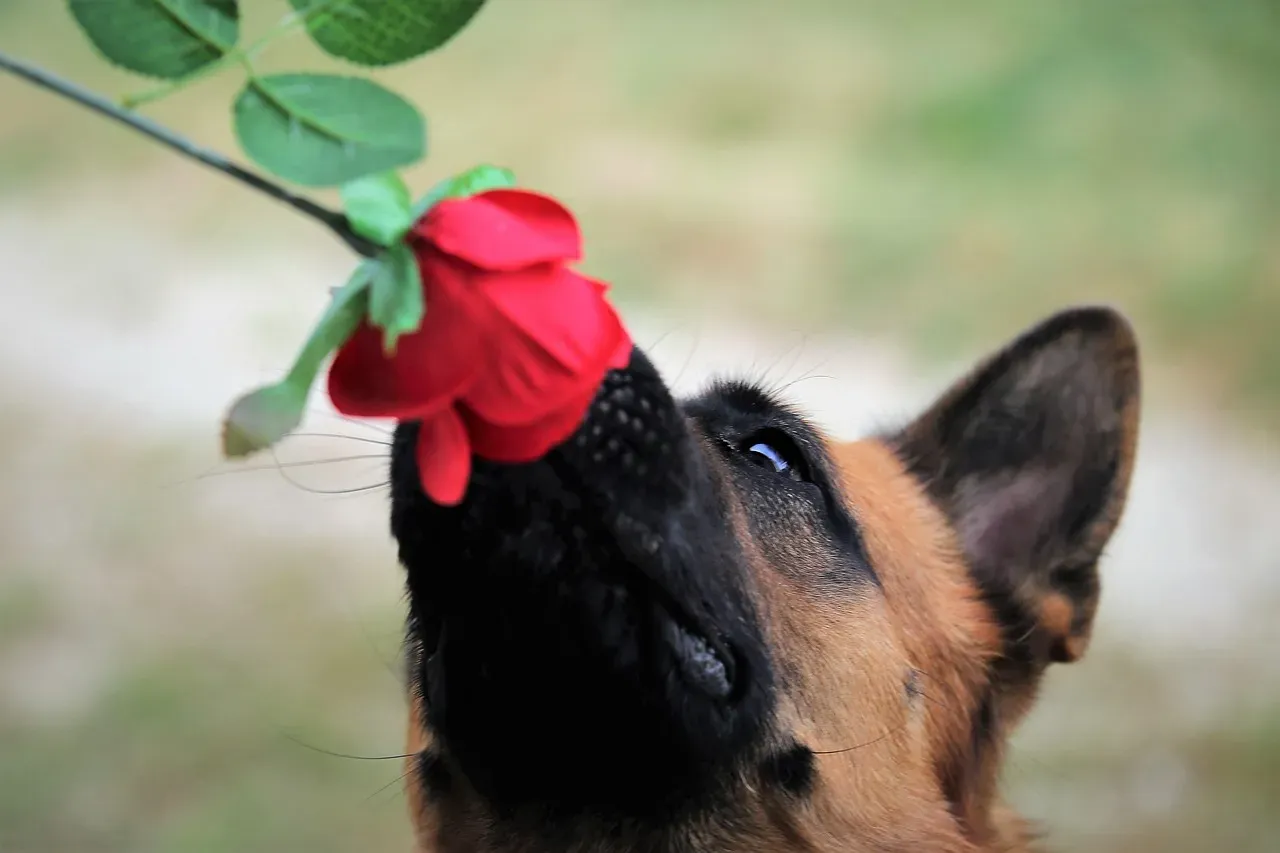
Let’s be real, our noses are embarrassingly inadequate compared to our dogs. Dogs have roughly forty times more smell-sensitive receptors than humans, ranging from about 125 million to nearly 300 million in some dog breeds. Think about that for a moment. While we might catch a whiff of dinner cooking, your dog is detecting every individual ingredient, processing flavors, memories, and emotions all at once.
The part of the canine brain that is dedicated to smells is 40 times larger than ours, proportionally speaking. When your dog pauses mid-walk to investigate a lamppost, they’re reading a complex message board left by other dogs. They know who passed by, their emotional state, maybe even what they ate for breakfast.
Here’s something that blows my mind: dogs can detect substances at concentrations of one part per trillion – a single drop of liquid in 20 Olympic-size swimming pools. That’s not just impressive, it’s almost supernatural. Their noses even work differently than ours during breathing, allowing them to continuously analyze scents while simultaneously taking in oxygen.
Why Scent Work Is a Game-Changer for Every Dog
Scent training benefits dogs of all kinds: It provides mental and physical enrichment, builds confidence, helps with reactivity, and strengthens your bond, regardless of your dog’s age, breed, or temperament. I’ve seen timid dogs transform into confident searchers, and hyperactive pups finally find an outlet that truly exhausts them mentally.
Mental stimulation through scent work tires dogs out far more effectively than physical exercise alone. A study from 2024 showed something remarkable: scent training can improve dogs’ ability to avoid acting impulsively to complete a specific task. This ability, known as inhibitory control, has been shown to improve canines’ problem-solving skills.
Think about dogs recovering from surgery or elderly pups who can no longer run and jump. It’s also perfect for senior dogs starting to slow down, as scent work doesn’t have to be arduous. The beauty is that any dog, regardless of physical limitations, can participate and thrive. Even blind or deaf dogs excel at scent work because it relies purely on their strongest sense.
Mental effort tires out a dog much faster than physical effort. Those days when your dog seems restless despite a long walk? That’s often a sign they need mental challenges, not just more miles on the pavement.
Getting Started: Simple Tools You Already Have
You don’t need fancy equipment or expensive kits to begin. Honestly, the simplest approach works best when you’re just starting out. All you need are some nice, stinky dog treats and a place to hide them. You can start with simple games, and work your way up to the more challenging stuff.
Gather some cardboard boxes from recent deliveries. Shoebox size works perfectly. While your dog is in another room, arrange the boxes on the floor and place treats in one or two of them, leaving the others empty. The key here is keeping things accessible at first so your dog experiences immediate success and builds confidence.
Bring your dog into the room and cue him to search for the treats. If he finds the treats, praise him and let him eat them as a reward. Further reward him by offering treats from your hand. This double reward system reinforces that finding the scent is incredibly valuable.
As your dog gets the hang of it, add more boxes and make the hides slightly more challenging. You can tuck boxes around corners or place them at different heights. The progression should feel natural and fun, never frustrating.
Advancing to Essential Oils and Target Scents
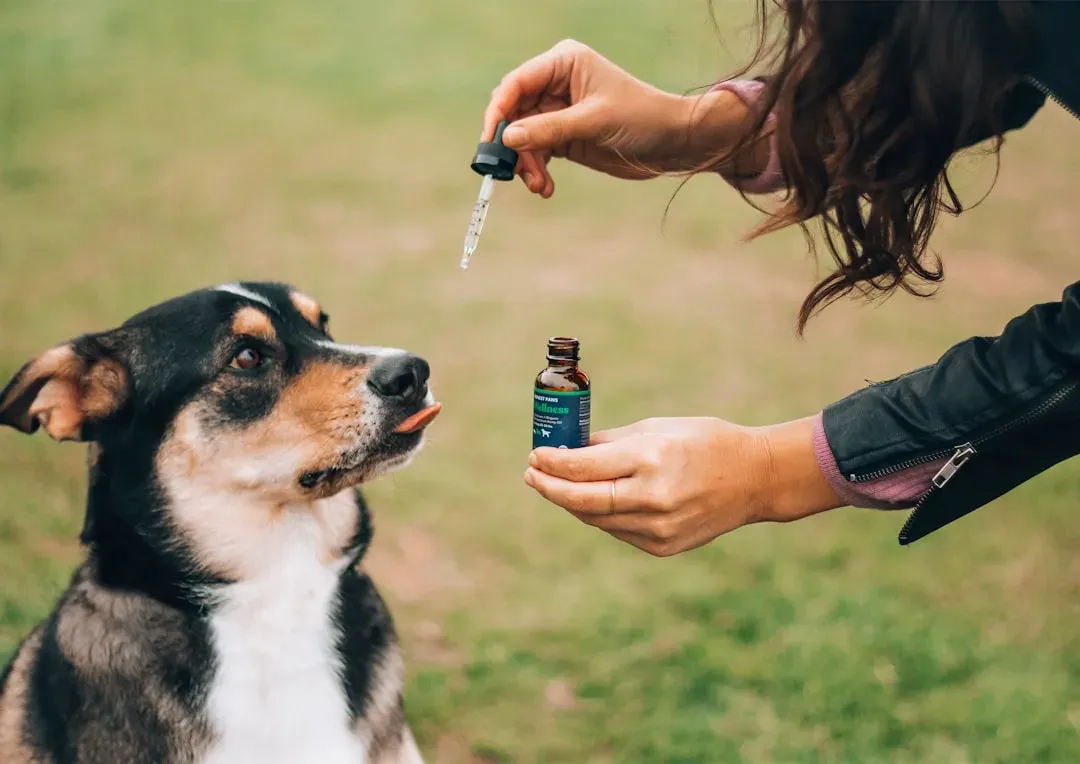
Once your dog understands the basic search game with treats, you can introduce essential oils as target scents. Birch, anise, and clove are commonly used in competitive scent work, but you can start with any dog-safe essential oil. In a room far away from where you’re working with your dog, wear disposable gloves as you apply two drops of essential oil to each cotton swab. Place the scented cotton swabs in the glass jar.
Why gloves? Your own scent can contaminate the training area and confuse your dog. Remember, their nose picks up everything. Handling the scent materials carefully keeps the exercise clean and clear for your dog to understand what you’re asking them to find.
Start by presenting the jar with the scented cotton swab in one hand while holding treats in the other. When your dog investigates the jar, immediately reward them with a treat right at the source. When your dog sniffs or noses at the jar with the scent, praise and bring your treat over next to the jar and treat. In this way, you’re helping to make the connection for your dog that you’re rewarding at the source of the scent.
Try to keep training sessions brief – about 10 to 15 minutes at a time is ideal. If your dog seems bored or tired, put the tins away. The point is for nose work and scent training to be fun, not to push your dog to keep working when he’s not in the mood or too tired. Short, positive sessions build enthusiasm better than long, exhausting ones.
Real-Life Benefits: Beyond the Game
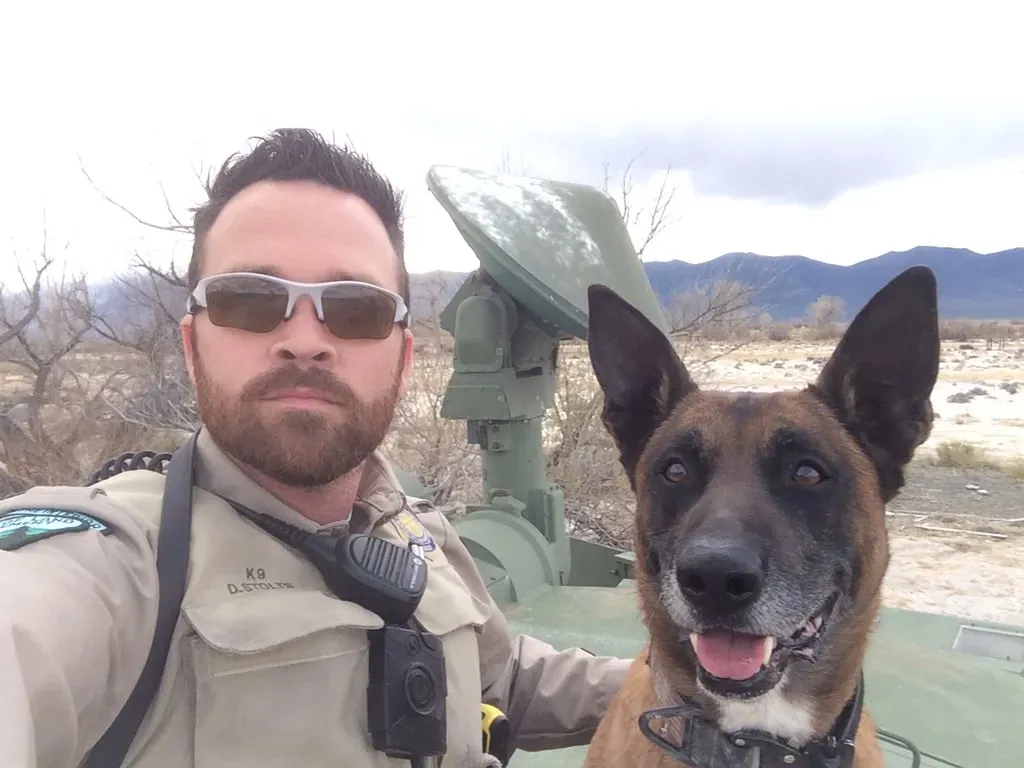
The transformation scent work creates goes far beyond a fun activity. Dogs with anxiety, reactivity, or fear-based behaviors often find relief through nose work. One trainer shared a story about a reactive German Shepherd who struggled around other dogs. Through scent work, the dog learned to focus on the task rather than the triggers, dramatically improving his quality of life and reducing stress for both dog and owner.
Scent work can improve focus, build confidence, and even strengthen the bond between you and your dog. I think what makes this so powerful is that it gives dogs a job, a sense of purpose that many domesticated dogs desperately need but rarely get in modern life.
There’s also a practical side to this. Some dog owners train their dogs to find keys, phones, or TV remotes using a drop of essential oil attached to the item. Imagine never frantically searching for your keys again because your dog can locate them in seconds. It sounds crazy, but it genuinely works.
For dogs prone to anxiety, scent work can serve as a calming activity. The focused nature of sniffing and searching can help redirect their attention away from stressors, promoting a sense of calm and control. On stressful days like thunderstorms or fireworks, having this outlet can make a real difference.
Creating Variety and Keeping Things Interesting
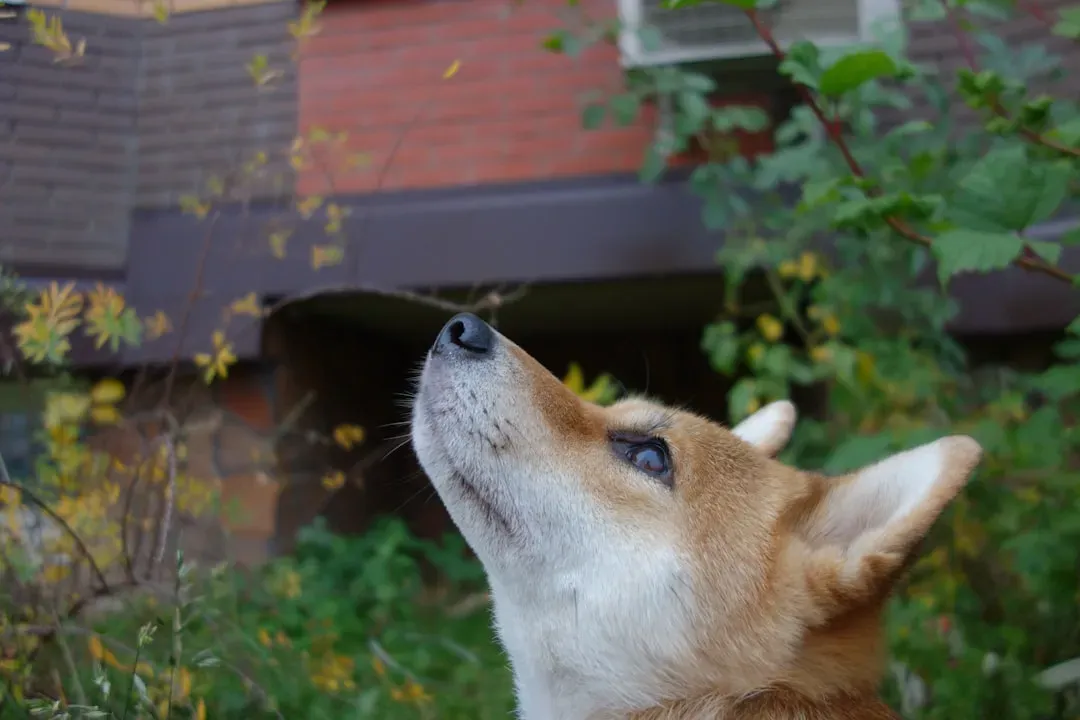
Once your dog masters basic searches indoors, the whole world becomes your training ground. Take your scent games beyond the home and garden and get your dog’s engaging in nosework in a variety of environments. For example, you can have your dog search your car for the item, woodlands and use different surfaces.
Different environments present unique challenges. Searching in the grass involves ground scent and wind currents. Searching in your car adds confined spaces and different surfaces. Each new location helps your dog generalize their skills and become a more confident searcher.
You can hide scent tins at various heights, inside furniture, under objects, or in containers. The creativity is endless, and honestly, setting up hides becomes almost as fun as watching your dog work. There’s something deeply satisfying about challenging your dog’s brain and watching them rise to meet it.
For an extra challenge, ask a friend or family member to hide the scent for you while you and your dog are out of the room. Since you won’t know where the scent is, you’ll have to trust your dog completely to tell you where they find scent. This blind search builds incredible trust and communication between you and your dog. You learn to read their body language, and they learn that you believe in their abilities.
Building Confidence and Trust Through Teamwork
As with most forms of dog training or sport, scent training helps build a strong bond between the handler and the dog. Scent work is unique because it’s a collaborative effort where your dog takes the lead. You’re not commanding them through obedience drills. Instead, you’re supporting them as they use their natural abilities to solve problems.
Watching a nervous dog gain confidence through successful searches is genuinely moving. They start to trust themselves, and they start to trust that you’re a reliable partner who celebrates their wins. For shy or fearful dogs, this gradual confidence building can be life-changing.
Getting involved in any dog sport not only increases your dog’s confidence, but it also builds the bond between you and your dog. It is a team sport – as the handler, you have to rely solely on your dog’s nose to locate the hidden odor. Together, you can build trust with each other and start to work together as a well-oiled machine. There’s something incredibly special about that partnership, that wordless communication that develops over time.
The more you practice, the better you become at reading your dog’s subtle cues. You’ll notice changes in their breathing, tail position, or pace that signal they’re onto something. They, in turn, learn to communicate their finds more clearly, whether through a sit, a paw, or simply freezing at the source.
Conclusion
Scent work isn’t just another dog training trend. It’s about honoring what your dog was born to do, giving them meaningful work that fulfills deep instinctual needs. Whether you’re dealing with a high-energy pup who never seems tired, a senior dog who needs gentle mental stimulation, or a fearful dog building confidence, scent work offers something truly special.
The beauty of starting at home is that it requires minimal investment but offers maximum reward. A few cardboard boxes, some treats, and your willingness to let your dog lead the way. That’s really all it takes to unlock a world of enrichment that might just transform your relationship.
What’s holding you back from trying it today? Grab those delivery boxes from the recycling and see what happens. You might be amazed at what your dog’s nose already knows.


