
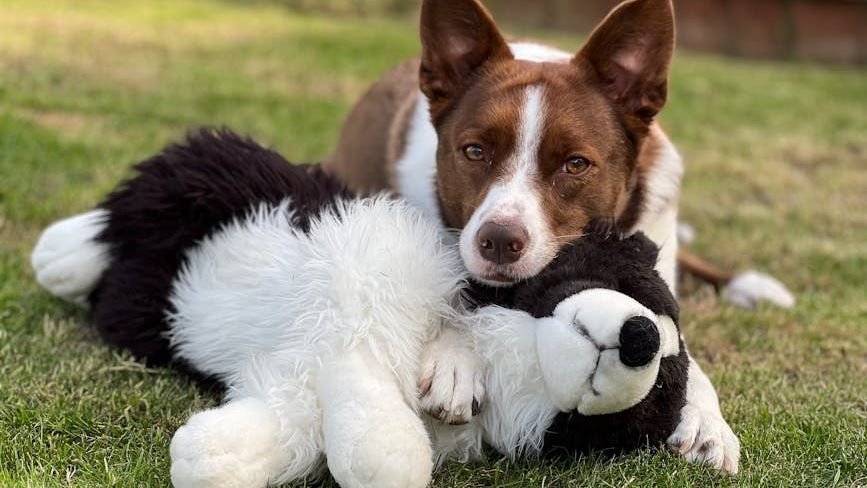
You know that look. Your dog charges past a basket overflowing with toys and heads straight for that one ratty, half-destroyed stuffed animal. Every single time. You’ve tried offering shiny new toys, squeaky ones, rope ones, even the expensive interactive kind. Nothing compares to that one. And honestly? You’re probably as baffled as you are charmed by the whole thing.
Here’s the thing though, this isn’t just quirky dog behavior. It isn’t random, and it certainly isn’t just “cute.” What’s actually happening runs much deeper than you might think. Your dog is communicating something meaningful every single time they return to that beloved toy. Understanding what’s really going on could genuinely change the way you care for, play with, and connect with your pup. Let’s dive in.
The Ancient Hunter Living in Your Living Room
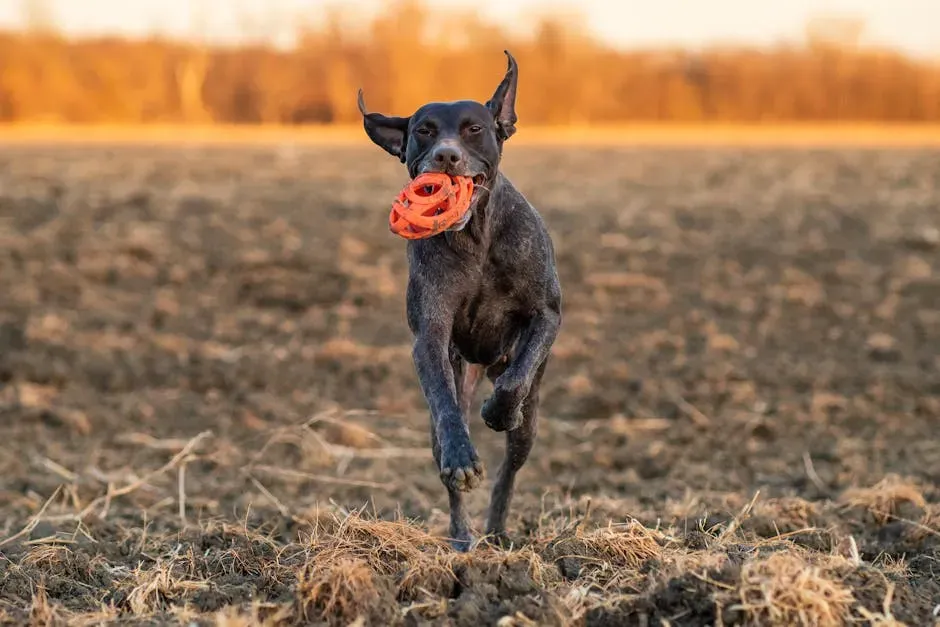
Dogs are descendants of wolves, and many of their behaviors are rooted in primal instincts. When your dog obsessively shakes, chews, or carries a toy, they’re not being dramatic. They’re acting out a script written into their DNA thousands of years ago.
Predatory behavior takes many forms, including searching, stalking, chasing, catching, killing, carrying, dissecting, and eating behaviors. That specific sequence is called the prey drive sequence, and your dog’s favorite toy is essentially a stand-in for prey in the wild.
A toy that squeaks or resembles prey can trigger a dog’s hunting instincts, making it particularly appealing. The sound and texture mimic the sensations of catching and biting prey, satisfying their innate predatory drive. Think about it like this: when your dog grabs that squeaky hedgehog and starts thrashing it around, they’re basically finishing a hunt. It’s instinctive, not irrational.
There’s a “natural high” that goes along with the instinctive predatory sequence, and the more opportunities a dog has to engage in predatory behaviors, the stronger their drive to perform these behaviors will become. So the more they play, the more they want to. Sound familiar?
Why That ONE Toy and Not the Others
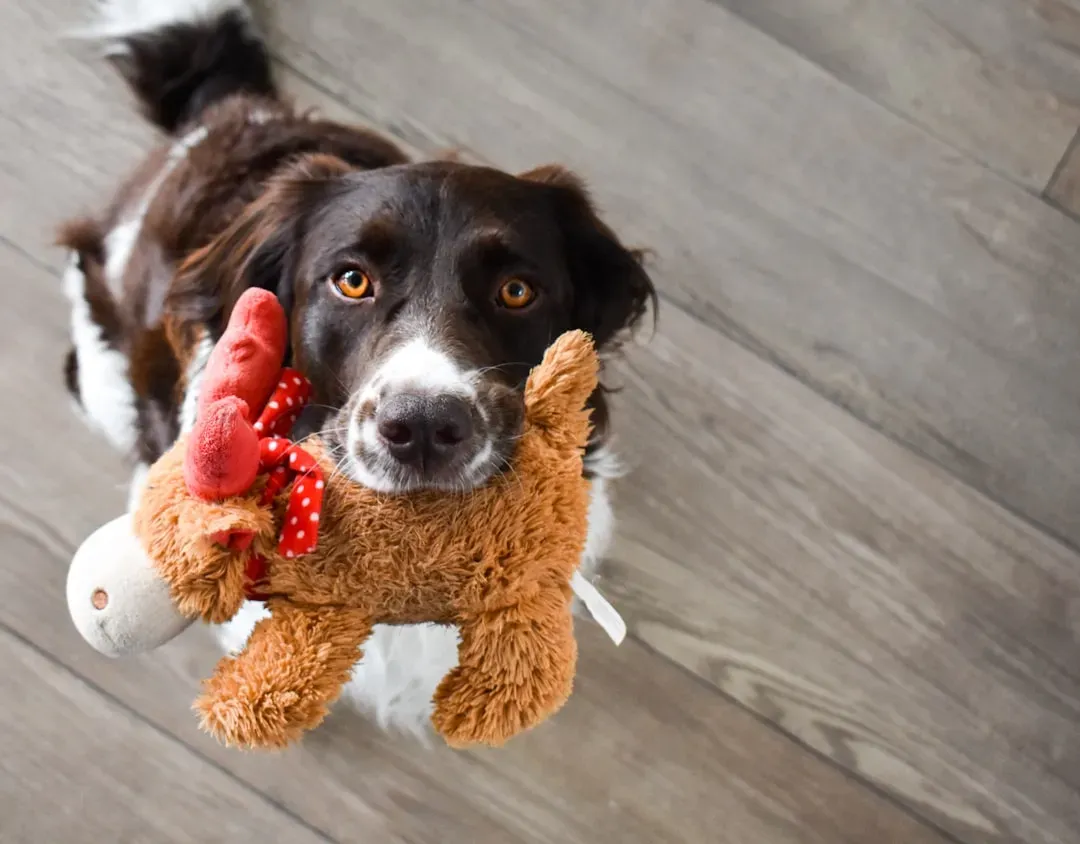
Let’s be real, if toys were interchangeable to your dog, life would be so much simpler. You could just swap a worn-out toy for a new one and everyone’s happy. But dogs don’t work like that. Their attachment to one specific toy often goes back further than you’d expect.
A dog’s attachment to a specific type of toy can sometimes be traced back to early life experiences. Puppies exposed to certain toys during critical developmental periods may form lasting preferences. It’s a bit like how you still have a soft spot for that old song that played during a good summer years ago. Associations run deep.
Your dog may have a memory of receiving a lot of praise or yummy rewards when they first started playing with this toy. This special moment can have a big impact on them and last forever. Honestly, that’s kind of beautiful. Your dog’s obsession might literally be a love letter to a wonderful memory involving you.
If a toy has your scent on it, it may be especially calming to your dog because he feels that a ‘member of his pack’ is with him. So that old, slightly gross toy you’ve handled a thousand times? It smells like you. No wonder they won’t let go of it.
Breed Instincts: It’s Literally in Their Genes
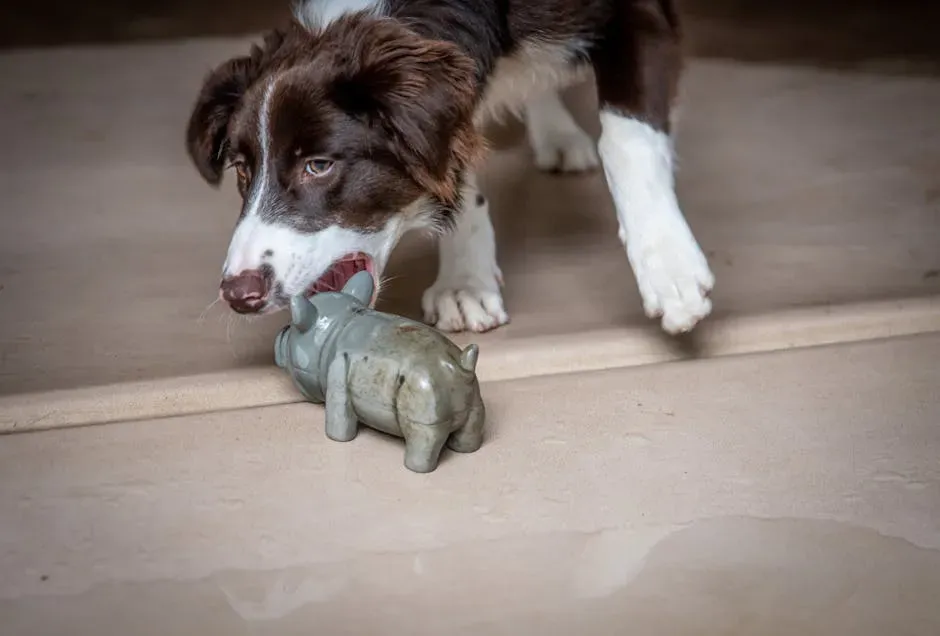
Ever wondered why your Golden Retriever is obsessed with carrying a tennis ball while your neighbor’s terrier destroys every toy within minutes? It’s not personality. Well, not entirely. It’s breed.
Retrievers have a deep-seated desire to retrieve, so they may become attached to toys that allow them to fulfill that instinct, such as their balls or a frisbee. Hunting dogs often enjoy squeaky toys because their noises sound like prey when they’re chewing on them. Different breeds, different drives, different toy obsessions.
In part, prey drive can be something your dog is born with. It’s in their genes. For example if you have a spaniel, they were bred to be interested in birds. Or if you have a beagle or dachshund, they were bred to use their nose to hunt. So matching your dog’s toy to their breed history isn’t just thoughtful. It’s genuinely enriching.
Female dogs sometimes maintain maternal instincts and become attached to plush toys that remind them of their puppies. I think this one surprises most people. Your spayed girl carrying around a stuffed lamb isn’t being weird. She’s being exactly who she was built to be.
When Comfort Becomes the Whole Point
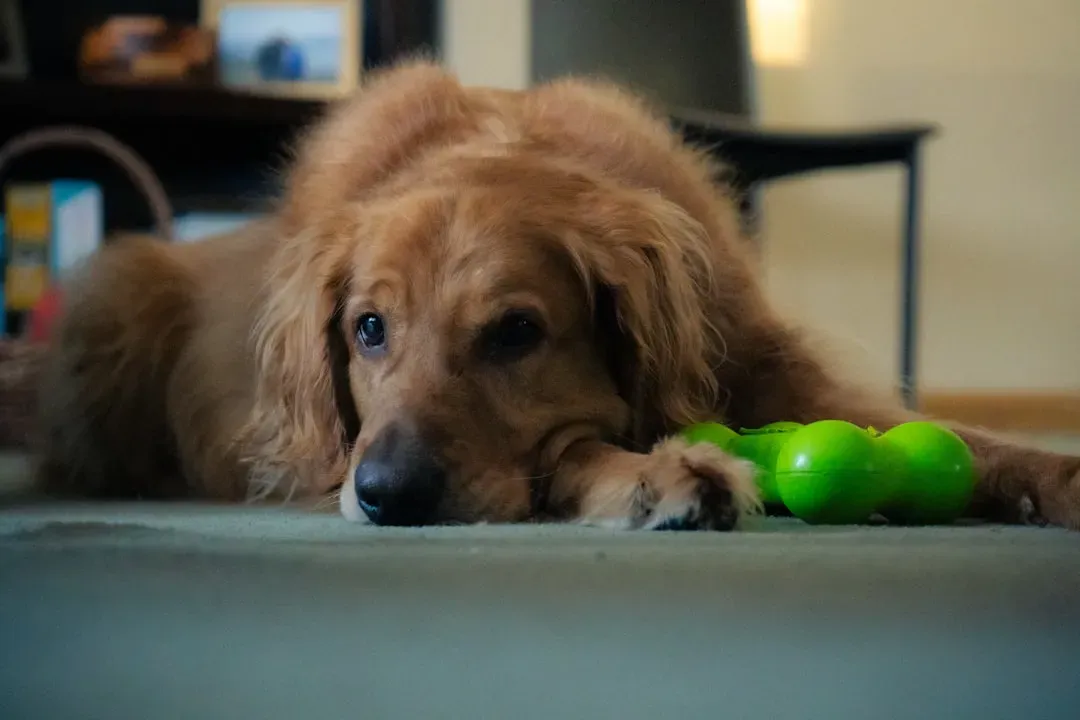
Not every toy obsession is about the thrill of the hunt. Sometimes your dog just needs something to hold onto, and that specific toy is their version of a security blanket. Dogs feel anxiety, stress, and uncertainty just like we do, even if they can’t tell us about it.
A favorite toy can serve as a coping mechanism for dogs experiencing anxiety or stress. The act of chewing or carrying a beloved toy can release endorphins, promoting a sense of calm. This self-soothing behavior is similar to human stress-relief techniques like squeezing a stress ball. Next time you see your pup grab their toy when the doorbell rings or during a thunderstorm, know that it’s genuinely helping them cope.
Just as children have favorite blankets or stuffed animals, dogs can form attachments to certain toys that provide comfort. This attachment can be especially strong in times of stress or change, such as moving to a new home or the absence of a family member. The familiar scent and feel of the toy offer a sense of security and stability.
A dog imprinting on a toy can be a “very healthy behavior.” So don’t rush to wash that ratty stuffed animal too quickly. The smell and familiarity are part of the medicine. You can even use this knowledge strategically. Bringing your dog’s favorite toy to stressful situations like vet visits can genuinely ease their anxiety.
When the Obsession Crosses a Line
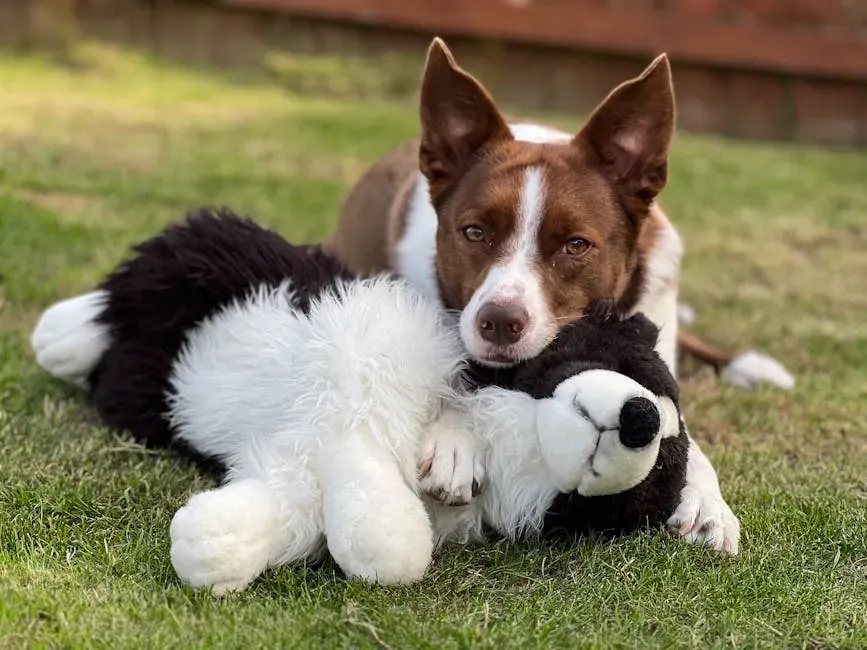
Okay, so most toy attachment is healthy and even adorable. Still, it’s worth knowing when things tip over into territory that needs your attention. A good rule of thumb? Watch what the toy is costing your dog, not just what it’s giving them.
It’s normal for dogs to have a favorite toy, but occasionally, it may be a signal that there is an underlying issue. Repetitive or compulsive behaviors related to the toy, such as obsessive licking, chewing, or carrying it around everywhere, could be signs of underlying stress, anxiety, or boredom. If your dog can’t seem to relax without the toy nearby, it’s worth paying attention to what else might be going on in their life.
Dogs can develop obsessive behavior over their favorite toy, resulting in a powerful emotional pull that causes anxiety and distress if the toy is removed. Dogs that are extremely attached to their toys may also become overprotective over them, which may lead to issues with aggression. Warning signs to watch for include stiffening of the body, growling, or snapping when anyone approaches during playtime.
When a dog is becoming obsessive, their face and body language will visibly change. The most noticeable change is that their body will stiffen. Often, a glaze will form over their eyes, their pupils become fixated, and you can’t distract your dog’s gaze or get their attention. It appears as if they are in a trance. That’s no longer joyful play. That’s a dog in distress, and a conversation with your vet or a certified trainer is a smart next step.
Veterinary experts have removed dozens of toys and toy parts from dogs’ stomachs and intestines over the years. In one case, a dog ingested toy parts on 4 separate occasions requiring 4 separate surgeries. So yes, regular toy inspections matter. While it’s endearing to see your dog form a bond with a particular toy, it’s essential to ensure the toy remains safe for use. Regularly inspect toys for signs of wear and tear, and replace them when necessary to prevent potential hazards.
Conclusion: That Toy Is Telling You Something
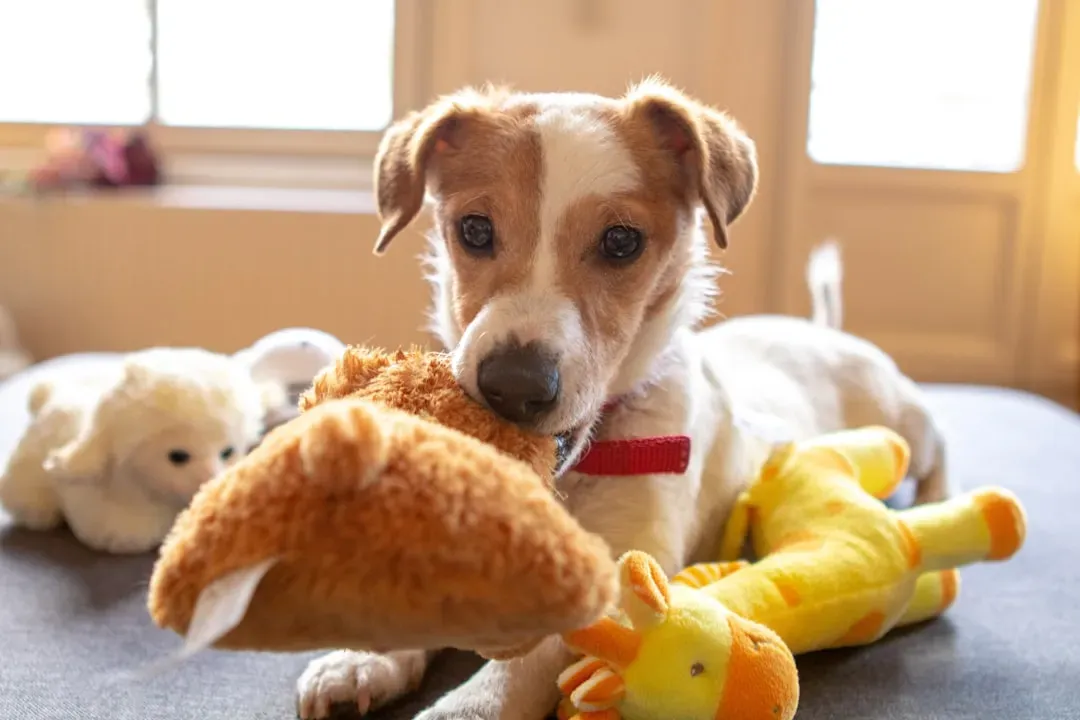
Your dog’s obsession with that one toy isn’t random, inconvenient, or silly. It’s a window into their evolutionary history, their emotional world, and their sense of safety. Every time they grab it, carry it, or refuse to put it down, they’re telling you something true about who they are.
The best thing you can do as a dog parent is lean into that knowledge. Use it to choose better toys, recognize stress signals earlier, and create play experiences that genuinely satisfy your dog at a deep instinctual level. Understanding the science behind this obsession allows pet owners to appreciate the complex nature of their canine companions, providing toys and play experiences that cater to their instinctual drives safely and constructively.
Your dog doesn’t need more toys. They need the right toy, played with the right way, and a human who finally understands why it matters so much. So the next time your pup presents you with that slobbery, beloved toy, take it as the invitation it truly is. What does your dog’s favorite toy say about them? You might know the answer better than you think.


