
You have probably rolled your eyes at least once watching your dog spin in three full circles before finally plopping down on a perfectly good dog bed. Or maybe you have been in the middle of a sentence and watched your pup tilt their head sideways with the focus of a tiny professor. Strange? Sure. Meaningless? Absolutely not.
Dogs are far more articulate than most people give them credit for. They have built an entire language out of body movement, scent, posture, and sound. The problem is that most of us were never taught how to listen. Every quirky habit your dog has is a carefully crafted message, and once you start to decode it, your whole relationship will shift. Let’s dive in.
That Adorable Head Tilt Is Your Dog Trying to Understand You

Let’s be real, the head tilt might be the single most heart-melting thing a dog does. You say “walkies?” and suddenly there it is. That cocked, curious little look that makes you want to hand over every treat in the bag. Honestly, it feels almost too cute to be strategic. Yet it absolutely is.
A dog tilts their head to show they are engaged, much as a human would nod during a conversation to indicate they are listening. Think of it as your dog saying, “Yes, I am paying full attention. Keep talking.” Dogs understand us by assessing not only what we say, but how we say it. They assess our facial expressions, eye movements, tone of voice, body language, and inflection to translate human communications.
A pup’s head tilt might help them to hear better. Veterinary behaviorist Dr. Wailani Sung notes that dogs may tilt their head to orient better to the sound. There is also a fascinating visual component at play. Dogs tilt their heads to work around their interfering muzzles and improve their visual perspective. That cute head tilt broadens the range of vision and allows a dog to more clearly see a person’s face.
Research found that head tilting happened most frequently in “Gifted Word Learner” dogs, which are dogs able to learn multiple labels for toys. One experiment resulted in these gifted dogs performing head tilts roughly 43 percent of the time, compared to just 2 percent of non-gifted dogs when asked to find a toy by name. So your dog’s head tilt might actually be a sign of genuine intelligence at work. Impressive, right?
Here is the health-check reminder though: a consistent head tilt that is not associated with communication may indicate a medical problem. Infections of the external ear canal caused by bacteria or yeast may cause pain, itching, and the occasional head tilt. Middle ear infections are more serious and are often accompanied by a more persistent head tilt. If your dog tilts their head constantly with no clear trigger, please visit your vet.
Circling Before Lying Down Is an Ancient Survival Ritual
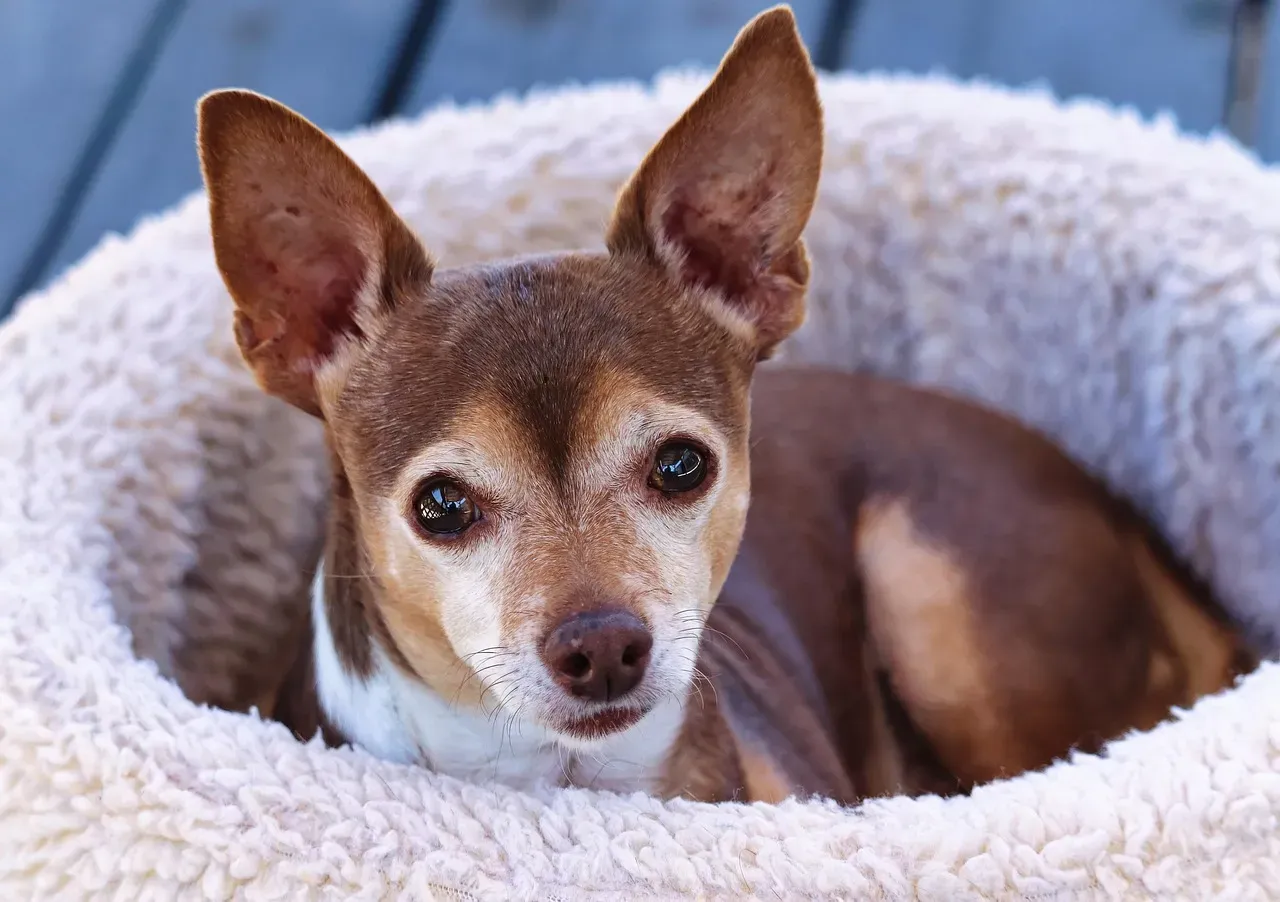
Picture this: you have bought your dog the fluffiest, most expensive orthopedic bed on the market. They walk up to it, sniff it twice, spin around four times like they are possessed, and then finally collapse. You are probably wondering why on earth they do that. It is not randomness, and it is certainly not bad manners. It is pure, wired-in instinct from thousands of years ago.
In the wild, wolves and other canines did not have soft beds waiting for them. They had to create their own sleeping spots in grass, leaves, or dirt. By circling and pawing at the ground, they could flatten vegetation to make a more comfortable surface. This circling motion also helped them clear away rocks, sticks, or anything else that might poke them during sleep. Even though your dog has a plush bed at home, their brain still tells them to prepare their sleeping area the same way their ancestors did.
Even in the safety of your home, dogs maintain their instinct to check for threats before sleeping. Your dog might circle to face the door, keep their back to a wall, or position themselves where they can see the whole room. This behavior shows your dog is still operating on the same safety protocols that kept their ancestors alive. It is actually quite touching when you think about it, a little creature making sure the whole family is safe before resting.
When does circling become a concern? Pain from arthritis, hip dysplasia, or spinal problems might make your dog circle repeatedly as they try to find a position that does not hurt. Ear infections or vestibular disease can affect your dog’s balance and cause them to circle in one direction consistently. Circling before lying down can sometimes reveal an attempt to ease discomfort, especially in aging pets. A dog with arthritis may circle several times, shifting weight from one leg to another in search of relief. If your senior dog’s circles are getting longer or more frantic, it is worth a vet conversation.
Yawning and Lip Licking Are Secret Stress Signals
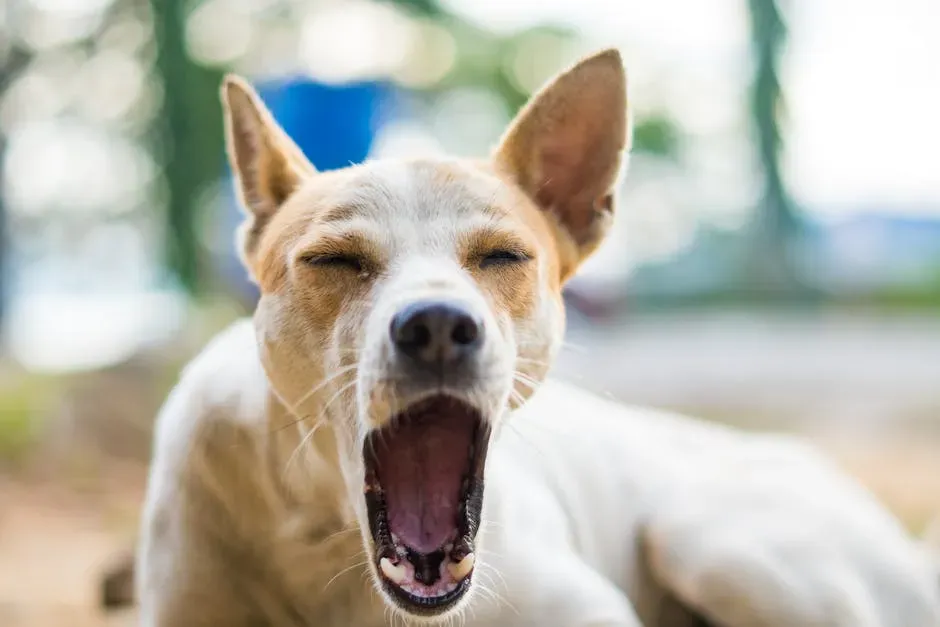
You are getting a photo taken with your dog and you notice them yawn mid-smile. Your instinct is to laugh it off. “He’s just tired!” But here’s the thing: that yawn might be your dog telling you, in the gentlest way possible, that he is really not enjoying this moment. Dogs yawn for very different reasons than we do, and misreading it is one of the most common mistakes dog parents make.
People yawn when they’re tired or bored, but dogs yawn when they’re stressed. Dogs use yawning to calm themselves in tense situations and to calm others, including their owners. Yawning at your dog can even provide comfort during stressful moments, such as a vet visit. If your child is hugging your dog and the dog starts yawning, this is a stress signal that shows the dog is uncomfortable. In these instances, pet parents should stop the behavior or interaction that is causing stress and give the dog some space.
If you notice your pup licking their lips but know they have recently eaten and probably are not hungry, this behavior may indicate your dog is worried about something, maybe a loud noise, strangers, or other stressors in the area. Yawning and nose-licking are considered to be ambivalent behaviors, meaning that the dog is cautious, concerned, stressed, anxious, or has the potential to respond with aggression if the situation escalates or persists. This is your dog asking for help before things escalate.
The takeaway here is genuinely important for your dog’s wellbeing. Recognizing these subtle cues prevents situations from escalating to growling, snapping, or biting. Dogs often try to communicate their discomfort long before resorting to aggressive behaviors. So the next time your dog yawns during a social situation, do not brush it off. Remove them, give them space, and let them decompress. They will thank you for it in tail wags.
Sniffing Everything on Walks Is Your Dog “Reading the News”

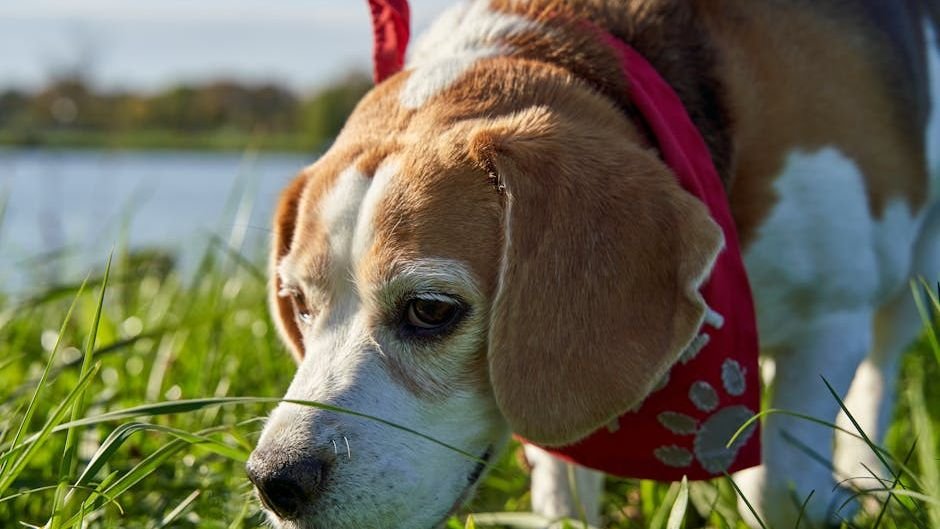
You are late for work, and your dog has been standing with their nose buried in a single patch of grass for four full minutes. You tug the leash. They do not budge. Frustrating? Absolutely. Worth it for your dog? More than you know. Sniffing is not just a habit. It is your dog’s primary way of understanding the world, gathering information, and even communicating back to other animals.
Dogs’ noses have more than 200 million scent receptors, compared to a mere six million in humans. Dogs also sniff five to ten times a second, while humans only do so once every 1.5 seconds. Think about that for a moment. Every single patch of grass your dog investigates is loaded with a wealth of data you and I could never access. When dogs sniff, they are gathering vital intel about their territory and four-legged neighbors. Whether it is discerning the scent of a rival, a notification that another dog is nearby, or that a critter passed through, sniffing offers a wealth of enriching information.
The American Kennel Club recommends taking your dog on designated sniff walks in which the dog gets to move slowly and sniff everything of interest. Sniff walks provide mental stimulation that helps a dog avoid boredom, and because of the mental stimulation, a sniff walk can be just as exhausting as a longer distance walk. So on days when a long run is not possible, a slow, nose-led wander around the block can absolutely do the trick. It is enrichment, not laziness.
Studies even suggest sniffing makes dogs feel more optimistic. Sniffing offers your pet the chance to make more of their own choices and engage in naturally enriching behaviors. I think that is worth pausing for. We talk a lot about feeding and exercising our dogs, but we rarely think about the psychological gift of simply letting them sniff. Next time your dog stops to investigate a fence post, let them have their moment. They are basically scrolling through their newsfeed.
The Zoomies Are a Loud, Joyful (and Sometimes Stressed) Broadcast
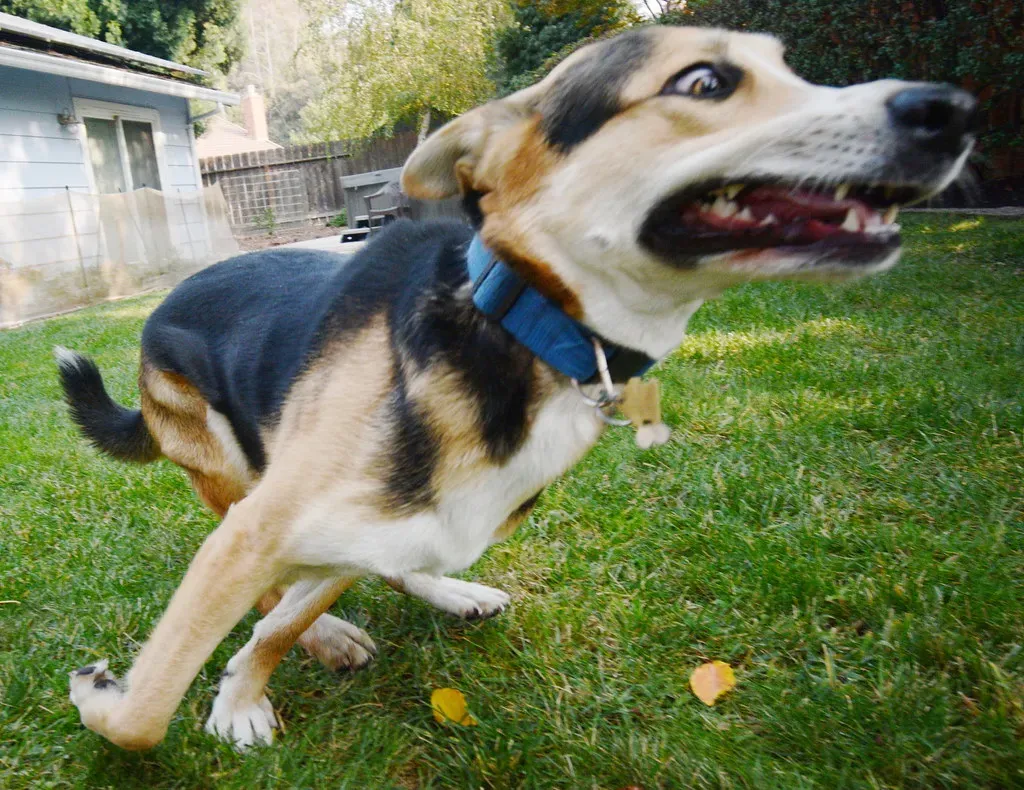
Few things in the universe are as purely entertaining as a dog getting the zoomies. One second they are lying still. The next, they have gone full tornado mode through your living room, tail tucked, eyes wide, absolutely committed to whatever invisible mission they are on. This explosion of activity has many nicknames among dog owners, from “zoomies” and “crazy eights” to “midnight madness,” but the official scientific term for this behavior is frenetic random activity periods, or FRAPs.
There is no known specific cause of FRAPs in dogs. However, they appear to be a way to release pent-up energy, or perhaps, to alleviate stress. A dog who has been home alone all day with nothing to do may feel the need to zoom around to expend some of that energy and get some relief from hours of under-stimulation. It is basically your dog saying, “I have been waiting all day for this, and I cannot contain it anymore.” That message deserves respect, not a scolding.
Many dogs tuck their butts and tails as they run during a FRAP, as if trying to keep their tail out of a playmate’s grasp. A typical happy zooming dog will be loose and even wiggly, bouncing around you when they slow down. Their tongue might flap out, and they may play bow. A frightened dog will be more tense, with wide eyes and a tightly tucked tail that stays tucked to the belly even when stopping. They may also carry their head low with ears folded back submissively. A scared dog needs to be calmed down, since this kind of frenzy is not a happy one. Knowing the difference between joyful zoomies and anxious ones is a real skill worth developing.
Prevention tip: although FRAPs are normal, a dog zooming around the house or yard may be in danger of injuring themselves. Owners should keep zooming dogs away from stairs, slippery floors, obstacles, and the road. Clear the coffee table, hold onto your coffee, and let them run. It usually lasts about two minutes and leaves them wonderfully calm.
Conclusion: Your Dog Has Been Talking All Along
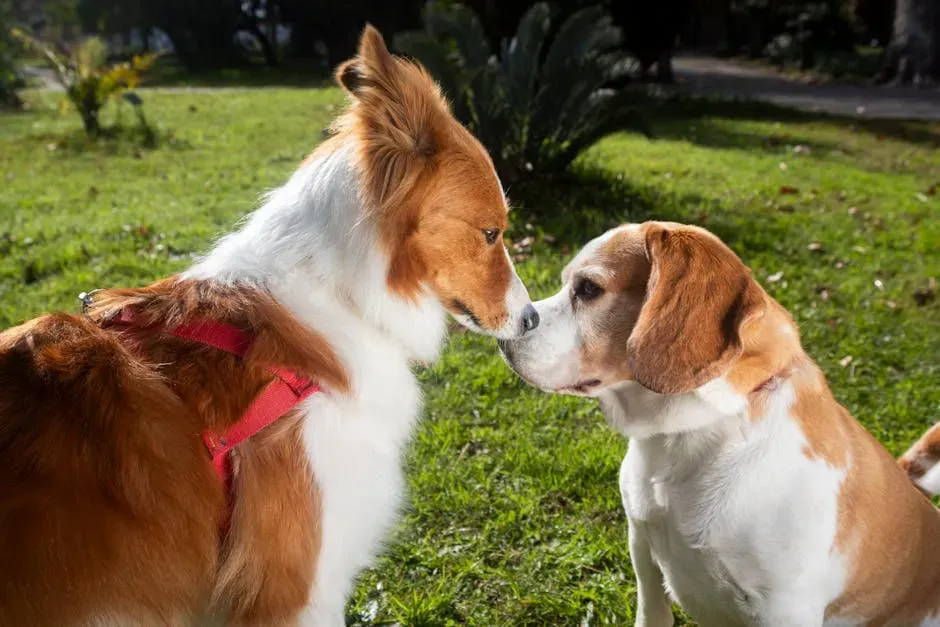
Here is what I want you to take away from all of this: your dog is not weird. They are not misbehaving. They are communicating, consistently and clearly, in a language that most humans simply were not taught to read. Whether dogs are yawning, sniffing, or displaying other quirky actions, these behaviors have physiological and emotional reasons behind them. When you start to learn why the behaviors are happening, it allows you to gain a better understanding of your dog and connect to them on a deeper level.
Every head tilt, every bedtime circle, every full-body zoomie sprint is a window into your dog’s inner world. Your dog is “talking” to you all the time. If you learn what your dog is saying, you will develop a deeper bond of trust and respect. Plus, your newfound understanding of your dog’s emotional state can help you predict their behavior and prevent problems before they arise. That is not just good pet ownership. That is a real, meaningful relationship.
The next time your dog does something that makes you laugh or scratch your head, pause before you scroll past it. Ask yourself: what are they actually trying to tell me right now? You might be surprised by how much they have already been saying. So, what habit does your dog have that you are now seeing in a whole new light? Tell us in the comments!


