
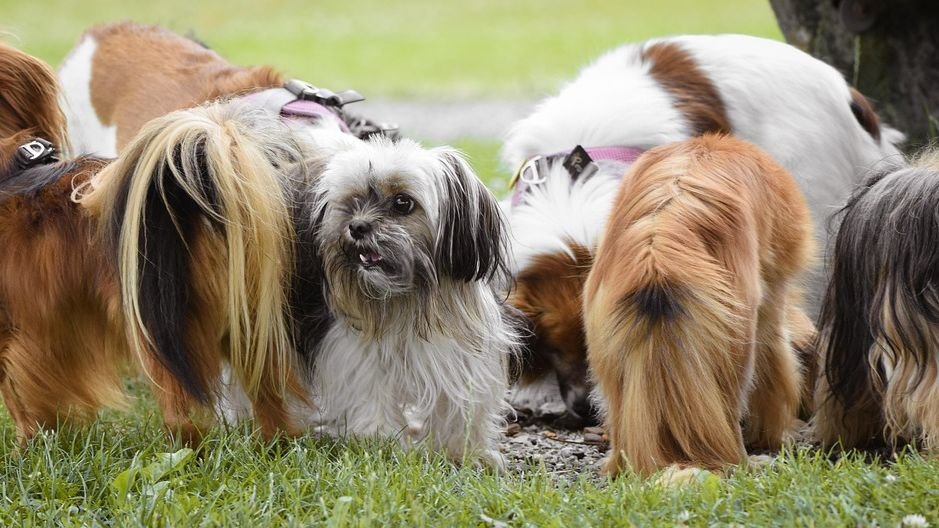
Have you ever watched your dog at the park and wondered what’s really going on in their head? The way they interact with toys, with other dogs, or with you isn’t random. It’s a window into something deeper. Every bounce, wrestle, and tail wag tells a story about who they are beneath the fur.
Play isn’t just entertainment for dogs. It’s language, therapy, and self-expression rolled into one joyful package. Play style can tell you a lot about your canine friend’s temperament. Think of it as their personality coming alive in motion. So let’s explore what your pup’s play preferences reveal about their inner world, and how you can use that knowledge to give them the best life possible.
The Wrestler: Confidence on Four Legs
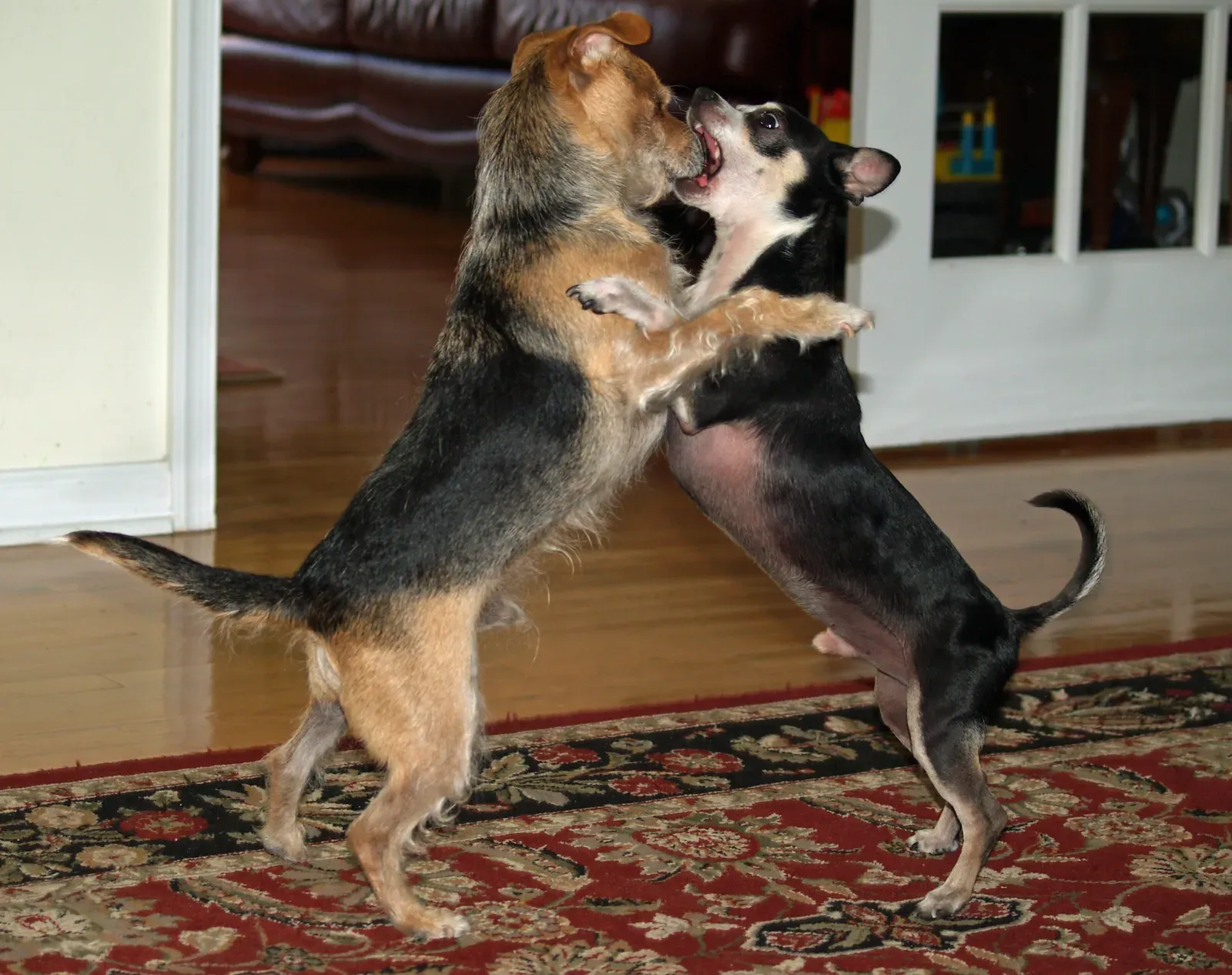
Full-body contact and bared teeth are sure signs of Wrestlers. This is a common play style in sporting and terrier breeds, enjoyed by lightweights and heavyweights alike. These are the dogs who dive headfirst into roughhousing, bodies colliding like bumper cars at a county fair. They love a good tussle, nipping and pushing their playmates around.
Honestly, the first time you see it, you might panic. It looks aggressive. They’re masters of the play bow, a stance where they lower their front legs and raise their hind legs, signaling their eagerness for some rough play. While it may look intense, for Wrestler dogs, this is the height of fun. These dogs are typically confident, socially savvy, and energetic. Still, supervision matters because what starts as play can escalate if intensity isn’t managed.
Dogs that play rough-and-tumble are more amenable and show lower separation anxiety than dogs which play other types of games, and dogs playing tug-of-war and “fetch” are more confident. Dogs that start most games are less amenable and more likely to be aggressive. Let’s be real, that last bit is important. If your dog always initiates the game and won’t back off, that’s a red flag worth addressing.
The Chaser: Energy in Endless Motion
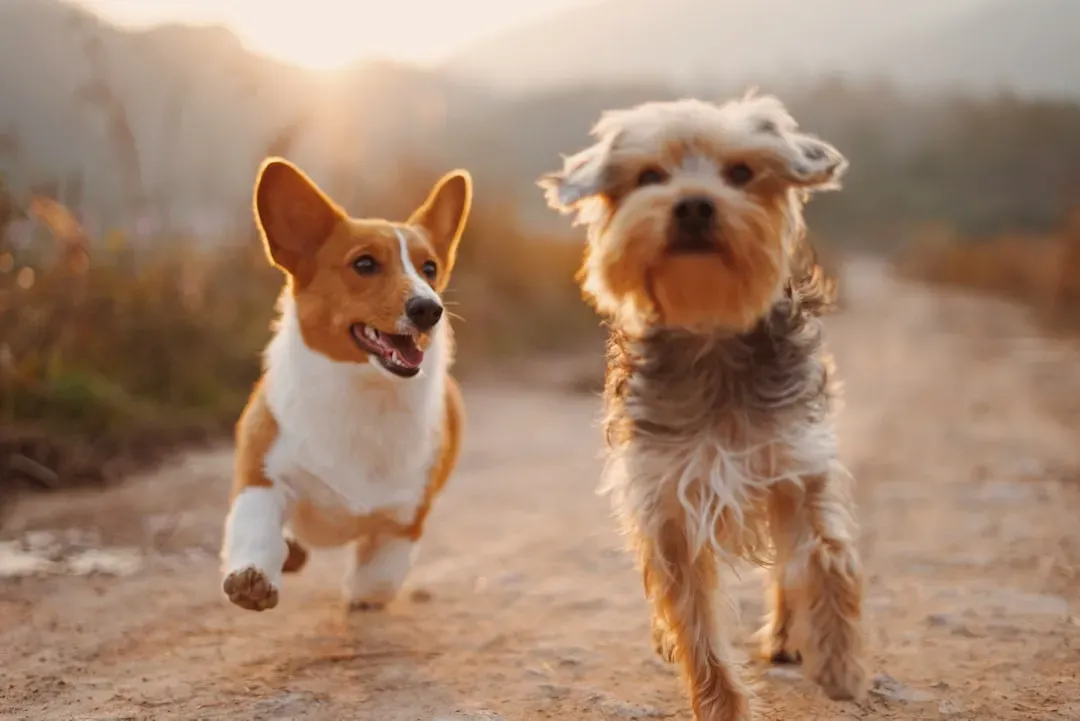
Dogs who love to chase and be chased exhibit one of the most natural play behaviors. This type of play is deeply rooted in their hunting and herding instincts. Think Border Collies darting around in circles, or that crazy Husky who never stops moving. Chasers often have high energy and may need extra daily exercise.
These pups are wired for speed and pursuit. They’re happiest when they’re running flat out, whether they’re chasing another dog, a ball, or even shadows. It’s hard to say for sure, but the thrill of the chase itself might be the real reward here.
You’ll notice these dogs light up when invited to a game of tag at the park. They often display a distinctive play bow before initiating chase games, signaling their friendly intentions to potential playmates. However, keep an eye on who’s doing the chasing and who’s being chased. If one dog looks like they’re fleeing rather than playing, it’s time to step in.
The Soft Toucher: Gentle Souls Who Prefer Peace
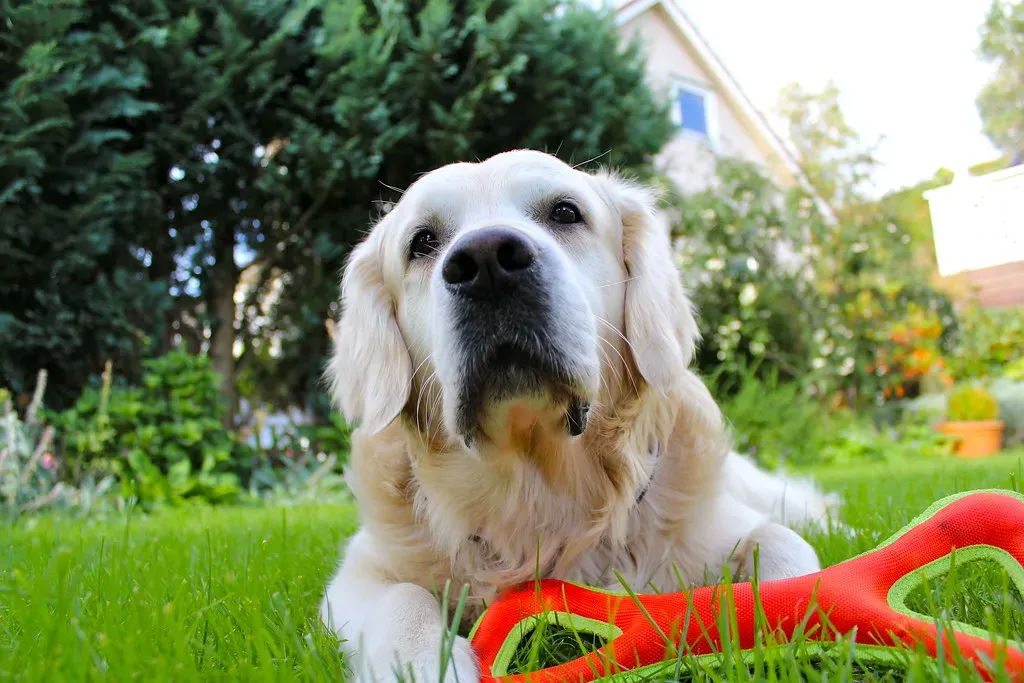
Not all dogs want chaos. Short-and-sweet play is key for these dogs, typically herders and smaller breeds, but also seniors and lower-energy pups. Soft touchers approach play like a polite conversation rather than a wrestling match. They might gently nudge with their nose, paw softly at a toy, or simply sit close by.
“Soft and dainty” players prefer gentle interactions, while “push and pull” players enjoy a good game of tag. These dogs can seem reserved, maybe even anxious at first. They don’t bulldoze into social situations. Instead, they observe, assess, and engage on their own terms.
If you have a soft toucher, respect their boundaries. Forced socialization can backfire badly. Give them time, gentle encouragement, and playmates who match their energy. Over time, many of these dogs build confidence and broaden their comfort zones, but they’ll always prefer quality over chaos.
The Social Coordinator: The Glue That Holds the Pack Together
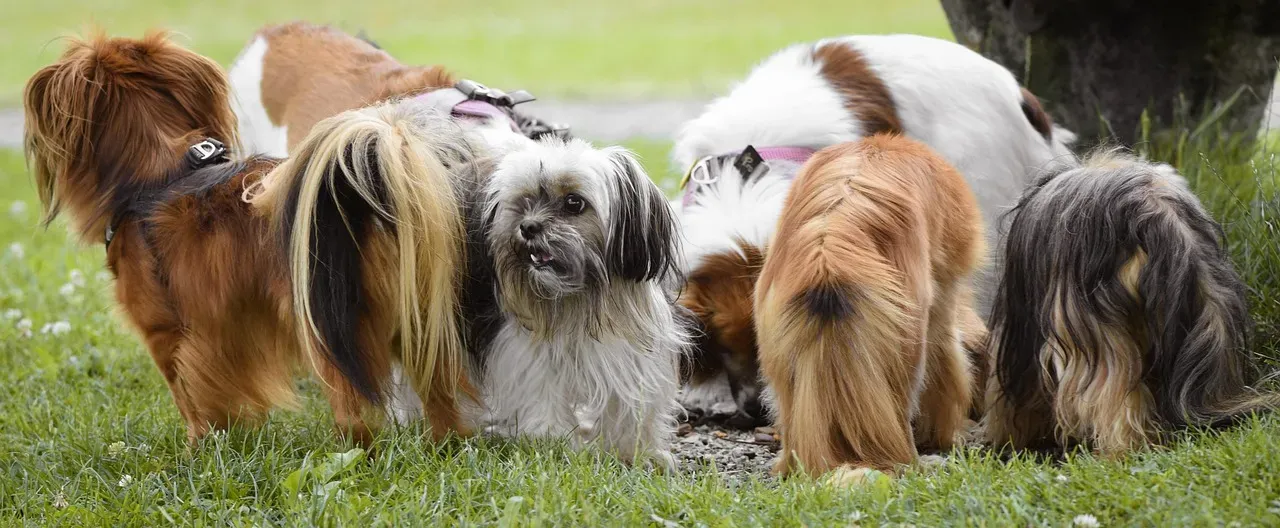
Among the distinctive play styles of most dogs, the social coordinator stands out as a unique personality. These dogs are natural mediators who seem to understand group dynamics instinctively. They move between different playing groups, initiating games and often helping to keep the peace.
Have you seen the dog at the park who seems to referee everyone else? That’s your social coordinator. Social coordinators excel at reading other dogs’ body language and adjusting their behavior accordingly. They might invite shy dogs to join in play with gentle approaches, or help calm down over-excited players with their balanced energy. It’s honestly impressive to watch.
These dogs have remarkable emotional intelligence. These natural facilitators often display a mix of play styles themselves, adapting their approach based on their playmate’s preferences. They might engage in chase games with one dog, then switch to gentle play with another, showing remarkable social intelligence. They’re the diplomats of the dog world, invaluable in multi-dog households or daycare settings.
The Lone Wolf: Independent and Content
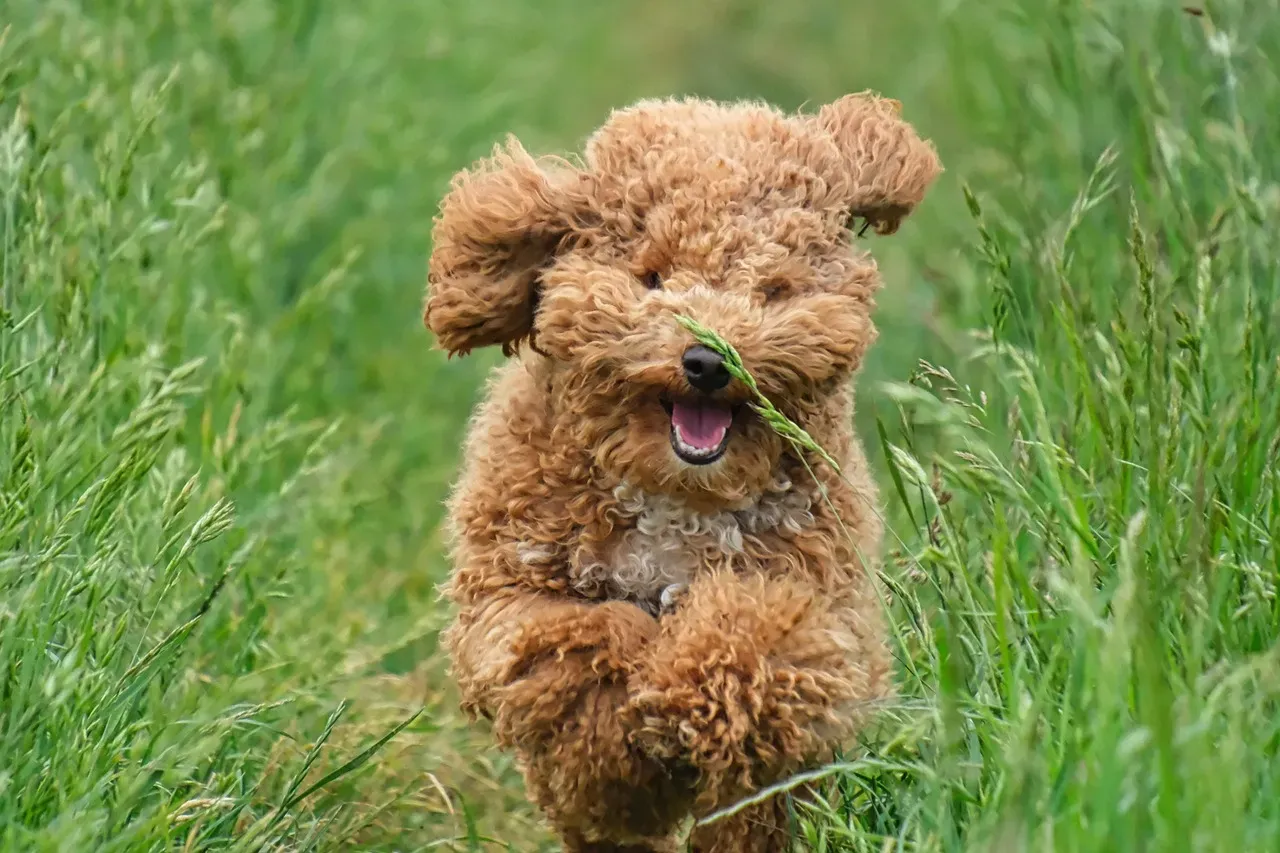
Some dogs prefer to run solo, finding joy in their independent adventures. This type of play often manifests in circular running patterns or sprinting back and forth in open spaces. These dogs might occasionally invite others to join but are equally content maintaining their personal space while exercising.
I know it sounds lonely, but it’s not. These dogs genuinely enjoy their own company. Some dogs prefer solo adventures and self-entertainment, a play style particularly common among hound breeds bred for independent hunting. They might toss a toy in the air repeatedly, chase their own tail, or simply explore their environment on their terms.
Here’s the thing: independent players aren’t antisocial. They’re just self-sufficient. They don’t need constant interaction to feel fulfilled. Provide them with enrichment toys, puzzle feeders, and safe spaces to explore, and they’re perfectly happy. Sometimes the healthiest relationship is one where your dog doesn’t need you every second of the day.
What Your Dog’s Play Style Says About Their Needs
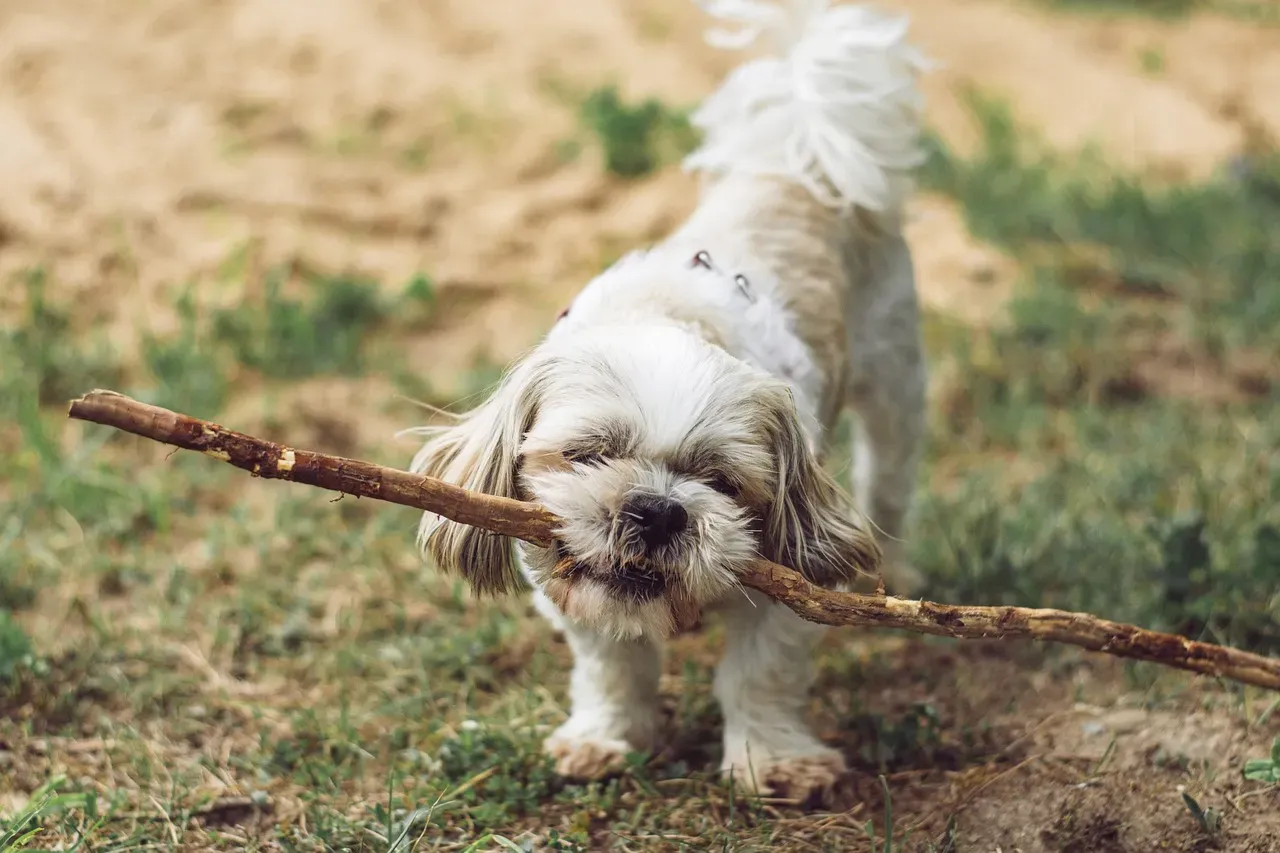
Dogs exhibit distinct play styles that reflect their breed, personality, and social preferences. Understanding these playful behaviors is crucial for every pet parent – it helps ensure safe interactions and strengthens the bond with your furry friend. Once you identify your dog’s style, you can tailor their environment, exercise, and socialization to match.
Play works best when both dogs know the rules, maintain a low level of arousal, and are willing to play at the same level and with similar styles. During appropriate play, conflict is avoided as long as each dog allows the other to take turns “winning” and “losing” the game. Mismatched play styles are one of the biggest causes of dog park disasters.
Pay attention to your dog’s cues during play. A relaxed, bouncy body posture with a wagging tail held at medium height typically indicates healthy play. You’ll notice play bows, where dogs lower their front end while keeping their rear elevated – this universal signal shows playful intent. If their body stiffens, tail goes rigid, or they try to escape, it’s time to intervene. Trust your instincts. You know your dog better than anyone.
Conclusion
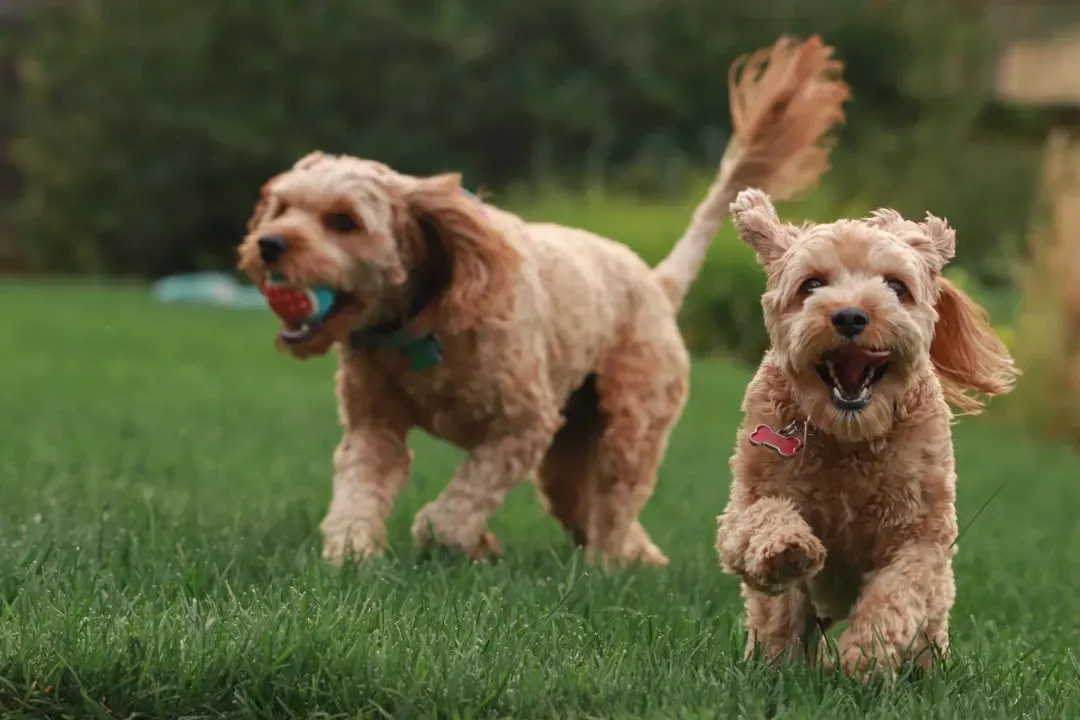
Understanding how your dog plays isn’t just a fun observation. It’s a roadmap to their emotional world, their confidence levels, and their social needs. Whether you’ve got a boisterous wrestler, a shy soft toucher, or an independent lone wolf, honoring their play style helps them thrive. It builds trust, reduces anxiety, and creates a deeper connection between the two of you.
The beauty of this knowledge is how practical it becomes. You can choose better playmates, avoid stressful situations, and provide the right kind of enrichment at home. Play is serious business for dogs. It’s how they learn, bond, and make sense of the world around them.
What’s your dog’s play style? Have you noticed patterns you hadn’t paid attention to before? Share your observations and let’s keep learning together.


