
Have you ever watched your dog zoom around the yard like a tiny, furry rocket and thought, “What on earth is going on in that head of yours?” Honestly, you’re not alone. Most dog owners see playtime as just playtime. But here’s what I find truly fascinating: the way your dog plays is basically a window into their soul.
Play is more than just a game. It’s a dog’s body language, a dance of sorts that reveals their unique personalities and preferences. Think of it like this: the way a person chooses to spend a free Saturday afternoon says a lot about who they are. Your dog is no different. Their play style tells you about their confidence, their social needs, their instincts, and yes, even their stress levels.
Whether you have a wild, body-slamming Boxer or a quiet soul who’d rather solve a puzzle alone than rumble with the big dogs, this guide is for you. Let’s dive in.
The Chase Player: Born to Run, Wired to Move
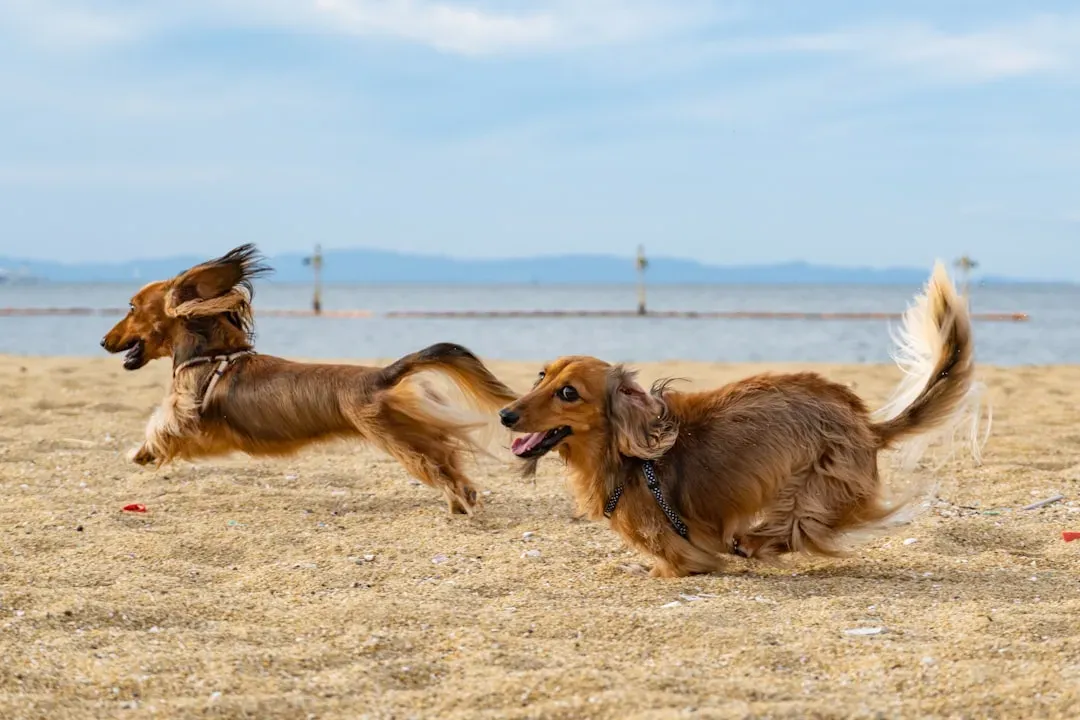
Picture this: you open the back gate and your dog immediately locks eyes on something moving, ears forward, body coiled like a spring. That’s not misbehavior. That’s instinct.
Chase play is one of the most common play styles among dogs, especially prevalent in herding and hunting breeds. These dogs love running games, whether chasing other dogs, balls, or moving objects. Think Border Collies, Australian Shepherds, and Greyhounds. For them, running isn’t just fun, it’s a biological need.
These dogs often display a distinctive play bow before initiating chase games, signaling their friendly intentions to potential playmates. If your dog does this constantly, they’re not being bossy. They’re being social in the most natural way they know how.
Chasers often have high energy and may need extra daily exercise. Without enough outlets, these dogs can redirect that energy into destructive habits like chewing furniture or incessant barking. Long fetch sessions, flirt poles, and agility courses are absolute gold for this personality type.
The Wrestler: Rough, Tumble, and Totally Joyful
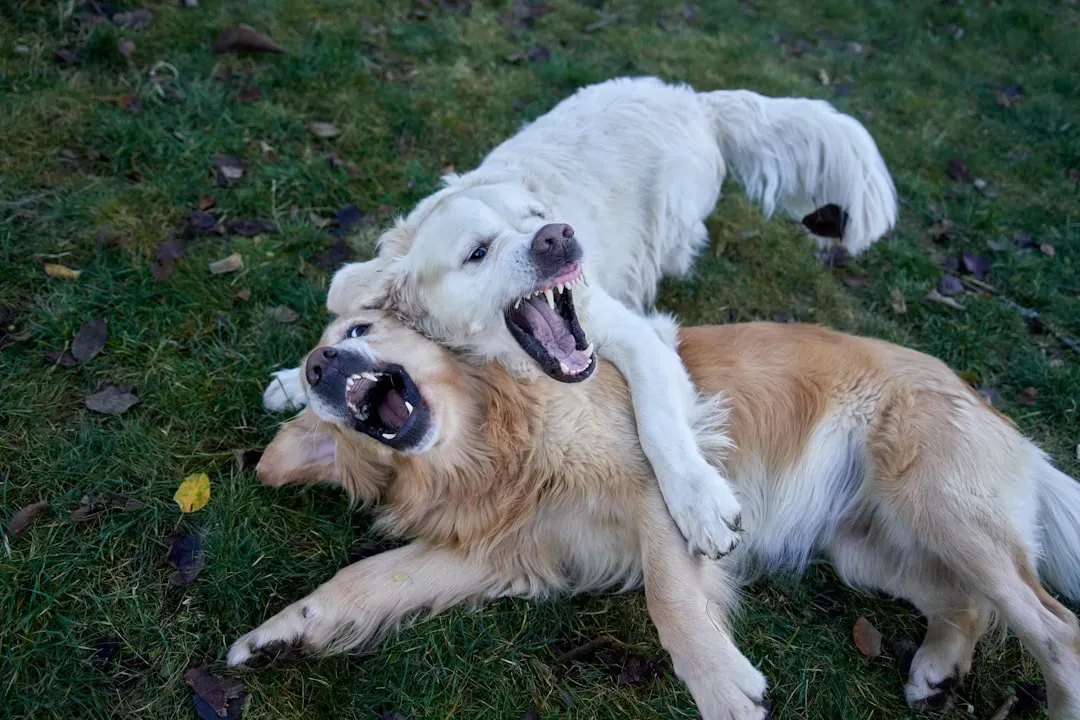
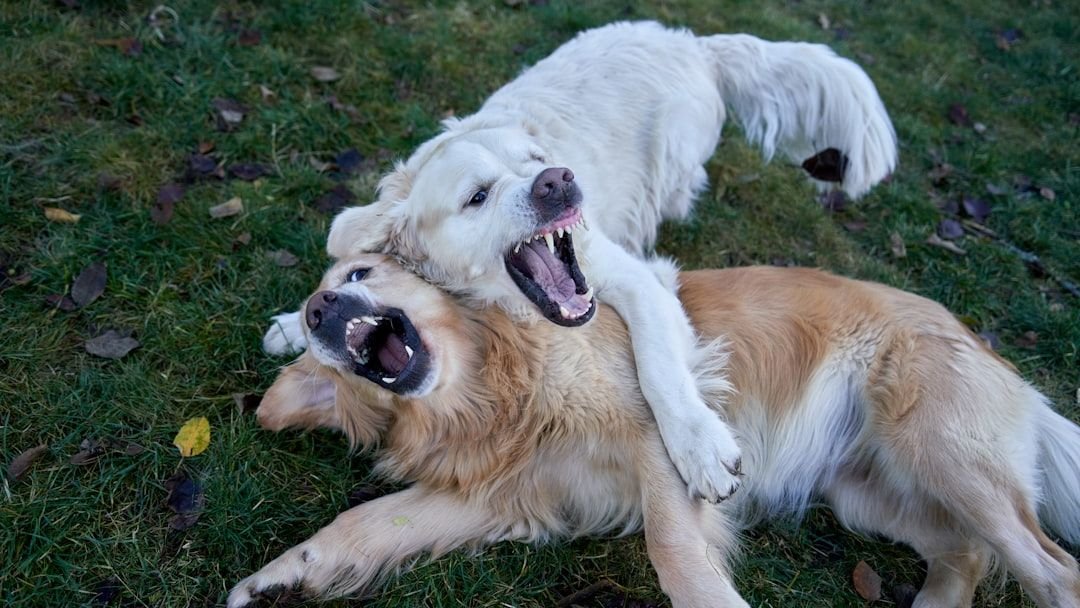
Some dogs just want to be in the mix. Paws flying, mouths open, bodies rolling around in a glorious, chaotic tangle. If your dog is a Wrestler, you may have had more than a few heart-stopping moments at the dog park.
Wrestling represents a fundamental play style that dogs frequently enjoy. This type of play involves physical contact where dogs engage in mutual body-to-body interactions, often rolling around together and mock-fighting. During wrestling play, dogs maintain soft expressions and relaxed bodies despite the seemingly rough nature of their interaction. That last part is key. Softness in the body and face means it’s still play.
You’ll notice frequent role reversals, with dogs taking turns being on top and bottom, demonstrating healthy play dynamics. When one dog is always on top and the other looks tense or tries to leave? That’s the moment to step in. Healthy wrestling always has a rhythm of give and take, like a dance where both partners lead sometimes.
Wrestlers tend to be confident and social but need supervision to ensure play doesn’t escalate. Channel that energy into structured tug-of-war sessions at home, which let them be physical with you in a controlled, bonding way.
The Lone Wolf: Independent, Thoughtful, and Wonderfully Self-Sufficient
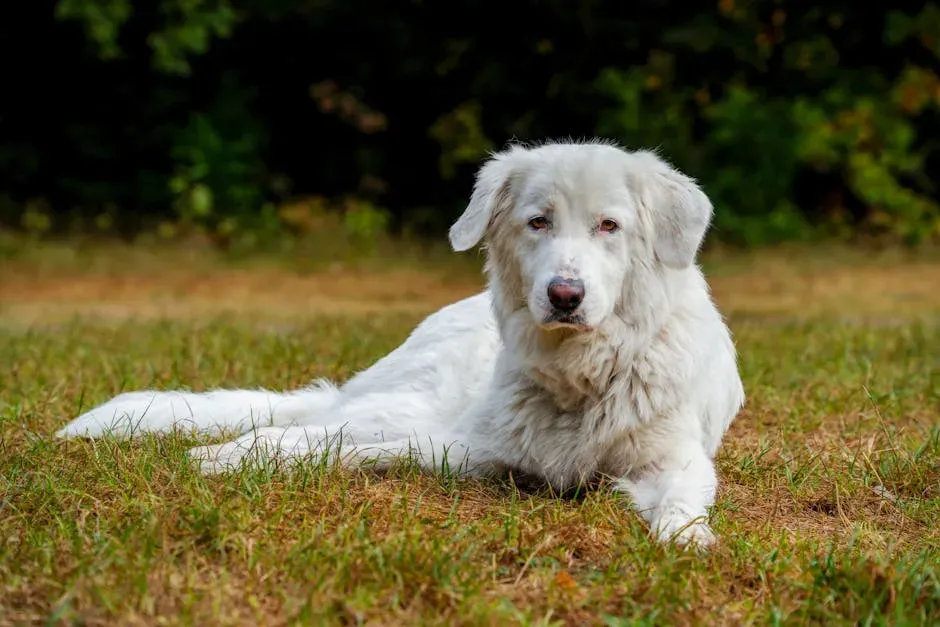
Not every dog is a social butterfly. Some dogs sniff around solo, throw toys in the air by themselves, and look perfectly content doing it. As a dog lover, I think this personality is wildly underappreciated.
Not all dogs prefer social play styles. Some exhibit strong independent play behaviors involving self-entertainment through activities like tossing toys in the air, chasing their tail, or engaging in solo fetch games. Independent players often show great creativity in their play, creating their own games and entertainment. This play style is particularly common among intelligent breeds who enjoy problem-solving activities and self-directed play.
These DIYers are perfectly content wrestling with their toys, throwing balls to themselves and running around solo. This is frequently seen in hounds, which were bred to hunt independently alongside humans. Don’t mistake independence for loneliness. Your Lone Wolf isn’t unhappy. They just process the world differently.
Try interactive toys, which can keep their attention longer. Options include treat-releasing puzzles and hide-and-seek plush toys. These are perfect for keeping independent thinkers genuinely engaged and mentally sharp.
The Cheerleader: Loud, Enthusiastic, and the Self-Appointed Fun Police
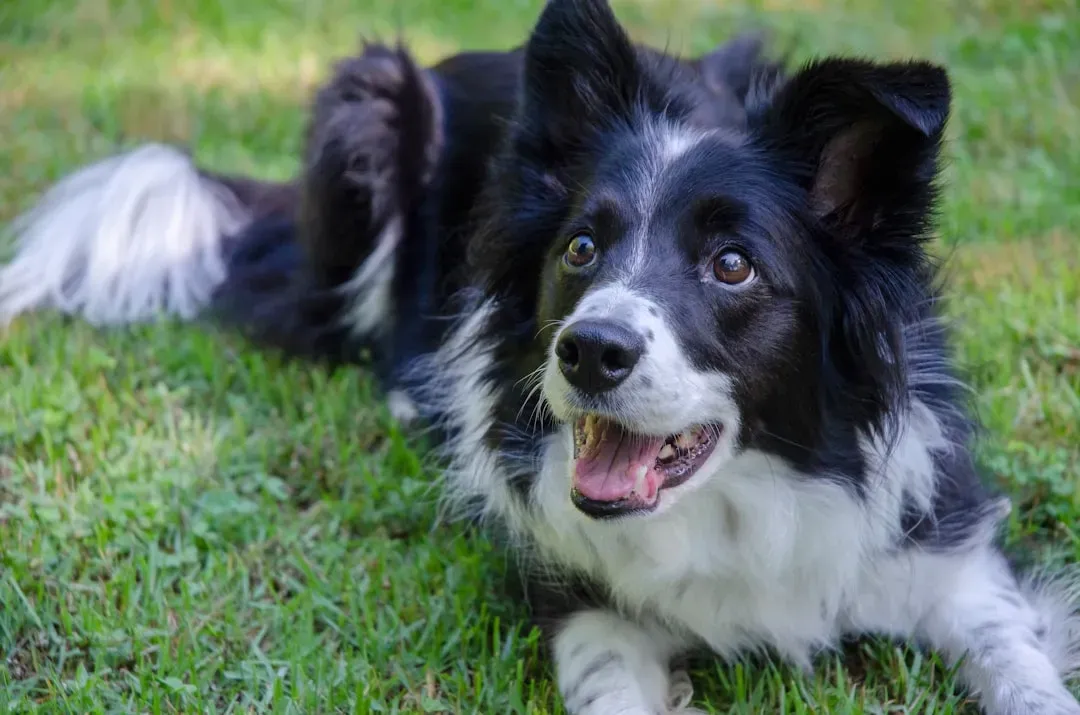
Every dog park has one. They’re not really playing with anyone, but they’re absolutely involved in everything. Running around the outside of the group, barking their heads off like tiny sports commentators. Meet the Cheerleader.
Taking in the action from the sidelines, Cheerleaders play alongside other dogs rather than being in the middle of the game, running and barking along the outer edge. Many times the Cheerleader turns into the “fun police” and tries to break up the play they feel is too rough. Sound familiar? This is extremely common in herding breeds, because breaking up action is literally in their DNA.
Sometimes this behavior allows the group to calm down but other times it can be problematic. It can cause fights between dogs who do not appreciate having their “fun” interrupted. So if your dog keeps inserting themselves between playing dogs at the park, it’s worth gently redirecting them before the mood turns.
The Cheerleader personality reveals a dog who is deeply emotionally tuned in to their surroundings. They’re sensitive, socially aware, and deeply invested in the emotional “temperature” of the room. These dogs often respond beautifully to jobs that tap into that awareness, like scent work or structured agility.
The Body Slammer: Bold, Bouncy, and Accidentally Overwhelming
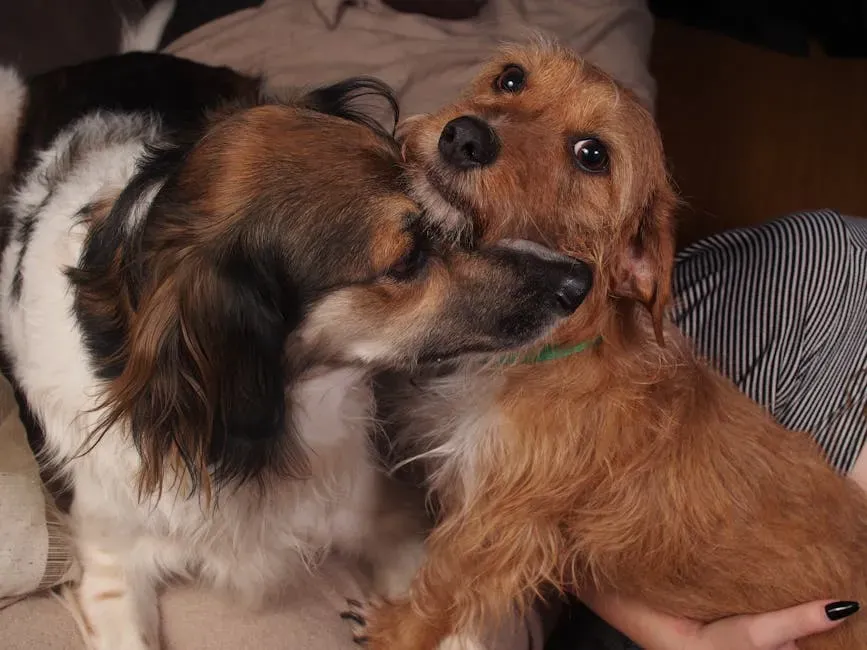
You know this dog. They greet every new friend like a golden retriever who just discovered espresso. Running full speed, hipping into other dogs, leaning with full body weight. It’s exuberant, it’s joyful, and it can absolutely overwhelm a smaller or more sensitive dog in seconds.
Common to sporting and terrier breeds, these bulldozers run into other dogs and try to knock them over. You may notice your dog perpendicularly “hip check” other dogs with this type of play. This style is particularly common among larger breeds who may not realize their own strength. It’s not aggression. It’s enthusiasm with no volume control.
The key is finding other dogs that also enjoy full-contact play. Similarly sized dogs could make better playmates. Just make sure no one is uncomfortable or injured. Pairing a body-slamming Great Dane with a nervous Chihuahua is, honestly, asking for trouble. Matching energy levels and size matters enormously.
Healthy play has a rhythm. Dogs should naturally take short breaks to shake off, sniff the ground, or grab a drink of water before jumping back in. If your Body Slammer can’t stop even when the other dog is clearly signaling “enough,” that’s a sign they need structured impulse control training sooner rather than later.
Conclusion: Play Is a Love Language
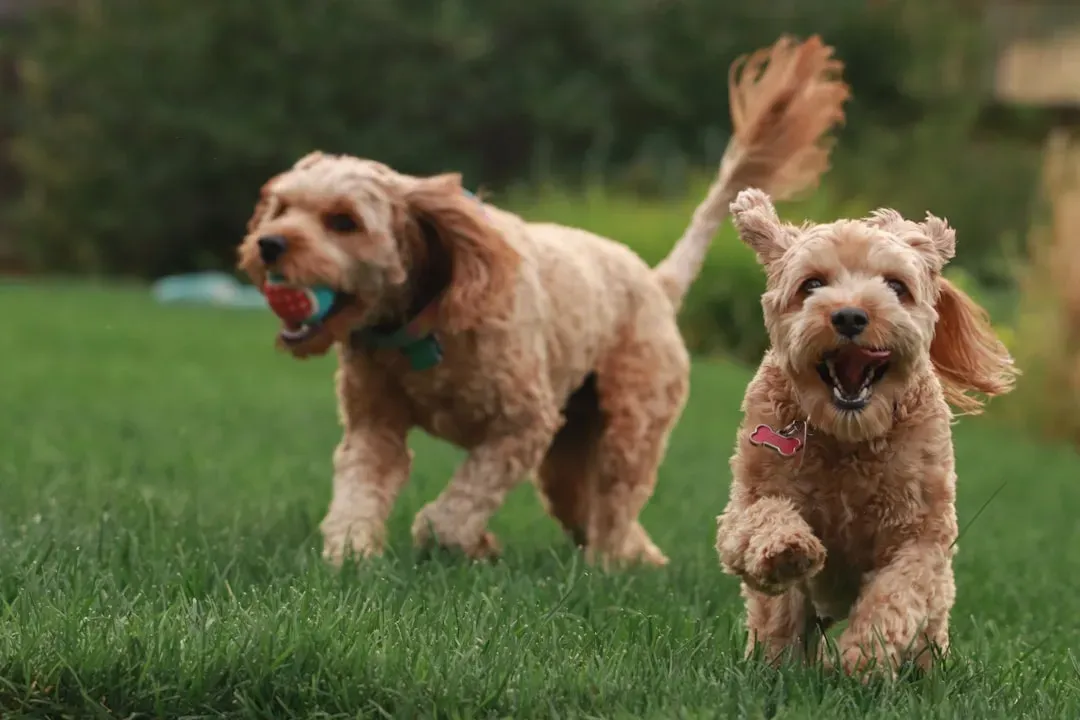
Here’s the thing, understanding how your dog plays is one of the most loving things you can do for them. Dogs exhibit distinct play styles that reflect their breed, personality, and social preferences. Understanding these playful behaviors is crucial for every pet parent, helping ensure safe interactions and strengthening the bond with your furry friend.
Whether your dog is a tireless Chaser, a bold Wrestler, a quiet Lone Wolf, a watchful Cheerleader, or an enthusiastic Body Slammer, they are telling you something real about who they are and what they need. What a dog was bred for often corresponds with certain hardwired behaviors and behavioral needs. For a peaceful and happy life together, it is essential that owners are aware of these breed-specific traits.
Once you truly see your dog’s play style for what it is, a direct message from their personality and history, you stop trying to change them. You start working with them instead. That shift? It transforms everything. So the next time your dog drops a tennis ball in your lap for the hundredth time, or deliberately ignores every dog at the park in favor of a puzzle feeder, smile. They’re not being difficult. They’re being exactly who they are. What does your dog’s play style say about them?


