
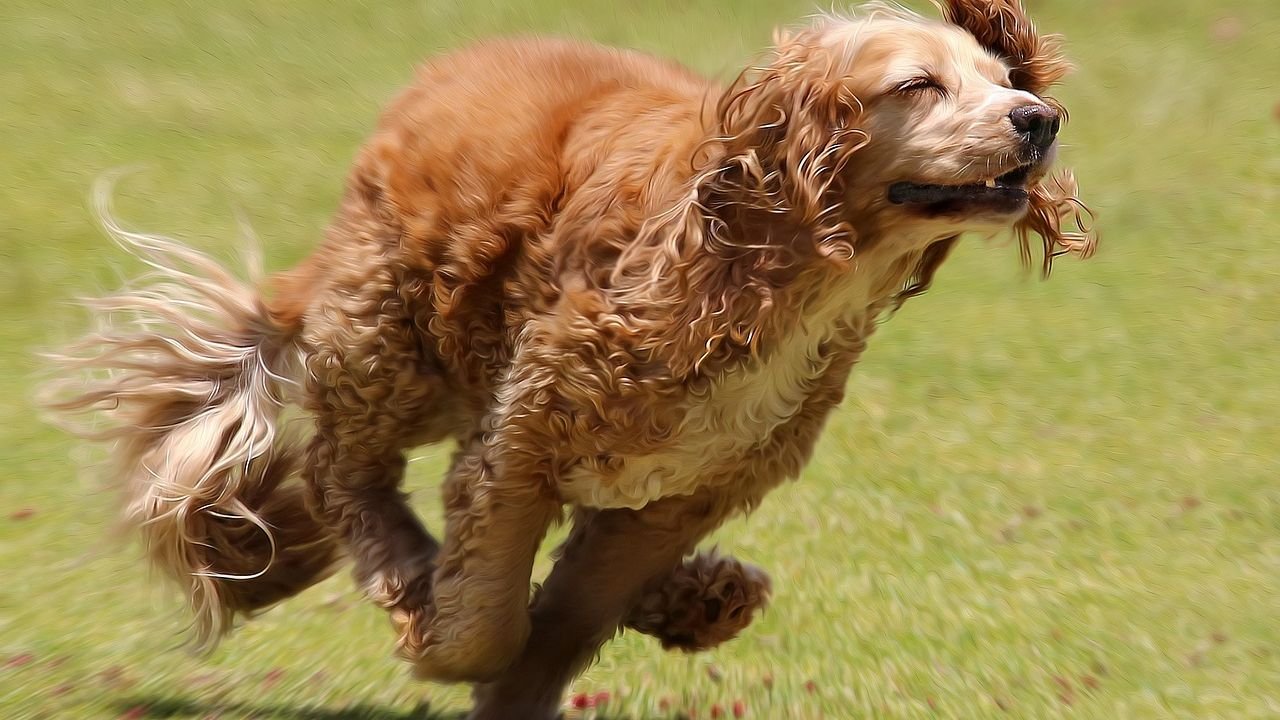
Picture this: you come home after a long, exhausting day, and before you even kick off your shoes, your dog is at the door – tail spinning like a helicopter, eyes wide with pure, unfiltered joy. That moment right there? It’s not just adorable. It’s your dog telling you something important. They need you. They need connection. They need play.
Here’s the thing most dog owners don’t realize – playtime isn’t a luxury you sprinkle in when your schedule allows. It’s as vital to your dog’s health as food, water, and sleep. Neglect it, and the consequences show up in ways that are easy to misread as bad behavior. Get it right, and you’ll have a calmer, healthier, happier companion by your side. Let’s dive in.
Play Is More Than Just Fun – It’s a Biological Need
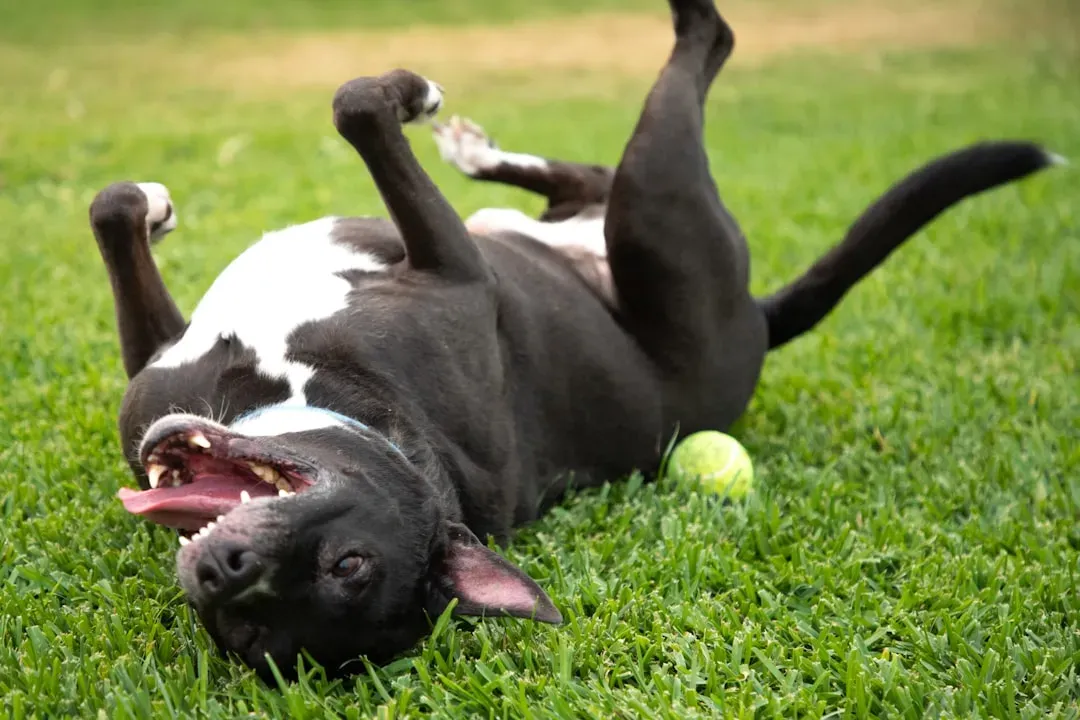
Most of us think of play as something puppies do, something they eventually grow out of. But that’s simply not true. Dogs are among the only animals who continue playing even after adulthood, and research suggests that when humans first domesticated wolves, they actually selected the more playful ones from the pack. Play is literally wired into your dog’s DNA. It’s not a phase. It’s who they are.
Neurologically, play activates the brain’s reward centers, releasing dopamine and other feel-good chemicals that promote well-being. Play also mirrors real-life survival behaviors in a low-risk setting, allowing dogs to rehearse skills they would need in the wild, such as hunting, stalking, or defending territory. Think of it like a flight simulator for real life – safe, stimulating, and absolutely necessary.
Play is not just about having fun; it’s an essential component of a dog’s physical and emotional health. Whether it’s romping around the backyard, engaging in interactive games, or socializing with other dogs, play provides numerous benefits that contribute to a dog’s overall well-being. Honestly, when you look at it this way, skipping playtime starts to feel a lot less acceptable.
The Physical Benefits Your Dog’s Body Absolutely Craves
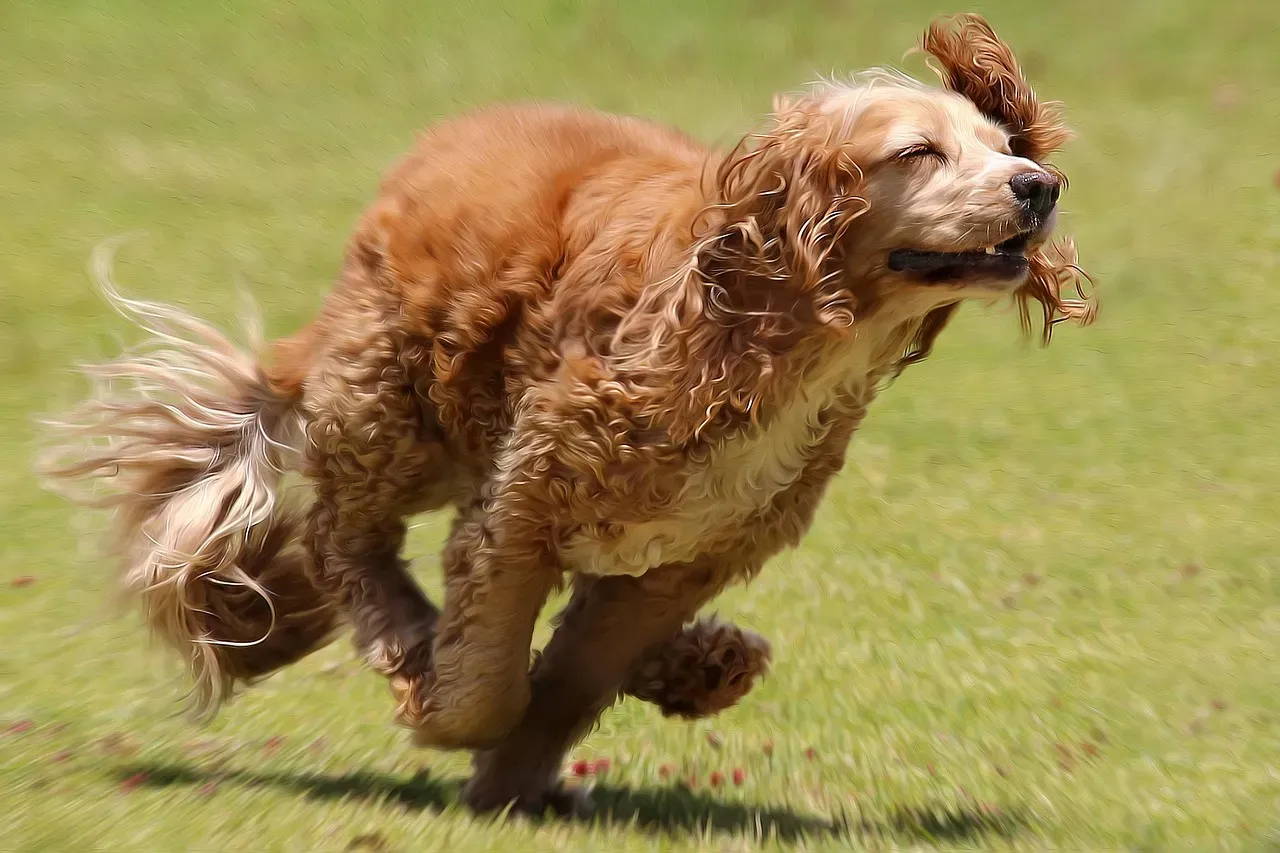
Play is essential for maintaining your pet’s physical health. For dogs, activities like fetch, tug-of-war, and agility exercises provide an excellent outlet for pent-up energy while improving muscle tone, cardiovascular health, and coordination. It’s basically a full-body workout – one your dog actually wants to do every single day.
Active play helps keep your dog’s heart healthy, keeps the joints lubricated, and improves overall balance and coordination. Especially as dogs age, this kind of gentle, consistent movement can mean the difference between a dog that stays agile and one that slows down much sooner than they should. Physical exercises strengthen a pup’s muscles and bones, lowering the likelihood of serious injuries when they fall while playing or fighting. Keeping your pup active is also important for maintaining heart health, as exercise helps the dog’s heart pump with less effort, reducing the likelihood of conditions such as high blood pressure.
Let’s be real – we all want our dogs around for as long as possible. That means thinking about their physical health not just in terms of food and vet visits, but in terms of daily movement and joy. A dog who plays regularly is a dog who thrives.
What Happens to a Dog’s Mind Without Enough Play
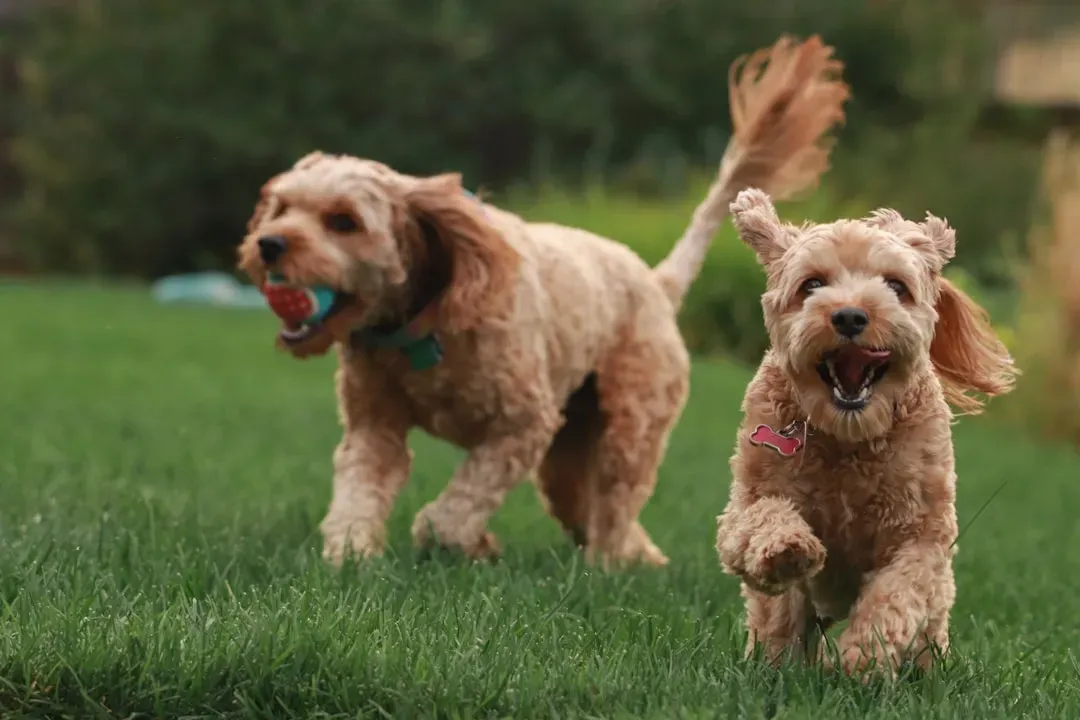
Ever come home to a shredded couch cushion or a yard that looks like a construction site? Before you get frustrated, consider this: your dog might simply be bored out of their mind. Dogs that lack mental stimulation can get bored and sleep excessively, bark too much, destroy property, and test the boundaries of their surroundings. Keeping dogs occupied with mental stimulation toys can help curb unwanted behavior and resolve symptoms of mental conditions such as depression and anxiety.
One of the most overlooked aspects of play is its impact on learning. Dogs that engage in regular, varied play are often more receptive to training and more capable of problem-solving. Interactive games such as fetch with added cues, puzzle toys that dispense treats, or hide-and-seek sessions challenge dogs to think critically. This type of mental engagement keeps their brains active and can help prevent behavioral issues stemming from boredom, such as chewing furniture or excessive barking.
When dogs participate in organized play sessions, they exercise their problem-solving abilities and develop new neural pathways. This psychological benefit extends beyond the play session, contributing to improved memory and learning capabilities. So the next time your dog figures out how to open a baby gate, don’t just be amazed – be proud. That’s a well-stimulated brain at work.
The Emotional Connection – How Play Builds Trust and Reduces Anxiety
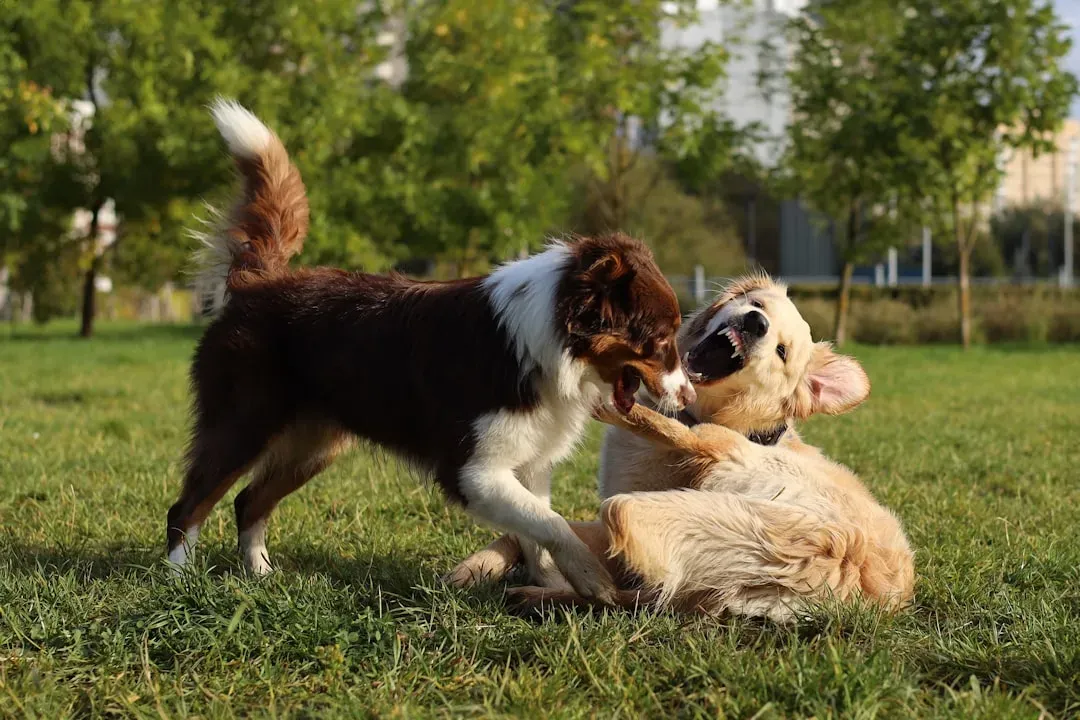
I think this is the part people underestimate most. Play isn’t just physical exercise for your dog – it’s emotional nourishment. Just like humans, dogs experience stress and anxiety, and play serves as a natural stress reliever. Dogs can release pent-up tension and anxiety in a safe and constructive manner, and regular play sessions can help alleviate separation anxiety, fear of loud noises, or other stress-related behaviors, leading to a calmer and happier dog.
Play between dogs and their owners strengthens the bond in the most joyful way possible. Whether it’s a game of tug-of-war, a backyard obstacle course, or simply romping around in the yard, these moments of shared activity tell your dog: “We’re a team.” The psychological impact of this connection cannot be overstated – it builds trust, deepens loyalty, and creates a more balanced relationship.
Physical activity is one of the most effective ways to reduce stress in dogs. Running, chasing, and interactive play allow dogs to release pent-up energy that might otherwise turn into anxiety or destructive behavior. Regular play sessions help dogs return home calmer and more relaxed, and after a day filled with exercise and interaction, most dogs are happy to curl up and rest. That’s not just a tired dog. That’s a content one.
Reading the Signs – When Your Dog Is Telling You They Need More Play
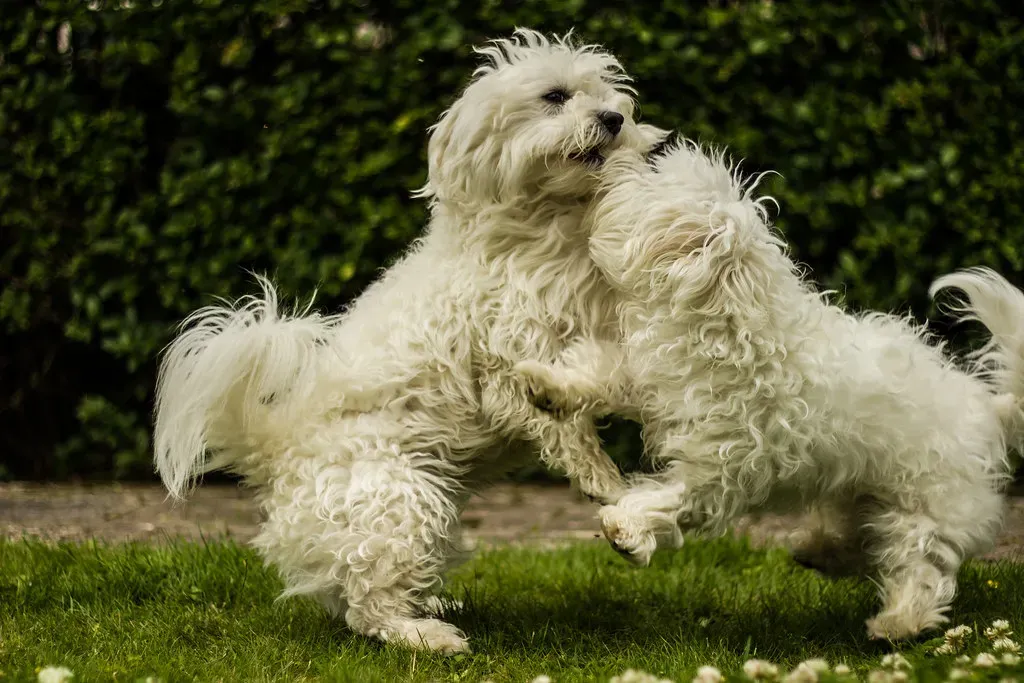
Dogs can’t use words, but they are incredibly communicative – if you know what to look for. Pets often give cues when they need more mental and physical stimulation. Watch for these signs: dogs showing excessive barking, chewing, or digging can indicate boredom. Weight gain, lethargy, or destructive behaviors may result from insufficient exercise or play. These aren’t personality flaws. They’re your dog trying to tell you something needs to change.
On the flip side, knowing when to pause is just as important. While play is vital, it’s important to recognize your pet’s limits. Watch for signs of fatigue or overstimulation, such as heavy panting, loss of interest, or irritability. Adjust the intensity and duration of play to suit your pet’s needs, and always provide plenty of water and rest after active sessions. Balance, as always, is everything.
Play can also serve as a diagnostic tool. If your typically playful dog becomes lethargic or disinterested in their favorite game, it may be an early sign that something is off. In this way, play helps owners stay tuned in to their pet’s physical and emotional health. It’s worth paying attention – your dog’s relationship with play can tell you a remarkable amount about how they’re actually feeling.
Conclusion: Playtime Is a Promise You Make to Your Dog
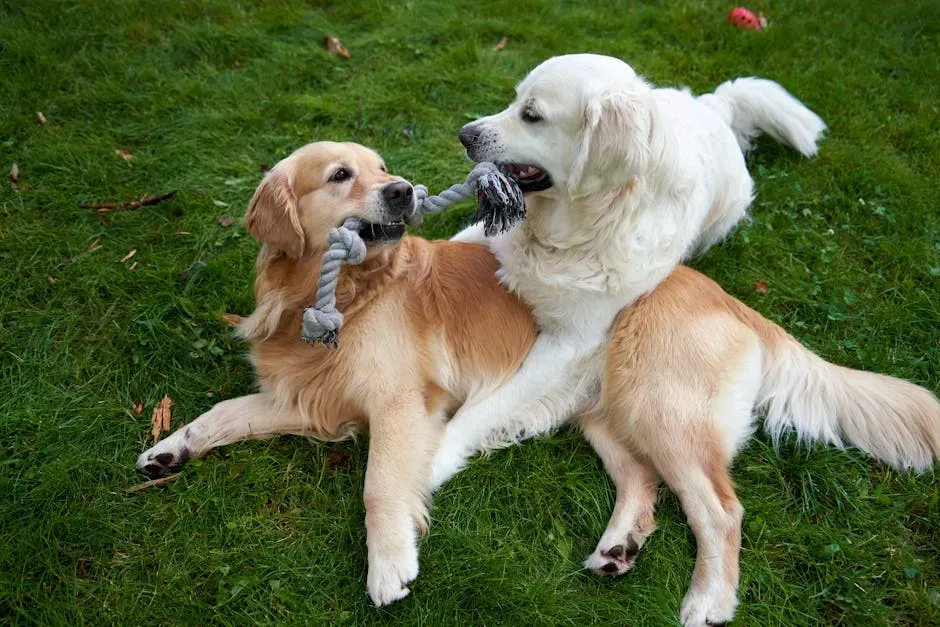
When you welcomed a dog into your home, you made a silent agreement. You promised to show up for them, not just with food and shelter, but with your time, your energy, and your presence. Playtime is one of the most powerful ways to honor that promise every single day.
It’s easy to let playtime slide when life gets hectic, but carving out even ten to fifteen minutes a day can make a massive difference. Think of play not as an extra, but as a vital part of your dog’s daily needs – just like feeding or going for a walk. Schedule it like any other appointment, and rotate toys or games to keep things fresh.
Your dog doesn’t need a perfect home or expensive toys. They need you, engaged and present, even for a short burst of genuine connection each day. That simple act – a ball thrown, a game of tug, a quick sprint around the yard – can be the highlight of their entire day. Now ask yourself: when was the last time you gave your dog that moment? What will you do differently tomorrow?


