
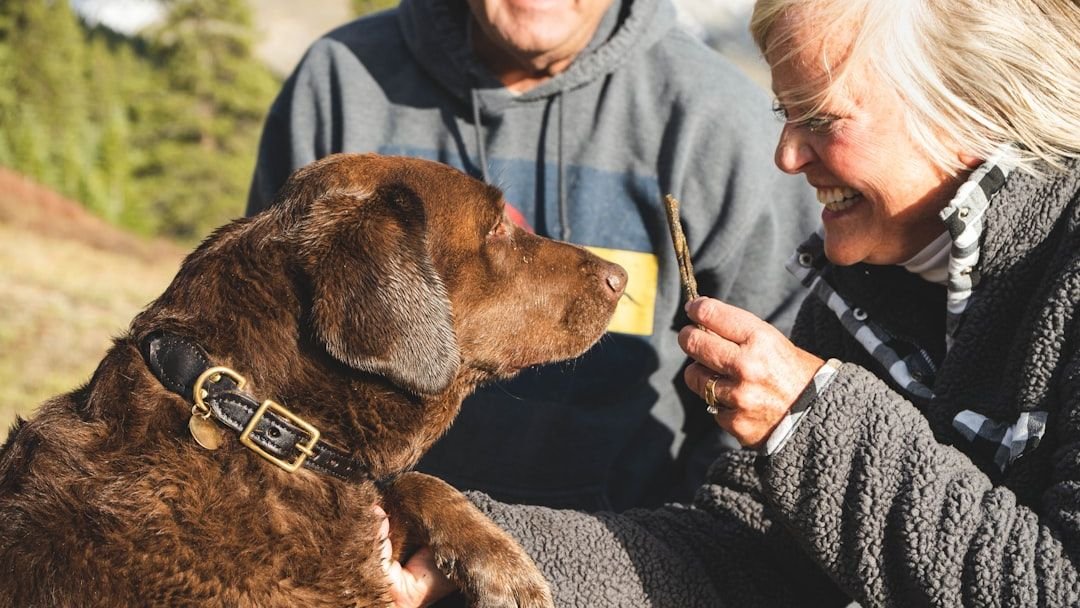
You’ve probably caught yourself laughing at something your dog does. Maybe they tilt their head when you talk, spin three times before lying down, or insist on carrying their favorite toy everywhere. These little oddities can feel puzzling, even frustrating at times. Yet here’s the beautiful truth: those quirky behaviors aren’t mistakes or misbehavior.
They’re the brushstrokes that make your dog entirely, wonderfully them. Each dog is unique and will have their own character. The sooner we stop viewing our dogs’ idiosyncrasies as problems to fix and start seeing them as windows into their singular personalities, the deeper our bond becomes. Let’s dive into what makes your dog’s personality shine through their everyday quirks and why embracing these traits matters more than you might think.
The Science Behind Canine Personality Is Real and Fascinating
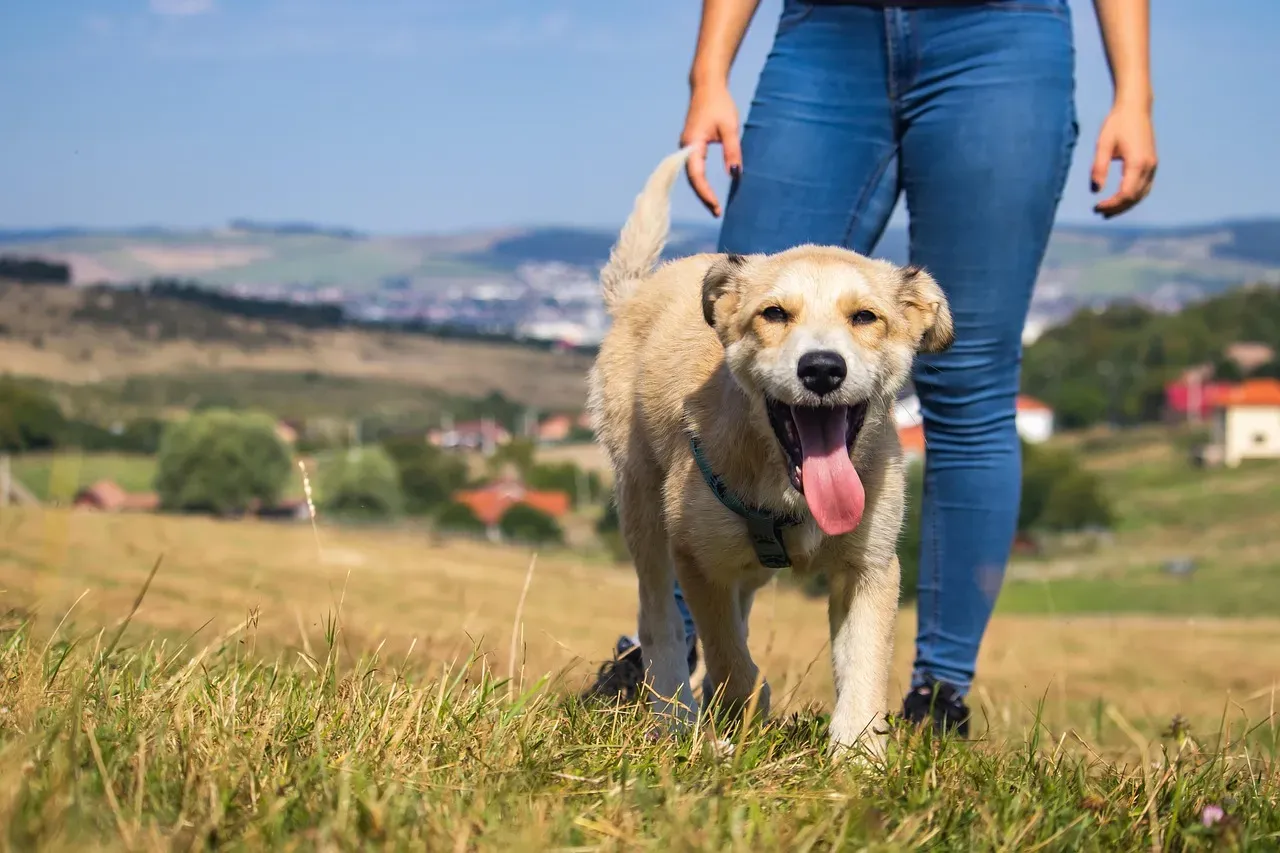
For years, scientists hesitated to talk about animal personalities, preferring terms like “behavioral differences.” In the past, scientists have been dubious about attributing personalities to non-human animals and instead call personality “behavior-specific differences” or differences in behavior. However, fear not, as research has dissipated the scientific community’s reluctance to attribute a personality to a dog! Modern research confirms what dog lovers have always known: dogs possess genuine, measurable personalities. Personality traits include insecurity, training focus, energy, aggressiveness/dominance, human sociability, dog sociability, and perseverance. Dog breeds notably differed in all personality traits and that age was also highly associated with personality.
What’s even more interesting is that DNA regions explain about 15% of a dog breed’s personality. On average, this means that 85% of the traits which influence behavior are not breed-specific. This means breed stereotypes tell only a fraction of the story. Your individual dog’s experiences, environment, and yes, their unique personality account for the vast majority of who they are. Think about that next time someone assumes all Golden Retrievers are mellow or all Terriers are feisty.
Your Dog’s Brain Actually Shapes Their Quirky Behaviors
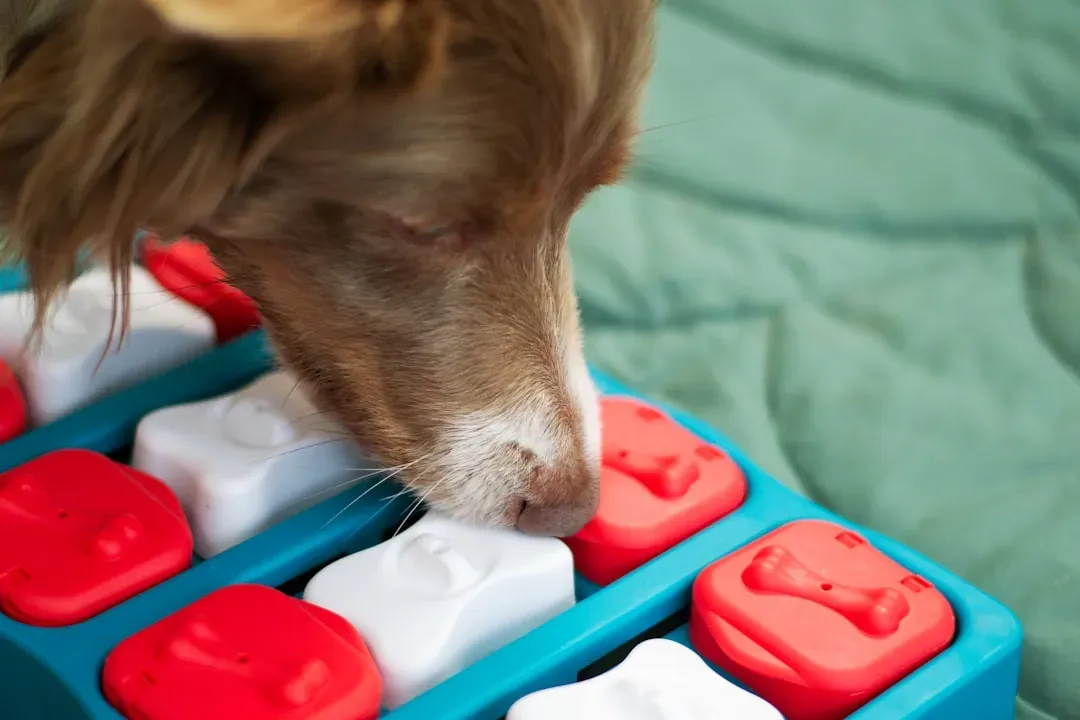
The way your dog behaves isn’t random. Personality and skill differences in dogs connect to six different parts of the brain: the regions controlling drive and reward; olfaction and taste; spatial navigation; social communication and coordination; fight or flight; and olfaction and vision. If your dog obsessively sniffs every blade of grass on walks, that’s their olfactory brain region doing what it does best. If another dog would rather sprint after a squirrel than investigate a smell, their chase and reward systems are firing differently.
Modern research even shows physical brain differences between dog types. Modern dogs have a bigger neocortex – the part of the brain that controls motor function, perception, and reasoning. It may play a part in modern dogs’ increased behavioral flexibility, or ability to adapt to new environments. These aren’t flaws or training failures. They’re hardwired tendencies that make each dog magnificently distinct. Understanding this helps us stop fighting against our dogs’ nature and start working with it.
Genetics Loads the Gun but Environment Pulls the Trigger
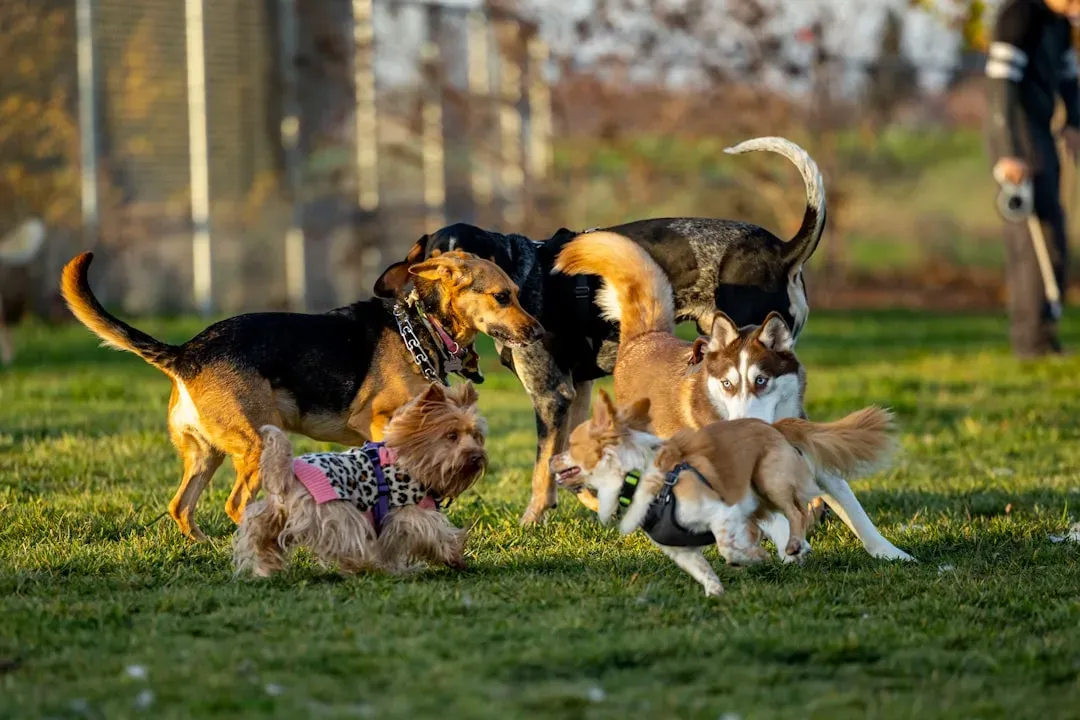
Here’s where things get really interesting. While genetics play a role in shaping personality, they’re only part of the equation. In the great nature vs. nurture debate, the only clear winner is both sides. Like humans, a dog’s personality is the result of the interplay of genes and the environment. Your dog’s early experiences matter enormously. Puppyhood socialization was associated with personality. Environmental factors, such as the level of socialization in puppyhood, frequency of hobbies, and the main reason for dog ownership were also associated with personality traits.
The puppy who missed critical socialization between four weeks and four months might grow into an adult who prefers predictable routines and familiar faces. That’s not a personality defect; it’s a signature shaped by early life. Health plays a significant role in behavior and personality. This is especially true for aging dogs who may experience discomfort or changing abilities. So when your older dog suddenly becomes more selective about who they greet or where they rest, honor that shift. It’s wisdom, not stubbornness.
Common Quirks That Reveal Your Dog’s Unique Personality
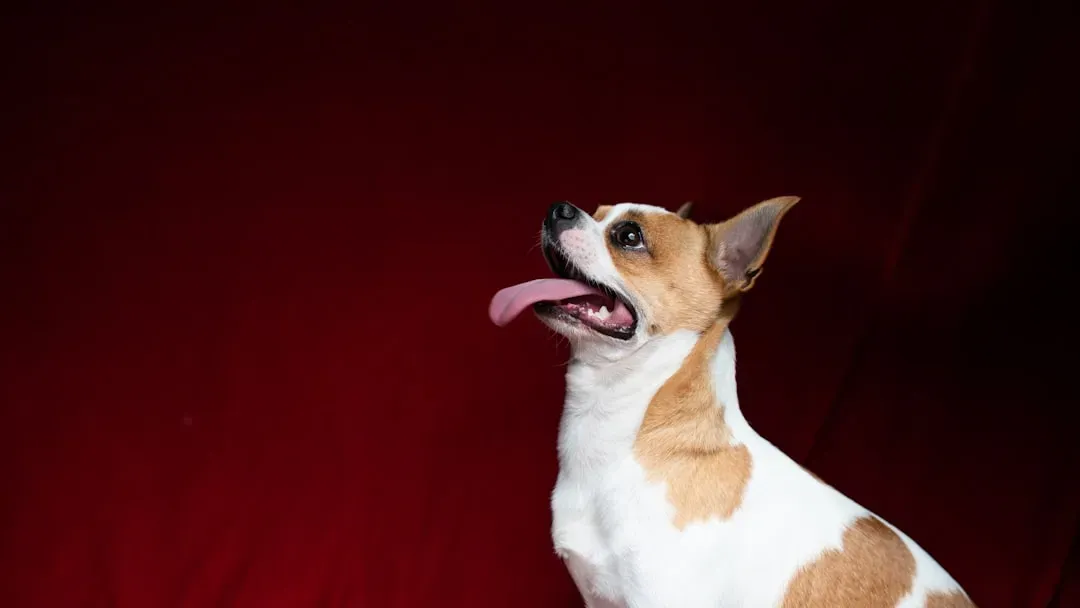
Does your dog refuse to fetch? There are plenty of dogs with tiny mouths or difficulty breathing or who are too busy sniffing the ground to bother about a tennis ball. These dogs may not have the slightest interest in galloping after a fuzzy round object and bringing it back to us, but their behavior is normal for them. That’s not failure. It’s individuality. Some dogs are natural retrievers; others are philosophers who’d rather contemplate the universe through scent. Both are valid.
What about the dog who spins before settling down, eats grass for fun, or insists on sniffing every dog’s rear end with scientific precision? Every dog has a unique smell, and by sniffing another dog’s rear end, they can determine if they have met before. This enhanced smelling ability allows them to communicate and understand the other dog’s health, diet, and emotional state. These behaviors serve functions we often overlook. They’re communication, self-soothing rituals, and sensory exploration all rolled into one quirky package.
When Quirks Cross Into Concern and Need Attention
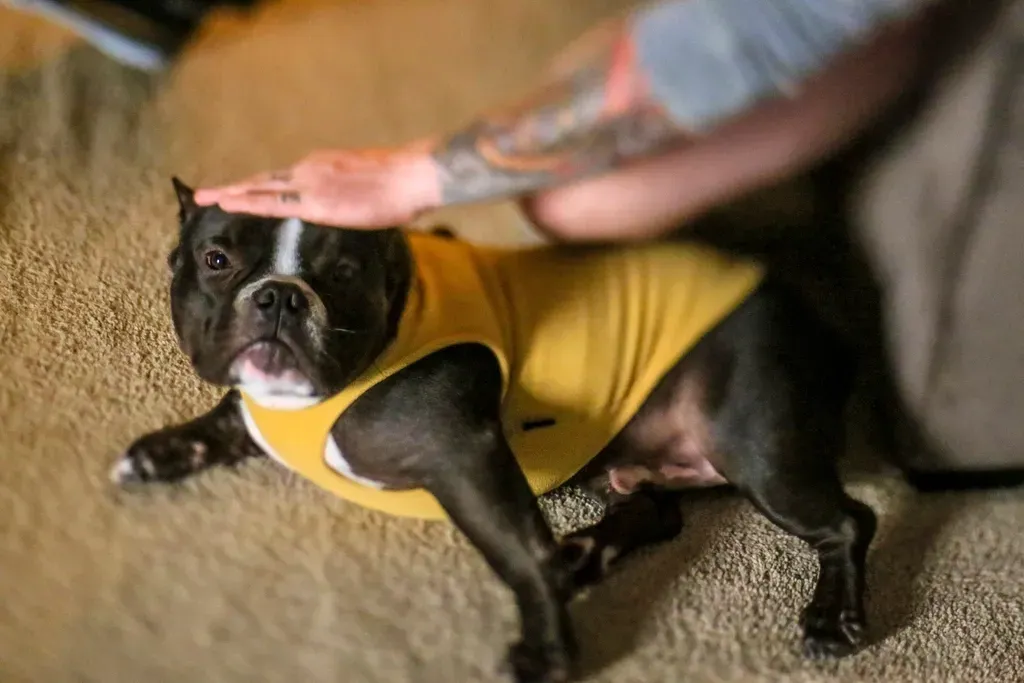
Let’s be real: not every quirk is just personality. There’s a difference between endearing oddities and signs something’s wrong. Pain is one of the most common physical reasons for behavioral changes in dogs. For instance, a dog who’s developing arthritis may seem more tired than normal or could appear grumpy when moved. Sudden behavioral shifts deserve attention. If your normally social dog suddenly hides or your calm companion becomes inexplicably anxious, don’t dismiss it as “just a phase.”
Behaviors that lie outside the normal range and are considered problematic. Serious behavior disorders may be the result of emotional issues related to insufficient early socialization, medical conditions, or genetic predispositions. Working with professionals who use positive reinforcement is key. Punishment-based training often backfires. Veterinarians should counsel dog owners to avoid positive punishment−based techniques that suppress undesirable behavior but do not help a dog learn alternative, more desirable behavior choices. Techniques that cause pain or fear can lead to persistent fearfulness and anxiety, as well as to aggression. Your dog’s quirks deserve respect, not correction through fear.
Celebrating Your Dog’s Signature Style Makes Life Better for Both of You
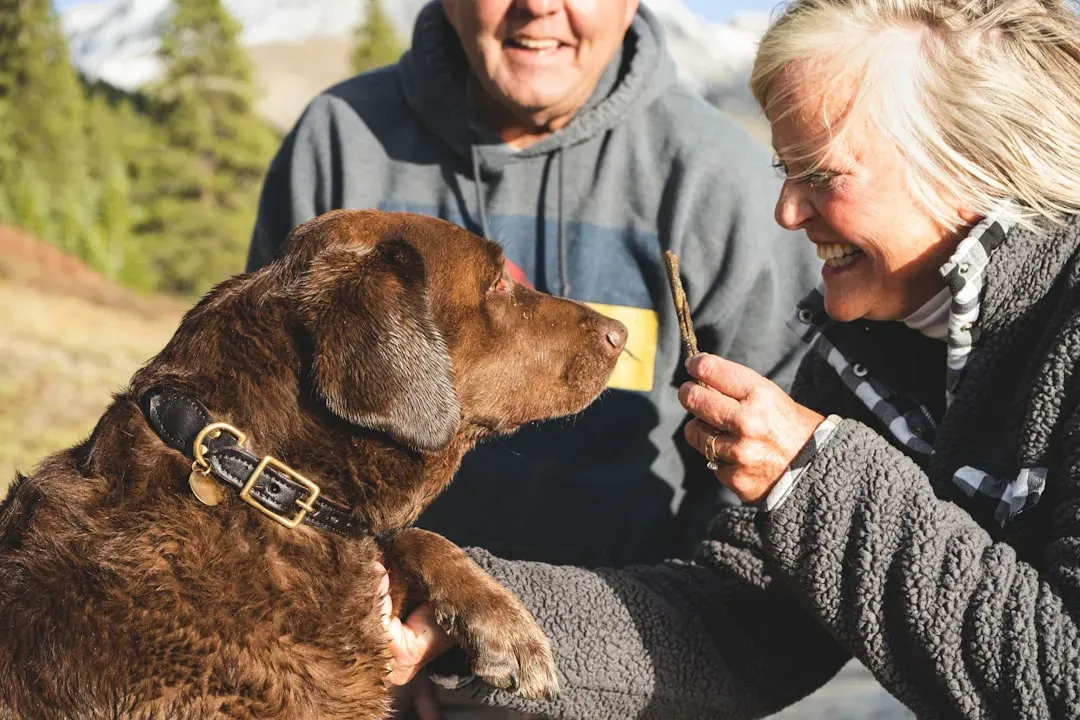
When we shift from trying to mold our dogs into some imaginary ideal and instead celebrate who they actually are, magic happens. It can be easy to fall into the trap of seeing your dog not as they are, but as you wish they could be, and treating them accordingly. When we assume our dogs enjoy something just because they are dogs, we not only do them a disservice and set them up for failure, we set ourselves up for frustration when they fail to live up to our expectations. That overly enthusiastic greeter at the door? That’s exuberance, not poor manners. The dog who prefers one person’s company to a crowd? That’s loyalty and selectiveness, not antisocial behavior.
All dogs have their personal likes, dislikes, skills, and needs. Understanding your dog as an individual will help to ensure they are always happy. This understanding transforms your relationship. You stop asking “Why won’t my dog be more like other dogs?” and start asking “What does my dog need to thrive as themselves?” That question opens doors to deeper connection, better communication, and a whole lot more joy. Your dog’s quirks aren’t obstacles to overcome. They’re invitations to know them better.
Conclusion
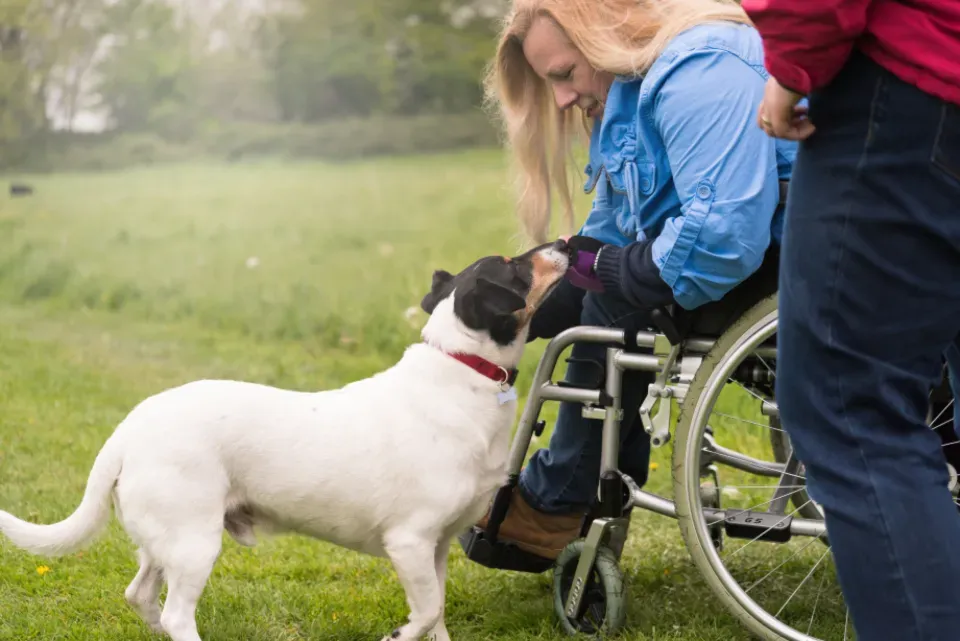
Your dog’s personality quirks are love letters written in behavior. They tell you about brain chemistry, early experiences, genetic predispositions, and the gloriously unpredictable mixture that makes your dog unlike any other. Meet a dozen different dogs and you could easily encounter a dozen different personalities, with each dog having their own quirks and style. These variations are part of what makes dogs fascinating and delightful. Stop trying to smooth out every rough edge or train away every oddity.
Instead, learn to read those signatures. Understand what they’re telling you about who your dog is and what they need. Our pets’ behaviors offer a glimpse into their unique personalities and the bond they share with us. By taking the time to understand and appreciate these quirks, we can strengthen our connection with our dogs and cats. The tail-chaser, the grass-muncher, the toy-hoarder, the selective socializer – they’re all perfect exactly as they are. What quirk does your dog have that makes you smile? Tell us how you’ve learned to love their unique personality.


