

Have you ever watched your dog spin in circles before flopping onto their perfectly comfortable bed, or caught them mid-stride eating grass like a tiny confused goat? Maybe they’ve come bounding back to you reeking of something absolutely horrifying, tail wagging with unmistakable pride. It’s easy to chalk these moments up to pure doggy weirdness. Honestly, I’ve done it myself. But here’s what most dog owners don’t know: there’s a rich, ancient story written inside every one of those bizarre behaviors.
Your dog isn’t just quirky. They’re ancient. Their habits are a living bridge to a wild past that stretches back tens of thousands of years, long before squeaky toys and memory foam dog beds ever existed. Understanding that past doesn’t just satisfy curiosity. It helps you become a better, more empathetic dog parent. Let’s dive in.
Spinning Before Lying Down: Your Dog’s Inner Wolf Is Still House-Hunting
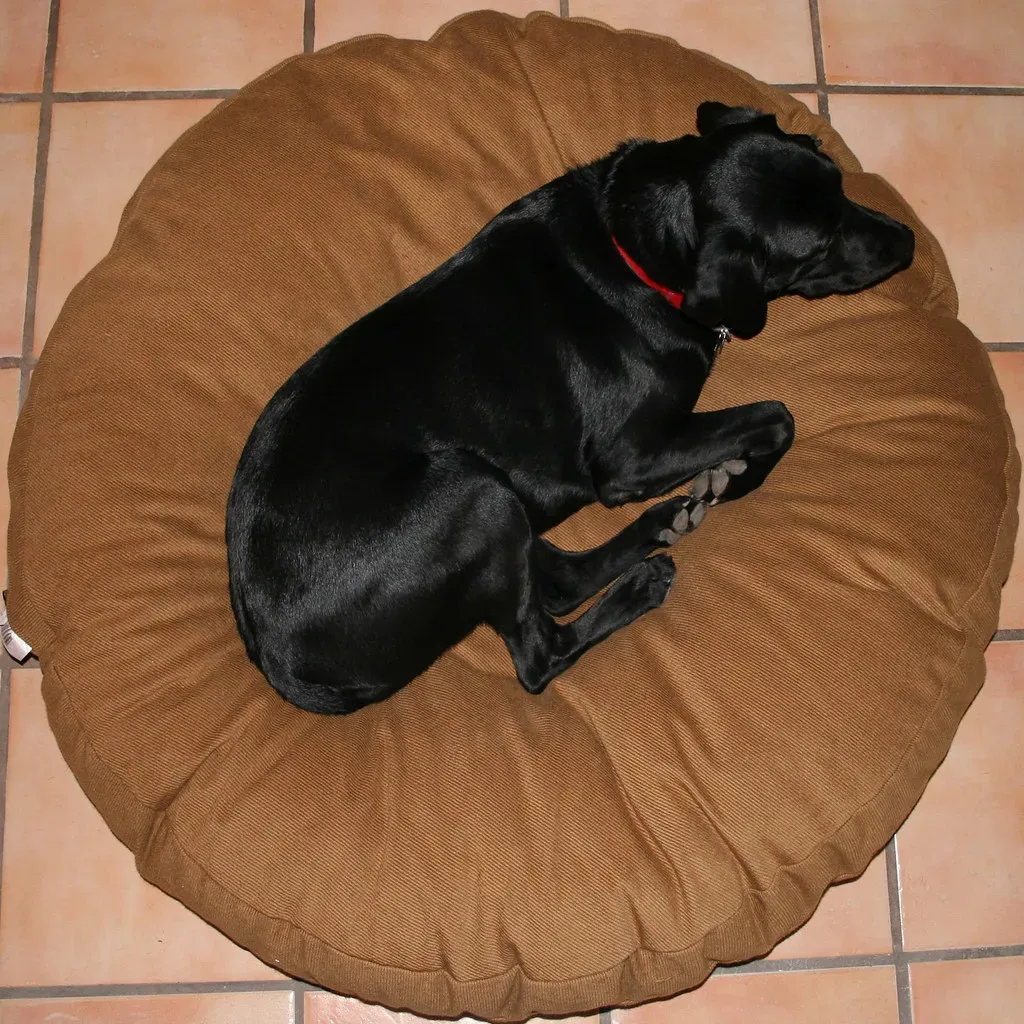
Picture this: it’s 11 PM, your dog has a brand-new orthopedic bed, and they still spin four times before they commit to lying down. Ridiculous? Not really. Dog behaviorists believe that a dog’s need to perform this bedtime ritual of turning around in circles is inherited. Canine ancestors, such as wild wolves, did the same thing, and domestic dogs retained this genetic predisposition. Think of it as evolutionary muscle memory, baked so deep into their DNA that even the fluffiest Maltese can’t quite shake it.
Dogs inherited the behavior of circling before lying down from their wild ancestors, which may have circled to tamp down vegetation and smooth the soil, to detect and remove irritating objects, or to crush or drive away potentially harmful creatures. It was never just about comfort. Some wildlife biologists believe that wolves sleep with their noses to the wind so they can quickly notice a threatening scent. Circling allows the wolf to determine the direction of the wind so he can best position himself, so that with a quick whiff, the wolf knows that he may be in danger and is alerted for a potential attack.
On a smooth surface, roughly one out of every five dogs turned at least one full circle before laying down. On a shag-carpeted, uneven surface, more than half of the dogs turned at least one full circle before they finally rested – meaning dogs were nearly three times more likely to circle before laying down on the uneven surface. Science backs it up. The circling is nest-building instinct, plain and simple.
Here’s the health tip most people miss: while watching your dog turn around before bedding down is amusing, it can also be a signal that something is wrong. Dogs that are in pain will circle excessively as they struggle to find a more comfortable position. Frequent or exaggerated spinning may indicate an underlying health concern, including joint pain or arthritis, particularly in older dogs, as circling might help them find a position that relieves discomfort. If your senior dog suddenly seems unable to settle, a vet visit is well worth it.
Eating Grass: Not a Phase, It’s a Primal Menu Choice
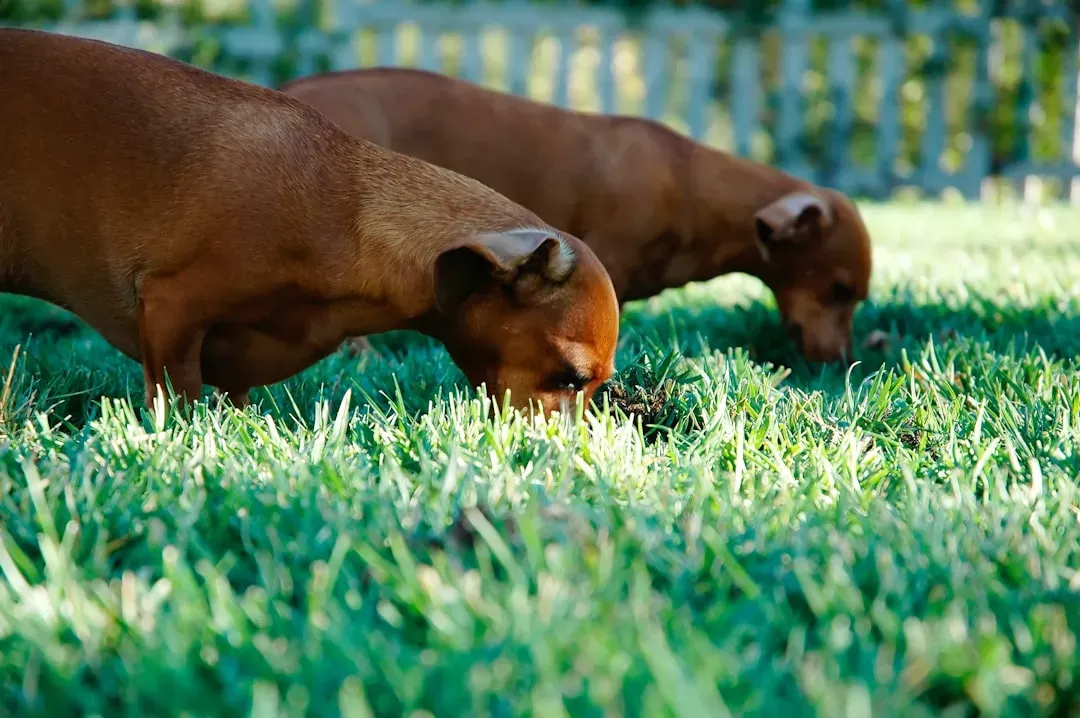
Your dog scarfs down their premium kibble, looks you in the eye, then walks outside and starts grazing like a small suburban cow. It’s baffling. Let’s be real, it looks a bit embarrassing at the dog park. But dogs are not true carnivores, but they are not exactly omnivores either. Dogs in the wild consume anything that helps fulfill their basic dietary requirements. Stool samples show that between roughly one in ten and nearly half of wolves eat grass. Modern dogs do not have to hunt for their food, but they haven’t lost the instinct to scavenge, and some dogs, even those that love their commercial dog food, will eat grass as a reflection of their scavenger ancestry.
Research suggests that the behavior of eating grass might have been inherited from wolf ancestors who consumed plants as a form of purging intestinal parasites, and this instinctive behavior has remained with modern dogs, although parasites are no longer present. Fascinating, right? The behavior outlasted its original purpose. Dogs need roughage, which is fiber, in their diets and grass is a good source of fiber. A lack of fiber affects the dog’s ability to digest food and pass stool, so grass may help their bodily functions run more smoothly.
In an extensive survey of over 1,500 dogs whose owners reported on grass-eating habits, roughly two thirds ate grass daily or weekly, while only about one in twelve acted sick before eating grass, and only about one in five vomited afterward. So the “my dog eats grass because they feel sick” theory? Mostly a myth. That said, while occasional grass eating is usually harmless, excessive consumption combined with illness requires veterinary attention. You should also ensure the grass is free from pesticides, herbicides, or fertilizers, as these chemicals can be toxic to dogs. Prevention is simple: stick to untreated patches of grass and keep your dog away from chemically treated lawns.
Rolling in Disgusting Things: A Smelly Love Letter to Their Pack
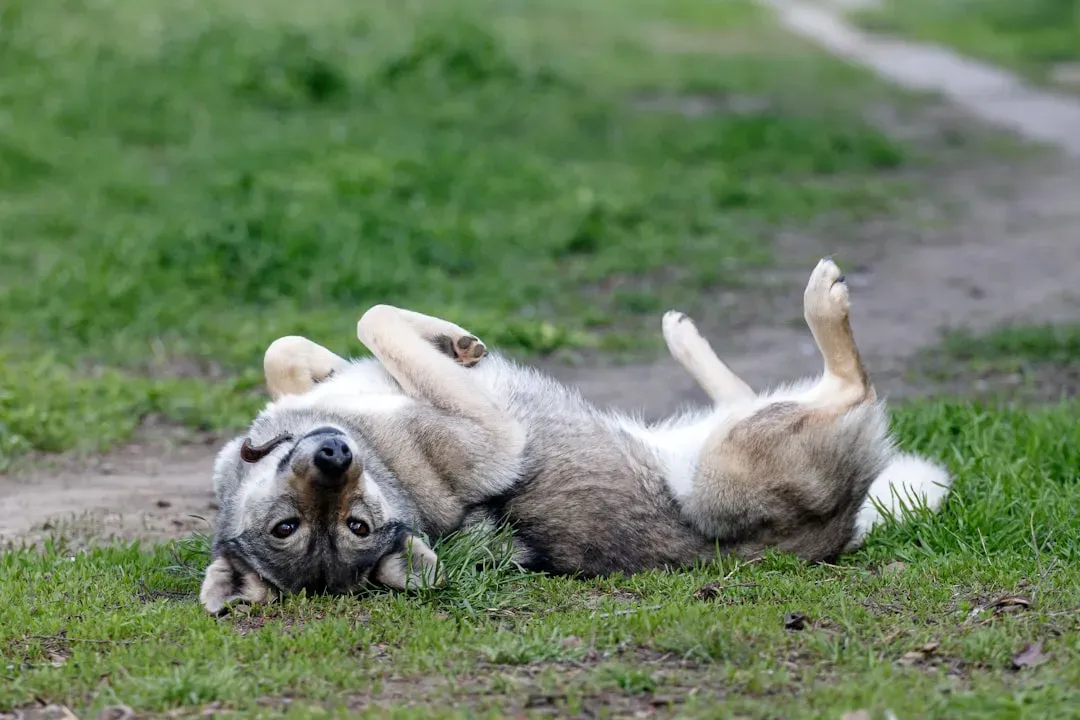
You come home after a long day. Your dog is glowing with pride, tail wagging furiously. Then the smell hits you. Something between roadkill and regret. Dogs rolling in smelly things is not just a quirky trait but a deep-rooted instinct inherited from their wild ancestors, such as wolves. This behavior served a practical purpose in the wild, helping canines mask their scent to sneak up on prey more effectively. Disguising their natural odor with stronger smells allowed these animals to approach targets undetected, enhancing their hunting success.
There’s another theory that’s honestly even more charming once you accept the grossness of it. For wild wolves, scent rolling is a way for individual wolves to bring information back to the rest of the pack. For example, if there is an elk carcass and a pack member traveling alone discovers it, he will scent roll on the elk carcass and then bring the scent of “food” back to his pack. The pack will thoroughly investigate the elk scent and then excitedly follow the wolf that discovered it back for a meal. Your dog rolling in fox poop is essentially saying, “Hey, I found something incredible and I need you to know about it.”
According to research in the Canadian Journal of Zoology, novelty also plays a role in canine scent rubbing. Wolves were drawn to roll in unusual or unfamiliar smells and return them to the pack at a higher rate, including perfume and motor oil. So when a dog catches a whiff of something unusual, they might feel more inclined to roll and share the intrigue with their pack. Your dog isn’t being bad. They’re being a very thorough wildlife correspondent. To manage the habit, practice the “leave it” command at home before using it outdoors. When your dog approaches something smelly, calmly give the cue and reward compliance. Avoid punishment after the fact, as dogs won’t connect delayed corrections to the behavior.
Licking Your Face: Ancient Greeting or Hungry Request?

Your dog licks your face the second you walk through the door. Some people find it endearing. Others, less so. Either way, it is one of the most ancient behaviors in your dog’s repertoire, and the backstory is genuinely fascinating. Dogs are descended from wolves, and when wolves hunt and return to their pack, all of the other wolves swarm them and lick around their face. The reason they do that is they’re asking the wolf to regurgitate a little bit of what they just hunted. Let that sink in. When your dog licks your face after work, part of that sweet greeting is also a polite request to know what you had for lunch.
When dogs lick their owners, it actually releases feel-good endorphins into their system, strengthening the human-canine bond. In the wild, dogs still use licking as a form of communication and bonding between themselves. It’s not just habit. It’s a deeply wired social ritual. They’re also using a lick to get information about the world, essentially smelling you by licking you. Think about that next time you feel slightly grossed out. Your dog is reading you like a newspaper.
Licking is generally harmless, but do keep an eye on excessive licking directed at themselves or specific body parts. That can signal allergies, skin irritation, anxiety, or pain. Even modern day dogs’ mothers use their tongues to clean newborn pups and stimulate breathing, so licking is one of the most primal tools in a dog’s emotional vocabulary. Appreciating that context makes all the difference.
Burying Toys and Treats: Survival Strategy Disguised as Chaos
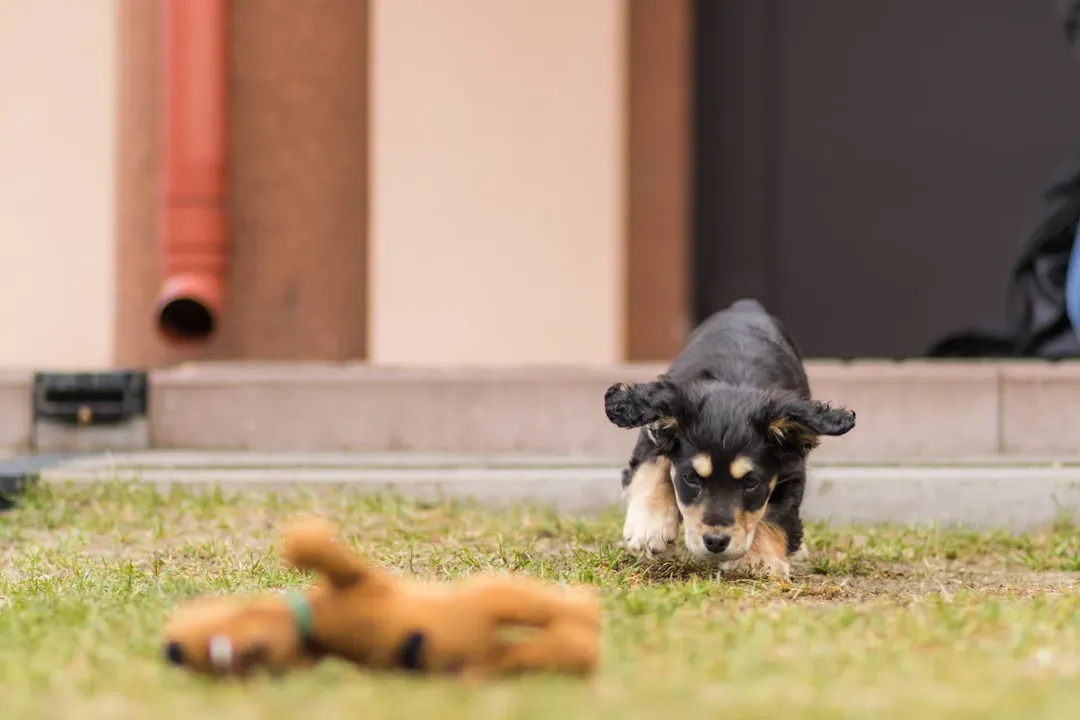
You buy your dog a beautiful new chew toy. Two days later, it’s buried under a couch cushion, a garden bed, or somewhere you’ll find it with your foot at 2 AM. This isn’t ingratitude. It’s instinct. The most obvious reason why dogs bury stuff is to protect their resources from other predators. It’s a survival instinct that they can trace back to their ancestors. In the wild, there were no guaranteed next meals. Burying food was the original meal prep.
Primal dogs used to bury their food to save for later or even to hide an object that’s valuable to them. Modern dogs don’t face food scarcity, yet the behavior holds strong. Dogs in multi-pet households commonly bury things to keep them safe from other pets, but if your pup is overly possessive, you might need some help from a reliable dog trainer. In other cases, your dog might bury their food because you’re giving them too much, and if they’re already full of treats, they may want to keep some food to save for later.
The practical takeaway here is simple. If your dog is burying food frequently, it may mean they’re being overfed, or it could indicate anxiety around resources, especially in multi-dog homes. Managing portion sizes and providing a consistent feeding schedule can ease this behavior significantly. Giving your dog appropriate ways to express their natural desires is an easy way to control potential destructive behaviors. Getting a sand pit, for instance, is a great way to have a designated spot for your pet to dig to their heart’s content.
The Nose Knows: Why Your Dog Sniffs Everything (And Everyone)
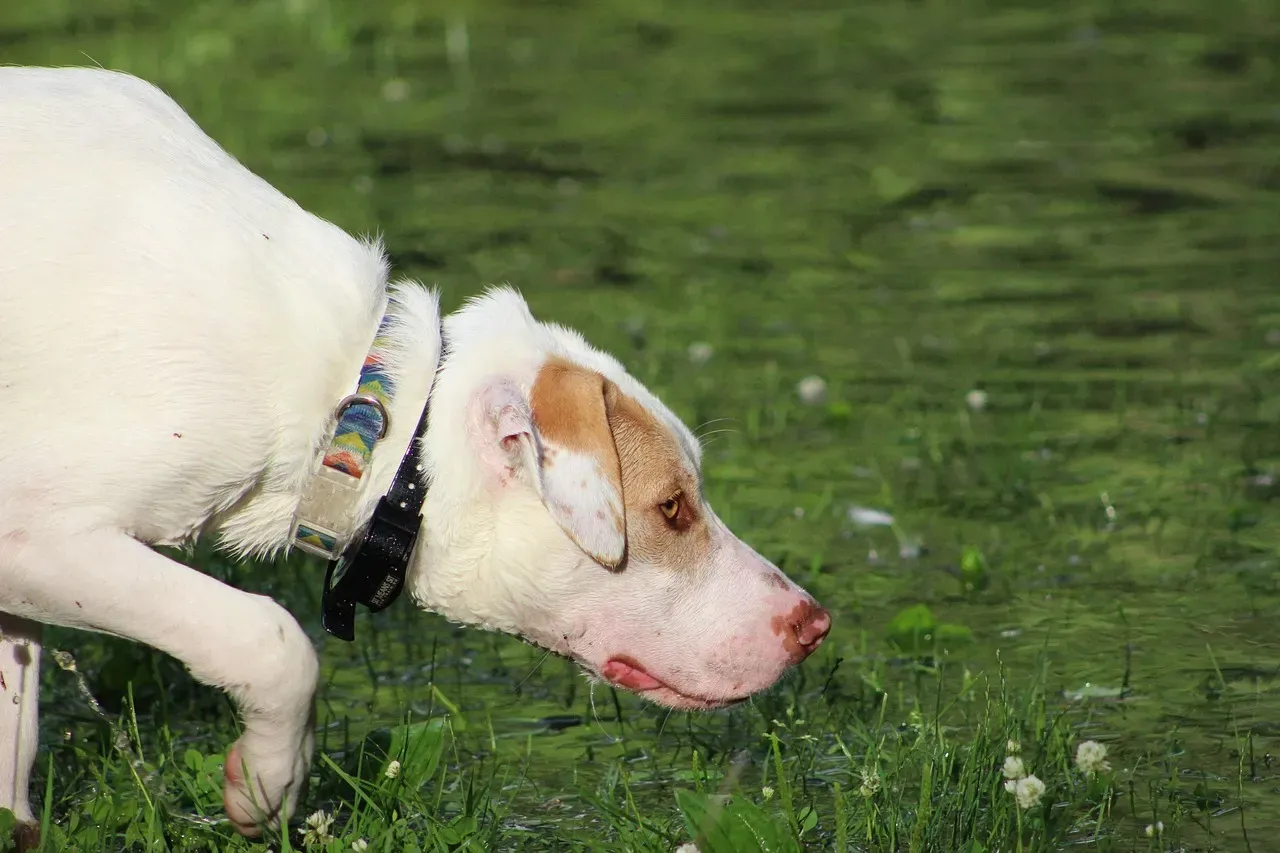
You’re on a walk. You have 15 minutes. Your dog wants to spend 14 of them sniffing a single lamppost. Sound familiar? Here’s the thing: that lamppost is a full information center to your dog. A dog’s sense of smell is 100,000 times more sensitive than a human’s. Dogs have more than 100 million olfactory receptors, while humans only have 5 million. The world your dog navigates through scent is so rich and layered that we can barely comprehend it from our limited perspective.
Thirty percent of a dog’s brain is dedicated to detection and identification of odors, whereas a human’s is only about five percent. When dogs smell each other’s bodies, they are actually learning a lot of information. From just a sniff, they can learn another dog’s gender, diet, emotional state, and health. This is known as chemical communication. That ritual where two dogs greet each other from the back end? It’s the canine equivalent of a full background check.
As early as 11,000 years ago, there were already five distinct dog lineages, and throughout all that genetic diversification, the nose remained supreme. Sniffing isn’t just something dogs enjoy. It’s how they process their entire reality. So next time your dog needs ten minutes to fully investigate a bush, let them. You can provide enrichment to your dog by giving them a variety of interesting scents to smell. This can range from pet-safe essential oils to something more unexpected, like deer urine. Enriching your dog’s sniff life is one of the simplest and most powerful ways to support their mental health.
Conclusion: Your Dog Is an Ancient Soul in a Modern Home
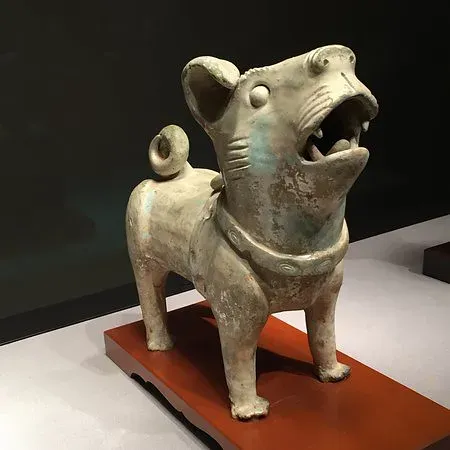
Every circle before bedtime, every mouthful of grass, every enthusiastic face-lick when you walk through the door – these aren’t random acts of chaos. They’re chapters of a 15,000-year story written in bone, muscle, and instinct. While dog breeding throughout the millennia altered characteristics such as size, coat patterns, temperament, and ability to communicate with humans, some ancient attributes have remained internalized in our dogs. These traits are known as primal instincts and are healthy for your dog to express, as it’s what they know to do at their core, even if they don’t know why.
Understanding these deep evolutionary roots doesn’t just satisfy curiosity. It fundamentally shifts how we respond to our dogs. Instead of frustration, we find context. Instead of confusion, we find connection. The more we understand where our dogs come from, the better we can meet their real needs, emotional, physical, and instinctual alike.
Your dog is not broken. They are brilliantly, wildly, beautifully ancient. And they chose to spend that ancient life with you. That’s worth pausing for. So the next time your dog does something that makes you tilt your head in bewilderment, try tilting it the other way instead: with curiosity, empathy, and maybe just a little wonder. What quirky habit of your dog has always puzzled you most? We’d love to hear about it in the comments.


