
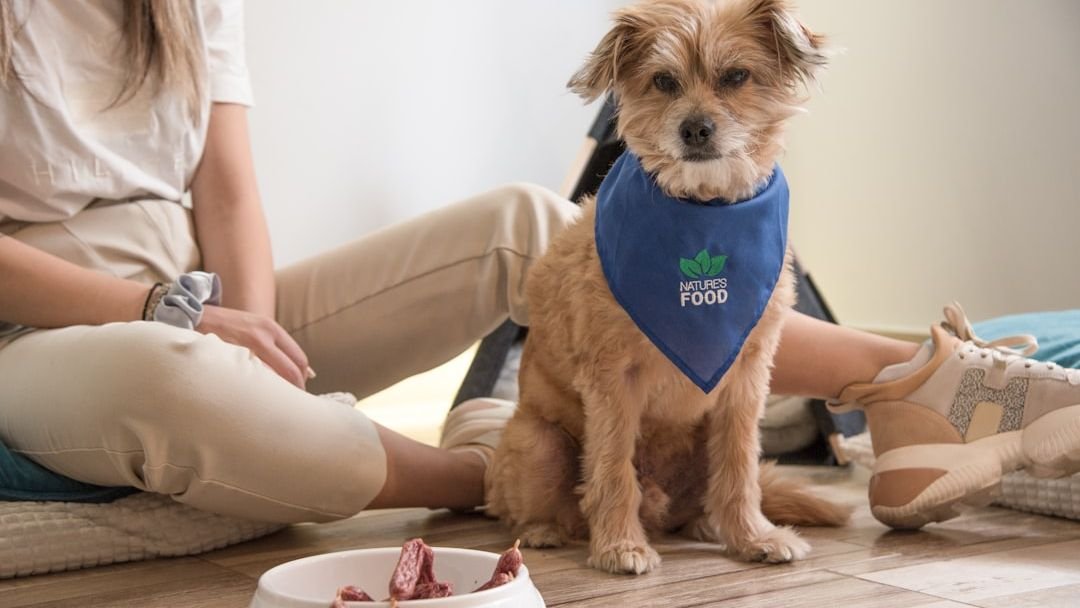
Picture this: you’re walking past your dog while he’s gnawing on a bone, and suddenly he freezes. His body goes stiff. Maybe there’s a low rumble from deep in his chest. Your sweet, loving companion now looks like a stranger guarding buried treasure. It’s unsettling, honestly. You might’ve even felt a bit hurt or confused.
Here’s the thing, though. What looks like aggression on the surface is actually something much more vulnerable underneath. The behavior is generally rooted in anxiety and insecurity, not defiance or dominance. Your dog isn’t trying to be the boss or challenge your authority. He’s scared. Deep down, he’s worried about losing something he values, whether that’s his favorite chew toy, his dinner, or even you.
It’s Not About Dominance, It’s About Fear

Let’s clear up one of the biggest myths right away. Resource guarding does not have anything to do with dominance, which has been scientifically debunked. This matters because if we misunderstand what’s happening, we might respond in ways that make everything worse.
Resource guarding is fundamentally rooted in anxiety, not dominance. The dog isn’t trying to “control” the household or challenge your authority – they’re worried about losing something they value. Think about it from their perspective. Imagine you’re holding something precious and someone much bigger than you keeps approaching. You’d feel vulnerable too.
When dogs guard, they’re essentially saying “I’m scared you’ll take this away.” That fear might stem from past experiences, like living on the streets where every meal was uncertain, or it could be rooted in genetics. Either way, punishment or forceful approaches will only confirm their worst fears and damage the trust between you.
The Subtle Signs You Might Be Missing
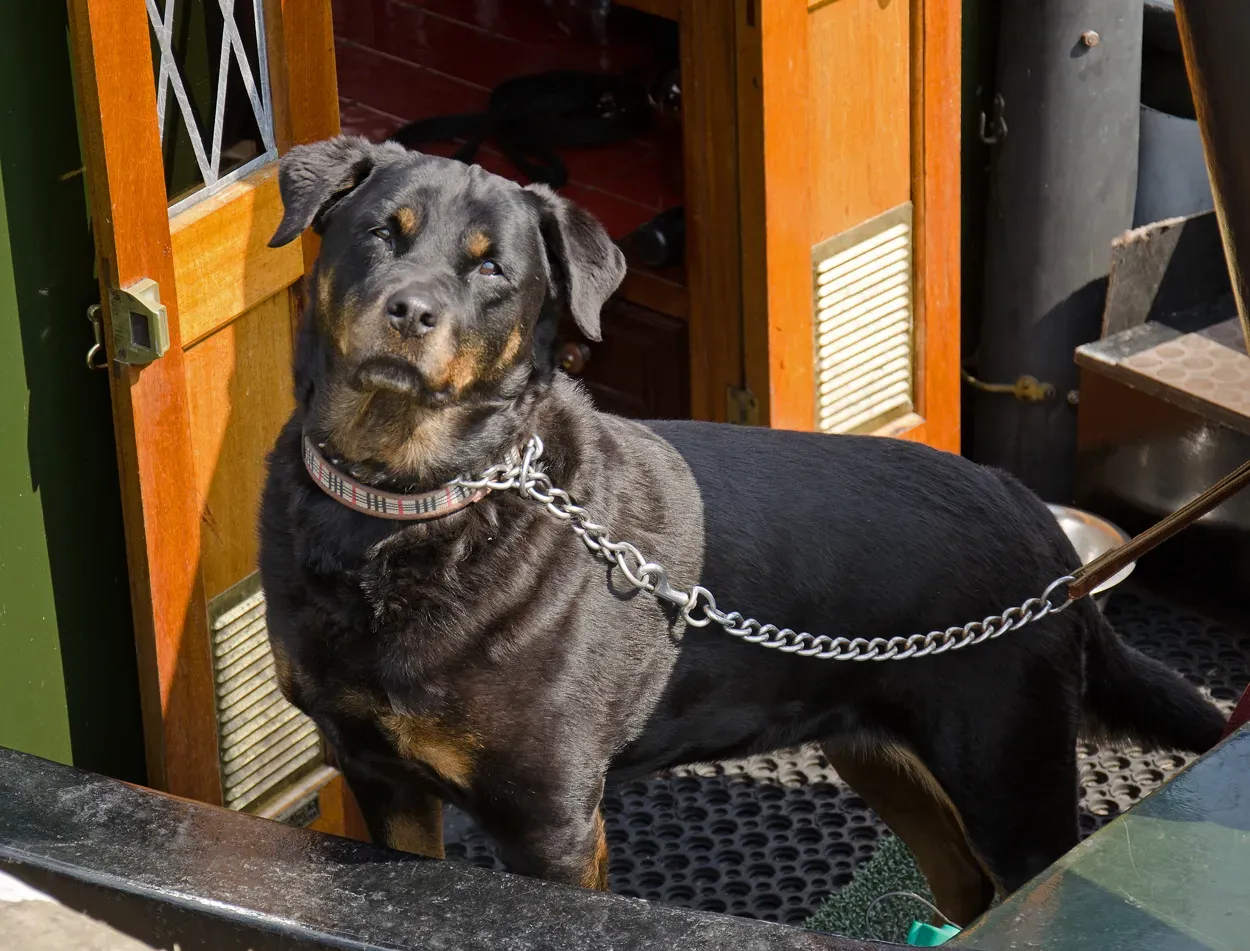
Sometimes, the signs of resource guarding are subtle. Your dog may show avoidance behavior or mild signs of aggression and anxiety such as stiff or crouched body posture, pinned back ears, lip licking, and physically blocking access to the resource. These early warnings are easy to overlook, especially if you’re not sure what you’re looking for.
Maybe your dog suddenly eats faster when you walk by. Or perhaps he picks up his toy and moves to another room when guests arrive. He might hover over his food bowl without actually eating, just watching. These aren’t random quirks.
A dog might hover above the item without moving, often with a hard stare. Rather than risking the goody being taken away, a resource guarding dog might opt to eat quicker. Pay attention to these moments. They’re your dog’s way of communicating discomfort before things escalate to growling or snapping. Catching these signs early gives you the chance to help your pup feel safer before the behavior becomes more intense.
What Triggers This Behavior
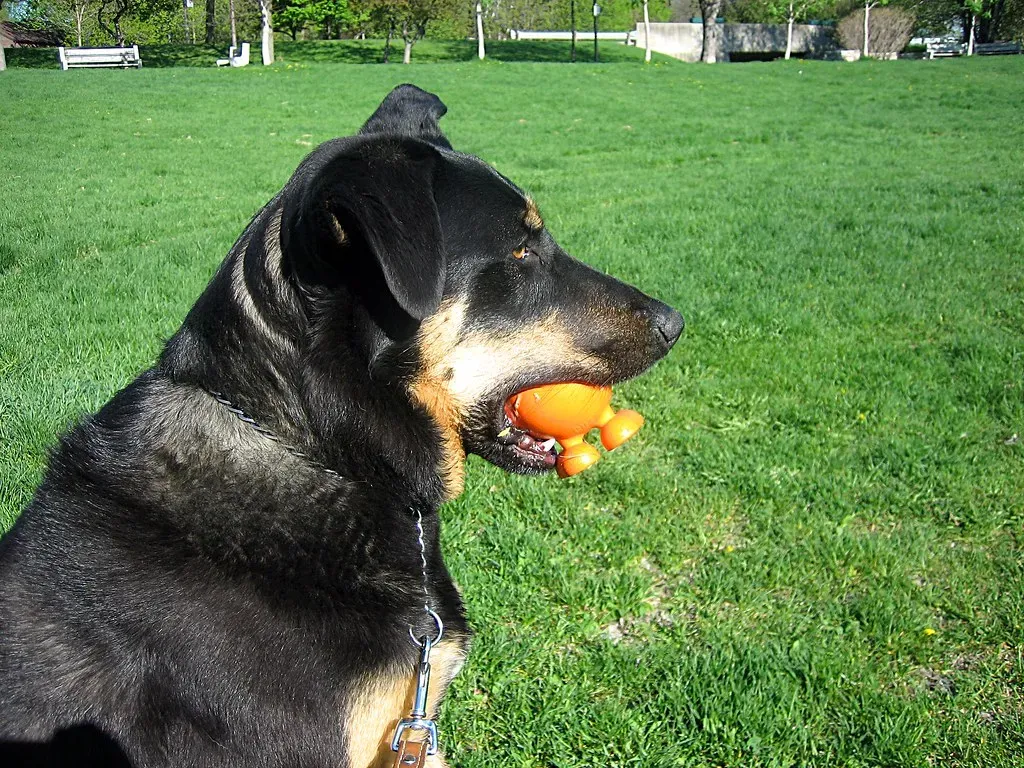
Resource guarding can show up around just about anything your dog finds valuable. Food and food-related items are the most common resources that are guarded by dogs. However, any resource that is valuable to the dog may be guarded, including toys, beds, furniture, bones, resting areas, and even certain people.
Sometimes the items dogs choose to guard don’t make sense to us at all. A dirty sock might be as precious to your dog as a juicy steak. I’ve heard stories of dogs guarding empty food bowls or even random bits of trash. It’s not about the actual value; it’s about what your dog perceives as important.
This behavior is typically rooted in anxiety. Several factors can contribute: maybe your dog came from a shelter where resources were scarce, or perhaps he learned from littermates that he had to compete for what he wanted. Anxious dogs that are uncertain about their surroundings or that are not confident might resource guard. Changes in the household, like a new pet or baby, can also trigger guarding behaviors in dogs who previously seemed fine.
Why Punishment Makes Everything Worse
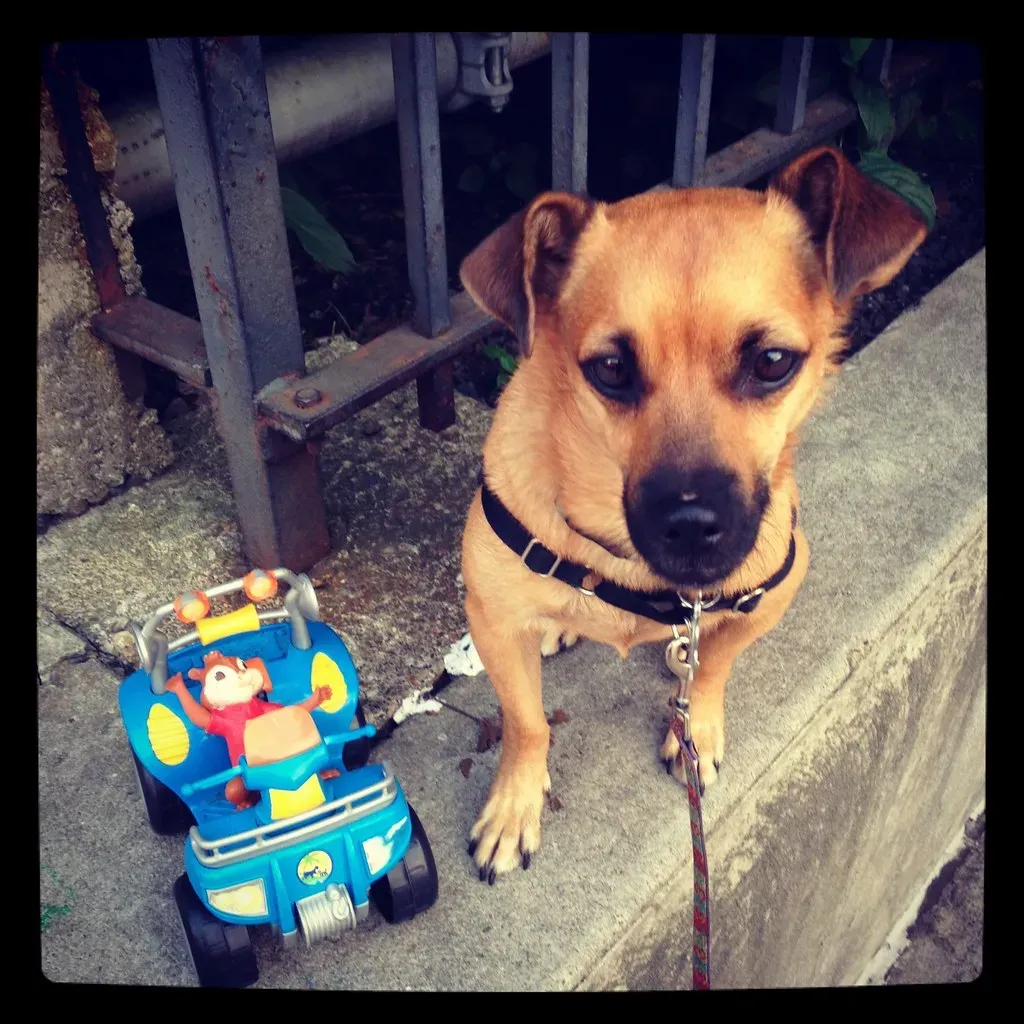
It’s tempting to think that scolding or physically correcting your dog will teach him not to guard. It won’t. In fact, it does the opposite. Yelling at or punishing a dog for growling or showing teeth doesn’t address the underlying anxiety. It just teaches the dog that warning you is dangerous. Many “unpredictable” dogs who bite without warning were actually trained to skip their warning signals by owners who punished those signals.
Think about what happens when you forcefully take something from a guarding dog. Grabbing resources away from a guarding dog confirms their fear. Each time you forcefully remove an item, you reinforce the belief that your approach is threatening. Your dog learns he was right to be worried, and next time he’ll guard even harder, maybe skipping the warning growl altogether and going straight to a bite.
Never punish a dog for resource guarding. It can increase their anxiety around an item and intensify resource guarding or make it happen more frequently. What your dog needs isn’t discipline; he needs to feel secure. He needs to learn that when you approach, good things happen rather than bad things disappearing.
Building Trust Through Positive Associations
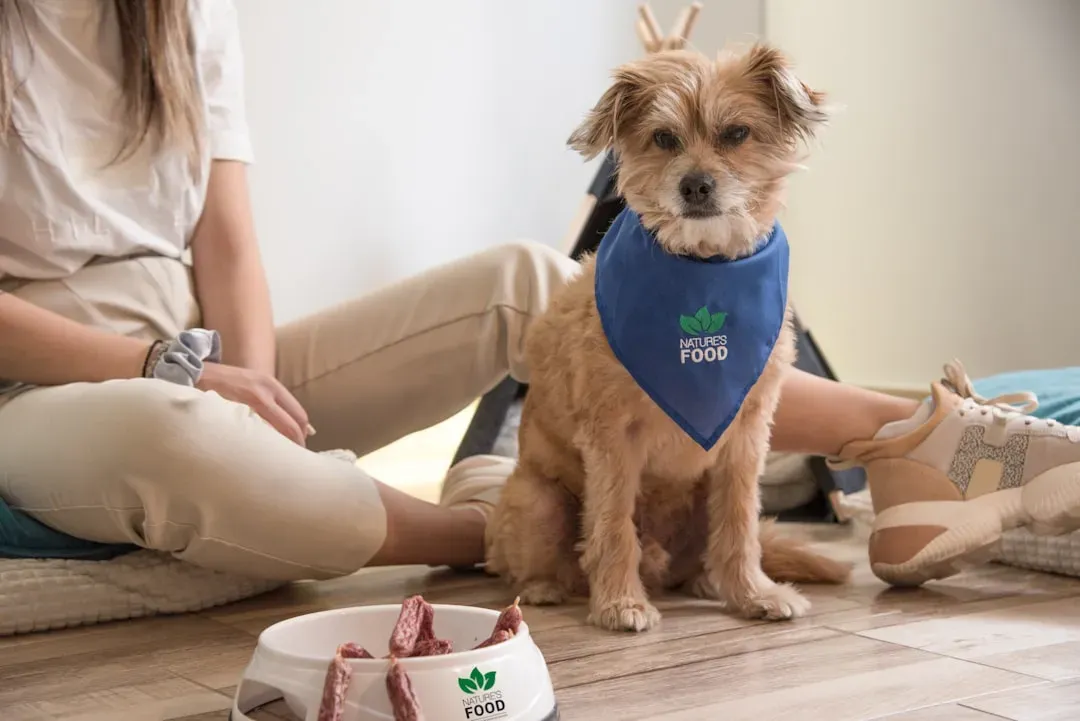
So what actually works? To successfully manage resource guarding, we must change the underlying motivation and emotion behind the behavior (anxiety, fear, frustration). Studies have shown that reward-based methods are more effective and humane when managing behavior problems such as resource guarding. The goal is to teach your dog that your presence near his valued items predicts something wonderful, not something scary.
Start simple. Try dropping tasty treats into the bowl while your pup is eating – that way, they’ll associate a human walking up to their bowl with something good happening. Keep your distance at first. If your dog shows tension when you’re three feet away, start at six feet. Toss a piece of chicken near his bowl, then walk away. No pressure, no hovering.
Teaching your dog a “leave it” or “drop it” command can be invaluable. Use positive reinforcement to help them understand that “trading up” will get them something even better than what they are protecting. Your dog needs to learn that giving things up or sharing space doesn’t mean losing forever. It means getting something even better in return. This takes time and patience, but it genuinely works.
When to Seek Professional Help
Let’s be real: not all resource guarding cases are DIY projects. If your dog has bitten someone (breaking skin) during a guarding incident, bites that cause injury indicate the behavior has escalated beyond what basic training can safely address at home. This is especially true if you have children in your household, who might not recognize warning signs or understand boundaries.
A change in behavior or a sign of aggressive behavior may indicate the presence of an underlying medical issue. In such instances, consulting either a vet or animal behaviorist is recommended. Pain from conditions like arthritis or dental disease can make dogs more irritable and prone to guarding. Rule out medical causes first, especially if the behavior appeared suddenly.
If your dog’s resource guarding has already moved into the moderate or severe category, a certified behavior consultant, a veterinary behaviorist, or a certified applied animal behaviorist is your best bet. These professionals have specialized training in serious canine behavior issues and can create a safe, structured plan tailored to your dog’s specific needs. There’s no shame in getting help; in fact, it’s the responsible choice.
Conclusion
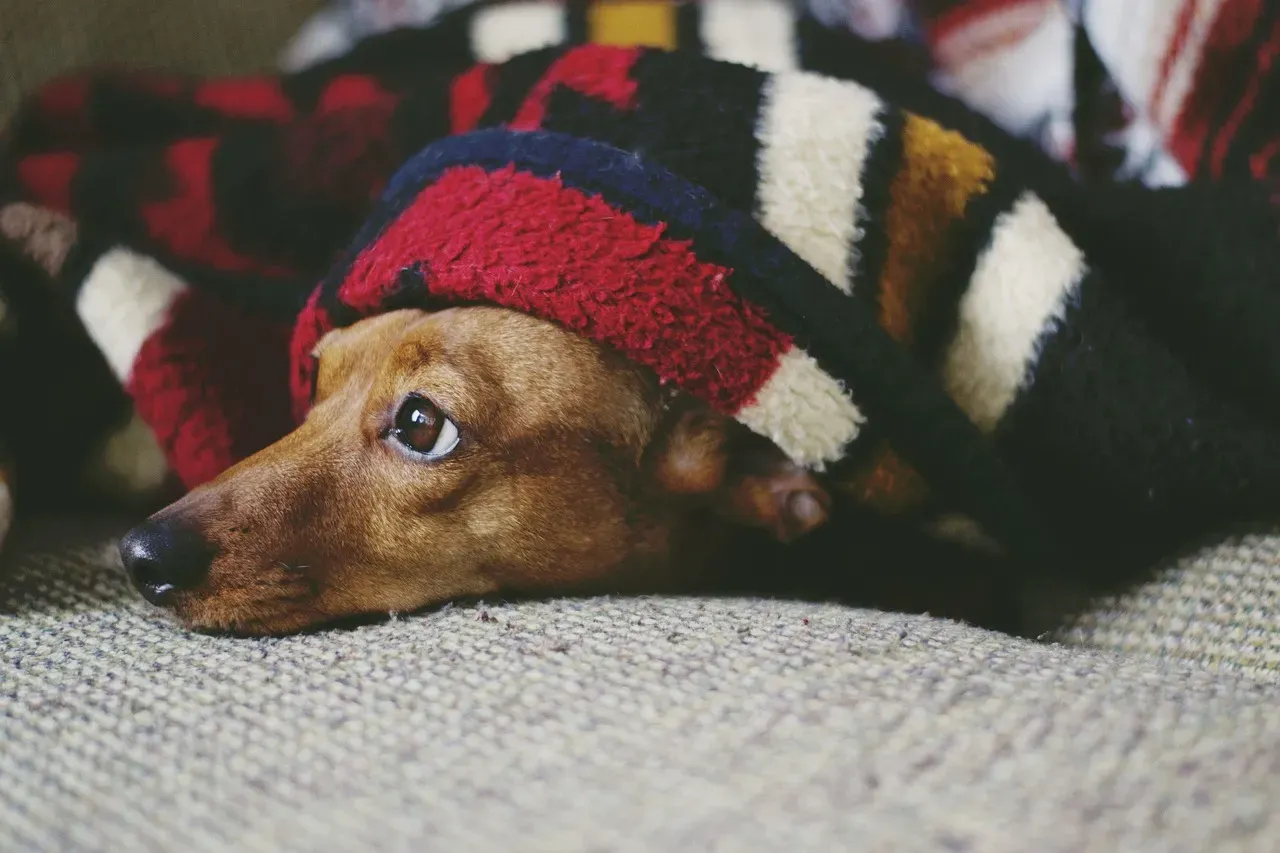
Resource guarding can feel scary and frustrating when you’re living with it. It’s hard not to take it personally when your dog growls at you over a toy or stiffens when you walk past his dinner bowl. Yet understanding what’s really happening changes everything. Your dog isn’t being mean or trying to dominate you. Resource guarding stems from a dog’s underlying anxiety about the potential loss of items. He’s asking for reassurance that his world is safe and predictable.
With patience, consistency, and compassion, most dogs can learn to feel more secure. Some may always need management, like eating in separate spaces or trading for high value items, and that’s okay. The goal isn’t perfection; it’s safety and trust. Your dog is telling you something important through his behavior. Listen with empathy, respond with kindness, and remember that beneath that defensive posture is a pup who just wants to feel safe.
What’s your experience been with resource guarding? Have you noticed any subtle signs you might’ve missed before?


