
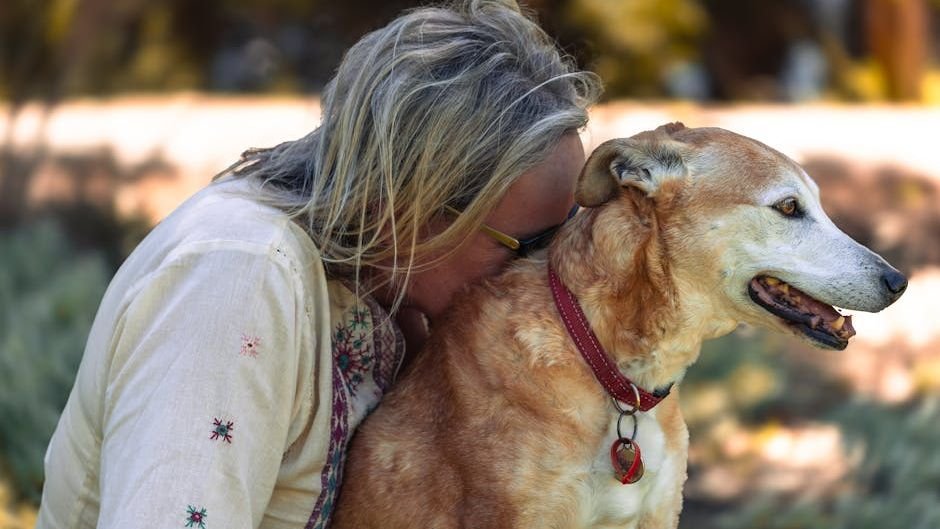
Picture this: you’re sitting on the couch after a long, draining day. You haven’t said a word. You haven’t moved. Yet somehow, your dog is already there, eyes locked onto yours with that deep, unblinking focus that feels almost too intense for something that can’t speak. It stops you in your tracks every time. What on earth is going on behind those eyes?
Honestly, it’s one of the most beautiful and mysterious things about sharing your life with a dog. That gaze isn’t random, it isn’t empty, and it is certainly not “just a dog thing.” Science, behavior research, and centuries of shared evolution all point to something far more profound. Let’s dive in.
The Ancient Roots of the Canine Gaze
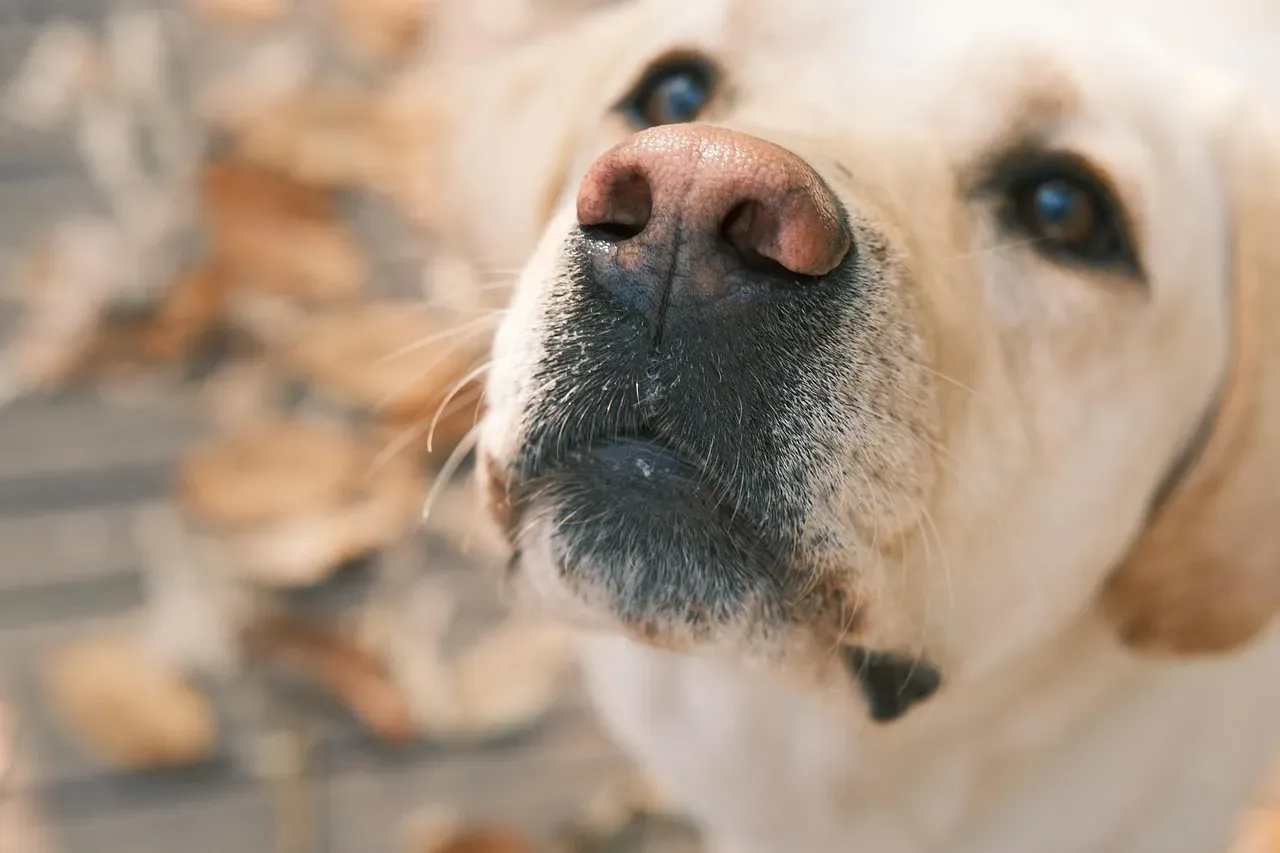
Your dog’s gaze tells a profound story of the evolution of our age-old relationship. As humans transitioned from nomadic hunter-gatherers to early farmers, wolves began gathering around their settlements. Over thousands of years, those wolves became the dogs we know today, and with that transformation came something extraordinary: the ability to look humans directly in the eyes.
From an evolutionary standpoint, the ability to make and maintain eye contact with humans represents a remarkable adaptation that distinguishes domestic dogs from their wild wolf ancestors. Think about that for a moment. Wolves use staring as a threat display. Dogs turned it into a love language. That’s one of the most stunning biological pivots in the animal kingdom.
As dogs increasingly relied on humans for their fundamental needs, they learned to observe and interpret our behaviors. Being able to distinguish our expressions, they likely gaze at us to figure out how to behave to please us best. So when your dog is watching you, they’re not just being adorable. They’re actively reading you, like a tiny, furry therapist who never sends a bill.
The Science Behind Those Puppy Eyes: Oxytocin and Love
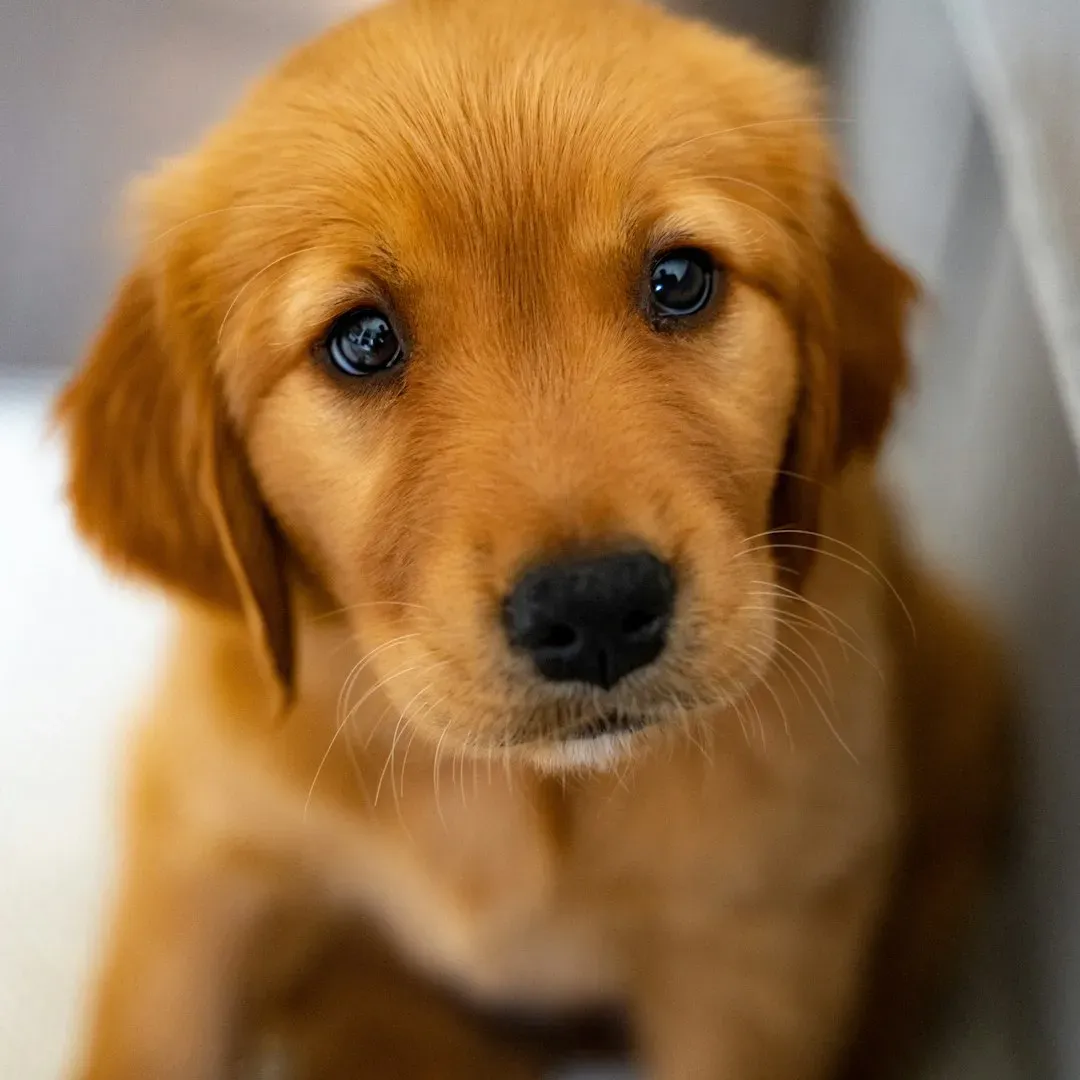
Here’s the thing that genuinely blew me away when I first read the research. A study led by researchers at Azabu University in Japan found that dog-owner pairs who spent the most time gazing at each other experienced a measurable hormonal shift: dogs saw a rise of roughly 130 percent in oxytocin levels, and their owners experienced a 300 percent increase. Oxytocin is the same hormone that strengthens the bond between parents and newborns. Mutual gazing between you and your dog actually activates the same neurochemical loop that helps human families attach to each other.
These findings support the existence of an interspecies oxytocin-mediated positive loop facilitated and modulated by gazing, which may have supported the coevolution of human-dog bonding by engaging common modes of communicating social attachment. In plain terms? When you look at your dog, your brain responds almost the same way it would to gazing at someone you deeply love. That is not a metaphor. That is measurable biology.
This chemical plays an important role in bonding and boosts feelings of love and trust. The same hormone that is released when a new mother looks at her baby is also triggered when you look at your dog. I know it sounds almost too good to be true, but the data is solid, replicated, and honestly rather moving.
Reading the Stare: What Your Dog Is Actually Telling You
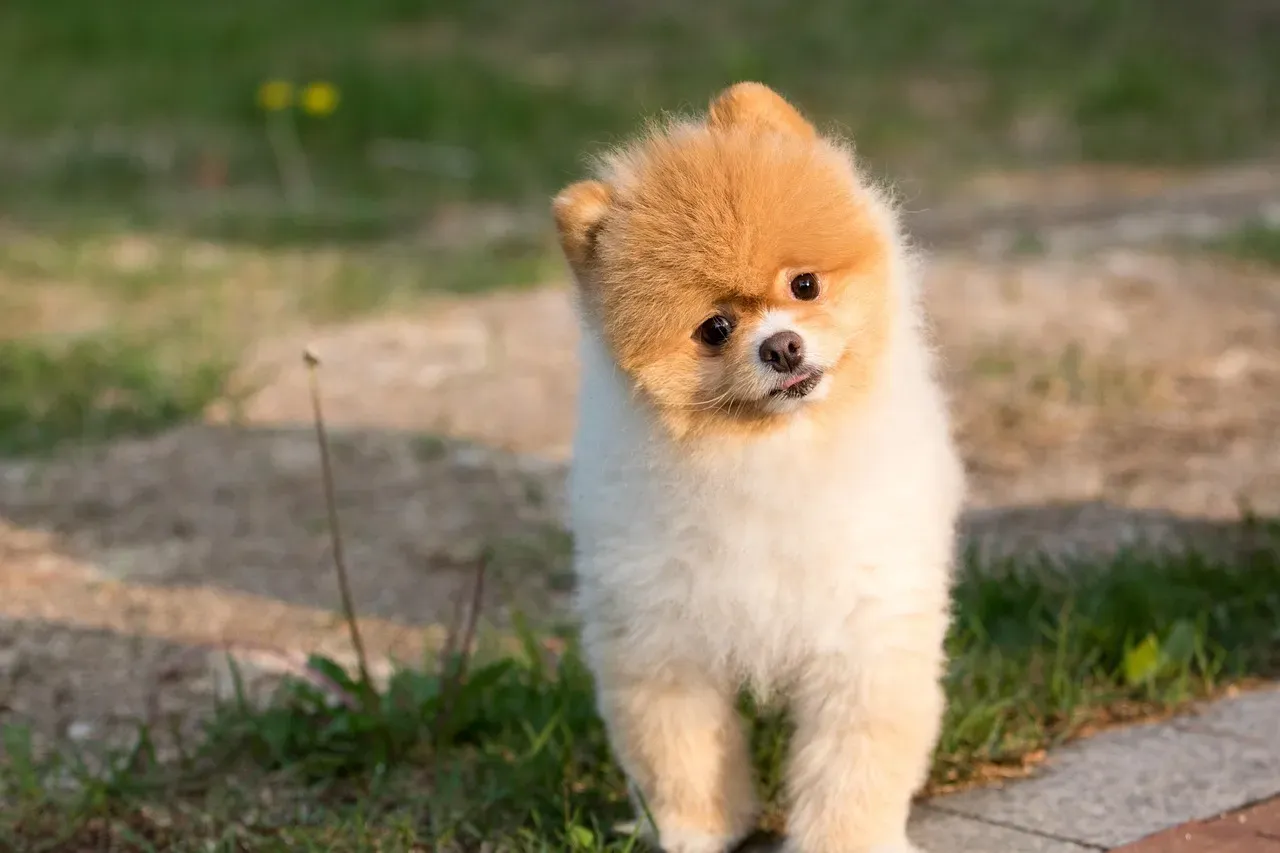
Dogs have many reasons for turning their gaze on us. Most of the time they are either communicating with us or waiting for us to communicate with them. This is where it gets really interesting, because not every stare carries the same message. Context and body language are your decoder keys.
A soft stare comes with a relaxed body, loose posture, maybe a gently wagging tail or slightly squinted eyes. This is the affectionate, bonding gaze or the “I’d like something, please” look. It’s comfortable and easy. That melted-butter look your dog gives you while you’re reading on the sofa? Pure, uncomplicated love, possibly mixed with a quiet hope for a belly rub.
There is, however, a very different kind of stare to learn. An intense, fixed, unblinking stare usually comes with a stiff body, a closed mouth, and overall stillness. It signals discomfort, stress, or a warning. Dogs often use a hard stare when they feel threatened or when they’re guarding food, a toy, or a resting spot. If you see this paired with a rigid posture, the best response is to calmly give your dog space rather than pushing the interaction. Two stares, two completely different worlds. Your dog is always talking. The trick is learning to listen.
When the Stare Becomes a Health Warning You Shouldn’t Ignore
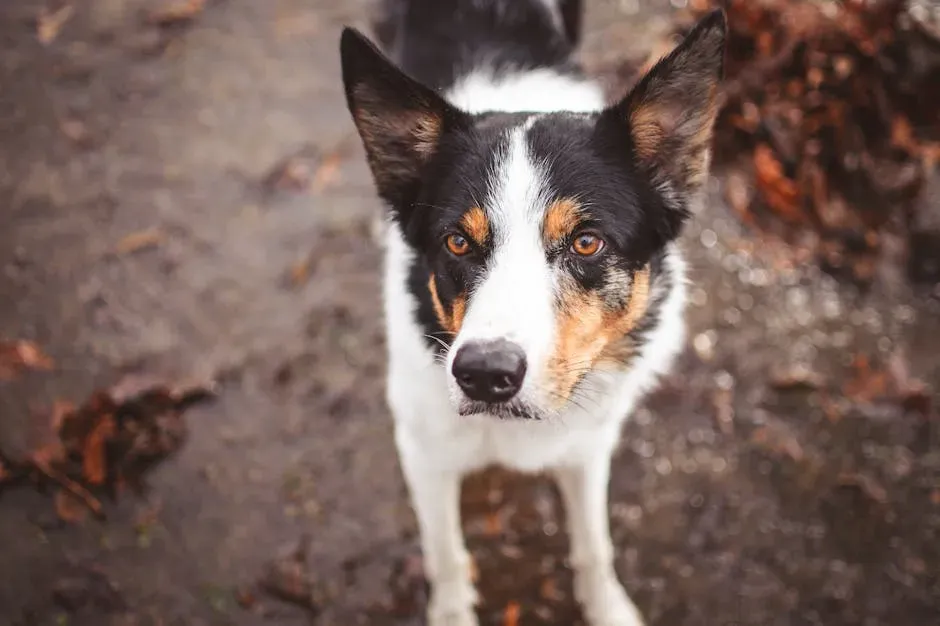
This is the section I feel most strongly about including, because it matters. Not every unusual stare is a love bomb or a communication cue. Sometimes, especially in older dogs, a change in staring behavior is your dog’s silent way of saying something is wrong.
Older dogs are prone to developing Cognitive Dysfunction Syndrome (CDS), similar to dementia in humans. Dogs with CDS might stare at walls or into space as a symptom of their cognitive decline. Other signs of CDS include disorientation, changes in sleep patterns, and altered interactions with family members. It’s hard to watch, and it sneaks up on you gradually, which is exactly why paying attention matters so much.
Senior dogs are at the highest risk: roughly a quarter of dogs aged 11 to 12 are affected, and more than two thirds of dogs aged 15 to 16 have cognitive dysfunction syndrome, according to research on prevalence. If your older dog seems to stare blankly without purpose, appears lost in familiar spaces, or has started pacing at night, schedule a visit with your veterinarian for further examination. Catching it early genuinely makes a difference.
How to Deepen the Bond Through Intentional Eye Contact
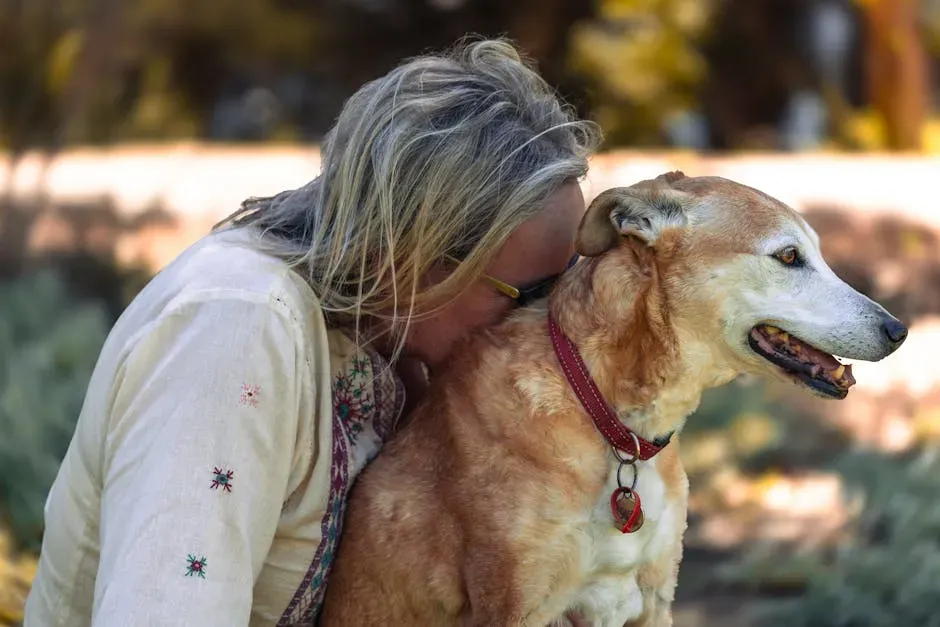
So now that you understand how powerful this shared gaze truly is, how do you lean into it on purpose? The good news is that you can actually train this, and it is one of the most rewarding things you will ever do with your dog. It’s less like teaching a trick and more like learning a new language together.
Eye contact teaches your pet to focus attention on you and check in with you regularly. By reinforcing this behavior, you are making yourself more exciting than the environment around you. Start in a quiet room with your dog relaxed nearby. When they glance at your face naturally, mark the moment with a soft “yes” and reward them. Simple, calm, consistent repetition is all it takes.
Don’t take eye contact for granted. Any time your dog is choosing to look at you instead of something else exciting, reward that with praise, a treat, or even a cuddle. Let your dog know you’re somebody worth attending to and their eyes will always be on you. Over time, this becomes your private language. A glance across the room that says everything without a single sound. It’s honestly one of my favorite things about dogs.
Conclusion: Look Back
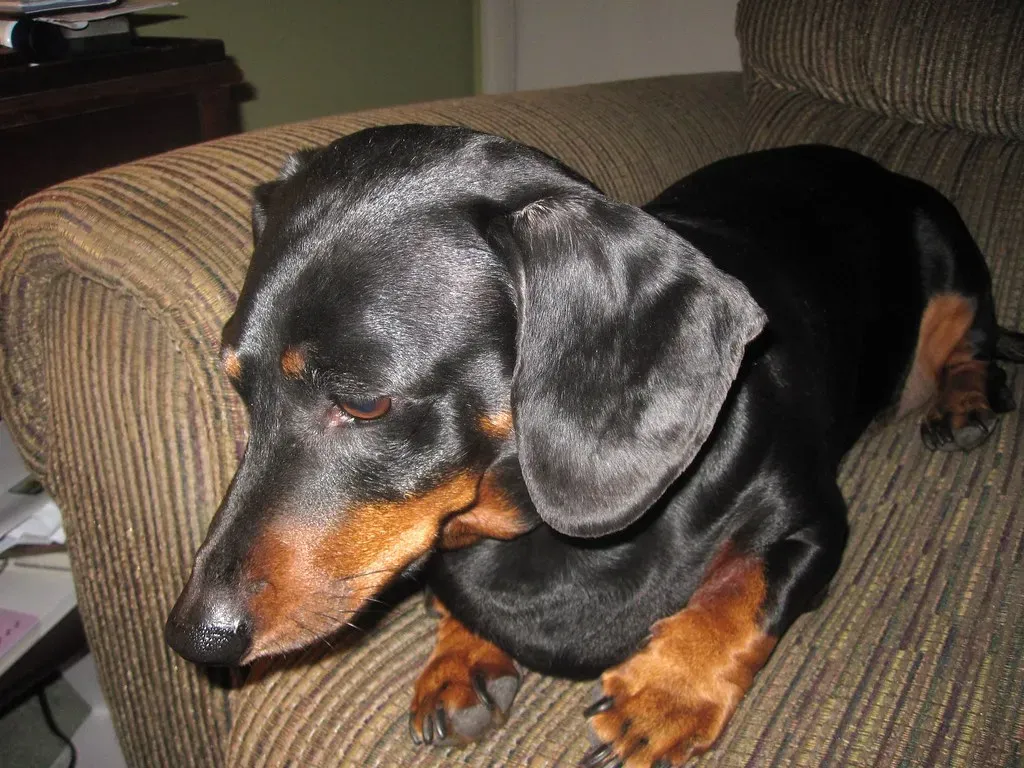
There is something quietly life-changing about understanding that your dog’s stare is not random, not empty, and not just habit. It is a carefully evolved, hormonally supercharged, emotionally loaded act of connection that spans tens of thousands of years of shared history between your species and theirs.
Every soft gaze your dog sends your way is a little act of trust. A vote of confidence in you as their person. The science backs it up, the behavior tells the story, and honestly, your heart already knew it before you read a single word here.
So the next time those eyes find yours across the room, look back. Hold it gently. Let it land. Because that moment, quiet and small as it seems, is one of the most genuine forms of love you will ever be lucky enough to receive. How often do you actually stop and look back? It might be time to start.


