
Have you ever caught yourself staring at your dog while they snooze, marveling at the creative way they’ve twisted themselves into what looks like an impossibly uncomfortable pretzel? Maybe they’re sprawled out like they own the entire couch, or curled up so tight you’re not sure where their head ends and their tail begins. Here’s the thing: those sleeping positions aren’t just adorable photo opportunities. They’re actually tiny windows into your dog’s emotional world, revealing how safe, comfortable, or even stressed they might be feeling in that moment.
A dog’s sleeping position can indicate comfort, health, or their emotional state. Think of it like reading a secret language your pup is speaking without words. Understanding what these positions mean can help you create a more comfortable environment for your furry friend and even spot potential health concerns early on. Let’s dive into what your dog is really telling you when they settle down for a nap.
The Side Sleeper: Total Trust on Display
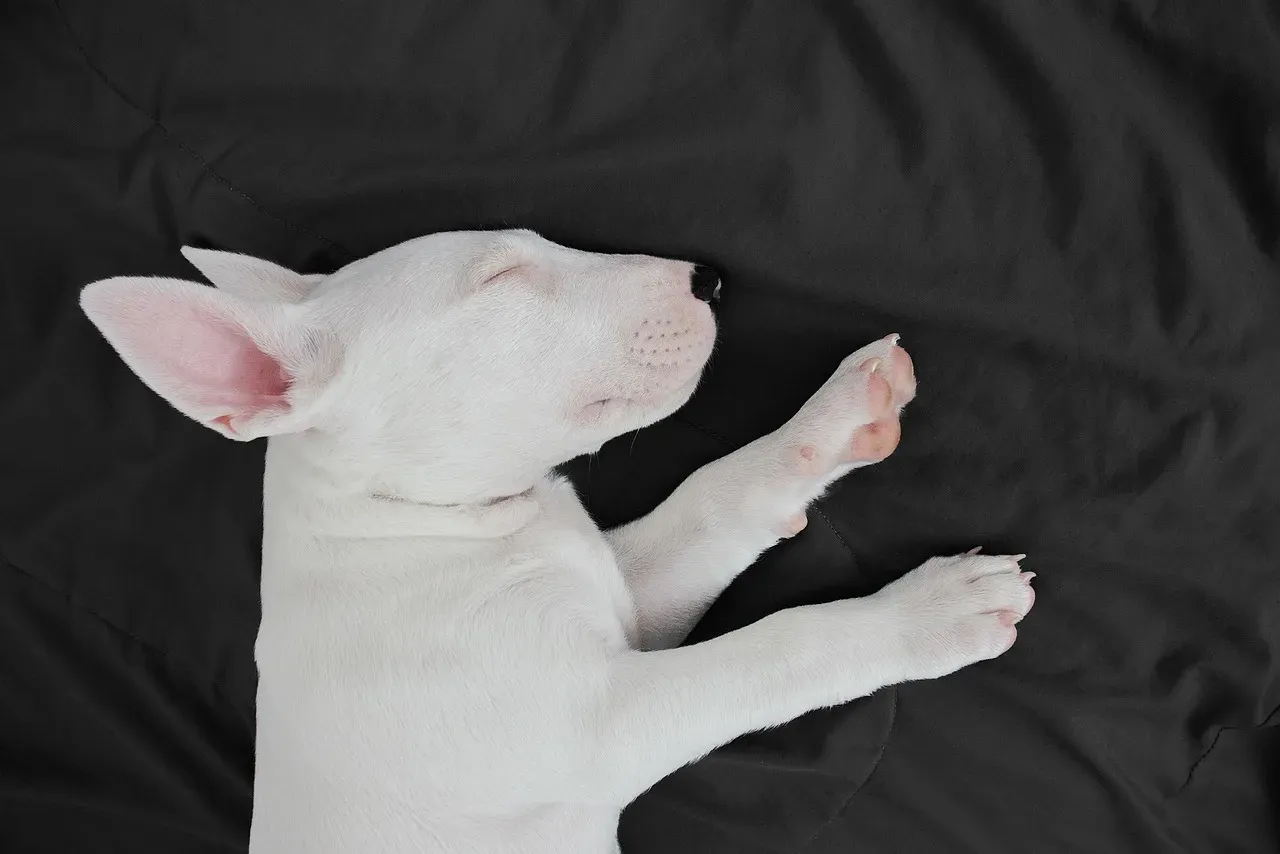
When your dog flops onto their side with legs stretched out, you’re witnessing one of the most relaxed positions possible. Lying on their side with their legs extended is one of the most common sleeping positions for dogs, and this sleeping position is especially prominent in puppies as well as older dogs who may be suffering from stiff joints.
When your dog sleeps on their side, it means they feel relaxed and safe in their environment. This position exposes vulnerable areas like their belly and vital organs, so they’d never choose it unless they felt completely secure. It’s also the position where dogs reach their deepest, most restorative sleep stages.
Senior dogs often gravitate toward this position because it’s gentle on aging joints. If your older pup suddenly stops sleeping this way, it might be worth checking with your vet about possible discomfort or arthritis.
Curled Up Tight: The Donut Position
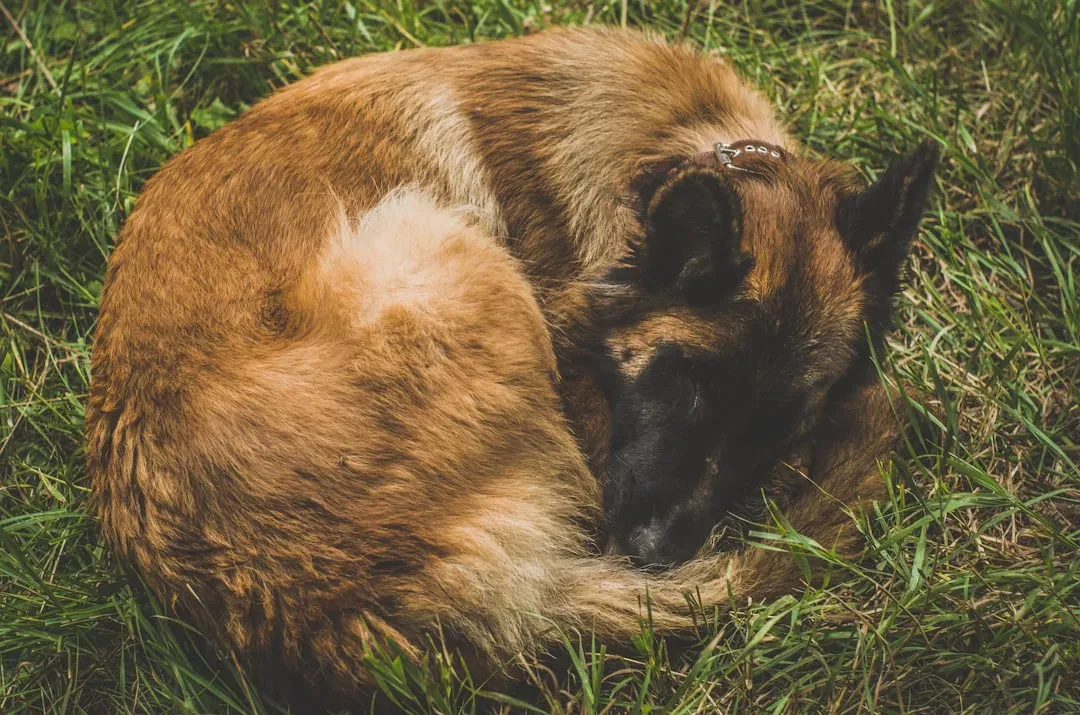
Picture a furry little cinnamon roll. Curled up in a tight ball, dogs in the donut pose have their limbs tucked close to their bodies, their nose near the tail. This is one of the oldest sleeping positions in the canine playbook, harking back to wild ancestors who needed to protect themselves and conserve body heat.
When a dog curls tightly into a ball, it’s usually to conserve warmth and protect vital organs, and this position is common during cooler weather or when they’re seeking a sense of coziness. It can also signal that your dog feels a bit vulnerable or is still adjusting to their surroundings. New rescue dogs often sleep like this until they settle in.
However, there’s an important health note here. “A dog that feels unwell might also be curled up in a ball,” so if this is an unusual position for your dog, keep an eye on them and consider scheduling a check-up with your veterinarian.
Belly Up: Maximum Confidence
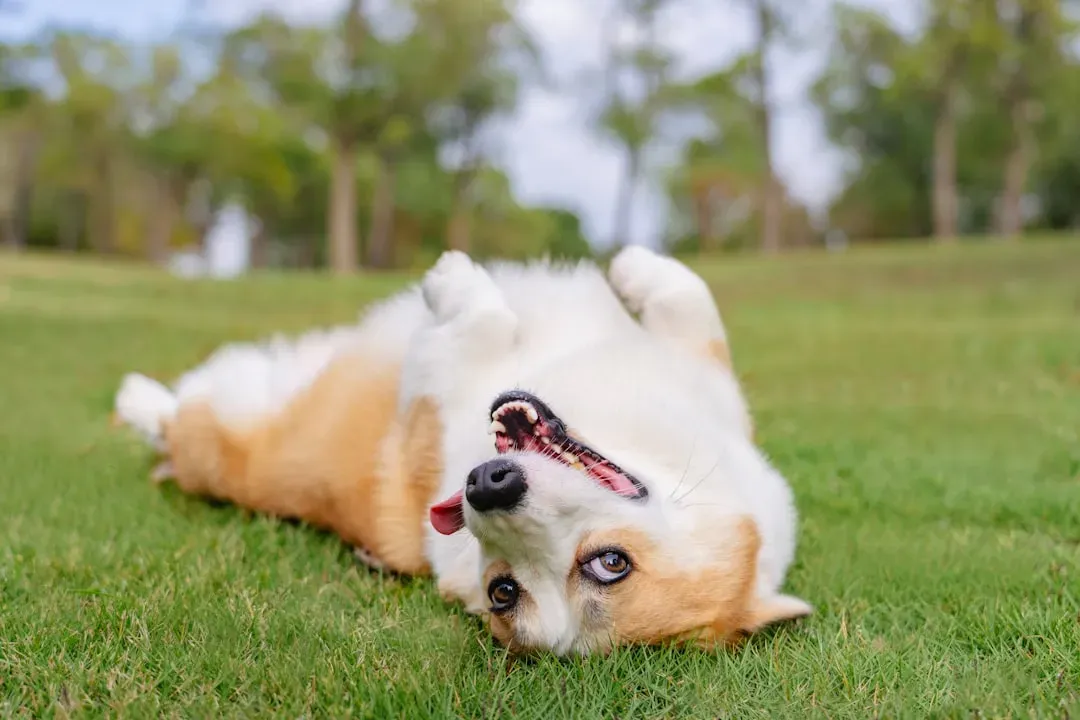
Let’s be real, this position is hilarious. Your dog is lying flat on their back with all four paws sticking up in the air like they just don’t care. When a dog sleeps flat on their back with their belly exposed, it’s a sign of total trust and comfort. This is vulnerability at its finest.
There’s also a practical reason beyond trust. “Dogs sweat through their paws and their belly is a source of heat. When they sleep on their back with their belly in the air and paws up, they are trying to keep cool.” So on warm days, this position doubles as a cooling mechanism.
Puppies and playful younger dogs love this position, though as dogs age they may shift away from it. As dogs age, they may switch to another posture, such as the side sleeper, since belly-up sleeping can put pressure on the spine.
The Lion’s Pose: Resting but Ready
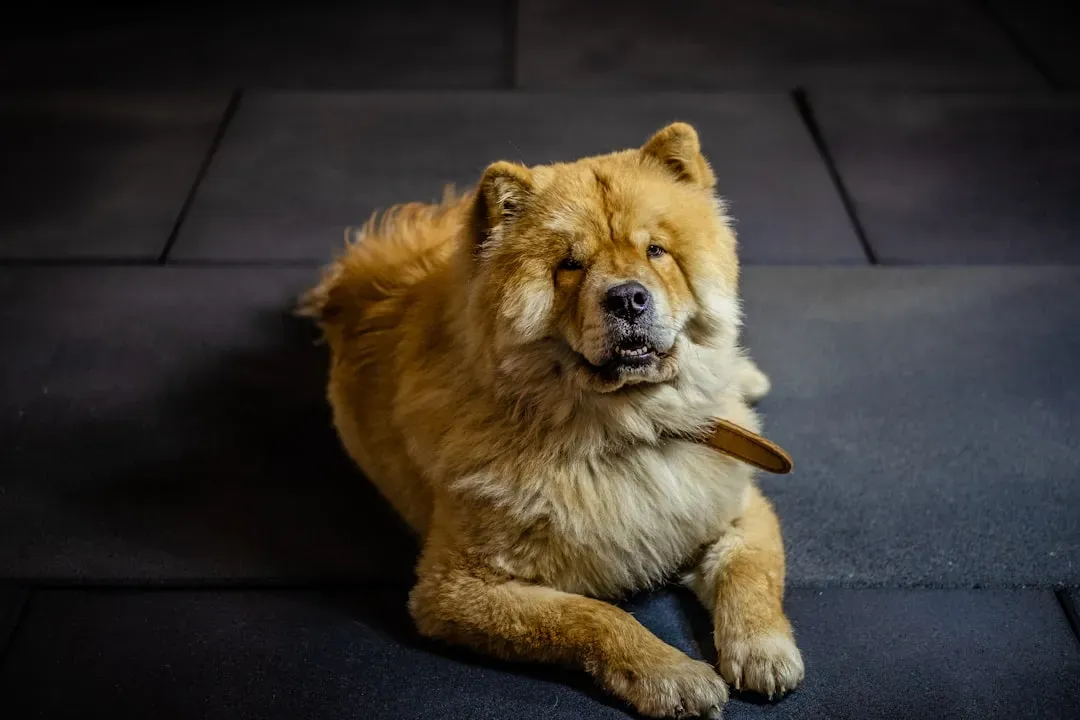
In the lion pose, sometimes called the sphinx pose, pups who are just falling asleep and want to stay alert might sleep belly down with their head perched on their front paws. It’s the position your dog takes when they’re not fully committed to deep sleep yet.
Experts suggest that when dogs sleep in the lion pose, it allows them to spring into action immediately if they need to. This doesn’t necessarily mean they’re anxious. Sometimes they’re just keeping half an eye on things, especially if there’s a newborn baby in the house or if they sense something interesting happening.
This dog sleeping pose may also indicate your pup is anxious and ready to jump up at a moment’s notice. If this becomes your dog’s default sleep position and they seem unable to relax into deeper sleep, it might signal underlying stress or discomfort worth addressing.
The Burrower: Seeking Comfort and Security
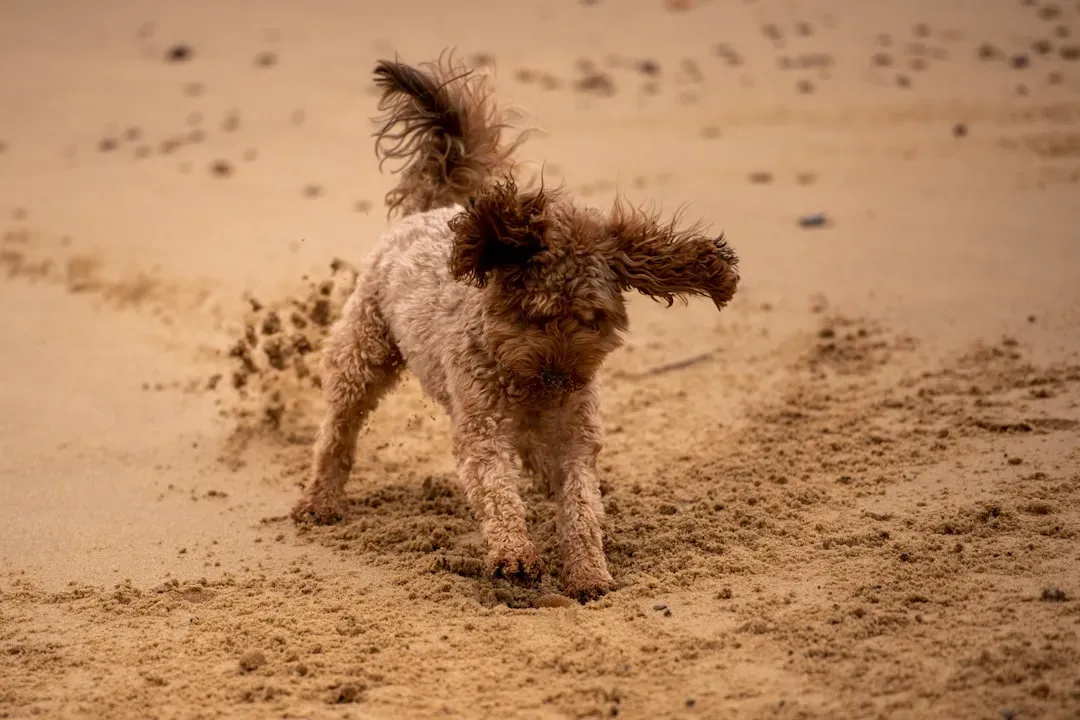
Does your dog dig under blankets, pillows, or even dirty laundry to sleep? That’s the burrower position, and it’s utterly endearing. The Burrower position means dogs are searching for comfort and security or could be trying to calm themselves down.
Choosing a tight or sheltered space mimics a den environment and makes dogs feel safe and hidden, and it’s a comforting choice for dogs seeking security or solitude, especially if trying to sneak a nap during the day inside an active household. Certain breeds like Dachshunds and Terriers were historically bred to dig into dens, so burrowing is practically in their DNA.
Temperature also plays a role here. If it’s chilly, your dog might burrow simply to stay warm. Offering a cozy blanket or heated bed can make them feel extra secure and comfortable.
The Cuddler: Love and Bonding
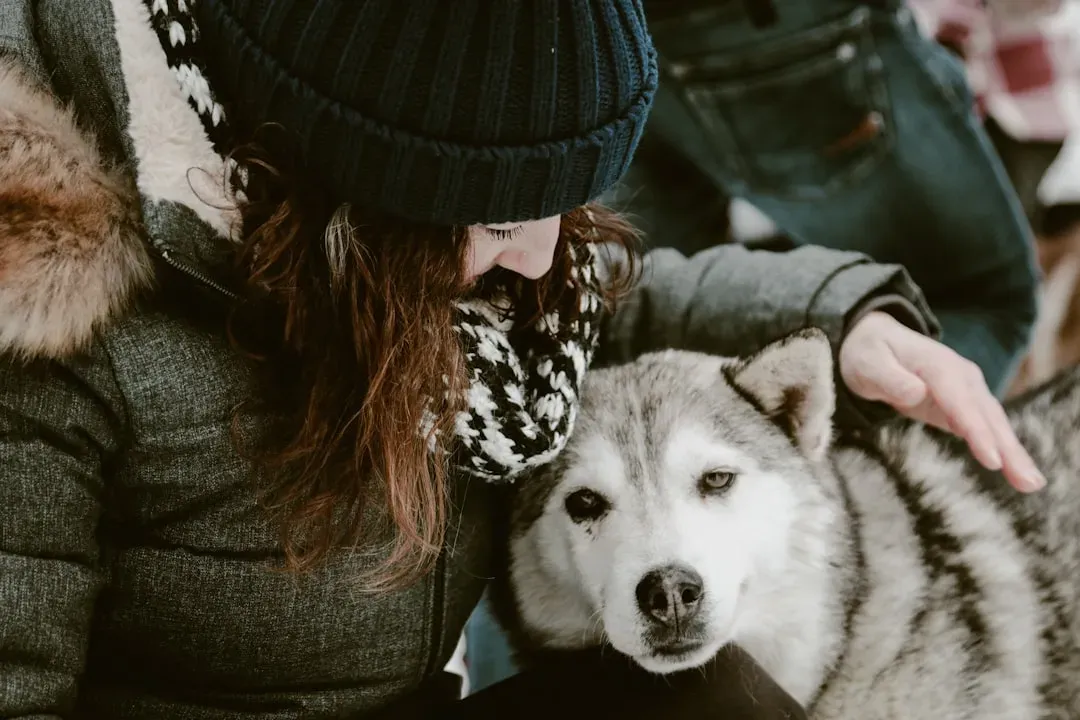
When your dog chooses to sleep pressed up against you, another dog, or even the cat, that’s pure affection. This sleeping position is a sign of affection and bonding, and it suggests that your dog wants to get closer to a person or another dog and is comfortable around them.
If your pup likes to sleep with you, it means they feel secure and comfortable with you. When your dog was a puppy, they cuddled up with their littermates for warmth and comfort, so now they want to do the same with their people. It’s a beautiful throwback to their earliest days and a sign of deep trust.
Some dogs sleep back to back with their owners or other pets. When dogs sleep back-to-back, it can signal that they have deep trust in their other “pack” members, and from a dog’s perspective, this means that they are trusting the other (dog or person) to help protect them. They’re basically saying, “I’ve got your back, and you’ve got mine.”
Conclusion
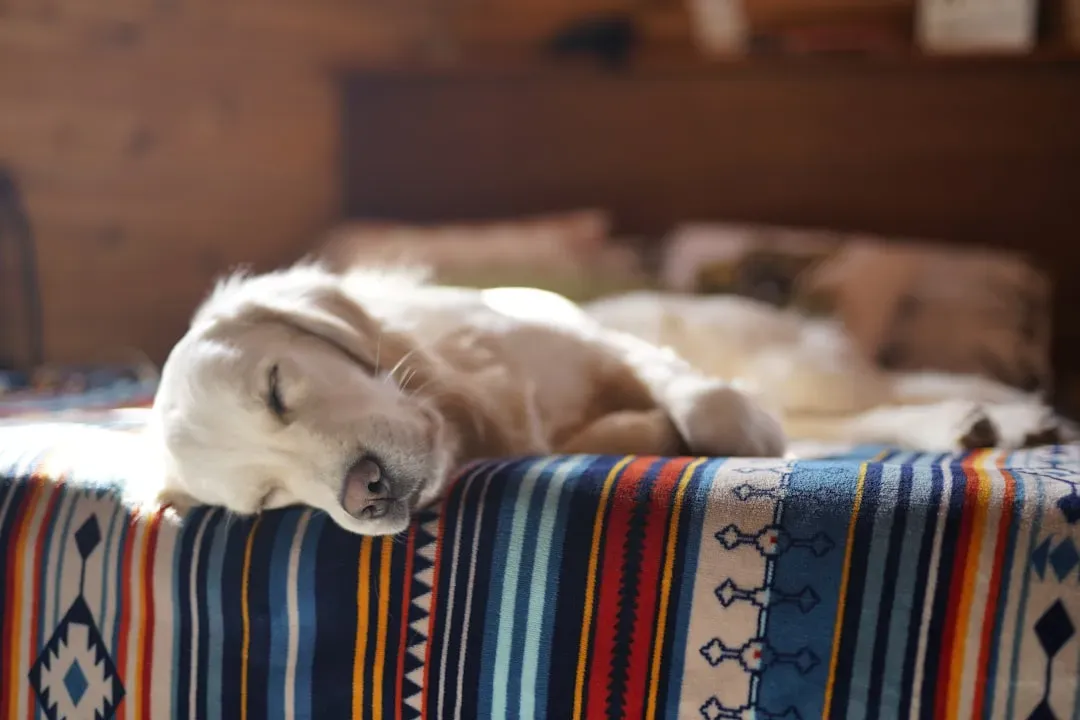
Paying attention to how your dog sleeps gives you valuable insights into their emotional and physical wellbeing. From the confident belly-up sprawl to the protective donut curl, each position tells a story. Changes in sleeping habits can signal everything from temperature preferences to emerging health issues, so staying observant really matters.
The beautiful thing is that most sleeping positions simply reflect comfort, trust, and contentment. When your dog snoozes peacefully in your presence, whether stretched out or curled tight, they’re telling you they feel safe. What could be more rewarding than that?
So next time you catch your furry friend in a funny sleeping position, snap that photo, but also take a moment to appreciate what they’re communicating. Have you noticed your dog favoring a particular position? Share your observations in the comments!


