
Picture this. You’ve been working on the “sit” command with your dog for weeks. She does it perfectly at home, every single time. Then you take her to the park and she stares at you blankly, like you’re speaking an entirely foreign language. You call her name, she turns away. You repeat the command, louder this time. Nothing. Sound familiar?
Here’s the thing most dog owners don’t realize until much later: that’s not defiance. That’s a dog trying to tell you something. The word “stubborn” is one of the most overused, misunderstood labels in the dog-loving world. Peel it back and you’ll find confusion, fear, stress, or simply a mismatch in how we communicate. This article is your guide to finally hearing what your dog has been saying all along. Let’s dive in.
The Stubborn Label Is Doing Your Dog a Disservice
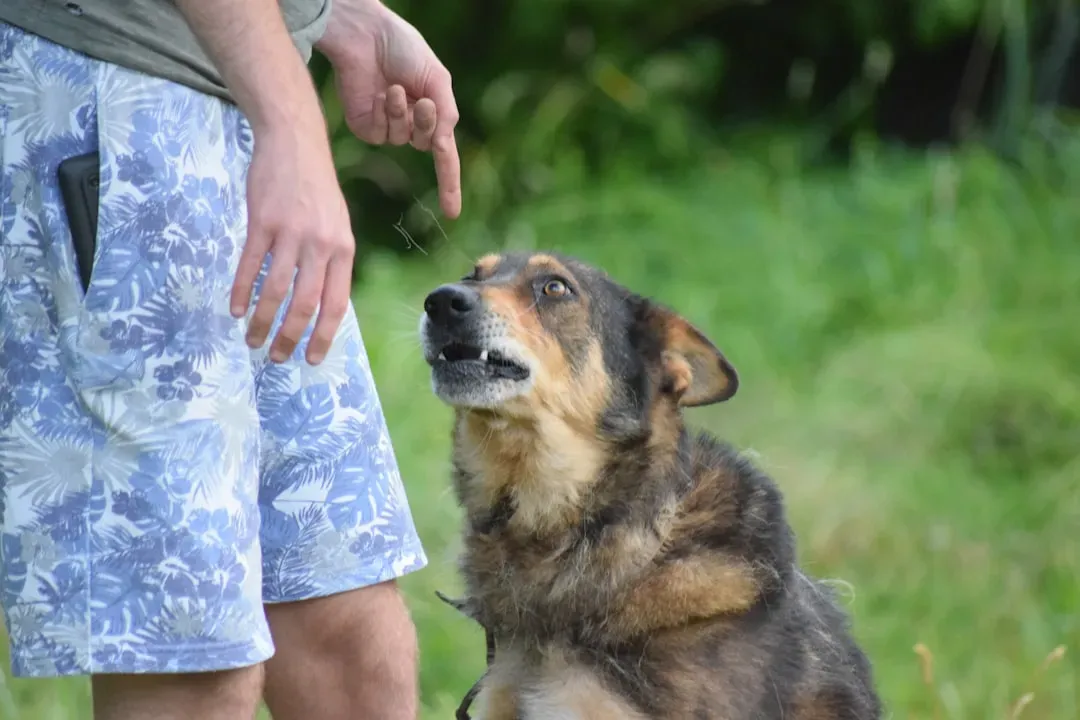
What appears to be stubborn behavior is often a communication breakdown between humans and canines. It feels personal, like your dog is deliberately choosing chaos over cooperation. Honestly, I get it. But labeling a dog “stubborn” shuts down the conversation before it even begins.
Too often people interpret their dog’s behavior through a human lens, and that’s most apparent when their dog doesn’t listen or obey cues. Think about it this way: if someone gave you directions in a language you’d never heard, would you be “stubborn” for not following them? Of course not. You’d be confused. Your dog is no different.
Your dog’s “stubbornness” is actually a misunderstood signal. When we label a dog as “stubborn,” we’re often missing the real story underneath the behavior. Once you shift that perspective, everything changes. The frustration softens, the connection deepens, and real progress becomes possible.
What Your Dog Is Actually Trying to Tell You
Dogs are complex creatures with rich emotional lives, and their expressions often carry deeper meanings. Understanding why your dog acts out can transform not just your relationship with them but your overall well-being. Instead of viewing these moments as misbehavior, consider them a form of communication, a way for your dog to express feelings they can’t articulate in words.
Unlike in people, canine body postures and scent cues are significant components of dog language, and vocal communications are less significant. People are listeners; dogs are watchers. So when your dog looks away, yawns, or licks their nose in the middle of training, they’re not being rude. They’re talking to you.
People yawn when they’re tired or bored, but dogs yawn when they’re stressed. Dogs use yawning to calm themselves in tense situations and to calm others, including their owners. A raised paw, a tucked tail, a sudden sniff of the ground: these are your dog’s quiet, polite requests for space and understanding. Learning to read them is one of the most powerful things you can do as a dog parent.
Fear and Anxiety Hide Behind ‘Bad’ Behavior
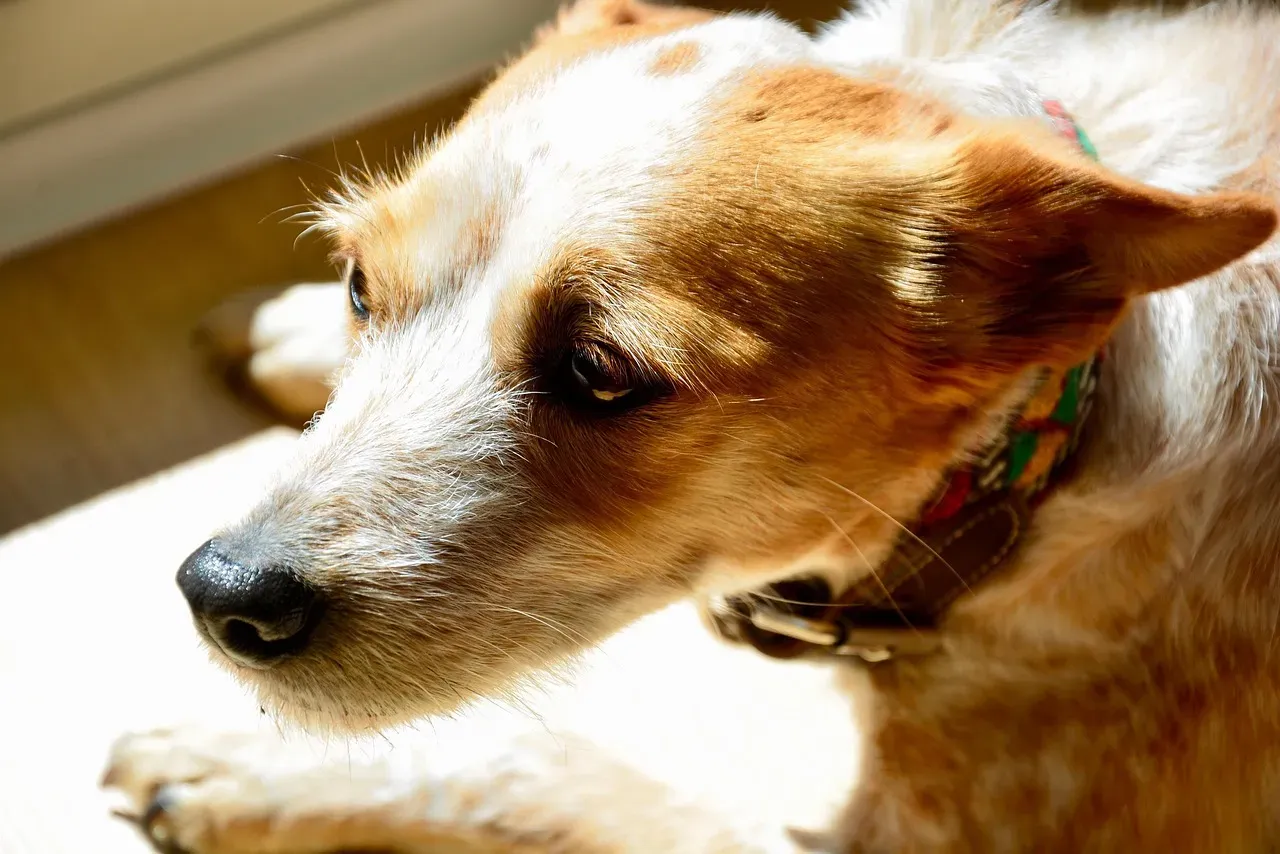
Fear and anxiety are emotional states, not obedience problems. You simply can’t train a dog out of an emotion using commands alone. This is something even experienced owners get wrong, and it’s not their fault. Nobody teaches us this stuff at the shelter when we first bring our pups home.
Anxiety, fearfulness, impulsivity, and poor canine communication skills can be the result of genetics, lack of early socialization, or negative experiences and can be compounded by learning. What looks like your dog “acting out” on the walk home from the groomer might actually be a stress response you’ve never noticed before.
Owners are often told that obedience will build confidence. In reality, obedience without emotional safety builds suppression, not confidence. Dogs are taught to hide their emotions while their inner anxiety and fear get worse. A dog who silently complies while internally panicking isn’t a well-trained dog. They’re an overwhelmed one. The goal is always emotional safety first, behavior second.
Breed Instincts and Environment: The Hidden Influencers
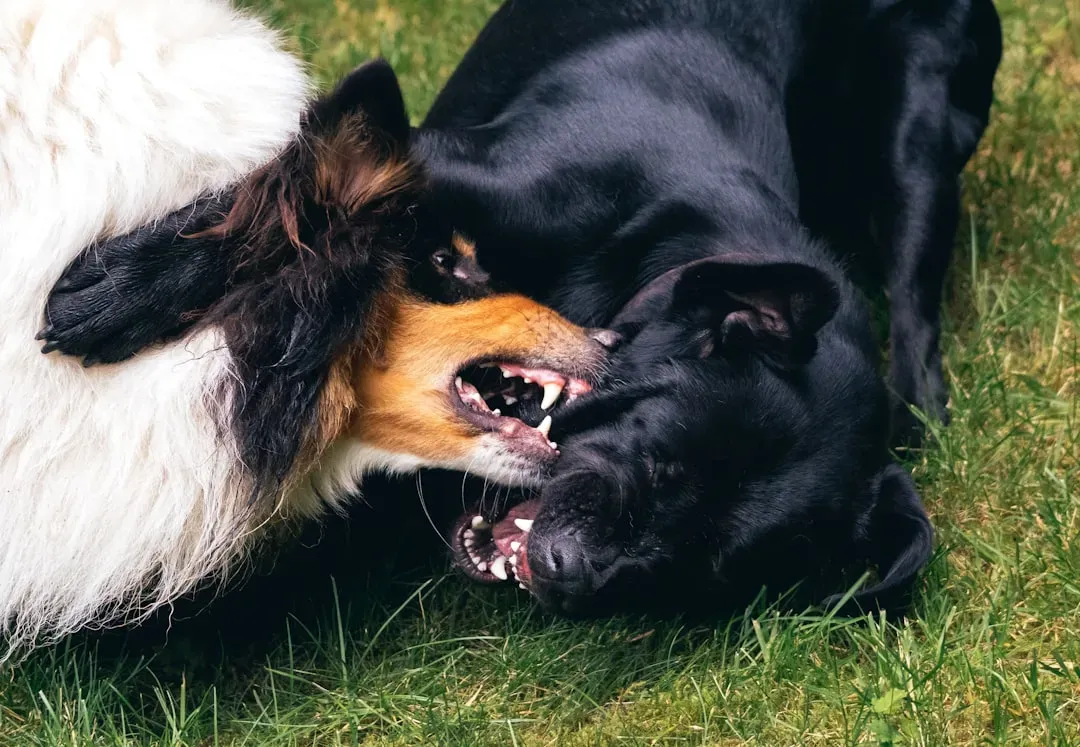
Some breeds have been historically labelled as more “independent” or “stubborn,” like huskies, basenjis, or terriers. But these are just different working styles, not character flaws. A terrier was bred to make quick decisions underground without checking in with a human. That’s not defiance. That’s instinct.
Dogs who perform well at home but struggle in new environments aren’t being stubborn. They’re overwhelmed by new stimuli and haven’t learned to generalize their training across different settings. Imagine acing a test in a quiet classroom, then failing the exact same test in the middle of a loud concert. Same knowledge, totally different result. That’s your dog at the dog park.
Dogs learn through association and repetition, but they also rely heavily on context clues. When we change locations, our tone of voice, or even our body position, dogs might not recognize that we’re asking for the same behavior they’ve practiced hundreds of times before. So before you chalk it up to stubbornness, ask yourself: have you actually practiced this in this environment before?
How to Respond With Empathy and Actually Get Results
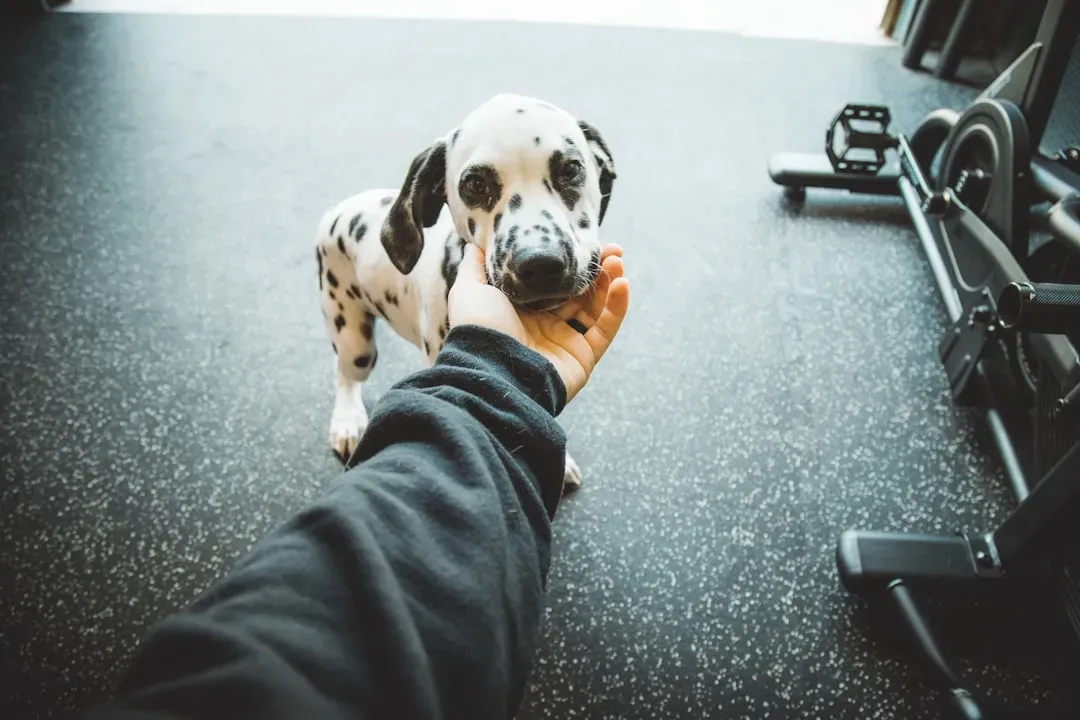
Instead of asking, “How do I get my dog to listen?” a better question is, “Why doesn’t my dog feel safe right now?” When we prioritize making the dog feel safe, behavior changes naturally follow. That single reframe is worth more than a hundred repetitions of a command your dog doesn’t yet trust.
The kinder, gentler way to work with your dog is with positive reinforcement training methods. Dogs trained using positive reinforcement have been found to be more optimistic and resilient. The use of positive reinforcement can help build the dog’s confidence and strengthen the human-animal bond. Rewarding small wins, staying calm, and keeping sessions short goes further than you’d ever imagine.
Sometimes your dog can be a source of stress, but whatever the reason, if you’re feeling frustrated, your bad mood will shut down your dog and make it difficult for them to listen or learn. What might seem like stubborn behavior is actually your dog reacting to your tone of voice and body language. Take a breath. Dogs are emotional mirrors. The calmer you are, the calmer they become.
A Final Thought Worth Sitting With
Your dog has never once woken up and thought, “Today I’m going to drive my human absolutely crazy.” That’s not how they operate. Every so-called stubborn moment is a window into something deeper: a gap in communication, a flicker of fear, an instinct fired by centuries of selective breeding, or simply a world that moved too fast for them today.
Untrained or misunderstood behavior is not a sign of a bad dog. It is simply a sign that they have not yet learned what is expected. By understanding their actions as communication, not mischief, you can build a stronger, more respectful bond. That bond, honestly, is the whole point of having a dog in the first place.
So the next time your pup stares at you instead of sitting on command, resist the label. Get curious instead. Ask what they need. Nine times out of ten, the answer will teach you something beautiful about both of them, and yourself. What would your relationship with your dog look like if you started listening as hard as you’ve been talking?


