
Picture this: you ask your dog to sit, and he just stares at you. You ask again. Nothing. You ask a third time with rising frustration, and he wanders off to sniff a corner like you don’t even exist. Sound familiar? Most dog parents have been there, and the word “stubborn” comes flying out before you can stop it.
Here’s the thing though. What if your dog isn’t being difficult at all? What if that moment of refusal is actually a window into something deeper, something your dog is desperately trying to communicate but simply lacks the words for? Understanding what’s really happening beneath the surface could completely change how you see your dog, and honestly, how you care for them. Let’s dive in.
The Word ‘Stubborn’ Is Actually Getting in the Way
When a trainer hears the word “stubborn,” the very first question they ask is: what exactly does that look like, and when does it happen? Because “stubborn” is really just a label, one that can describe so many different behaviors in so many different contexts. Slapping that label on your dog is a bit like a doctor writing “sick” on a patient’s chart and calling it a day. It tells you nothing useful.
By thinking of your dog as stubborn, you may totally miss that your dog was trying to avoid something, was in pain, or simply didn’t know what you wanted. The label stops the investigation before it even begins. And that, honestly, is where a lot of loving dog owners accidentally let their dogs down.
Your Dog May Be in Pain and Hiding It Brilliantly
This one surprises people every single time, and I think it’s one of the most important things you’ll ever read about your dog. If your dog stops performing a behavior that he has been well-trained on, check for physical injuries first. His “stubbornness” might be the only way he has of telling you he is in pain.
Think about how a dog who has always happily jumped into your car suddenly hesitates at the door. If a dog has a soft tissue injury, she may be hesitant to jump in the car when asked because she knows it’s going to hurt. That is just the dog protecting itself; it is not trying to be disobedient or hard-headed. Even something as small as less serious discomfort may also influence a dog’s behavior. For example, if a dog finds laying down on hardwood floors uncomfortable, he may stay standing when you ask him to “down.”
Watch for these physical health cues: reluctance to sit or lie down, moving slowly or stiffly after rest, yelping when touched in certain spots, or avoiding stairs. If there is a sudden behavior change, definitely rule out any underlying health issue that could be the root cause.
Fear, Stress, and Anxiety Can Completely Shut a Dog Down

Let’s be real. We’ve all had moments where we were so anxious or scared that we couldn’t think straight. Your dog experiences exactly the same thing. When stress happens, the thinking part of the brain shuts down and the emotional part takes over. When your dog is so stressed he can’t think straight, it’s unfair to blame him for not doing what you ask.
A fearful or anxious dog may shut down and ignore commands as a coping mechanism. They may feel overwhelmed or uncertain about how to respond. The trigger might not even be obvious. Sometimes what is creating fear or stress may not be obvious. It could be a certain sound that worries your dog. Or the way you lean into their space when you’re trying to take a cute photo might stress her out and cause her to look away or get up.
Key anxiety and stress body language cues to watch for include: lip licking, yawning, turning away, stiffening, or pinned ears. These are your dog’s early warning system. Catching them before things escalate is everything.
Your Dog Might Simply Not Understand What You’re Asking
This is probably the most humbling truth on this list, and I say that with total warmth. Imagine you’re visiting a different country for the first time, and you don’t know the language or the culture. You’re going to make a lot of mistakes as you try to fit in. And if the locals yell at you with unfamiliar words, will that make you any more likely to understand? Of course not. Your dog doesn’t speak your language or know your rules until you teach them.
Here’s something that blows most people’s minds. You might think your dog knows a behavior, but has it been taught that behavior in many places, or among distractions? Dogs are pretty bad at generalizing, and simply teaching a dog a behavior in one place doesn’t mean it will understand how to do that behavior in multiple environments. So the dog who sits perfectly in your kitchen may genuinely not understand “sit” at the park. It’s not defiance. It’s a completely logical gap in their learning.
Successful training goes beyond just the basics and involves introducing your dog to a variety of environments and distractions. A dog who obeys in the quiet of your home but ignores commands at a busy dog park likely needs more generalized training, not correction for stubbornness.
How You Respond Makes All the Difference
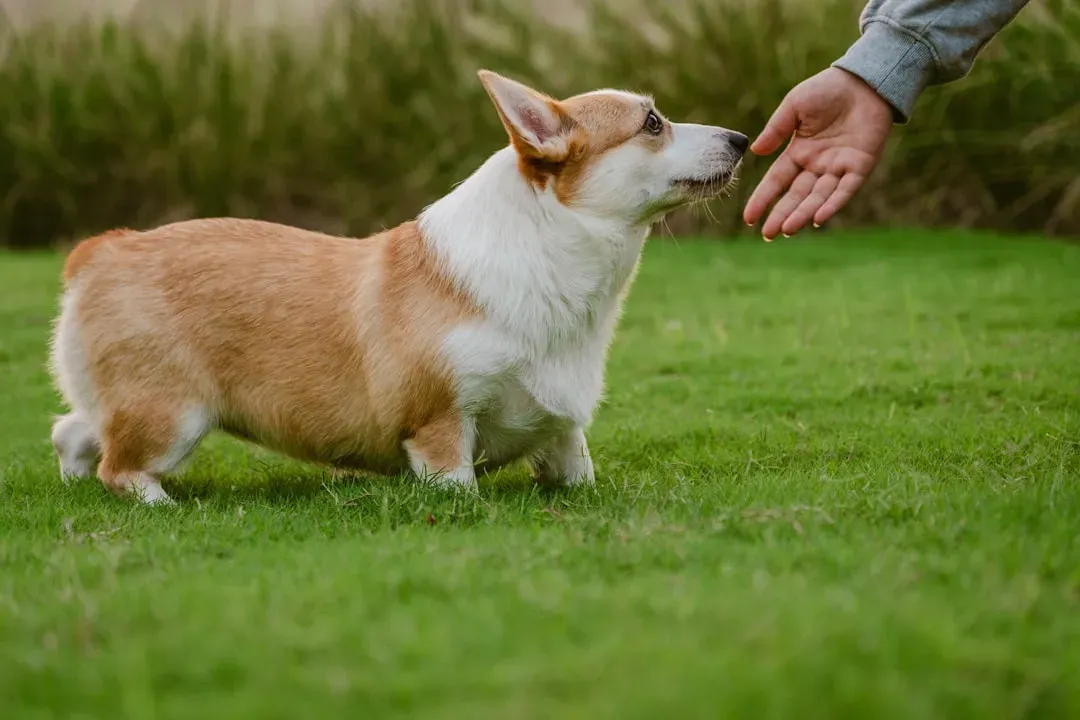
Once you understand what’s really going on, you start to realize something beautiful: you have enormous power to help. The way you show up for your dog in these moments shapes everything. If you’re feeling frustrated, your bad mood will shut down your dog and make it difficult for them to listen or learn. What might seem like stubborn behavior is actually your dog reacting to your tone of voice and body language.
Practically speaking, there are things you can do starting today. When training a dog that isn’t responding well, keep sessions short and sweet. These dogs can get bored faster than a kid in a museum, so it’s essential to make training engaging. Use plenty of positive reinforcements, like treats and praise, to motivate them. Think of rewards not as bribes, but as a shared language. You’re essentially saying, “Yes, that’s exactly what I meant. Good job.”
Always teach your dog with the most positive strategies, allowing for choice as much as possible. Teach your dog that good things happen when they do the behaviors you want. That mindset shift, from “my dog must obey” to “how can I make this worth my dog’s while,” changes the entire relationship.
Conclusion: Your Dog Is Always Telling You Something
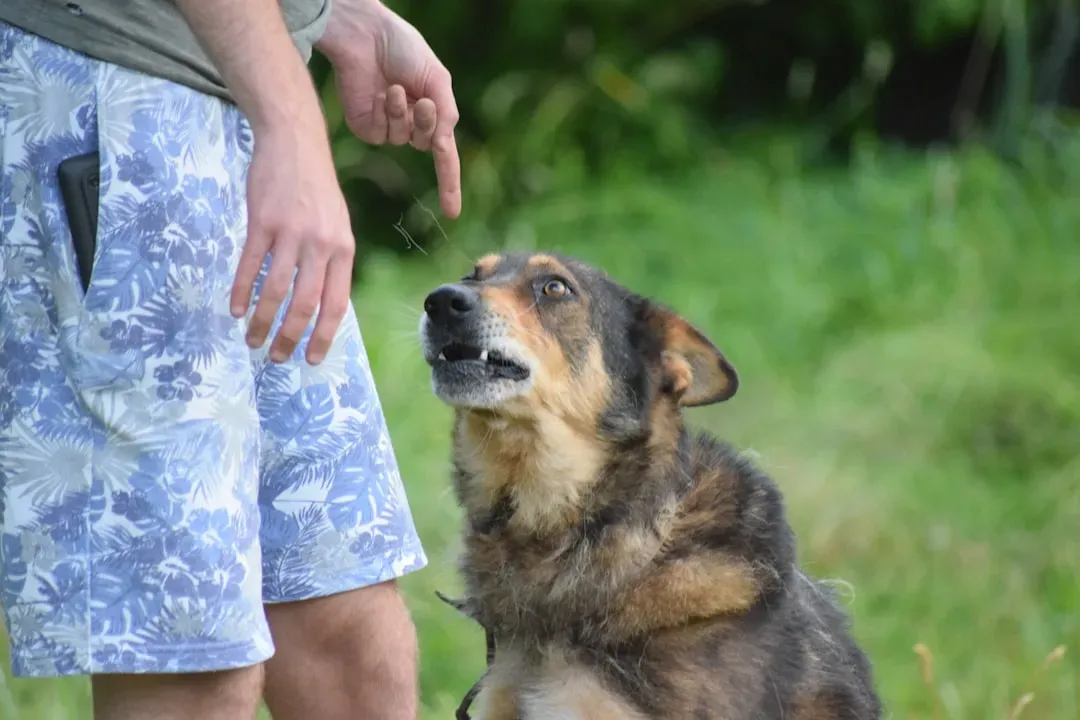
There is something deeply moving about reframing what we call stubbornness. What many people experience as “stubborn” is actually often a form of communication. Behavior that deviates from what we’re used to stands out. Your dog isn’t plotting against you or trying to dominate the household. They’re speaking in the only language available to them.
Your relationship with your dog will be so much happier when you stop characterizing them as stubborn and realize how you can help them be more responsive to your behavior requests. Every moment of “refusal” is an invitation. An invitation to slow down, observe, and listen more deeply. Because when you do, you won’t just become a better dog owner. You’ll become a better friend to the creature who loves you without conditions.
The next time your dog stops in their tracks, pauses at the door, or stares blankly at your command, take a breath. Ask yourself: what is my dog trying to tell me right now? You might be surprised by what you hear. Drop your thoughts in the comments, we’d love to know what you’ve discovered about your own dog’s behavior.


