
You know that moment when your dog stares at you blankly, totally ignoring your command like you’re speaking a foreign language? That instant when you call them to come inside, and they turn their back, choosing the fascinating leaf pile instead. It’s frustrating, right? I know it sounds crazy, but what if I told you your dog isn’t being stubborn at all. What seems like deliberate defiance might actually be your pup trying desperately to communicate something you’re missing.
We’ve all been there, repeating a command six times before finally giving up. The truth is a bit uncomfortable for us as dog parents. Dogs rarely make an actual judgment to ignore our directives as often as we want to assume. Understanding what’s really happening behind those seemingly defiant eyes can transform your entire relationship with your furry best friend. Let’s dive in and decode what your dog is actually trying to tell you.
They Genuinely Don’t Understand What You’re Asking
Dogs often don’t understand that what we’ve asked them to do pertains to the situation they are in at the moment, and they simply don’t generalize very well, usually understanding how to perform specific behaviors in specific locations with specific cues. Think about it like learning a new language while visiting a country where everyone expects you to already be fluent.
Your dog might sit perfectly in the kitchen where you always practice, standing directly in front of them with a treat visible. Yet ask them to sit in the park with distractions everywhere, and suddenly it’s like they’ve never heard the word before. They think “Sit” means “Sit in the kitchen,” and when asked to sit in the living room, they don’t sit because it’s not the kitchen, needing help to generalize the behavior.
The dog’s attention to its handler and the handler giving additional verbal information preceding the actual verbal command are associated with a significant decrease in obedience. Maybe you’re accidentally confusing them by saying too much. We humans love to chat, explaining ourselves in full sentences when our dogs are waiting for that one clear cue.
Your Body Language Is Betraying Your Words
Here’s the thing. Dogs are non-verbal animals who excel at reading subtle changes in body language and facial expressions, including tone of voice and body tension, and will always believe your body language. When you’re nervous, distracted, or secretly doubting whether your dog will listen, they pick up on every signal.
If you are nervous, unsure, awkward, distracted, or preoccupied when giving a command, it’s going to lead to confusion. Your dog reads the hesitation in your shoulders, the uncertainty in your stance. They’re watching you far more carefully than you realize. It’s like having someone tell you they’re fine while their face screams panic.
Your tone matters too. Even your tone of voice can matter, and if you usually give cues with a happy voice but your emotional state causes your voice to sound different, your dog may not understand. Consistency isn’t just about words or timing; it’s about the entire package you’re presenting.
Something Physical Is Wrong
This one hits hard because we miss it so often. Sometimes a dog just physically can’t do what we ask them to, and it’s not normal for a dog that previously performs well to suddenly resist doing what he’s done many times before. Pain doesn’t always look dramatic. Dogs are masters at hiding discomfort, evolved from wild ancestors who couldn’t afford to show weakness.
Your dog could be in pain or have another medical issue that makes the behavior you are asking for difficult to do. Maybe their joints ache when sitting. Perhaps that reluctance to jump in the car stems from hip pain, not defiance. Dogs can exhibit excessive reactivity and anxiety that initially seem purely behavioral but can stem from undiagnosed physical pain, such as conditions like discospondylitis.
If an underlying medical condition is causing or exacerbating the change in your dog’s behavior, leaving that condition untreated means any training and behavior efforts will be far less effective or altogether unsuccessful. Before you label your dog stubborn, schedule that vet appointment. Seriously.
Fear and Stress Are Shutting Down Their Brain
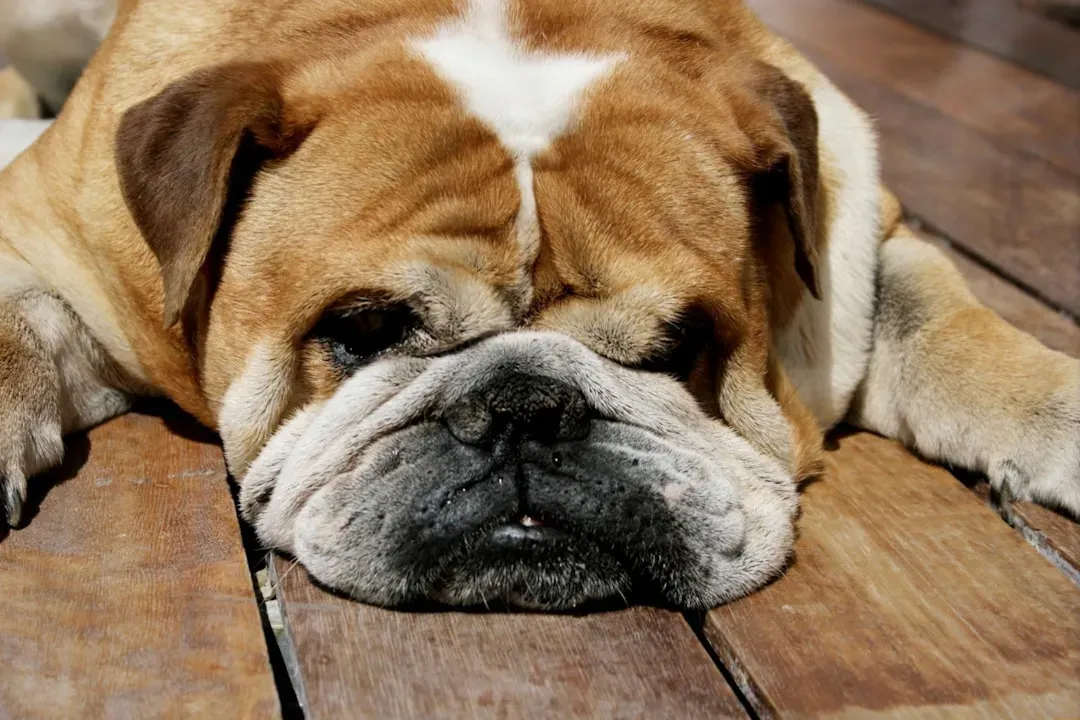
When stress happens, the thinking part of the brain shuts down and the emotional part takes over, and when your dog is so stressed he can’t think straight, it’s unfair to blame him for not doing what you ask. Imagine trying to solve a math problem while someone’s yelling at you. That’s your dog during high-stress moments.
Dogs often show fearful or submissive body language including pulled back ears, lowered bodies, tucked tails, and avoided eye contact, which is often surprisingly described as stubborn when the dog is clearly afraid. What looks like ignoring you might actually be freeze response. They’re too overwhelmed to process anything.
A dog cannot learn when they’re in a heightened state of arousal because it’s cognitively not possible; your dog isn’t being stubborn, they’re struggling. Distance becomes your best friend here. Creating space from whatever trigger is overwhelming them allows their nervous system to settle before expecting any response.
You’ve Accidentally Rewarded the Wrong Behavior
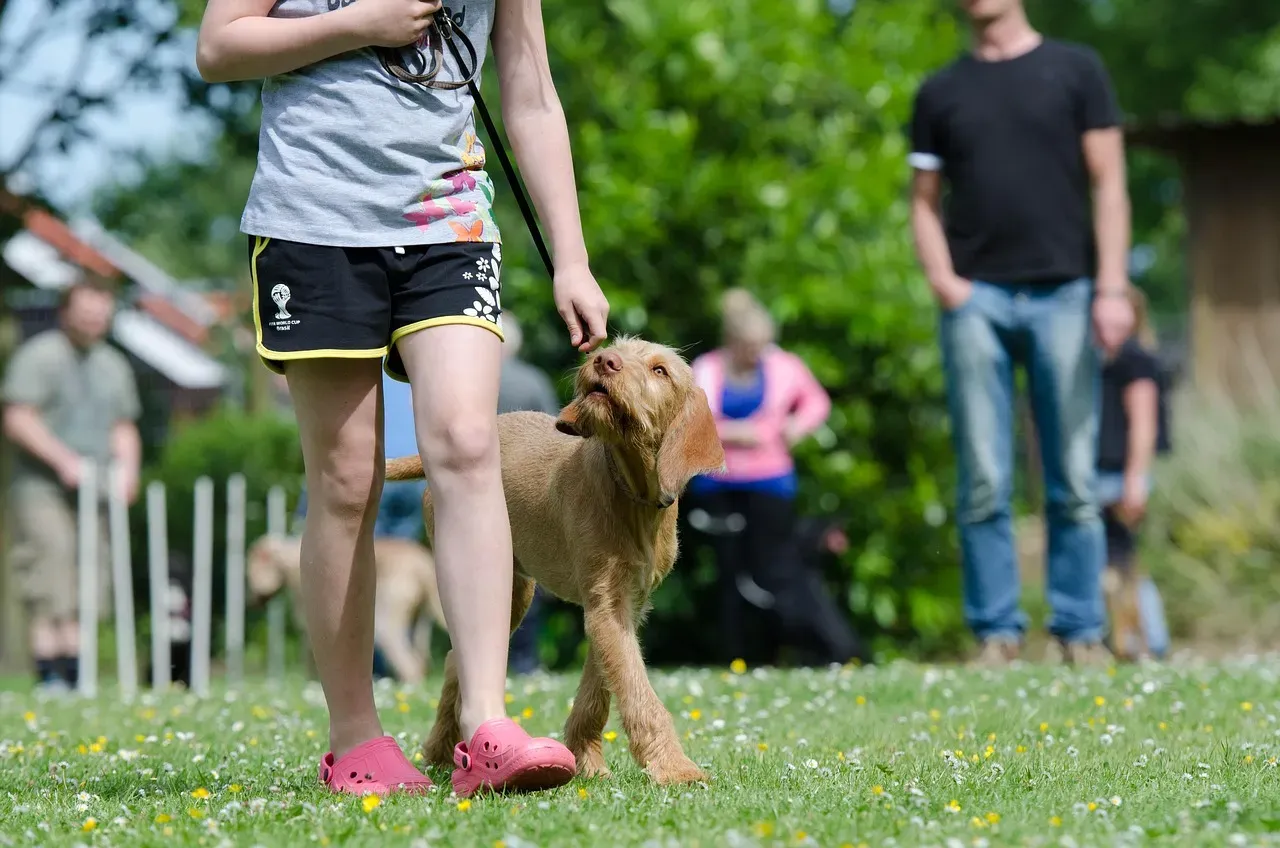
Let’s be real, we’ve all done this. If your dog gets more attention for not obeying than for obeying, his performance will get less reliable, and if your dog behaving badly gets you to suddenly notice him or chase him, your dog is likely to repeat the bad behavior. That moment when your dog steals your sock and you chase them around the living room? Congratulations, you just played the best game ever from their perspective.
You may have inadvertently taught your dog that leaning over, lowering your hand and saying ‘lay’ is the cue for laying down, so when you stand and ask them to ‘lay,’ they don’t understand, or maybe when you ask your dog to sit and they stand looking at you, you then pull out a treat and lure them into a sit, reinforcing standing and looking at you.
We think we’re being persistent, but we’re actually creating confusion. Timing is everything in the dog training world. The reward needs to come exactly when the desired behavior happens, not three seconds later after they’ve already moved on to something else. Dogs live in the immediate moment.
They’re Simply Not Motivated Enough

Humans don’t work for free either and don’t enjoy working for a boss who is a jerk, and if you think your dog should work without treats, imagine how hard you would work without a paycheck. That comparison always makes me smile because it’s so true. Why should your dog perform for kibble they’ll get anyway or lukewarm praise they barely notice?
Dogs are ultimately self-interested little beings who do what seems most interesting to them at that time. If sniffing that bush is more rewarding than coming when called, guess what they’re choosing? The bush wins every single time. You need to become more interesting than the environment, which honestly isn’t easy when there are squirrels involved.
Certain breeds are generally absorbed by other things like Bloodhounds being ruled by their noses, or have been developed to have an independent personality like terriers, and you simply need to work even harder to motivate your dog and teach them it’s worthwhile to listen to you. Some dogs were literally bred to make independent decisions. They’re not being stubborn; they’re being exactly what humans created them to be. Acknowledging your dog’s natural drives changes everything about how you approach training.
Conclusion
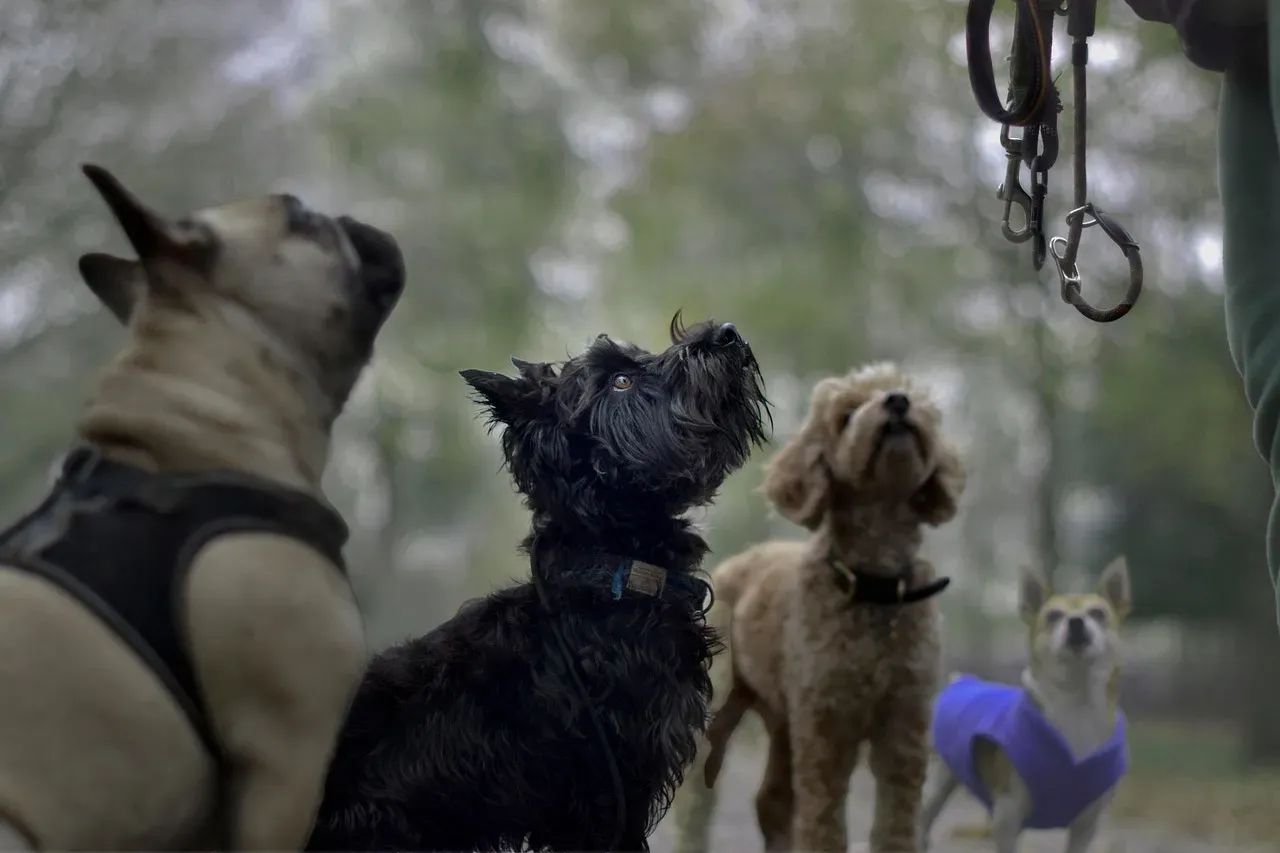
The label “stubborn” does our dogs such a disservice. It’s patently unfair to label a dog as stubborn because dogs do what works for them, and when they aren’t doing what we ask, they have a good reason. Every single time your dog doesn’t respond, they’re telling you something valuable if you’re willing to listen.
Your relationship with your dog will be so much happier when you stop characterizing them as stubborn and realize how you can help them be more responsive to your behavior requests. It requires patience, observation, and honestly, a willingness to examine our own role in the communication breakdown. Dogs aren’t giving us the cold shoulder to spite us. They’re just trying to navigate a human world with a dog brain.
The next time your pup ignores you, take a breath. Ask yourself whether they truly understand what you want, whether something might be hurting, or whether fear has hijacked their ability to think. What breakthrough might you discover when you stop fighting your dog’s stubbornness and start listening to what they’re really saying?


