
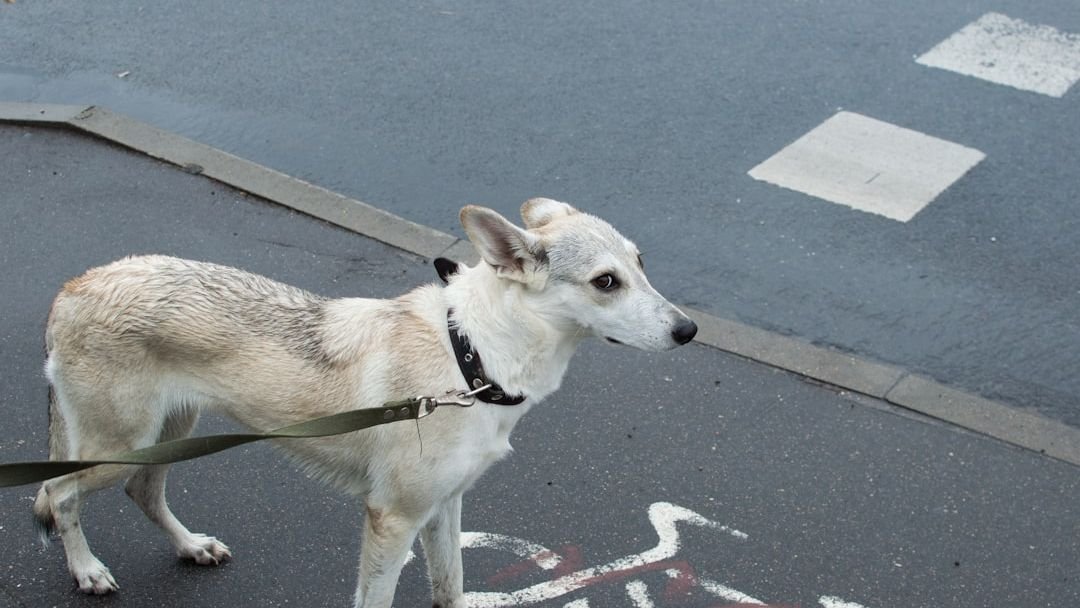
Have you ever called your dog to come and watched them just… stare at you? Or maybe they sit when you ask for down, looking at you with what seems like total defiance. It’s easy to label them as stubborn or willful. We’ve all been there, standing in the backyard feeling frustrated while our furry friend seems determined to do the exact opposite of what we’re asking.
Here’s the thing, though. What we call stubbornness is rarely about defiance at all. Dogs aren’t plotting against us or trying to test our patience. Most of the time, that puzzling behavior we’re seeing is actually confusion. They genuinely don’t understand what we want, or they’re stressed, scared, or simply haven’t learned the behavior as well as we thought. Let’s explore what’s really going on in your dog’s mind and how we can bridge that communication gap.
The Myth of the Stubborn Dog

When you call a dog stubborn, it implies that the issue is with the dog rather than the training approach, which can prevent us from recognizing that the dog may be confused, unmotivated, or struggling to understand what’s expected. Think about it from their perspective. Dogs don’t wake up thinking about how they can irritate us today. They’re not capable of that kind of calculated rebellion.
Stubborn behavior is often due to fear, confusion, or a lack of motivation. Your dog might refuse to come when called because they associate that command with the end of playtime, not because they’re being deliberately difficult. Dogs are often labeled as stubborn when in reality there are many reasons why a dog would not do what is asked of them, and the most likely reason is because they don’t understand what you’re asking them to do.
Inconsistent Communication Creates Confusion
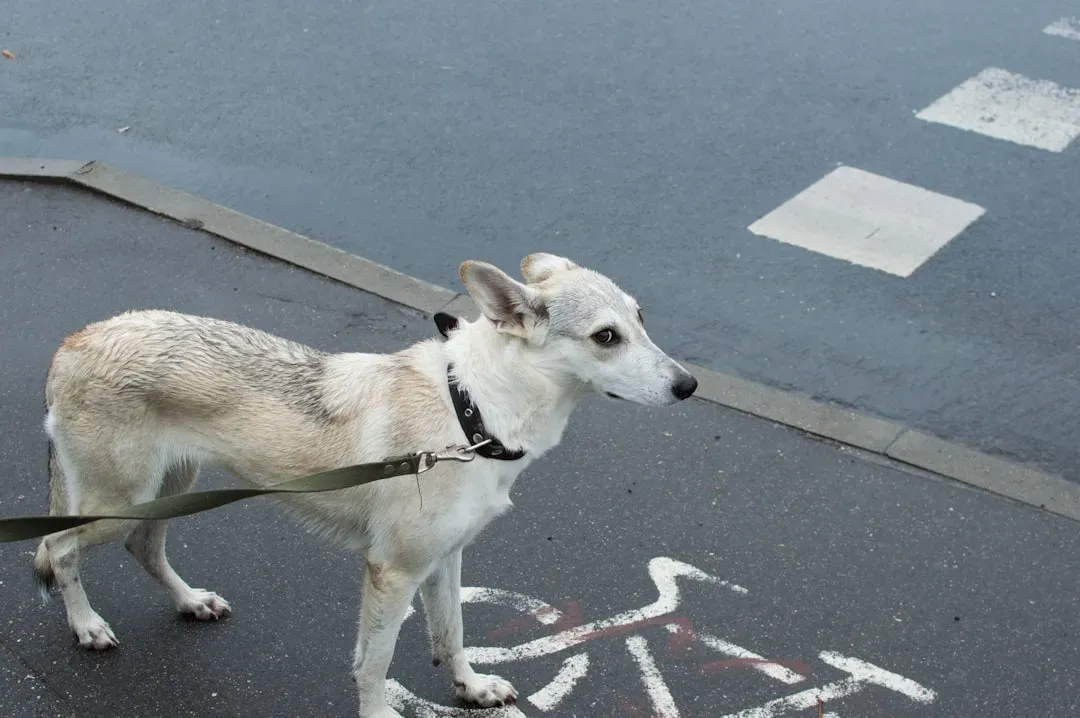
Imagine someone teaching you a new language but changing the words every few days. That’s essentially what happens when we’re inconsistent with our dogs. Consistency in training is essential when dealing with stubborn dogs, and inconsistencies can confuse your dog and undermine the training process, leading to frustration for both the owner and your dog.
Let’s be real. We’re all guilty of this sometimes. Maybe you say “down” one day and “lie down” the next. Or perhaps different family members enforce different rules. One person lets the dog on the couch, another doesn’t.
Responses to dogs’ behavior can change drastically depending on mood, and this inconsistent enforcement of cues and wide range of reactions to certain behaviors must be confusing for their dogs. Dogs thrive on predictability. When the rules keep changing or when our body language contradicts our words, they’re left trying to decode mixed messages.
Your Body Language Speaks Louder Than Your Words
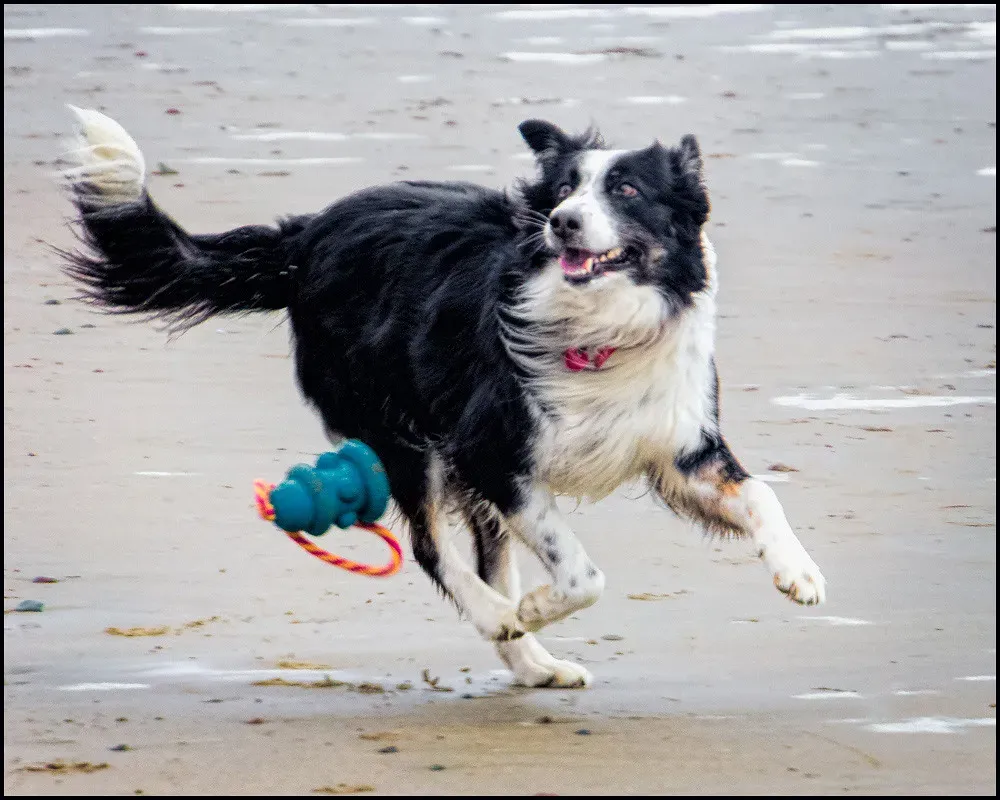
The most competent professionals make training look almost effortless because all the messages they convey are calm, clear, and consistent, but if your body language is unintentionally intimidating, erratic, or contradicts the cues you are trying to give, the result can be a very confused, uncertain, frightened, or aggressive dog. This is huge. Dogs are watching us constantly, reading our every move.
Your body language communicates more to your dog than your words, and inconsistent signals between your body language and verbal commands create confusion that can manifest as aggressive behavior. You might be saying “come here” in a friendly voice while your shoulders are tense and you’re leaning forward in a way that looks threatening to your dog. They’re going to trust what your body is telling them over your words every single time.
I think we often underestimate just how fluent dogs are in reading physical cues. They notice tension in your grip on the leash, the stiffness in your posture, even the subtle changes in your facial expression. When these signals don’t match your verbal commands, confusion is inevitable.
Motivation Matters More Than We Think
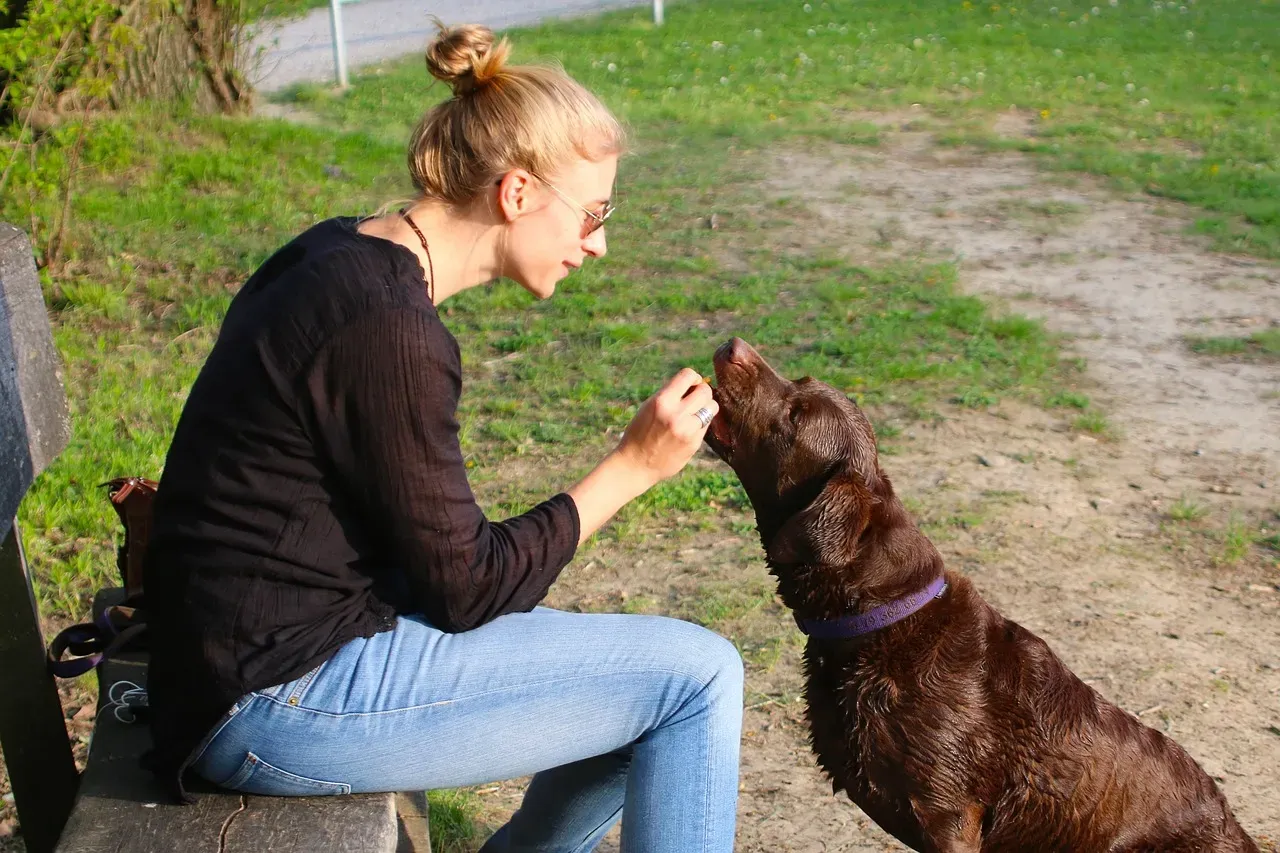
Dogs like to know there’s something in it for them, and if your dog doesn’t listen, especially if they used to follow training cues but have recently started blowing you off, it might be because they feel you’re not paying them enough for their behavior. This isn’t about being spoiled. It’s just practical animal behavior.
Different dogs are motivated by different things. Some would do backflips for a piece of chicken. Others couldn’t care less about food but would do anything for a squeaky toy or a game of tug. Dogs have unique personalities and motivations, and a sweet, gentle Golden Retriever might be perfectly content with a simple “good girl,” while a determined Husky may need something a little more enticing, like a favorite toy or a high-value treat.
Have you figured out what really makes your dog tick? Sometimes what looks like stubbornness is just a dog thinking, “Why would I do that when there’s nothing interesting happening for me?” It’s hard to say for sure, but maybe we need to make our requests more appealing to them.
Fear and Stress Hide Behind Apparent Defiance

Behaviors we perceive as stubborn frequently signal unmet needs, breed-specific instincts, fear, or confusion, and addressing these underlying issues is crucial for effective training. This is where things get really important. A dog who seems to be ignoring you might actually be too frightened or overwhelmed to respond.
When dogs are stressed and nervous they exhibit many different kinds of behavior that either help relieve the stress they’re feeling or appease a perceived threat, and yawning can signal that she is stressed in a particular situation. Those subtle signals like lip licking, yawning, or looking away aren’t signs of disrespect. They’re your dog trying to tell you they’re uncomfortable.
Sometimes punishment makes this worse. Punishment only confuses dogs, and house soiling often happens because of inconsistent training, medical issues, or anxiety. When we get frustrated and raise our voices or use harsh corrections, we’re not teaching clarity. We’re adding another layer of stress that makes it even harder for them to think clearly and learn.
Health Issues Can Masquerade as Behavioral Problems
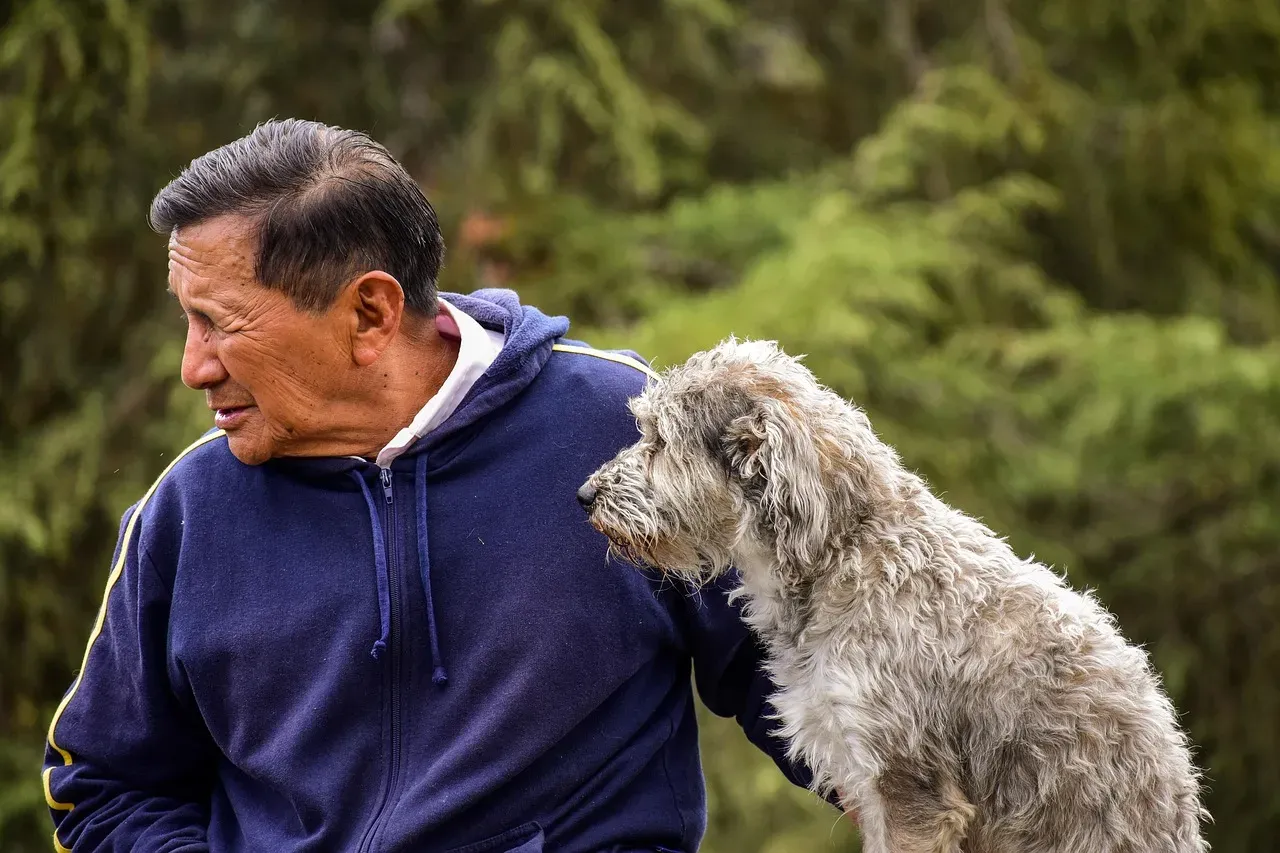
Canine cognitive dysfunction is common in aged dogs affecting between 14% and 35% of the pet dog population, with apparent confusion, anxiety, disturbance of the sleep/wake cycle, and decreased interaction with owners all being common clinical signs. This is something many dog owners don’t realize. What looks like sudden stubbornness in an older dog might actually be cognitive decline.
Canine cognitive dysfunction syndrome occurs in 35% of dogs over eight years old, so if your dog is getting up there in age, it’s important to be on the lookout for signs of dementia and see your veterinarian if you notice any changes. Pain, hearing loss, vision problems, or cognitive issues can all affect how a dog responds to commands. A dog who used to come immediately but now seems to ignore you might not be hearing you as well.
I’ve seen too many cases where what owners thought was bad behavior was actually a medical problem. If your dog’s behavior changes suddenly or you’re noticing what seems like confusion or disorientation, a vet visit should be your first stop.
Clear Communication Is the Key to Connection
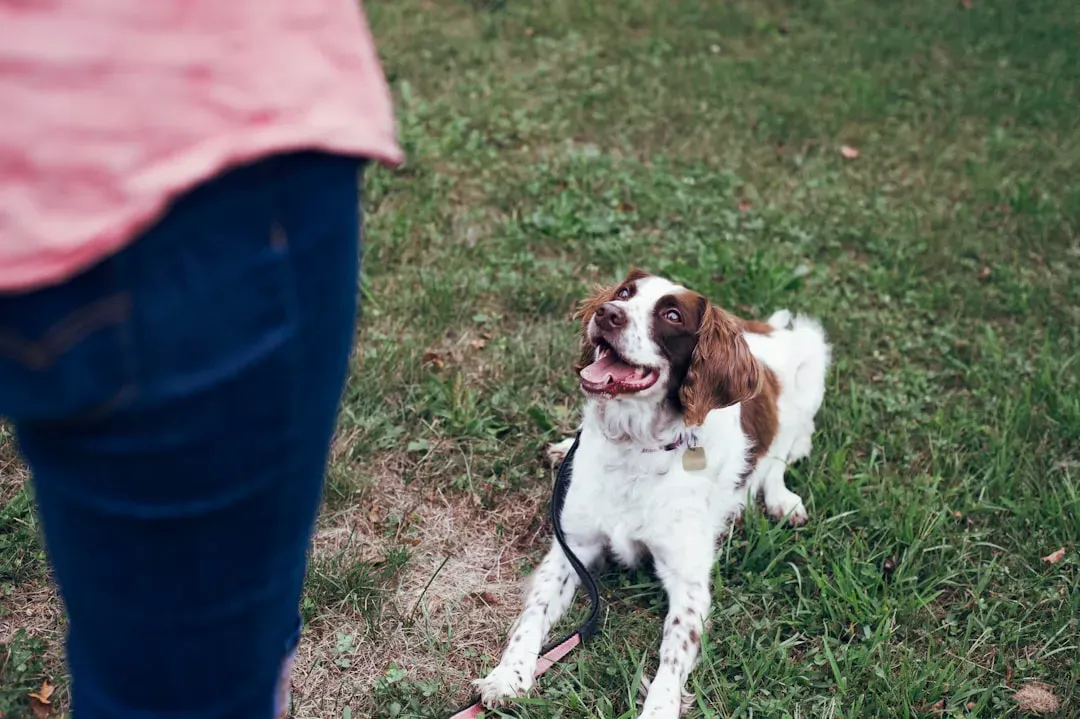
So what do we do with all this information? We shift our perspective. Many dog owners assume that when a dog disobeys it is being willfully naughty or stubborn, but dogs are not trying to challenge your authority, they are trying to tell you something in the only way they know how, communicating through actions like barking, chewing, growling, or ignoring commands.
Establishing a training routine helps provide structure and clarity for strong willed dogs, and a consistent schedule for training sessions, meal times, walks, and rest periods helps regulate your dog’s behavior and reduces uncertainty. Keep training sessions short and positive. Be crystal clear with your cues. Make sure everyone in the household is on the same page.
The beautiful thing about recognizing that confusion drives most unwanted behaviors is that it gives us something concrete to work on. We can’t fix stubbornness, but we can absolutely provide clearer communication, more consistency, and better motivation. The kind of positive training strengthens the bond between human and dog, and if you think you and your dog are close now, just wait until you two are communicating clearly and positively.
Conclusion
Your dog isn’t being stubborn to spite you. They’re doing their absolute best to navigate a world where the rules aren’t always clear and the language is foreign. Many dogs want to please their owners but just don’t know how. When we recognize that confusion is often the real culprit behind what we call stubbornness, we can approach training with more empathy, patience, and effectiveness.
The next time your dog doesn’t respond the way you expect, pause for a moment. Ask yourself: Have I been consistent? Does my body language match my words? Is my dog stressed or scared? Do they really understand what I’m asking? These questions will serve you far better than frustration ever will. Your dog is always trying to communicate with you. The question is, are you listening?
What’s your experience been with behaviors you thought were stubborn? Have you discovered they were actually something else entirely?


