
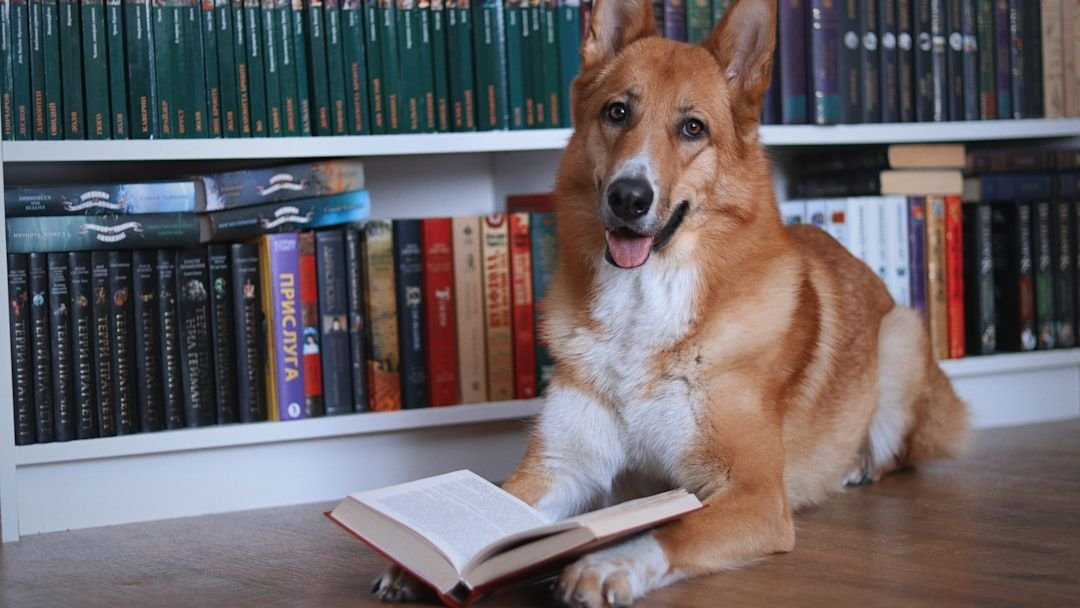
You call their name. They look you dead in the eye. Then they turn away and go right back to sniffing that fence post. Sound familiar? Before you throw your hands up and declare your dog “the most stubborn creature on Earth,” hold on. What if that maddening behavior is actually something to be proud of?
It sounds almost too convenient, I know. But science and experienced trainers are increasingly pointing in the same direction: what we call stubbornness in dogs is often something far more fascinating going on under that fluffy exterior. There’s a whole hidden world of canine intelligence that most of us never even knew to look for. Let’s dive in.
The Stubbornness Myth We Really Need to Let Go Of

Honestly, the word “stubborn” has done dogs a massive disservice. Too often, people interpret their dog’s behavior through a human lens, and that’s most apparent when their dog doesn’t listen or obey cues. The dog gets labeled as stubborn when, in reality, they either didn’t understand what was asked or didn’t think it was worth their effort.
Think about that for a second. It’s a bit like blaming a toddler for not understanding algebra. Lack of early and ongoing socialization, unclear communication from the guardian, and inconsistent training environments can all make a dog appear “slow” or “stubborn” when, in reality, they’re simply confused or overloaded. That stings a little, doesn’t it?
Dogs do what works for them, and they learn by the consequences of their actions. That’s not defiance. That’s a rational mind at work. Dogs do what works for them, and when they aren’t doing what we ask, they have a good reason. We just need to get a lot better at figuring out what that reason actually is.
Intelligence in Dogs Is Not One-Size-Fits-All
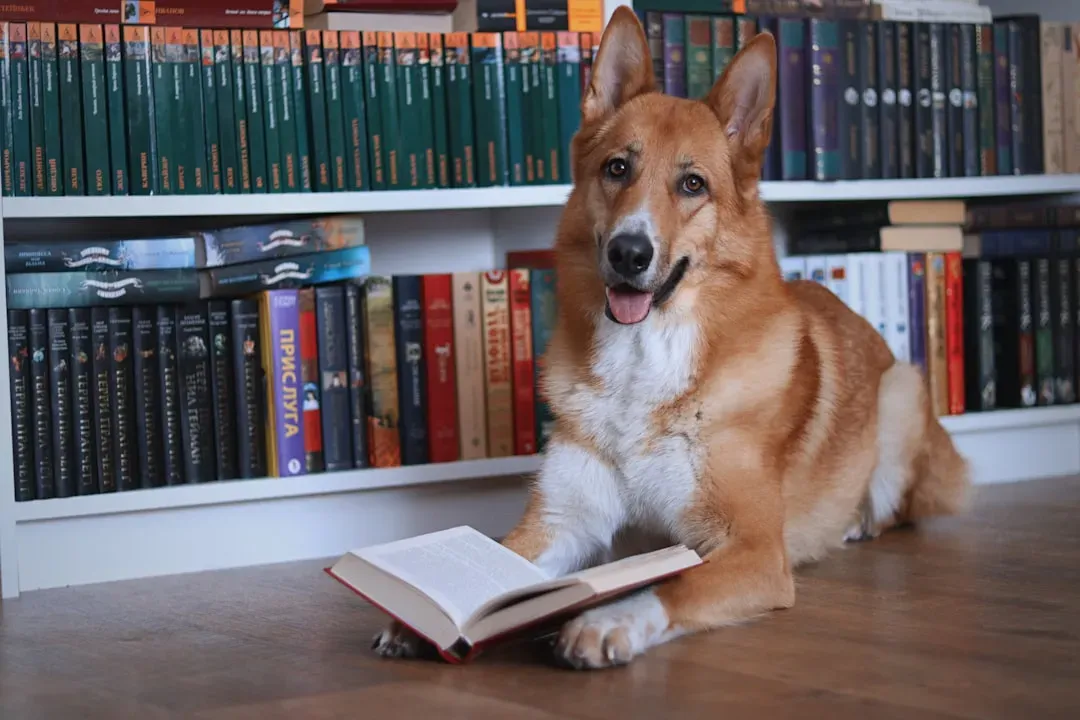
Most pet parents only ever pay attention to working and obedience intelligence, so there’s a whole world of guardians believing their dog is “stupid” because they don’t sit fast in a village hall on a Tuesday night. That’s a pretty narrow measuring stick, if you ask me.
There are several different types of intelligence in dogs, including problem-solving ability, trainability, spatial intelligence, social intelligence, and communication skills. A dog that aces obedience drills might be totally outclassed when it comes to reading emotional cues or navigating a new environment. Every dimension matters.
A dog who doesn’t fly through obedience drills might instead be phenomenal when it comes to instinctive work, emotional presence, environmental reading, or scenting. Canine researcher Stanley Coren claims that roughly half of a dog’s intelligence is genetic, while the other half is shaped by their environment, which means we play a bigger role in our dog’s brilliance than we might realize.
When “Disobedience” Is Actually Genius: The Science of Intelligent Refusal

Here’s the thing that absolutely blew my mind when I first learned about it. Intelligent disobedience is a concept held dear by those who train service dogs, especially guide dogs for the visually impaired. These dogs are taught to use their own judgment and not respond to the cue of their blind human if it’s not safe to do so. For example, if given the cue to cross the street but there is traffic coming, the dog is expected to decline to move forward no matter how strongly the handler urges them forward.
Intelligent disobedience occurs where a service animal trained to help a disabled person goes directly against the owner’s instructions in an effort to make a better decision. This behavior is a part of the dog’s training and is central to a service animal’s success on the job. Essentially, this is trained, deliberate defiance. And it saves lives.
Huskies have been bred to be intelligently disobedient for centuries. While pulling a sled, they see a crack in the ice thirty feet before the musher, and their decision-making skills have been honed to the point where they disobey a direct order if it would lead to danger. That’s not stubbornness. That’s wisdom in action.
Boredom vs. Defiance: How to Tell the Difference
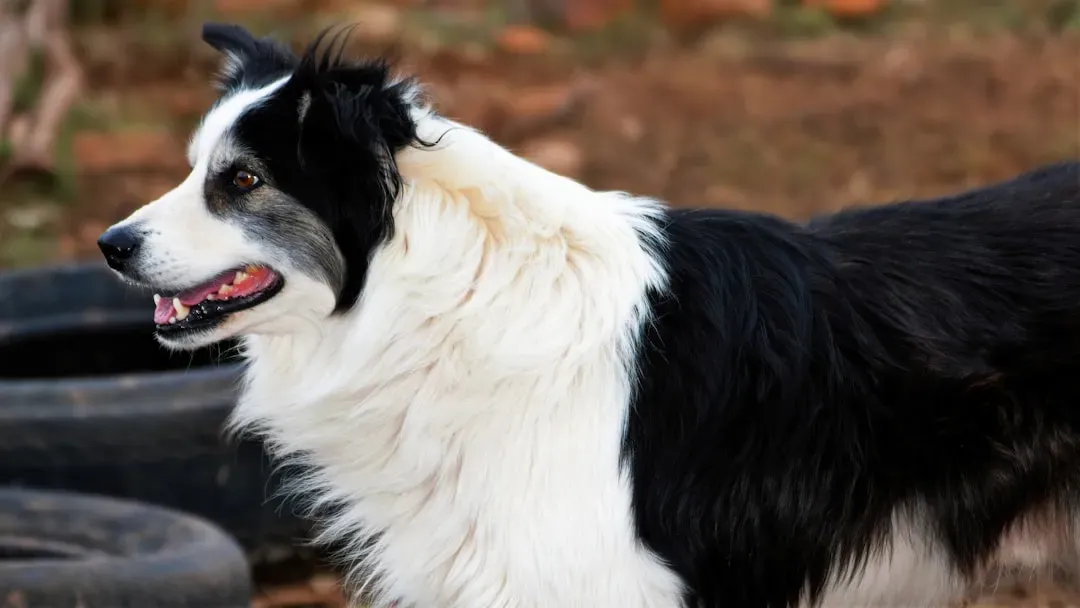
Some of the smartest dogs misbehave because they get bored easily. Some dogs can learn but are stubborn. Some have days where they simply don’t feel like performing. Sound like anyone you know? Honestly, it sounds like most humans on a Monday morning.
Some dogs learn quite quickly and get bored by the sixth or seventh repetition of an exercise. If so, change things up regularly and keep your dog on their toes. Repeating the same “sit” command over and over to a quick learner isn’t training. It’s tedium. No wonder they check out.
Dogs are intelligent, emotional creatures with a deep desire to engage with their environment. Without proper mental stimulation, your canine companion can become bored, anxious, and even depressed. This is especially true for high-energy breeds or working dogs who are used to having jobs to do. So that chewed-up sofa cushion? That might just be a cry for a puzzle toy.
Breeds That Think for Themselves (and Get Misread Because of It)
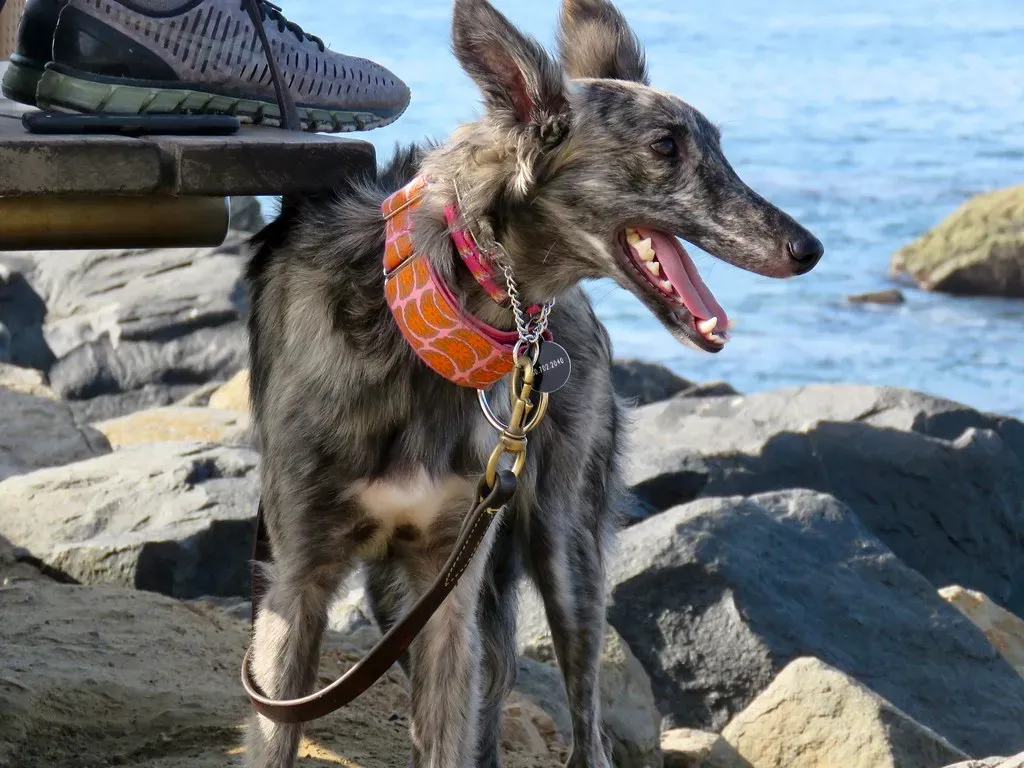
Let’s get specific, because certain breeds carry the “stubborn” label like it’s tattooed on their foreheads. Lists of the most stubborn dog breeds often include the Afghan Hound, the Parson Russell Terrier, the Siberian Husky, and the American Bulldog. Expect to see members of the Terrier Group as well as scenthounds and sighthounds on these lists. This isn’t because these breeds are actually stubborn. It’s because they’re generally absorbed by other things, or they’ve been developed to have an independent personality.
Shibas are observant and deliberate in their actions, often assessing a situation before engaging. Their intelligence isn’t about obedience – it’s about decision-making. They’ll follow commands only when it makes sense to them, not out of habit or repetition. Honestly? That’s not a flaw. That’s a personality I can respect.
Flock guardian breeds are often described as “stubborn” or “hard to train.” While it’s true that flock guardians might not see any reason to learn to shake or roll over on command, it doesn’t mean they’re not intelligent. They simply don’t think such “tricks” are important because they’re not part of their job. Amusing tricks don’t help the dogs better protect their sheep, goats, or chickens. Context, people. It’s all about context.
How to Work With a Brilliantly “Stubborn” Dog
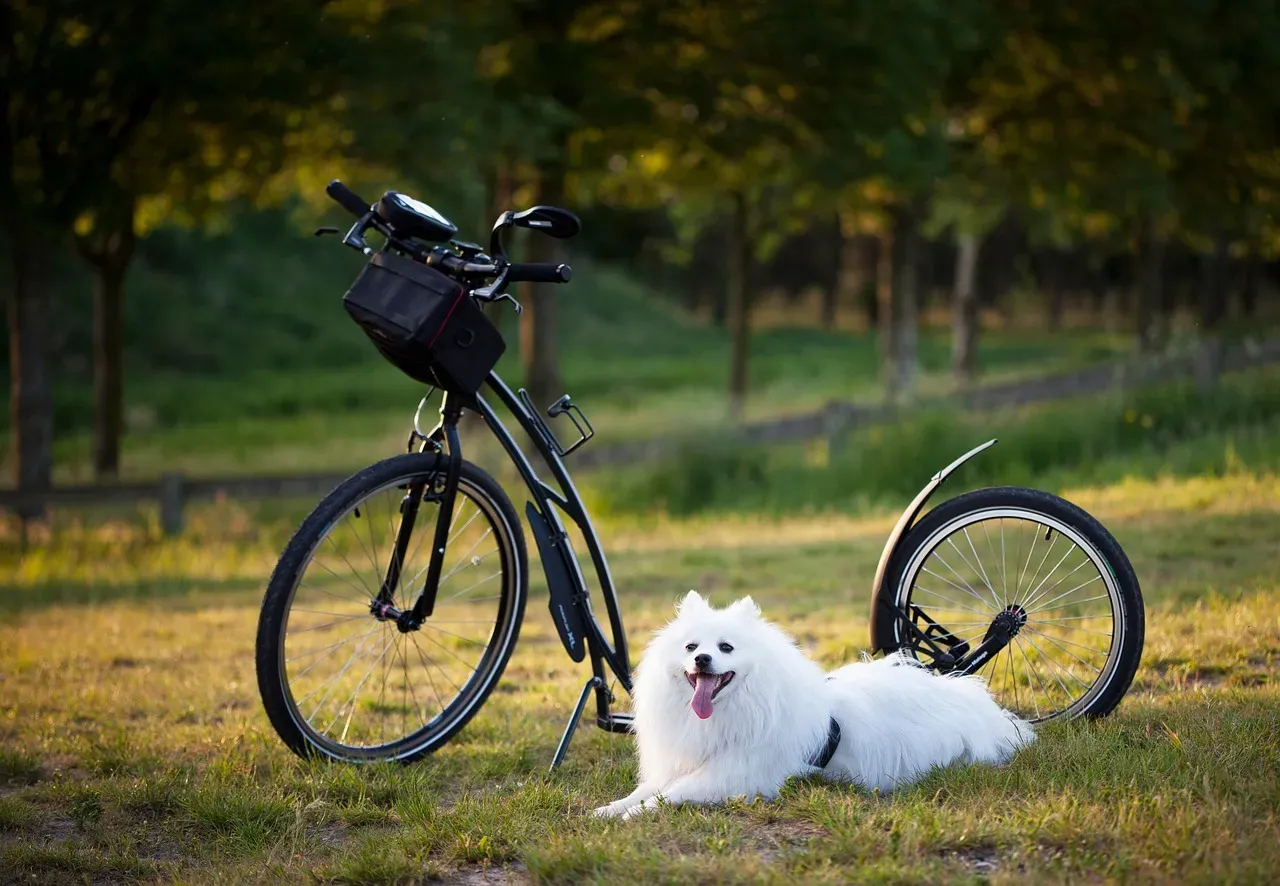
So you’ve got an independent thinker living in your home. Welcome to the most rewarding challenge in dog ownership. Despite their stubborn streak, these breeds are often incredibly clever dogs who can shine when approached with positive reinforcement techniques rather than harsh discipline. Even notoriously willful breeds can transform into well-behaved companions once their unique motivations are understood.
Mental enrichment is just as important as physical exercise, and it helps prevent boredom, destructive behavior, and anxiety. Try puzzle feeders at mealtimes, rotate toys so they feel novel, and mix in short training sessions to keep that clever brain firing. Every time your dog learns a new trick or command, they’re exercising their brain. Short five to ten minute training sessions can do wonders for mental stimulation and confidence. Plus, it strengthens communication between you and your furry buddy.
Training independent dog breeds requires a blend of patience, consistency, understanding, and a bit of creativity. Drop the frustration, pick up a treat pouch, and start thinking like your dog. Living with dogs that think for themselves takes more than treats and repetition. These aren’t the types to follow every command – they weigh their options. Their behavior is driven by higher intelligence, not disobedience.
Conclusion: Your “Difficult” Dog Might Just Be the Smartest One in the Room
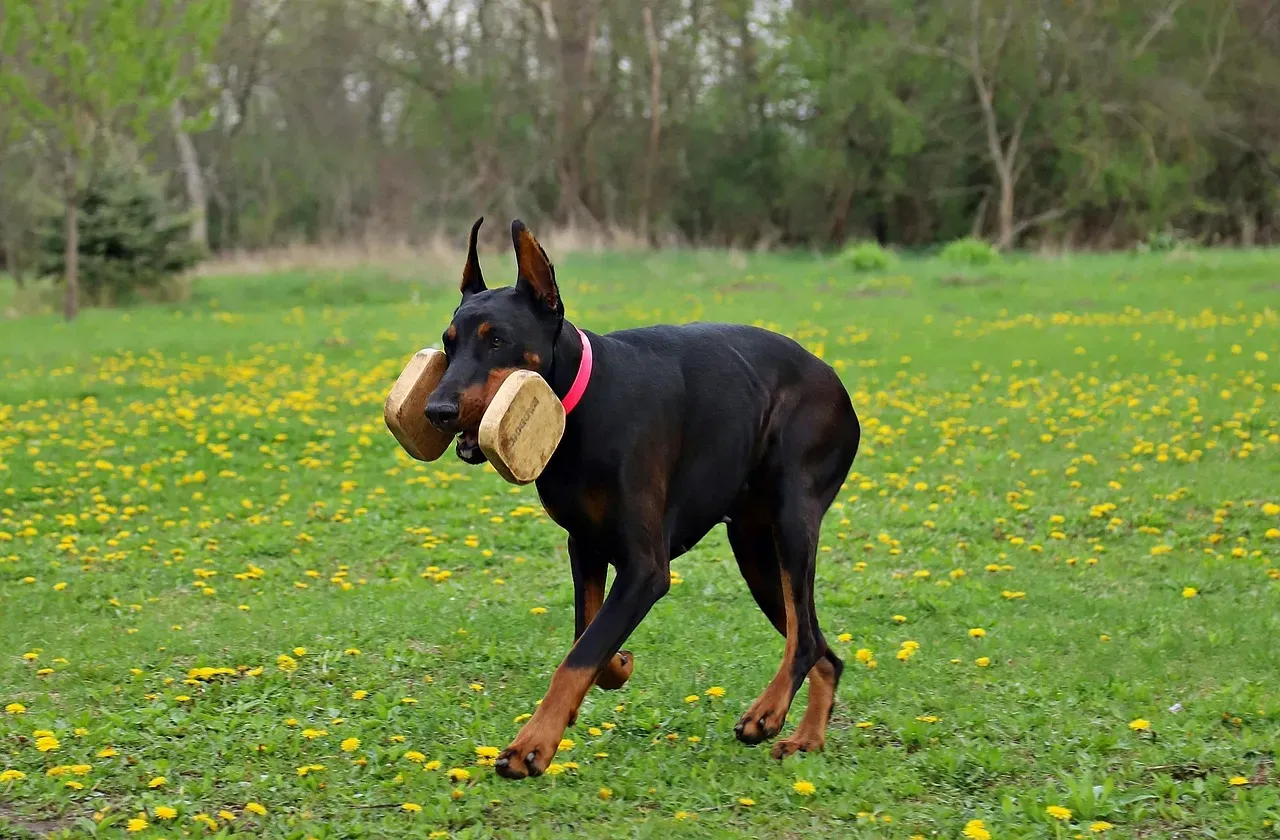
Here’s a reframe worth sitting with: dogs, like humans, are complex animals with individual quirks, and pet parents are often guilty of trying to squeeze triangle-shaped dogs into square-shaped lives. Just because a dog doesn’t behave the way we want them to doesn’t mean they’re unintelligent. They might just be operating at a frequency we haven’t tuned into yet.
Disobedience doesn’t mean these dogs are unloving or unworthy – it simply means they require a different training approach and a little extra patience. With time and consistency, even the most headstrong breeds can become devoted family members. That’s a beautiful thing, when you think about it.
The next time your dog ignores your command and goes off on their own little agenda, take a breath. Maybe they heard you perfectly. Maybe they just have their own opinion about it. I think there’s something deeply wonderful about a creature that loves you unconditionally AND still holds firm to their own inner compass. So tell me – has your “stubborn” dog ever surprised you with a moment of unexpected brilliance? What do you think that says about them? Drop your story in the comments below.


