

You’ve seen it before. That sudden spark in your dog’s eyes, the tucked butt, and then – whoosh! They’re off, tearing around the living room in wild loops, skidding around corners, tongue flapping like a flag in a hurricane. Maybe you’ve laughed. Maybe you’ve wondered if something’s wrong. Maybe you’ve just held on to your coffee and hoped your favorite lamp survives.
Let’s be real, those zoomies can catch you completely off guard. They’re chaotic, hilarious, and honestly, a little bit magical. Here’s the thing though – those sudden bursts of frenetic energy aren’t just your dog being weird or hyperactive. They’re something far more meaningful, and understanding them might just change how you see your furry best friend. So, let’s dive in and explore what’s really happening when your pup goes full tornado mode.
What Exactly Are the Zoomies?
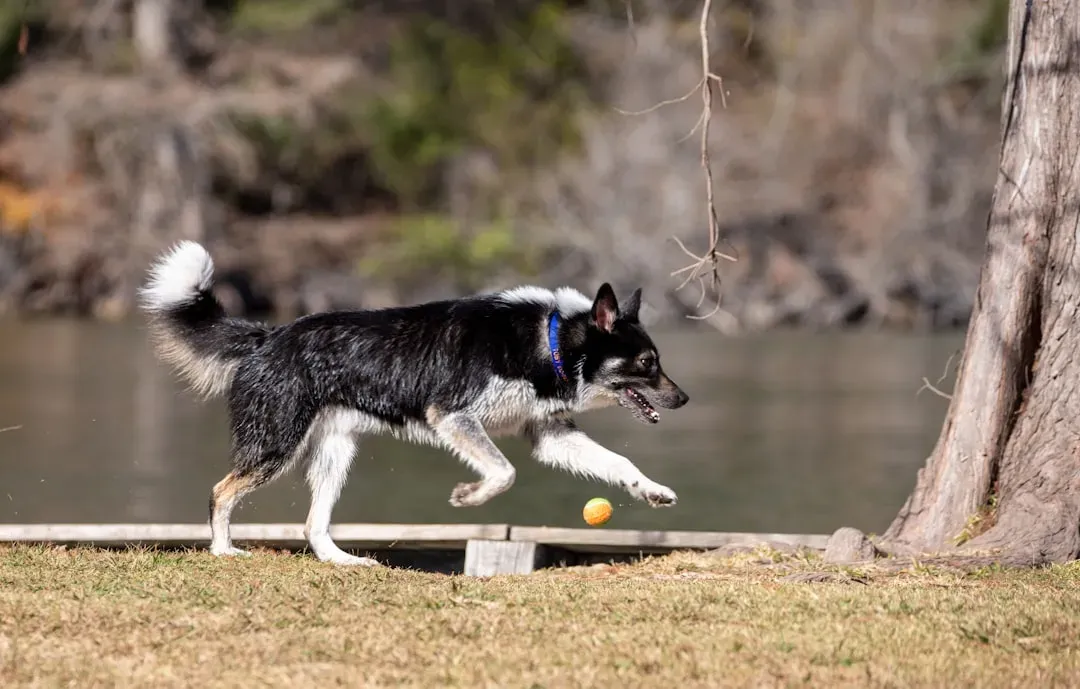
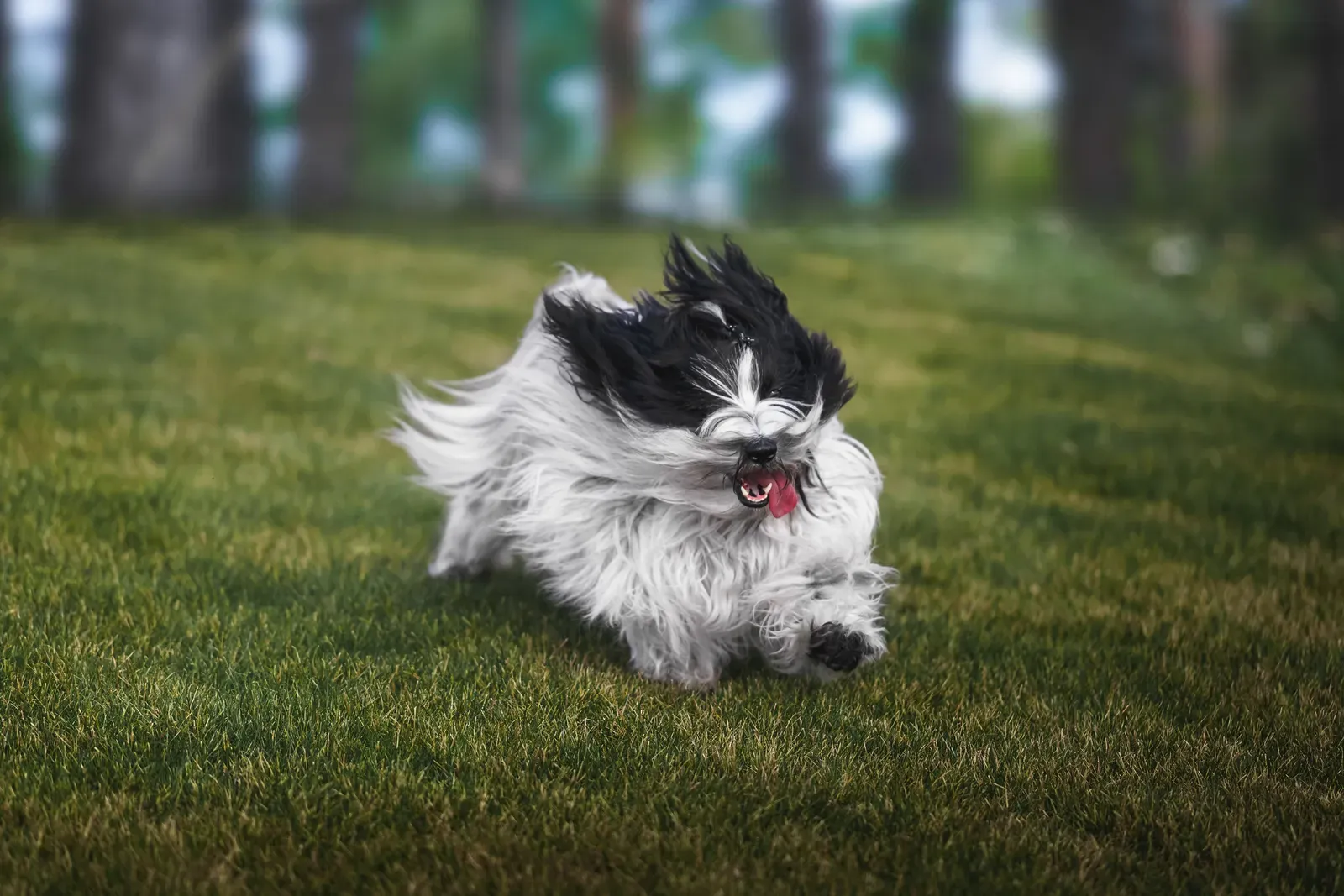
The official scientific term for this behavior is frenetic random activity periods, or FRAPs. Sounds fancy, right? But basically, it’s when your dog suddenly launches into high-speed running, usually in big circles or figure eights, often with their backend tucked down low for maximum aerodynamic efficiency.
These random bursts of energy occur in dogs and cats alike, and they usually last just a few minutes or less. During these episodes, dogs might spin, leap, do play bows with their front legs down and butt up in the air, and generally look like they’ve been possessed by the spirit of pure, unbridled joy. Honestly, if you haven’t filmed your dog mid-zoomie yet, you’re missing out on some seriously entertaining content.
You see it when a dog recognizes their person in a crowd or gets the zoomies. That wild-eyed, grinning expression isn’t madness – it’s happiness bubbling over in the most authentic way possible.
They’re Expressing Joy, Not Just Burning Energy
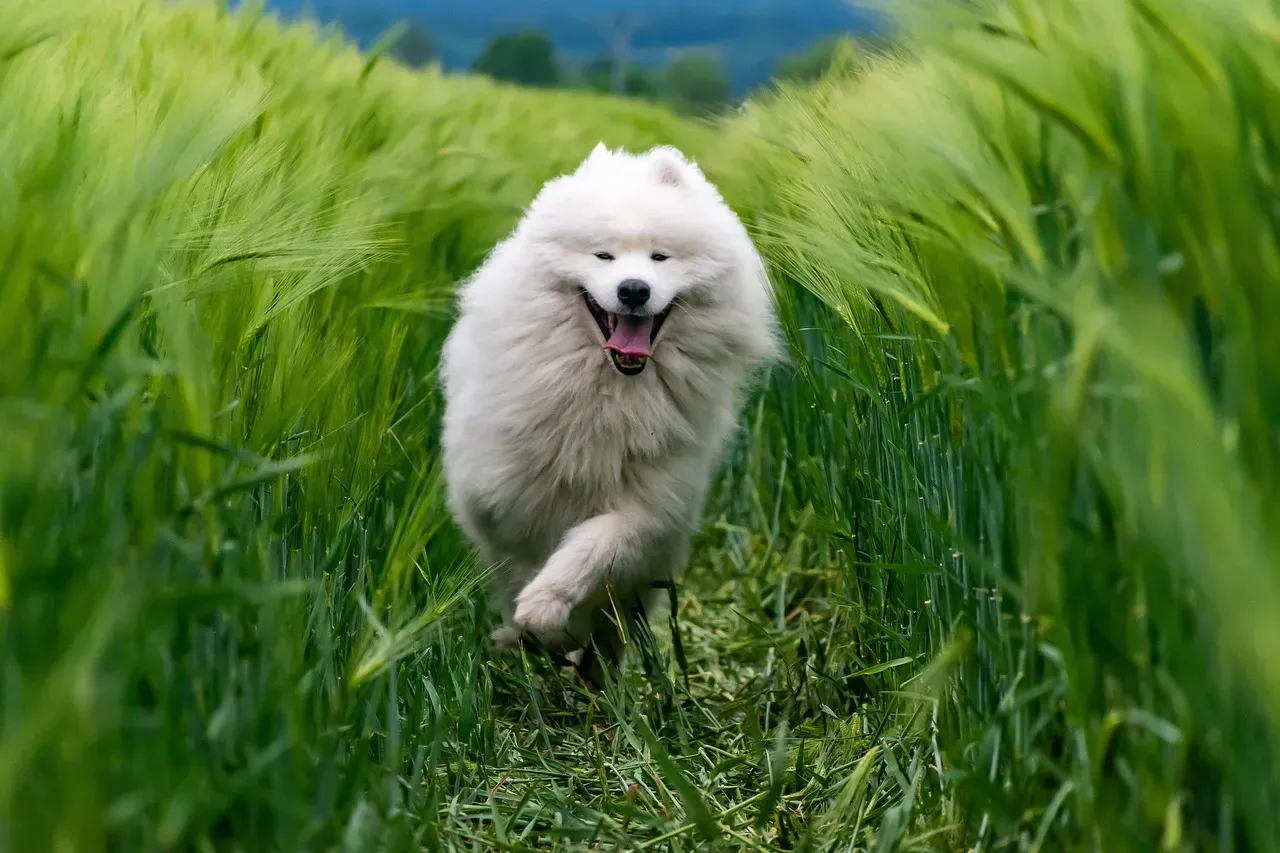
Here’s where things get interesting. For years, people assumed zoomies were simply about excess energy that needed an outlet. While that’s partly true, recent insights reveal something deeper.
The short answer: they’re happy! Typically, yes, dog zoomies are an expression of joy and fun. Think about it – when was the last time you felt so excited, so genuinely thrilled, that you wanted to run around screaming? Dogs experience that same rush of pure elation, and their zoomies are how they express it.
Research confirms that dogs experience basic emotions like joy, fear, anger, disgust, and attachment. When your dog zooms after you come home from work, or after getting a new toy, they’re not just releasing pent-up physical energy. They’re celebrating. They’re telling you, in the most dog way possible, that they’re overjoyed.
Common Triggers That Spark Those Wild Runs
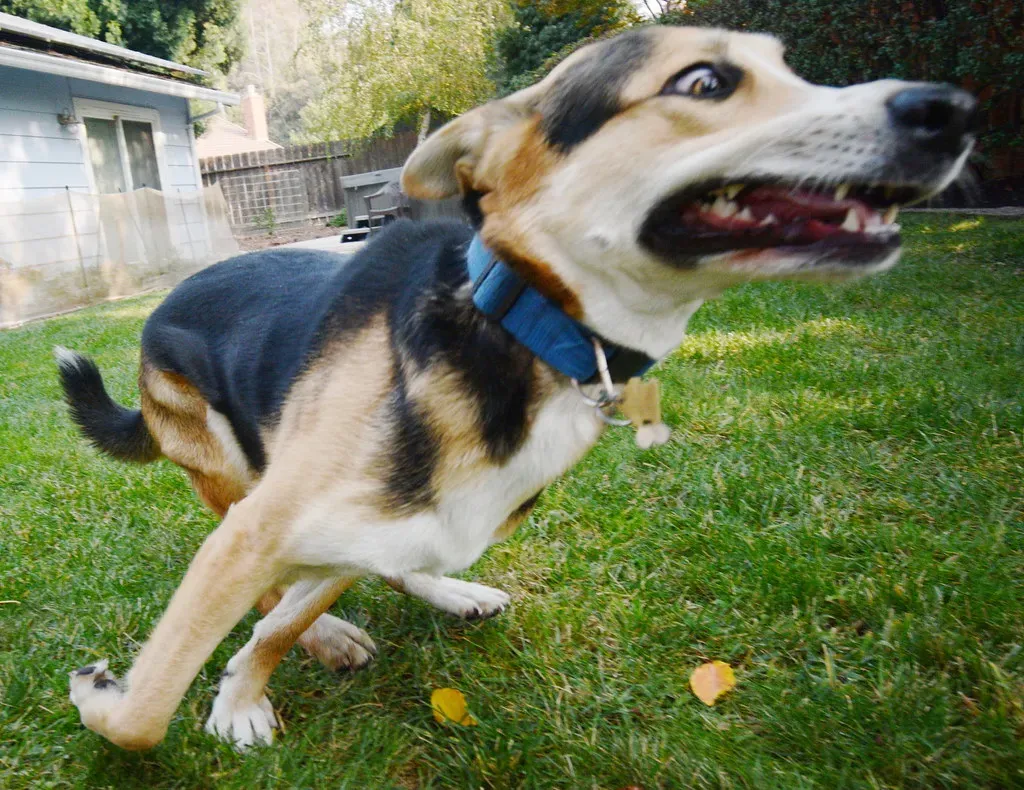
Zoomies don’t just happen randomly – there are usually specific moments that set them off. They can occur whenever a dog becomes very excited, such as when an owner returns after a long absence.
Post-bath zoomies are legendary among dog owners. There’s something about the weirdness of the bathing process and the unfamiliar sensation of having wet, newly scented fur that sends most dogs to the zoom-zone, likely an attempt to dry off and reintroduce more familiar odors to their fur. It’s like they’re saying, “I survived that ordeal, and now I must CELEBRATE!”
You may notice your pup gets a dose of the zoomies after using the potty, which could be due to feeling relieved from discomfort, releasing pent-up energy, or associating using the bathroom with rewards. They more frequently occur in younger pups – often as part of their “witching hour,” which typically occurs early in the morning or between 5 and 8 pm. That evening surge? It’s built into their DNA, connected to when their wild ancestors were most active.
Reading the Signs: Happy Zoomies vs. Stressed Zoomies

Now, not all zoomies are created equal. It’s crucial to understand the difference between joyful zoomies and stress-related ones. Some zoomies are an indicator of stress, fear, or frustration, so consider your dog’s body language just prior to and during the session.
A typical happy zooming dog will be loose and even wiggly, bouncing around you when they slow down, with their tongue flapping out, and they may play bow. Their whole body language screams, “This is FUN!”
On the other hand, a frightened dog will be more tense, with wide eyes and a tightly tucked tail that stays tucked to the belly even when stopping, and they may carry their head low with ears folded back submissively. If you see these signs, your dog needs comfort and support, not encouragement to keep running. Context matters tremendously – zoomies after you grab the leash? Pure excitement. Zoomies after pulling out nail clippers? Probably stress.
Keeping Your Zooming Dog Safe
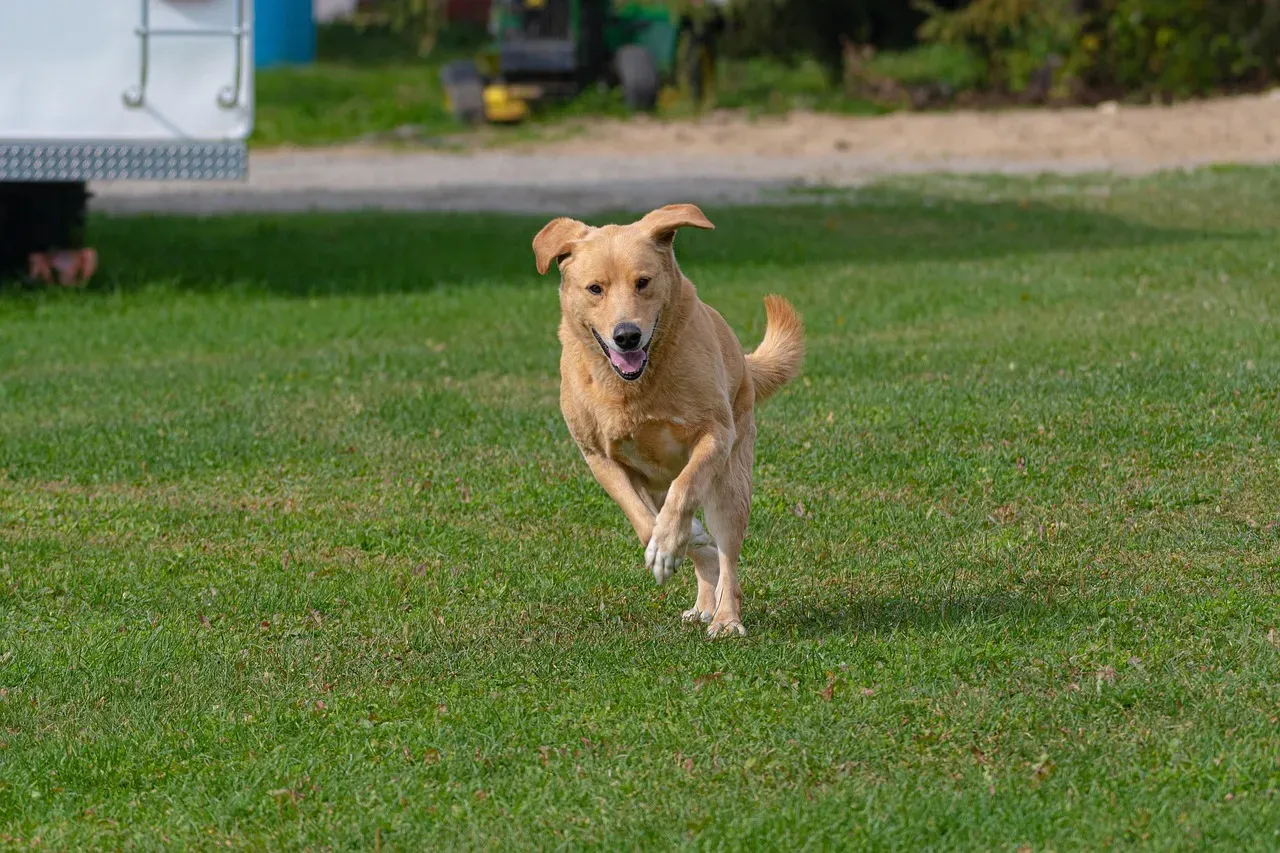
While zoomies themselves are harmless and healthy, the environment where they happen matters a lot. Although FRAPs are normal, a dog zooming around the house or yard may be in danger of injuring themselves or breaking something, so owners should keep zooming dogs away from stairs, slippery floors, obstacles and the road.
The best footing for hard running is grass, but carpet and packed dirt are also good options, while hard floors, ice and unstable footing like gravel or sand increase the risk of slipping or falling. If your home has hardwood floors and your puppy is a frequent zoomer, consider putting down some area rugs in their favorite racing circuit. Your dog’s joints will thank you, and so will your furniture.
Clear away breakables from coffee tables during known zoomie times. If your dog typically gets the evening crazies around seven o’clock, maybe move that expensive vase before the show begins. Safety doesn’t mean stopping the fun – it just means making the fun zone a bit more forgiving.
When Zoomies Might Signal Something More
Most of the time, zoomies are completely normal and nothing to worry about. If your dog exhibits zoomies frequently or at inopportune times, such as when you are asleep, they may be telling you that they need more exercise and mental stimulation.
FRAPs are most common in puppies and young dogs, but other dogs continue to get the zoomies once in a while for their whole lives. If your adult dog suddenly starts having multiple intense zoomie sessions daily when they never did before, it might be worth checking in with your vet. Sometimes, what looks like zoomies can actually be a response to discomfort or an underlying issue.
If a dog zooming around the house or yard appears in pain, frightened or anxious, then the owner should investigate what caused the distress by seeking veterinary help. Trust your instincts. You know your dog better than anyone.
Conclusion: Embrace the Chaos, Celebrate the Joy
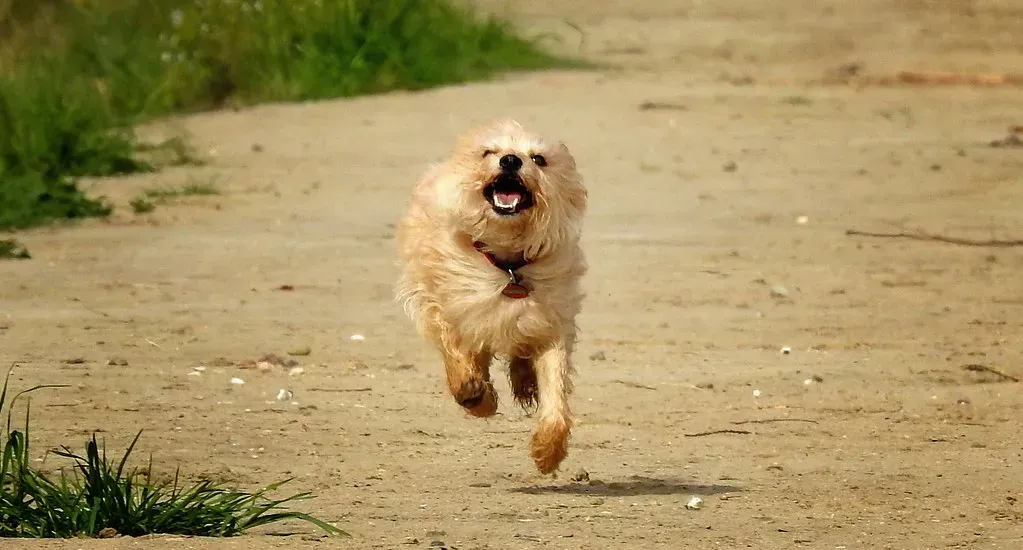
The next time your dog gets the zoomies, take a moment to appreciate what you’re really witnessing. It’s not chaos for chaos’s sake. It’s pure, unfiltered happiness expressed in the most authentic, dog way possible. Your pup isn’t being naughty or out of control – they’re sharing their joy with you.
If your dog does get the zoomies in a safe space, never fear, and let them party on. Laugh along with them. Maybe even join in if you’re feeling bold. Those wild laps around the yard or living room are fleeting moments of absolute bliss, and honestly, we could all learn something from that kind of unbridled enthusiasm.
So tell us – what triggers your dog’s zoomies? Is it bath time, dinner time, or just the sheer joy of being alive? We’d love to hear your stories.


