

I’ve heard it countless times at the clinic: “He looked so perfect online.” The owner is usually tearful, overwhelmed, sometimes even angry at themselves. Their dream dog turned into something they never expected. Maybe it’s the Border Collie tearing apart the couch because he hasn’t had enough mental stimulation. Or the adorable Husky puppy who’s now an escape artist extraordinaire, leaving behind a yard that looks like a war zone.
Honestly, it breaks my heart every time. Most of these situations could have been avoided with one simple thing: doing your homework before falling in love. Because here’s the thing: not all dogs are created equal, and what works brilliantly for your neighbor might be a complete disaster for you. Let’s be real, choosing a dog based on looks alone is like marrying someone after seeing their profile picture. It might work out, but the odds aren’t exactly in your favor.
So let’s dive into what you really need to know before you bring home that adorable ball of fur.
The Energy Trap: When Your Lifestyle Doesn’t Match Your Dog’s Tank

Picture this: you work a demanding job, come home exhausted, and dream of Netflix marathons on the couch. Then you adopt an Australian Shepherd because those Instagram videos made them look so cool doing tricks. Three months later, your home looks like a tornado hit it, and your beautiful new couch has become a chew toy.
Most high-energy breeds need one to two hours of vigorous exercise daily, with some requiring up to three hours of combined physical activity and mental stimulation. That’s not a casual stroll around the block. We’re talking serious running, hiking, agility training, or intensive play sessions. If left alone for long periods of time, the high-energy dog will get into trouble. She may bark, whine, dig, jump the fence or chew.
Think about breeds like Border Collies, Belgian Malinois, or Vizslas. These aren’t just energetic – they’re wired to work. Working breeds like the Border Collie, Australian Shepherd, or Belgian Malinois require high levels of mental and physical stimulation. They are typically intelligent and energetic and excel at tasks like herding or obedience. Without proper exercise and mental stimulation, they can become bored, develop behavioral issues, or exhibit destructive behaviors.
Here’s what surprises people: even some breeds with “family-friendly” reputations need tons of activity. Golden Retrievers and Labrador Retrievers are frequently recommended for first-time dog owners or families with kids. They have earned their reputation for being adaptable dogs, but that doesn’t mean you’re guaranteed an easy pup. These breeds often have high energy, especially during adolescence, and they can become destructive or hyperactive if under-stimulated. If you’re not prepared for that reality, you’re setting yourself up for frustration.
Size Matters More Than You Think: Space, Strength, and Reality Checks
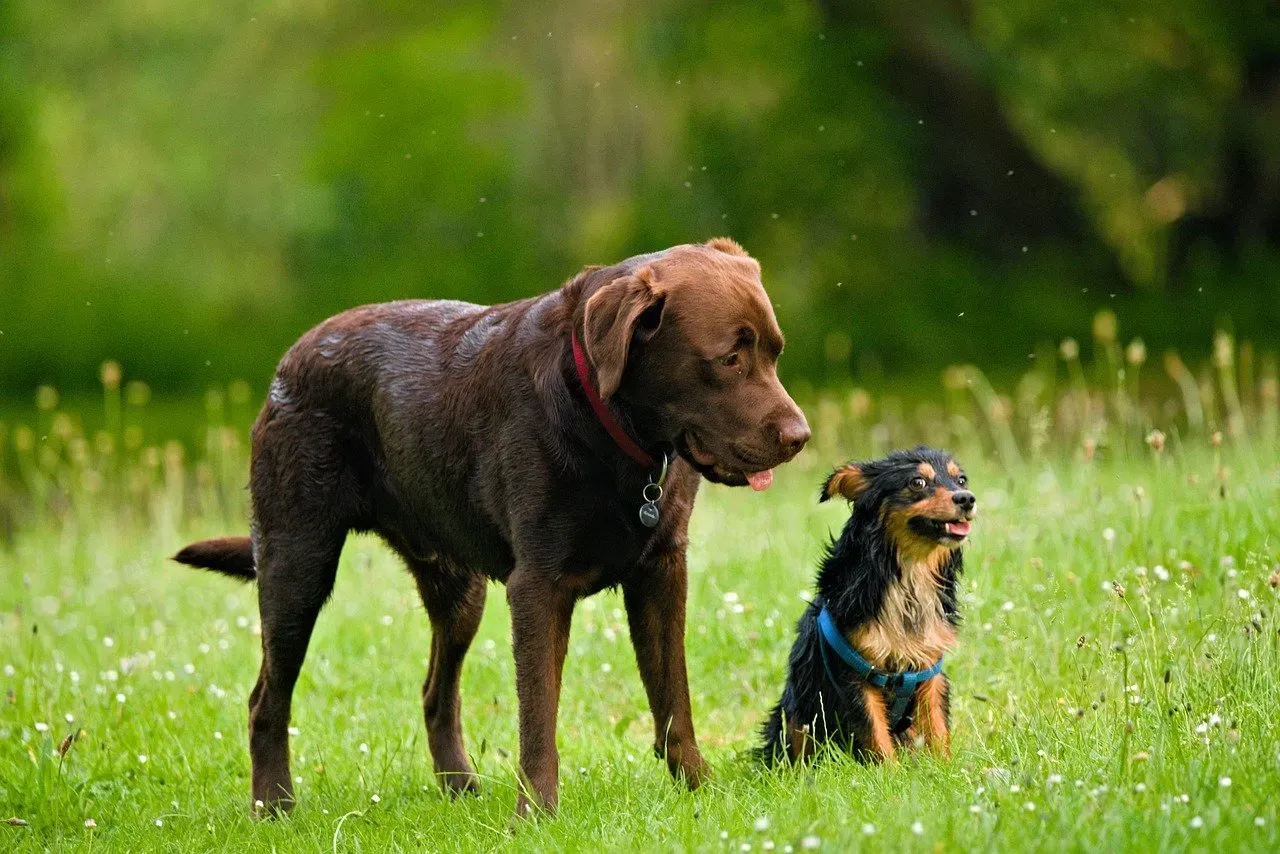
Let’s talk about the elephant in the room – or should I say, the Great Dane in the studio apartment. Size isn’t just about how much floor space your dog takes up. It’s about whether you can physically control them, afford to feed them, and handle their specific needs.
I know it sounds crazy, but many large breed dogs have lower activity levels and are more than happy to lounge on the sofa. A Greyhound, despite being a racing dog, can actually thrive in an apartment because they’re couch potatoes at heart. Meanwhile, a Jack Russell Terrier – small enough to fit in a handbag – will turn your apartment into an obstacle course if not exercised properly.
Still, large dogs come with challenges. These powerful athletes often tip the scales at 100 pounds or more. Their sheer size and strength paired with their tricky temperament is the main reason they’re not suited for first time homes. Can you handle a 120-pound Rottweiler if they decide to lunge at a squirrel during your morning walk? What about vet bills, which are typically higher for larger breeds? And let’s not forget – big dogs eat a lot. Your grocery budget will reflect that.
Then there’s the flip side with tiny breeds. Dog breeds classified as toy or small have higher owner-rated scores on aggression and fear, as well as lower trainability scores. Large and giant dog breeds, in contrast, are on average the most trainable and the least aggressive and anxious. That sweet little Chihuahua might seem manageable, but without proper training, small dogs can develop what’s known as “small dog syndrome,” becoming snappy and anxious.
Health Nightmares: The Hidden Costs of Purebred Beauty

This one hits hard because people fall in love with a breed’s look without understanding what comes with it. Those squishy-faced French Bulldogs and Pugs? Absolutely adorable. Also? Walking vet bills.
Pugs, French bulldogs and other similar types of designer dogs have short, flat faces and therefore often have narrow nostrils and abnormal windpipes. Flat-faced dogs are called brachycephalic, many of these dogs have breathing difficulties and struggle with exercise. Chief among these is BOAS, or brachycephalic obstructive airway syndrome. As a result of breeding for shorter and shorter faces, many Frenchies have snouts far too short to have a comfortable life. Frenchies with BOAS have very narrow airways, as the normal soft tissue fitting into the smaller space blocks the passages, making every breath a struggle. This causes their distinctive snuffling noises. BOAS causes snoring, sleep apnoea, exercise intolerance, excessive panting, heat intolerance, gastric reflux, gagging, increased risk of heatstroke and even higher risk of death.
It’s not just the flat-faced breeds. German shepherd dogs are susceptible to hip and elbow dysplasia, degenerative myelopathy (a progressive spinal cord disease), and digestive disorders, including exocrine pancreatic insufficiency. They may also inherit hemophilia and epilepsy. Cavalier King Charles Spaniels, those sweethearts with the big eyes? Cavalier King Charles spaniels and dachshunds are notably susceptible to mitral valve disease, which begins with heart valve degeneration and can progress to complete heart failure. In many dogs, progression is slow and does not cause significant problems, but some breeds develop more serious disease earlier in life.
I’m not saying avoid purebreds entirely. Just understand that some breeds carry genetic baggage. The medical expenses can add up fast, and more importantly, watching your beloved companion struggle with health issues is emotionally draining. Do yourself and your future dog a favor: research breed-specific health problems before you commit.
Temperament Mismatches: When Personality Clashes with Expectations

You want a snuggle buddy who’ll curl up on the couch for movie night. You adopt a Siberian Husky because they’re stunning. Six months later, you’ve got a dog who howls like a wolf, escapes from every enclosure you build, and gives you the side-eye when you try to cuddle.
Huskies are predatory dogs, and you can never be sure about their temperament from one minute to another, which is why they are one of the worst dog breeds for first-time owners. They’re independent, stubborn, and bred to run for miles in freezing conditions. That’s not a temperament problem – it’s just who they are. The problem is expecting them to be something they’re not.
Then there are the guarding breeds. Breeds with strong protective instincts, such as the Rottweiler, Doberman Pinscher, or German Shepherd, can be more challenging for inexperienced owners. They require proper socialization, consistent leadership, and early training to ensure they become well-behaved and well-adjusted companions. These dogs are loyal to a fault, but that loyalty can translate into overprotectiveness if not properly managed.
While there are aspects of a dog’s temperament that can seem hardwired, personality is a combination of nature and nurture. Yes, dog personality is impacted by their genetic blueprint. But assuming that a set of breed characteristics is a guarantee of behavior does our dogs a disservice. A dog’s overall life experience is a better predictor of the way they’ll interact with the world around them than what their breed standards says. Still, breed tendencies matter. Understanding them gives you a roadmap for what to expect and how to guide your dog’s development.
The Reality Check: Matching Dog to Your Actual Life

Here’s where the rubber meets the road. You need to get brutally honest with yourself about your lifestyle, your experience level, and what you can realistically commit to. I’ve seen too many people adopt challenging breeds because they wanted to prove something or because they fell for the fantasy version of dog ownership.
A mismatch can be devastating, but a good match can ensure dogs receive the care and affection they need. Think about your daily schedule. How many hours are you actually home? Do you have a fenced yard or live in an apartment? Are you an active person who loves hiking and running, or do you prefer quieter activities?
If you’re a first-time owner, there are breeds that make your life so much easier. Labs and Golden Retrievers, despite needing exercise, are incredibly forgiving and eager to please. Cavalier King Charles Spaniels are affectionate lap dogs. Poodles are intelligent and adaptable. These breeds won’t require you to become a professional dog trainer overnight.
On the flip side, breeds like Akitas, Chow Chows, and Belgian Malinois demand experience. The Akita is a large dog and is very powerful, with strong instincts to guard. They do like to be in control, and their temperament can also change very quickly – one minute, they can be calm and restful, and the next minute they can become aggressive. These aren’t beginner dogs. They’re advanced-level companions who need confident, knowledgeable handlers.
Also consider your neighbors. If you live in an apartment with thin walls, a vocal breed like a Beagle or Husky might create problems. All dogs bark, which must be considered with apartment living. While some breeds are known to be more talkative than others, even a quieter breed like a Cavalier King Charles Spaniel might bark because of separation anxiety.
Conclusion: Love Isn’t Enough – Knowledge Is Key

Choosing a dog should be one of the most exciting decisions you ever make. It can lead to years of joy, companionship, and memories you’ll treasure forever. That relationship is built on compatibility, not just affection.
Your dream dog exists out there. Maybe it’s the breed you’ve always imagined, or maybe it’s one you’ve never considered. The key is being honest about what you can offer and what you truly need in a canine companion. Research breeds thoroughly. Talk to owners, visit breeders or shelters, and ask questions. Lots of them.
Researching the different dog breeds you’re interested in is critical. This helps a prospective puppy or dog owner narrow the field to pick breeds that are an overall good match for your lifestyle – beyond just breeds that have the physical traits you prefer, or that you find to be the most cute.
Remember, there’s no such thing as a bad breed – just bad matches. The Border Collie who’s a nightmare in a city apartment becomes a superstar on a working farm. The Bulldog who struggles in hot weather thrives with an owner who understands their limitations. Your job is to find the dog whose natural inclinations align with your reality, not the fantasy version of yourself.
What kind of owner will you truly be? Think about that question seriously, and then choose your companion accordingly. Your future self – and your future dog – will thank you for it.


