
There’s something quietly magical about the way your dog lifts their nose the moment you walk through the door. Before they even see you, they already know it’s you. Not because of the sound of your footsteps, not because they recognize your coat, but because of something far more ancient and intimate: your smell. It turns out, the invisible trail you leave behind is one of the most powerful emotional anchors in your dog’s entire world.
Most dog owners think about comfort in terms of toys, treats, and cuddles. Yet science keeps pointing toward something far simpler, something you already carry with you everywhere, as the single greatest source of calm for your dog. The more you understand this, the better equipped you’ll be to support your pup through every moment you’re apart. So let’s dive in.
The Remarkable Science Behind Your Dog’s Nose
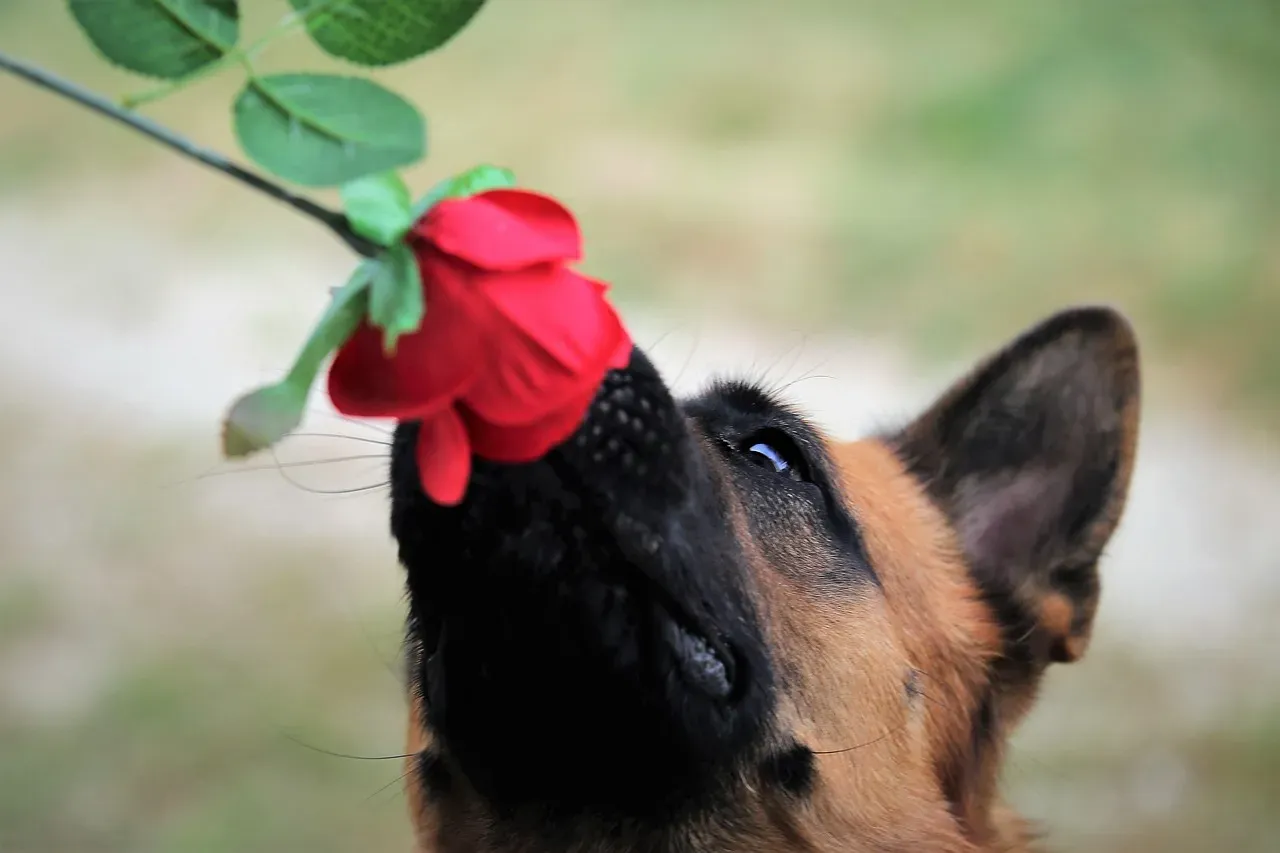
Let’s be real: your dog’s nose is on a completely different level from anything we humans can imagine. Dogs have between 220 and 300 million olfactory receptors in their noses, compared to about 5 to 6 million in humans. Think about that for a second. It’s like comparing a basic pocket radio to a state-of-the-art symphony hall sound system.
Whereas in humans, roughly 5 percent of the brain is dedicated to odors, in dogs this figure is around one third. That’s not just a fun trivia fact. It means your dog is literally built to experience the world through smell in ways we can barely comprehend. Smell is not a secondary sense for them. It is their primary reality.
Olfaction seems to be one of the most important senses for dogs because it provides information not only about the current status of the environment, but can also allow detection of signals from the past. This complex network of mixtures of smells creates a three-dimensional image of the surrounding world across time. So when your dog puts their nose to the floor where you stood this morning, they are not just sniffing. They are reading a full chapter of your story.
How Your Dog Recognizes You by Scent Alone
Here’s something that might genuinely surprise you. Your dog does not just remember what you look like. They carry a deeply embedded olfactory portrait of you. Each person emits a unique blend of skin oils, sweat, and pheromones, and dogs can pick up on this scent and identify their owners even after long periods of absence. It is personal, specific, and absolutely unmistakable to them.
Dogs showed more behavioral excitement when the target person was replaced by another equally familiar person compared to the control condition. In other words, dogs’ expectations were violated in the surprise condition. These results support the notion that dogs might hold a representation of their owners which includes information about their individual odor. So your dog doesn’t just detect your scent. They expect it, anticipate it, and feel something is wrong when it doesn’t match.
Dogs can remember and recognize their owner’s scent even after extended periods of separation, thanks to their powerful olfactory memory. Dogs can also recognize their owner’s scent on clothes, shoes, or furniture, which is why they often curl up in your laundry. It smells like home. It smells like safety. It smells like you.
Why Your Scent Triggers Joy and Calm in Your Dog’s Brain
Experiments using MRI scans have revealed that when dogs smell their owner’s scent, their reward centers light up. It’s more than just acknowledgement, it’s affection. Honestly, that is one of the most moving things science has told us about dogs in recent years. Your smell doesn’t just register as familiar. It registers as beloved.
Gregory Berns, a neuroscientist and author of “How Dogs Love Us”, studied dogs’ emotional responses using brain imaging and discovered that when a dog sees or smells its owner, the caudate nucleus, which processes pleasure and affection, is activated. This is the same brain region associated with positive emotions in humans. Your scent, in a very literal sense, makes your dog feel happy.
Studies have shown that dogs are calmed by their owner’s scent, which activates the olfactory memory centers linked to comfort and attachment. There is one unique and powerful scent that has the ability to calm your dog like no other scent can, even better than the well-known calming effects of lavender. That scent is yours, and you’ve had it all along.
Separation Anxiety: What the Signs Really Look Like
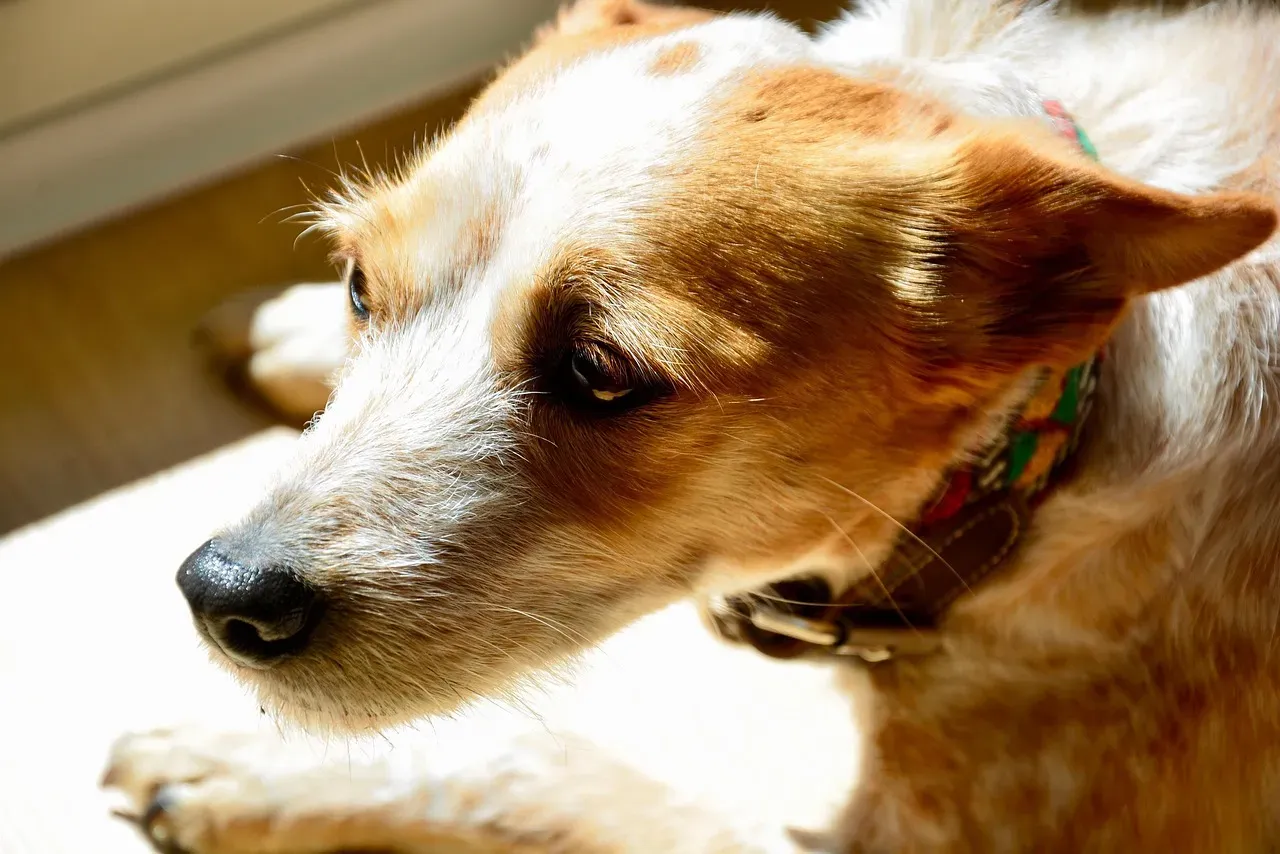
Somewhere between 10 and 40 percent of dogs suffer from some degree of separation anxiety. That is a staggering number when you sit with it. Yet so many dog owners mistake the symptoms for bad behavior, stubbornness, or lack of training. This isn’t “bad behavior” at all. Dogs with separation anxiety feel genuine fear that their caregiver won’t return.
Separation anxiety describes dogs that are usually overly attached or dependent on family members. They become extremely anxious and show distress behaviors such as vocalization, destruction, or house soiling when separated from the owners. During departures or separations, they may be restless, shake, shiver, salivate, refuse to eat, or become quiet and withdrawn. If any of this sounds familiar, you’re not dealing with a difficult dog. You’re dealing with a frightened one.
Escape attempts by dogs with separation anxiety are often extreme and can result in self-injury and household destruction, especially around exit points like windows and doors. Recognizing these signs early is the first step to helping. The sooner you identify what’s actually happening, the sooner you can start providing the comfort your dog is desperately reaching for.
Using Your Scent to Comfort Your Dog When You’re Gone
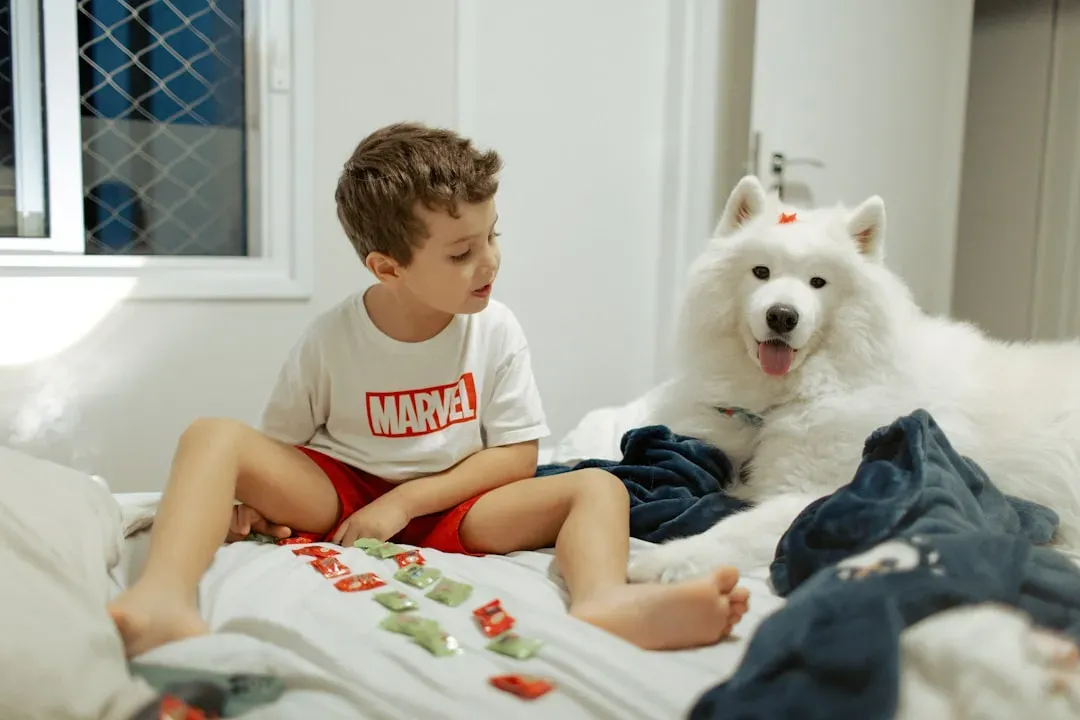
This is where things get practical, and I think it’s the part most dog owners never think to try. Your scent provides powerful reassurance to an anxious dog. An unwashed t-shirt or pillowcase carrying your personal aroma can comfort your pet when you’re gone. It sounds almost too simple, right? Yet the science fully backs it up.
Some owners rotate several pieces so there’s always a freshly scented option available. This simple trick works because your smell signals safety to your devoted companion. Think of it like leaving a little piece of yourself behind, a reassurance that you haven’t vanished from their world entirely. Leaving a worn t-shirt or blanket in their resting space helps them feel connected to you, and whether it’s a crate, a comfy bed, or a quiet corner, dogs need a space that feels secure.
By replicating security cues like routine, scent, and sound, owners help stabilize the dog’s nervous system and reduce cortisol spikes. You can pair your scented item with their favorite toy or treat to build an even stronger positive association. Over time, your scent doesn’t just comfort. It teaches your dog that calm is possible, even without you physically present.
Building Long-Term Comfort: Practical Steps That Actually Work
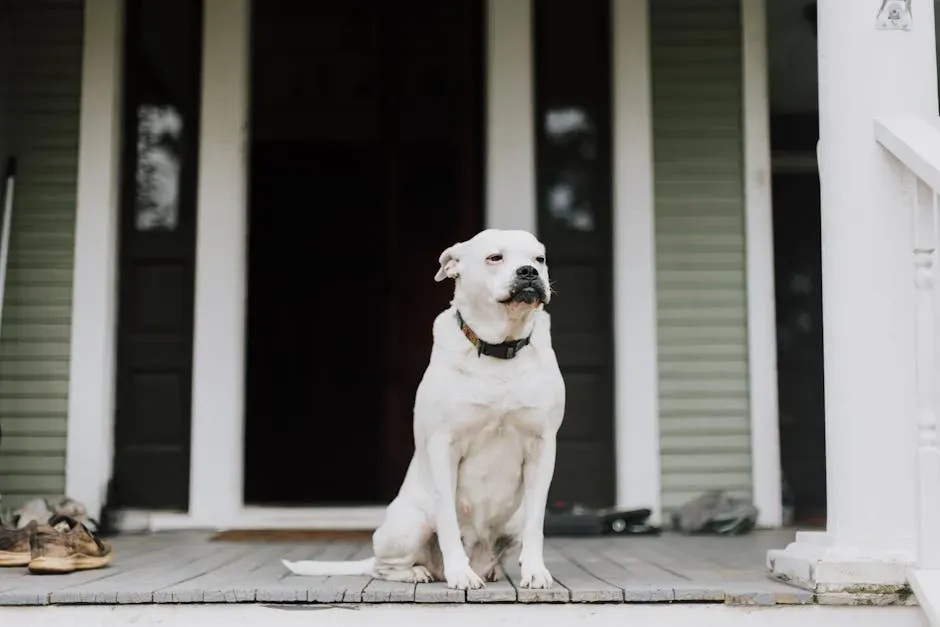
Here’s the thing: using your scent is a brilliant starting point, but long-term comfort for your dog requires a thoughtful and layered approach. Dogs with separation anxiety often panic when they notice you’re about to leave. Start desensitizing your pup by grabbing your keys or putting on your coat, then sitting back down instead of leaving. Gradually increase the time between these “false starts” and actually stepping outside. Your dog will learn these departure cues don’t always mean abandonment.
Research published in Frontiers in Veterinary Science highlights that most dogs show significant improvement within 8 to 12 weeks of consistent behavioral training. The key is patience, as forcing independence too quickly can backfire. Mental stimulation is also your secret weapon against separation anxiety. Puzzle toys filled with treats create positive associations with alone time while keeping your dog’s brain engaged.
Calming pheromones for dogs are created to mimic Dog Appeasing Pheromones, which are emitted by lactating moms to help pups feel safe and nurtured. When released into the environment through pheromone products, these synthetic pheromones remind dogs of their mother’s reassuring presence, reducing anxiety and triggering a sense of comfort. For dogs with more severe anxiety, combining your scent with structured training and, if needed, veterinary guidance, creates the most reliable path forward. Helping a dog overcome separation anxiety isn’t about quick fixes. It’s about rebuilding trust and emotional security.
Conclusion: You Are Your Dog’s Greatest Comfort
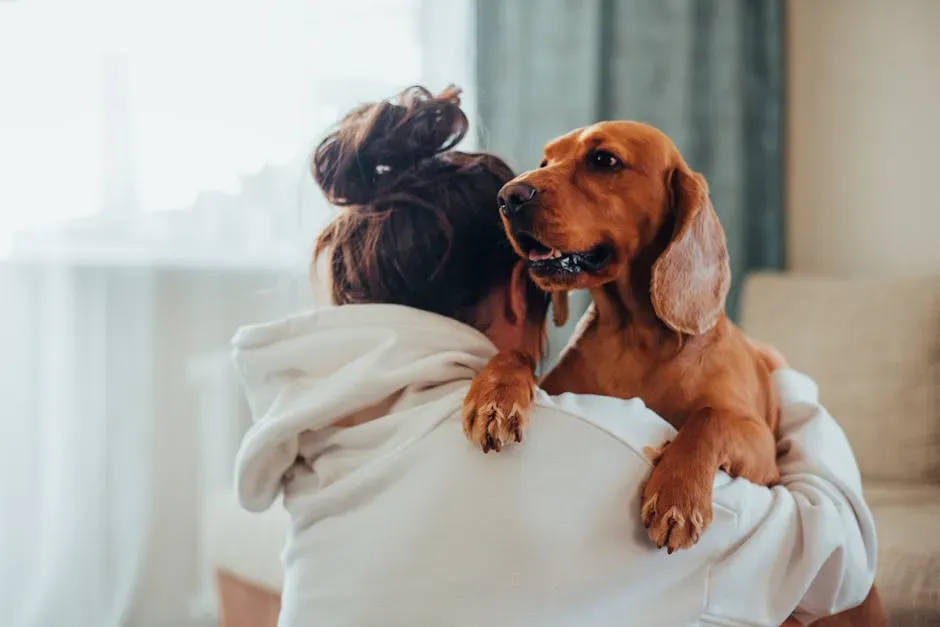
When you really sit with all of this, it becomes clear that the bond between you and your dog is not just emotional. It is chemical, neurological, and deeply wired into who they are. Your scent is not a small thing. To your dog, it is the smell of safety, love, and home all wrapped into one.
The next time you leave for work, toss an old worn t-shirt into your dog’s bed. It costs you nothing. To them, it may mean everything. And the next time your dog buries their nose in your lap the moment you walk through the door, know that they have been waiting, literally, for the scent of you.
You don’t need to be a perfect dog owner. You just need to show up, and apparently, even your smell does some of that work for you. What do you think? Have you ever tried leaving something with your scent for your dog? We’d love to hear about it in the comments below.


