
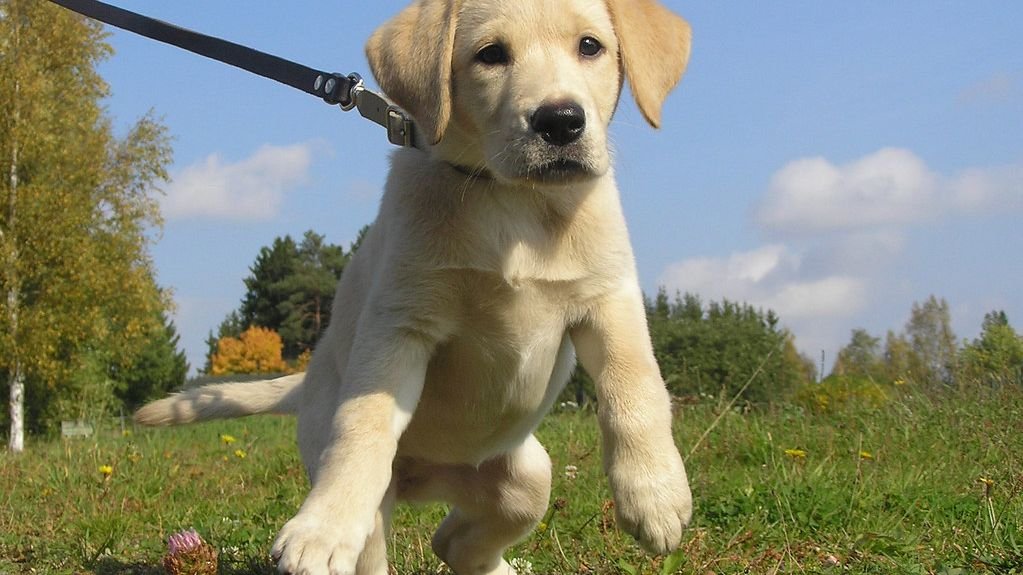
Picture this: you clip the leash onto your dog’s collar, step outside, and within ten seconds, you’re practically hang-gliding behind them down the sidewalk. Sound familiar? You’ve tried scolding, stopping, pulling back. Nothing seems to stick. Here’s the thing, though – the problem might not be your dog at all.
Most leash struggles come down to small, everyday habits that you, a well-meaning, dog-loving human, are unintentionally reinforcing. It happens to the best of us. The good news? Once you know what to look for, fixing it becomes surprisingly straightforward. Let’s dive in.
Every Time You Let Pulling Win, You Teach Your Dog It Works
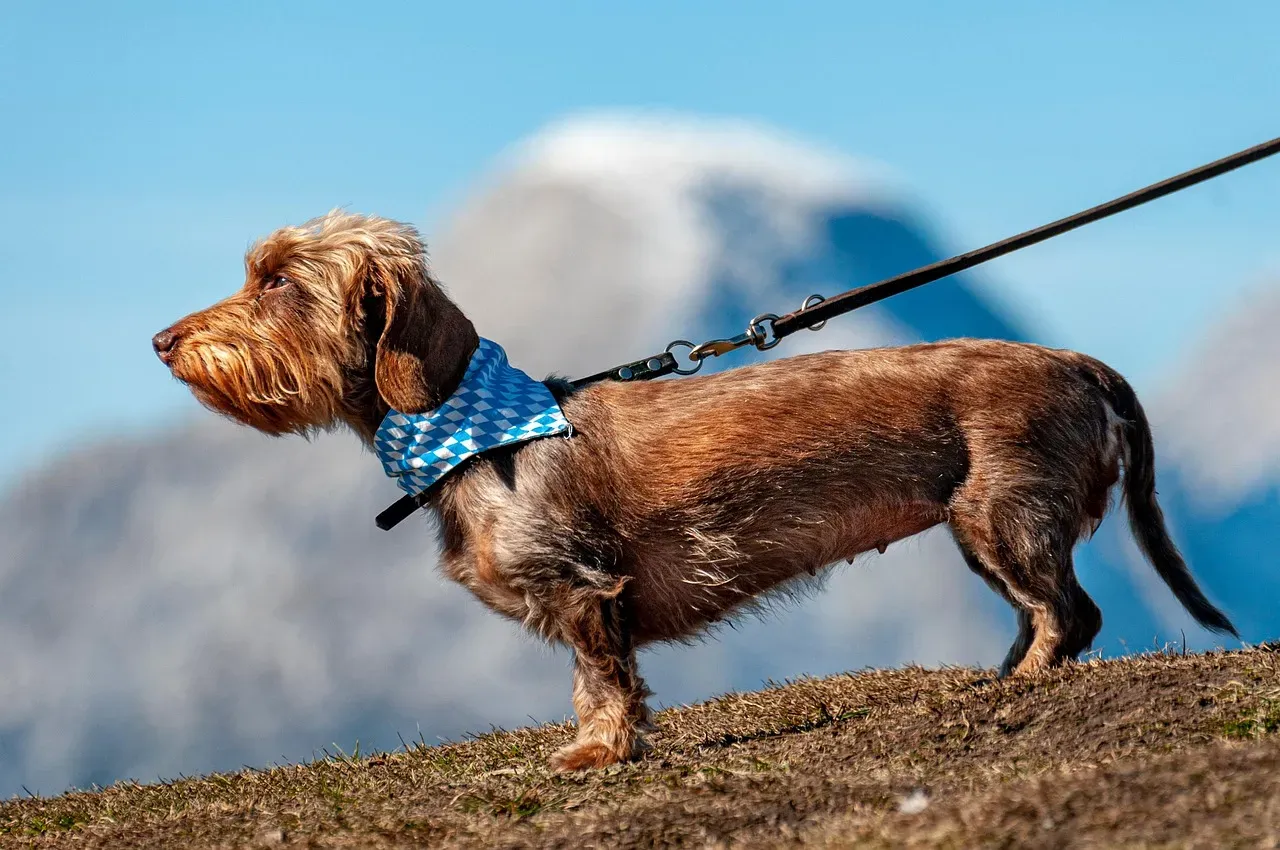
This one stings a little, but it’s the most important thing to understand. Your dog pulls ahead, you think “it’s fine for now, I’ll fix it tomorrow.” But if you let your dog pull and still move forward, you’re showing them it works – that pulling means progress. You’ve just rewarded the exact behavior you’re trying to stop.
Dogs, like any animal, do what “works.” They repeat behaviors that have a favorable or meaningful result. Think of it like this: if every time you pushed a vending machine button you got a snack, you’d keep pushing. Your dog is doing exactly the same thing.
Consistency here is everything. If you stop when your dog pulls four out of five times rather than every time, they’ll learn that pulling can still result in the intended reward – moving forward. The dog is thinking, “If it worked once, it will probably work again.” Even one slip can set your training back significantly.
You’re Pulling Back on the Leash and Making Things Worse
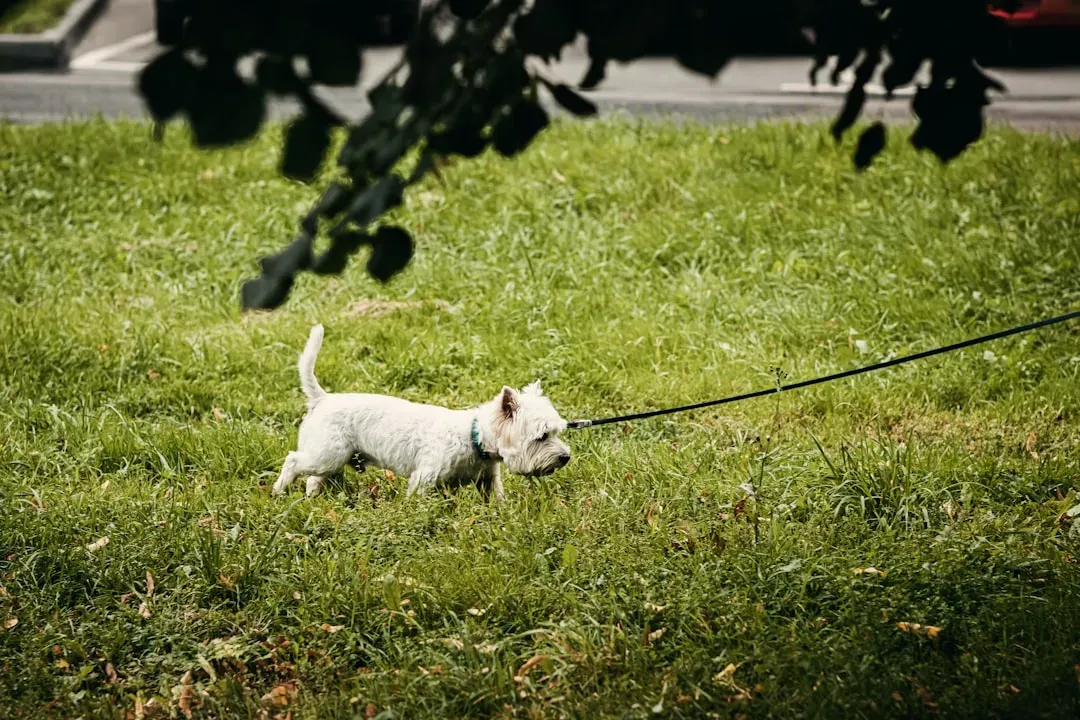
Honestly, this surprises so many people when they first hear it. When you pull on the leash, or your leash becomes taut, you are actually initiating your dog’s natural reflex to pull against you. It’s called opposition reflex, and it’s completely instinctive.
By pulling on your dog, maintaining tension in your leash, or holding your dog next to you in an effort to make them heel, you aren’t teaching them anything. Instead, you are activating their instinct to pull harder. You are frustrating them. Sound like a walk you’ve been on lately?
The fix is simpler than you’d think: reinforce and reward your dog when there is no tension in the leash. Take a high-value treat with you on walks and reward your dog when they aren’t pulling. When your dog is pulling, stop the walk and redirect them back to your side. Once they’re walking next to you with a loose leash, praise and reward them. Loose leash equals forward movement. That’s the only rule they need to learn.
You’re Skipping the Most Powerful Training Location You Already Have
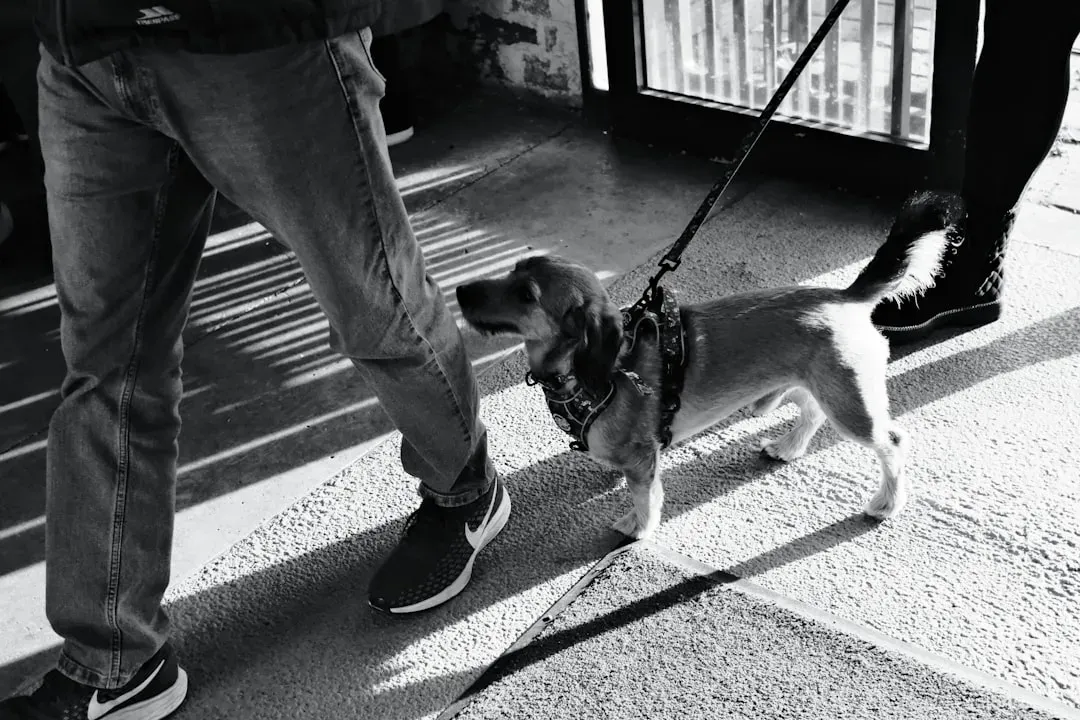
Because their dog pulls on the leash during walks outside, many owners only try to fix this behavior outside. However, the environment outside is often too distracting for dogs and their owners alike. It’s like trying to learn your multiplication tables at a concert. The noise just takes over.
For most dog owners, practicing in the house will produce the fastest and longest-lasting results. By practicing leash manners in your home, or any distraction-free environment, you’re more likely to get success and build what trainers call a reinforcement history. Your living room might be the best training facility you never knew you had.
In the beginning, practice leash walking in a small, boring indoor space like a bathroom or hallway. Stand quietly near your dog while holding a fixed-length leash by the handle. Avoid absentmindedly wrapping the leash around your hand because that changes the leash length and makes it harder for your dog to learn how much room they have to move. Small space, big results. Then, and only then, take it outside.
Mixed Signals Are Quietly Destroying Your Progress
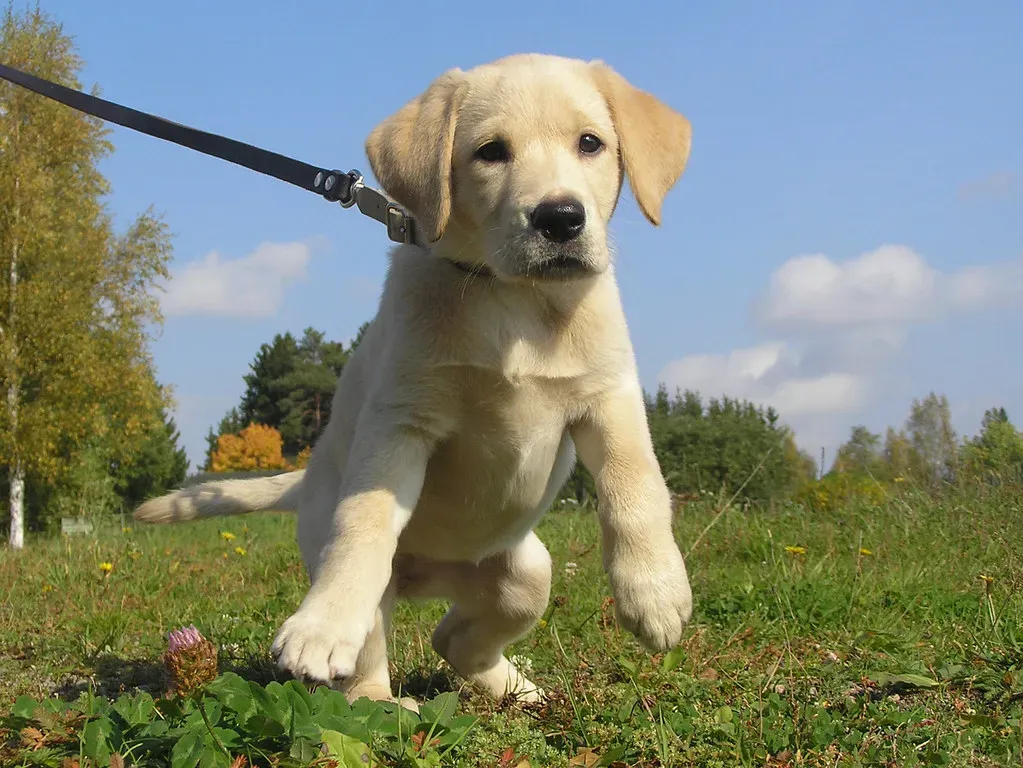
If you allow your dog to pull on the leash during one walk and then correct them for it on another, they may not understand what’s expected of them. To avoid this, establish clear rules and commands for leash training and consistently reinforce them during every walk. Consistency helps your dog understand what behavior is acceptable and what is not.
Let’s be real, life gets busy. One day you’re patient and focused, the next day you’re rushing to work and just want your dog to move along. But here’s the thing: mixed signals create confused dogs. If you occasionally pull your dog along when they stop or pull, they won’t understand the connection between their behavior and your expectations.
It also matters who else is walking your dog. One of the most common mistakes is being inconsistent with training. Ensure that everyone who walks your dog follows the same rules. Mixed signals can confuse your dog and slow down the learning process. If grandma lets the dog drag her everywhere on Sunday, Monday’s training session becomes an uphill battle.
You’re Forgetting to Reward the Good Moments
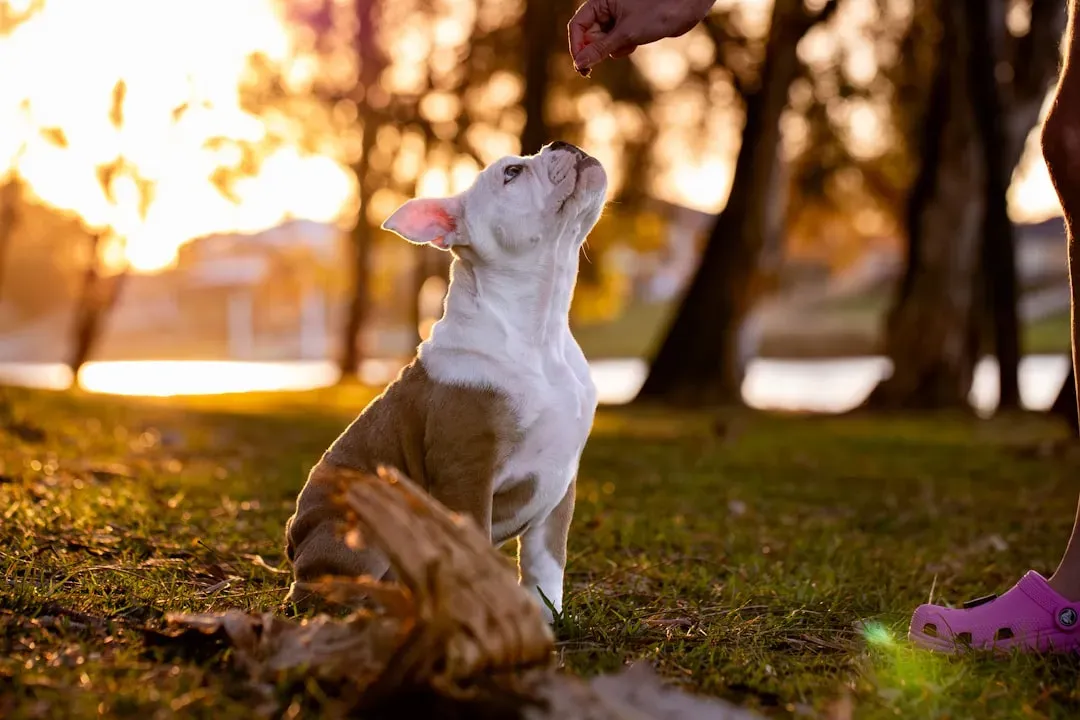
Here’s something most owners genuinely overlook. So many owners focus on fixing the “bad” – but forget to reinforce the “good.” Every time your dog walks calmly at your side, reward it. That moment is gold. Use treats, a happy voice, or even just a “Good job!” It shows your dog they did something right, so they’ll repeat it.
Research published in PLoS One shows that aversive methods raise dogs’ stress levels and can worsen behavior long term. Yanking, scolding, or snapping the leash might feel like it’s doing something in the moment, but the science says otherwise. Positive reinforcement is not just kinder – it’s actually more effective.
Wait for a slack leash hanging in a J-shape, and for your dog to turn their attention back to you. It might take quite a while in the beginning, but eventually your dog will look or walk back to see what’s holding you up. At that moment, praise and reward your dog with a treat at your side, then continue the walk. Your dog will soon figure out that pulling makes the walk stop and walking politely allows it to continue.
A Final Thought Worth Taking on Your Next Walk
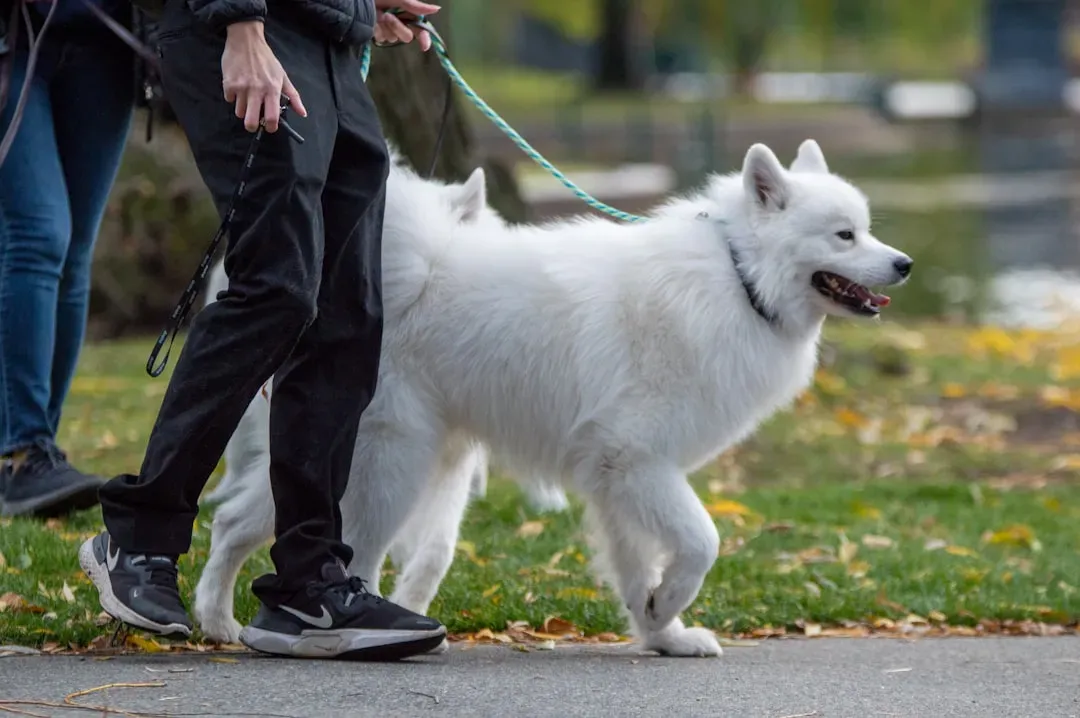
Here’s the beautiful truth hidden inside all of this: your dog isn’t being difficult on purpose. Dogs do not pull on the leash because they want to be pack leader or dominant over their human. Dogs love to be outside, and the walk is a stimulating and exciting part of their day, so the desire to push ahead is very strong. They’re just being dogs, full of joy and curiosity and an urgent need to sniff absolutely everything.
What that means is the power to change things is entirely in your hands. Small adjustments, practiced consistently, truly transform walks. Reward the calm. Stay loose. Keep training sessions short and sweet. Every dog can learn to walk calmly, and every owner can feel confident on the other end of that leash. It’s not about perfection; it’s about progress, patience, and the right support along the way.
You and your dog deserve walks that actually feel good. The kind where you both come home happier than when you left. That’s not a dream – it’s just a few consistent habits away. So, which of these mistakes are you going to tackle first?


