
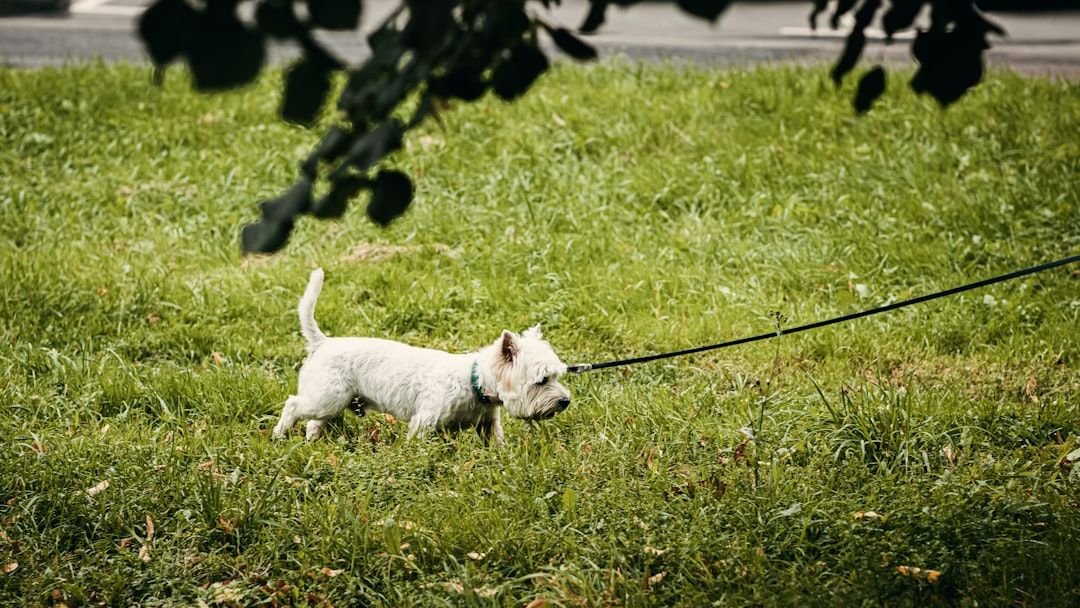
Bringing a new dog home is one of the most exciting moments a dog lover can experience. Your heart is full, your home feels even warmer, and you can already picture your two pups snuggling on the couch together. But here’s the thing – that beautiful vision can unravel fast if the introduction goes wrong. And honestly, most of us get it wrong, not out of carelessness, but out of pure, well-meaning excitement.
The truth is, dog introductions are more nuanced than most people realize. There are invisible social rules happening between dogs, stress signals being sent and ignored, and territorial emotions bubbling under the surface. The good news? Once you understand the five biggest mistakes, you’ll be so much better equipped to set both dogs up for a lifelong friendship. Let’s dive in.
Mistake #1: Introducing Dogs on Home Turf
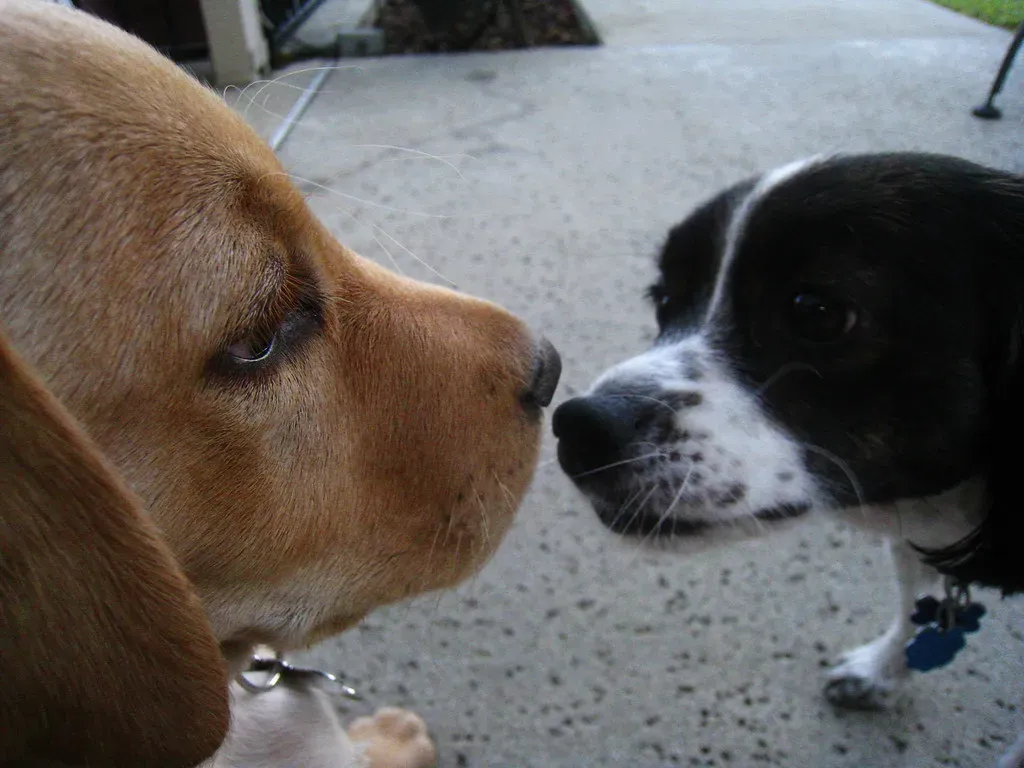
Picture this: you bring your new rescue home, walk her straight through the front door, and let your resident dog sniff her out in the living room. Sweet, right? Actually, no. Walking a new dog into your home with your current dog waiting inside can cause your dog to naturally feel that the newcomer is an intruder, not a new friend. That’s not a warm welcome. That’s a territorial standoff waiting to happen.
Neutral territory is best for first meetings. It prevents your resident dog from feeling territorial and allows both dogs to assess each other without inherent resource-guarding stress. Think a quiet park, a neighbor’s yard, or even a calm stretch of sidewalk neither dog has ever sniffed before. It sounds like a small detail, but it changes everything.
Mistake #2: Keeping the Leash Tight
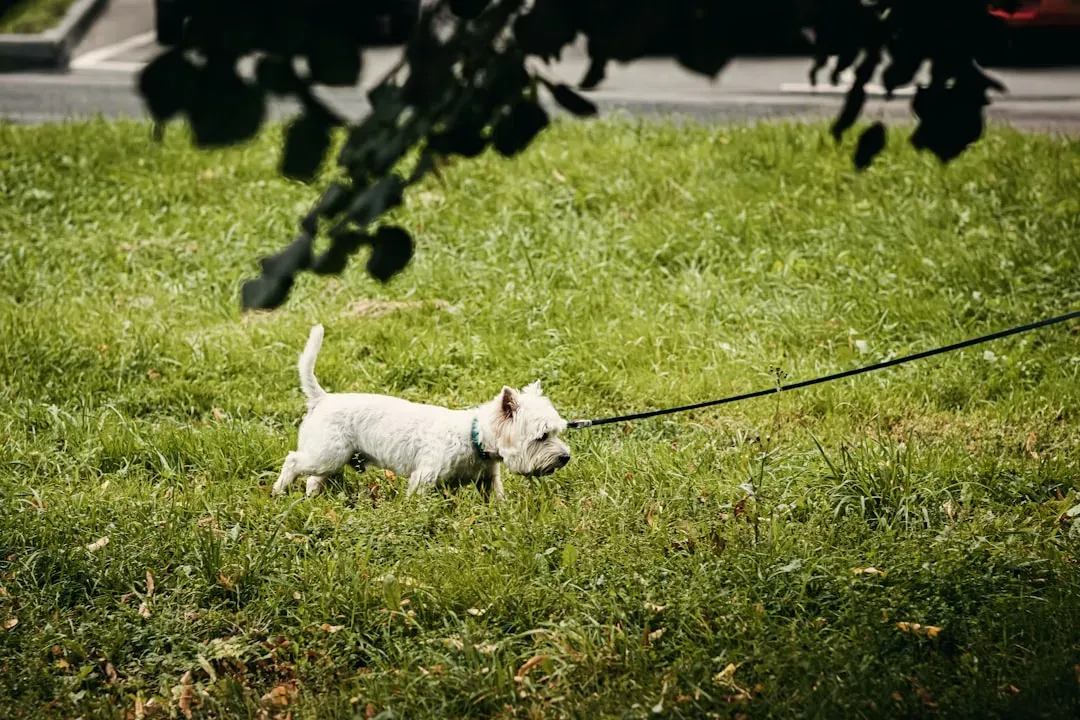
I know it feels safer to hold that leash as tight as possible when two unfamiliar dogs are meeting. You love your pup and want to protect them. But here’s what’s actually happening: holding a dog on a tight leash can create frustration when your dog sees other dogs, and that can cause body language in your dog that might look offensive to other dogs. You’re accidentally turning a hello into a threat.
The on-leash greeting should be brief, as dogs don’t enjoy greeting or interacting on leash because the leash pressure inhibits their natural movements. Keep it loose, keep it short, and let the dogs move in natural arcs around each other rather than pointing nose to nose. Dogs greet each other by doing a series of behaviors like moving in arcs, giving calming signals, sniffing, and then gauging the other dog’s body language to decide if they want to interact or not.
Mistake #3: Ignoring Stress Signals Until It’s Too Late
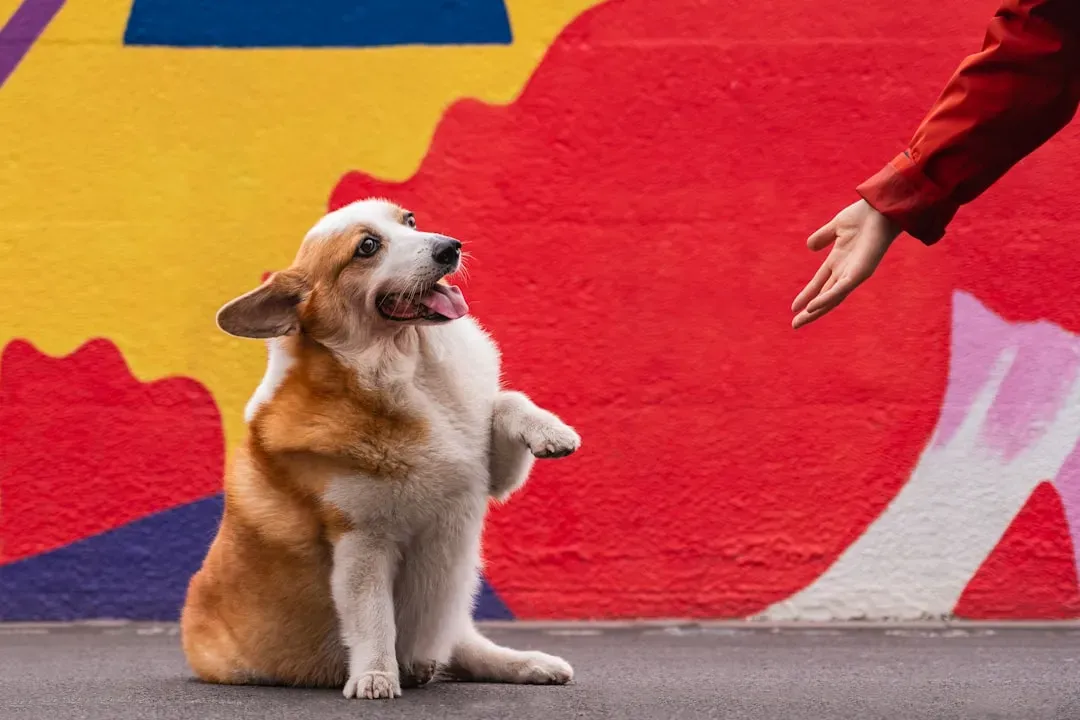
Most dog owners only intervene when things go loud: growling, snapping, barking. But by then, the dogs are already deep in a stress response and damage has been done. The real skill is catching the quiet signals early. Signs of stress include whining, shaking, pacing, yawning, shedding, drooling, and panting. You may also notice that your dog doesn’t make eye contact or has dilated pupils. Licking the lips and resting most of the body weight on the back legs can also be signs of stress.
Think of it like a traffic light system. Green means they are relaxed and happy, yellow indicates discomfort and possible escalation, and red means separate them immediately. If either dog is unable to respond to a basic cue or is not taking their favorite treats, those are signs that your dog’s stress level has risen. Give yourself some additional space before attempting another greeting. Treats refused? Walk away. It’s that simple, and that important.
Mistake #4: Rushing the Process Because Things “Look Fine”

Let’s be real – patience is hard when you’re dying to watch your two dogs play together. But rushing the introduction is one of the most common and most damaging mistakes dog owners make. Introducing dogs requires patience. Avoid rushing the process or forcing interactions. Each dog has their own comfort level and needs time to adjust to the presence of a new dog. Take it slow and allow them to build trust at their own pace.
Even when a first meeting goes brilliantly, that doesn’t mean the work is done. If an altercation occurs, separate the dogs for a few days to give them a break from each other. Stress hormones can take this long to return to normal, and if you try to continue the introduction too soon, the altercations could get worse. After a few days, you can return to the previous step to continue building a positive relationship. Think of it like a new work colleague. Just because your first coffee chat went well doesn’t mean you’re ready to share an office full-time.
Mistake #5: Leaving Resources Out During Early Introductions
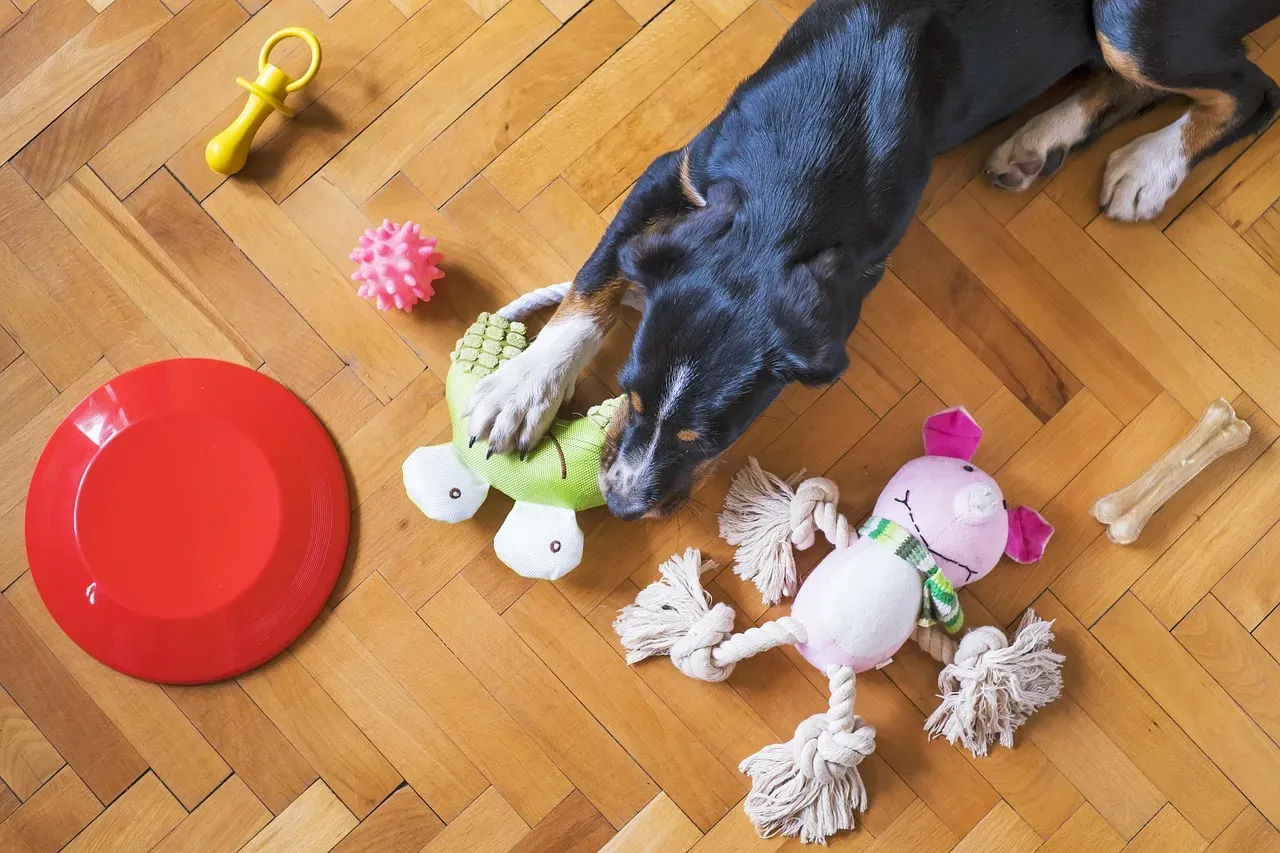
This one surprises a lot of people. Toys scattered on the floor, food bowls side by side, a beloved chew bone left in plain sight – it all seems harmless. But resources for dogs include things like food, toys, treats, chews, locations (especially sleeping locations), people, and even water. This mistake has been the number one source of behavioral issues in clients experiencing dog-dog aggression.
At home, let them settle in, but make sure you’ve put away your dog’s toys, bones, and food bowls first because these items can be sources of conflict. Feed them in completely separate spaces, ideally where they cannot even see each other eat. One of the most common causes of dog fights in the home are fights over food and toys. Feed the dogs in dog crates or in different rooms. Two dogs sharing a home doesn’t mean sharing everything from day one.
Conclusion: Slow Down and Let Your Dogs Lead

Introducing dogs is not a single moment. It’s a process, sometimes a long one, and that’s perfectly okay. When you’re introducing two dogs to each other, first impressions matter. How the dogs interact in their first few encounters can set the tone for their entire relationship. The pressure you feel to make it instant and perfect is the very thing that can make it go sideways.
Be their calm, steady guide. Watch their bodies. Read the signals. Remove the triggers. Give them space to figure each other out at a pace that feels safe to them both. With you giving them guidance and direction, the dogs will get to know each other and will hopefully build a trusting bond. The friendship you’re hoping for is absolutely possible. It just needs a little more grace and a little less rushing.
You’ve got this. And so do they. What would you do differently the next time you introduce two dogs? We’d love to hear your story in the comments.


