
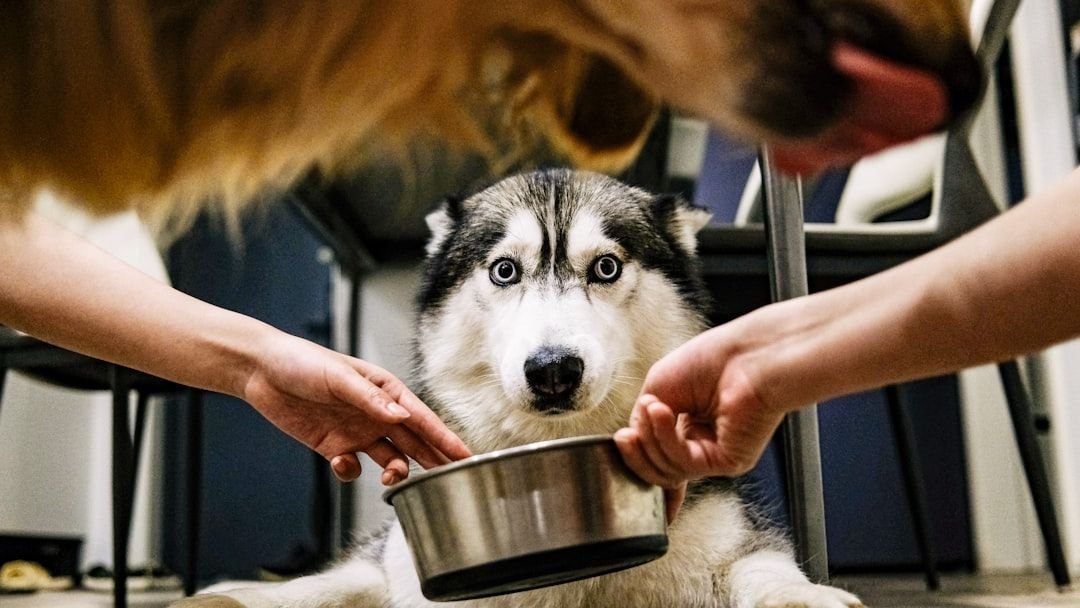
Let’s be real here. You love your dog with all your heart. You’d do anything for them. Yet there’s a pretty good chance that one of the most basic things you do for them every single day might actually be working against their health.
Feeding a dog seems straightforward enough, right? Pour some kibble into a bowl, maybe toss in a few treats throughout the day, and call it good. Except it’s rarely that simple. The truth is, most of us have picked up habits over the years that don’t quite align with what our furry friends actually need.
Here’s the thing: small changes can make a massive difference. We’re not talking about a complete overhaul of your routine or spending a fortune on fancy supplements. Sometimes it’s just about understanding a few key principles that veterinarians and canine nutritionists have been trying to tell us for years. So let’s dive in and see if any of these sound familiar.
You’re Eyeballing Those Portions Instead of Measuring
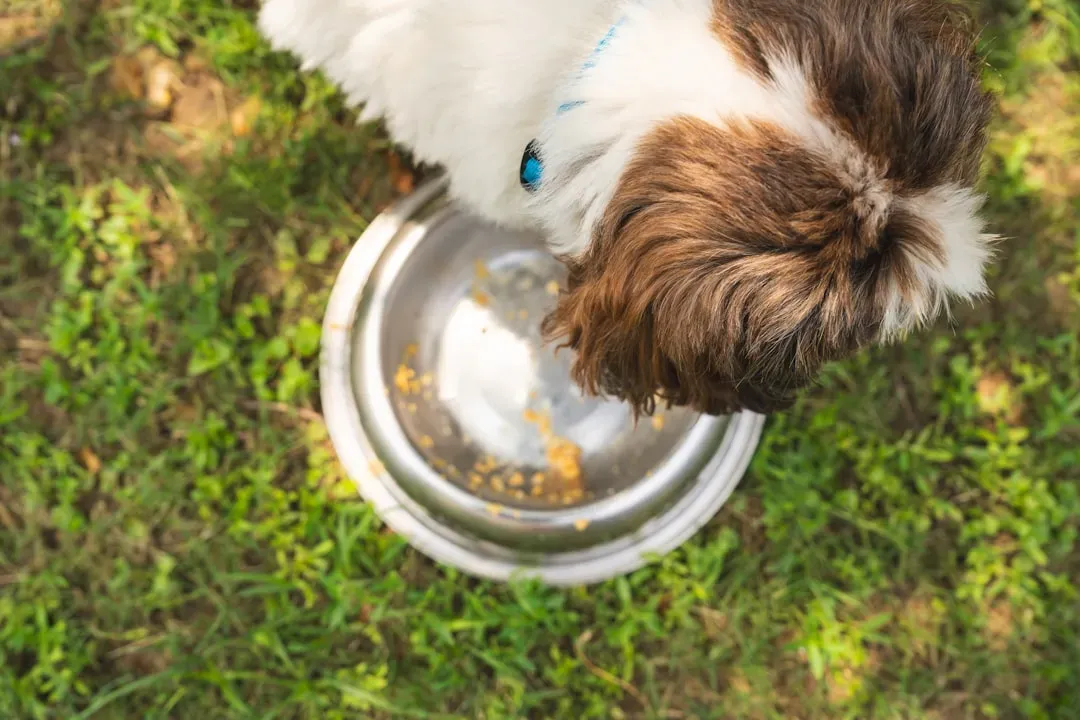
I know it sounds tedious. Honestly, who wants to dig out a measuring cup every single time? It’s so much easier to just scoop and go. The problem is, even a slight overestimation adds up quickly over time.
Overfeeding is one of the most frequent errors, and many owners confuse love with food, leading to an overweight pet. Think about it like this: an extra quarter cup of kibble might seem insignificant, yet over weeks and months, those calories stack up. Before you know it, your pup is carrying extra weight that strains their joints, heart, and overall lifespan.
Using a standard measuring cup or even a kitchen scale takes just seconds. Measuring your dog’s food accurately is essential in maintaining ideal portion size for weight management, and using a measuring cup or kitchen scale ensures you provide the exact amount recommended. Pay attention to the feeding guidelines on your dog food packaging, but remember those are starting points. Your individual dog’s needs depend on their age, activity level, and metabolism.
Body condition scoring is more accurate than relying only on the scale; check if ribs are easily felt but not sticking out, and look for a visible waistline when viewed from above. If you’re unsure whether you’re feeding the right amount, your vet can help you figure out a personalized plan.
That Feeding Schedule Is All Over the Place
Some days breakfast happens at seven in the morning. Other days it’s closer to ten. Dinner might be at five, or maybe seven, depending on your schedule. Dogs thrive on predictability, though, and erratic meal times can mess with their digestion and behavior.
Dogs have a simple stomach anatomy, and after their stomach fills with food, it empties within a few hours as food moves into the small intestine; after eight to ten hours, an empty stomach sends hunger signals to the brain, which is why at least two meals per day are best. When you feed on a consistent schedule, their bodies get into a rhythm. They know when to expect food, which helps regulate their energy and even makes house training easier.
Dogs are creatures of habit, and creating a regular feeding schedule helps with house training puppies and adult rescue dogs, as puppies generally need to relieve themselves within ten to fifteen minutes of eating a meal. This predictability isn’t just about convenience for you. It creates a sense of security for your dog.
Try to stick to the same times each day. Set a reminder on your phone if you need to. Your dog will appreciate the routine, and you’ll likely notice improvements in their behavior and bathroom habits.
Those Treats Are Adding Up More Than You Think
Treats are wonderful for training and bonding. Nobody’s saying you should stop giving them. The issue is that most of us drastically underestimate how many calories those little rewards contain.
Treats can be an easy way to show love, but most owners fail to account for their calorie content, and even healthy treats can add up quickly; ideally, treats should make up no more than ten percent of a pet’s daily calorie intake. For smaller dogs, even one or two larger treats can represent a significant chunk of their daily needs. That’s like you eating an extra meal every single day without realizing it.
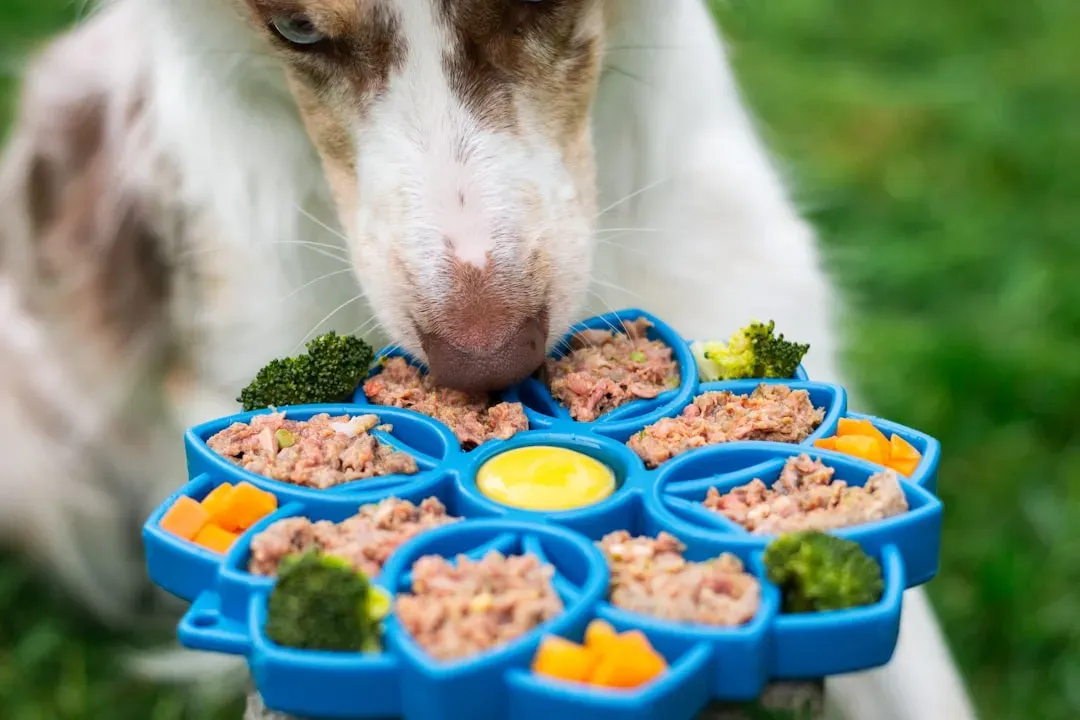
Break those biscuits into smaller pieces. Your dog won’t mind, I promise. They’re just as happy getting five tiny bits as they are getting one big chunk. Breaking big treats into smaller pieces or using healthy veggies like carrots, green beans, or apples as alternatives can help. Better yet, use a portion of their regular kibble as training treats so you’re not adding extra calories at all.
Keep track of how many treats you’re handing out throughout the day. You might be surprised at the total. If your dog seems to be gaining weight despite eating the recommended amount of food, treats are often the hidden culprit.
Water Isn’t Getting the Attention It Deserves
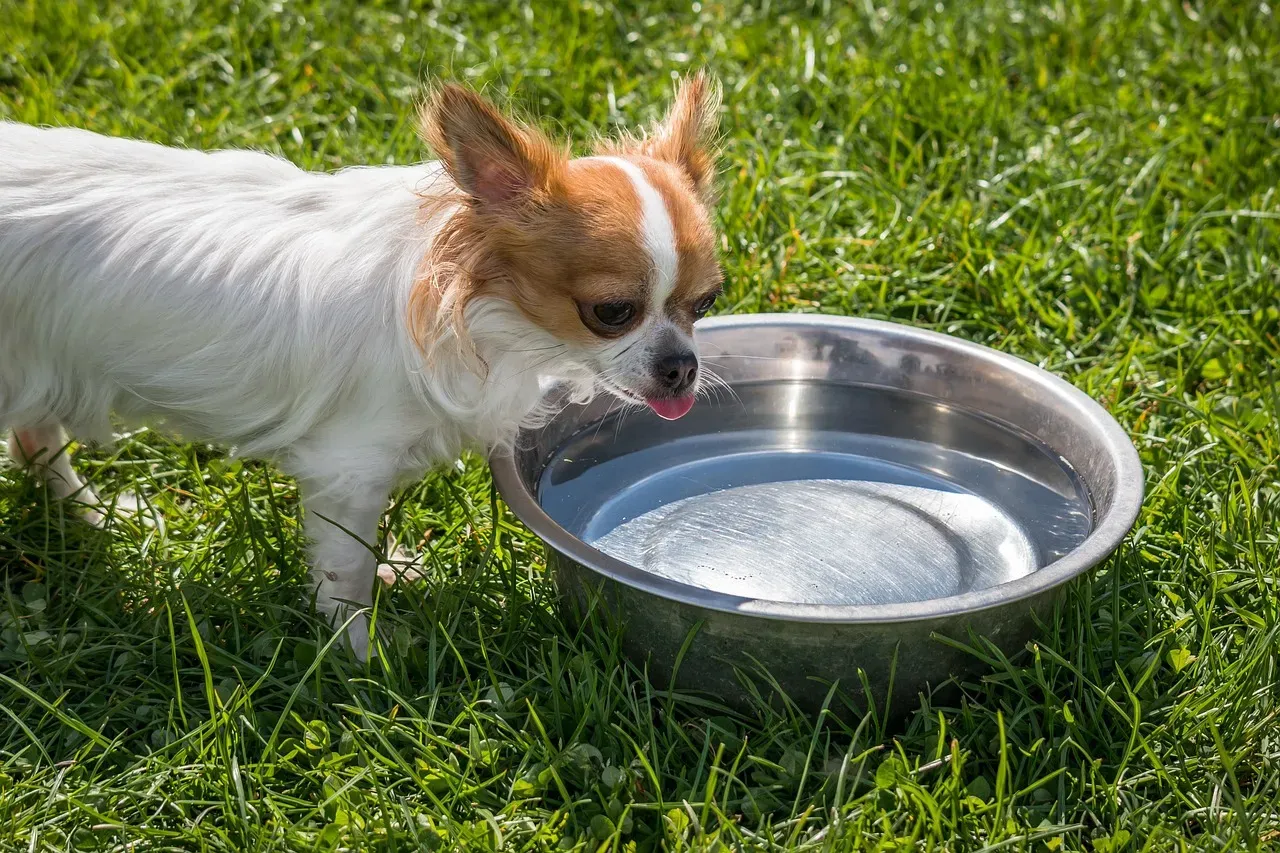
Food often takes center stage when we think about nutrition. Water, though, is just as crucial for your dog’s health, if not more so.
Food often takes the spotlight, but hydration is equally important, as lack of clean water can lead to urinary issues, dehydration, and kidney stress. In general, dogs should drink approximately one ounce of water per pound of body weight each day, though many factors can affect how much your dog will drink. So a fifty-pound dog needs roughly fifty ounces daily.
The bowl itself matters too. Provide fresh, clean water at all times, and wash water bowls daily to prevent bacterial growth. Dirty bowls with stale water aren’t exactly appealing. Would you want to drink from a grimy glass? Neither does your dog. Make it a habit to rinse and refill that bowl every morning, and give it a proper scrub with soap regularly.
Sudden changes in water intake may indicate health issues. If your dog suddenly starts drinking way more or way less than usual, that’s worth a conversation with your vet. Hydration is one of those things that’s easy to overlook until it becomes a problem.
You’re Ignoring Their Life Stage and Activity Level
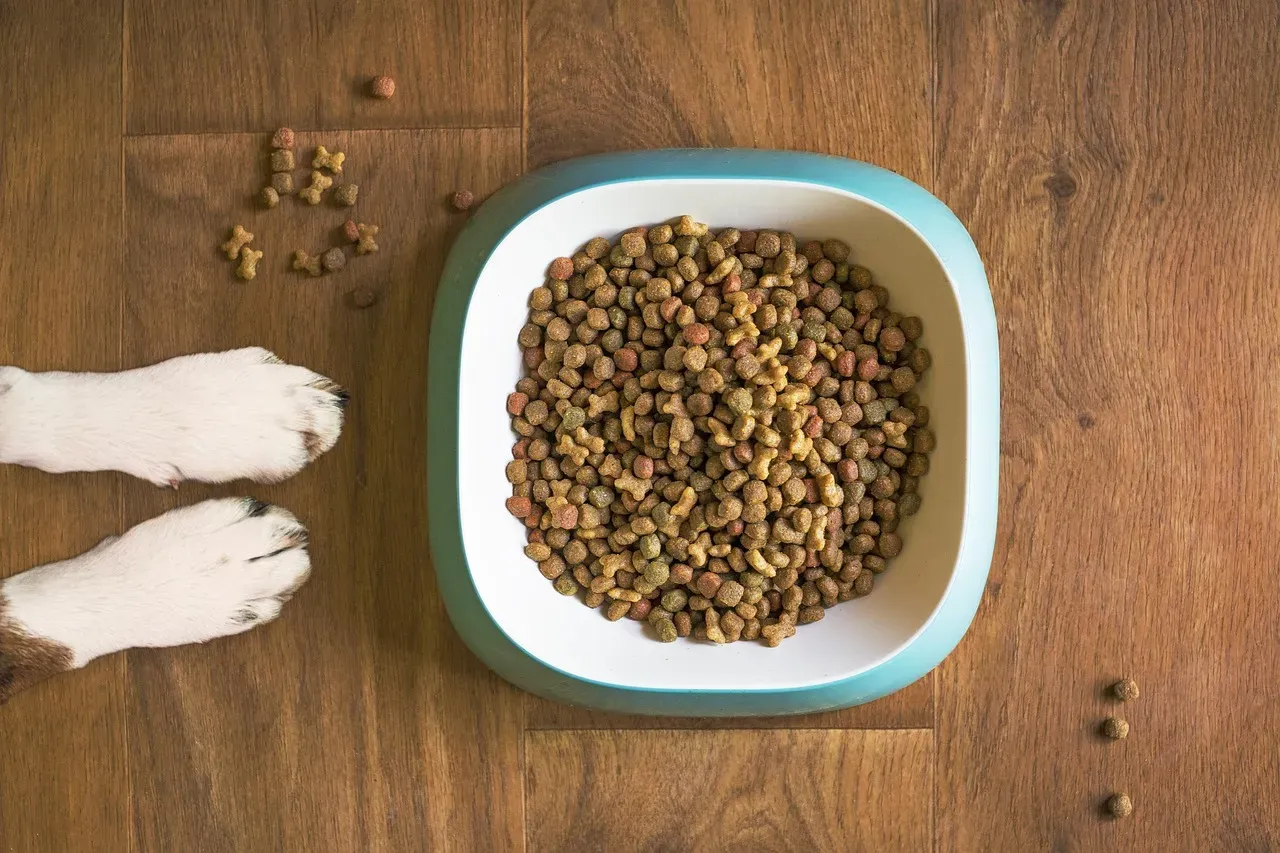
A rambunctious puppy has completely different nutritional needs than a senior dog who mostly naps. An active working breed needs more calories than a couch potato companion. Yet many people feed the same amount year after year without adjusting.
The right amount of food depends on several factors including age, weight, activity level, and health status; puppies, adult dogs, and seniors all have different nutritional needs and should follow age-specific feeding guidelines. Puppies need more frequent meals and higher calorie density to support their rapid growth. Young puppies typically need three to four meals daily, and as they grow, you can gradually transition to two meals daily.
As dogs age, their metabolism slows down. They’re not running around as much, and their bodies just don’t burn calories the way they used to. Feeding them the same amount you did when they were younger is a recipe for weight gain. Pay attention to their body condition and adjust accordingly.
Activity level plays a huge role too. An animal with normal activity level should receive maintenance energy, while a pampered lap dog may require just ten percent of that, and an active pet who exercises regularly outdoors may require maintenance plus twenty to forty percent. If your dog is suddenly more or less active, their food intake should reflect that change.
The Way They’re Eating Could Be Causing Discomfort
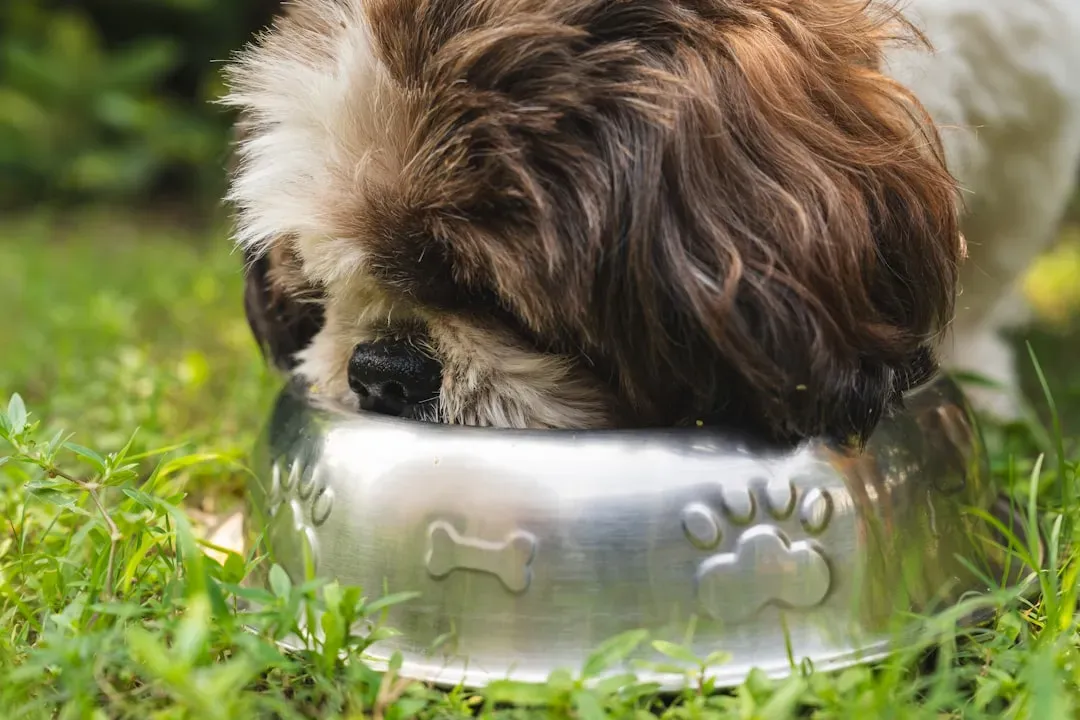
This one doesn’t get talked about nearly enough. The position your dog eats in actually matters, especially for larger breeds and senior dogs with joint issues.
Raising your dog’s bowl helps improve their posture, as bending over constantly to drink water and eat food from bowls on the floor can cause bad posture that leads to back problems. Think about how uncomfortable it would be for you to eat every meal while bending way down toward the ground. For older dogs with arthritis, that position can be genuinely painful.
Elevating your dog’s bowls allows them to be in a more comfortable position that will help with digestion. When dogs eat from a raised bowl, they are forced to take smaller bites and chew their food more thoroughly. There’s some debate about elevated bowls and bloat risk in giant breeds, so talk to your vet about what’s right for your specific dog.
Even something as simple as slowing down their eating pace can make a difference. If your dog inhales their food the second you put the bowl down, consider using a slow feeder bowl or puzzle feeder, or try spreading their food out on a flat surface or using food-dispensing toys. Fast eaters are more prone to choking, vomiting, and digestive upset.
Conclusion
Feeding your dog properly doesn’t have to be complicated or expensive. Most of these changes require nothing more than a bit of awareness and consistency. Measure those portions. Stick to a schedule. Watch the treats. Keep that water bowl clean and full. Adjust for age and activity. Consider how they’re positioned when they eat.
These aren’t revolutionary ideas, honestly. Yet they’re the fundamentals that too many of us overlook in the daily rush of life. Your dog depends on you to get this stuff right. They can’t tell you when something’s off or when they need a change.
Small tweaks in how you feed your pup can lead to a longer, healthier, happier life together. That’s worth a few extra minutes of effort each day, don’t you think? What changes are you planning to make starting today?


