
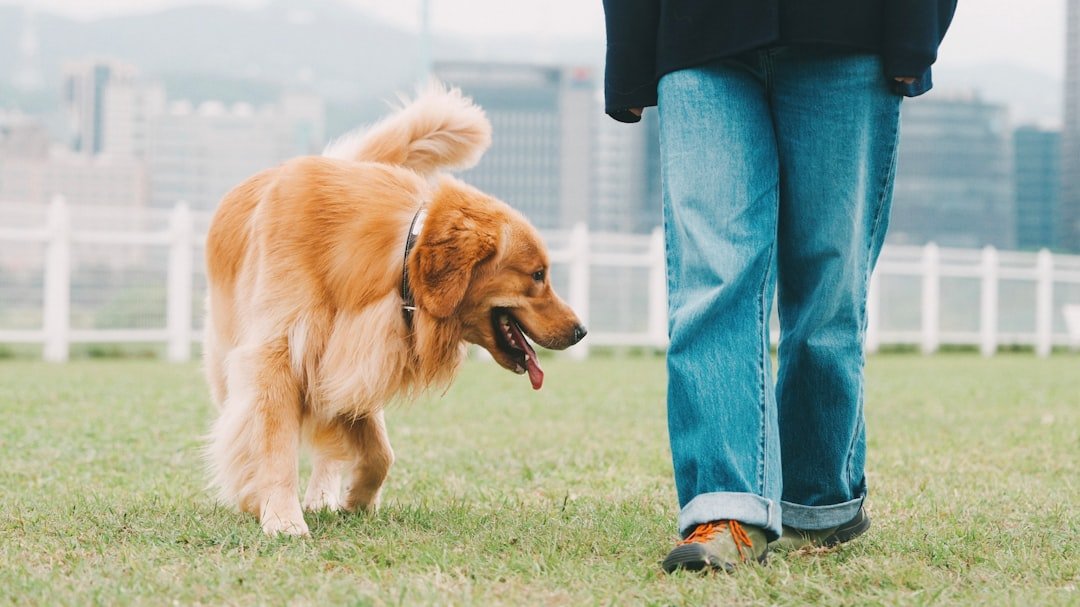
We all think we know our dogs inside and out. We’ve watched them grow, memorized their favorite toys, learned their quirks. We know exactly how they ask for dinner, where they nap when it’s sunny outside, and the face they make when they’ve done something they shouldn’t have.
Yet there’s one behavior, incredibly common and happening right under our noses, that most of us completely misread. I’m talking about something you see every single day, something so familiar it barely registers anymore. The thing is, we’ve been getting it wrong, and honestly, it’s not our fault. This misinterpretation has been passed down through generations of dog lovers, becoming accepted wisdom that nobody really questioned. Until now, that is.
That “Happy” Yawn Might Be Anything But
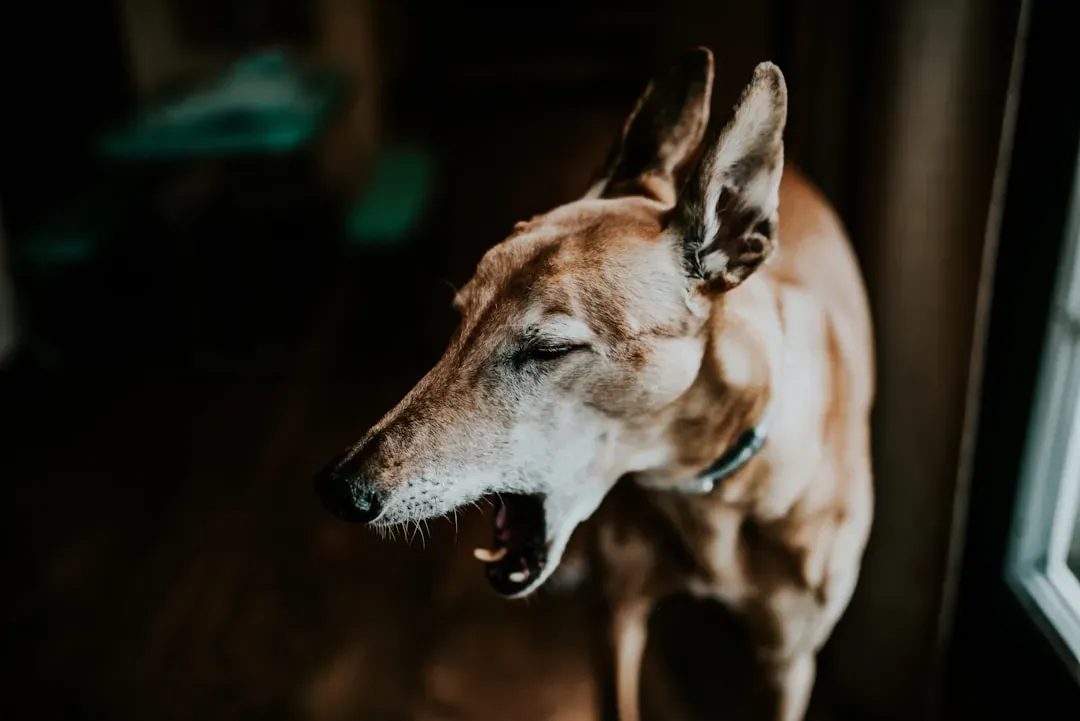
When your dog yawns, your first thought is probably that they’re tired or maybe a bit bored. Dogs do yawn when sleepy or bored, and they also yawn when stressed. Picture this: you’re at the vet’s office, and your dog opens their mouth wide in what looks like a casual yawn. You probably think nothing of it, right?
Here’s the truth though. Yawns can also indicate stress, and if your dog yawns repeatedly in the middle of a noisy waiting room, during a training session, or while being hugged by a stranger, it’s less about sleepiness and more about unease. The context matters enormously. A stressful yawn is more prolonged and intense than a sleepy yawn.
Think about the last time someone approached your dog a little too enthusiastically. Did they yawn? That wasn’t indifference. Dogs yawn to calm themselves in stressful situations, a behavior known as a calming signal that helps dogs soothe themselves and communicate their anxiety to others.
Tail Wagging Doesn’t Always Mean What You Think
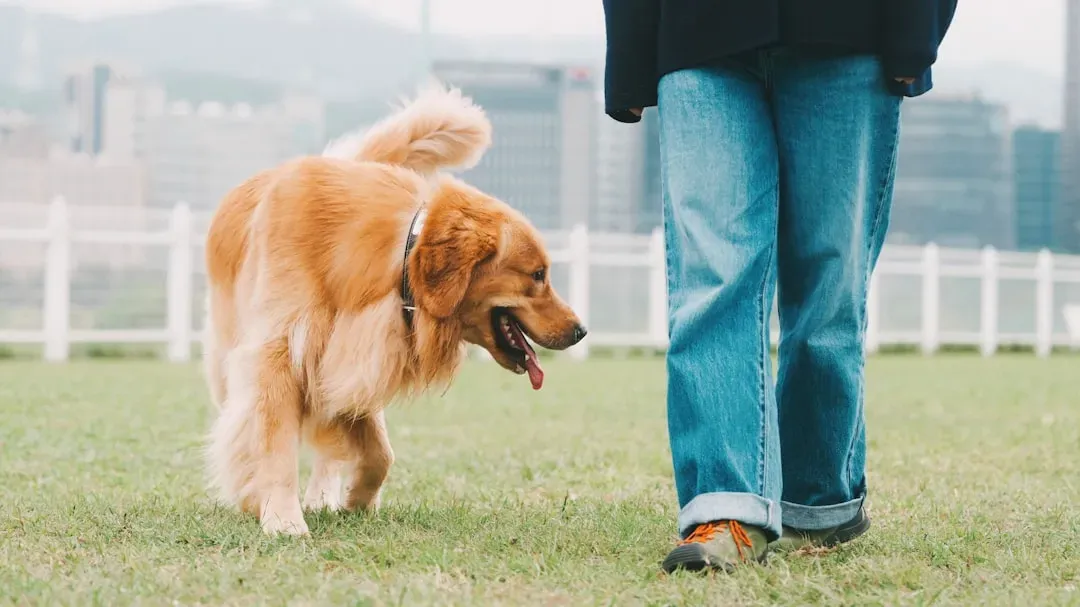
This one might surprise you. We’ve all been taught from childhood that a wagging tail equals a happy dog, haven’t we? Let’s be real though, it’s way more complicated than that.
Tail wagging isn’t always a sign of friendliness, as it depends on how the tail is moving. The speed, height, and stiffness of the wag can convey different emotions. A fast, high wag might indicate excitement or arousal, while a slow, low wag could signal insecurity or potential aggression. I know it sounds crazy, but you can actually get bitten by a dog that’s wagging its tail.
When dogs are fearful, they may also wag their tails rapidly, typically in a low position. Dogs experiencing emotional conflict may begin to wag their tails rapidly as a reflection of their discomfort. Tail wags are often misinterpreted to mean that the dog is friendly and wants to engage, when the dog may be trying their best to find a way to end the interaction. The position tells you everything. A high, stiff wag is completely different from a loose, full-body wiggle.
The Direction of the Wag Actually Matters
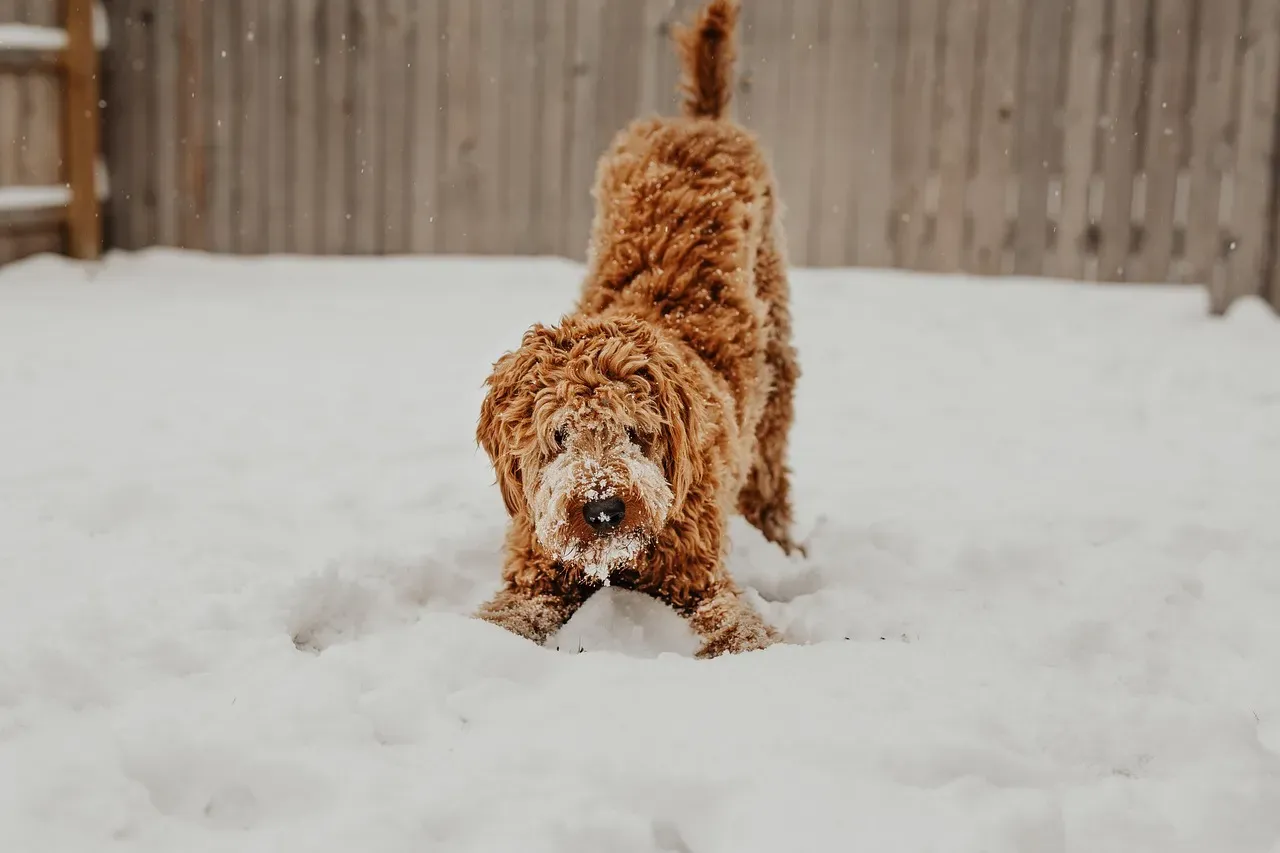
Wait, there’s more. Even the direction your dog wags their tail carries meaning, and this is something most people never even notice.
Dogs wag their tails to the right when they are happy or confident, and to the left when they are frightened. Since the left side of the brain is associated with positive feelings like love and serenity, a happy dog wags his tail to the right. Conversely, the right half of the brain is associated with negative feelings like fear and depression, so a frightened dog wags his tail to the left.
This is rooted in brain hemisphere lateralization. It’s hard to say for sure, but watching the subtle bias in tail movement can give you incredible insight into your dog’s emotional state. Next time your dog greets you, pay attention. Is there a slight lean to one side or the other?
Growling Is Often a Gift, Not a Threat
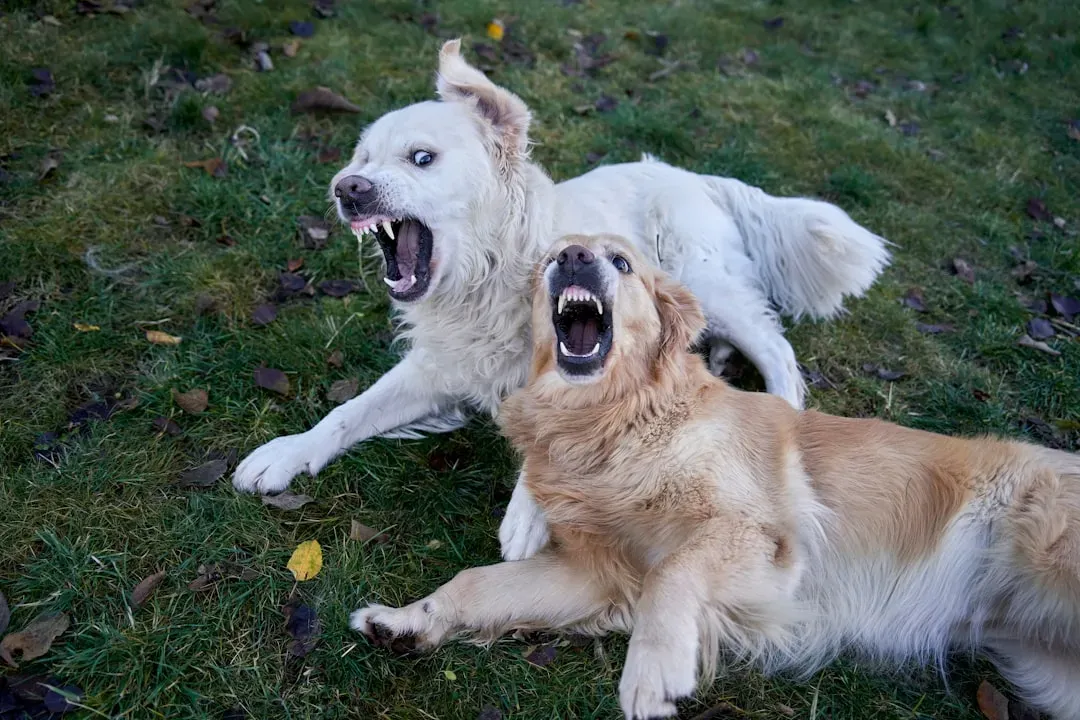
Most people panic when their dog growls. They scold them, tell them to stop, maybe even punish the behavior. Here’s the thing though: that’s exactly the wrong response.
While growling can appear aggressive to people, it’s a dog’s way of expressing discomfort, fear, or stress. It’s often a warning signal, not always a sign of aggression. Understanding the context and triggers behind the growl is crucial. When you punish a growl, you’re essentially removing your dog’s early warning system. They’re trying to tell you something important.
Think of it like this: a growl is your dog saying they’re uncomfortable before things escalate further. That’s actually incredibly polite communication in dog language. If we take away that warning, the next step might be a snap or bite with no warning at all. That’s far more dangerous.
Jumping Up Isn’t Dominance or Disrespect
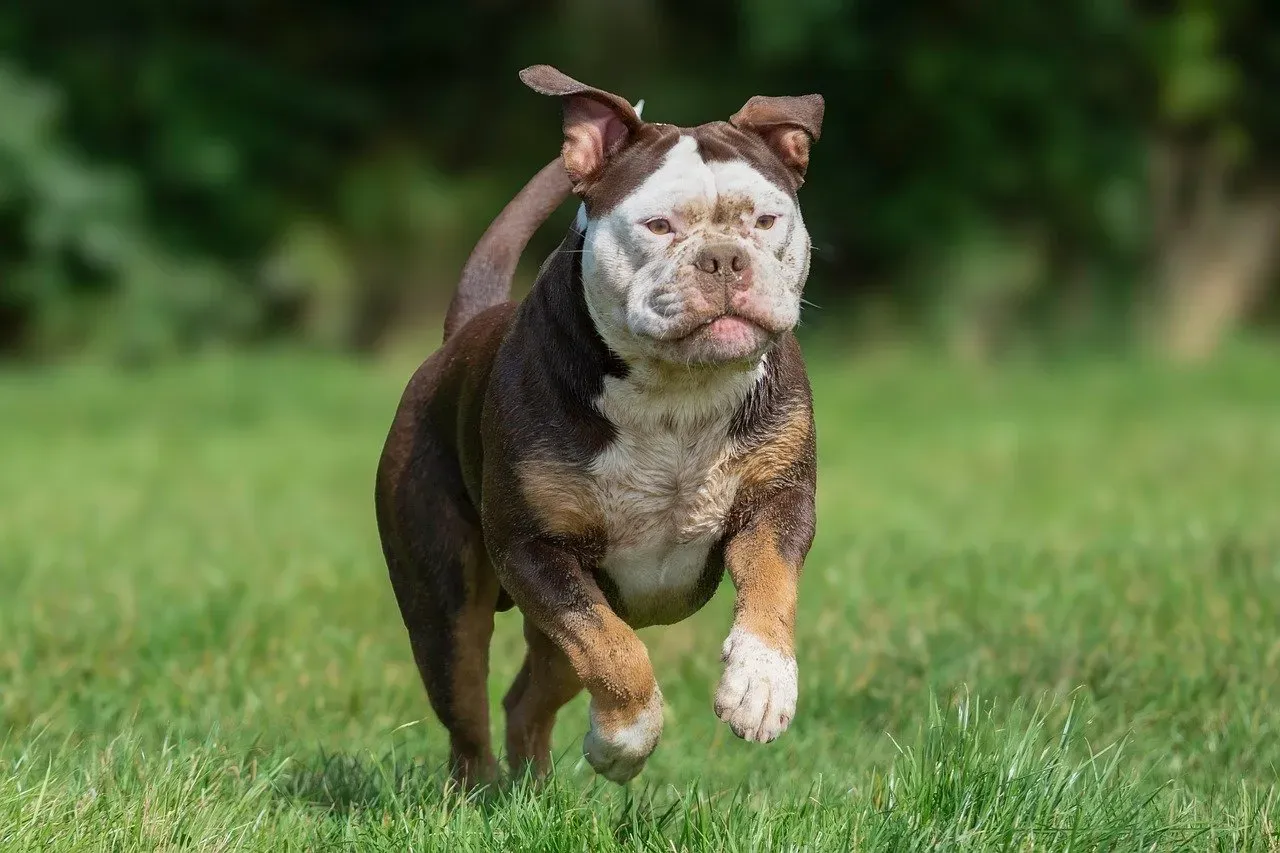
Your dog jumps on guests at the door, and everyone tells you it’s a dominance issue or that your dog doesn’t respect you. Honestly, that’s just not true in most cases.
This behavior can be misunderstood as dominance or aggression. In reality, it’s most often a result of excitement and a desire for attention. Your dog is thrilled, overjoyed even, and wants to get as close to faces as possible because that’s how they greet other dogs.
The reason it persists isn’t because your dog is trying to dominate anyone. It’s because jumping usually works – they get attention, even if it’s negative attention. When your pup jumps up, calmly redirect them to sit. Once they are seated, shower them with love and attention. They will learn that sitting gets them the love and affection they have been seeking. Teaching an alternative behavior is the key.
Resource Guarding Isn’t Pure Aggression
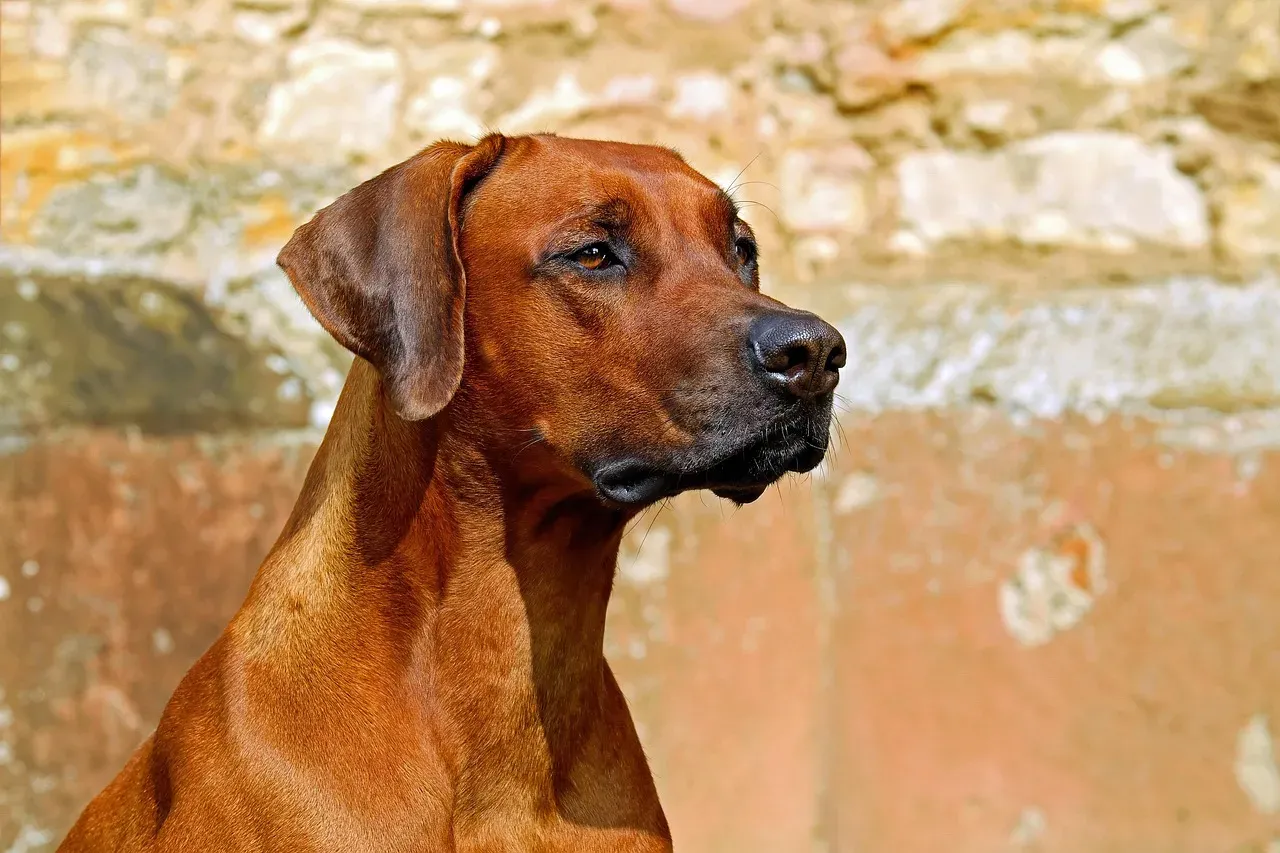
When your dog stiffens over their food bowl or gets protective of a toy, it’s tempting to label them as aggressive or possessive. That label misses the whole picture though.
Dogs may guard their food, toys, or other items, which is mistaken for possessiveness or aggression. However, resource guarding is a natural behavior stemming from survival instincts. Proper training and management can help address this issue. In the wild, a dog that didn’t protect valuable resources wouldn’t survive long. This behavior is hardwired.
That doesn’t mean you should ignore it or accept it without intervention. Proper training makes a huge difference. The point is to understand where it comes from rather than viewing your dog as inherently aggressive. Understanding body language is especially important when it comes to aggression, which can become dangerous if misunderstood. Aggression is a normal behavior in animals and it happens for a reason. Context is everything when interpreting what your dog is trying to tell you.
Conclusion
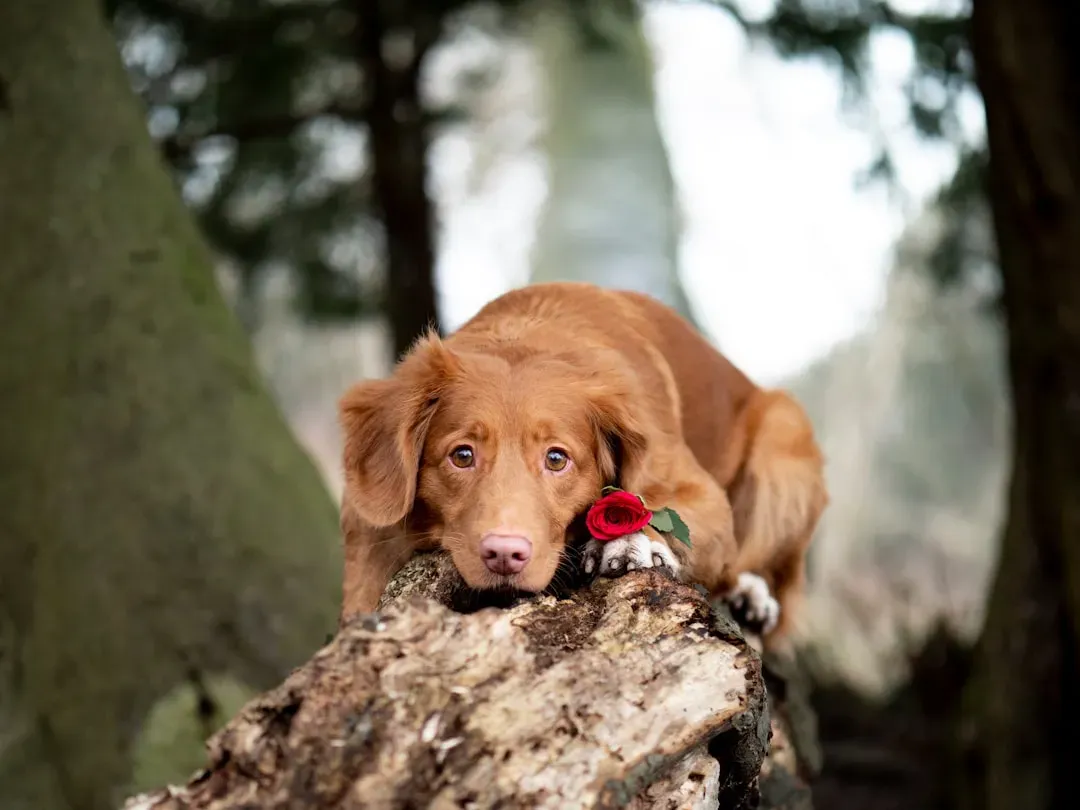
Our dogs are constantly communicating with us through a rich, nuanced language of body signals. The problem is we’ve been taught to read only the most obvious, surface-level messages while missing the deeper conversation happening right in front of us. Your dog is always talking to you with their body. Yawns, tail wags, and ear position all tell a story. By watching closely and thinking about the situation, you can tell if your dog is tired, happy, or stressed.
When we misinterpret these signals, we miss opportunities to support our dogs when they need us most. We might push them into uncomfortable situations when they’re asking for space, or punish communication that’s actually helping keep everyone safe. Learning to read your dog accurately isn’t just about being a better owner – it’s about building genuine trust and understanding.
What behaviors have you been misreading in your own dog? Take a closer look this week and see what you discover. You might be amazed at what they’ve been trying to tell you all along.


