
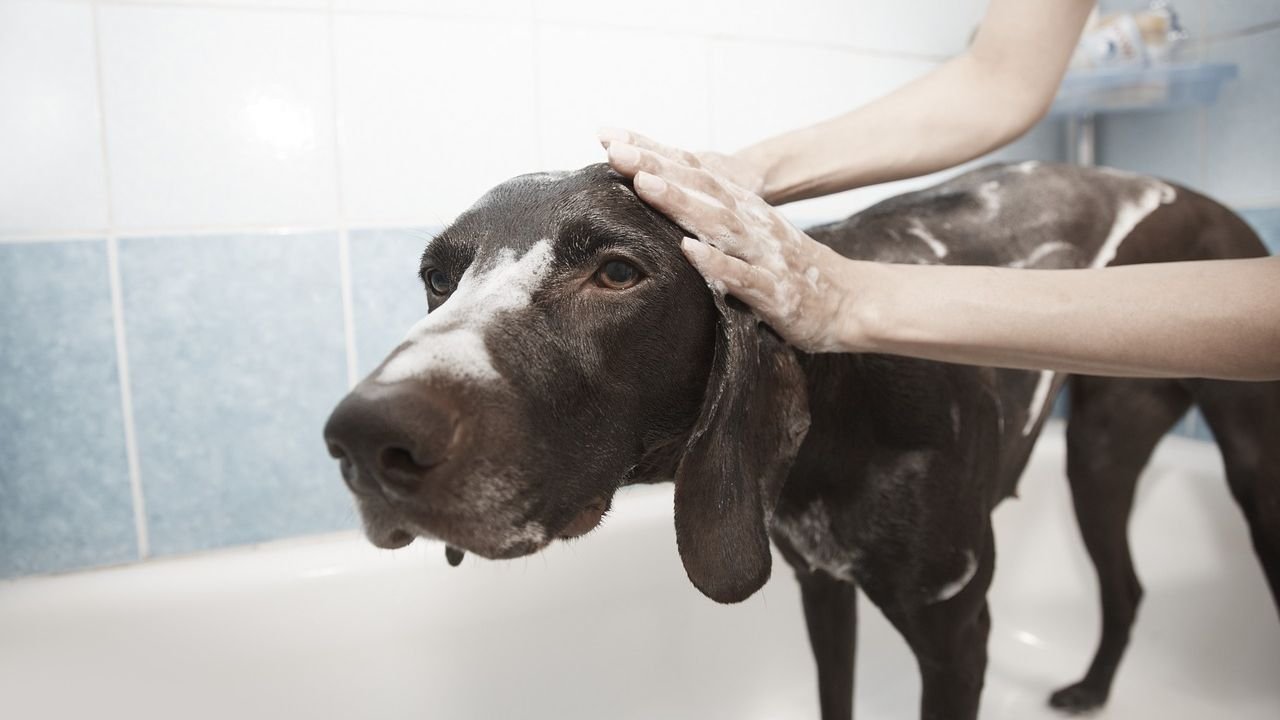
Let’s be honest. Most of us love our dogs deeply, obsessively even. We buy them the comfiest beds, the best food, and more squeaky toys than any one household should ever contain. Yet grooming, that quiet, underrated cornerstone of dog health, is where so many of us go wrong without even realizing it. It’s not about vanity or Instagram-worthy fluff. Grooming is health care. Full stop.
The troubling part? The mistakes are usually made with the best intentions. You’re bathing more because you want your pup to smell amazing. You’re skipping the brush because they seem fine. You’re shaving in summer because surely they’re too hot. Sounds familiar, doesn’t it? What follows might genuinely surprise you. Let’s dive in.
The Brushing Blunder: You’re Either Doing Too Little or Brushing All Wrong
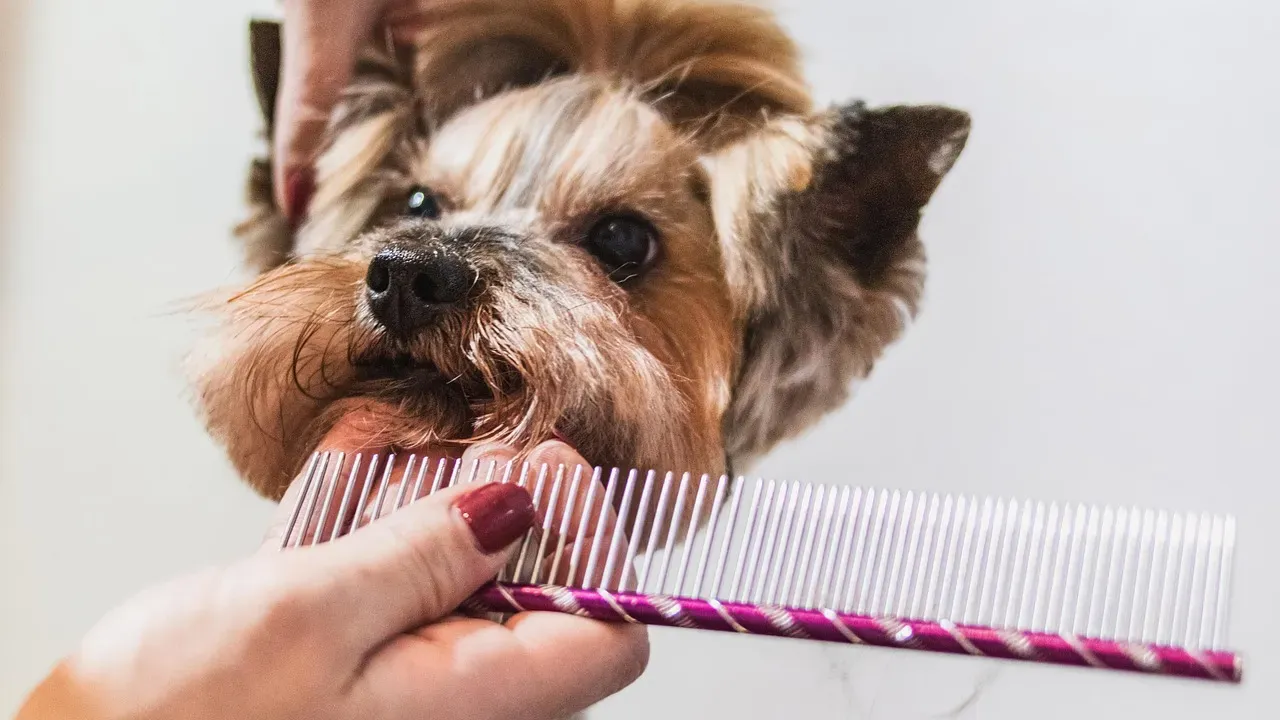
Here’s a scenario I hear all the time. Owner brushes the dog’s back and belly, calls it done, and wonders a week later why there are mats forming behind the ears and under the legs. Those tight, close-to-the-skin mats pull and cause pain, and dogs can’t tell you it’s there if you’re not looking for it. The spots most people miss? Ears, paws, collar areas, and the inner legs.
One of the most frequent mistakes is not brushing your dog’s coat often enough. Regular brushing removes dirt, prevents tangles, and distributes natural oils throughout the coat, promoting healthier skin and fur. Skipping this step can lead to matting, especially in long-haired breeds, which can be painful and lead to skin issues. Think of it like this: matting is like wearing a tight elastic band around your arm, all day, every day. Not fun.
Another common mistake is brushing your dog post-bath, when they’re still wet. These post-bath brushes can grab wet hair and pull at the skin, causing discomfort or pain. Water can make mats and knots even tighter in breeds with long hair. The golden rule? Brush before the bath, always. Then once the coat is dry, follow up with a gentle second brush through.
Regular brushing removes dead hair, distributes natural oils for a clean and healthy coat, stimulates the surface of the skin, and gets rid of dead and dry skin. You should brush your dog every couple of days no matter the length of their coat. Short-haired dogs are not off the hook here either, they still benefit enormously from a regular brush.
Bath Time Gone Wrong: The Shocking Truth About How Often You Should Wash Your Dog
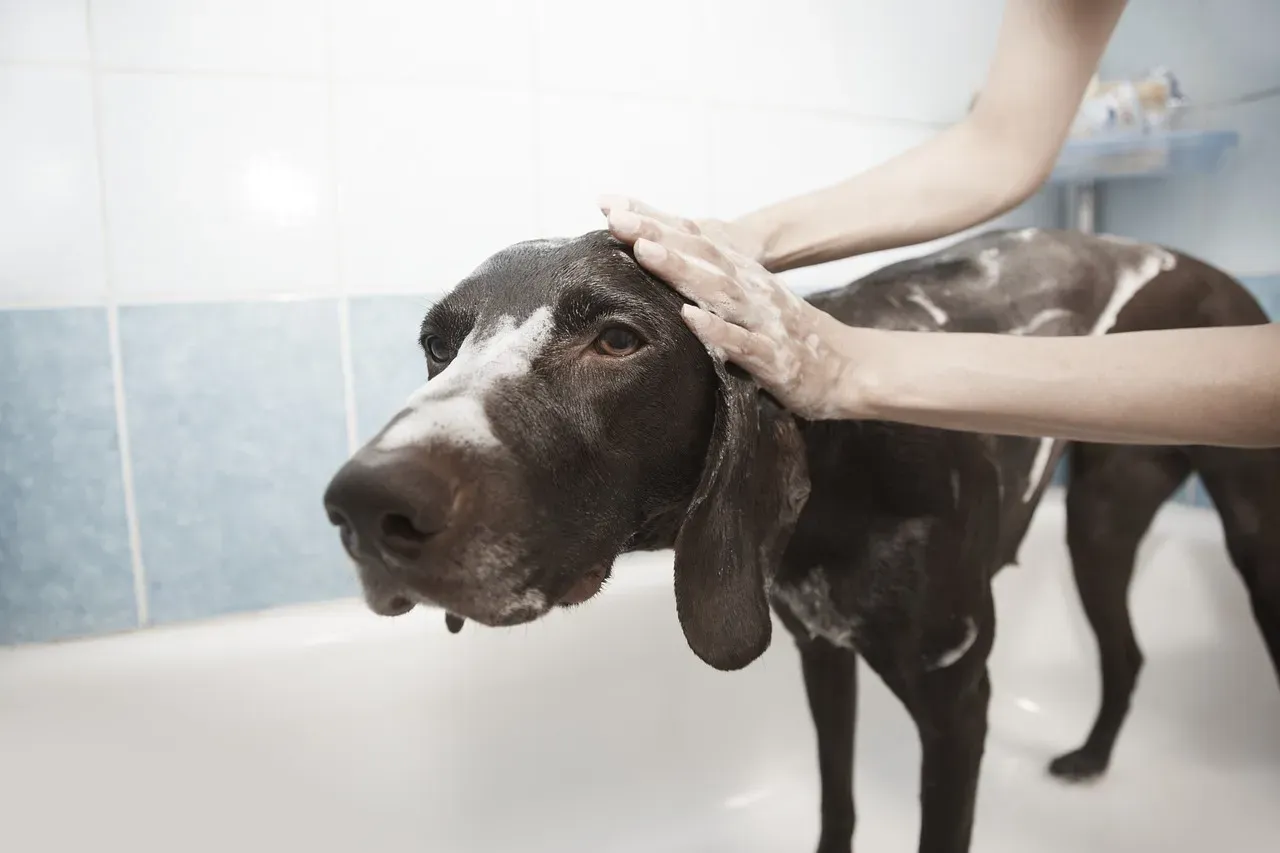
I know, I know. Your dog rolled in something unspeakable at the park again, so instinct says bath time. But outside of those delightful little incidents, most people bathe their dogs way too often. Unless your pup rolled in something questionable, they probably only need a bath every 6 to 12 weeks. Overbathing strips away the natural oils that keep their coat healthy and can lead to itchy, flaky skin. Those oils are like your dog’s built-in moisturizer. Washing them away constantly is like scrubbing your own face with dish soap every day.
Bathing your dog too frequently or not enough can harm their skin and coat health. Over-bathing can strip away natural oils, leading to dry, irritated skin, while under-bathing accumulates dirt and oils, causing discomfort and potentially leading to skin infections. Balance, as with most things in life, is everything here.
There’s also the issue of what you’re washing them with. Using human shampoo or the wrong pet grooming products can irritate your dog’s skin and damage their coat. Dog skin has a different pH level than human skin, and using inappropriate products can lead to dryness, itching, and irritation. It’s a small switch that makes a massive difference. Always reach for a dog-specific, pH-balanced shampoo.
One more thing that is genuinely underestimated: rinsing. Not rinsing thoroughly can leave soap residue that causes itching and dryness. Always use a shampoo specifically formulated for dogs, and make sure to rinse your dog thoroughly to remove all traces of soap. A half-hearted rinse is almost as bad as not bathing them at all.
The Ear and Eye Problem: The Area Most Dog Owners Completely Overlook
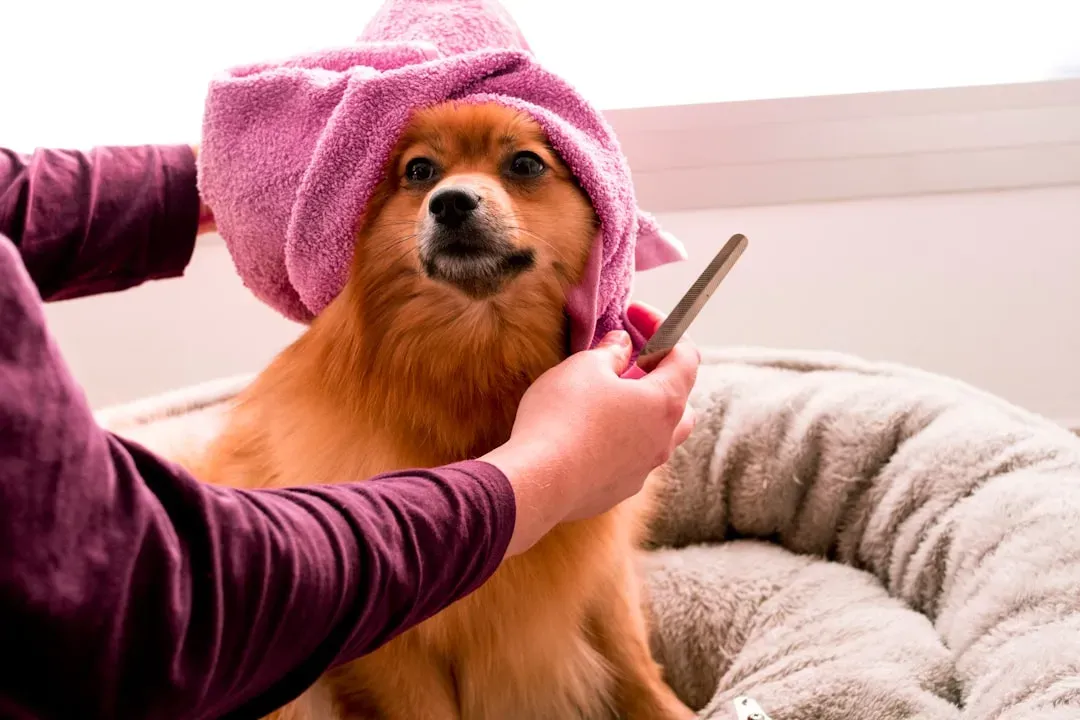
Ears are often overlooked during grooming, yet they are a critical area prone to infections, especially in dogs with floppy ears. Failing to clean your dog’s ears regularly can lead to wax build-up, bacteria, and yeast growth. Think about a dog with long, floppy ears like a Cocker Spaniel or Basset Hound. That ear canal is warm, dark, and often damp. It’s practically a five-star hotel for bacteria.
A common grooming mistake is allowing water to enter your dog’s ears during bath time. The vertical shape of a dog’s ear canal can cause moisture to become trapped more easily than it does with humans. That water gives bacteria an ideal breeding ground, leading to a potential ear infection. A simple cotton ball placed in each ear before bath time can save you an expensive vet visit.
Knowing when something is wrong matters enormously. When cleaning your dog’s ears, take a good look inside and smell each ear canal. Any signs of severe redness, swelling, debris, discharge, or a fetid, yeasty odor may be a sign of infection and require a visit to your veterinarian. Trust your nose on this one. A healthy ear should smell like practically nothing at all.
A committed grooming routine lets you examine and clean your dog’s ears and eyes, which may help you detect early signs of infection or skin issues in sensitive areas. Grooming sessions are really health checks in disguise. Every time you pick up that brush or that cotton ball, you’re doing far more than keeping things tidy.
Nail Neglect: The Silent Source of Pain You Might Not Even Notice
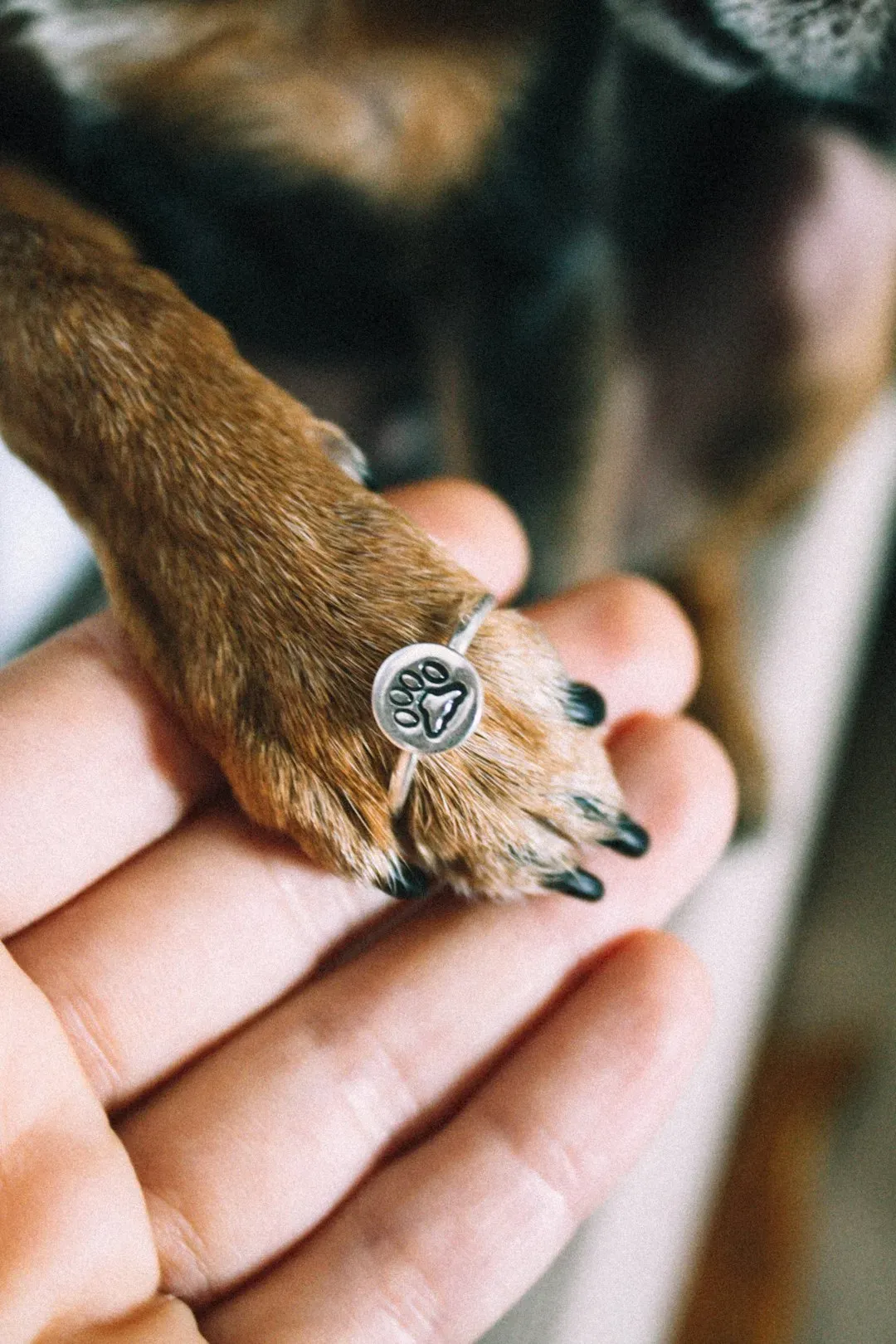
Honestly, nail trimming is the grooming task that most people dread and therefore put off the longest. It’s understandable. But neglecting your dog’s nails can cause real, ongoing harm. Neglecting a dog’s nails can lead to many problems, including pain, posture issues, and difficulty walking. Long nails can curl and grow into the paw pads, causing severe discomfort and infections. Imagine walking around in shoes three sizes too small, every single day. That’s what overgrown nails can feel like for your dog.
Many pet owners forget to trim their dog’s nails, but when they get too long, they can cause discomfort when your pet walks and make it more difficult for them to get the traction they need on surfaces like tile floors, which might lead to anxiety. If you’ve ever noticed your dog slipping on the kitchen floor and looking confused and stressed, overgrown nails might be part of the problem.
On the flip side, cutting too short is its own painful mistake. Cutting the quick of the nail, that part which contains a nerve, causes pain when cut and a lot of blood. This results in many dogs becoming very anxious about having their nails trimmed. One bad experience can create a dog who dreads nail time for years. Go slow, cut small amounts at a time, and keep styptic powder on hand just in case.
Trimming, or even just pretending to trim, one nail a day and following it with a treat and praise is a measured but effective way to work up to regular, fuss-free nail trims. Little by little, that’s how you build trust around nail care. Patience is genuinely the most important tool in your grooming kit.
The Double Coat Disaster and the Dental Secret Nobody Talks About
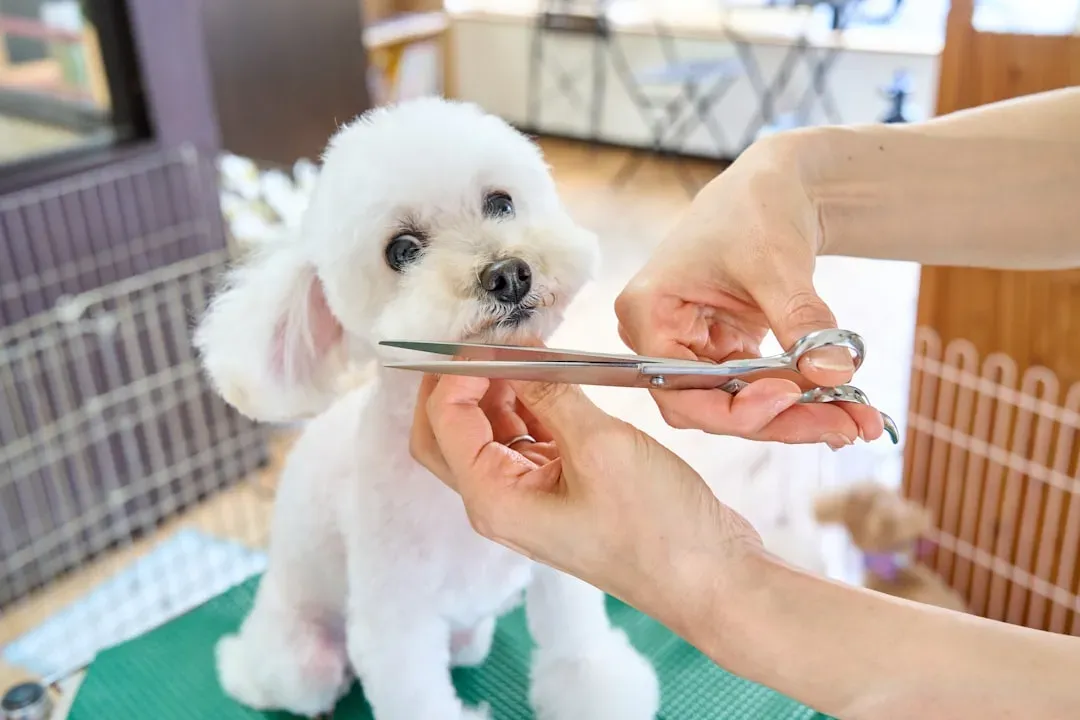
Let’s tackle two huge, often overlooked grooming truths in one section. First, the warm-weather instinct to shave your dog. I get it, summer is hot and your fluffy Husky looks like they’re suffering. The reality, though, is quite the opposite. Shaving your pet during warm-weather months is usually unnecessary because it can make them more prone to sunburn, it can interfere with their natural body temperature regulation, and dogs with undercoats like German Shepherds, Huskies, Pomeranians, and Chows are very efficient at trapping air within their undercoat, which helps keep them cool in summer and warm in winter.
Shaving can damage the hair follicles, causing the coat to grow back dull or sometimes patchy in places. Instead, remove any excess undercoat by brushing regularly. Think of a double coat like insulation in a house wall. You wouldn’t rip the insulation out in summer. The structure is designed to regulate temperature in both directions.
Now, the dental secret. By age three, the vast majority of dogs show signs of dental disease. That’s not just bad breath but painful infections that can spread to other organs if left untreated. Dental care is almost never considered part of grooming by most dog owners, yet it belongs firmly in that category. Brushing your dog’s teeth as frequently as possible helps prevent gum disease that can damage the heart, liver, and kidneys. Plaque hardens to tartar in just a few days, and tartar can only be removed during a professional teeth cleaning by a veterinarian.
Use dog-specific toothpaste, since human toothpaste contains xylitol which is toxic to dogs. Start by letting your dog lick some toothpaste off your finger, then gradually introduce the toothbrush. It sounds fiddly at first, but once it becomes a routine, most dogs actually enjoy it. Aim for at least a few times per week, and your dog’s overall health could genuinely improve in ways that go well beyond a fresh-smelling mouth.
Conclusion: Grooming Is Love in Action
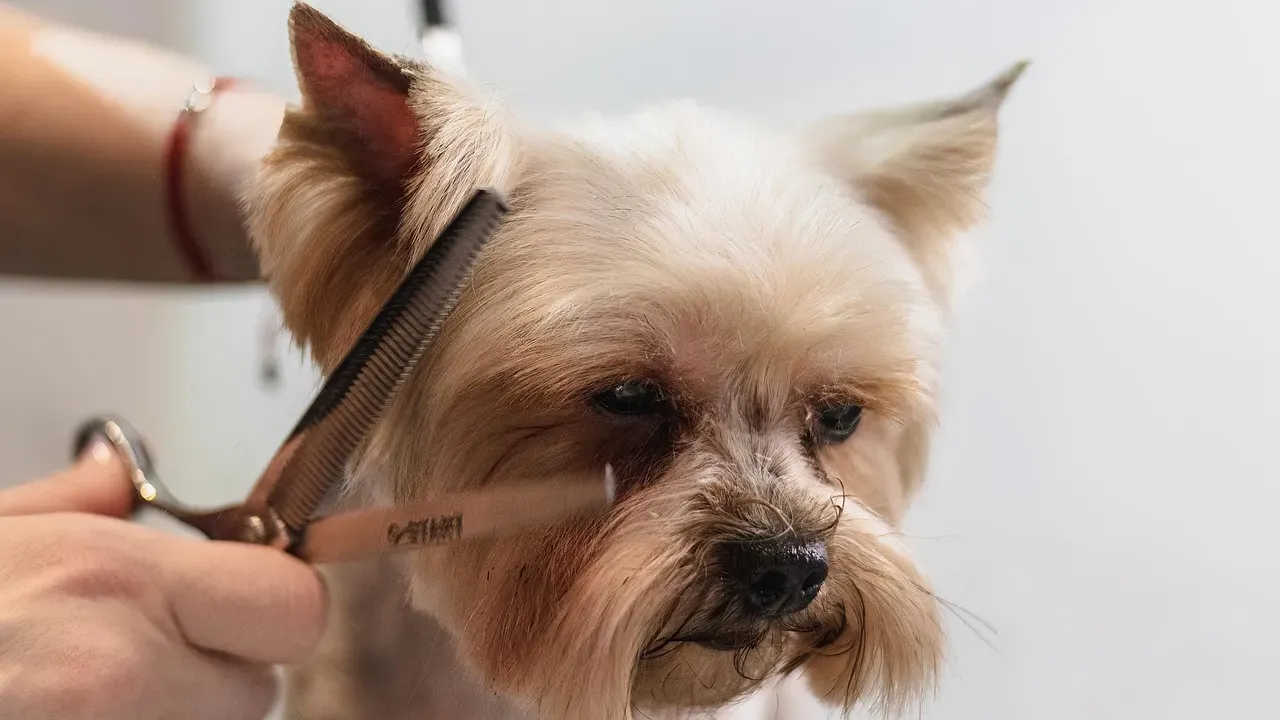
Grooming your dog keeps them healthy and is also an important part of your relationship. When you groom your dog, you not only keep their coat, skin, feet, ears, and teeth healthy, but also become familiar with their body so that you’ll notice early on if anything is unusual and needs veterinary attention. That last part is so important and so underrated. Grooming isn’t just about aesthetics. It’s one of the most powerful ways you can truly know your dog’s body.
The good news is that none of this has to be overwhelming. Start with one thing this week. Maybe it’s committing to brushing before bath time. Maybe it’s buying a dog-specific shampoo. Maybe it’s finally getting those nails clipped. Small changes, done consistently, add up to a healthier, happier, longer life for your dog.
Your dog trusts you completely. They can’t tell you when their ear is infected, when their nails hurt with every step, or when that mat near their collar has been bothering them for weeks. But you can learn to notice. You can learn to look, and that changes everything. So, which grooming habit are you going to fix first?


