
I can still picture the first time I learned I’d been petting dogs wrong my whole life. My golden retriever Murphy pulled away when I reached for his head, something I’d done thousands of times without thinking. It stung a little, honestly. Here I was, someone who’d loved dogs since childhood, and apparently I’d been missing some pretty important signals all along.
Turns out, I wasn’t alone. Research shows that humans often misunderstand canine body language when interacting with dogs, and this miscommunication can negatively affect the bond between humans and their pets. The good news? Once you understand what your dog truly craves, those moments of connection become even more magical. So let’s dive in and decode what your furry friend has been trying to tell you all along.
The Science Behind Why Dogs Love Being Touched
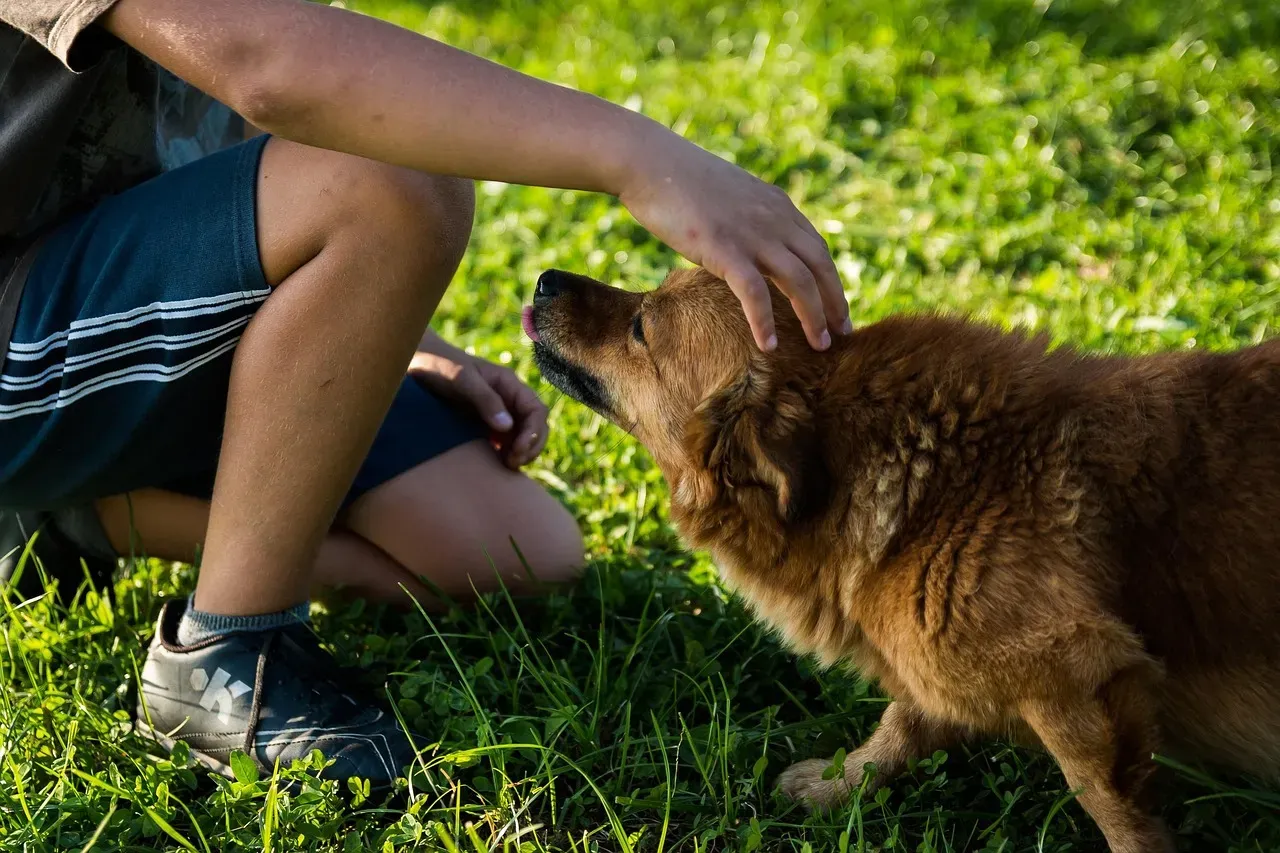
Let’s be real: there’s actual biology at work here. When we pet our dogs, both species get a boost of oxytocin, the warm and fuzzy hormone. Think of it as nature’s way of cementing the bond between two very different species.
Being petted simply feels good to most dogs because contact with humans they like releases oxytocin in their brain, and studies show that petting makes dogs happiest. It’s not just about affection either. Petting helps reduce anxiety, lower blood pressure, and decrease stress hormones like cortisol in dogs.
Here’s something fascinating: this behavior traces back thousands of years. Wild dog packs groom one another as a way of bonding and maintaining social hierarchy, and when we pet our domesticated companions, we’re tapping into this ancient instinct. Your dog isn’t just tolerating your attention, they’re speaking an evolutionary language with you.
The Chest and Shoulders: Your Dog’s Comfort Zone
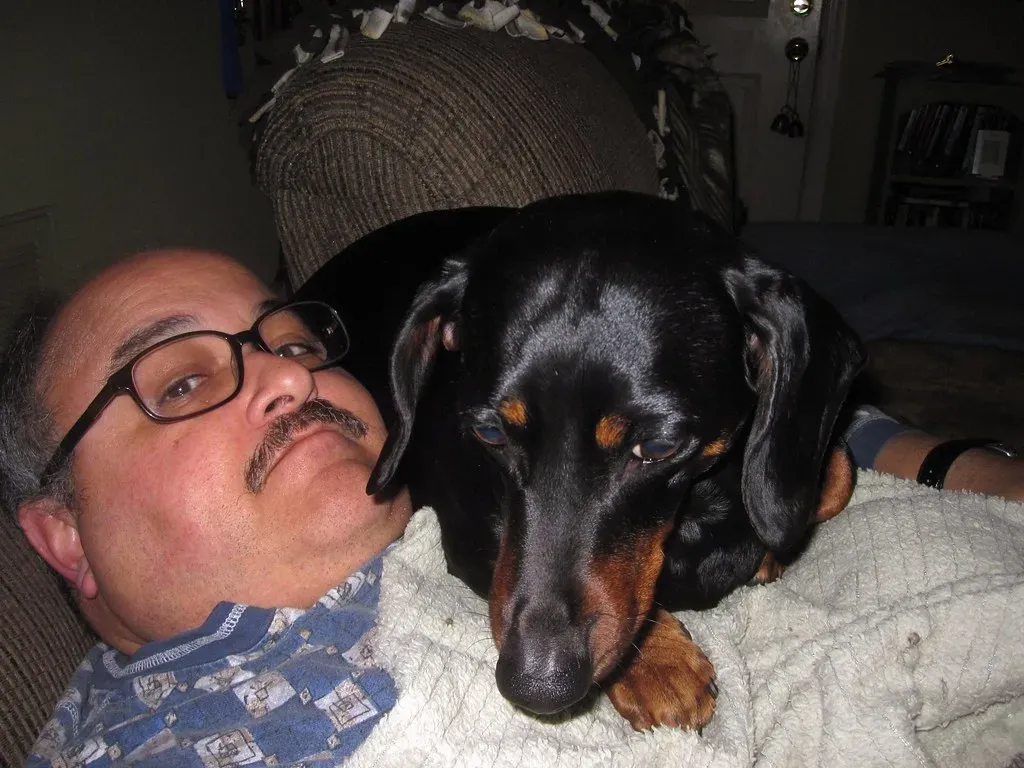
Most dogs prefer being petted on their chest, shoulders, and base of the tail, and experts recommend starting with these safer areas. There’s a reason these spots work so well. The chest is a great place for stroking, especially inside those little hollows, because dogs have quite a lot of muscle there and it’s a safe non-confrontational spot where they can see what you’re doing.
The shoulders deserve special attention too. Dogs can carry a lot of tension in their shoulders just like humans, so firm slow strokes help them relax, especially if they wear a harness that rubs the area. I’ve noticed with my own dogs that when I massage their shoulders after a walk, they practically melt into the floor.
Think of these areas as the equivalent of a safe greeting space. Your dog can monitor your movements, they don’t feel crowded, and most importantly, they maintain that sense of control that makes all the difference between tolerating touch and truly enjoying it.
Why Patting Your Dog’s Head Is a Big No
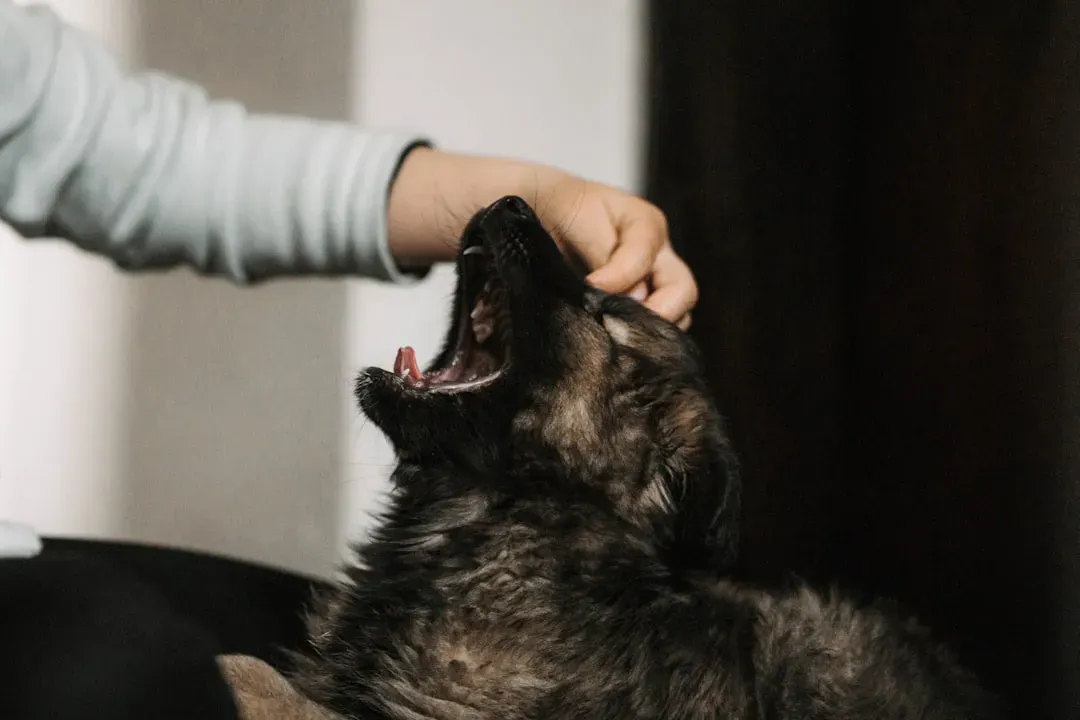
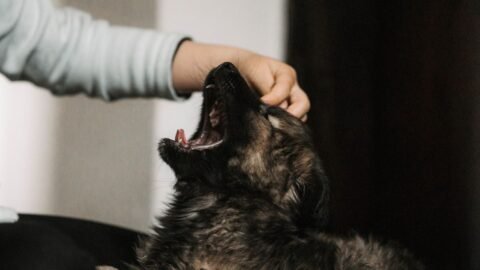
This one shocked me. I’d spent years thinking head pats were the universal sign of dog affection. Turns out, I was completely wrong. Dogs don’t like the top of their head being patted because when people stroke a dog’s head they often go in over the top, temporarily blinding the dog.
Most dogs do not like the common human pat on the head, but prefer a chest rub or a tickle under the chin. Think about it from their perspective. Someone’s hand coming down over your field of vision, blocking your sight, invading your space. It’s actually pretty intimidating when you break it down.
Many dogs find a hand reaching directly over their head intimidating because it can be perceived as a dominant gesture, so it’s better to approach from the side and start with their chest or shoulder. The under-chin scratch? That’s the sweet spot. It’s approachable, non-threatening, and accessible, making it one of the safest ways to show affection to any dog, familiar or not.
The Belly Rub Myth You Need to Stop Believing
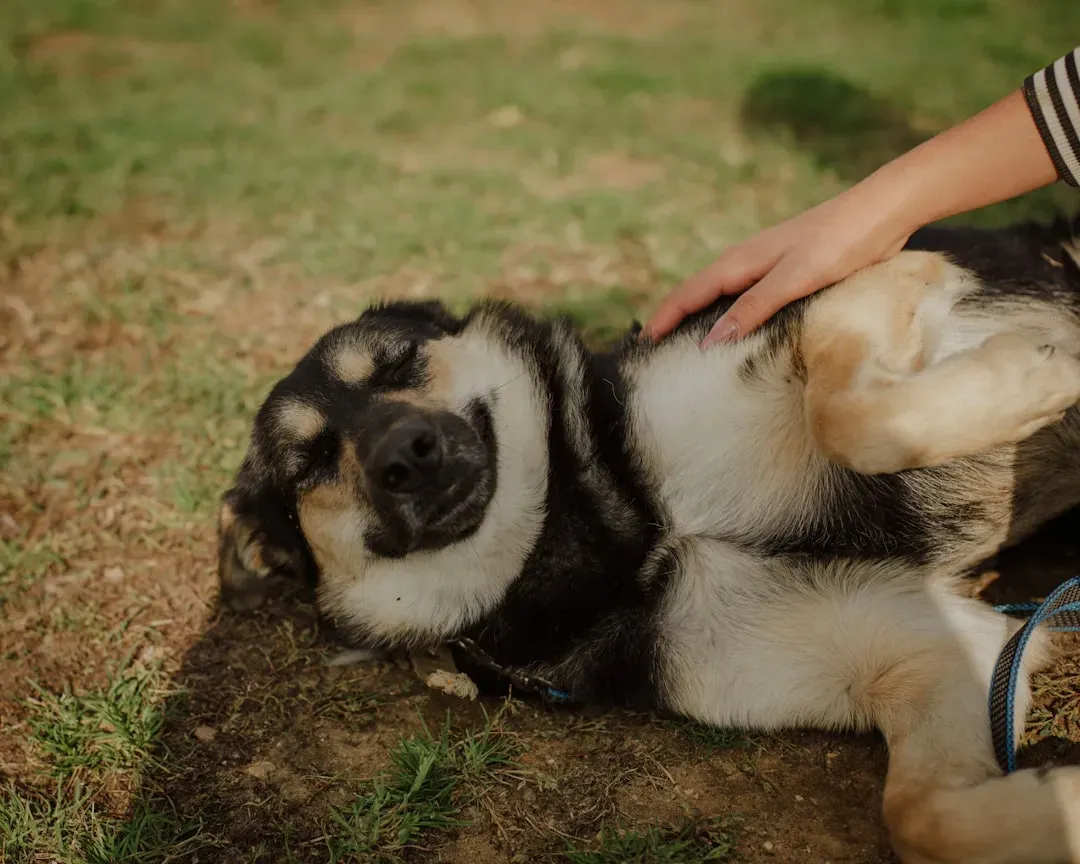
Here’s where things get complicated. Dogs often roll on their backs as an appeasement gesture where they’re saying no please stop, not necessarily asking for a belly rub. I know it sounds crazy, especially when your dog flops over and exposes that fluffy belly, but context matters enormously here.
A dog rolling on their back can have multiple meanings, and while a gently wagging tail and slightly open mouth suggest comfort, you should not assume the dog is asking for a belly rub. The truth? The belly is a vulnerable area, so a dog exposing it demonstrates profound trust in your relationship and represents one of the deepest forms of canine affection.
So how do you tell the difference? Watch everything else. Stiff body? Whale eyes showing white? Turning their head away? Those are stress signals, not invitations. A dog showing lip licking and whale eye when rolling over is uncomfortable, while a dog with a relaxed open mouth, relaxed ears, and making eye contact actually wants that belly rub. If your dog truly wants a tummy rub, they’ll lean into your touch and practically beg you to continue.
The Secret Spots Most People Never Discover
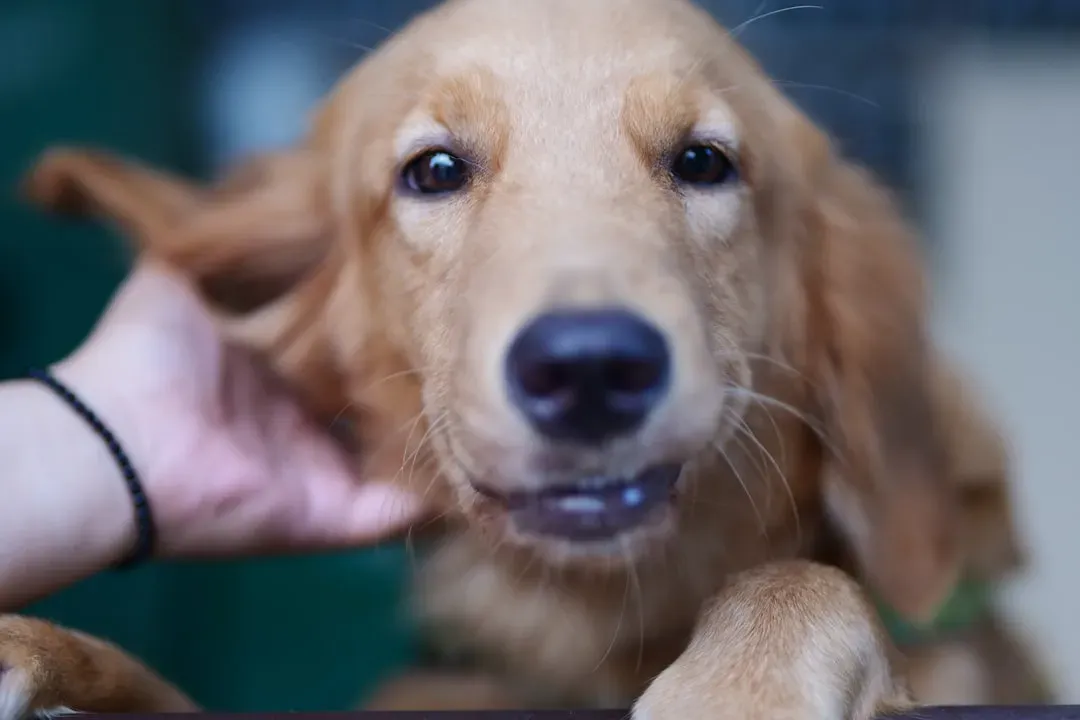
Dog ears are well supplied with nerves, so gentle rubbing and scratching releases endorphins and helps relax the dog. Dogs enjoy calming long strokes on their ears because the thin skin has high blood flow and many nerve endings, making them highly sensitive. Just be gentle. Some dogs get nervous about ear touching due to past experiences with painful ear cleanings or infections.
Scratching hard to reach spots like along the neck and under the collar is another winner. Think about those places you can’t quite reach on your own back. That’s exactly what your dog experiences. The base of the tail, right where it meets their lower back, often gets enthusiastic approval too.
Most dogs prefer being touched with long gentle strokes along the chest, shoulder and base of the tail, while some dogs enjoy a gentle fuss along their ears. Every dog has their own preferences, which is what makes this whole thing both challenging and beautiful. My lab mix goes absolutely bonkers for behind-the-ear scratches, while my terrier would rather I focus on his lower back. You’ve got to pay attention and let them guide you.
Reading Your Dog’s Body Language: The Real Game Changer
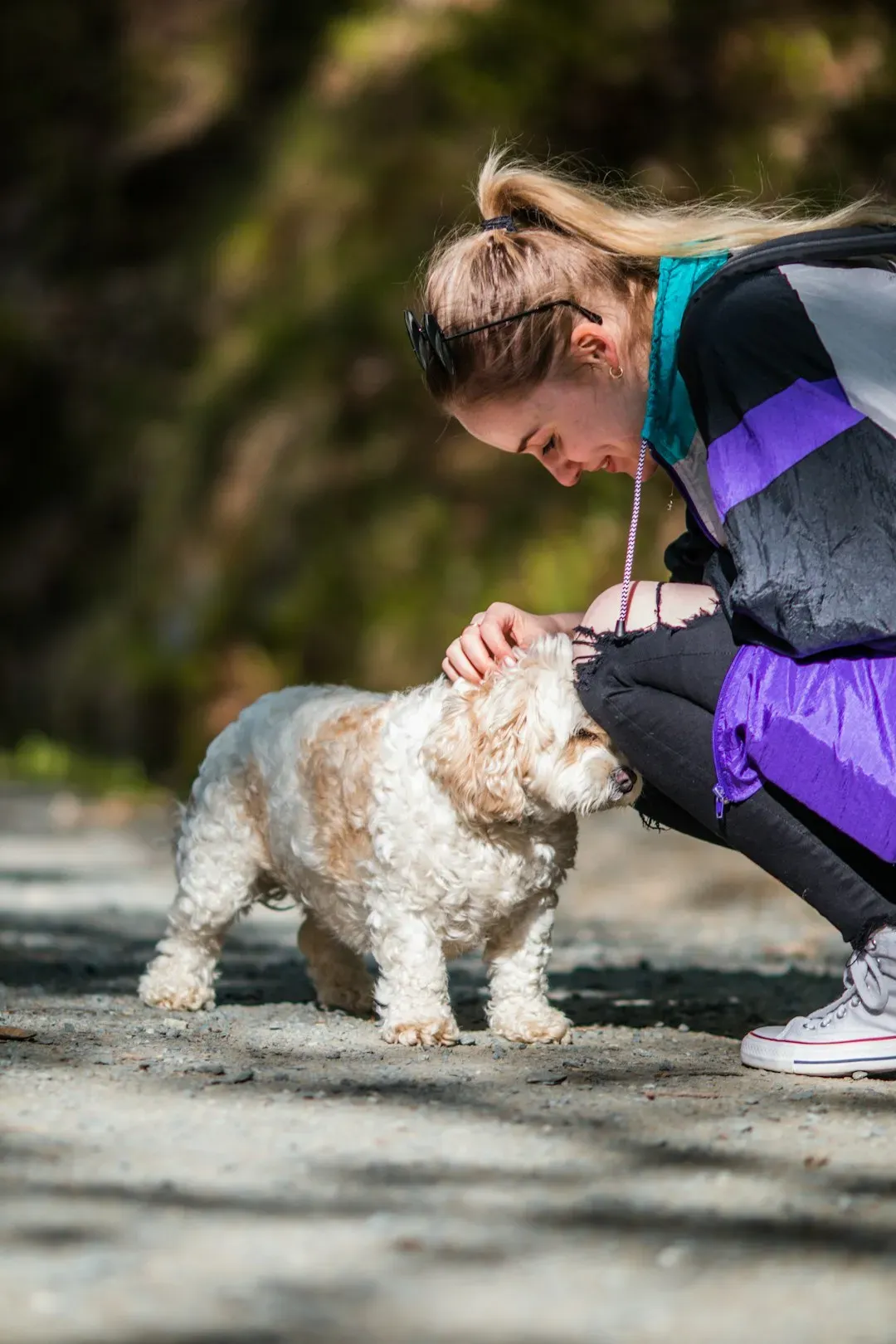
Let your dog guide you by paying attention to their body language – if they lean in, stay relaxed, or wag their tail you’re on the right track, but if they pull away or look uneasy it’s time to switch things up. Honestly, this is where most people drop the ball. We get so caught up in our own enjoyment that we forget to check if our dog is actually having a good time.
Common signs of stress that owners often miss include lip licking when no food is present, yawning, whale eye where the dog’s head is turned away but eyes stay fixed, and shaking off when the dog isn’t wet. When we don’t recognize these signals and stop what’s making the dog uneasy, they can sometimes escalate their warnings to growling, snapping, or even biting.
The speed you stroke your dog influences their behavior – short fast strokes or pats can whip a dog up into an aroused state and may lead to play biting, while long slow strokes with gentle pressure in the direction of the fur have a calming effect. There’s an art to this. Try the “pet, pet, pause” method. Give a few strokes, then stop. Does your dog lean back in for more? Great, keep going. Do they walk away or turn their head? They’re done, and that’s perfectly okay.
Conclusion: Building Trust One Touch at a Time
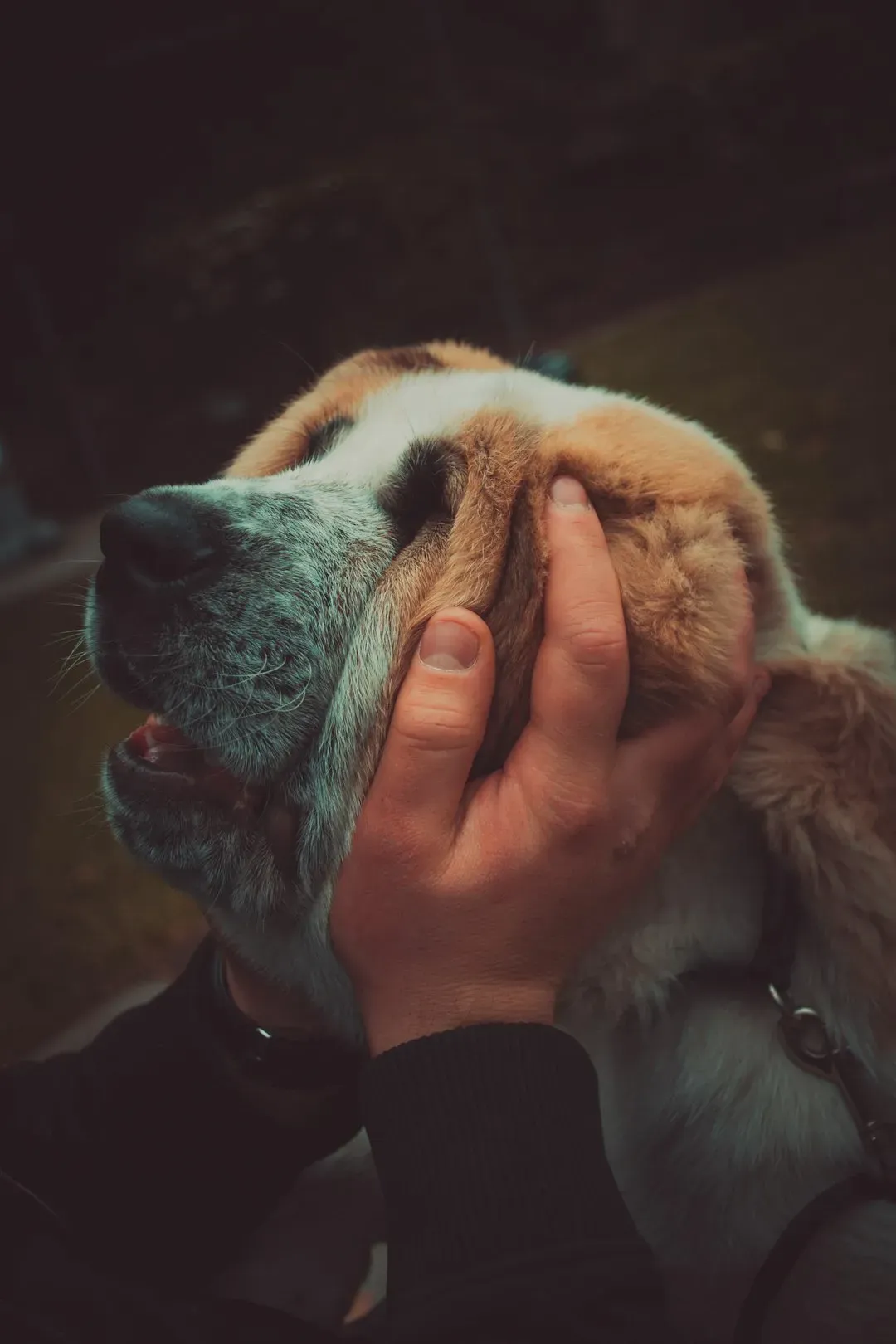
Learning how your dog truly wants to be touched transforms everything. It’s not just about physical affection anymore. It becomes a conversation, a way of showing respect for their autonomy and preferences. When you stop to notice whether your dog leans into your hand or stiffens under it, you’re telling them their feelings matter.
Start small. Approach from the side instead of head on. Offer your hand for a sniff. Let them come to you. Focus on the chest, shoulders, and base of the neck rather than diving straight for the head. Watch their body language like you’re reading a book, because you are. Every tail wag, every relaxed sigh, every time they nudge your hand for more tells you exactly what they need.
The beautiful thing about dogs is their honesty. They won’t pretend to enjoy something just to make you happy. So when you finally find that perfect spot, that rhythm that makes their eyes go soft and their body go loose? That’s pure connection. That’s trust. That’s the relationship you’ve both been working toward all along.
What do you think? Have you discovered any surprising preferences with your own dog? Share your experiences in the comments below!


