
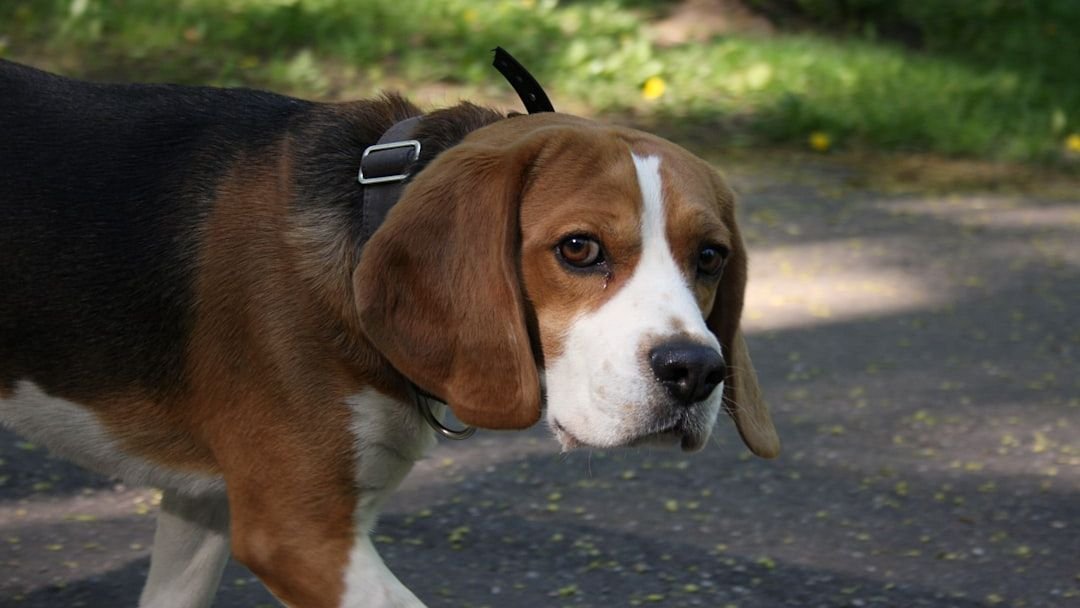
Imagine your furry best friend tugging ahead, eyes wide with excitement, while you march on autopilot to clock those miles. Those daily walks feel like a chore sometimes, right? But here’s the gentle nudge: your dog craves connection, not just exercise.
Let’s uncover the sneaky slip-ups turning joyful jaunts into stressful slogs. Stick with me, and you’ll both come home happier, tails wagging.
Not Letting Them Sniff Enough
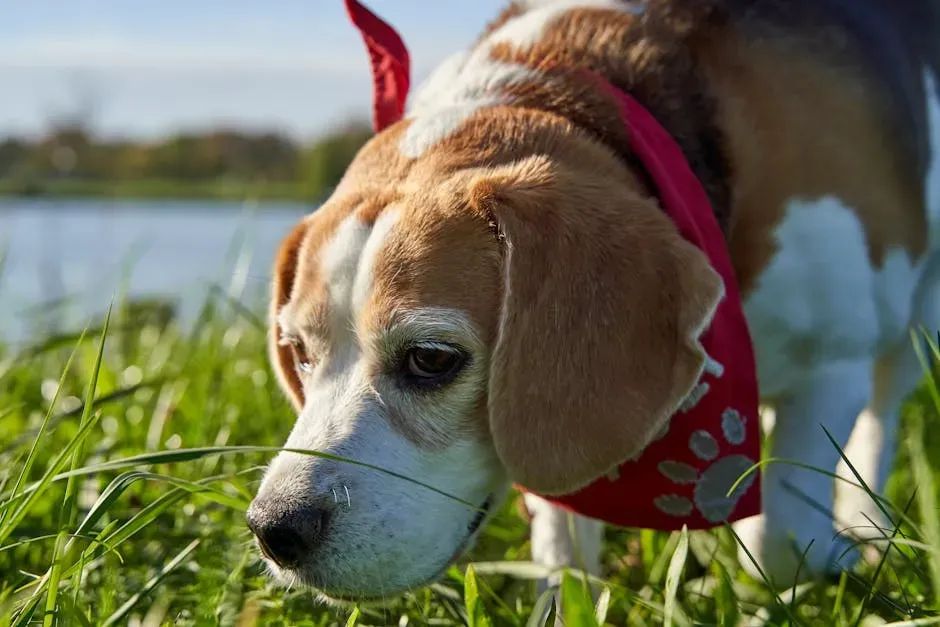
Your pup’s nose packs around 300 million scent receptors, turning every walk into a treasure hunt.[1] Rushing past those golden sniffing spots leaves them frustrated and understimulated. I remember my old lab mix practically melting down if we skipped the “sniffari” – he’d drag his paws the whole way home.
Next time, pause for those investigative moments. It tires them out mentally, just like a good run does physically. You’ll notice calmer evenings and eager trots out the door.
Using the Wrong Leash or Gear
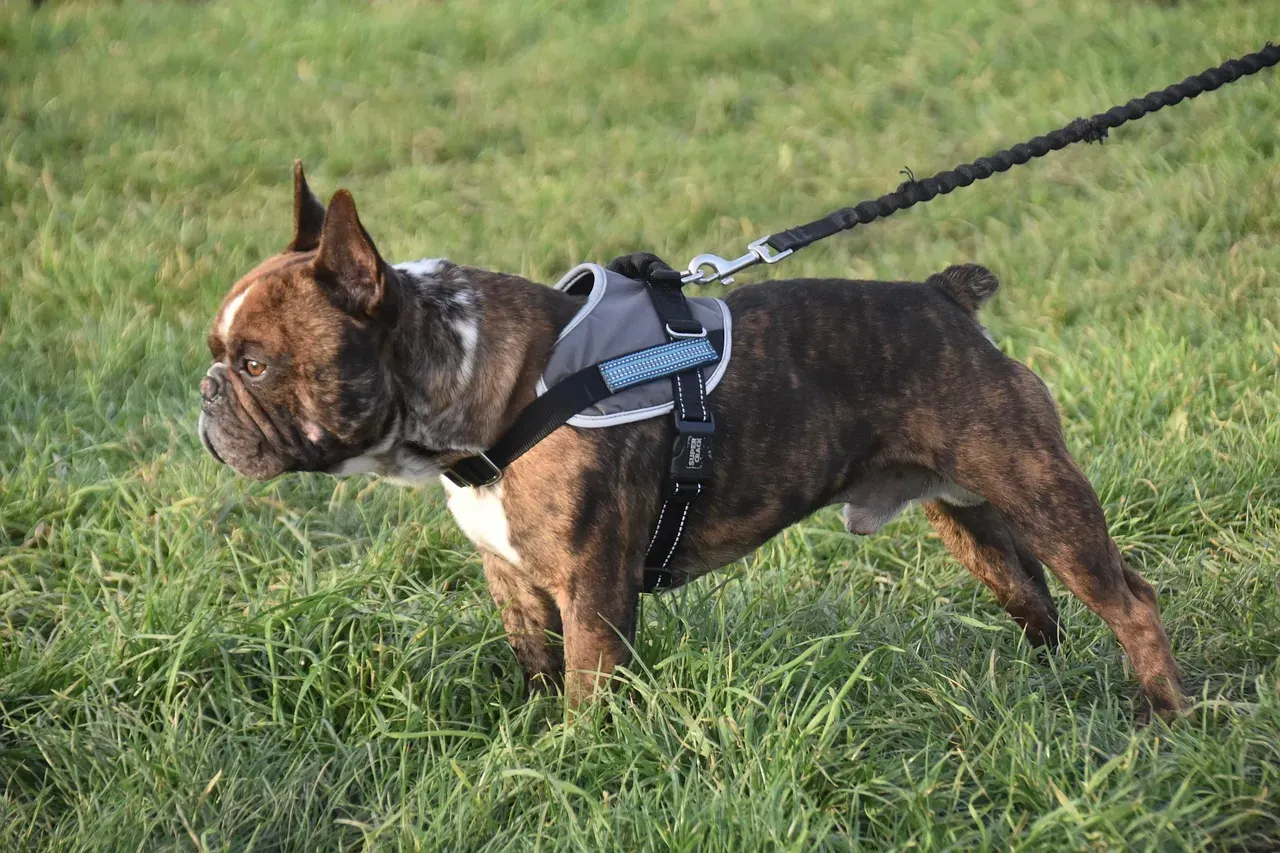
A flimsy retractable leash or tight collar can spell trouble, yanking necks and sparking pulls.[2] Vets recommend a sturdy 4-to-6-foot leash with a harness for better control and comfort. Picture your dog lunging at a squirrel – that’s when poor gear risks injury for both of you.
Switch to a no-pull harness today. It distributes pressure evenly, easing breathing and building trust. My neighbor’s reactive rescue transformed after ditching the collar; walks became peaceful strolls.
Ignoring Hot Pavement and Weather Woes
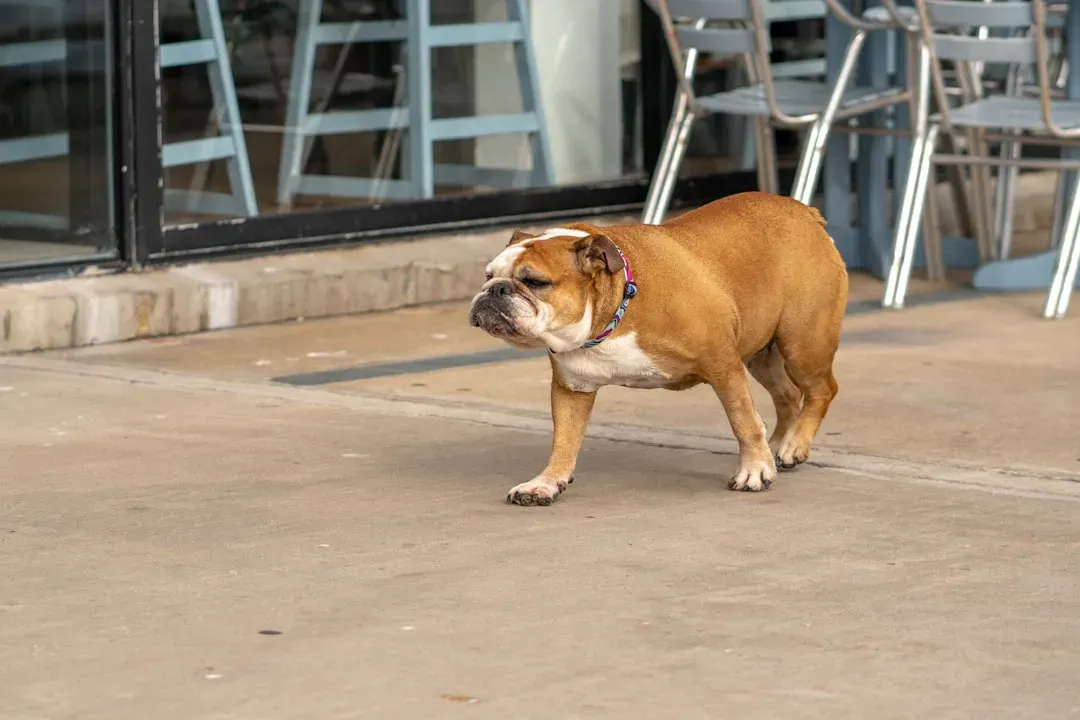
Pavement heats up fast in summer, scorching tender paws before you feel a thing. Test it with your hand – if it’s too hot for 5 seconds, skip it. Overheated dogs pant heavily, collapse, or worse; prevention beats a vet visit every time.
Walk early mornings or evenings, stick to grass when possible. In winter, booties shield from ice melt chemicals. These tweaks keep adventures safe, letting your dog focus on fun, not foot pain.
Zoning Out on Body Language
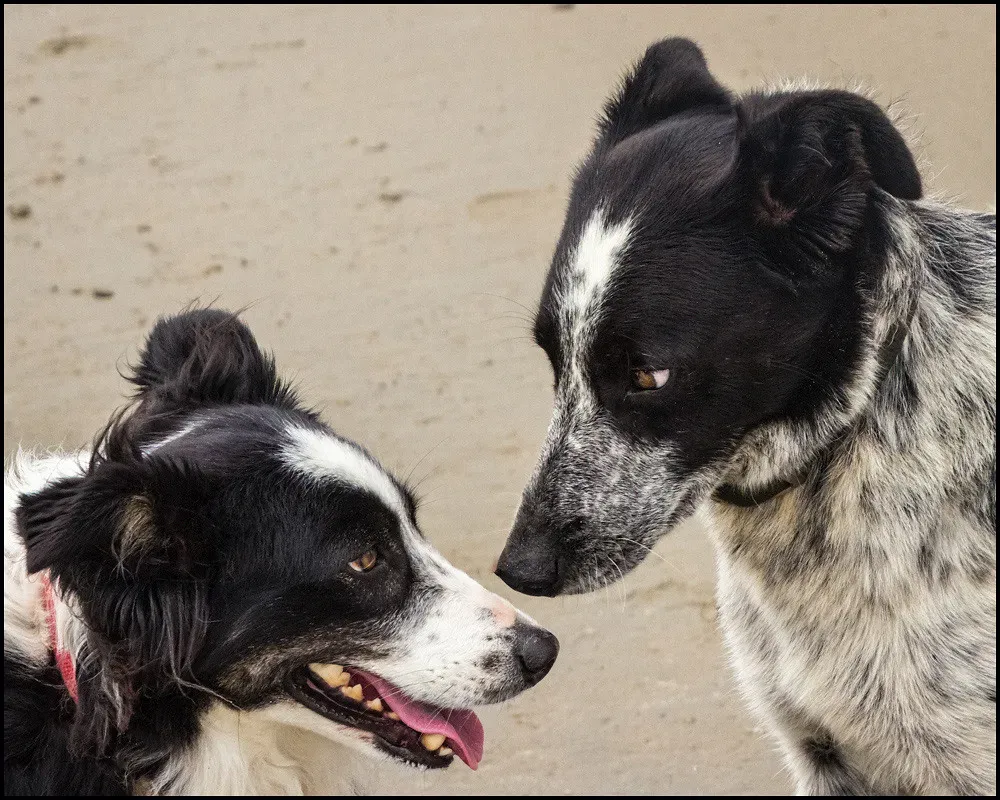
A tucked tail or stiff ears scream stress, yet we power on chatting on our phones. Spotting these cues early stops escalations with other dogs or scary sounds. Your attentive presence reassures them you’re the pack leader they trust.
Practice scanning their posture mid-stride. Ears perked? Tail loose wag? Golden signs of joy. I once turned a shaky walk around by stopping for pets when my dog’s hackles rose – simple empathy wins.
Stuck in the Same Routine Rut
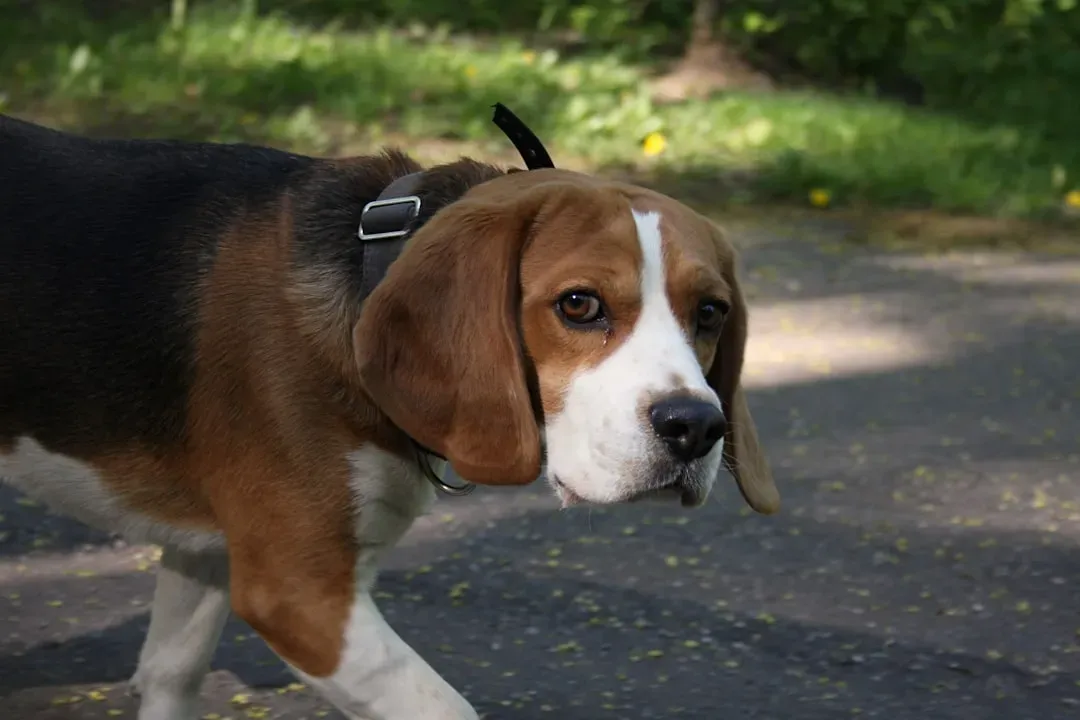
Repeating the block bores high-energy pups, fueling zoomies or shutdowns. Vary paths to spark curiosity and burn mental energy. Dogs thrive on novelty, just like us hitting a new trail.
Mix neighborhoods, parks, or wooded spots weekly. Watch their eyes light up at fresh smells and sights. This keeps walks fresh, bonds tighter, and boredom at bay for years of happy hikes.
Walk Smarter, Bond Deeper

Small tweaks like these transform drags into delights for you and your dog. You’ve got this – they’re lucky to have a caring human tuning in. Healthier paws, happier hearts await.
What change will you try first? Share in the comments; let’s swap stories and tails.


