
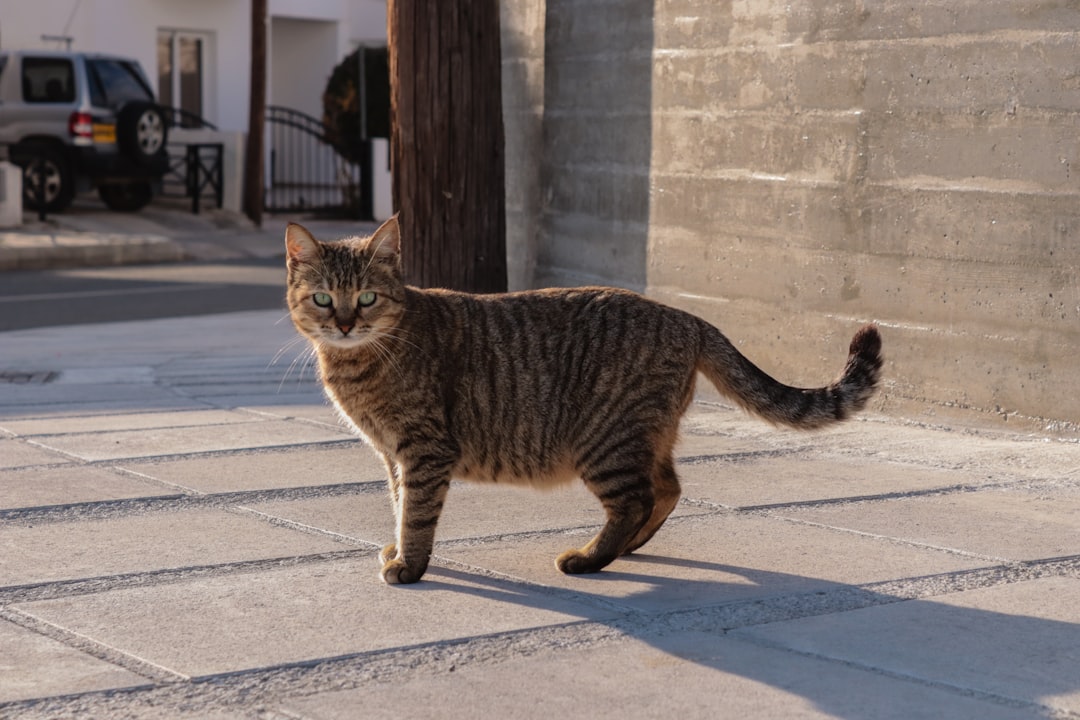
Cats often get a bad rap thanks to myths that have been passed down for generations — but it’s time to set the record straight. From the idea that cats are cold and unaffectionate to the belief that they always land on their feet, a lot of what we think we know just isn’t true. These myths can shape how we treat our feline friends, sometimes in ways that aren’t helpful. The truth is, cats are way more complex, social, and sensitive than they’re often given credit for. In this list, we’re debunking 10 of the biggest cat myths that need to go. You might be surprised at what you’ve been getting wrong! Ready to see your cat in a whole new light? Let’s bust some myths.
Black Cats Are Bad Luck Omens

Have you ever crossed the street when a black cat appeared? If so, you’ve fallen for one of the most persistent and harmful myths about our feline friends. Black cats have been the subject of myth and folklore for centuries. Their long history with people remained mostly positive until the hysteria surrounding witches began. Cats were cared for by single women who were then accused of witchcraft. People believed that these cats were helping witches with their evil deeds. They also believed that black cats were witches in disguise. This superstition has real consequences in our modern world. Sadly, unwanted and abandoned black cats are notoriously difficult to rehome thanks to superstition and myth. In reality, the truth about black cats is much more heartwarming. In reality, the only supernatural powers that black cats possess are ones of unconditional love and affection, just like any other cat.
What makes this myth even more ridiculous is that different cultures view black cats completely differently. But while in some countries they are considered unlucky, they are said to bring good fortune in other parts of the world. In Japan, it is thought to be good luck if a black cat crosses your path · In much of Europe and the US, the presence of a black cat is considered to mean that bad luck is on its way · In Germany it depends which direction a black cat walks in front of you. So a cat that’s supposedly “unlucky” in America might be considered a blessing in Japan. That should tell you everything you need to know about how arbitrary these superstitions really are.
Cats Always Land on Their Feet
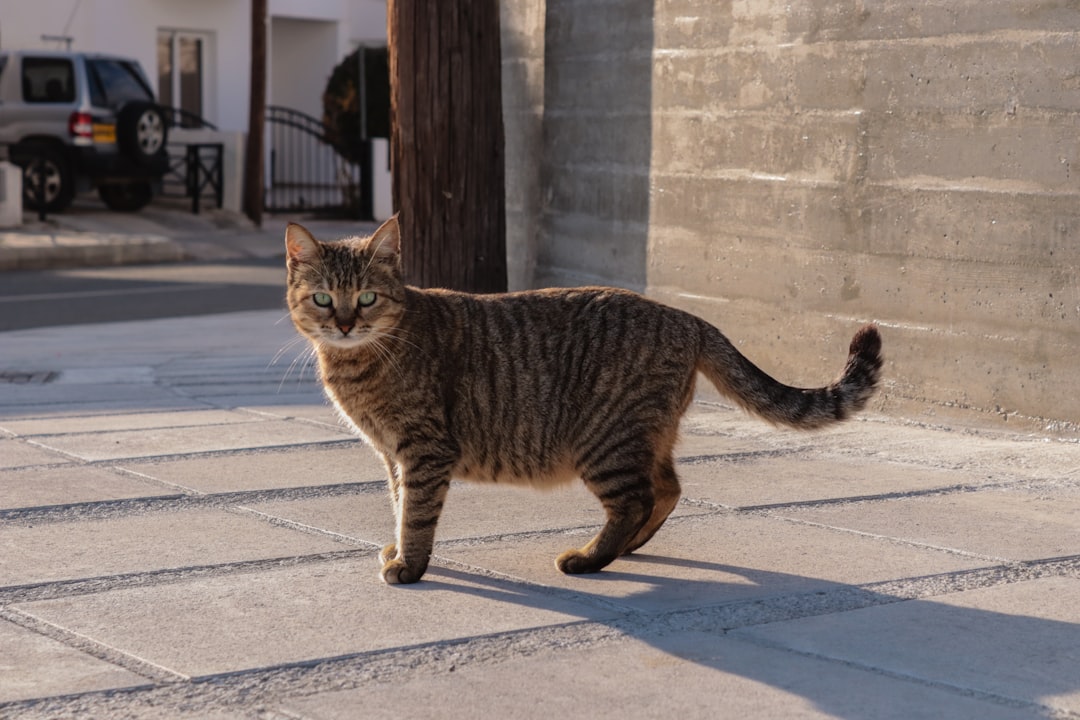
Picture this: a cat tumbling through the air in slow motion, gracefully twisting its body before landing perfectly on all fours. This image is so ingrained in our minds that we’ve come to believe cats are practically indestructible when it comes to falls. But here’s the shocking truth that could save your cat’s life. In fact, many cats suffer from what vets have dubbed high rise syndrome—the injuries experienced by cats who fall from high places. Cats are extremely agile and have a very flexible spine that allows them to twist in mid-air and land on their feet, most of the time. That phrase “most of the time” should give you pause. Cats aren’t foolproof and can still injure themselves in falls, often with chin and teeth injuries. In addition, age, arthritis, and other illnesses can reduce a cat’s reflexes, and enough cats are injured by falls from great heights every year to give it a name: high rise syndrome.
Here’s where it gets even more surprising: Contrary to popular belief, cats are more apt to be injured from low heights than high because they don’t have time to turn or twist their bodies into the necessary position for a safe landing. So that coffee table or low balcony might actually be more dangerous than you think. The myth that cats always land safely has led many pet owners to be careless about window screens and high perches, putting their beloved companions at unnecessary risk.
Cats Have Nine Lives
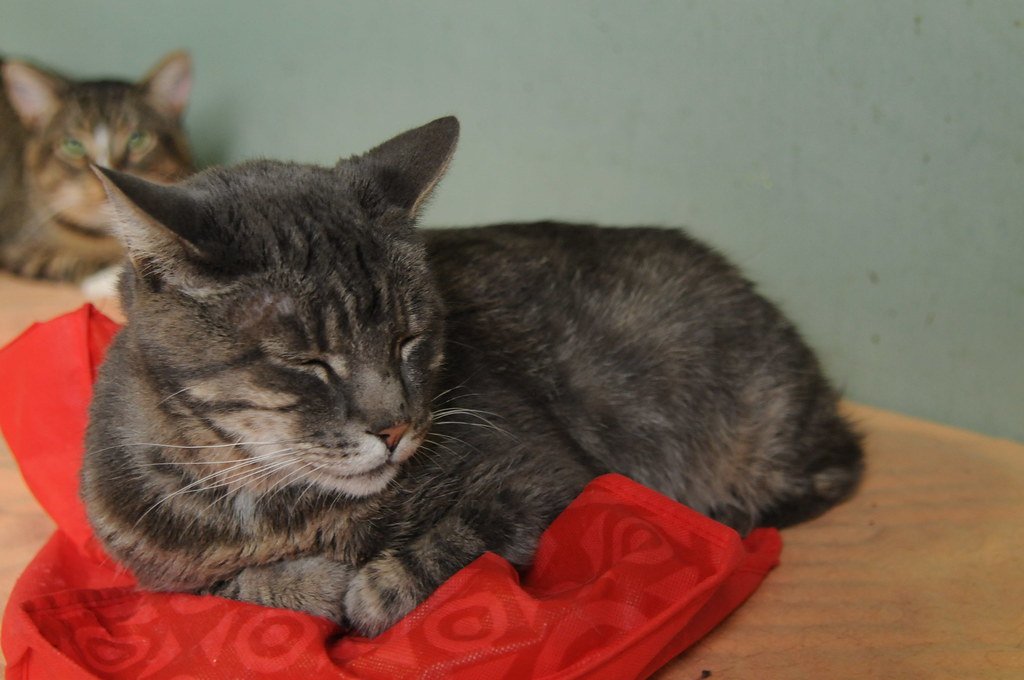
If cats really had nine lives, veterinary emergency rooms would be a lot emptier, wouldn’t they? This beloved myth has been around for centuries, and its origins are as fascinating as they are varied. Nobody really knows the origin of this myth, but there are a number of possibilities – from William Shakespeare to ancient Egypt. In the play Romeo and Juliet, the bard refers to the nine lives of cats. Meanwhile an old proverb of unknown origin claims: “A cat has nine lives. For three he plays, for three he strays and for the last three he stays.” · In ancient Egypt, cats were treated as sacred animals and were worshiped as divine creatures with psychic or supernatural powers, so some think the myth could have originated there. The truth, however, is far more sobering. Like the rest of us, cats only have one life.
What likely gave birth to this myth is cats’ remarkable ability to survive dangerous situations. It’s more than likely that the myth has developed over time due to cats’ ability to get themselves out of sticky situations. Cats have survived falls from great heights and even earthquakes, so it’s not surprising they have earned their nine lives title. But surviving doesn’t mean thriving, and it certainly doesn’t mean they’re invincible. So, cats have only one life, like all living beings. But thanks to their physiology, flexibility, instincts, and rapid response, that life often seems magical. The myth of nine lives symbolizes their astonishing ability to survive and bounce back from even the most dangerous situations.
Purring Only Means Happiness
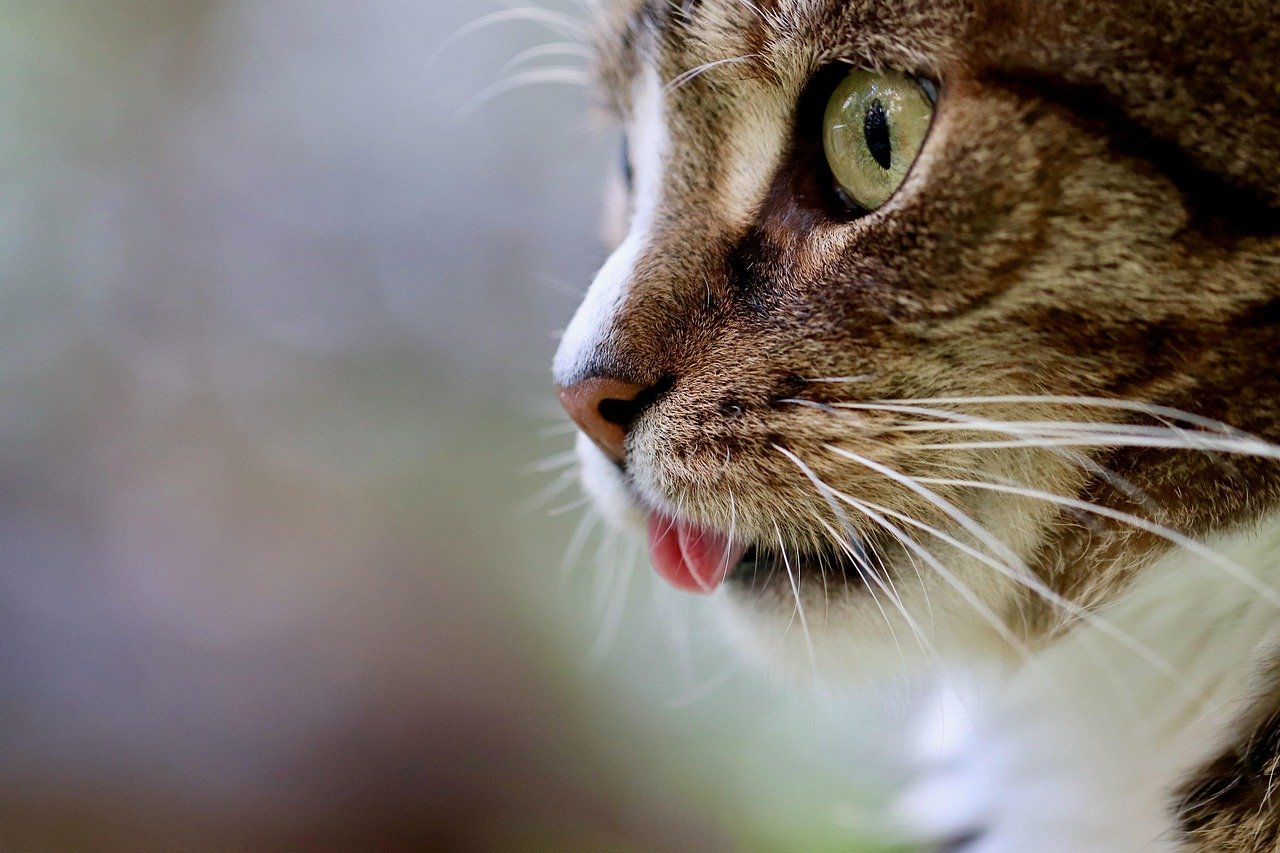
When you hear your cat purring, you probably assume they’re in pure bliss, right? That gentle rumbling sound seems like the ultimate sign of contentment. But this assumption could actually prevent you from recognizing when your cat needs help. While cats usually do purr due to happiness and comfort, they may also purr to self-soothe during periods of stress and pain. While cats definitely purr when they are happy, they also purr when they feel sick, are in pain, or are afraid. While we don’t know entirely why this happens, one theory is that the frequencies that cats purr are healing and help the cat feel less pain. Imagine missing the signs that your cat is suffering simply because you thought their purring meant everything was fine.
This one may come as a surprise but cats purr for many reasons other than because they’re happy. They could also purr while in pain, nervous, sick or even close to death. Take note of their body language when they’re purring and express any concerns to your vet. Some veterinarians even report treating cats who were purring while in severe distress. The key is to look at the whole picture – your cat’s body language, behavior, and overall demeanor – rather than just listening to that comforting sound.
Cats Are Antisocial Loners
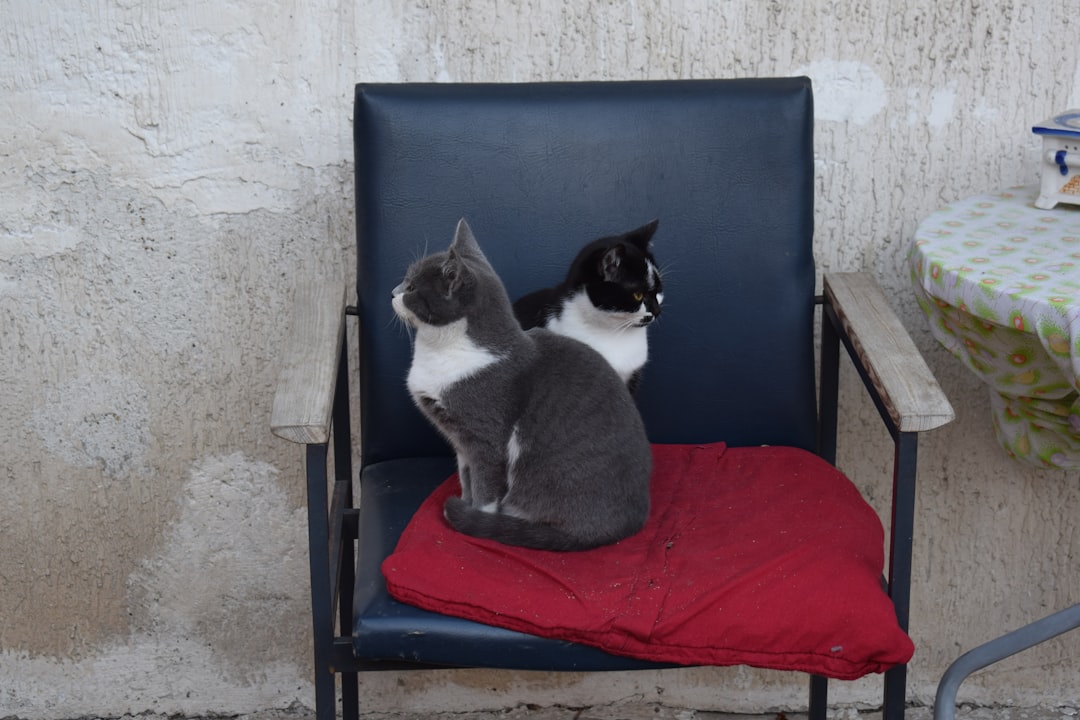
Here’s a myth that has led to countless cats being misunderstood and underestimated. The stereotype of the aloof, antisocial cat couldn’t be further from the truth for many of our feline companions. One of the most pervasive myths about cats is that they are solitary animals, uninterested in social interactions. While cats are indeed more independent than dogs, research shows they are not the lone wolves many believe them to be. Studies conducted on feral cat colonies reveal that cats can form complex social structures and establish genuine bonds with both humans and other animals. This myth has probably done more damage to the human-cat relationship than almost any other misconception.
The truth is that cats can be incredibly social creatures when given the chance. It’s true that some cats can be very independent. And, yes, sometimes they’ll give you the side-eye as if to say, “Later, bro.” But many cats crave connection with people; some may prefer their favorite people while others are excited to meet everyone. Many cats will greet their owners at the door, follow them around the house, and even sleep on their beds. They form deep bonds with their human families and can become genuinely distressed when separated from them. The key is understanding that cats express affection differently than dogs – through gentle head bumps, purring, and that slow blink that cat lovers call “cat kisses.”
Milk Is the Perfect Cat Treat
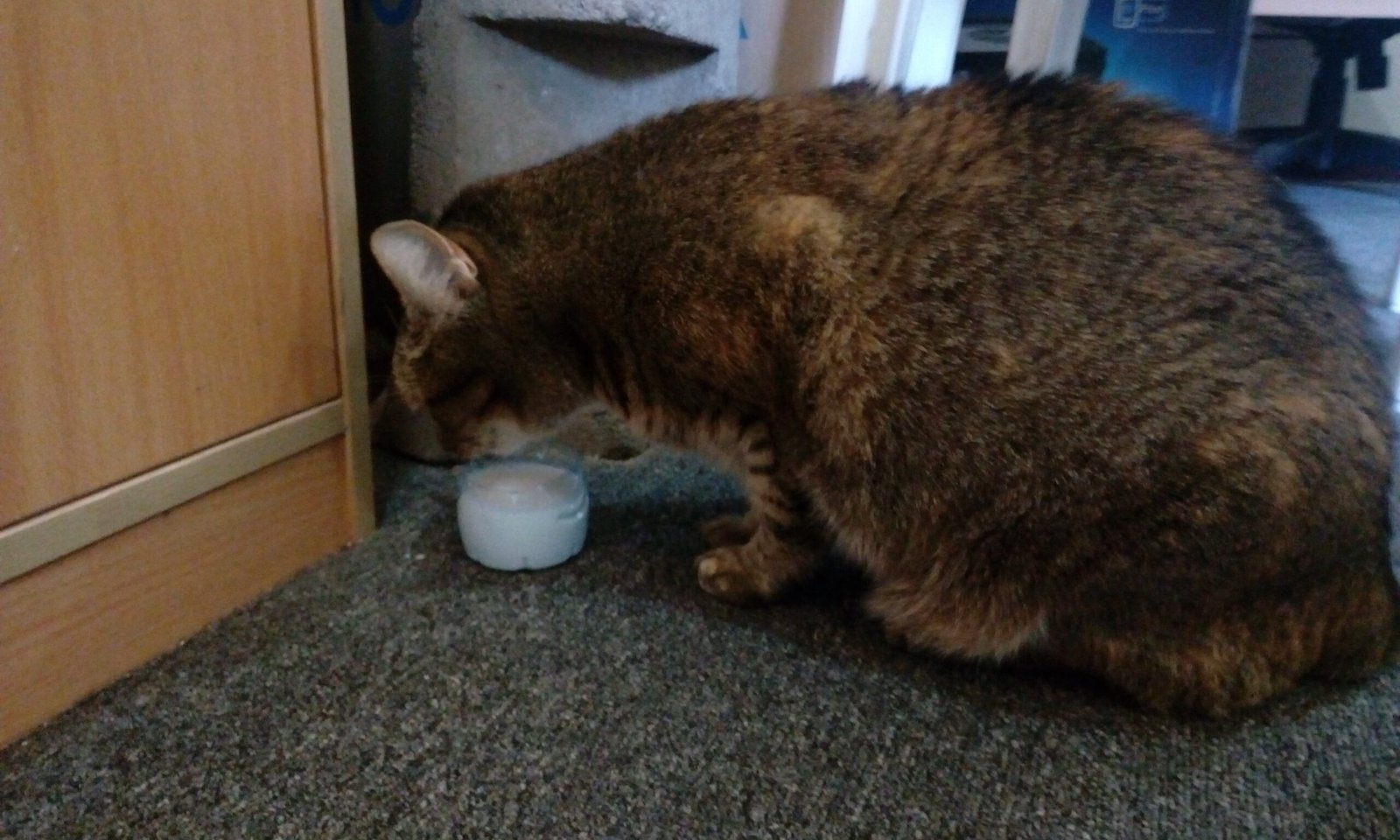
The image of a cat happily lapping up milk from a saucer is practically iconic. It’s been featured in countless cartoons, books, and movies, creating one of the most enduring myths about what cats should eat. But here’s where things get uncomfortable – literally. While we’re all familiar with the image of a cat lapping from a saucer of milk, cow’s milk (and any other milk containing lactose without lactase!) can cause digestive upset in cats who’ve been weaned. The reality is that most adult cats are lactose intolerant, meaning that innocent treat could lead to stomach pain, diarrhea, and vomiting.
This myth originated from feeding orphaned kittens cow’s milk. While kittens can digest cow’s milk, cats lose the enzyme necessary to digest milk as they age and become naturally lactose intolerant. Think of it like this: many humans lose the ability to digest lactose as they age too. So why would we assume cats are different? Feeding a cat milk does not provide the right nutrients and may cause diarrhea or vomiting. If you want to feed your cat milk try Cat-Sip, a lactose-free alternative. Your cat will be much happier with fresh water and appropriate cat treats.
Cats Are Nocturnal Night Owls

If you’ve ever been woken up by your cat racing around the house at 3 AM, you might think cats are nocturnal creatures who come alive when the sun goes down. But this assumption misses a crucial detail about when cats are actually most active. While it’s common to think of cats as nocturnal animals, they are, in fact, crepuscular and most active at dawn and dusk. While you might think that your cat only has the crazies in the early morning when you are trying to sleep, the truth is that cats are crepuscular, which is just a fancy way of saying they are most active at dusk and dawn. This natural rhythm comes from their wild ancestry, where hunting during twilight hours gave them the best advantage.
Cats are often thought to be nocturnal creatures but they are actually crepuscular, meaning they are most active during dawn and dusk. This misconception likely arises from the fact that cats are often more playful and energetic during the early morning and evening hours. In the wild, cats hunt during these twilight hours when their prey are most active. Domestic cats have retained this instinctive behavior, which explains why they may wake their owners early in the morning or become more lively in the evening. Understanding this natural rhythm can help you work with your cat’s energy levels rather than against them, making life more pleasant for both of you.
Pregnant Women Must Avoid Cats
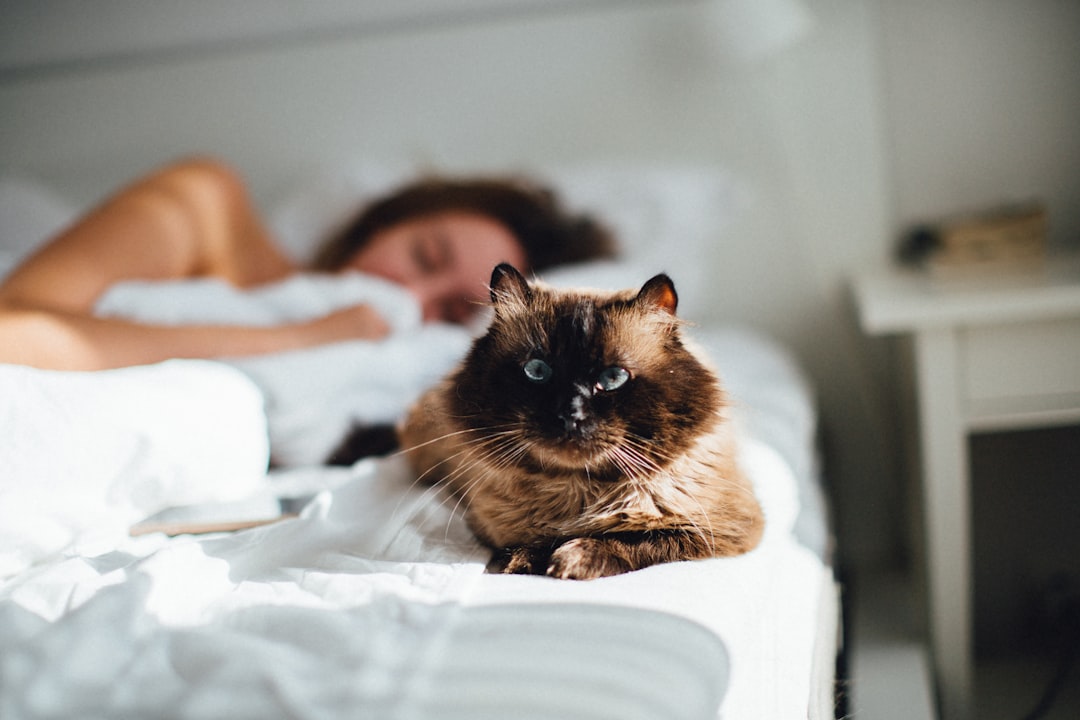
This myth has caused unnecessary heartbreak for countless expectant mothers who’ve been told they need to give up their beloved cats. The fear stems from toxoplasmosis, a parasitic infection that can indeed be dangerous during pregnancy. But the risk has been blown completely out of proportion. This is a well-intended rumor because of the potential risk of toxoplasmosis, a parasite that can be found in cat feces that can cause damage to a fetus in-utero. Although the risk is small, it is strongly advised that pregnant women avoid cleaning the litter box. Notice that key phrase: “avoid cleaning the litter box” – not avoid cats entirely.
The solution is surprisingly simple and doesn’t require giving up your feline companion. However, if this isn’t possible, then pregnant women are advised to wear disposable gloves and to wash their hands with soap and water immediately after cleaning the litter box. The box should also be changed daily, as Toxoplasma isn’t infectious until 1 to 5 days after the feces is shed. Toxoplasmosis is a risk for pregnant mothers. It is spread through cat feces and litter, as well as by handling raw meat or digging in the garden. For safety, pregnant women should have someone else in the family clean the litter box. It’s perfectly fine to continue snuggling with kitty while pregnant though. The emotional benefits of keeping your cat during pregnancy far outweigh the minimal risks when proper precautions are taken.
Cats Are Impossible to Train
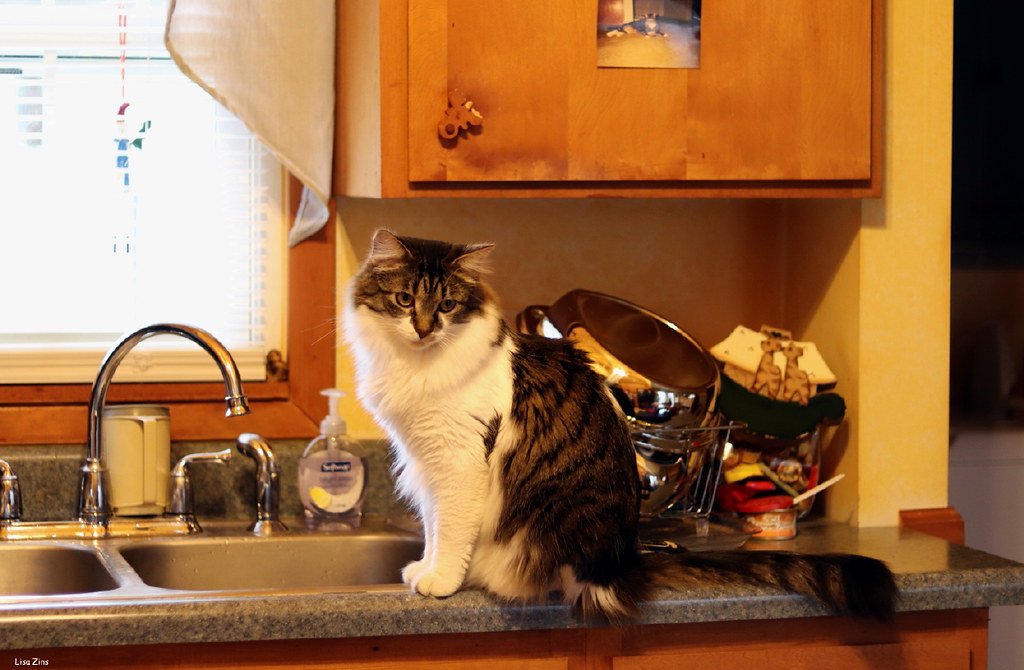
If you believe cats can’t be trained, you’ve been missing out on one of the most rewarding aspects of cat ownership. This myth probably persists because cats learn differently than dogs – they’re not motivated by the same desire to please their human pack leader. But that doesn’t mean they can’t learn. Contrary to the widespread myth, cats are trainable and can learn tricks through positive reinforcement, much like dogs. Cats can learn to sit, fetch, or even compete in agility courses if training is approached with patience, consistency, and rewards like treats or toys. The key is understanding what motivates your individual cat and working with their natural instincts rather than against them.
Contrary to popular belief, cats can be trained using positive reinforcement techniques. While they may not respond to training in the same way as dogs, cats can learn a variety of behaviors, such as coming when called, using a scratching post, and even performing tricks. Many cats can learn to walk on leashes, use toilets instead of litter boxes, and even perform complex tricks. Cats can be trained and there are well-known examples of this. We’ve even trained a few cats. You’re likely to have more successful with positive reinforcement of good habits rather than teaching them to perform tricks. The secret is patience, consistency, and finding what rewards your cat values most – whether that’s treats, play time, or affection.
Declawing Is Just Like Trimming Nails
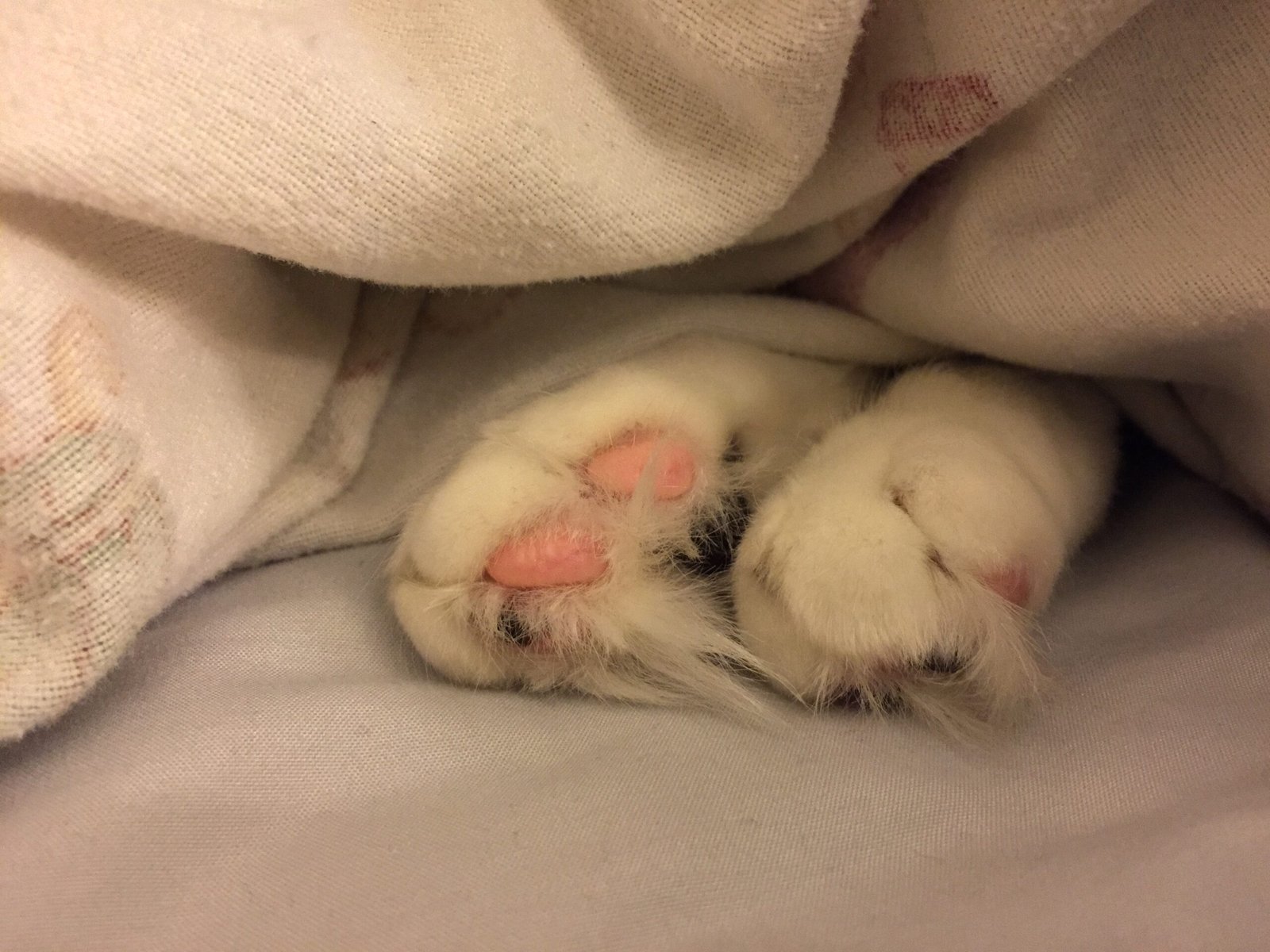
This might be the most dangerous myth on our list because it leads to a procedure that can cause lifelong suffering for cats. Many people think declawing is simply removing the claws, like trimming very long nails. The reality is far more disturbing. Trimming cat nails doesn’t cause any serious harm to your cat, even if they don’t like you doing it. Meanwhile, declawing is a surgical procedure that would be the equivalent of amputating your fingers at the knuckles closest to the fingertips. Imagine having the tips of all your fingers removed at the last joint – that’s what declawing does to a cat.
Among the most egregious feline myths out there is the idea that declawing cats by amputating the top knuckles of their toes is an acceptable, harmless norm. In reality, this excruciating procedure robs cats of vital mobility and self-defense abilities. Without claws for grasping, pain-free walking is impaired long-term. Behavior issues frequently arise post-declaw as well. There are humane alternatives for directing scratching activity, making amputation absolutely unnecessary. Many declawed cats develop chronic pain, litter box problems, and behavioral issues that last for the rest of their lives. Instead of this cruel procedure, invest in scratching posts, nail trimmers, and patience – your cat’s quality of life depends on it.
The truth about our feline friends is far more nuanced and fascinating than these old myths suggest. Cats are complex, intelligent, and deeply emotional creatures who deserve our understanding rather than our misconceptions. By letting go of these outdated beliefs, we open ourselves up to truly knowing and appreciating the remarkable animals sharing our homes. Next time someone repeats one of these myths, you’ll know better – and hopefully, you can help them see cats in a whole new light. What surprised you most about these myth-busting revelations?


