

We all think we know dogs. After all, they’ve lived by our side for thousands of years, curled up on our couches, stolen our socks, and wormed their way permanently into our hearts. But here’s the thing – a lot of what we believe about our four-legged best friends is simply not true. Some of it is harmless folklore passed down through generations. Other myths, though? They can genuinely affect your dog’s health, happiness, and the trust between the two of you.
Some inaccurate beliefs can cause you to misinterpret certain dog behaviors or facial expressions, lead to subpar nutrition, or put a real strain on the owner-dog bond. That’s a serious problem, and it deserves a serious look. So whether you’re a seasoned dog parent or a new puppy owner still figuring things out, buckle up. Some of these might just blow your mind. Let’s dive in.
Myth #1: A Wagging Tail Always Means a Happy Dog

You spot a dog wagging its tail and immediately assume it’s safe to walk over and say hello. Honestly, most of us have been there. It feels like the most natural read in the world. But tail wagging is far more nuanced than a simple “I’m happy” signal.
A dog might wag its tail more to the right side, which typically means it is interested or wants to approach something. A wag more to the left could signal uncertainty, or mean the dog wants to back away. A wag low and near the legs is a sign of submission or fear.
Researchers found dogs wag to the right when happy and content, but wag to the left when stressed or anxious. Subtle differences in speed and breadth of wagging, along with other body language cues, indicate your dog’s true state of mind. So before you reach out to pet an unfamiliar dog, take a moment to read the whole picture – body posture, ears, eyes, and yes, that tail direction too.
Myth #2: Dogs Only See in Black and White

This one is so deeply embedded in popular culture that it almost feels like science. But it’s not. The assumption that dogs can’t see color was widely accepted for decades. However, we now know that while dogs can’t see the same colors that humans can, they can still see some colors.
Dogs aren’t completely colorblind. They have dichromatic vision, which means they see a limited range of colors. Dogs primarily distinguish blues and yellows but struggle with reds and greens. For example, a red toy tossed onto green grass may blend together visually for your dog.
Think about that the next time you’re shopping for a fetch toy! A bright yellow or blue ball will be far easier for your pup to track than that flashy red one. Small adjustment, big difference in playtime fun.
Myth #3: One Dog Year Equals Seven Human Years

The “multiply by seven” rule is one of those myths that feels so clean, so logical, that it just has to be right. Spoiler: it isn’t. Recent research, which includes advanced DNA studies, shows that the long-held formula that one human year equals seven dog years no longer holds true. In fact, there are so many factors involved in comparing the aging of dogs to humans that it’s a lot like comparing apples and oranges. The newest info shows that dogs and humans experience similar physical milestones at different paces.
For instance, a 1-year-old dog doesn’t equal a 7-year-old child but instead corresponds to a 30-year-old human. A 4-year-old dog aligns with a 52-year-old human. A 9-year-old dog has the approximate genetic wear and tear of a 65-year-old human. The research also shows that these comparisons can vary based on a dog’s breed or type and size.
Why does this matter? Because understanding your dog’s real biological age helps you make smarter decisions about their diet, exercise, and veterinary care. A “young” two-year-old dog might actually be at a very mature biological stage already.
Myth #4: Dogs Eat Grass Because They’re Sick

Picture this: your dog is trotting happily across the yard, then suddenly drops their nose and starts munching on grass like a tiny cow. You panic. Is something wrong? Are they ill? Not necessarily. There is a common belief that dogs eat grass to make themselves throw up and get rid of something yucky they’ve swallowed. However, studies show that fewer dogs vomit after eating grass than this theory would suggest. It is possible that your dog is stopping mid-walk for a grass snack as a way to add some fiber to their diet.
Many dog owners believe that dogs eat grass only when they are unwell or experiencing digestive issues. However, dogs may chew on grass for various reasons, including boredom, curiosity, or simply because they enjoy the taste. While occasional grass consumption is generally harmless, persistent behavior should be monitored, and consulting with a vet is advisable.
The real concern isn’t the grass itself but what’s on it. Pesticides, fertilizers, and herbicides can all be toxic. If your dog is a regular grazer, stick to areas you know are chemical-free, and keep an eye on how often it’s happening.
Myth #5: A Dry or Warm Nose Means Your Dog Is Sick
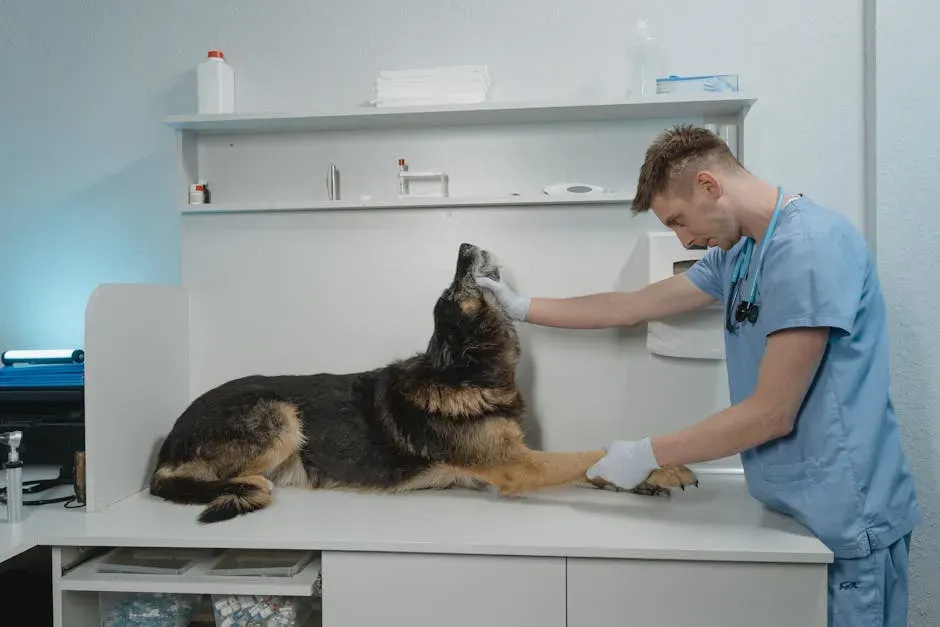
How many times have you pressed your palm against your dog’s nose trying to diagnose them like a backyard vet? We’ve all done it. It feels instinctive. But the wet-nose-equals-healthy belief is really just an old wives’ tale. We’ve all heard this one – if your dog’s nose is warm or dry, it means they’re sick. However, this old wives’ tale simply isn’t true. The temperature and moisture level of your pet’s nose fluctuates throughout the day and can be impacted by genetics, environment, activity level, and more. There’s no direct correlation between nose temperature and illness. As long as your furry friend is acting normal otherwise, there’s no need to panic about a dry or warm nose.
Everything from dry air and allergies to simply taking a nap can affect the wetness of your dog’s nose. However, while nose health isn’t normally concerning, if you notice your pet’s nose is constantly dry, cracking, or running – not simply wet – then you should make an appointment with the veterinarian. Context is everything. Don’t diagnose by the nose alone.
Myth #6: Dogs Feel Guilty When They’ve Done Something Wrong

You walk in the door. Your dog is belly-low on the floor, eyes wide, head dipped. The trash is scattered across the kitchen. Clearly, they know what they did, right? It’s a compelling scene, I’ll admit. But what you’re actually seeing isn’t guilt. Many pet parents arrive home to discover their favorite slippers destroyed or the trashcan tipped over and greet their anxious, wide-eyed pooch with “You look so guilty!” But researchers challenge the idea that dogs feel morally guilty or preemptively sorry about their misdeeds. More plausibly, dogs displaying submissive “guilty” behaviors are simply responding fearfully to pet parent cues predicting punishment may come next.
Dogs feel a wide range of emotions, so it makes sense for people to interpret their dog’s bowed head or avoiding eye contact as guilt. However, some animal behavior experts say that guilt is most likely too complex for our pups, as they would need to understand social norms and morals like humans. Your dog isn’t expressing remorse. They’re reading your body language and bracing for your reaction. That’s a very important distinction – because scolding them long after the fact doesn’t teach them anything. It only builds anxiety.
Myth #7: You Can’t Teach an Old Dog New Tricks
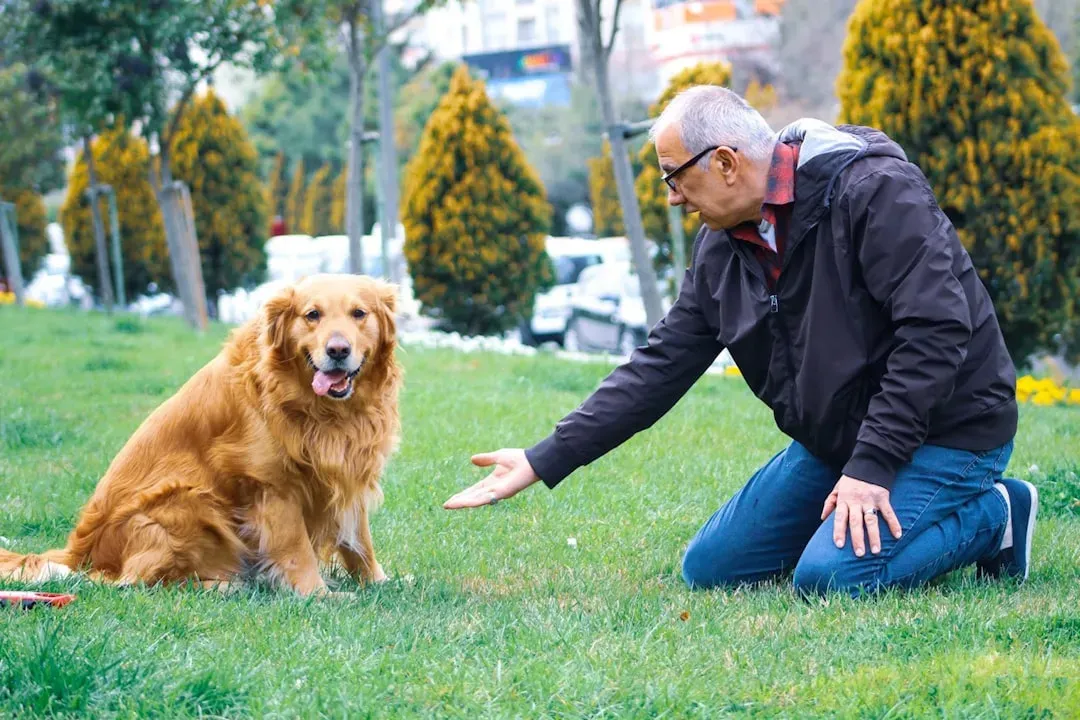
Let’s be real – this is probably the most beloved dog myth of all time. It’s even a human life metaphor at this point. Still, it’s wrong. The biggest dog myth we’ve debunked is that you can’t teach an old dog new tricks. They absolutely can learn new things. It will just take some extra work on your part, and they won’t learn as quickly.
Some senior dogs develop a condition called cognitive dysfunction, which makes it harder for them to learn new tricks and can cause them to forget their training. Contact your vet if you notice changes in your dog’s behaviour. But outside of genuine cognitive decline, older dogs are often calmer, more focused, and more attentive than their bouncy puppy counterparts. Think of it like teaching an experienced adult versus a distracted toddler – patience plus the right motivation goes a very long way.
Myth #8: Certain Dog Breeds Are Naturally Aggressive

This is a myth with real-world consequences. It influences breed-specific legislation, adoption rates, and the fate of thousands of dogs in shelters. There’s a widespread myth that certain dog breeds, like Rottweilers or pit bulls, are inherently aggressive. While these breeds may have traits that make them more physically imposing, aggression in dogs is largely determined by their environment, upbringing, and individual experiences, not their breed. A poorly trained or mistreated dog of any breed can develop aggressive tendencies. In fact, many small breeds, like Chihuahuas, are known to be quite feisty.
Breed stereotypes often lead to misunderstandings and mistreatment, resulting in certain dogs being unfairly labeled as dangerous. Aggression is a complex behavior that is influenced by factors like training, socialization, and the dog’s past experiences. Instead of focusing on breed, it’s important to assess each dog as an individual, understanding that with the right training and care, any dog can be a gentle and loving companion. Every dog deserves to be seen as an individual – not a headline.
Myth #9: A Dog’s Mouth Is Cleaner Than a Human’s

Ah yes, the classic “dog kisses are cleaner than human kisses” argument. People use it to justify letting their dogs lick their faces with cheerful abandon. Here’s the truth, though: dogs’ mouths are definitely not clean. Dogs’ mouths are filled with bacteria and are far from clean. Dogs often eat their own poop, contributing to the bacterial load in their mouths. Research shows that those mouths are very dirty. Considering these points, it’s clear that the notion of dogs having clean mouths is a myth.
Dogs’ mouths contain a lot of bacteria, which can be transferred to wounds when they lick them. Licking wounds can cause infection and delay healing. It’s best not to let dogs lick their wounds and to follow proper wound care procedures. If your dog has a cut or scrape, resist the urge to let them “clean it.” Use an Elizabethan collar if needed, and consult your vet for proper wound care instead.
Myth #10: “Hypoallergenic” Dogs Won’t Cause Allergic Reactions

If you’ve ever bought a Poodle or Maltese because someone told you they’re hypoallergenic, you’re not alone. It’s one of the most widely marketed dog myths out there, and it gives real false hope to allergy sufferers. There is no dog that is truly hypoallergenic. Some dogs may create a greater allergic response than others, but no dog is completely hypoallergenic. People with allergies can often manage symptoms by choosing breeds known to produce fewer allergens and by maintaining a clean environment. Understanding that no dog is entirely hypoallergenic can help set realistic expectations and encourage proper management of allergy symptoms.
People can be allergic to hair, fur, skin cells, and saliva of a dog. The idea that a dog that doesn’t shed is hypoallergenic is yet another one of those common dog myths. The actual allergen is a protein called Can f 1, found in dog dander, skin, and saliva – not just the fur. A low-shedding dog might mean less hair on your couch, but it doesn’t mean a sneeze-free home. If allergies are a concern, spend time with a dog before committing, and talk to your doctor about management strategies.
The Bottom Line: Knowing Better Means Loving Better

Here’s what I find most fascinating about all of this: most of these myths come from a place of genuine love. We want to believe our dogs are happy when their tails wag. We want to think they feel remorse. We want a simple formula for understanding their age. That emotional investment is beautiful. It’s just occasionally pointed in the wrong direction.
Understanding the truth behind these misconceptions not only improves the lives of our furry friends but also deepens the bond we share with them. Every corrected myth is a chance to show up for your dog in a more thoughtful, informed, and compassionate way.
The more we learn, the better we become – not just as dog owners, but as advocates for the animals who give us everything they have. So the next time you catch yourself repeating one of these “facts,” pause, question it, and dig a little deeper. Your dog might not be able to thank you in words. But the wagging tail – well, the right kind of wagging tail – will say plenty.
Which of these myths surprised you the most? Drop a comment below and let the community know – we’d love to hear your story!


