
You’ve asked your dog to sit. Three times. Nothing. You’ve called them in from the yard and they just stand there, staring at you like you said something in a foreign language. Frustrating, right? It’s easy in those moments to sigh and mutter, “He’s just so stubborn.” Honestly, most of us have been there.
Here’s the thing, though. That “stubbornness” label might be one of the most misleading things we attach to our dogs. What looks like defiance on the surface could be something much deeper going on – something your dog desperately needs you to understand. Dogs feel anxiety, pain, confusion, and fear. The trouble is they can’t exactly book a therapy session or send a text to let you know.
What they do instead is communicate through behavior. The problem is that we, as humans, often misread those signals entirely. So before you repeat the command for the fourth time or wonder if your dog is secretly plotting against you, let’s take a much closer look at what might really be happening. You might be surprised by what you find.
When ‘Ignoring You’ Is Actually Fear or Anxiety in Disguise
Many dogs display what behaviorists call “shut down” behavior – becoming still, quiet, and unresponsive. A shut-down dog isn’t calm. They’ve essentially frozen, waiting for the perceived threat to pass. To an untrained eye, this freeze response looks like the dog is simply ignoring you or being difficult. Imagine asking a friend to solve a math problem while they’re standing in the middle of a burning building. That’s the kind of cognitive overload some dogs experience in stressful moments.
If your dog seems stubborn, there is a real chance they are actually feeling anxious and unsure. What looks like ignoring you could be a worried brain trying to cope with noise, change, or pressure. Once you see the fear behind the behavior, training feels kinder and results come faster.
Dogs may find it difficult to follow well-known requests, like “sit,” because the stress response in their body actually makes it harder to stay still or concentrate. Think about that for a second. It’s not that they don’t know the command. It’s that their nervous system is overwhelmed and learning, quite literally, becomes impossible in that state.
There are entire books written on dog body language and “calming signals,” a term developed by Norwegian dog trainer Turid Rugaas. Rugaas realized that dogs have more than 30 ways to avoid stressful situations and try to calm themselves. When dogs exhibit these behaviors, they’re trying to diffuse the situation or tell you or another dog that they aren’t a threat. So that yawn, that look away, that slow sniff of the ground? Those aren’t attitude. Those are distress signals. Learning to read them changes everything.
The Body Language Clues You’re Probably Missing Every Day
Let’s be real. Most of us learned about dog body language from TV, movies, and maybe a brief glance at a pet magazine. That’s not nearly enough. The signs of anxiety in dogs are often subtle and can easily be misinterpreted unless the full context is understood. A wagging tail doesn’t always mean happy. A quiet dog doesn’t always mean calm.
Stress signs to look for include whale eye (when dogs reveal the whites of their eyes), tucked ears or tail, raised hackles, lip-licking, yawning, and panting. These are the tiny breadcrumbs your dog drops, hoping someone will follow the trail.
Stressed dogs, like stressed people, may have dilated pupils and blink rapidly. They may open their eyes wide and show more sclera (white) than usual, giving them a startled appearance. Their ears may be pinned back against their head. If you see any of these signs during a training moment or a walk, that is not the time to push harder. That’s the time to slow down completely.
When faced with an unwelcome situation, dogs may “escape” by focusing on something else. They may sniff the ground, lick their genitals, or simply turn away. Ignoring someone may not be polite, but it is surely better than becoming aggressive. It’s their version of trying to keep the peace. The least we can do is meet that halfway.
Could It Actually Be Physical Pain? The Signs Are Sneakier Than You Think
This one is genuinely shocking to a lot of dog owners, and I think it deserves way more attention than it gets. A pet in acute pain will typically vocalize, limp, and look at the affected area. However, signs indicating that your dog is suffering from chronic pain are not as obvious, and may be mistaken for a behavior issue. That’s the cruel part. Chronic pain hides itself remarkably well.
Dogs will hide their pain for as long as possible until symptoms appear and their humans notice. Being skilled at concealing signs of disease, injury, and pain can keep animals from being perceived as weak. It’s an ancient survival instinct working against your ability to help them. Nature built them to mask it, which means you have to actively look for it.
A dog in pain may be reluctant to use stairs, and this behavior is easily misconstrued as fearful or disobedient. Many dog owners attempt to correct the behavior by luring or commanding their dogs to climb stairs. Picture being told to run a sprint on a broken ankle. That’s what asking a dog with joint pain to “just come here” can feel like.
Behavioral changes due to pain often develop gradually, so being attentive to your dog’s daily habits is key. Changes to look out for include altered posture, your dog sitting or lying down more often, holding an arched back or carrying their head low. Stiffness or limping, favoring one limb, or difficulty walking are also important signs. Trouble sitting, climbing stairs, or getting up from a resting position should never be dismissed. If something has shifted in your dog’s everyday movement patterns, take it seriously and see your vet promptly.
Training Confusion Is More Common Than Stubbornness – Here’s Why
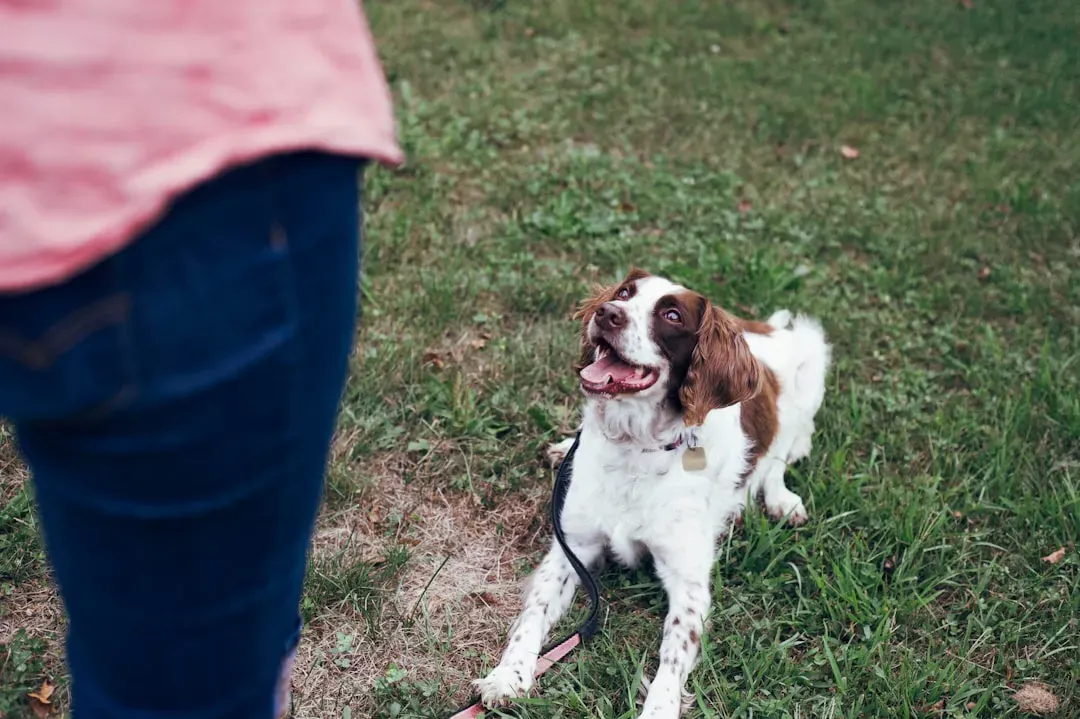
Here’s something that humbles most dog owners: your dog might not actually understand what you’re asking. Not because they’re dumb – far from it. If you’ve taught your dog to sit in the kitchen, they haven’t yet learned “sit” – they’ve learned “sit in the kitchen.” The environment, your body position, even what you were wearing that day can all become part of the learning.
When dogs learn a new cue, they notice everything – your body language and facial expressions, the actions you take before giving the cue, the environment they’re in and all of its smells and sounds – and those things become part of the cue. Training needs to teach them that those extra details don’t matter; what really matters is your chosen verbal or physical cue.
Poisoned cues are more common than you think and often the culprit when a dog is thought to be stubborn. We frequently call our dogs and then do unpleasant things to them such as give them a bath, lock them in their crate, or make them stay inside when they were having fun outside. If coming to you means unpleasant things are going to happen, they are going to avoid coming to you. This is such a relatable trap to fall into, and yet so easy to accidentally build over time.
Most cues don’t get ruined on purpose. They fall apart because the dog is not being stubborn, manipulative, or testing limits. They fall apart quietly, over time, through a series of very human moments that make complete sense in the moment. A little patience and deliberate retraining can genuinely transform the relationship.
How to Actually Help: Empathy-First Approaches That Work
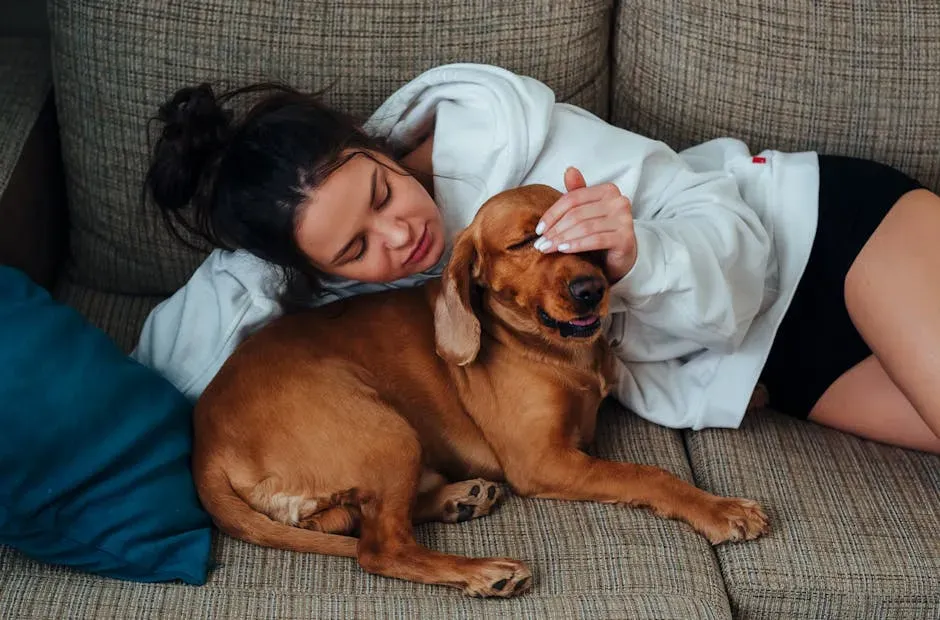
So what do you actually do with all of this? The first step, honestly, is the hardest one: stop assuming your dog is being difficult on purpose. Unlike humans, pets cannot verbalize distress. Instead, they communicate through body language, vocalizations, and behavior changes that owners sometimes misinterpret as disobedience or stubbornness. Shifting your mindset from “my dog won’t” to “my dog can’t right now” changes everything about how you respond.
If you notice signs that your dog is stressed, first remove them from the stressor and find a quiet place to regroup. Resist the urge to overly comfort them, but you may be able to use a treat to lure them to a safer spot. Creating distance from the trigger gives their nervous system a chance to actually come back online.
A fearful dog needs reassurance, not correction. Punishing or pressuring a scared dog increases their stress and can create lasting behavior issues, including aggression born from defensive fear. This is not about being soft. It’s about being effective. Pressure on an already overwhelmed dog doesn’t teach. It just adds more noise to an already chaotic internal experience.
Regular exercise is genuinely beneficial for managing stress. It helps use up excess energy that might otherwise turn to anxiety. Playing fetch or going for daily walks can be effective, and exercise releases endorphins, which are natural mood elevators. Combine that with mental stimulation. Dogs thrive with varied enrichment activities such as puzzle toys, scent work, and different types of play. Sniffari walks allow dogs to explore at their own pace, using their powerful sense of smell to gather information about their environment. This natural stress outlet often proves more calming than traditional exercise. And of course, if the behavior shift is sudden, always rule out physical pain first with a vet visit. Because medical conditions frequently underlie behavioral symptoms, veterinary evaluation should always be the first step.
Conclusion: Your Dog Is Always Saying Something – Are You Listening?
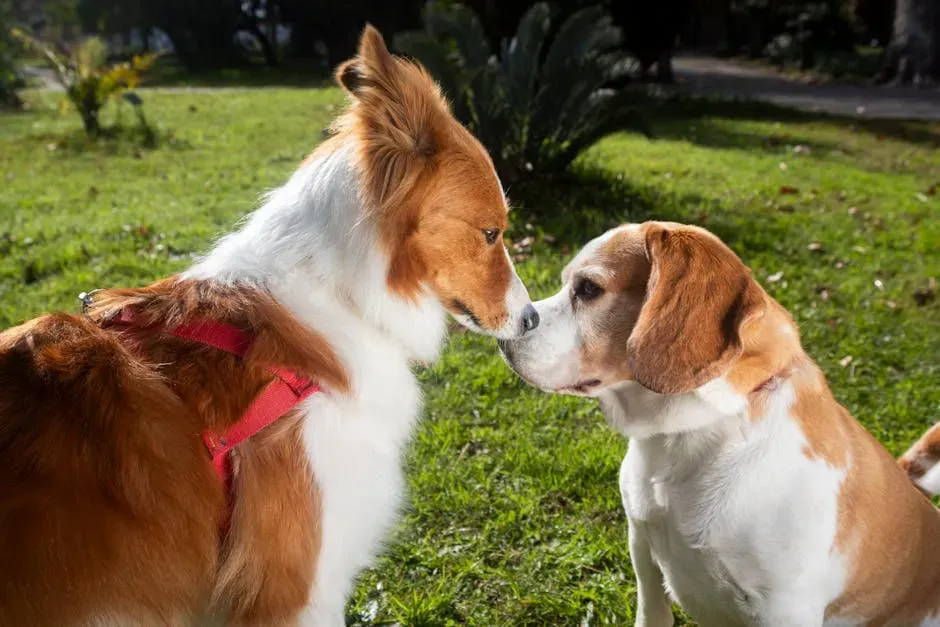
The label “stubborn” is convenient. It wraps up something complex and confusing in a tidy, if a little dismissive, little bow. The truth is that dogs are layered, emotional beings who communicate constantly through their bodies, their behaviors, and their reluctance. They are never just being difficult for no reason.
When you shift your gaze from the behavior to the feeling behind it, something beautiful happens. You stop being frustrated and start being curious. You start asking “why” instead of “why won’t you just listen.” That shift alone can redefine the bond between you and your dog in ways that no amount of obedience training ever could.
Your dog isn’t staging a rebellion. They’re reaching out, in the only language they have, hoping you’ll reach back. The question is simple but powerful: how closely are you actually listening?
What has your dog’s so-called “stubborn” behavior turned out to be? We’d love to hear your story in the comments below.


