
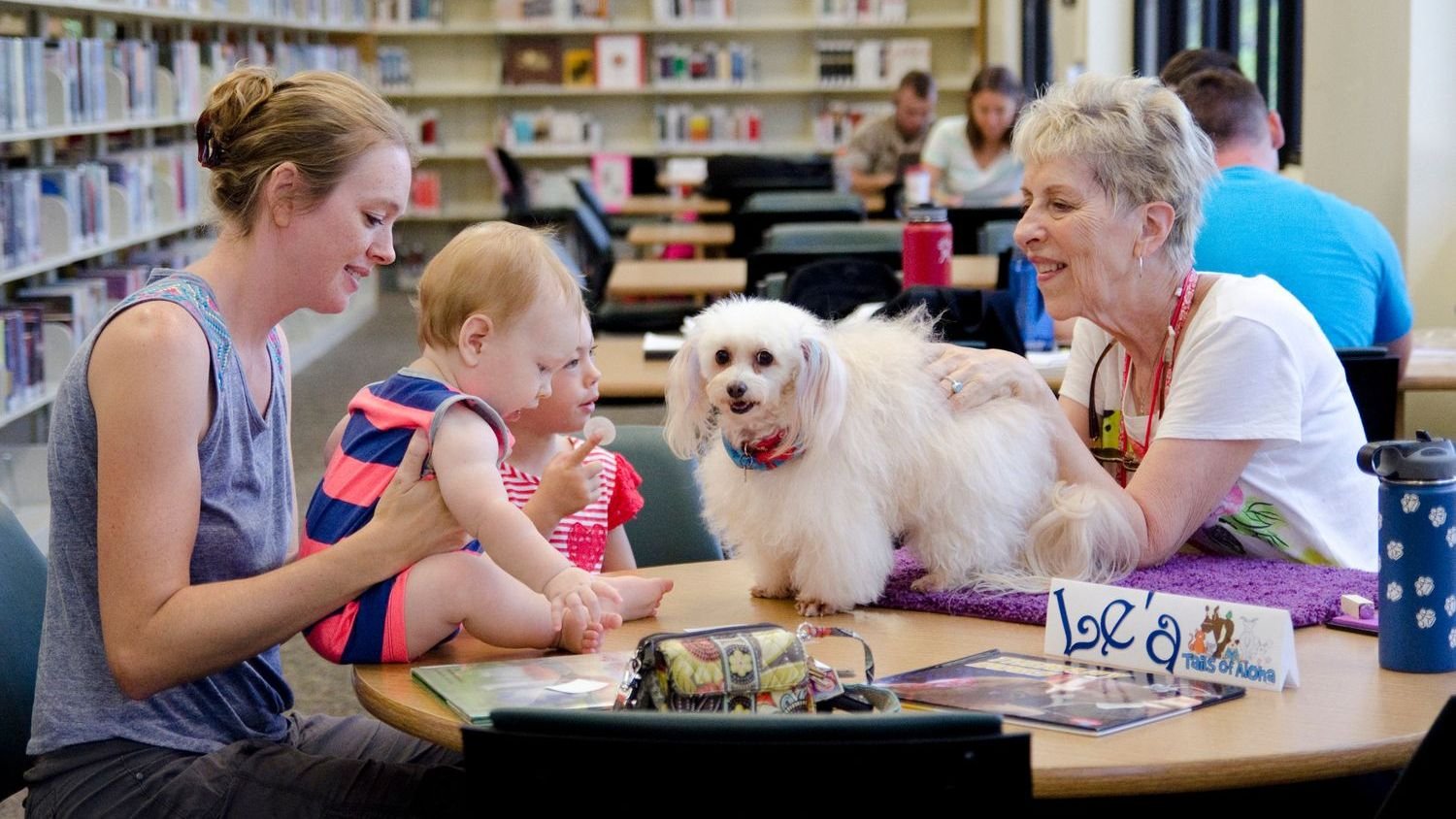
Have you ever wondered why certain dogs seem naturally wired to comfort strangers in hospitals while others are happiest romping around the backyard with kids? The truth is, not every dog is cut out for the same role. Some breeds possess an almost magical ability to sense what people need emotionally, while others thrive on the chaos and energy of family life. It’s not about which is better, honestly. It’s about understanding what makes each breed tick.
Whether you’re considering a canine companion for therapeutic work or searching for the perfect addition to your household, this guide breaks down twenty distinct breeds and where they truly shine. Ready to discover which pups excel at bringing calm to hospitals and which ones are born to be your family’s best friend? Let’s dive in.
1. Golden Retriever: The Gentle Soul of Therapy Work

Golden Retrievers excel at therapy work due to their intelligence, working ability, and eager-to-please attitude that helps them connect very well with people. What makes them so effective is their natural gentleness combined with an intuitive understanding of human emotion. They seem to know exactly when someone needs comfort and respond without hesitation.
These dogs are typically affectionate, playful, and patient, and they tend to enjoy interacting with a wide range of people, including children, older adults, and individuals with mobility aids or cognitive differences. Their longer coats also provide sensory comfort, as people love running their hands through that soft golden fur during stressful moments.
2. Labrador Retriever: The Versatile Family Champion

The Labrador Retriever is one of the most popular dogs in the United States for a reason, as these affable and outgoing dogs play well with others and are eager to please, with the breed being affectionate, patient, and trainable. Labs bring an infectious enthusiasm to family life that few breeds can match.
Their boundless energy makes them perfect playmates for active children. Labs are naturally affectionate toward family and strangers alike, and their high intelligence means they love learning new tricks, with Labs especially enjoying swimming and being ideal pets for families that enjoy spending time around water. If your family loves outdoor adventures, a Lab will be right there beside you, tail wagging all the way.
3. Cavalier King Charles Spaniel: Therapy Royalty in Small Packages
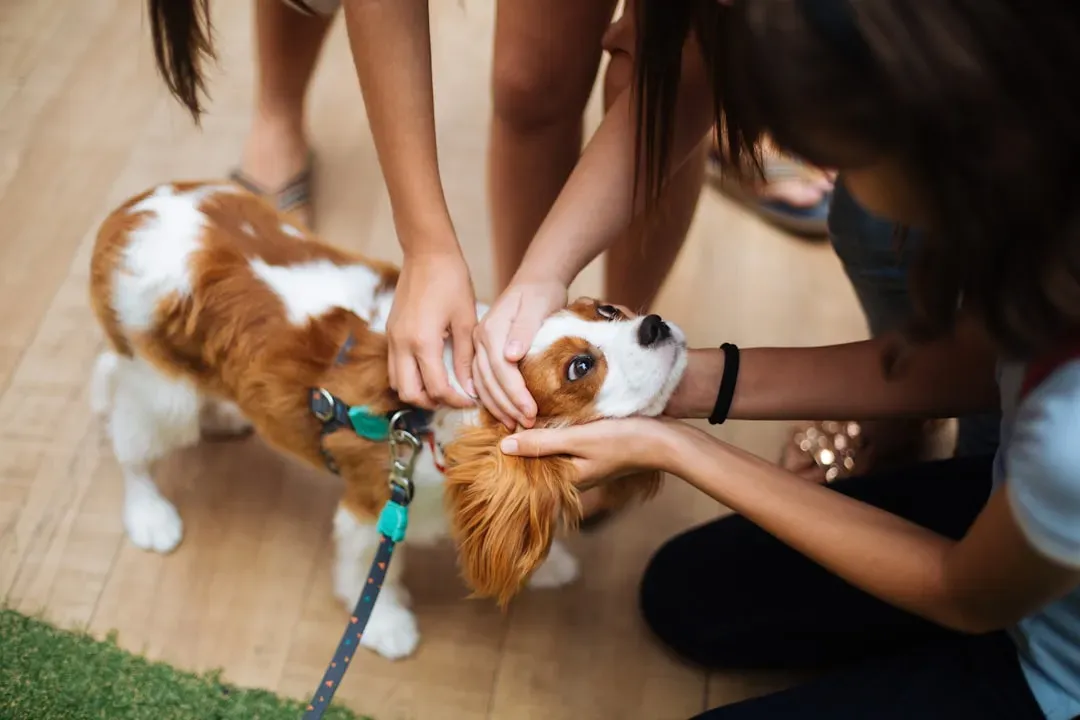
Cavaliers make wonderful therapy dogs due to their sweet, gentle nature, and they are friendly, easily trainable companions. These little spaniels were literally bred to be companion dogs for royalty, so comforting humans is in their DNA. Their size makes them perfect for bedside visits where larger dogs simply wouldn’t fit.
There’s something about those soulful eyes that immediately puts people at ease. This small spaniel was bred to be a royal companion dog with a kind, loving, gentle temperament that tends to have a calming influence, and the “Cav” typically enjoys sitting on laps, even those of strangers. They’re not demanding or high-strung; they simply want to be near people and offer comfort.
4. Beagle: The Merry Family Favorite

Beagles are generally good options for family pets as they are energetic, curious, and friendly, three characteristics that are important when spending their days with young children, and these dogs are merry, affectionate, and great with kids, typically topping out between 20-30 pounds. Their compact size and sturdy build mean they can handle the roughhousing that comes with childhood play.
Their curious nature keeps things interesting around the house. Sure, they can be vocal with their distinctive bay, but that’s part of their charm. Beagles’ compact size, short, easy-to-care-for coat, and intelligence make them an excellent family dog, and Beagles are happiest when they have company.
5. Poodle (Standard and Toy): The Hypoallergenic Healer
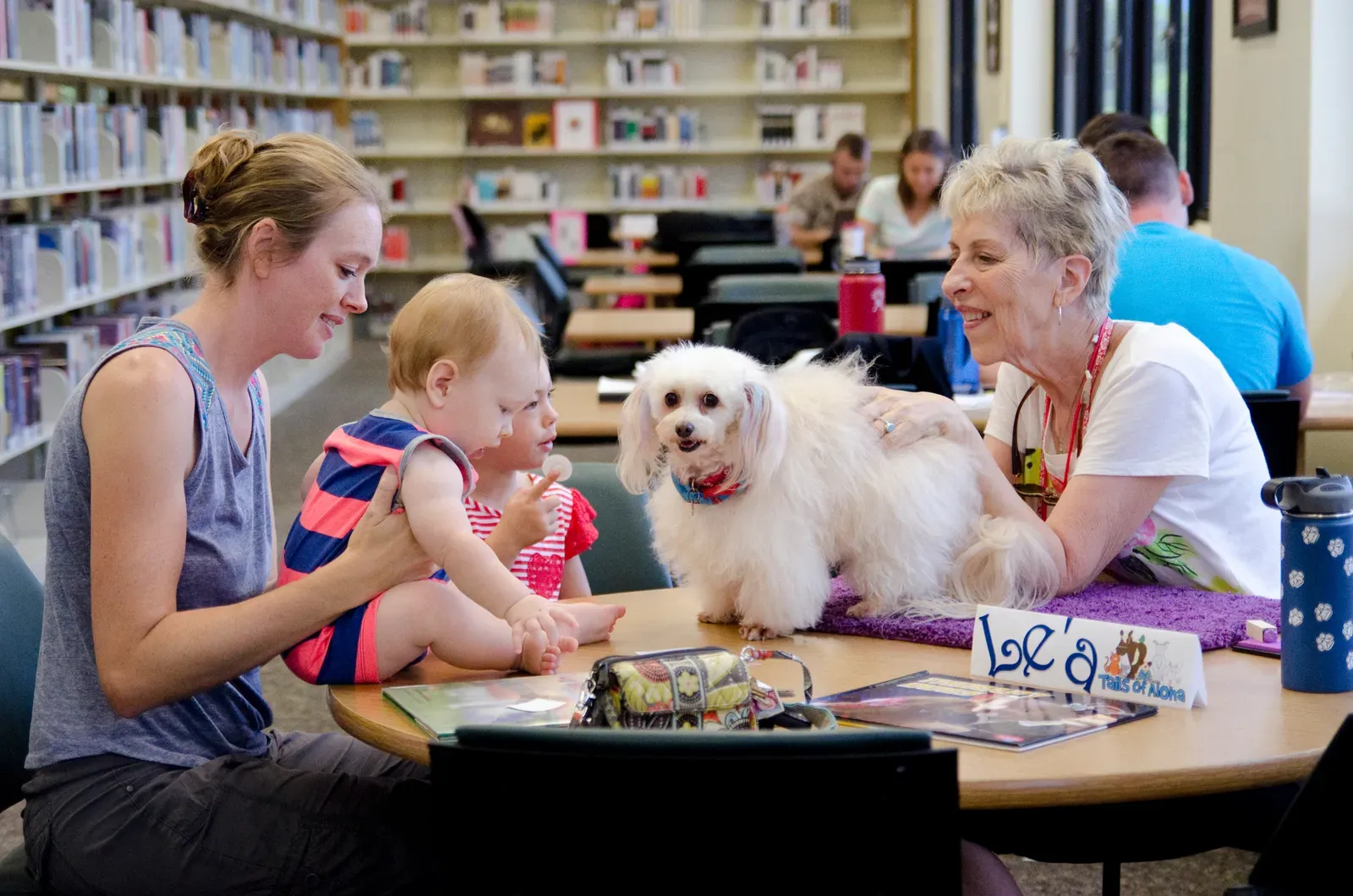
Poodles are practically made for therapy work as they are extremely smart, eager-to-please, and highly trainable, and they like to work closely with their owners. What many people don’t realize is that beneath that fancy haircut lies one of the most intelligent and adaptable breeds around. Their hypoallergenic coat is a bonus in medical settings where sanitation matters.
Whether you choose Standard, Miniature, or Toy, poodles bring the same sharp intelligence and gentle demeanor. Poodles – both standard and toy – are more hypoallergenic than other breeds, which is a definite plus when visiting medically vulnerable people. They learn quickly and genuinely seem to enjoy having a job to do.
6. Bichon Frise: The Cheerful Family Companion

The Bichon Frise has a wonderful personality, with the breed being known for its cheerful, playful, social nature, and is meant to be a companion. These little white fluffballs bring joy wherever they go, making them perfect for families who want a dog that thrives on interaction and affection.
Bichons operate under the assumption that there are no strangers, just friends they haven’t met yet, and their amiable attitude comes with another bonus: a low-shedding coat that makes this playful fluffball all the more perfect for a fun-loving household. They adapt well to various living situations and have moderate energy levels that suit less active families just fine.
7. Greyhound: The Surprisingly Gentle Therapist
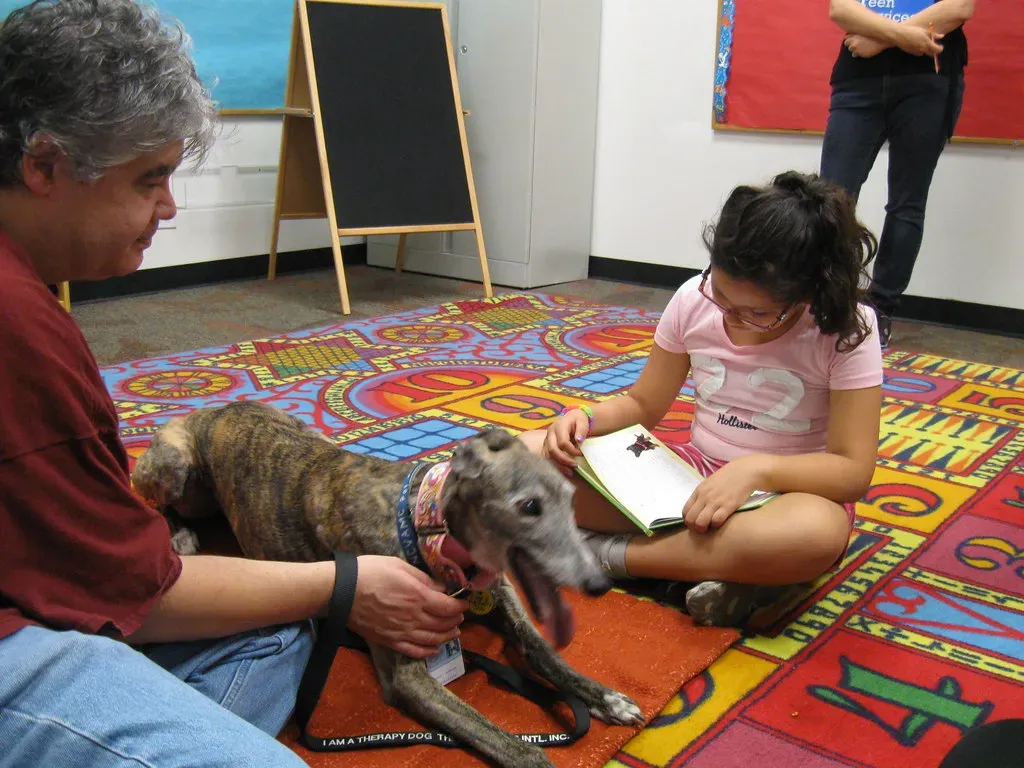
Greyhounds are surprisingly gentle and calm, affectionate and quiet. Most people think of them as racing dogs and assume they’re high-energy, but the reality couldn’t be more different. Retired racing greyhounds especially make wonderful therapy dogs because they’re actually quite lazy and love nothing more than lounging around.
Their calm demeanor in therapy settings surprises many people. They’re patient, tolerant, and their quiet nature means they won’t disrupt sensitive environments. Let’s be real, a dog that’s content to stand still while multiple people pet them is exactly what therapy work demands.
8. Boxer: The Playful Family Protector

Boxers are playful, energetic, and loyal, known for their affectionate nature and protective instincts toward their families, which makes them a great option for households with kids. Their goofy, fun-loving personality brings laughter and energy to any home. They’re the class clowns of the dog world, always ready to entertain.
Boxers are playful, outgoing, and friendly – all traits of a good family dog, but their energetic and people-loving nature means they’ll jump up for attention, and pet parents will need to patiently train their dog not to jump up, especially if small kids are in the family, but with consistent training, Boxers can be one of the best dogs for kids. They need active families who can match their enthusiasm.
9. Bichon Frise: Therapy Dog with a Teddy Bear Vibe

The Bichon Frise is not just a cute little dog; it’s a pup-tastic small breed which is just pawfect for therapy work, as they’re cute, smart and have a uniquely understanding character, and getting a therapy visit from a Bichon Frise is like being reunited with your childhood teddy bear. That comparison really captures their essence.
Their small size makes them perfect for visiting patients who might be intimidated by larger breeds. They’re gentle enough for elderly residents in nursing homes yet sturdy enough to handle enthusiastic petting from children learning to read in library programs. Their cheerful disposition is genuinely infectious.
10. Yorkshire Terrier: The Pocket-Sized Therapy Star

Yorkshire Terriers are ideal for therapy work because they demand to be the center of attention, virtually making it impossible to think of anything else but the pup on your lap who is begging for cuddles, and Yorkies are woofderful for relieving anxiety and excel at making stressed people smile. Sometimes distraction is the best medicine, and Yorkies provide that in spades.
Their tiny size means they can easily nestle into a hospital bed or sit comfortably on someone’s lap for extended periods. They’re alert, intelligent, and surprisingly sturdy for their size. The way they command attention with such confidence is both amusing and comforting to people who need their minds taken off difficult situations.
11. Irish Setter: The Energetic Family Adventurer
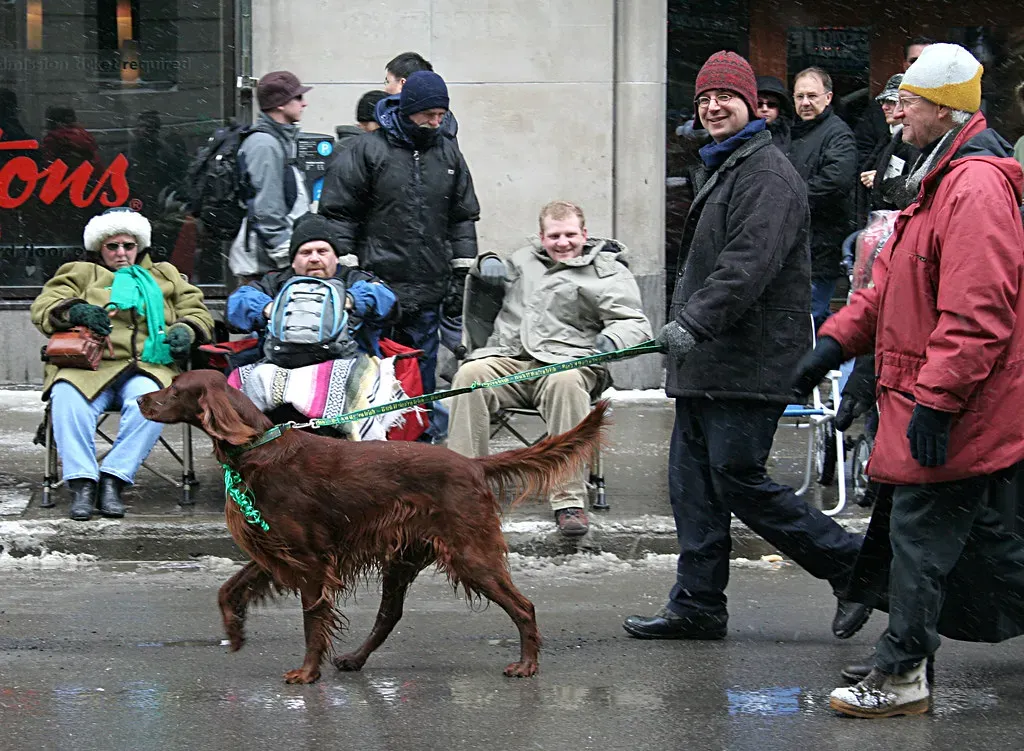
Irish Setters are high-spirited but eager-to-please and responsive to training, making them great for active families as they’re high-energy and love spending time outdoors, and this sweet-natured breed is also good with children and other dogs. Their stunning red coat turns heads wherever they go, but it’s their personality that really steals hearts.
Irish Setters are energetic and playful dogs that do best in active families where they can play, swim, and hike alongside their humans, and with a sweet and intelligent temperament, Irish Setters are good companions for children who want a cheerful and rambunctious friend. If your family loves weekend hikes and outdoor adventures, an Irish Setter will be your most enthusiastic companion.
12. Pug: The Comical Family Listener

Pugs make great therapy dogs because they’re listeners, and if you talk to a Pug, they’ll twist their cute little heads, perk up those floppy ears and stare at you boogie-eyed while you off-load a whole load of worries. That description is spot-on for their personality as family pets too.
Pugs are relatively low-maintenance in terms of exercise, making them perfect for families who prefer cozier lifestyles. Their expressive faces provide endless entertainment, and their affectionate nature means they bond deeply with all family members. Just be prepared for snoring – it’s part of the package with these adorable flat-faced companions.
13. Border Collie: The Intelligent Therapy Performer
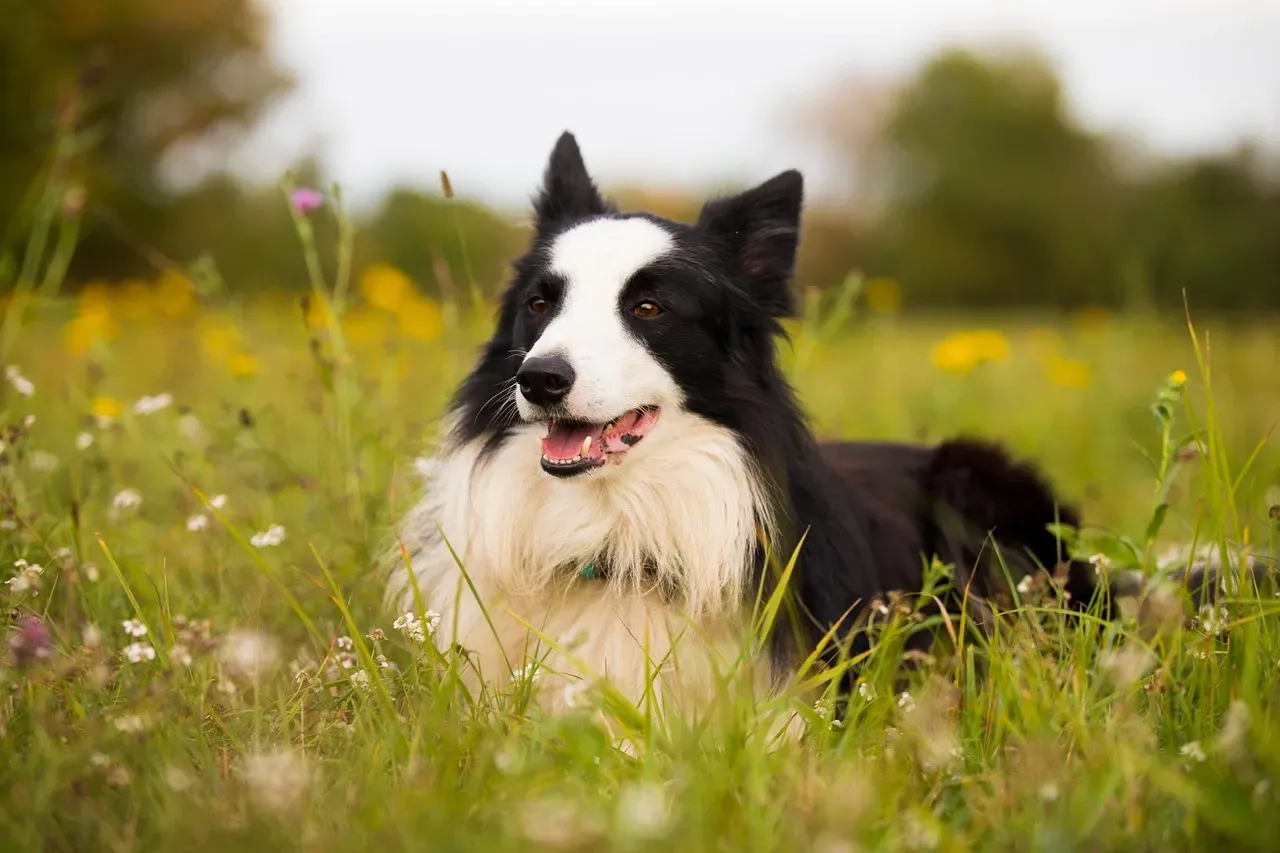
Breeds like border collies can be taught amazing tricks and skills that will bring smiles to the faces of the people they meet. Border collies are athletic, dynamic, playful, and highly intelligent, and as a working breed, border collies are very loyal to people. Their ability to learn complex tasks makes therapy visits particularly engaging and memorable.
It’s hard to say for sure, but Border Collies might be among the smartest dog breeds around. Once trained, border collies can be great therapy dogs, and good therapy environments for border collies include places where they can be kept busy and active, such as schools and rehab centers. They need mental stimulation constantly, so therapy work gives them a fulfilling purpose.
14. Bulldog: The Calm Family Couch Companion

The distinct and wrinkly Bulldog makes a wonderful companion to children, and these loyal dogs can adapt to most atmospheres and are happy to spend time with their families. Their laid-back nature means they’re content with moderate exercise and plenty of nap time.
Bulldogs aren’t very active and likely won’t beg to exercise, but they do require regular walks and the occasional romp, and this breed is calm, courageous, and friendly, responding well to training and adapting well to most environments. They’re perfect for families who want a dog that’s happy to just be present without demanding constant activity.
15. Cocker Spaniel: The Affectionate Therapy Companion

Cocker Spaniels are affectionate and eager to please with a soothing temperament, and their manageable size and loving nature make them effective therapy dogs for both children and adults needing emotional support. They strike that perfect balance between being substantial enough to provide comfort yet small enough to be manageable in various settings.
Their silky ears invite petting, which is exactly what you want in a therapy dog. They’re gentle without being timid, friendly without being overwhelming. Cocker Spaniels genuinely seem to understand when someone needs comfort, approaching slowly and offering their presence without demanding anything in return.
16. Golden Retriever: The All-American Family Dog
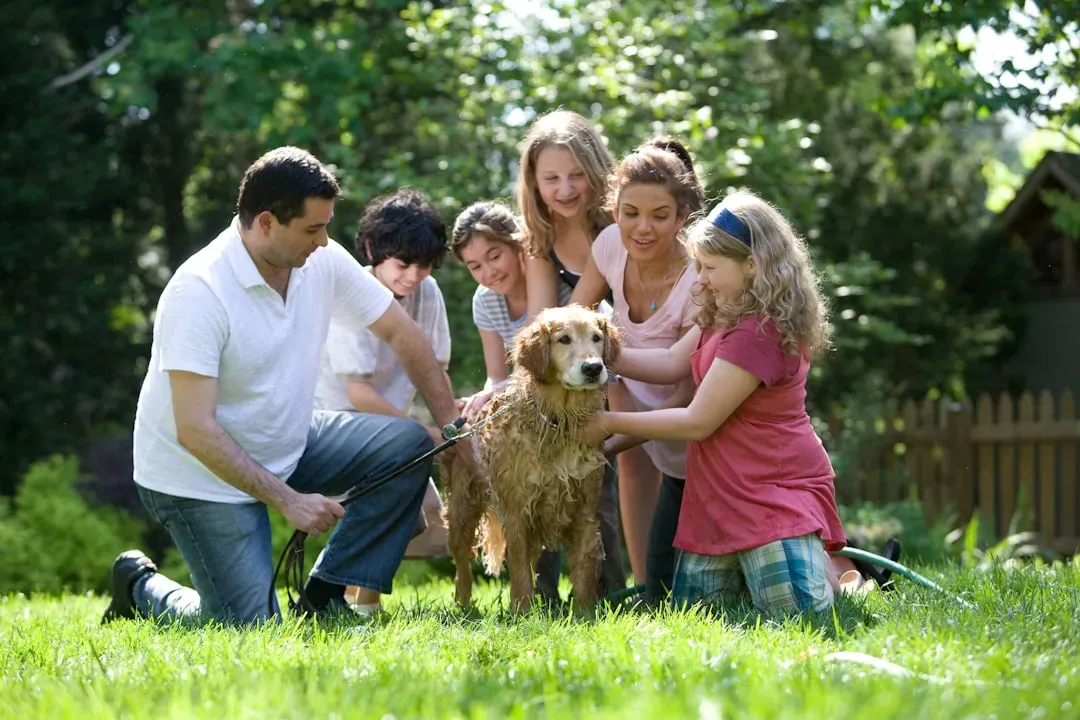
The Golden Retriever is the ideal family dog – they are outgoing, eager to please, and great with children of all ages as well as other pets, known for their double coat of golden, fluffy fur and their devoted personality. Yes, they appear twice on this list because they truly excel in both roles.
Golden retrievers are incredibly loyal to their owners and obedient due to their devotion, and among the more active breeds, they’re ideal for families with young children who have the energy to burn alongside a dog that requires a lot of activity and exercise, and another endearing quality is that they don’t tend to bark at everything that moves. Their versatility is remarkable.
17. Bernese Mountain Dog: The Gentle Giant for Families
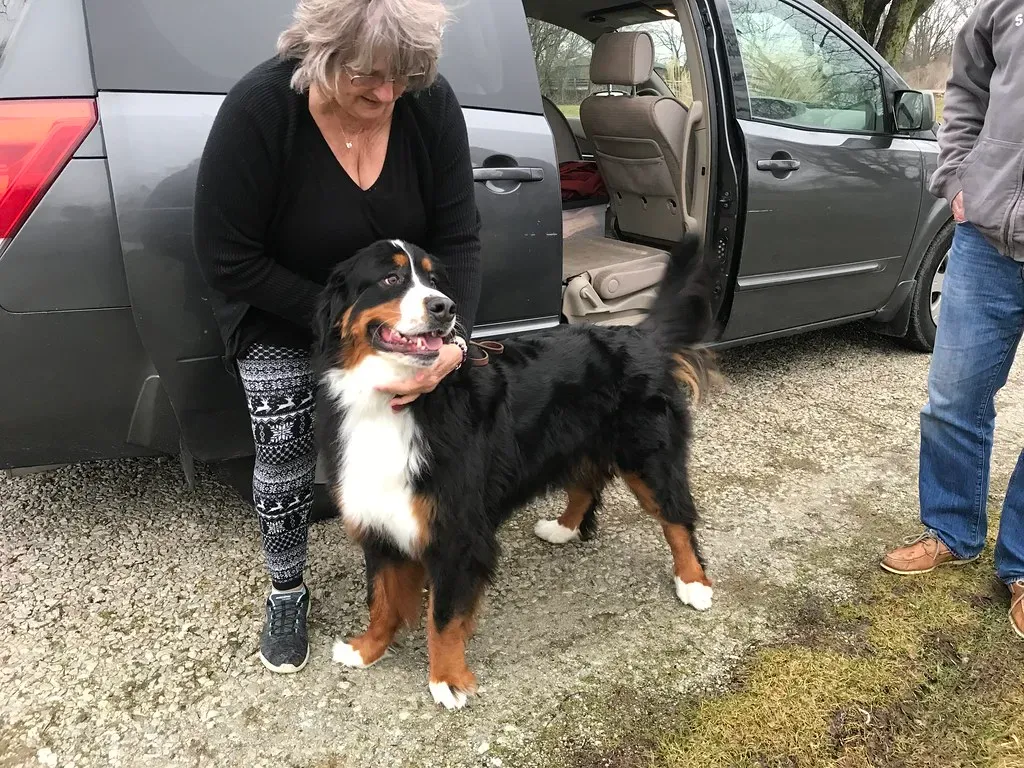
For families that think big, consider a gentle giant like the Bernese Mountain Dog, as they can top 100 pounds, but underneath all that fluff is a sweet, warm-hearted pet known for its gentle nature with children. Their patience with kids is legendary, and they seem to understand their own size, moving carefully around little ones.
These dogs are affectionate without being needy and protective without being aggressive. They do shed considerably and need cooler climates, but if you have the space and don’t mind the grooming, a Bernese brings an incredibly calming presence to family life. Their devotion to their families is absolute.
18. Labrador Retriever: The Therapy Dog That Goes Anywhere
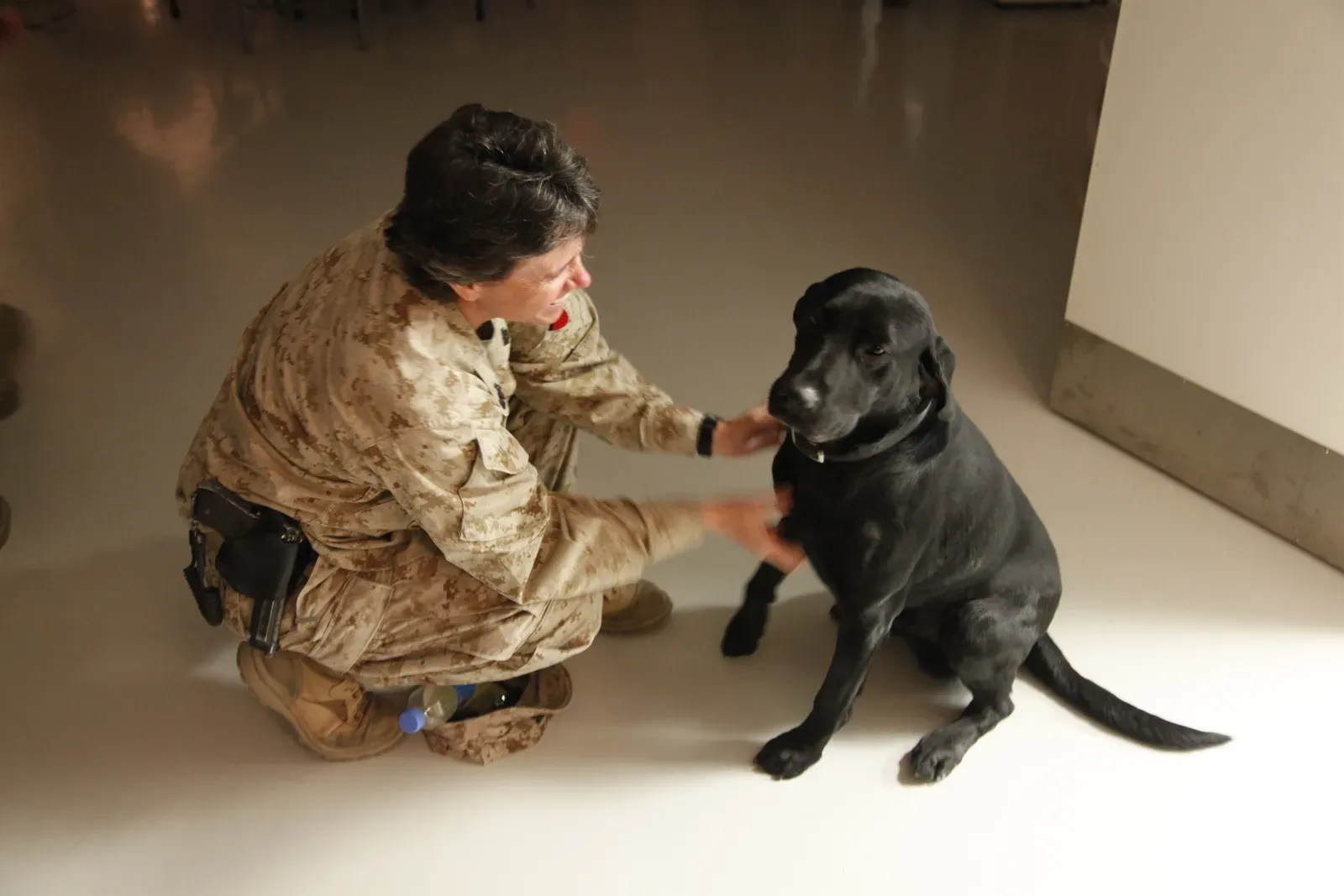
Labrador Retrievers are known for being friendly, companionable, and trustworthy, often bred as service dogs due to their reliably stable temperament, and they generally love the activity and human attention of therapy visits. Their adaptability makes them suitable for virtually any therapy setting imaginable.
Labrador Retrievers are often chosen for their friendly and adaptable nature, making them wonderful companions in various settings, including hospitals and schools, and their innate ability to connect with individuals allows them to provide comfort during difficult times. They’re equally comfortable visiting a children’s cancer ward or a veterans’ rehabilitation center.
19. Newfoundland: The Patient Family Protector
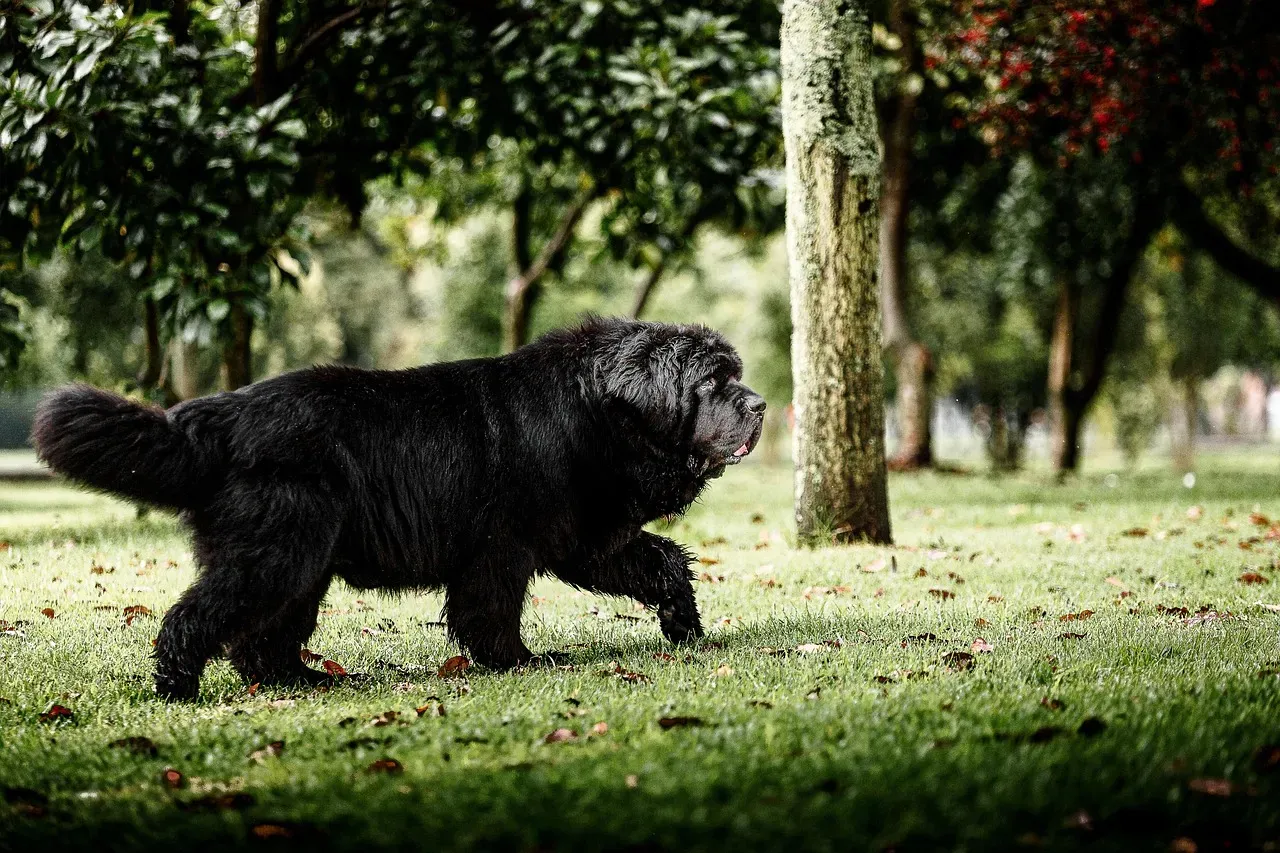
Newfoundlands are big dogs with big hearts to match, and loving, friendly, and exceptionally patient with small children, the gentle Newfie does well in families who have the space for a 100-pound pooch. Despite their massive size, they’re incredibly gentle and seem to possess an innate understanding of their strength around children.
These dogs are natural swimmers and have historically been used in water rescue, which speaks to their protective instincts. They’re calm, devoted, and surprisingly easygoing for such large dogs. If you have the space and don’t mind some drool, a Newfoundland offers unparalleled companionship and patience with family members of all ages.
20. Chihuahua: The Bold Little Therapy Dog

Chihuahuas are a great small breed for therapy work as their captivating characteristics can take a person’s mind off their worries and woes, and apart from being pawsomely cute, Chihuahuas are furrifically smart and can learn new tricks quickly, with just looking at one making everyone feel much better. People often underestimate these tiny dogs, but they have enormous personalities.
Their small size means they can visit anywhere, including facilities where larger dogs might be restricted. They’re portable, easy to handle, and their confidence is genuinely amusing. Here’s the thing though: not every Chihuahua has the right temperament for therapy work. Individual personality matters enormously with this breed, even more than with most others.
Conclusion
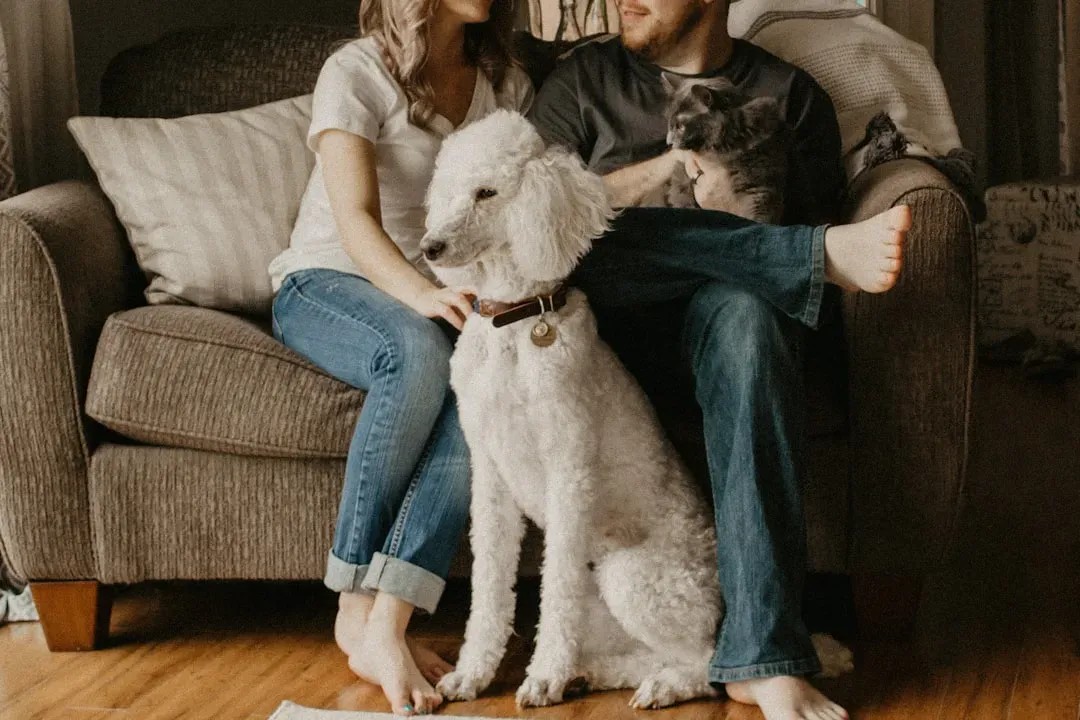
Choosing between a therapy dog and a family pet isn’t about declaring one purpose more important than the other. It’s about recognizing what each breed naturally excels at and matching that to your specific needs or the needs of those you serve. Personality trumps pedigree every time. Some dogs are born with that special calmness and patience required for therapeutic environments, while others thrive on the joyful chaos of family life with children running around.
The breeds we’ve explored here represent some of the best options in each category, but remember that individual dogs within any breed can surprise you. Training, socialization, and temperament matter far more than simply picking the “right” breed name. Whether you’re seeking a furry friend to comfort hospital patients or a loyal companion to grow up alongside your kids, understanding these distinctions helps ensure a perfect match. Which type of dog sounds right for your situation? What role do you see a canine companion playing in your life?


