
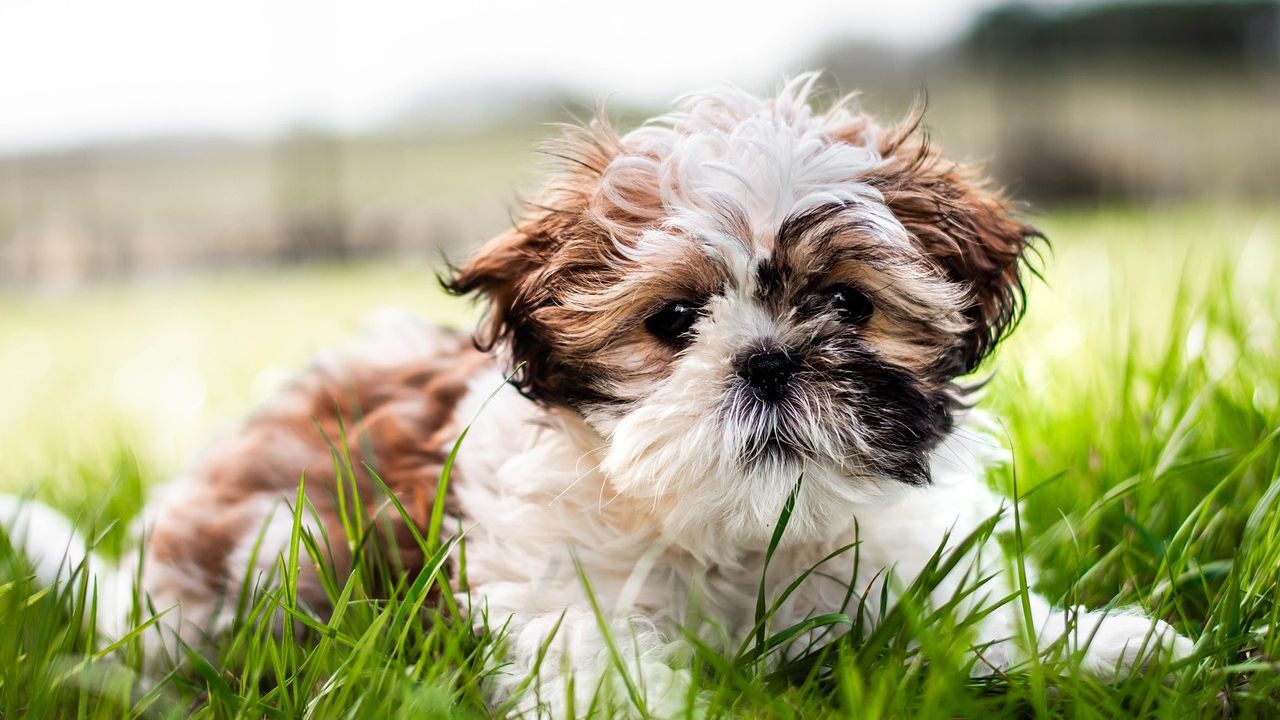
#1: Cavalier King Charles Spaniel – The Gold Standard for Seniors
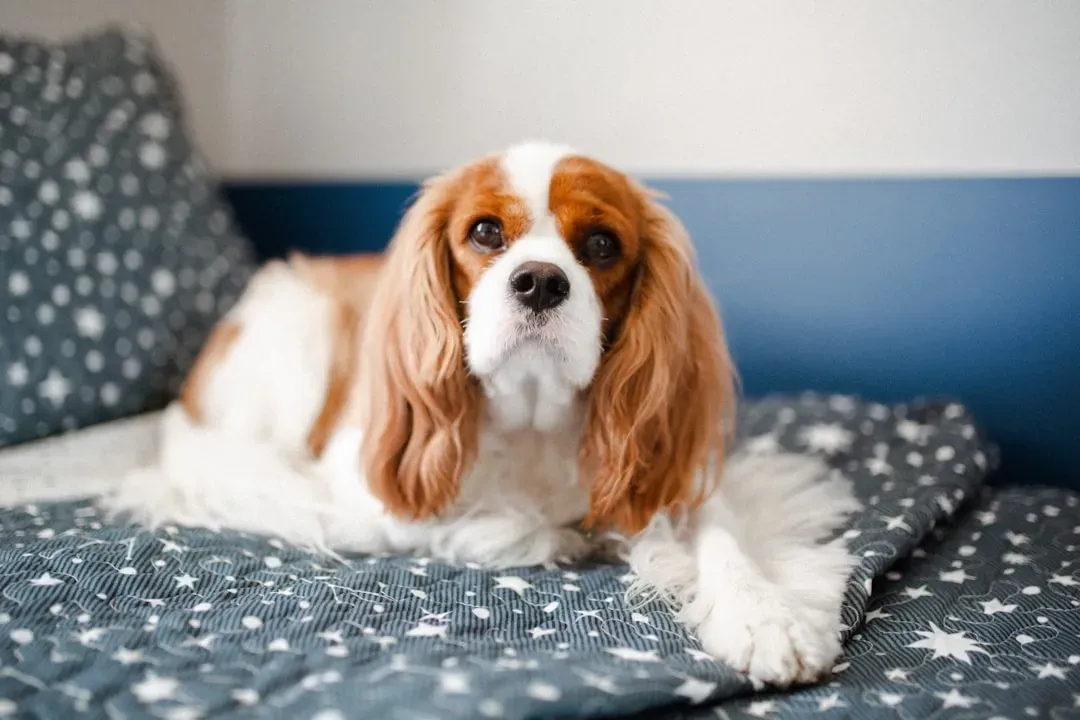
If one breed has earned a near-universal recommendation from veterinarians and senior care specialists, it’s the Cavalier King Charles Spaniel. The Cavalier leads virtually every U.S. veterinary and senior care organization’s recommended list because it combines gentle temperament, indoor adaptability, and low daily care requirements in a single 12 to 18 pound package. That’s a genuinely hard combination to beat.
Known for their sweet nature and affectionate personality, Cavalier King Charles Spaniels are perfect lap dogs that thrive on companionship and love being close to their owners. While they enjoy walks and playtime, they do not have high exercise requirements, making them suitable for individuals who cannot commit to long periods of activity, and though their coat requires regular brushing, they are generally low-maintenance dogs. For a retiree who simply wants a companion that is happy to follow them from room to room, this breed is hard to look past.
#2: Pug – Maximum Charm, Minimum Effort

Pugs are the best dogs for seniors who prefer to curl up on the sofa with their beloved furry friend by their side, and most of this breed’s time consists of lounging and playing indoors. There’s something genuinely endearing about a dog whose preferred setting is the couch. Pugs are affectionate without being demanding, social without being overwhelming, and small enough to manage effortlessly.
Loving and loyal, Pugs are devoted to their pet parents and enjoy taking naps, and although they can occasionally feel jealous or agitated when ignored, they are often easygoing pets who are eager to please. This breed sports a short coat that is easy to groom, requiring only occasional brushing. One practical note worth keeping in mind: because of their flat face and small nostrils, the Pug’s breathing can be affected by extremely hot or cold weather conditions, so climate awareness is part of responsible ownership with this breed.
#3: Shih Tzu – The Homebody’s Ideal Companion
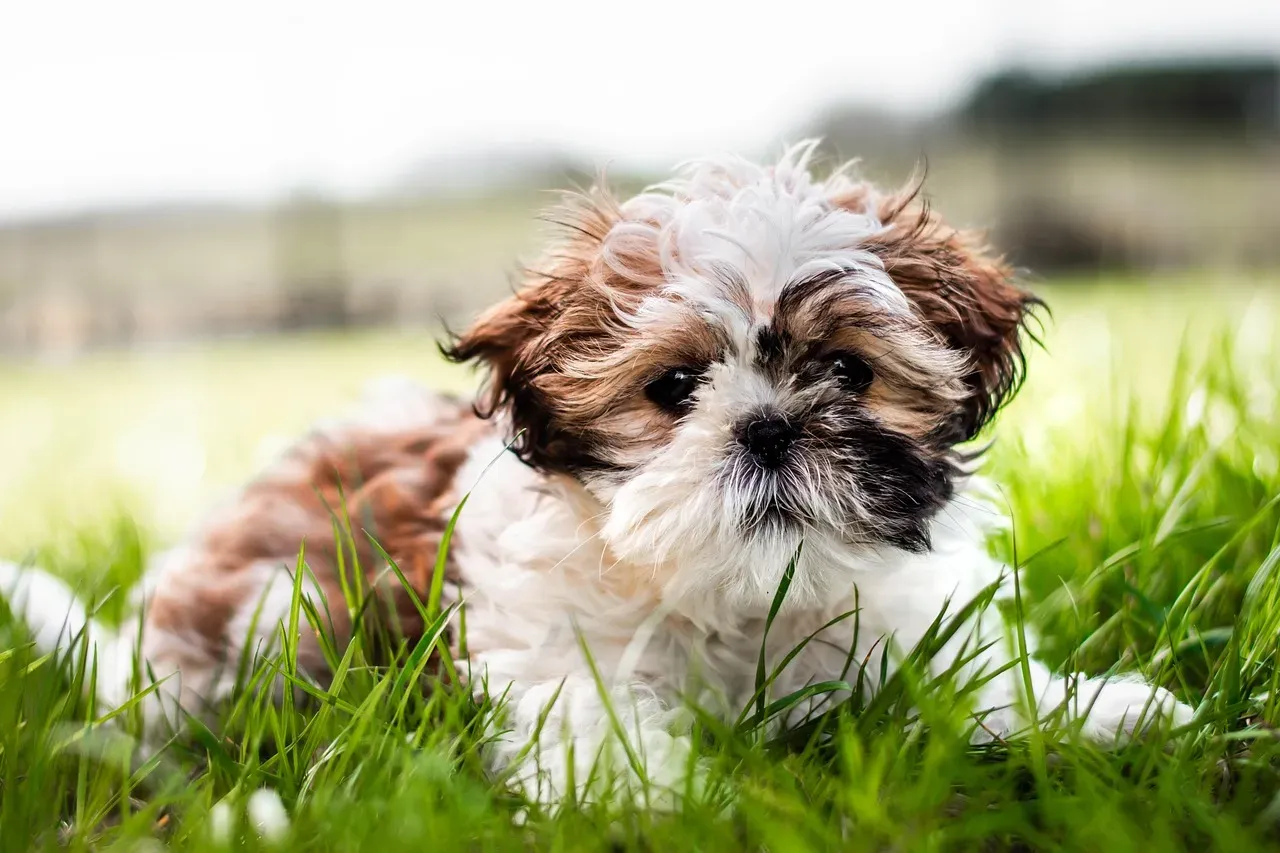
The elegant Shih Tzu prospers with plenty of love and attention, and this outgoing breed is also great with kids, making them a perfect playtime buddy when the grandchildren visit. The Shih Tzu is an affectionate dog who enjoys spending time with their pet parent, whether it’s cuddling or accompanying them throughout the house. They genuinely don’t need much beyond your presence, which makes them an exceptionally comfortable fit for retired life.
The AKC notes the Shih Tzu is content living in apartments, so long as you’re there, an ideal profile for retired seniors who are home much of the day, and they are content with short walks and indoor play. The Shih Tzu is up for a daily walk if its pet parent is, and this lapdog is more than happy to enjoy down time for the rest of the day. Their coat can require some attention, but a professional “puppy trim” eliminates daily brushing requirements, keeping grooming costs predictable and reasonable.
#4: Bichon Frise – Cloud-Like, Cheerful, and Surprisingly Low-Shedding
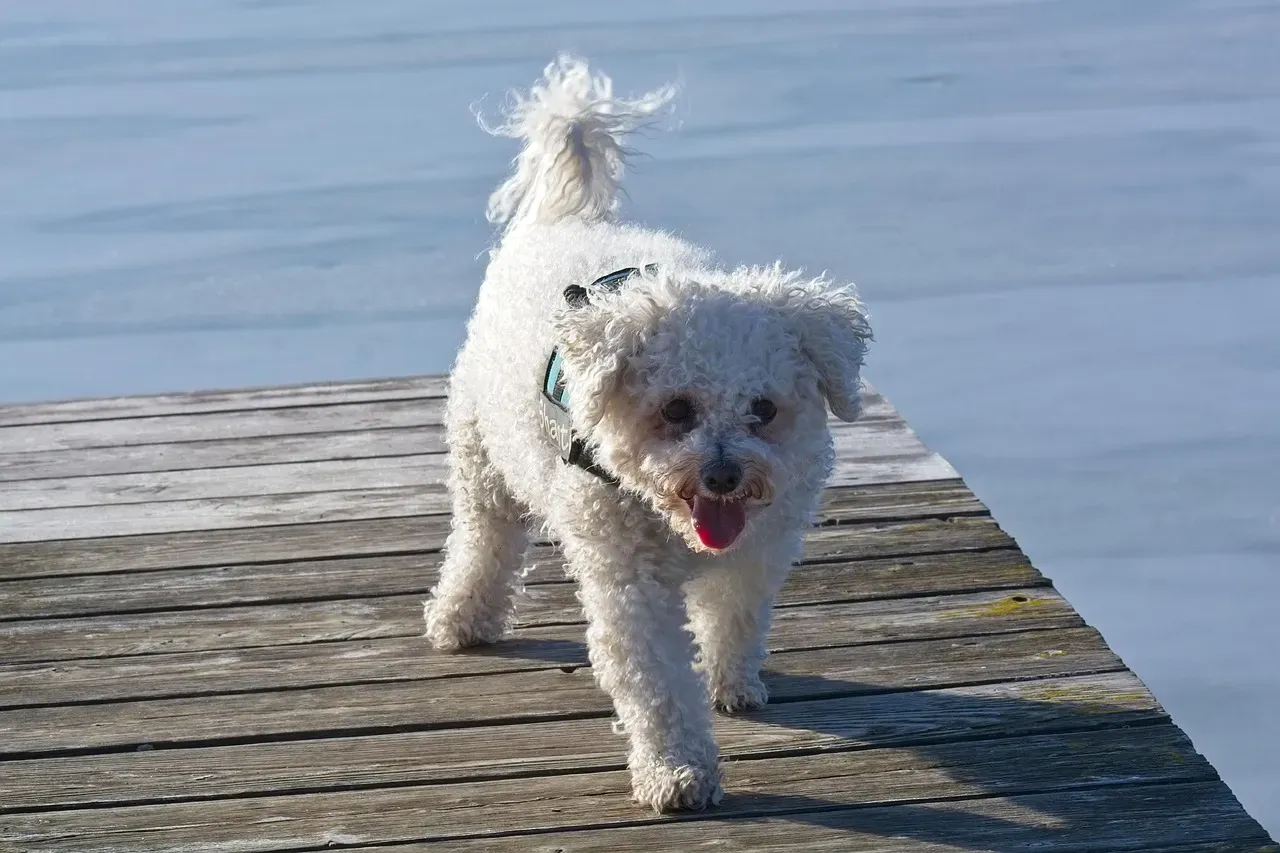
The Bichon Frise is cheerful, adaptable, and hypoallergenic, and their playful demeanor keeps spirits high, while their small size makes them easy to manage. They thrive on human interaction and quickly become part of the family. For retirees who have allergies or simply can’t handle a heavy shedder, this little cloud of a dog solves the problem elegantly.
The Bichon Frise is a friendly, playful breed that thrives on companionship. These dogs are small and easy to manage, making them a good choice for older individuals. While they enjoy playtime and light activity, they can adjust to the energy level of their owners. The Bichon Frise is a cheerful little dog that offers loads of affection and companionship, and their hypoallergenic coat can demand regular grooming, but they are known for their friendly disposition. Retirees often enjoy the sheer happiness that a Bichon brings into their lives, and their need for moderate activity levels fits well within a retiree’s routine.
#5: French Bulldog – City-Ready, Quiet, and Effortlessly Relaxed
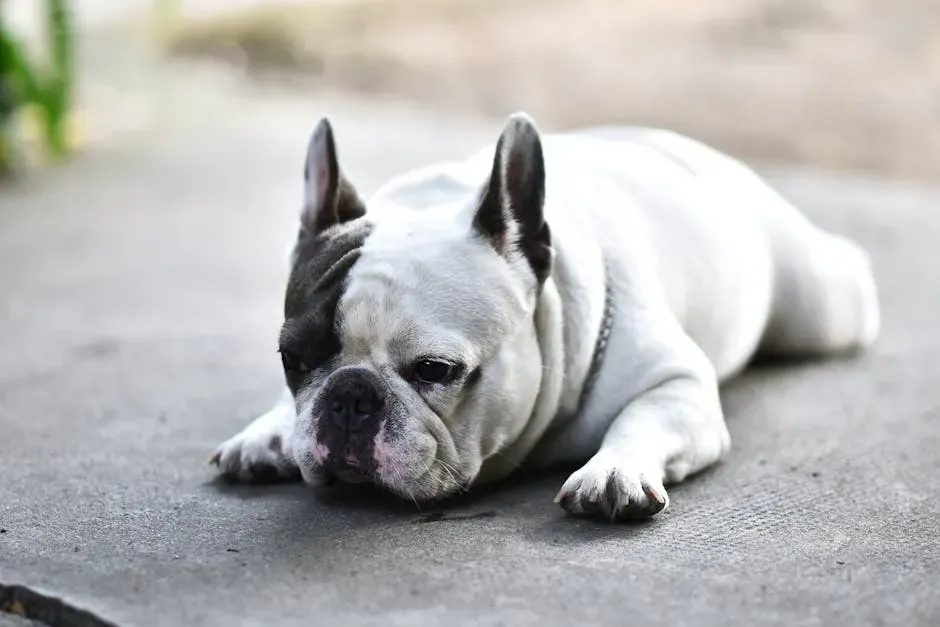
For older adults seeking a low-energy, low-maintenance dog, the French Bulldog is a perfect fit. These dogs are loyal and friendly, with a calm temperament that suits apartment living or smaller homes, and they do not require extensive exercise. Additionally, they have minimal grooming needs, making them an easy breed to care for. If you’ve downsized into an apartment or condo, the French Bulldog adapts without missing a beat.
French Bulldogs are an excellent choice for city dwellers. They’re great watchdogs because of their alertness, but they don’t tend to bark a lot and don’t require a lot of outdoor exercise. Frenchies have smooth coats that don’t shed a lot, and they require weekly brushing and face fold cleaning. One consideration worth noting: due to their flat faces, this brachycephalic breed tends to have breathing problems and may require extra veterinarian care, and they tend not to tolerate heat well. Budget for routine vet visits and you’ll be well prepared.
#6: Chihuahua – Tiny Dog, Enormous Heart, Minimal Cost
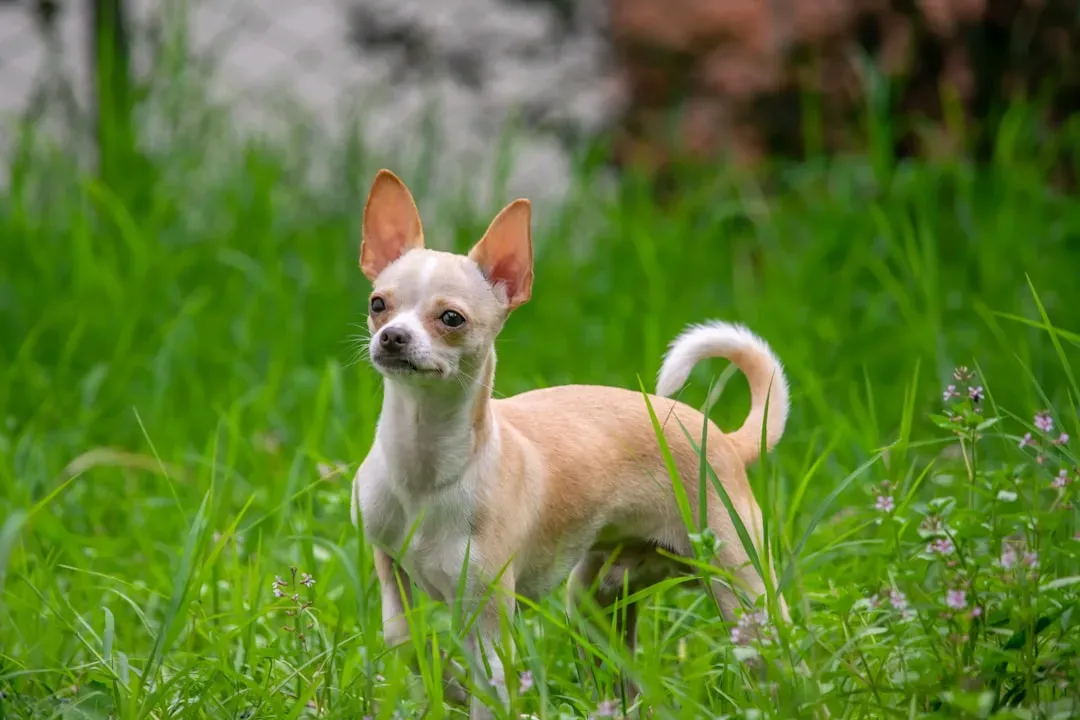
Chihuahuas may be small, but their personalities are larger than life. They are one of the most affordable dog breeds, with lower adoption fees and modest maintenance costs. Due to their small size, they do not require much exercise, making them perfect for those with limited mobility. Chihuahuas offer companionship and can be easily carried or cradled when needed. For retirees watching every dollar, the Chihuahua’s low food consumption alone makes a meaningful difference.
Chihuahuas are small and full of personality. These affectionate dogs form strong bonds with their owners and are fiercely loyal. They are ideal for individuals who prefer a lightweight dog, and while Chihuahuas enjoy light exercise, they also love to relax with their owners, making them excellent companions for older adults seeking a lap dog. They’re not for everyone – they can be particular about strangers – but for a retiree who becomes their whole world, no breed is more devoted.
#7: Beagle – Cheerful, Healthy, and Genuinely Affordable
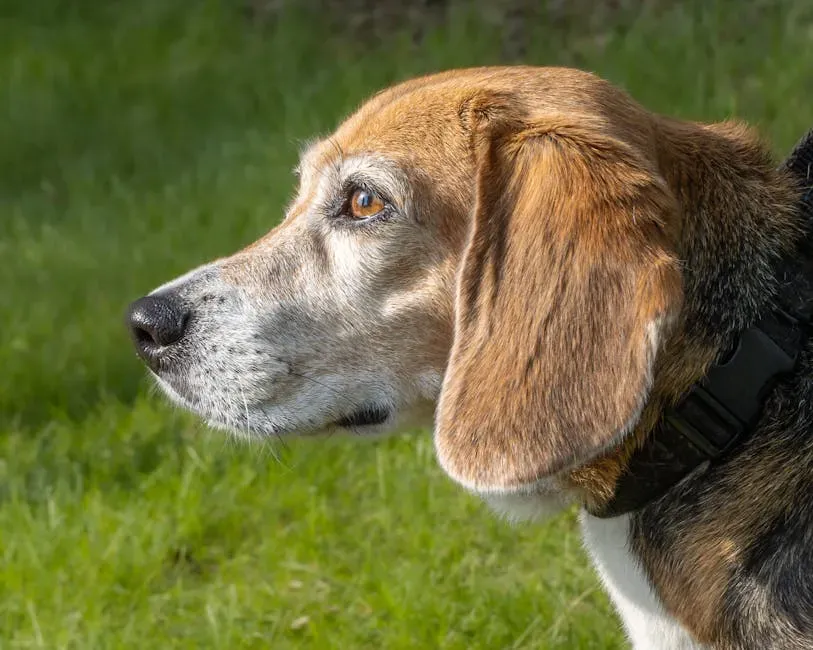
Beagles are among the best dog breeds for seniors. They are affectionate and loyal, providing genuine companionship to older adults. Their short coat makes them low-maintenance, and their moderate size makes them suitable for various living situations, including apartments or homes with limited space. What really sets the Beagle apart on a fixed income is its general hardiness.
Beagles are small to medium-sized dogs that bring a lot of personality into a home. These charming creatures are relatively low-maintenance and are known for their friendly demeanor, making them excellent companions for retirees. They tend to have fewer health problems than some larger breeds and are generally affordable in terms of grooming, food, and routine vet visits. Adoption fees from shelters are often quite modest, making the entry cost low as well. Just be prepared for their nose to lead walks more than you do – a leash is always non-negotiable with this scent-driven breed.
#8: Miniature Schnauzer – Smart, Hypoallergenic, and Budget-Savvy
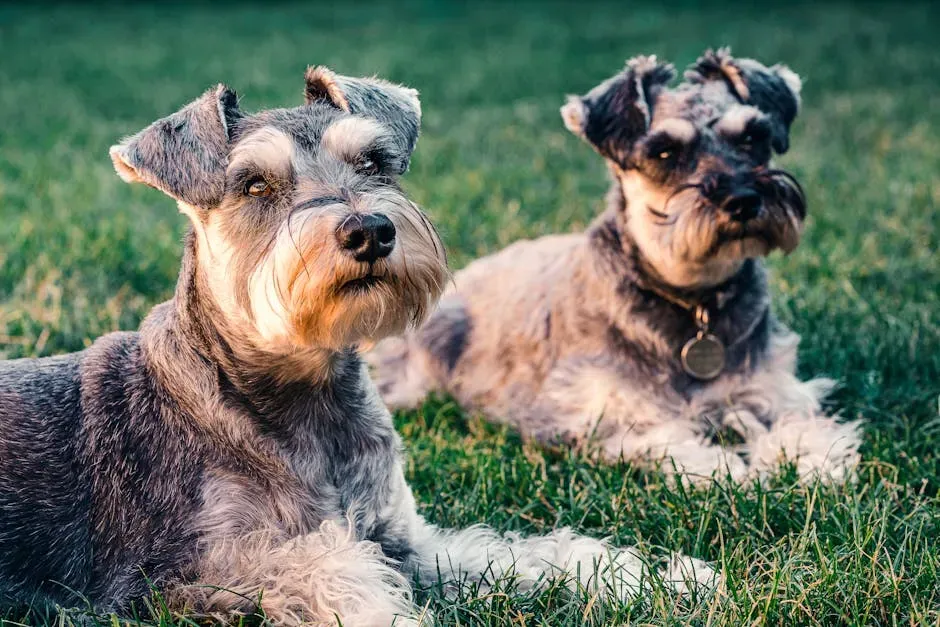
Miniature Schnauzers are described by the American Kennel Club as friendly, smart, and obedient, making them a great hypoallergenic fit for seniors. A healthy Mini Schnauzer typically ranges between 11 and 20 pounds, making them ideal for apartment living. Miniature Schnauzers have a low shedding rate and do not require excessive grooming, making them easier to care for compared to higher-maintenance breeds.
Miniature Schnauzers are energetic and friendly companions that enjoy being part of family activities. Their wiry coat requires some grooming, but their overall maintenance costs remain reasonable. These dogs thrive on companionship and can entertain themselves but also enjoy playtime and walks in the park. They are energetic yet manageable, good watchdogs, and have minimal shedding, though they do require grooming. That added layer of alertness actually works in a retiree’s favor, offering a light sense of security without any aggression.
#9: Boston Terrier – Dapper, Easygoing, and Practically Self-Sufficient

Developed from the English Bulldog and the white English terrier, the Boston Terrier is a great breed for older adults. It ranks among the best small dogs for seniors for several reasons: easy to groom, genuinely friendly, and a comfortably manageable size. Low maintenance in both exercise and grooming, Boston Terriers are great examples of dogs that don’t take a lot of input but give a lot of affection and companionship in return.
Because of their flat-faced structure, Boston Terriers can struggle with heat and overexertion, requiring careful monitoring during warm weather and benefiting from shorter activity periods. Regular grooming is simple due to their short coat, but attention to their eyes and overall health remains important. Boston Terriers are great examples of dogs that don’t take a lot of input but give a lot of affection and companionship. They’re genuinely low-drama dogs – a quality that becomes more appealing with every passing year of retirement.
#10: Greyhound – The Surprisingly Lazy Giant That Makes Retirement Even Better
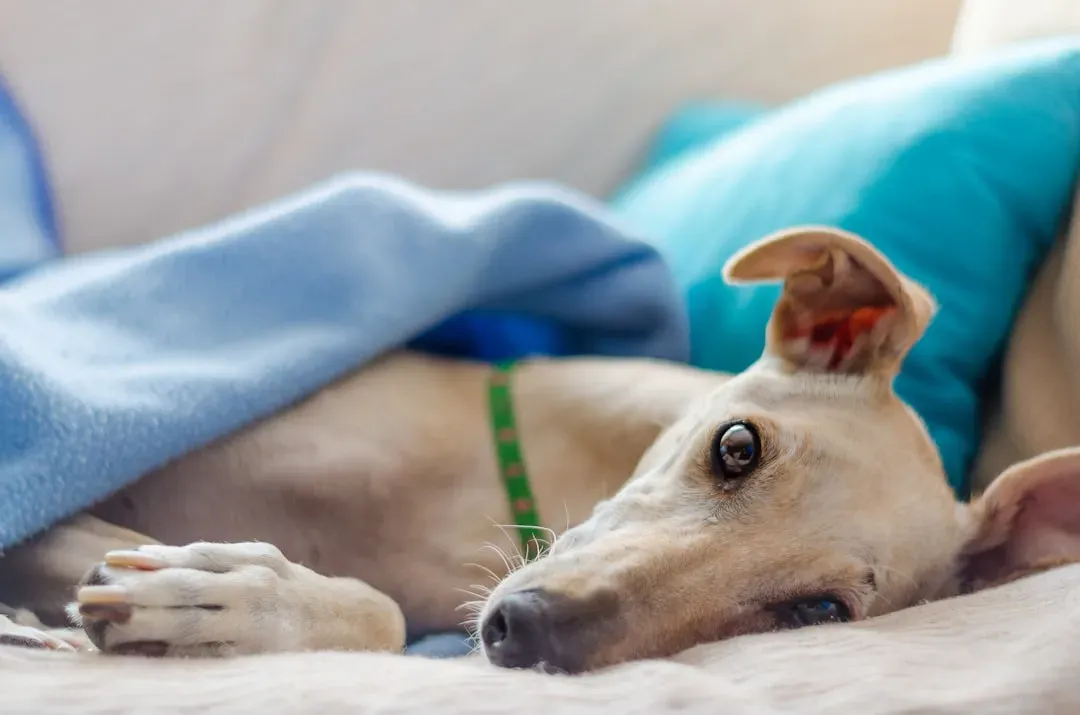
Surprisingly, Greyhounds are among the most low-maintenance large breeds. Known as “couch potatoes,” they enjoy lounging indoors but appreciate a daily walk. Their calm nature makes them wonderful for retirees seeking a peaceful companion. Most people assume a Greyhound needs an enormous amount of exercise – the reality is almost the opposite, which makes this breed one of the best-kept secrets in senior pet ownership.
These dogs can be both a compassionate, lounging companion and an outdoorsy, athletic buddy that can promote healthy aging in their owner. Greyhounds come along with the added benefit of minimal grooming needs due to their short coat and little to no maintenance, which is an appreciated attribute that many seniors would prefer. Retired racing Greyhounds are frequently available through adoption organizations at modest fees, making them one of the most cost-effective large breed options available to retirees today.
A Final Word: The Right Dog Changes Everything
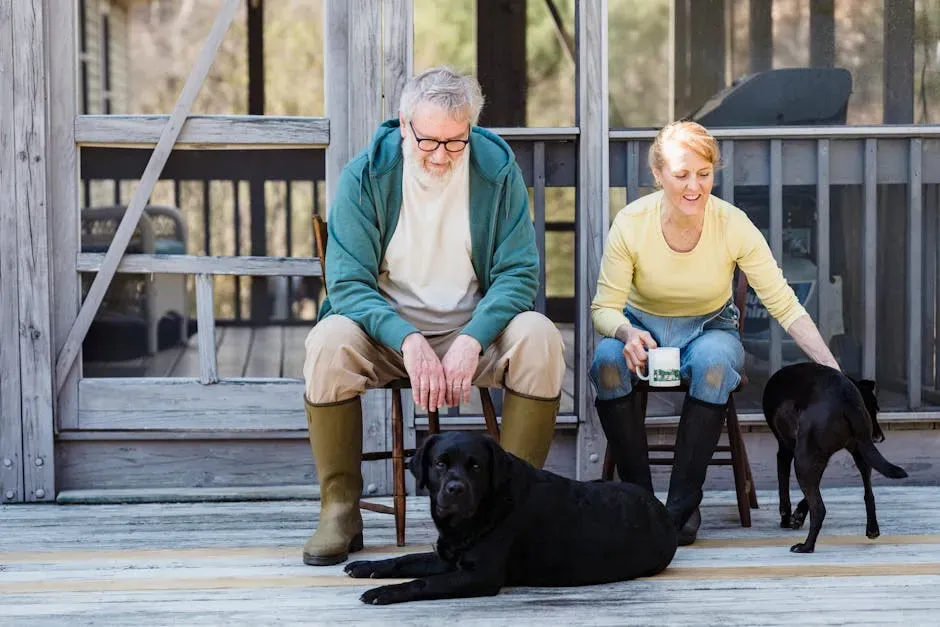
Choosing a dog in retirement isn’t just a lifestyle decision – it’s one of the most quietly profound ones a person can make. An increasing body of research suggests that pet ownership provides social support to older adults, increases the chances of social interaction, decreases loneliness, and has the potential to contribute to the maintenance of cognitive function, thus promoting healthy aging.
When considering dog ownership, older adults should also look into adopting an adult dog rather than a puppy. Puppies require a lot of energy, training, and patience, which may not be ideal for older adults. Adult dogs are often calmer and already trained, making them significantly easier to manage from day one. Adoption is also the most budget-friendly route for retirees watching their income carefully.
The bottom line is this: a fixed income doesn’t mean you have to forfeit the joy of a four-legged companion. It just means choosing wisely. The breeds on this list prove that the right dog costs you very little in stress, time, and money – and gives you something that retirement manuals rarely mention: a reason to look forward to every single morning.


