
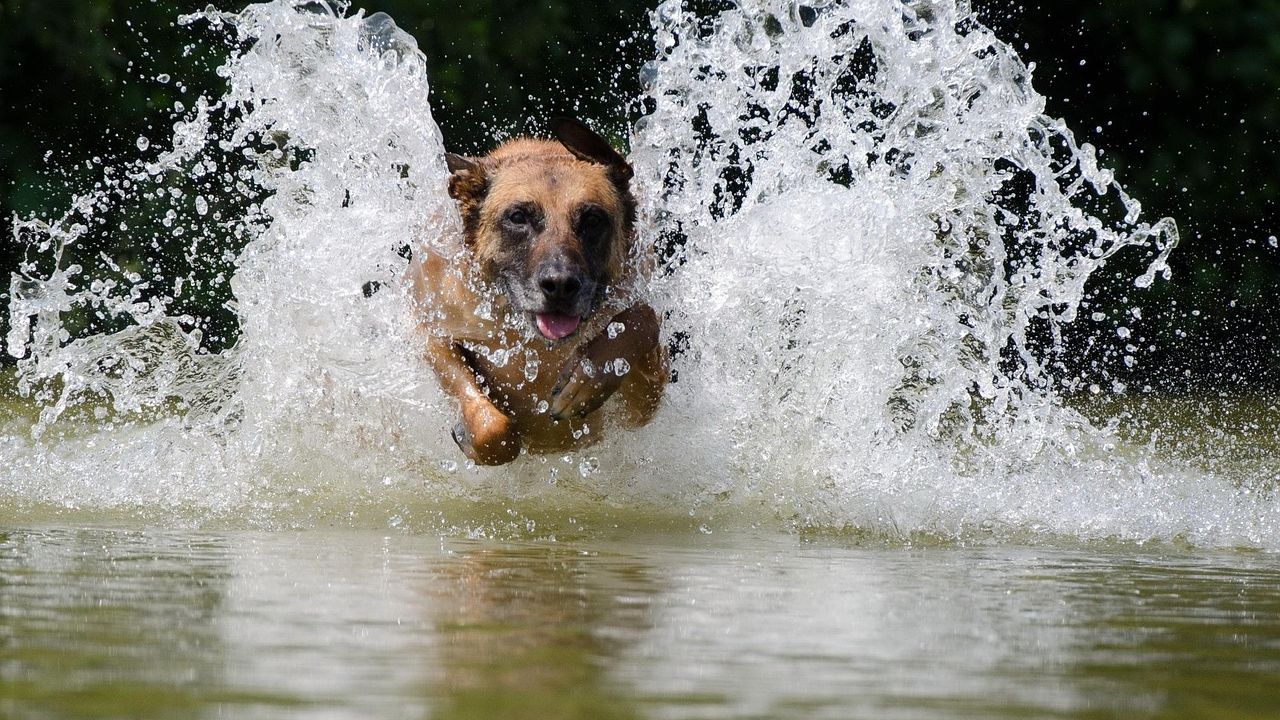
Picture this: it’s a blazing Tuesday morning in Tampa. The pavement is already radiating heat like a furnace before 9 a.m. You clip on your pup’s leash, step outside, and within just a few minutes, your dog starts lagging behind, panting frantically, and looking at you with helpless eyes. Sound familiar? Florida’s heat is no joke, and for certain dog breeds, it’s not just uncomfortable. It can be life-threatening.
The thing is, not all dogs were designed to handle the Sunshine State’s relentless combination of scorching temperatures and suffocating humidity. It’s a fact of canine physiology – some dogs are simply not able to handle the heat in Florida and are at high risk of suffering heat exhaustion and heat stroke. Some are brachycephalic, meaning they have short skulls and flat faces, making it difficult for them to breathe and regulate body temperature. Others were bred for cold temperatures and overheat easily when the weather is hot. Knowing which breeds fall into that danger zone could literally save your dog’s life. Let’s dive in.
Why Florida’s Heat Is a Unique Threat for Dogs

Florida isn’t just hot. It’s relentlessly humid, and that distinction matters enormously for your dog. Dogs don’t sweat the way we do. They cool themselves mainly by panting and by releasing heat through their paw pads and skin. In humid weather, panting becomes less effective – similar to how a swampy day feels harder than a dry day at the same temperature. So when the air itself is thick with moisture, your dog’s built-in cooling system starts to fail.
Dogs rely primarily on panting to regulate their body temperature, unlike humans, who can sweat through their skin. This limited cooling system becomes even more challenging for certain breeds whose physical traits work against them in hot weather. Think of it like trying to run a car engine with a broken radiator. Eventually, things overheat. And honestly, Florida’s summer heat is exactly that kind of stress test for vulnerable breeds.
1. English Bulldog – The Flat-Faced Florida Danger Zone
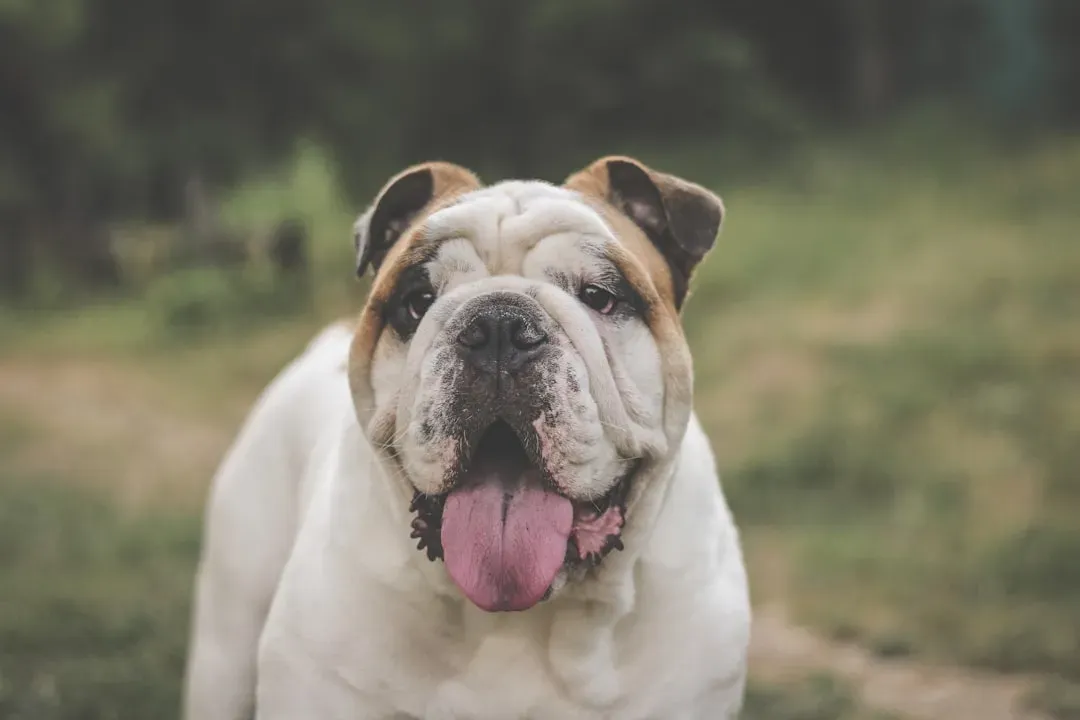
The flat face of an English Bulldog makes this breed prone to overheating. It’s vital that pet parents restrict this dog’s outdoor activity during the heat of the day. This shouldn’t be too difficult, as English Bulldogs have a reputation for being lazy and calm dogs. But don’t let that laziness fool you into thinking they’re safe to leave out on a warm afternoon.
They have a hard time breathing, especially in extreme heat. Additionally, these dogs are also known to be lazy and rarely athletic. Like most dogs, they also can’t resist some extra snacks. For these reasons, English Bulldogs can become overweight and out of shape. That’s what makes this dog breed more likely to get heatstroke than other short-nosed breeds. If you have a Bulldog in Florida, think of air conditioning as a medical necessity, not a luxury.
2. French Bulldog – Adorable but Alarmingly Vulnerable
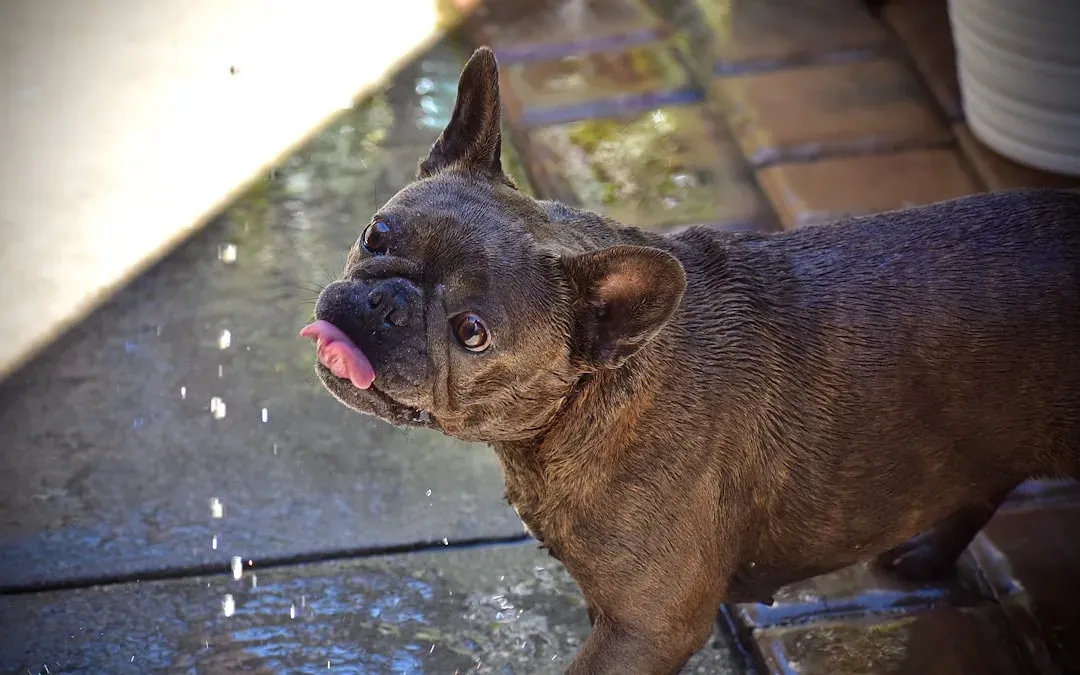
Another short-muzzled breed, French Bulldogs cannot effectively cool down through panting. Because dogs don’t sweat like humans do, this can be dangerous. French Bulldogs are the most popular dog breed in the U.S., and their pet parents need to know how to keep this breed cool and safe. The irony is that their massive popularity means thousands of Frenchies are living in climates that are genuinely hard on their bodies.
Strenuous activities should be avoided during the hottest parts of the day. Consider cooling mats or fans to help reduce your Frenchie’s body temperature, and ensure they have 24/7 access to fresh water. Even a short midday walk can quickly become dangerous. A good rule of thumb is this: if you wouldn’t jog in a wool sweater, don’t take your Frenchie for a walk in the Florida noon heat.
3. Pug – Small Dog, Big Heat Risk
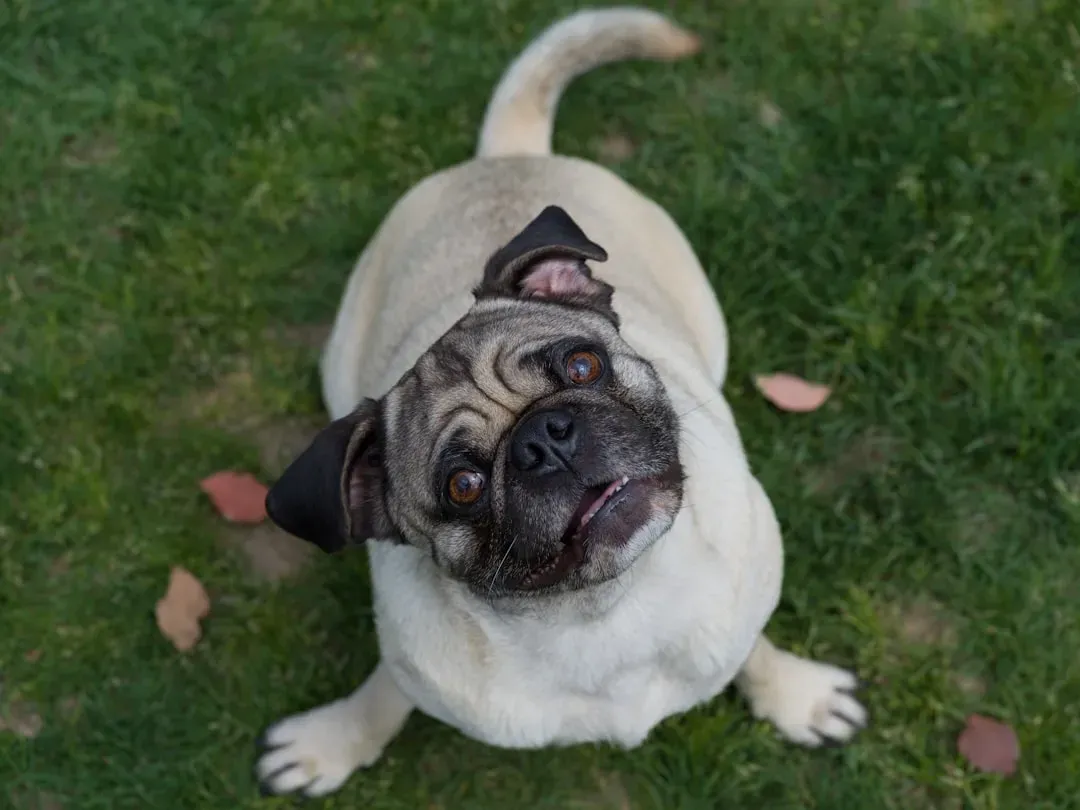
Despite the Pug’s short fur and compact size, they don’t do well in hot weather because of their flat face. Cool, well-ventilated places are important for keeping this small dog breed cool during the summer. That flat little face might be the most endearing thing in the world, but it’s also a physiological liability when temperatures soar into the 90s.
Like English Bulldogs, Pugs have short snouts. It’s common for them to be overweight too, but they have much more energy than you’d expect. They love to run around and play, which can cause shortness of breath. Thus, playing outside in the summer needs to be done in short segments to keep your Pug safe. Also, Pugs with black coats are even more at risk because their dark, shiny coats soak up heat. Watch for heavy, noisy panting as your first warning sign that your Pug is pushing their limit.
4. Chow Chow – The Magnificent Fluff Ball That Suffers in the Sun
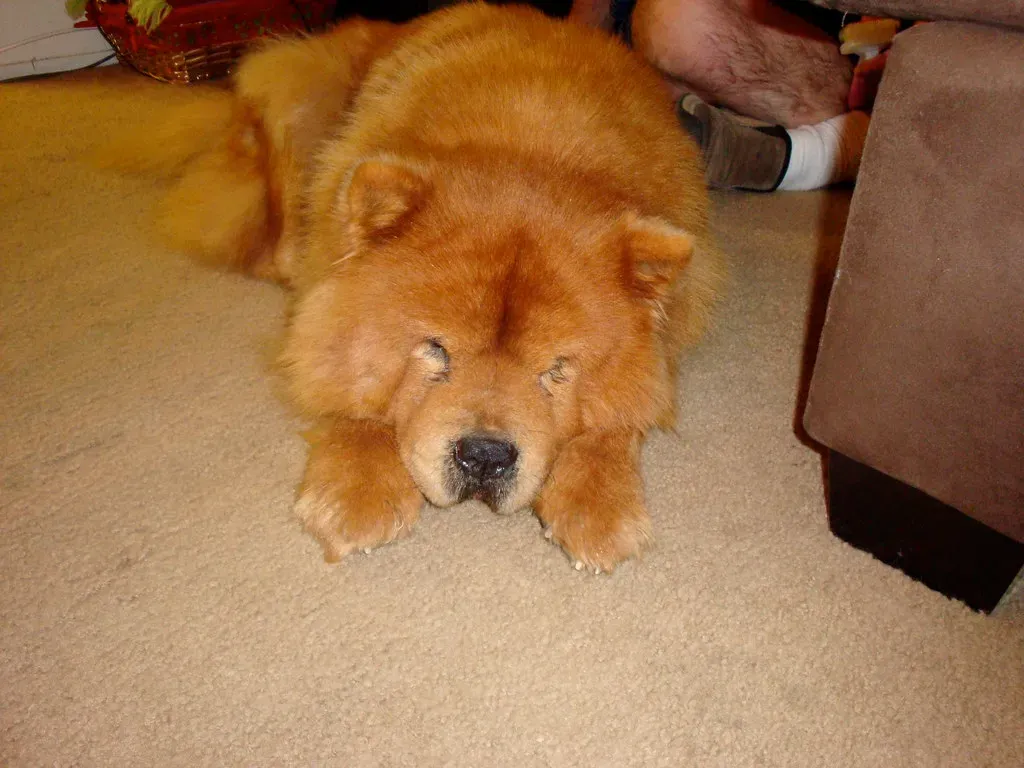
The Chow Chow’s thick, double coat makes them a prime target for heatstroke. The layered coat makes it challenging to release excess heat, keeping the heat trapped in the body. Imagine wearing a full-length fur coat in Miami in August. That’s essentially what a Chow Chow experiences every time they step outside in Florida.
Chow Chows were found to be 16 times more likely to develop heat stroke compared to Labradors in research studies, which is a staggering number. This breed is known for a tremendously thick coat. Coupled with a short nose, they are susceptible to heatstroke. However, do not shave this breed; it will only make them hotter and ruin the quality of their coat. Instead, focus on keeping them indoors during peak heat and use fans and cool water strategically.
5. Siberian Husky – Built for Blizzards, Not Beaches
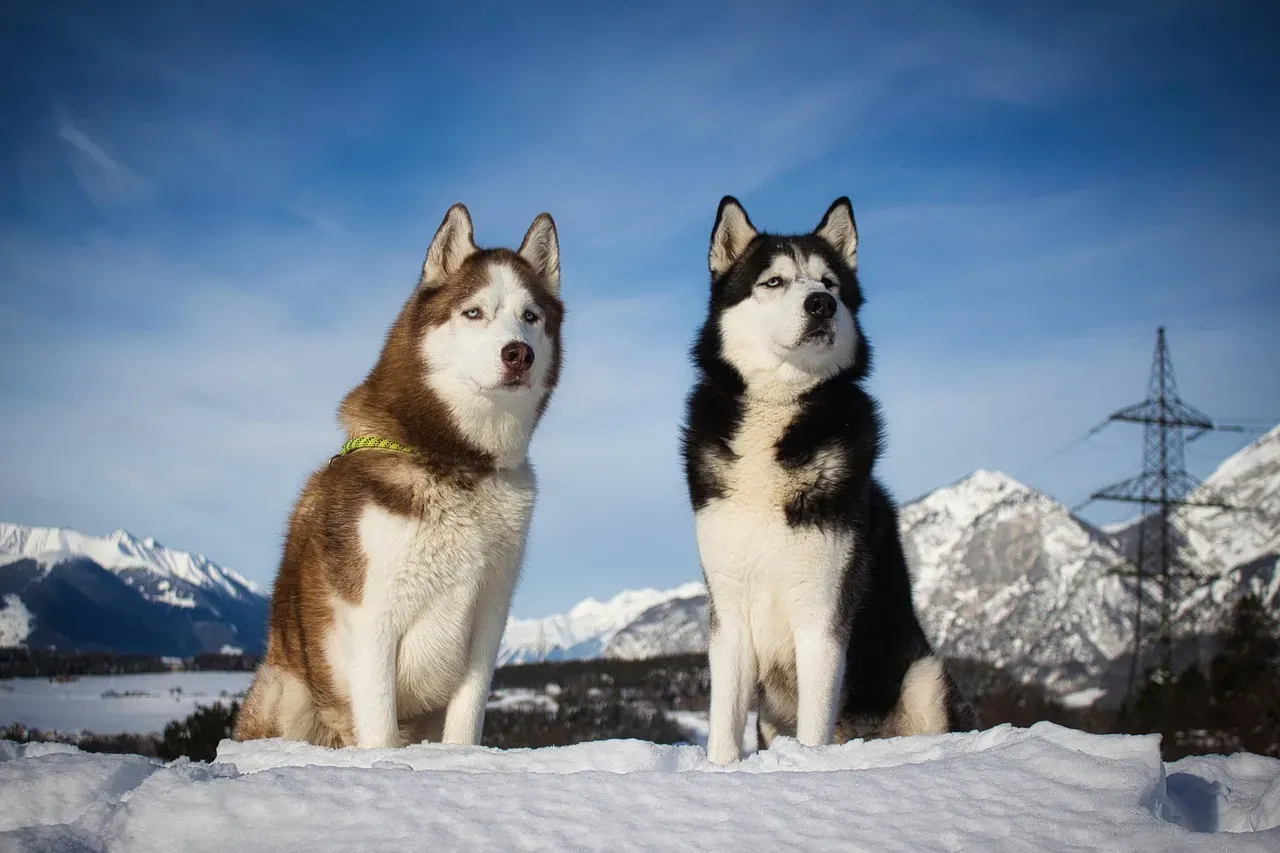
The name says it all: Huskies are designed for cold weather. A dense double coat makes this breed vulnerable to overheating. Seeing a Husky on a Florida beach might look like an Instagram dream, but for the dog, it’s closer to a nightmare. These animals were literally engineered by nature for Arctic conditions.
The double coat that makes them so beautifully fluffy acts as a heat trap in warm climates. Originally bred by the Mahlemiut Inuit tribe for cold weather, they have a thick double coat of fur that provides insulation against the cold, but adversely affects them in the heat. If you have a Husky in Florida, limit outdoor time to early morning or evening, and always have a cooling station ready with fresh cold water and shade. Their enthusiasm for play will outlast their ability to cope with heat, every single time.
6. Alaskan Malamute – The Arctic Giant in Tropical Territory
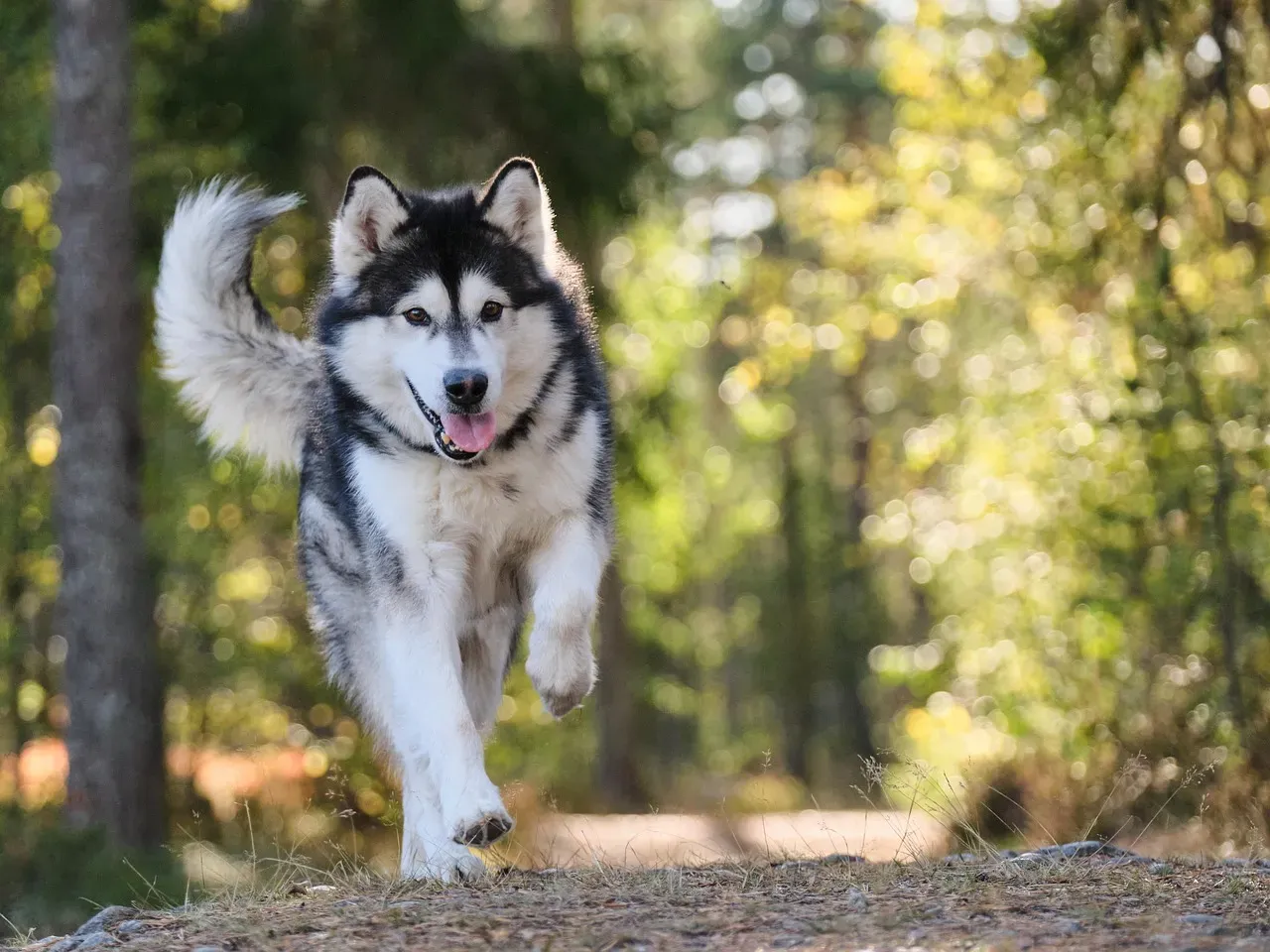
The Alaskan Malamute was bred to pull heavy loads in freezing Alaskan temperatures. This makes them one of the best dog breeds for cold weather, but one of the worst for hot climates. Florida and the Malamute are essentially opposites on the climate spectrum. It’s a dramatic mismatch that owners need to take seriously.
Keeping your Malamute inside during the hottest parts of the day and routinely grooming them with a comb or undercoat rake to remove excess fur can help your dog stay comfortable in the summer. Regular grooming to thin out that dense undercoat is essential, but it’s only a partial fix. Giant breed dogs weighing over 50kg are three times more likely to develop heatstroke than smaller dogs, and a Malamute’s large mass only compounds the risk further.
7. Boxer – Energetic, Enthusiastic, and Dangerously Unaware of Heat Limits
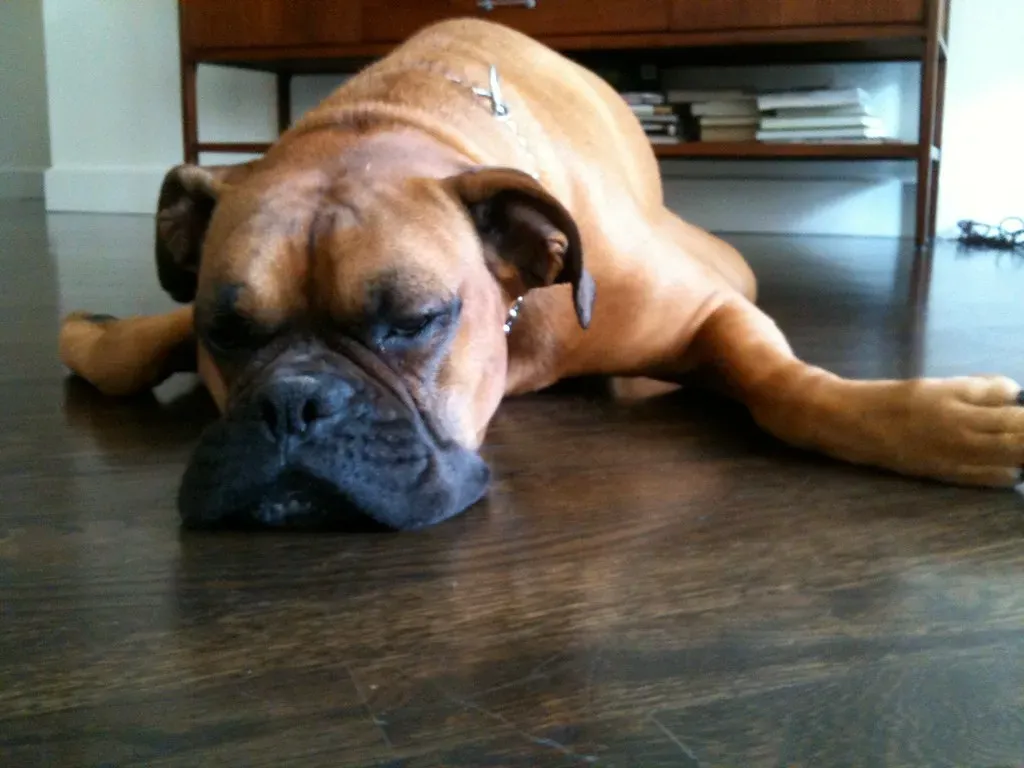
The Boxer’s short snout and broad head make panting to cool off challenging. They’re also very active dogs, and heatstroke warning signs might sneak up on you if your Boxer starts to run and play outside when it’s hot. This combination of brachycephalic anatomy and high energy is genuinely one of the scariest pairings in Florida’s climate. Boxers simply don’t know when to quit.
Another brachycephalic breed with a flat face, these large dogs are high energy and require larger amounts of water to stay hydrated and cool. Dog owners should pay careful attention on hot, humid days, because dogs will keep going even as they are overheating. Set timers for water breaks during backyard play sessions. Don’t wait for your Boxer to show you they’re struggling, because by then, you may already be dealing with an emergency.
8. Shih Tzu – Long Hair, Short Snout, Major Problem

Shih Tzus often have long, thick coats, which makes summer days uncomfortable for them. A summer trim from the groomer can help them cool down a bit, but it won’t remove the problem. This breed has a flat face and a lazy attitude, which causes them to gain excess weight. After all, most Shih Tzus would much rather nap than go for a run. These pups cannot tolerate hot weather well, so they need lots of water and air conditioning.
With their short noses and long, thick hair, this breed is prone to heatstroke. Don’t shave, but clip shorter in the summer to help them stay cool. The Shih Tzu is the kind of dog that will happily snooze on a cool tile floor all day, and honestly, in Florida, you should encourage exactly that behavior. Think of it as survival napping.
9. Saint Bernard – The Mountain Rescue Dog That Needs Rescuing from Florida Heat
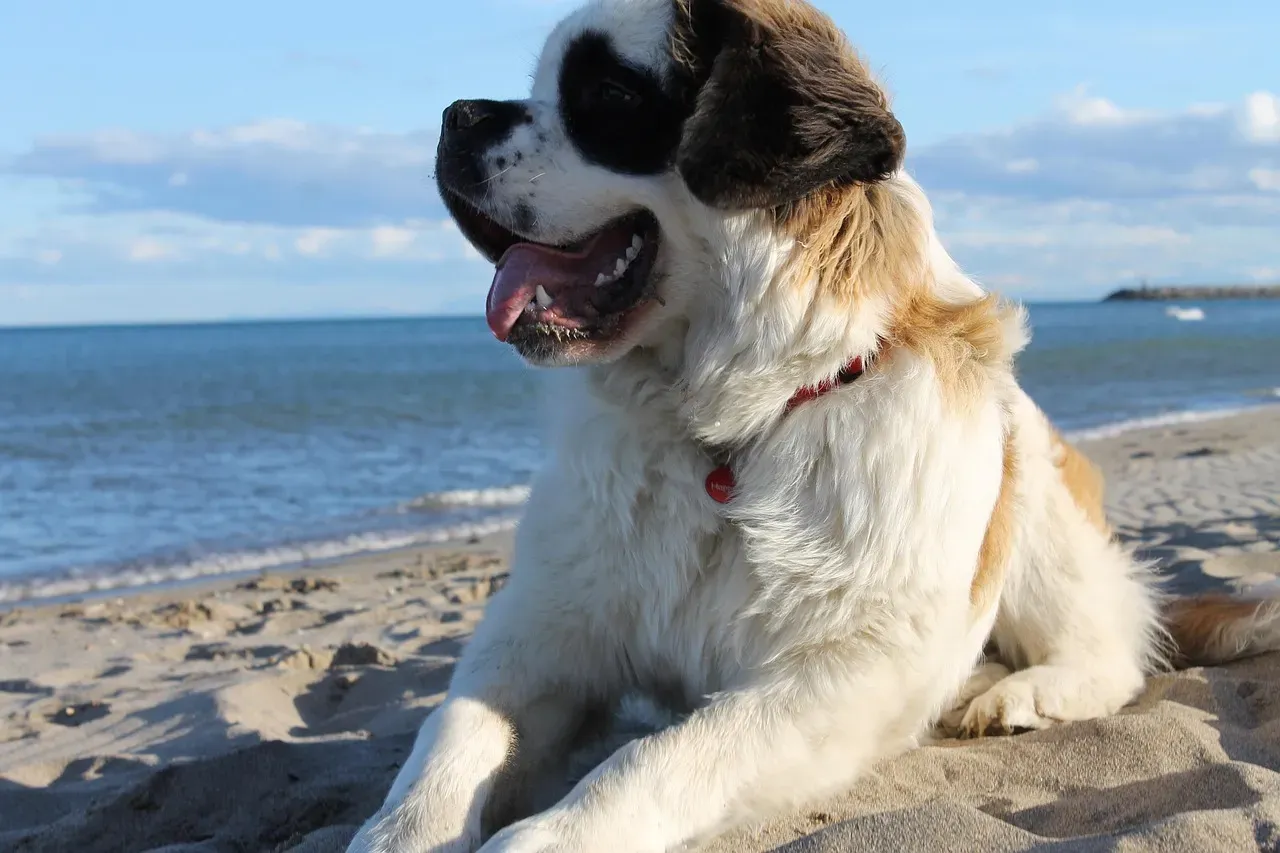
Originally from the Swiss Alps, Saint Bernards were bred for cold-weather rescue work. Thanks to the thick coat that protects them in the mountain snow, Saint Bernards can struggle in hot and humid climates. Offer them fresh water and use cooling mats and fans to help lower their body temperature. There is almost no environment more opposite to the Swiss Alps than South Florida. These dogs are living outside of their natural design.
This giant pup can handle the cold well, but not the heat. Plus, Bullmastiffs have short snouts, making it hard to cool down and regulate their body temperature when it gets scorching. Saint Bernards face a similar challenge, layering a massive body size onto an already heat-sensitive framework. Large dogs in general were more likely to develop heatstroke than smaller dogs, with giant breed dogs three times more likely to develop heatstroke. The size factor alone makes Florida a difficult environment for these gentle giants.
10. Akita – Powerful, Proud, and Poorly Suited for the Sunshine State
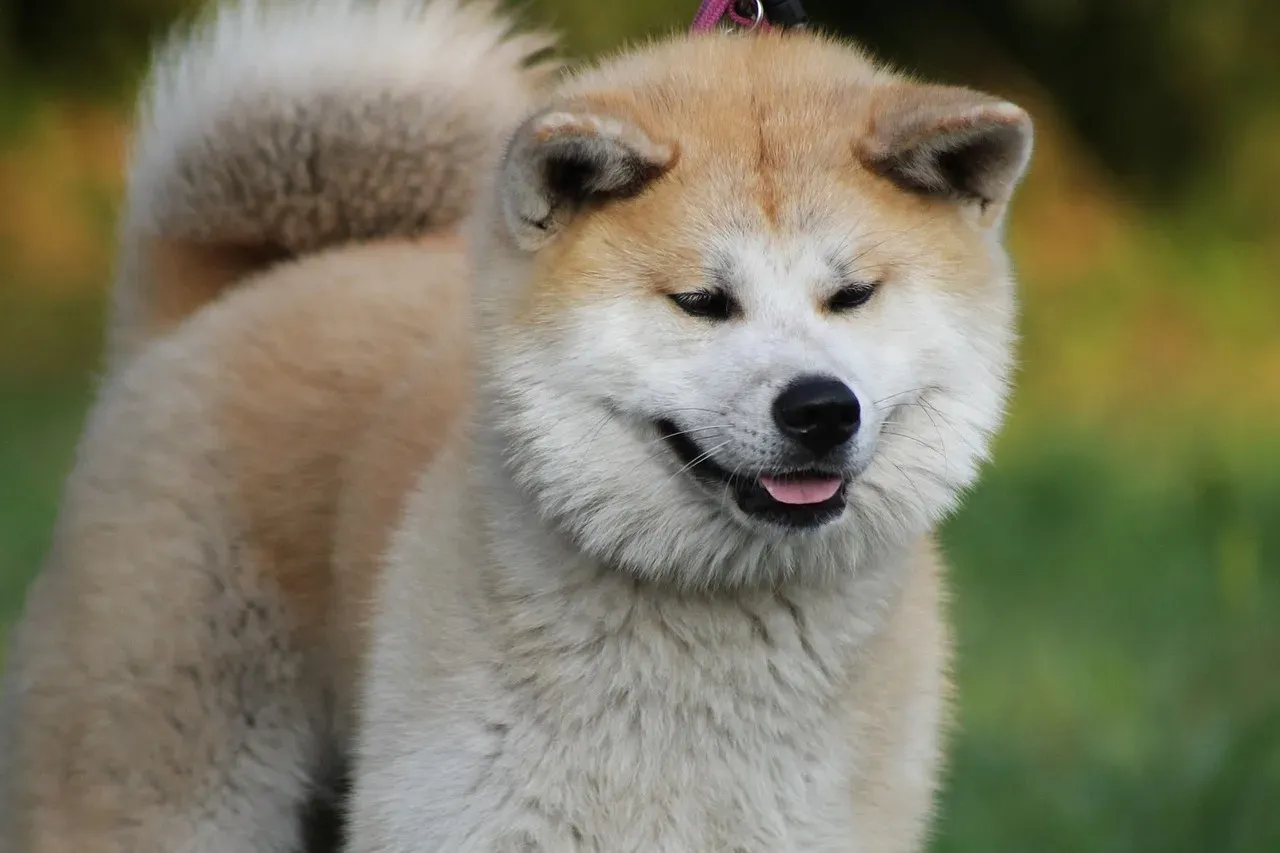
In cold weather, an Akita’s thick double coat provides insulation. In hot weather, this coat may cause them to overheat. This, coupled with their heavy build, means Akitas have a low tolerance for heat. Bred for the cold on the Japanese island of Honshu, their thick coats insulate against the cold and make them prone to overheating in warm climates. Moving an Akita to Florida is a bit like relocating a polar bear to a desert.
This cold weather breed is high energy and has an extremely thick coat, qualities that make them prone to overheating in warm weather. While not considered brachycephalic, they do have shorter snouts. Early morning exercise, shaded outdoor spaces, and immediate access to cool water are non-negotiables for Akita owners in Florida. Watch closely for excessive panting, drooling, or sudden loss of energy as early heat distress signals.
Know the Warning Signs of Heatstroke in Any Dog
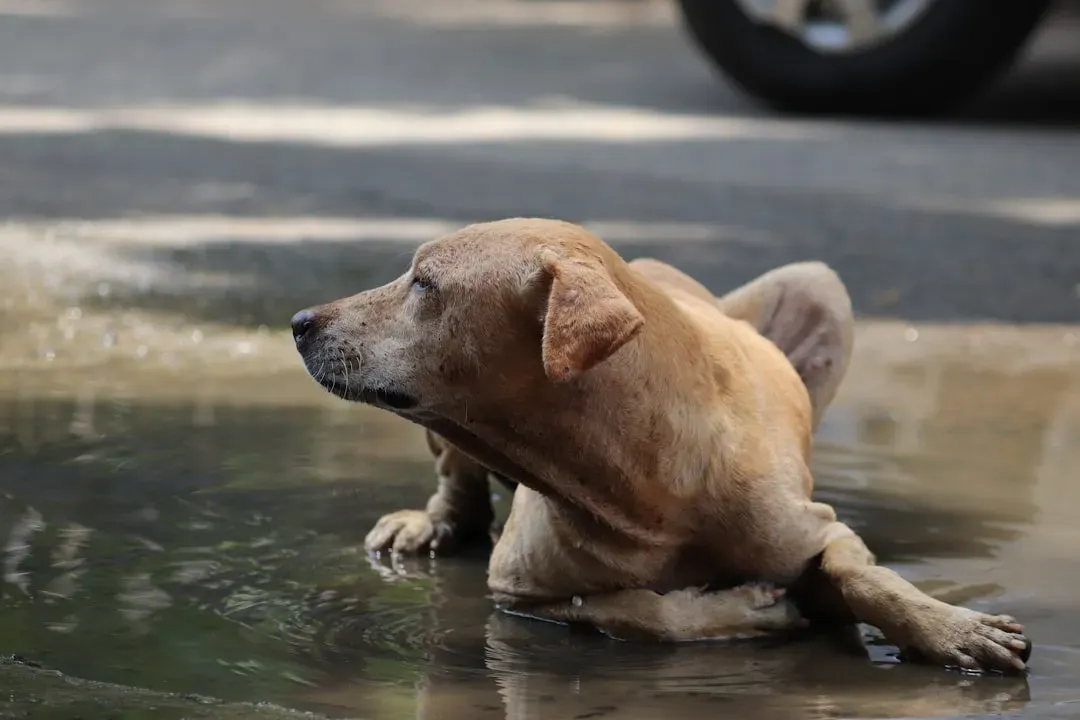
Heatstroke in dogs occurs when your pup’s body temperature rises above a healthy condition. Common symptoms are excessive panting, a rapid heart rate, and dehydration. If your dog is suffering from heatstroke, it’s important to bring them into a cool location and give them water. In most cases, you should visit the vet too. Acting fast is everything with heatstroke.
A normal temperature for a dog is between 100.2° and 102.8° Fahrenheit. When their temperature rises above 104°, they are in danger. Dogs with temperatures between 104° to 106°F, considered moderate heatstroke, can recover if treated promptly. Temperatures above 106° can be fatal if not treated immediately. When the temperature reaches 109°, the organs begin to shut down. Those numbers are sobering, and they underscore why early detection is the difference between a scary afternoon and a tragedy.
What to Do If You Suspect Overheating
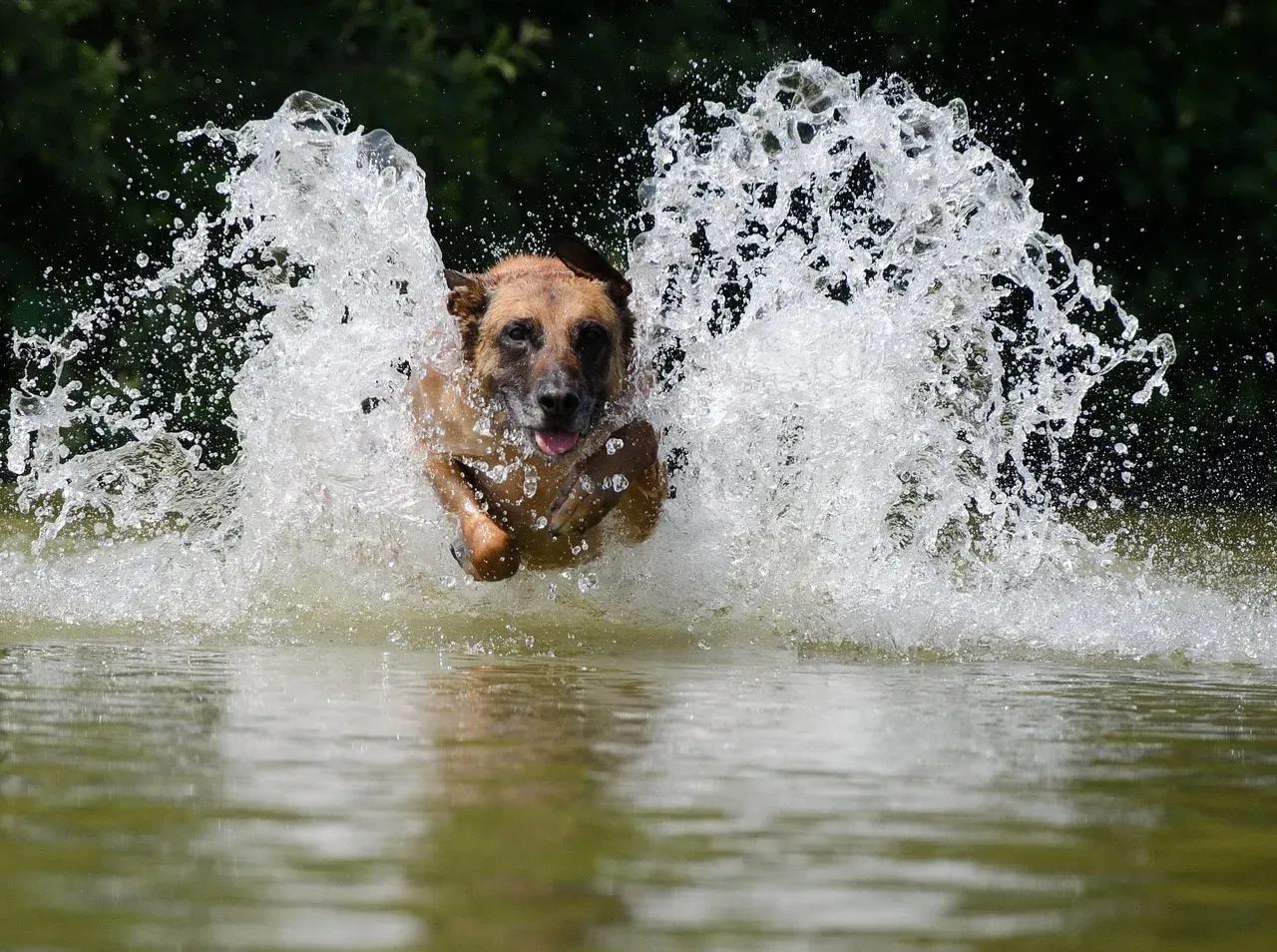
Move to shade or air conditioning immediately. Get out of the sun and away from hot surfaces. Offer small amounts of cool water. Let your dog drink if they’re alert – don’t force it. Start active cooling with cool (not ice-cold) water. Wet the body, especially the belly, armpits, and paws. These steps can genuinely buy your dog precious time.
Avoid ice baths. Ice-cold water can constrict blood vessels and may slow cooling. It can also cause stress in a dog that’s already struggling. Even if your dog seems better after cooling, heat injury can continue internally. Many dogs still need an exam and supportive care after an overheating episode. Never assume they’re fine just because they seem calmer. A vet visit after any significant overheating event is always the right call.
Now, Consider These 5 Breeds Instead
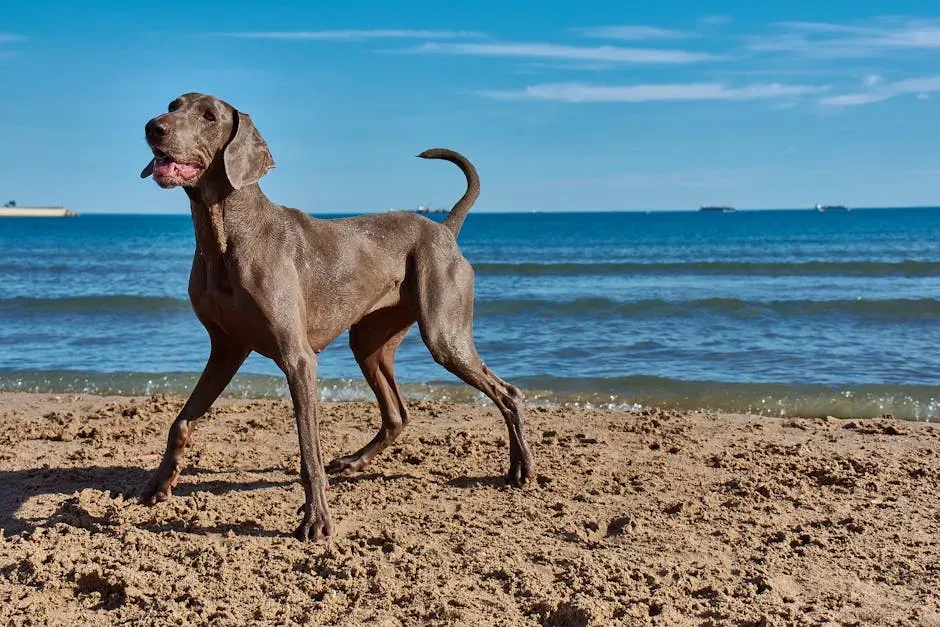
Here’s the good news: plenty of wonderful dog breeds genuinely thrive in Florida’s climate. When living in a hot climate, choosing the right dog breed can significantly impact your pet’s well-being and comfort. Some dog breeds are naturally better suited for hot weather due to their physical characteristics, coat types, and adaptability. Choosing wisely isn’t about limiting your options. It’s about setting both you and your dog up for a happier, safer life together.
These five breeds are worth serious consideration if you’re a Florida dog lover looking for a new companion. They bring personality, loyalty, and warmth without the dangerous heat sensitivity.
Consider #1: The Chihuahua – A Desert Dog That Loves Florida

A Chihuahua may be one of the best dogs to have as a Floridian. This breed reportedly originates from the scorching deserts of Mexico. With a history like that, Chihuahuas are known to be an adaptable dog breed that thrives in warm climates. They’re practically built for the sunshine. Their small stature, thin coat, and big ears all work together to keep them naturally cool.
Their short coats, small stature, and big ears make them pros at reducing their body temperature and hardly noticing the heat. I think the Chihuahua is genuinely one of the most underrated Florida companion dogs out there. They’re fiercely loyal, surprisingly bold, and they’ll happily lounge on a beach towel while you soak up the sun. Just watch those hot sidewalks – asphalt, tar, and concrete can get as hot as 125 degrees in direct sunlight during the scorching summer months, which could burn your dog’s paws.
Consider #2: The Dalmatian – The Sun-Loving Athlete
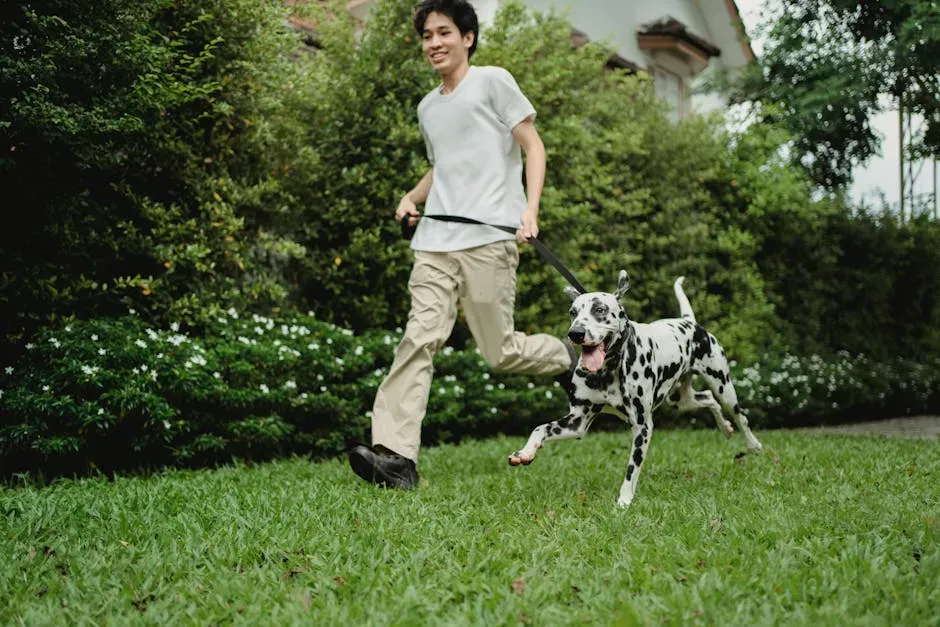
Dalmatians are renowned for their striking appearance, with their distinct black or liver spots. They were originally bred as carriage dogs and have a short, dense coat that doesn’t trap heat. This energetic breed enjoys physical activities, making it well-suited for an active lifestyle in a hot climate. Florida’s outdoor lifestyle suits them beautifully.
Dalmatians have lean, muscular physiques with very little body fat, which means they don’t have the “insulation” to keep warm for very long in cold weather. This is perfect for hot weather, and so is their short, white hair. Their white hair reflects the sunshine, and all those black little spots aren’t enough to cause them to overheat. They’re essentially aerodynamically optimized for warm, active environments. Morning runs along the beach? Count them in.
Consider #3: The Basenji – Africa’s Heat-Proof Wonder Dog
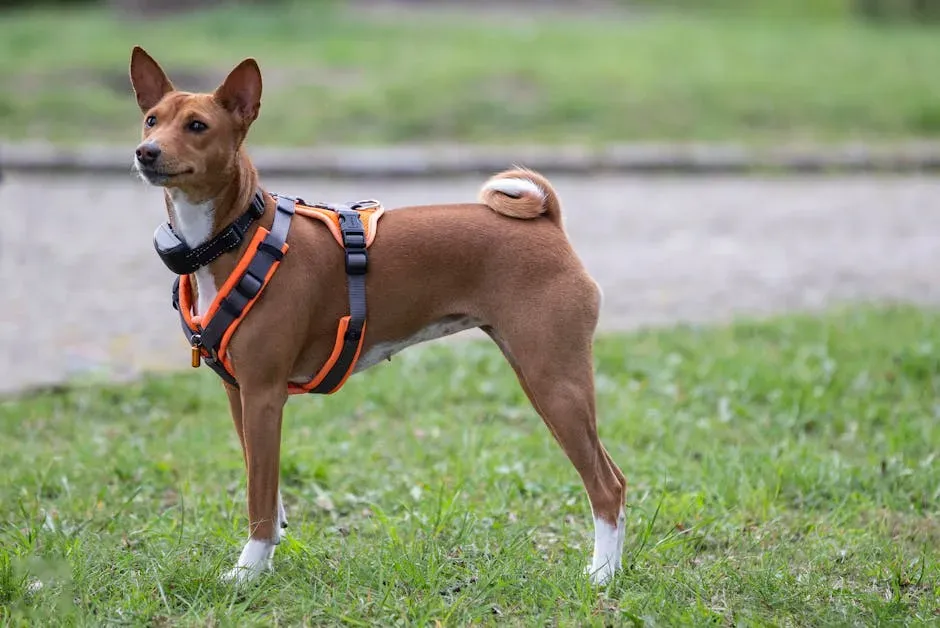
The Basenji is an ancient breed known for its unique appearance and heat tolerance. Originating from Central Africa, where temperatures can soar, the Basenji has a short, fine coat that helps it stay cool. Its small to medium size and slender build also aid in heat dissipation. Basenjis are active, intelligent, and known for their cat-like grooming habits, which keep their coat in good condition.
Originating from central Africa, Basenjis are known as the “barkless” dogs due to their unique larynx. Their short coat and lean body make them well-suited for hot climates. Basenjis can be stubborn and are not the easiest to train. They need consistent, patient training and secure fencing to manage their strong prey drive and curiosity. So they’re not perfect for everyone, but for an active, patient Florida family, they’re a genuinely excellent match.
Consider #4: The Vizsla – Hungary’s Gift to Florida Dog Lovers
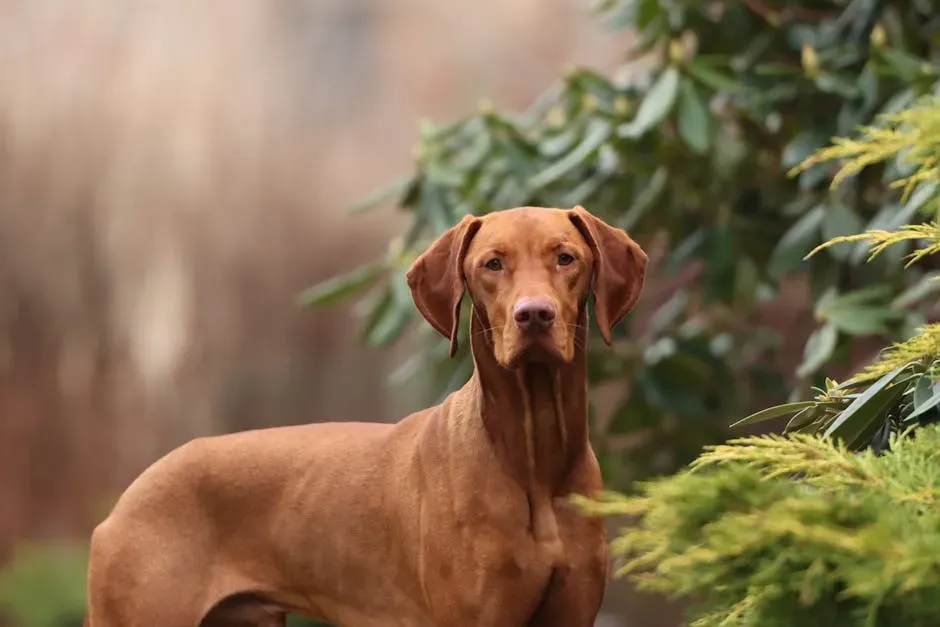
The Vizsla is a Hungarian breed known for its sleek, short coat that is ideal for hot weather. With their high energy levels and athletic build, Vizslas need plenty of exercise, which they handle well in warmer temperatures as long as they have adequate hydration. Their short coat is easy to maintain, and they are known for their affectionate nature and agility.
Honestly, the Vizsla might be the hidden gem of Florida-friendly breeds. They’re elegant, deeply affectionate, and love being outdoors. Think of them as the golden retriever of hot-weather dogs – athletic and people-obsessed, but without the thick coat that makes hot weather brutal. They do need significant exercise, so if you’re an active person, this partnership will feel incredibly natural.
Consider #5: The Whippet – Graceful, Gentle, and Built for Warmth
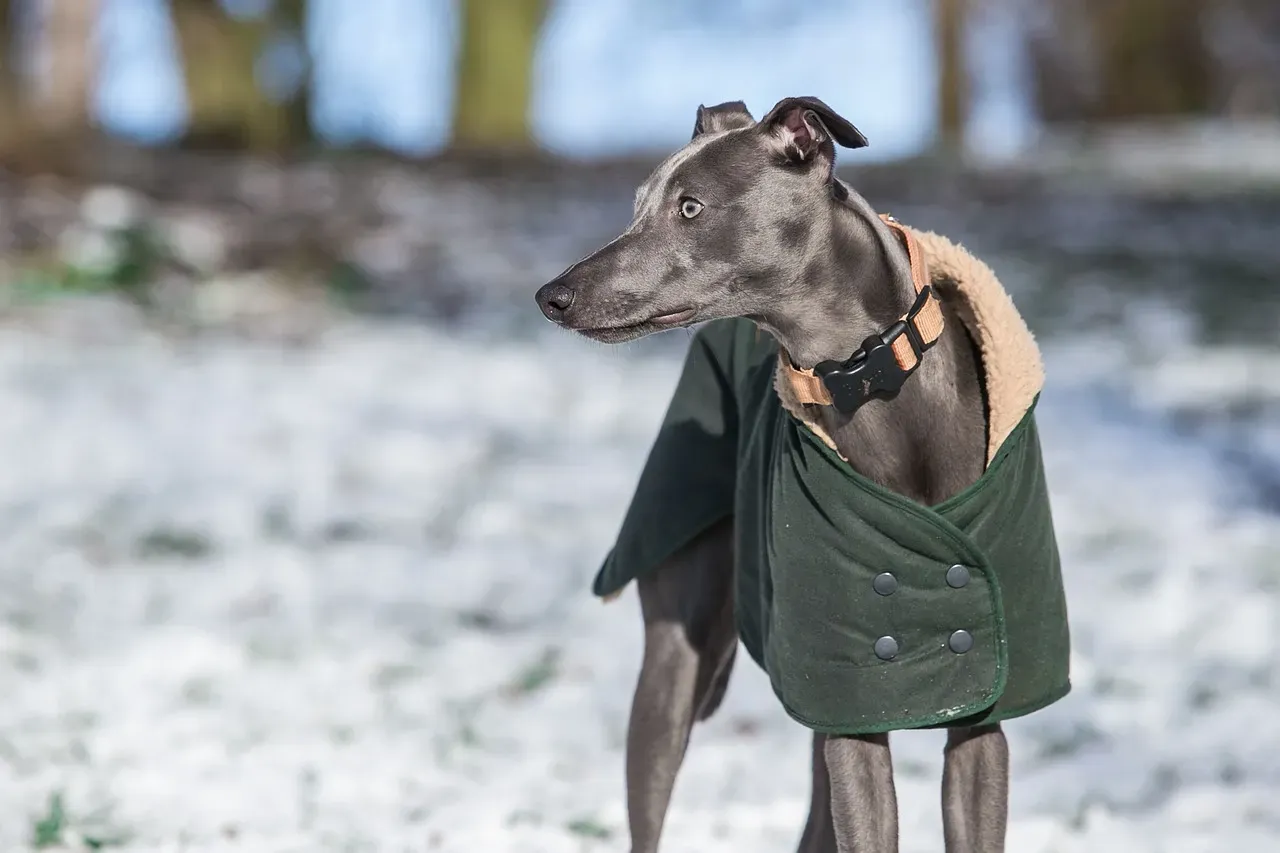
Whippets are a breed with a short, thin coat that adapts well to hot climates. They are slender, medium-sized dogs that are incredibly fast and agile. Their low body fat and minimal undercoat help them stay cool in the heat. Whippets are gentle and affectionate, making them great companions in warm weather.
Whippets’ short-haired, lean physique helps them handle heat well, and they are relatively low-energy indoors. They have this wonderful duality where they’re blazing fast at the dog park, but perfectly happy to curl up beside you on the sofa in the air conditioning afterward. Like greyhounds, Whippets need protection from extreme heat and shouldn’t be left outside in high temperatures for long periods. Still, they’re dramatically better suited to Florida life than a Husky or a Saint Bernard, and they’re one of the most loving breeds you’ll ever meet.
Conclusion: Love Your Dog Enough to Know Their Limits
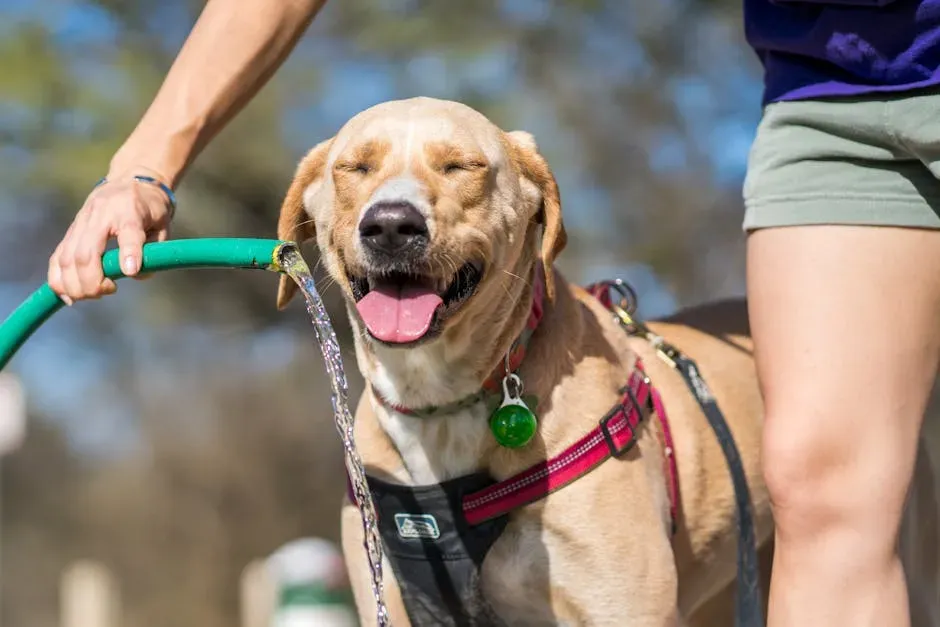
Caring for a dog in Florida means caring smarter, not just harder. Florida is a great place to live with a dog – but it requires a different heat-safety mindset. Whether you already own one of the at-risk breeds or are thinking about welcoming a new dog into your Florida home, knowledge is your most powerful tool. Understanding your dog’s physical limitations isn’t a criticism of any breed. It’s an act of deep love.
If you have a heat-sensitive breed, don’t panic. With the right routine – early morning walks, constant access to fresh water, indoor cooling, and regular vet check-ins – you can absolutely give them a beautiful, full life in the Sunshine State. Heat stroke can be deadly, but it’s also highly preventable. With the proper precautions, you and your precious pup can enjoy a fabulous summer. Every dog deserves an owner who sees them clearly, hot coat and all.
So here’s a question worth sitting with: if you could redesign your daily routine just a little to protect your dog from Florida’s heat, what’s the one change you’d make first? Tell us in the comments – your answer might just save another dog’s life.


