
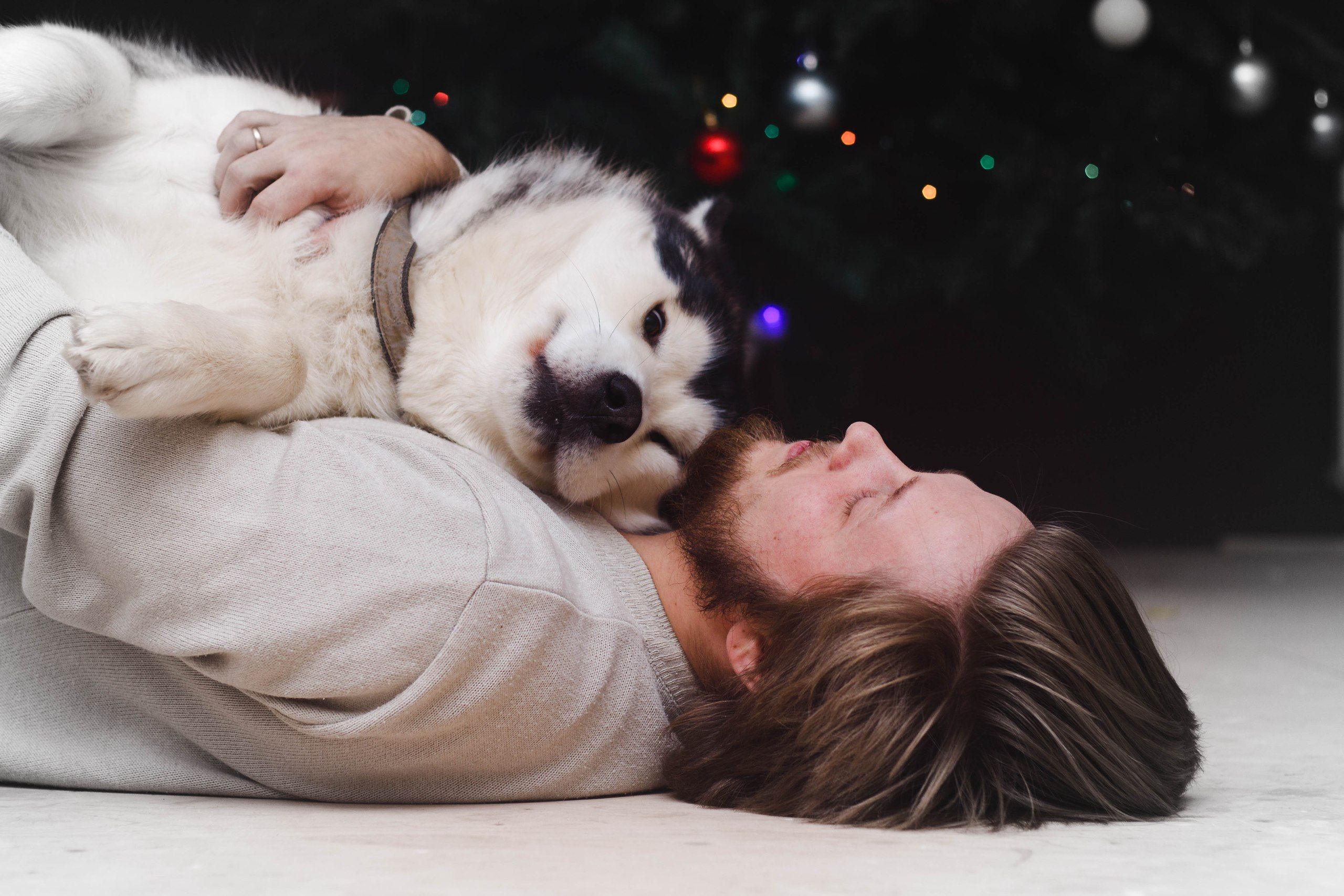
Ask any first-time owner why they picked an “independent” breed, and you’ll hear some version of the same thing: “I didn’t want a clingy dog.” Then, six months later, that same dog is sleeping across the doorway, refusing to eat until they’re home, and staring down anyone who gets too close to the couch.
That flip isn’t an accident – it’s the entire personality of these breeds. The dogs on this list don’t warm up to just anyone, and that’s exactly what makes the bond so intense once you’re actually in. Here’s what happens once ten famously “aloof” breeds finally decide you’re theirs.
#10 – Shiba Inu: The “Cat Dog” That Secretly Picks One Person
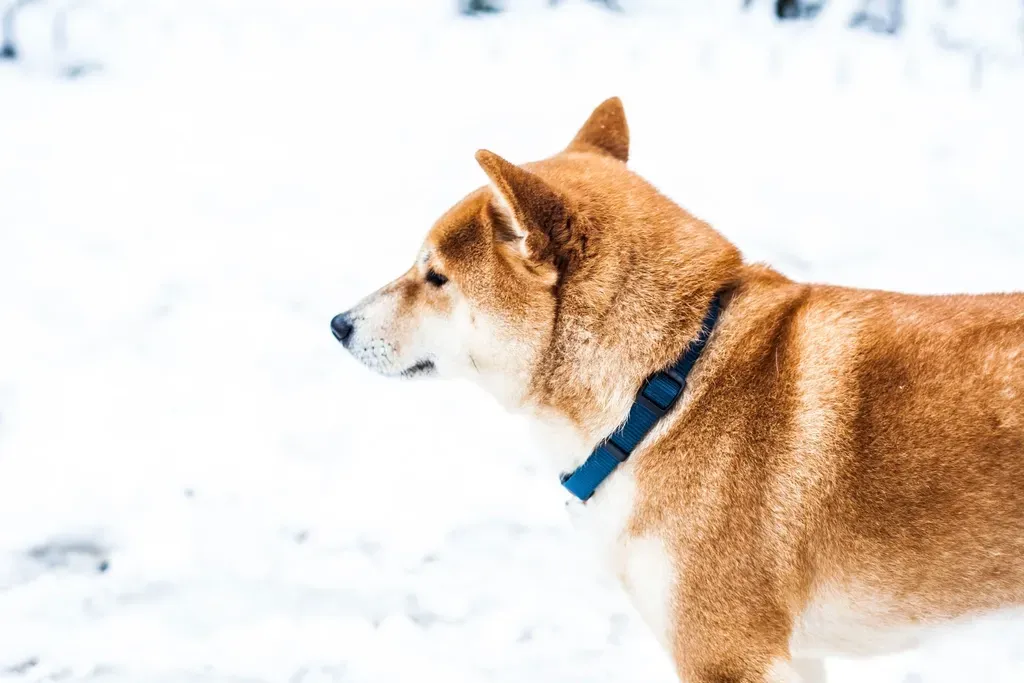
People buy Shibas because breeders and blogs sell them as “low-maintenance” and cat-like. That’s the first mistake newcomers make. Shibas really are clean, self-contained, and often refuse cuddles from strangers – sometimes even from family members they haven’t fully sized up yet.
They’re observant, stubborn, and shockingly good at ignoring you when they feel like it. To a new owner, that reads as cold. In reality, it’s a test: are you consistent, are you calm, do you respect their space instead of smothering them?
Fast Facts
- Origin: Japan, one of the oldest native dog breeds still around today
- Size: Small, typically 17–23 lbs and 13.5–16.5 inches tall
- Self-grooming coat means less doggy odor than most breeds
- Consistently ranks among the most popular breeds registered in the U.S.
Once you pass, the dog changes completely. A bonded Shiba will shadow you from room to room, check on you if you cough, and quietly position itself between you and anything it views as a threat.
Many owners say their “independent” Shiba only truly listens to one person in the whole house. That bond is intense, loyal, and doesn’t transfer easily if the dog is ever rehomed.
#9 – Basenji: The Silent Watcher With a Surprising Soft Spot
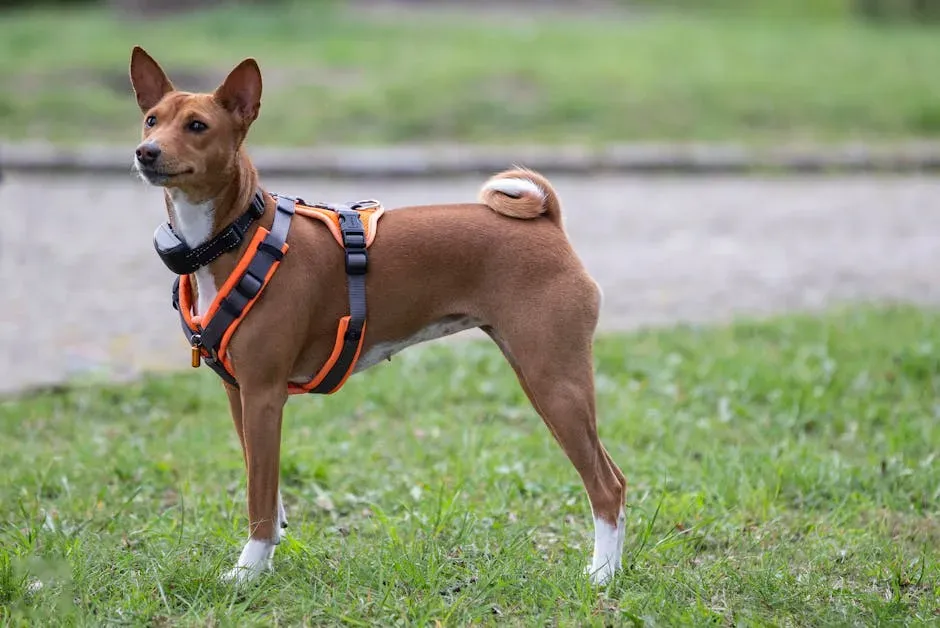
Basenjis have a reputation as aloof, barkless little dogs doing their own thing. At first meeting, they often seem more interested in scouting the yard than in whoever’s holding the leash.
They’re analytical, calculating, and will flatly ignore cues from someone they haven’t respected yet. That’s why people wrongly call them “untrainable” – really, they’re too smart to listen to someone they haven’t sized up.
Give a Basenji time, structure, and fair leadership, and the switch flips. A bonded Basenji becomes intensely tuned into your daily rhythm – tracking you with its eyes, curling up in whatever room you’re in, and growing visibly unsettled when you’re gone too long.
Owners often describe it as “silent devotion”: no barking, no dramatics, just constant proximity and quiet checking in. Once a Basenji chooses you, it rarely chooses anyone else that deeply again.
#8 – Afghan Hound: Glamorous and Distant in Public, Goofy and Devoted at Home
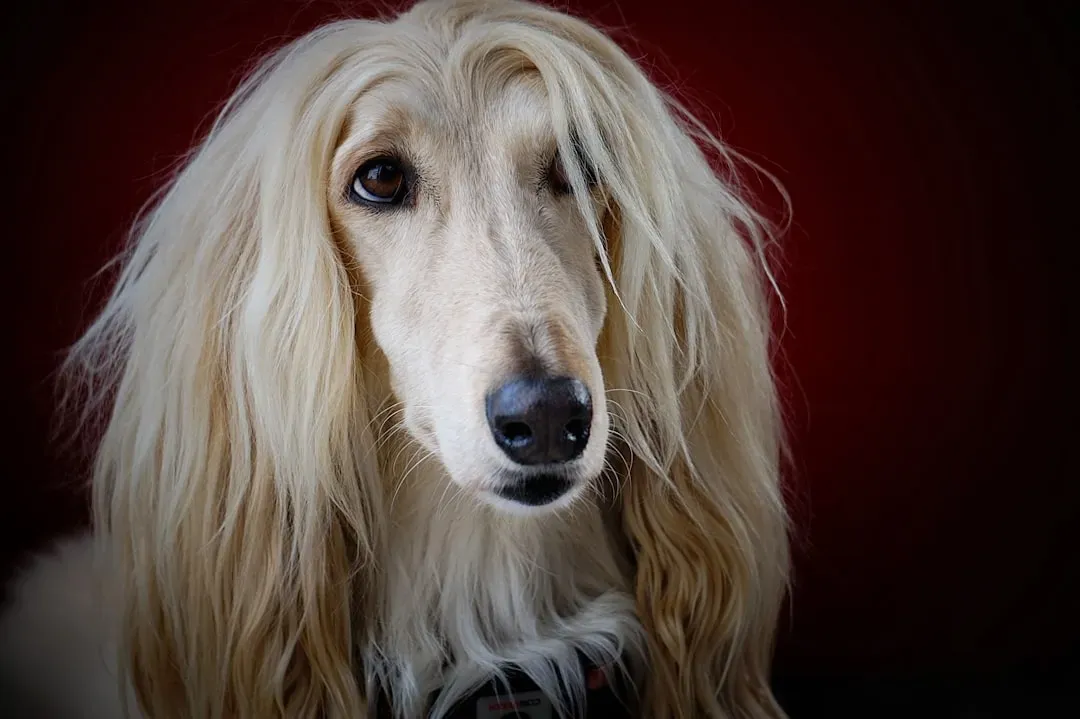
In public, the Afghan Hound is the picture of regal detachment – long flowing coat, head held high, an expression that basically says “don’t.” Strangers usually get polite indifference, sometimes outright snobbishness.
That aloofness is real. But behind it is one of the most emotionally sensitive breeds around when it comes to the humans they’ve actually chosen.
Inside the home, with someone they trust, Afghans turn surprisingly silly, affectionate, even clingy on their own terms. They bond deeply with gentle, patient people, and a harsh scolding can genuinely wound them rather than just annoy them.
Long-time owners often say their Afghan “mirrors” their mood – mellow when you’re sad, bouncy when you’re excited. Once that trust is built, breaking it can leave the dog emotionally shaken for a long time.
#7 – Chow Chow: The Living Teddy Bear With Guard-Dog Loyalty
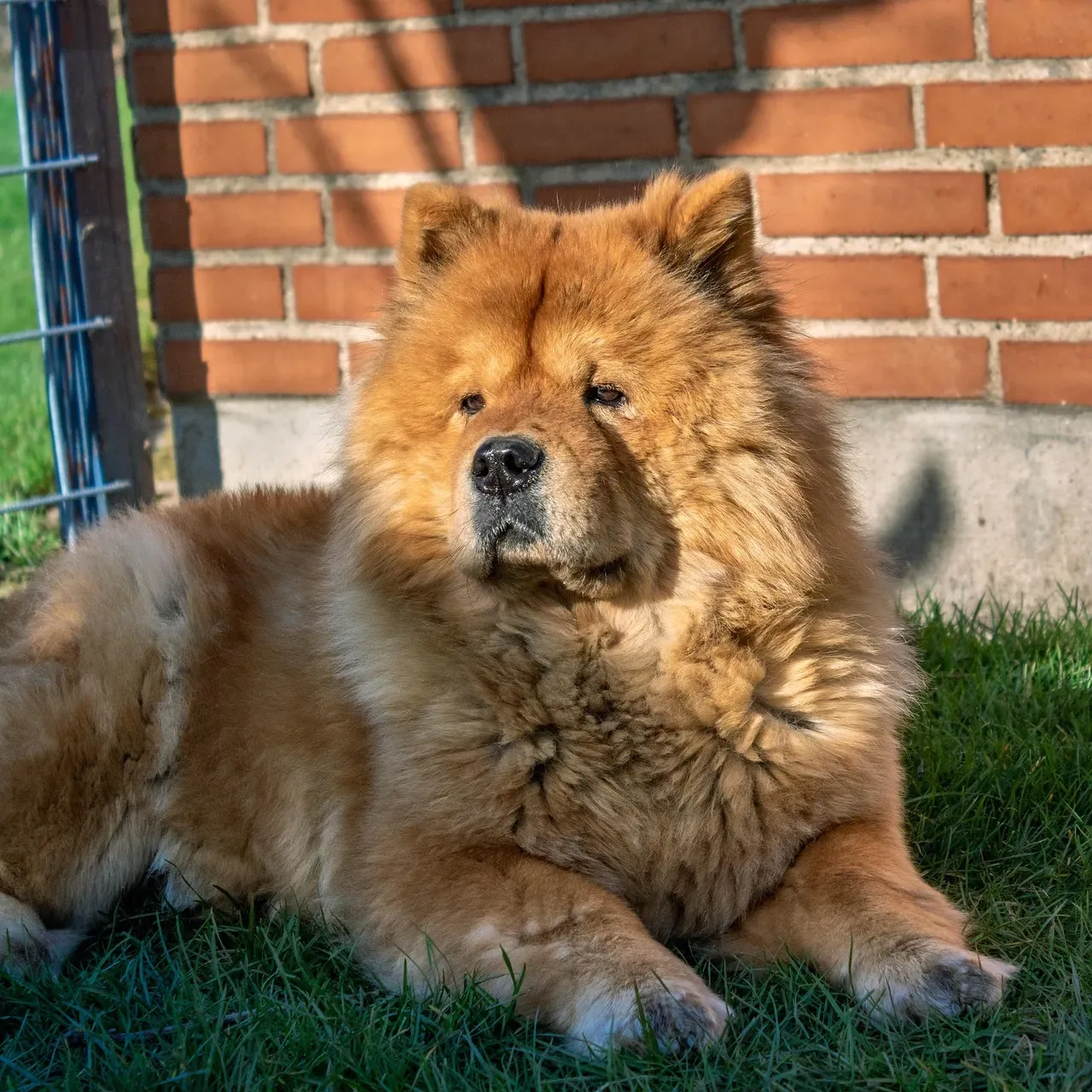
Most people fall for the Chow’s looks with no idea what they’re actually signing up for. This breed is famous for being stubborn, independent, and downright “catty” with strangers.
Guests often find Chows standoffish, uninterested in random pets or attention. That’s by design – this is an ancient guardian breed, and its default setting is suspicion toward anyone outside the inner circle.
Get into that circle, though, and it’s a completely different dog. A trusted Chow will lean its full weight against your legs, tolerate grooming it would never allow from a stranger, and quietly wedge itself between you and anyone unfamiliar in the hallway.
It won’t lick your face or leap with joy, but it will track you with its eyes and sleep near the doors you walk through. Some Chows will flatly ignore everyone else’s commands while instantly obeying their one chosen person.
#6 – Akita: The Stoic Guardian That Bonds for Life
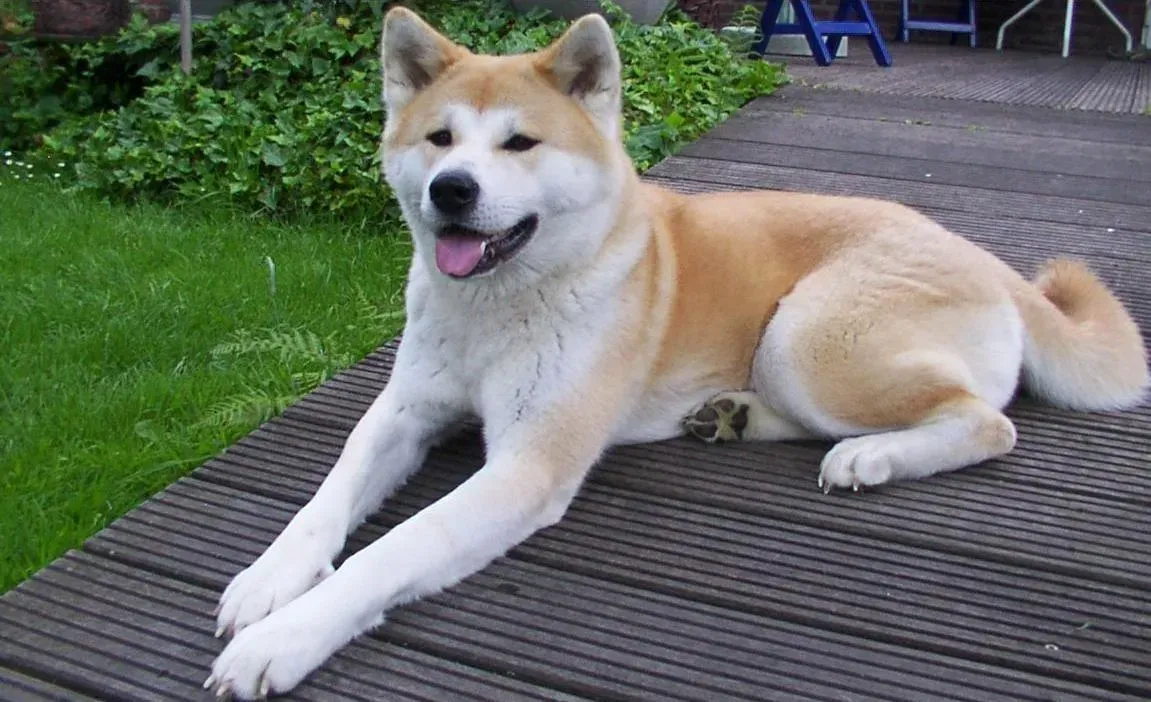
Akitas get marketed as “independent,” which is really a polite way of saying they don’t care about impressing people they haven’t vetted. They’re often aloof with strangers, reserved in new places, and completely unimpressed by baby-talk and treats.
First-time owners frequently mistake that calm stoicism for emotional distance. In reality, Akitas simply don’t hand out loyalty casually – they treat it like a lifelong contract.
At a Glance
- Origin: Japan, originally bred to hunt boar and guard nobility
- Size: Large, typically 70–130 lbs depending on sex
- Famous worldwide thanks to Hachiko, who kept returning to a train station for his late owner for nearly a decade
- Naturally clean, with cat-like grooming habits despite their size
Once that bond forms, it’s fierce. A devoted Akita will follow you from room to room, sleep facing whatever door leads to you, and position itself between you and others without ever being asked.
There are countless stories of Akitas waiting for hours by a window for “their” person to come home. They’re also notorious for grieving hard if that person is gone for good, or if a rehoming breaks the bond.
#5 – Shar-Pei: The Wrinkled Lone Wolf With a One-Household Heart
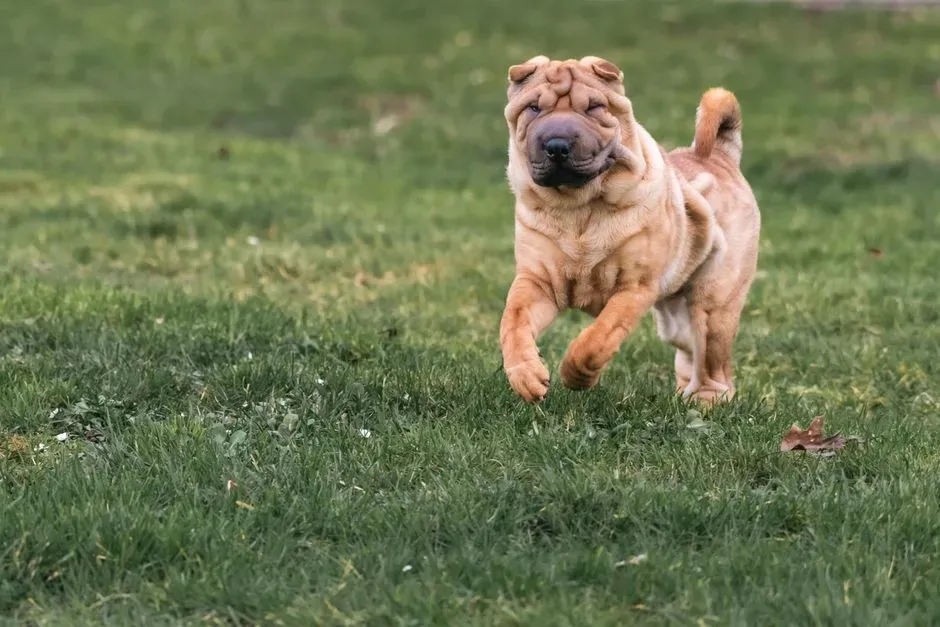
Shar-Peis look like soft, squishy family pets, but the temperament underneath is closer to a skeptical bodyguard. As puppies they’re often sweet with everyone; as adults, most narrow their social circle fast.
Strangers frequently get a blank stare or a slow, cautious approach at best. This is not a breed that hands out trust like free samples at a store.
With their own people, it’s a completely different story. A bonded Shar-Pei often locks onto the family routine hard – following one person room to room, reacting sharply to raised voices in the house, and showing real protectiveness around kids or elderly relatives.
Many owners say their Shar-Pei will wedge itself between them and anyone it finds suspicious, with zero training involved. The independence on the outside hides a surprisingly soft, family-first core.
#4 – Alaskan Malamute: The Free Spirit That Still Picks Its Person
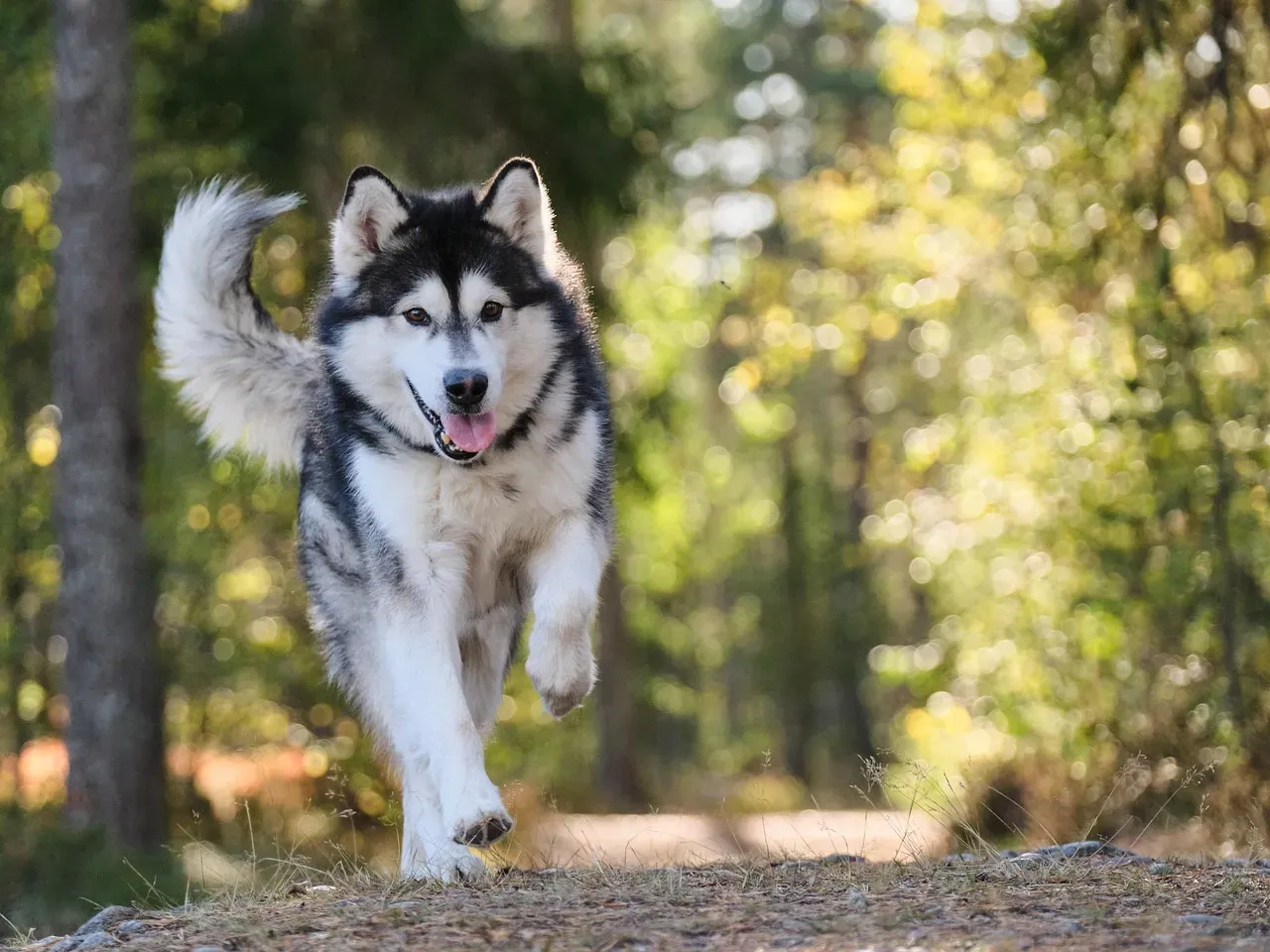
Malamutes give off massive “I’ll be fine without you” energy. They were bred to pull heavy loads across brutal terrain, often making split-second decisions with no handler nearby – so yes, they think for themselves, and many will happily dig, explore, and entertain themselves for hours.
That independence leads some people to wrongly assume Malamutes don’t really bond, they just coexist. That assumption misses how deeply tribe-oriented this breed actually is.
In a home where they get real exercise and mental stimulation, Malamutes form intense pack bonds. They “talk” back with vocalizations, seek physical closeness, and get visibly distressed if left alone too long.
Many owners notice their Malamute lying in every doorway they pass through, following them room to room, and growing quieter and clingier with age. The independent streak doesn’t cancel the bond – it just makes it more deliberate.
#3 – Siberian Husky: The Escape Artist That Won’t Let You Out of Its Heart
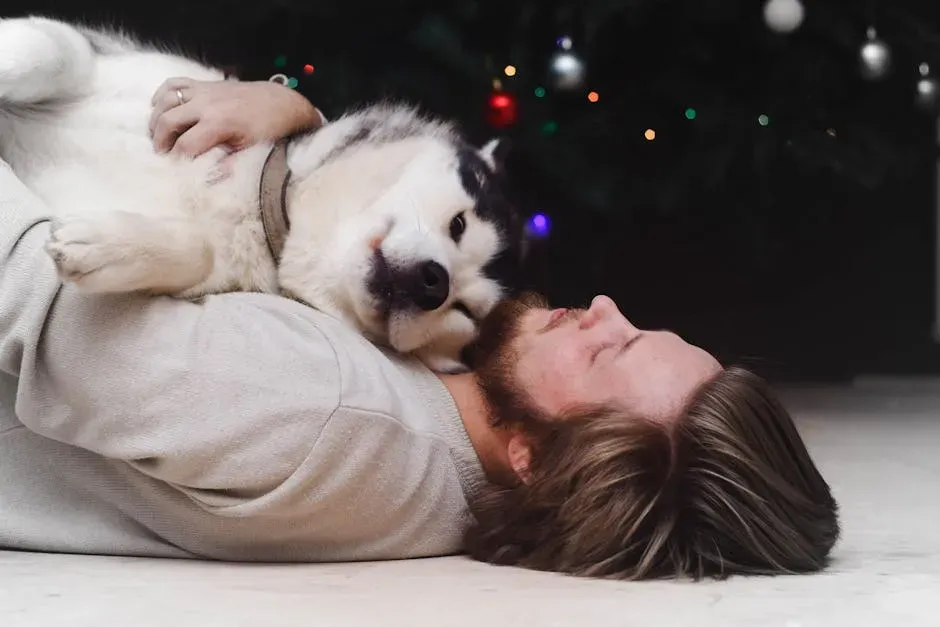
Huskies are famous for two things: escaping fences and ignoring commands the second it suits them. They’re bred to run, think independently, and work alongside people rather than beneath them – all of which reads to strangers as “this dog doesn’t care about me, it just wants to run.”
Yet the same dog that bolts through an open gate will melt into a puddle at the feet of the one person it actually sees as its partner.
Worth Knowing
- Origin: Bred by the Chukchi people of Siberia as endurance sled dogs
- Built to run long distances efficiently in freezing conditions
- Notorious escape artists – skilled diggers and fence-jumpers
- Rarely bark, but communicate through howls and unmistakable “talking” vocalizations
With solid structure and fair handling, that bond gets surprisingly intense. Huskies tend to be physically affectionate – leaning, pawing, sprawling across your lap – and often develop their own vocal “conversations” with a favorite person.
Many owners report their Husky pacing or howling at the door while that person is out, then calming almost instantly the moment they walk back in. Under all the chaos and mischief is a dog that, once bonded, treats you as its anchor.
#2 – Greyhound: The “Low-Key” Couch Potato With a Velcro Soul
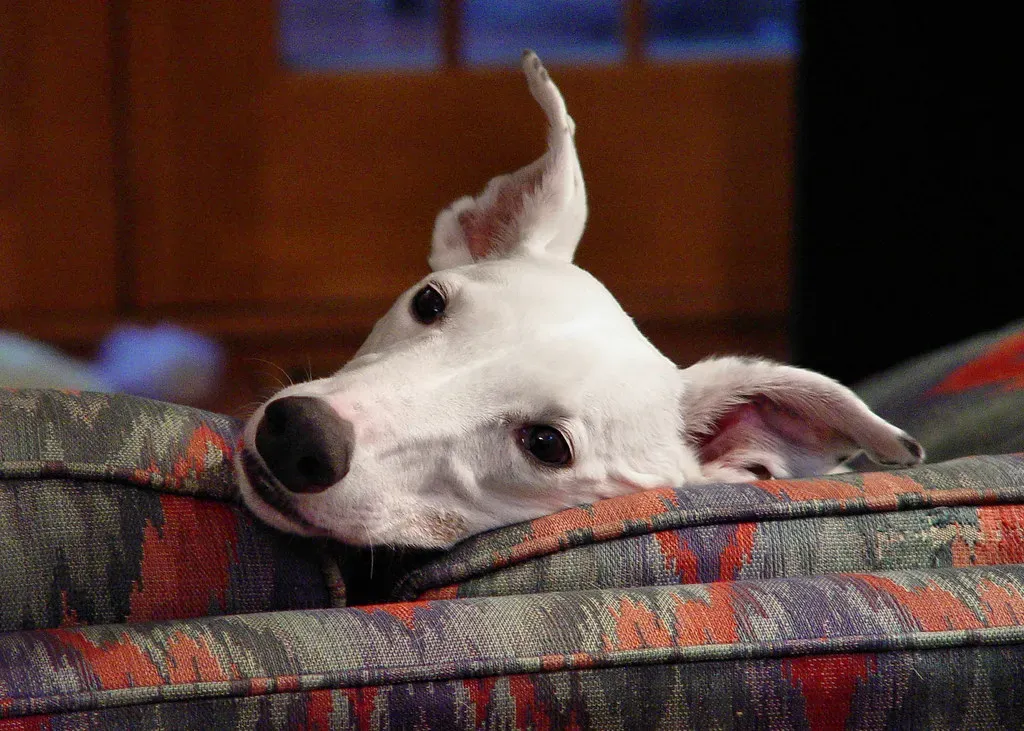
Adopters are usually told retired racing Greyhounds are easy, low-maintenance, and fairly aloof. At first glance, that seems true – newly adopted Greys often look quiet, distant, even shut down, especially right after leaving the track.
They sleep constantly, watch quietly, and stay emotionally guarded for weeks. Many new owners mistake this decompression phase for a permanent personality, when it’s really a nervous system resetting after a completely different life.
Give it a few months, and a different dog shows up. Greyhounds become notorious “shadow dogs” once bonded – following their person from room to room, resting a head on your lap, insisting on the same couch or at least the same line of sight.
Many are so sensitive to tone that a slightly raised voice can send them curling apologetically under a blanket. They might look chill and detached, but emotionally, a bonded Greyhound is completely all-in.
#1 – Anatolian Shepherd: The Distant Farm Dog That Lives for Its Flock
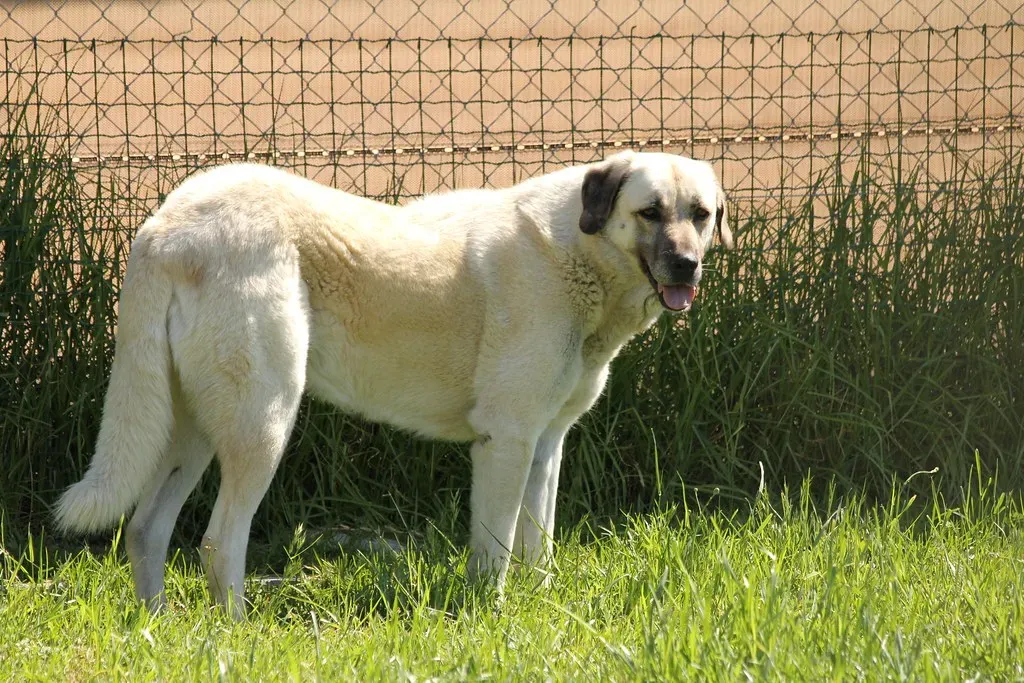
If you only ever watch an Anatolian patrol a field, you’d assume it barely registers people at all. This is a livestock guardian bred to think independently, make judgment calls alone at night, and scare off predators without anyone telling it what to do.
Around strangers, Anatolians tend to be reserved, serious, and pointedly uninterested in small talk or petting. Many trainers warn this simply isn’t a “pet-first” breed – it’s a working brain that decides on its own who actually matters.
Why It Stands Out
- Origin: Turkey, developed over thousands of years to guard livestock unsupervised
- Size: Large and powerful, with males often exceeding 130–150 lbs
- Historically worked alone overnight, making independent calls with no handler present
- Still used today on farms and in conservation programs to protect livestock from predators without human direction
When you are one of the ones who matter, the bond runs almost unnervingly deep. Anatolians often attach to a single person or tight family unit as if that family is just another flock to guard.
They’ll sleep facing entrances, scan the yard while you’re outside, and step between you and anything they read as a threat – sometimes even other dogs. Breaking that trust, or rehoming an Anatolian after a bond like that forms, can be profoundly destabilizing for the dog.
The Bottom Line: Independence Was Never the Opposite of Loyalty
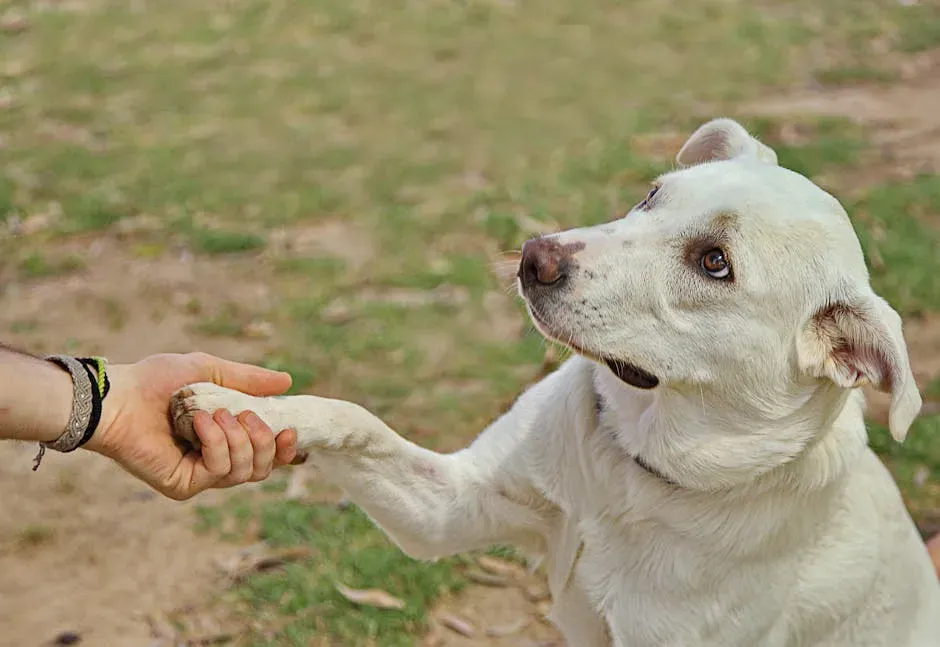
Independent-seeming breeds aren’t emotionless or low-bond dogs – they’re selective. The real mistake is confusing “harder to win over” with “incapable of deep attachment.”
Quick Compare: Aloof First, All-In Later
- Shiba Inu: Cat-like and standoffish at first → shadows one chosen person everywhere
- Akita: Stoic and unimpressed by strangers → waits by the window for hours for its person
- Husky: Runs the second the gate opens → melts at the feet of its real partner
- Anatolian Shepherd: Ignores small talk and petting → guards its family like a flock, no exceptions
Shibas, Akitas, Anatolians, Chows, and the rest of this list can offer some of the most serious, enduring bonds in the dog world, once you’ve actually earned them. That trust doesn’t come from baby-talk and treats – it comes from consistency, respect, boundaries, and time.
If you want a dog that loves everyone on sight, none of these breeds are for you. But if you want a dog that chooses you carefully, then never halfway, these ten “independent” dogs quietly rewrite what devotion looks like – and honestly, that’s the kind of loyalty worth waiting for.


