

Ever watched your dog sprawled out on the cool kitchen floor in midsummer, panting like they just ran a marathon? Or maybe you’ve seen them leap into a snowdrift with pure joy, rolling around like it’s the best thing ever. Here’s the thing: not all dogs handle temperature the same way. Some pups were practically designed to handle scorching desert heat, while others come alive when the thermometer drops below freezing.
Understanding which breeds thrive in certain climates isn’t just interesting trivia. It’s essential information that can genuinely impact your dog’s health and happiness. Whether you’re considering adding a furry friend to your family or planning a move to a different climate, knowing how your dog handles heat or cold can make all the difference. Let’s explore which breeds were born to bask in the sunshine and which ones prefer curling up in the snow.
The Chihuahua: A Tiny Desert Champion
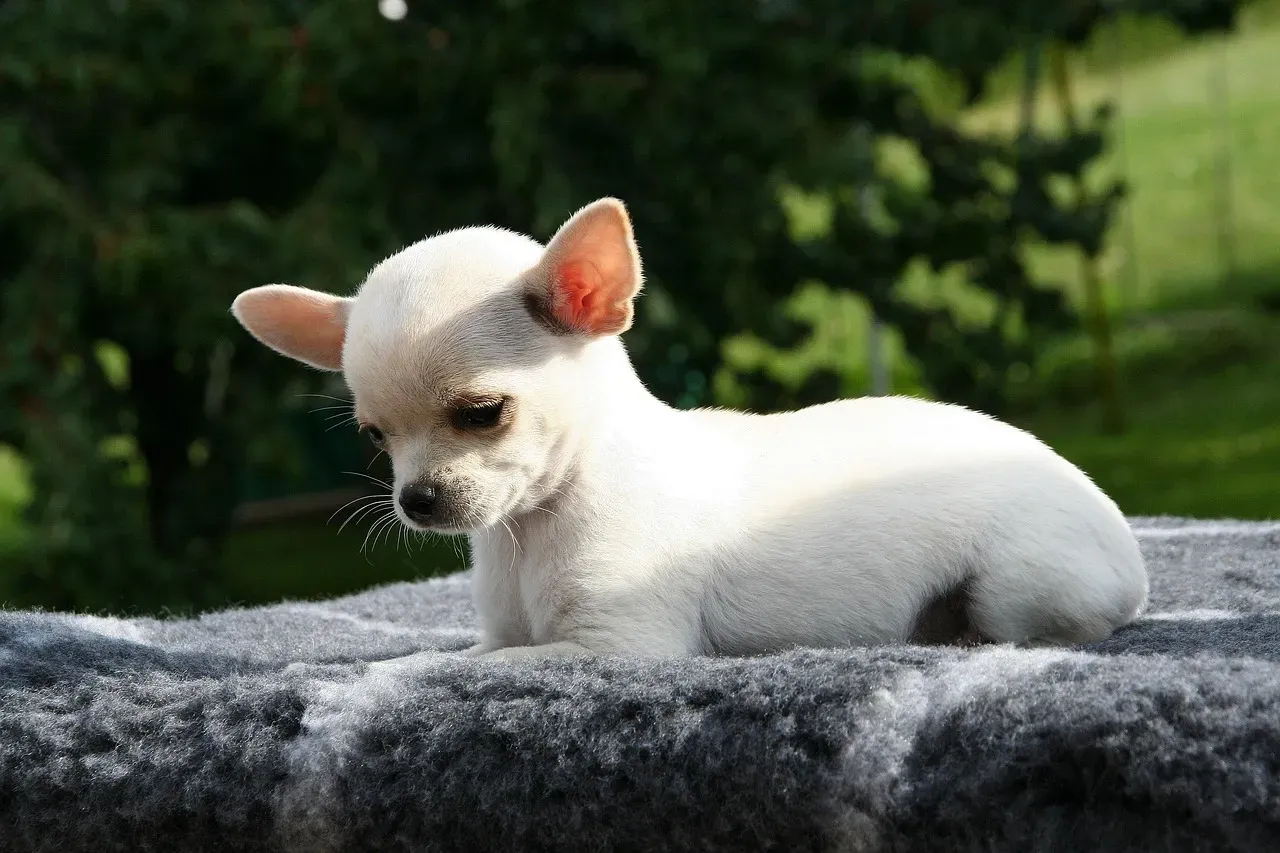
Chihuahuas originated in the Mexican desert, with a lineage dating back to ancient pre-Columbian times. These pocket-sized pups are absolute pros when it comes to handling heat. Their short coat and small body make them perfect for warm climates, and they don’t overheat as quickly as larger breeds.
Their large, erect ears aren’t just adorable. They actually help with air circulation and cooling. Still, those delicate features come with a caveat. Chihuahuas with lighter coats are prone to sunburn on their ears and noses, so pet-safe sunscreen can help protect them. Think of them as little sunbathers who just need a touch of SPF to stay safe.
The Basenji: Africa’s Barkless Wonder

Originating from Central Africa, Basenjis are often called “barkless dogs” and are well-known for their cat-like grooming habits. Honestly, these dogs seem custom-made for hot weather. Their short, fine coat provides natural insulation and allows for efficient heat dissipation, making them highly adaptable and more tolerant of heat than other breeds.
The Basenji’s independent nature and unique yodel-like sound make them fascinating companions. They’re energetic little athletes who can stay active even when the temperature climbs. Just remember that even heat-tolerant dogs need shade and fresh water during those scorching summer days.
The Dalmatian: Spots and Stamina
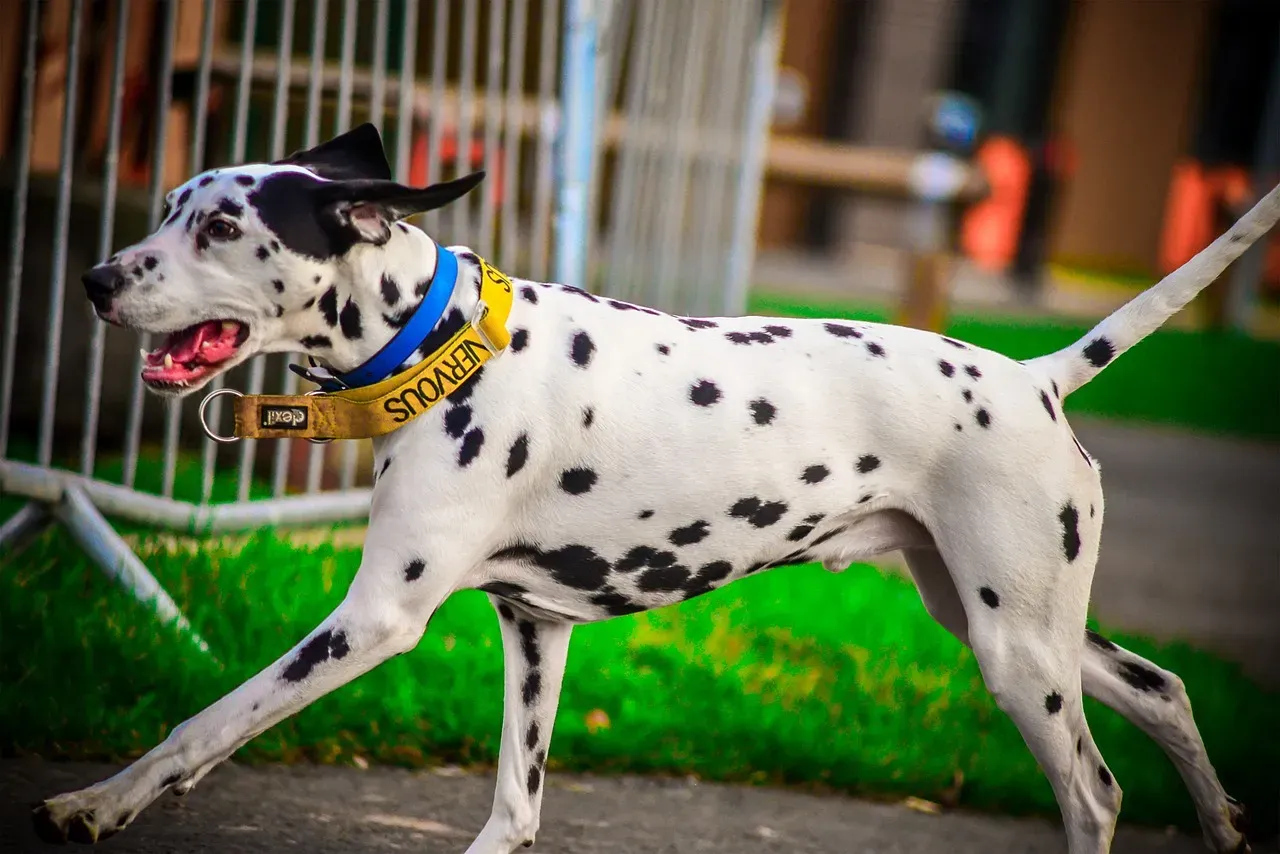
Picture those iconic black or liver spots bouncing along beside you. With a short, white spotted coat, the breed is athletic but knows when it’s time to catch some rest in the sun. Dalmatians have history on their side when it comes to warm weather tolerance, having accompanied travelers along the Adriatic Sea centuries ago.
Their short and sleek coats help in heat dissipation, and they’re known for their high energy and stamina, which allows them to remain active even in warmer temperatures. These dogs don’t just survive the heat. They seem to genuinely enjoy it, combining their love for activity with an impressive ability to regulate their body temperature.
The Australian Cattle Dog: Built for the Outback
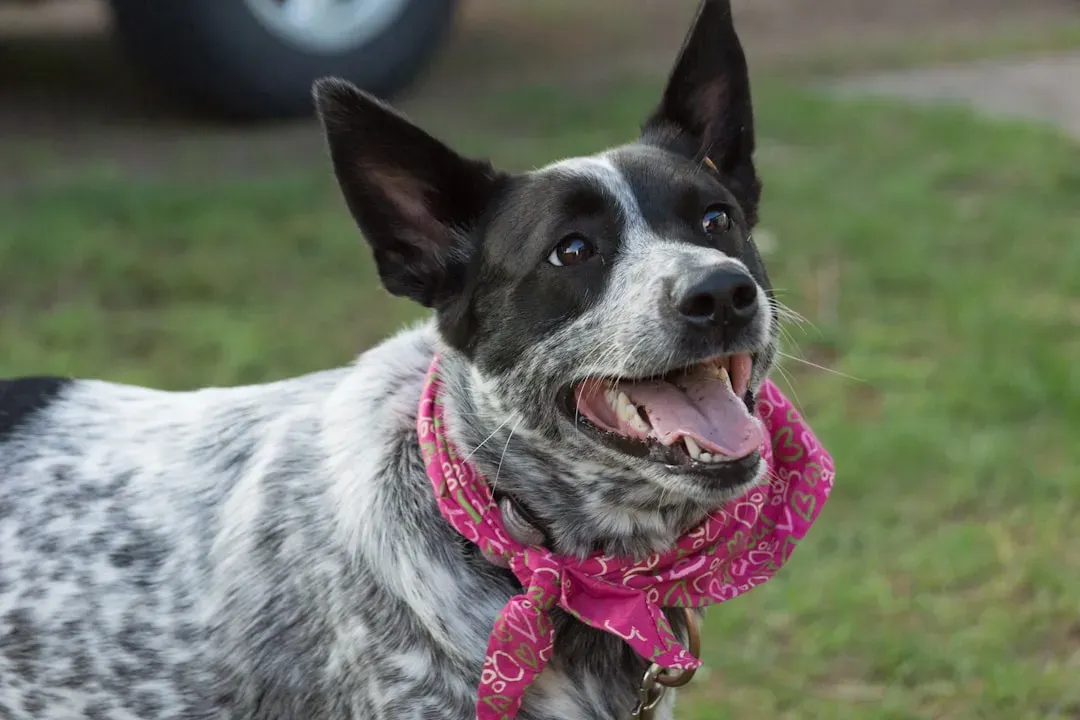
Australian Cattle Dogs are actually related to the dingo, a wild dog that lives in the outback. That heritage shows. The Australian Outback can reach extremely high temperatures during summer, often exceeding 100°F, and these demanding conditions required dogs that could withstand heat and work tirelessly.
These intelligent herding dogs don’t just tolerate heat. They were bred to excel in it. Their double coat might seem counterintuitive, but it actually helps regulate body temperature. Still, like any working breed, they need mental stimulation and plenty of exercise, which means planning outdoor activities for cooler parts of the day makes sense.
The Rhodesian Ridgeback: Africa’s Lion Hunter
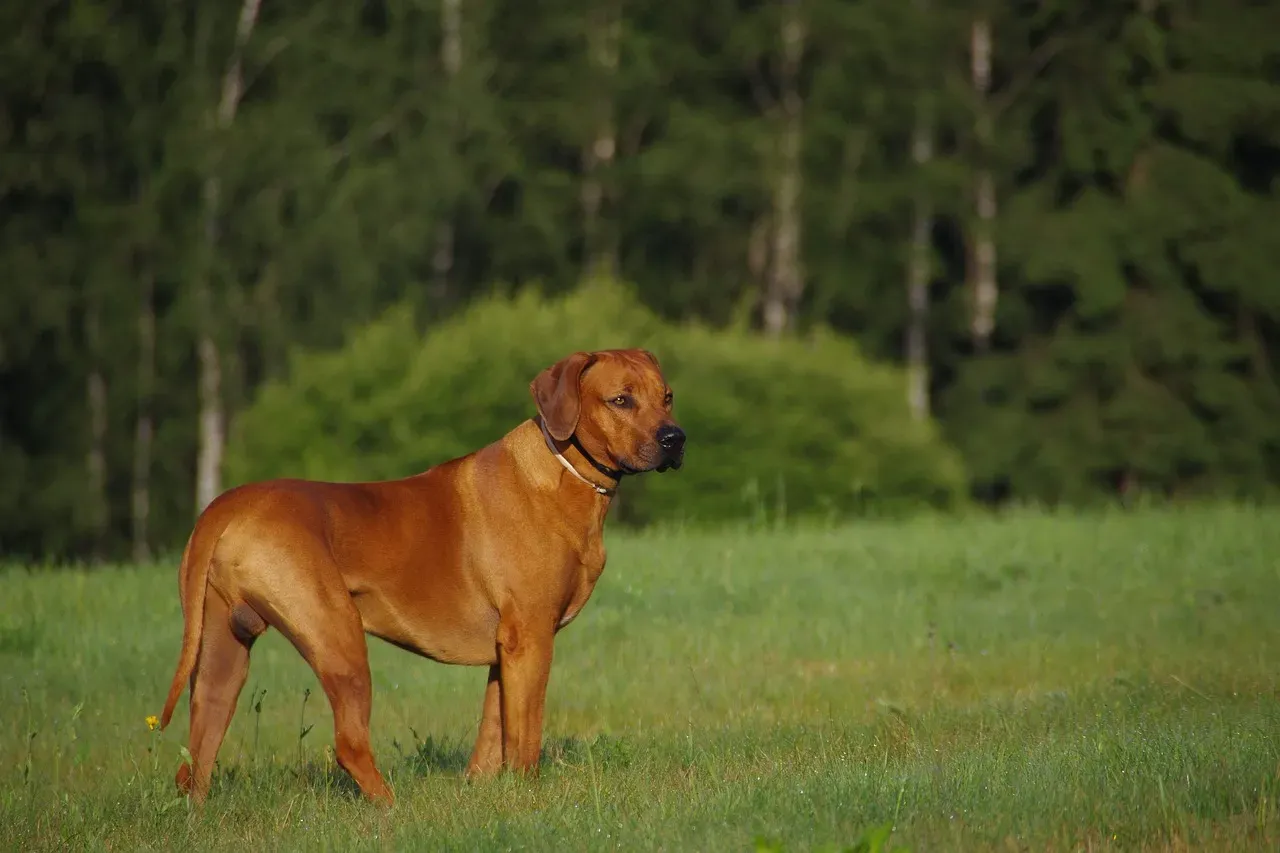
Rhodesian Ridgebacks, originally bred in Africa, are well-adapted to hot climates with their short, sleek coat and strong, muscular build making them well-suited for warmer temperatures. These impressive dogs were historically used to track lions, which tells you something about their courage and endurance.
These dogs are originally from southern Africa and are well-adapted to hot, dry climates, with their short coat and robust build making them tolerant of high temperatures and known for their endurance. They make excellent family companions and can handle outdoor activities even when the mercury rises.
The Greyhound: Sleek Speedsters
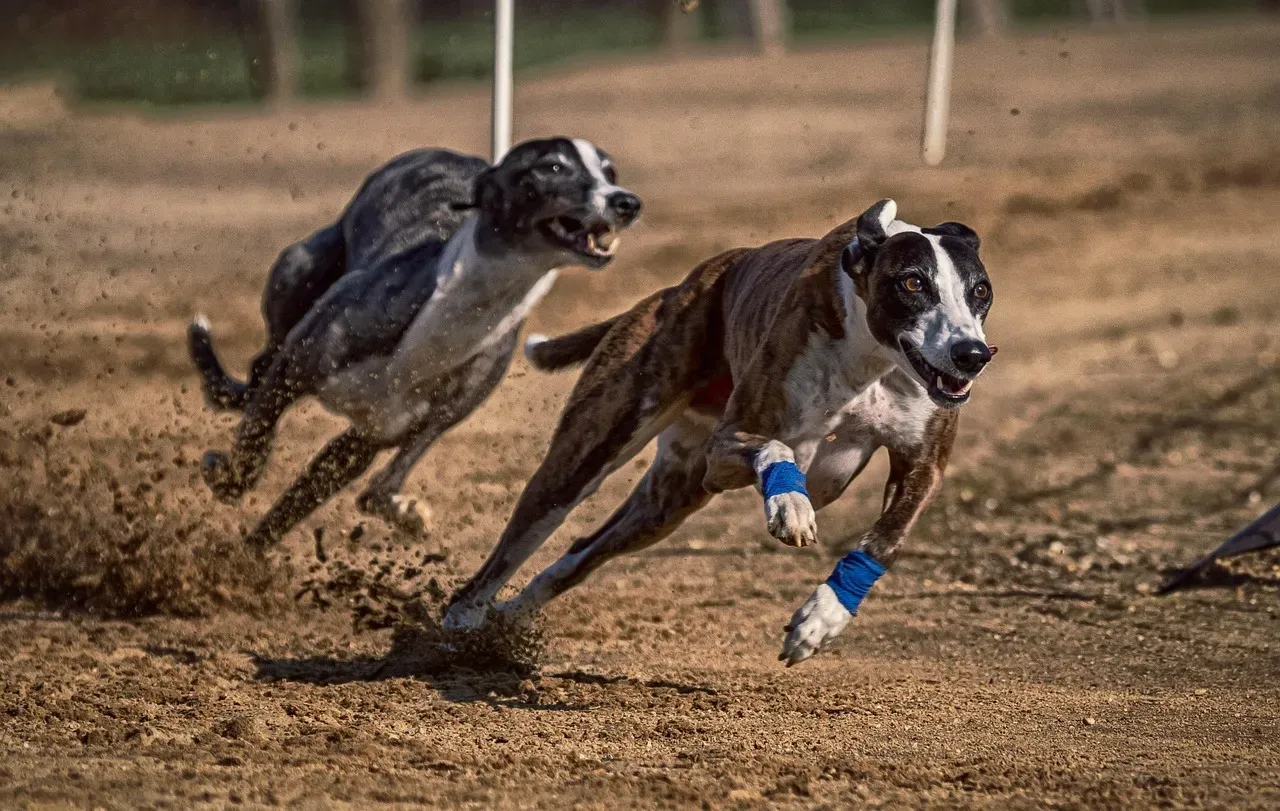
A Hound Group member and sprinter with a lean body mass, the Greyhound can easily regulate its body temperature when the weather heats up. These elegant runners have virtually no body fat and minimal fur, which means heat dissipation happens naturally and efficiently.
Their short, fine coat allows for better heat dissipation, helping regulate body temperature during hot days, though they have minimal fur and low body fat, meaning they can get cold easily in colder months. It’s fascinating how these speed demons can handle summer heat so well yet need a cozy blanket come winter.
The Whippet: The Greyhound’s Smaller Cousin
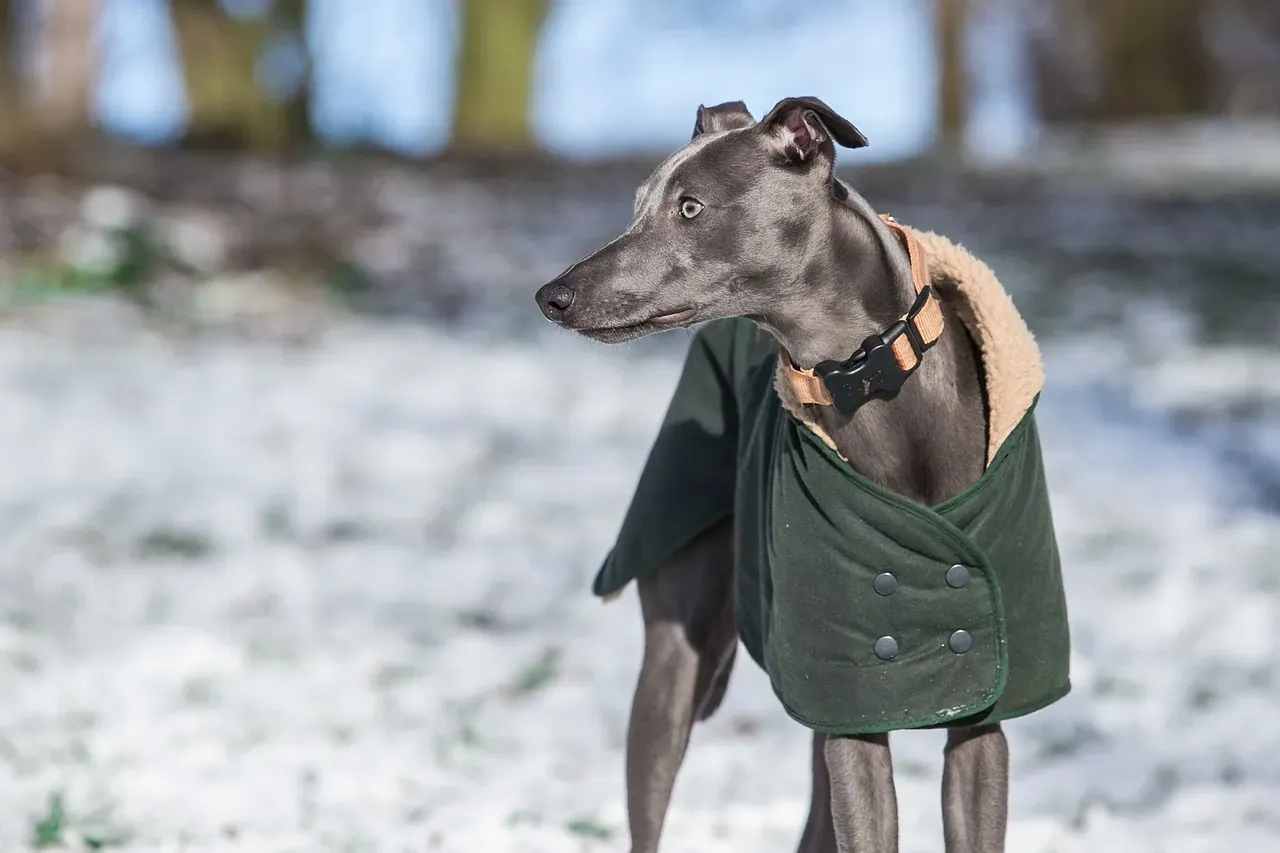
A Hound Group member bred to pursue and capture rabbits and race other Whippets, this breed’s smooth, super short thin coat comes in various patterns and colors. These medium-sized sighthounds share many heat-tolerant qualities with their Greyhound relatives.
Whippets have a short, thin coat that adapts well to hot climates, are slender medium-sized dogs that are incredibly fast and agile, and their low body fat and minimal undercoat help them stay cool in the heat. They’re gentle, affectionate dogs who appreciate a good sprint followed by some serious couch time.
The Ibizan Hound: Spain’s Elegant Rabbit Hunter
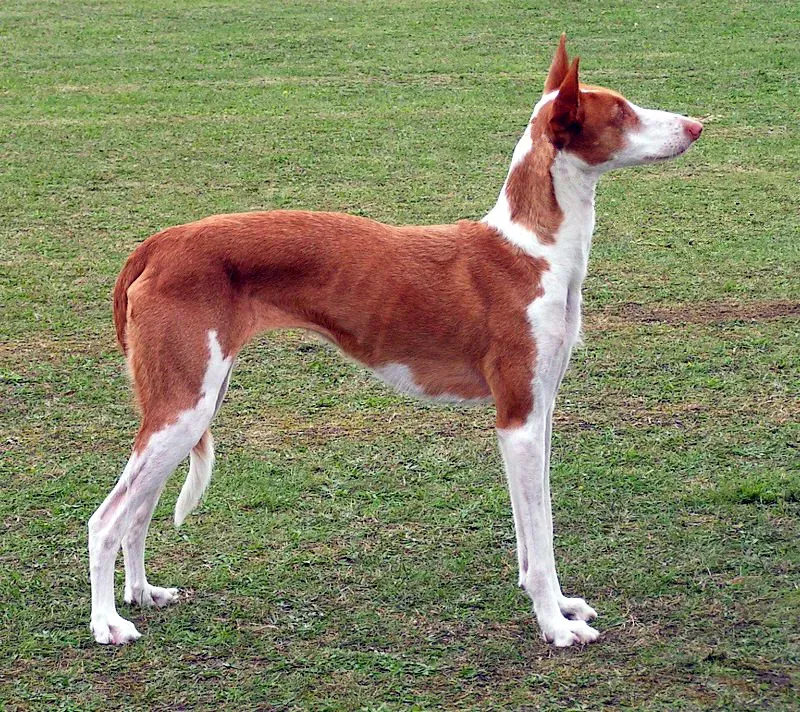
The Ibizan Hound is a lean and agile dog in the hound family, developed on the rocky shores of Spain’s Balearic Islands for rabbit coursing. These striking dogs have an almost regal appearance with their large, expressive ears and athletic build.
Their short coats, big ears, and long legs are the perfect trifecta for hot weather qualities. Those oversized ears aren’t just for show. They actually aid in heat regulation by increasing surface area for cooling. It’s like they’ve got their own built-in air conditioning system.
The Pharaoh Hound: The Blushing Beauty
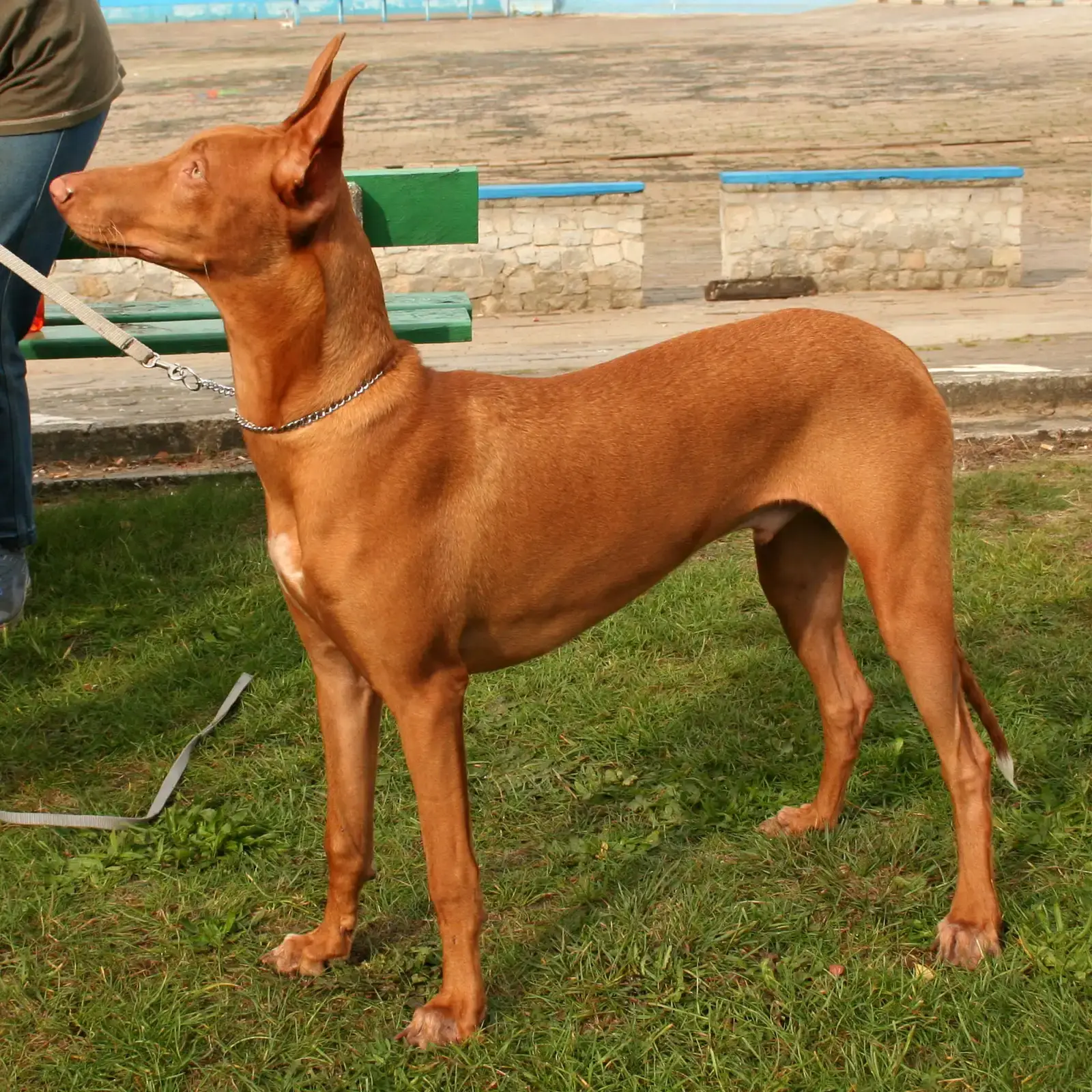
Originally from Malta, the Pharaoh Hound possesses incredible heat tolerance and is often called the “blushing dog” due to its unique ability to display a rosy hue when excited or warmed. How cool is that? These dogs literally show their feelings through their skin color.
Their short coat is fine and thin, allowing for better heat exchange, and the Pharaoh Hound’s ears are also large and thin, aiding in heat regulation. Despite their natural adaptation to heat, providing shade and water during the hottest parts of the day remains crucial for their wellbeing.
The Xoloitzcuintli: Mexico’s Ancient Hairless Treasure
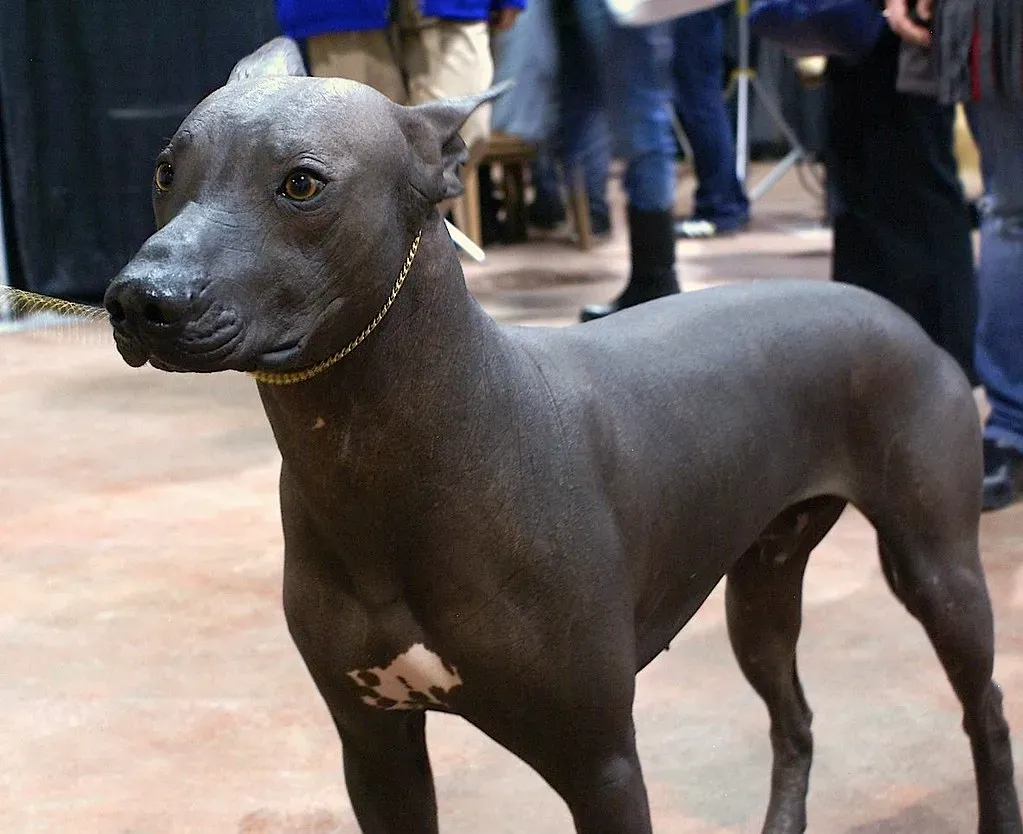
A national treasure in Mexico, the Xoloitzcuintli’s history dates back 3,000 years as the ancient Aztec dog of the gods, coming in three sizes – toy, miniature, and standard – in either a hairless or a coated variety. Talk about ancient heritage. These dogs were revered in pre-Columbian cultures and for good reason.
The hairless variety naturally tolerates heat well, though there’s an important consideration. Like the Chinese Crested, the Xolo is more susceptible to sunburn, so make sure to apply dog sunscreen. Their lack of fur means they need extra protection from direct sun exposure, but they handle warm climates beautifully otherwise.
The Siberian Husky: Built for the Arctic Freeze
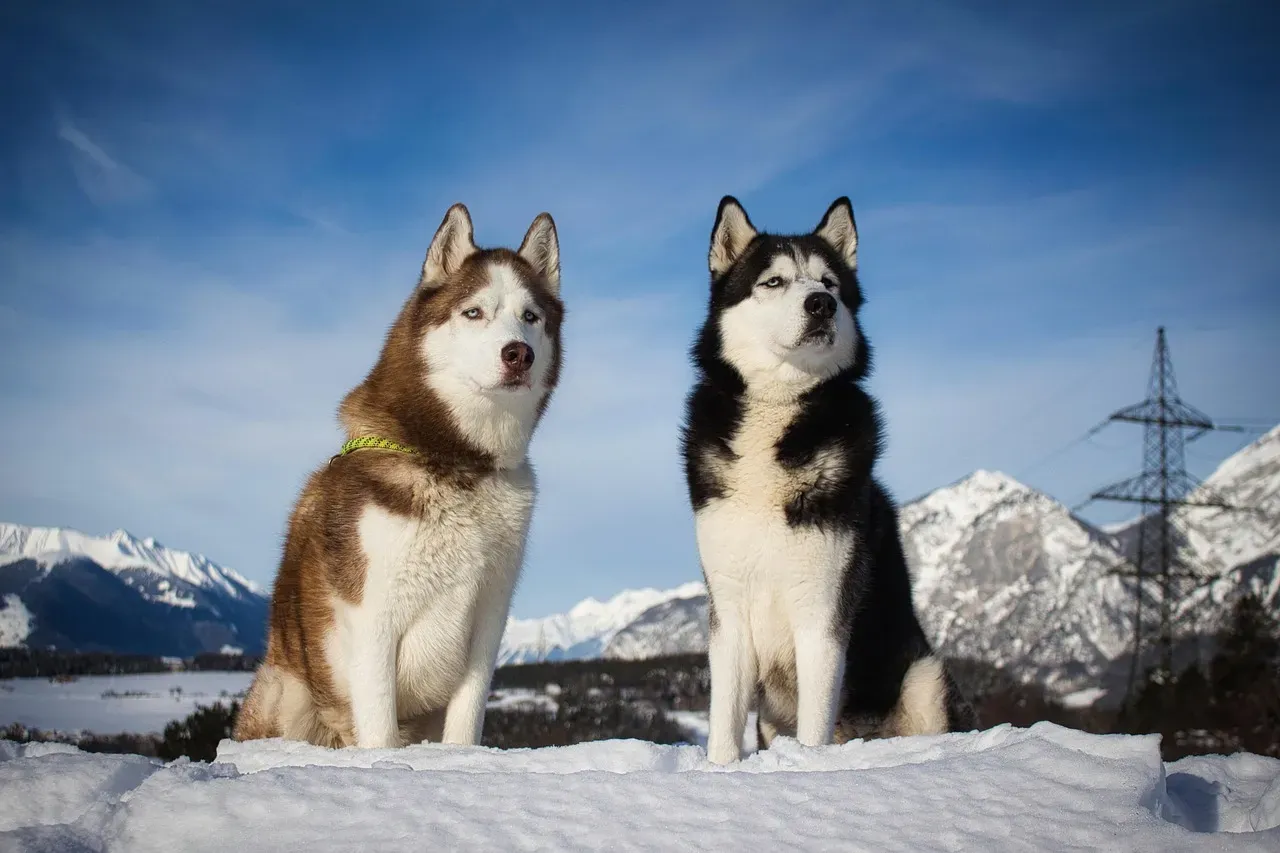
Now let’s shift gears to the cold-weather champions. The Siberian Husky is the quintessential snow dog, working as sled dogs for the Chukchi people, hauling supplies and transporting people across frozen tundra, relying on their thick double coat and natural stamina to endure intense winters.
The Husky originated in the cold climate of Northeast Asia and was bred to be a sled dog, having a thicker coat than most other dog breeds, made up of a dense cashmere-like undercoat and a longer, coarse top coat. These striking dogs with their piercing blue eyes absolutely thrive when temperatures plummet. Watching them play in snow is witnessing pure canine joy.
The Alaskan Malamute: The Arctic Powerhouse
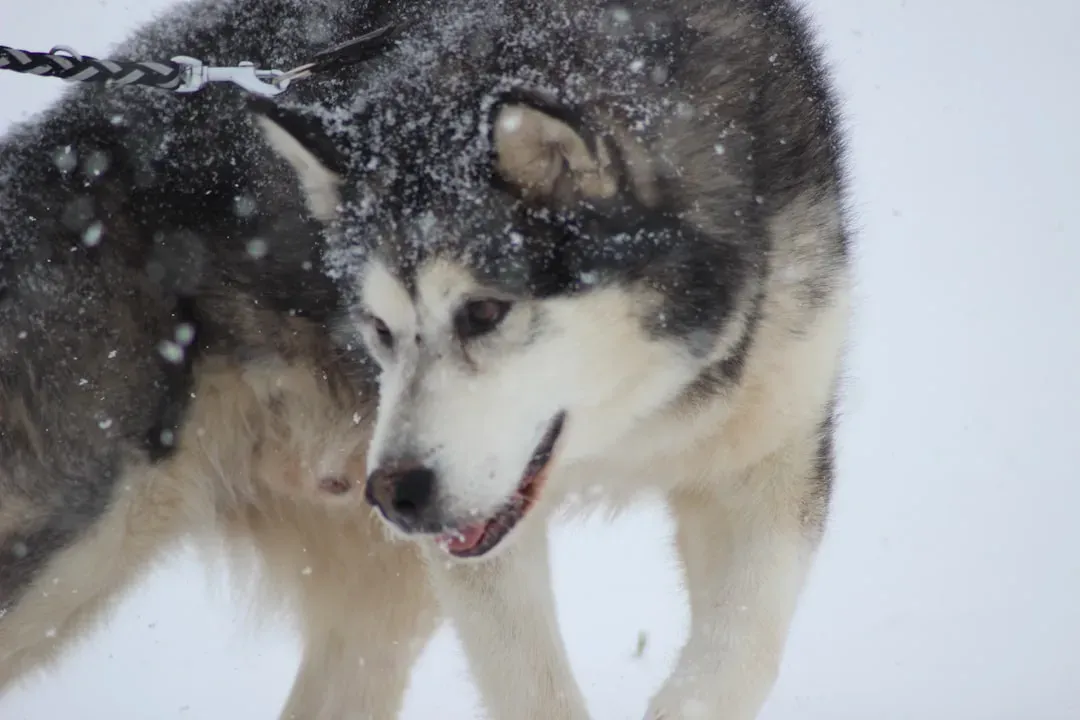
The Alaskan Malamute is the oldest and largest of the Arctic sled dogs, having been used for freighting in the Arctic, with a thick, coarse coat that keeps them warm. These powerful dogs were bred for endurance and strength in some of the harshest conditions on Earth.
Originally bred by the Inuit to pull heavy sleds across frozen terrain, this powerful breed was built for endurance in extreme cold, with their thick double coat, strong muscles, and snowshoe-like paws making them perfectly suited for winter weather. They’re affectionate giants who bond deeply with their families and genuinely love spending time in snowy conditions.
The Saint Bernard: The Alpine Rescue Hero
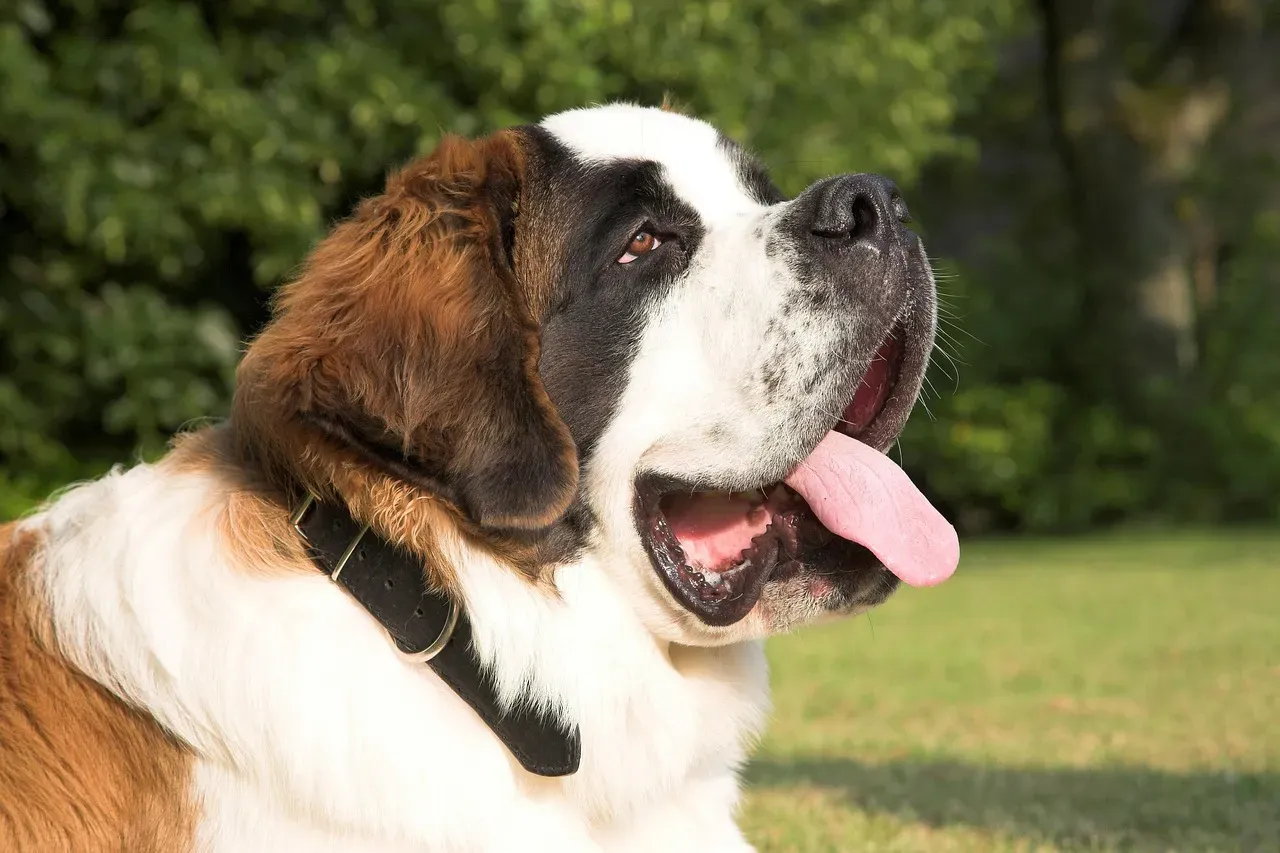
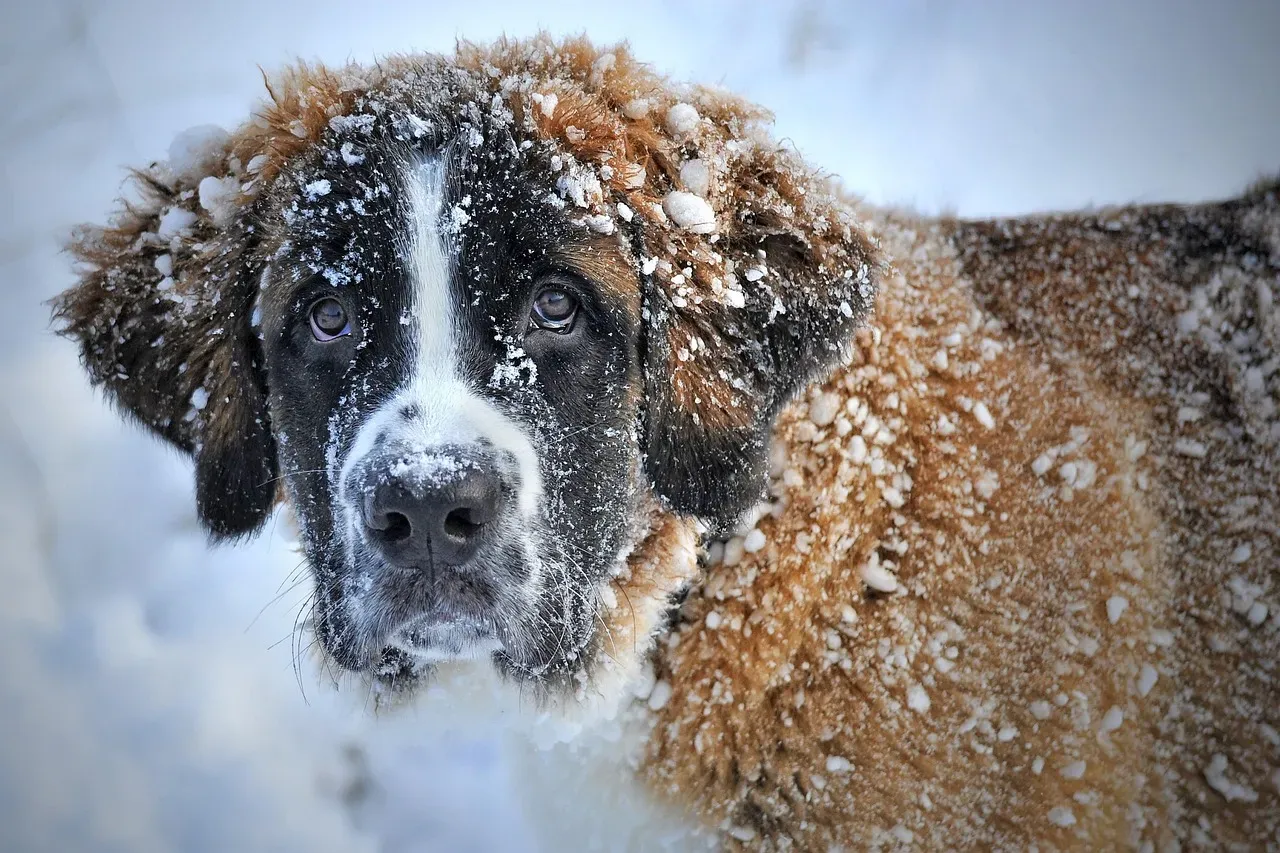
The Saint Bernard is the epitome of a snow dog – for centuries, they have been used as search and rescue dogs to find people buried under snow, and while they still work as avalanche rescue dogs today, they’re also a popular family pet thanks to their gentle and friendly temperament.
The Saint Bernard comes from the Swiss Alps and was originally used to locate freezing and helpless travelers during snowstorms, so this breed is used to being in cold and snowy regions. These gentle giants combine incredible cold tolerance with a sweet, patient disposition that makes them wonderful family companions.
The Bernese Mountain Dog: Switzerland’s Working Beauty
The Bernese Mountain Dog and the closely related Swiss Mountain Dog were bred to work in the cold mountains of Europe. These tri-colored beauties have that classic thick, flowing coat that just screams winter dog. They’re equally at home pulling carts through snowy mountain passes or lounging with their family.
Their calm, affectionate nature combined with their cold-weather capabilities makes them ideal for families living in northern climates. They genuinely seem happiest when there’s a chill in the air, and their heavy coat provides excellent insulation against freezing temperatures.
The Newfoundland: The Gentle Giant Water Rescue Specialist

Newfoundlands – commonly called Newfies – come from Newfoundland, Canada, are well-suited to winter, and these large, powerful dogs were bred to work, helping sailors on ships and pulling carts, with a heavy coat that protected it from icy waters, making them still used in water rescues today.
These massive, sweet-natured dogs have water-resistant fur that keeps them warm even when wet. They can weigh up to 150 pounds but move with surprising grace. Their combination of strength, swimming ability, and cold tolerance makes them uniquely suited for harsh northern environments.
Understanding Heat and Cold: The Science Behind Tolerance
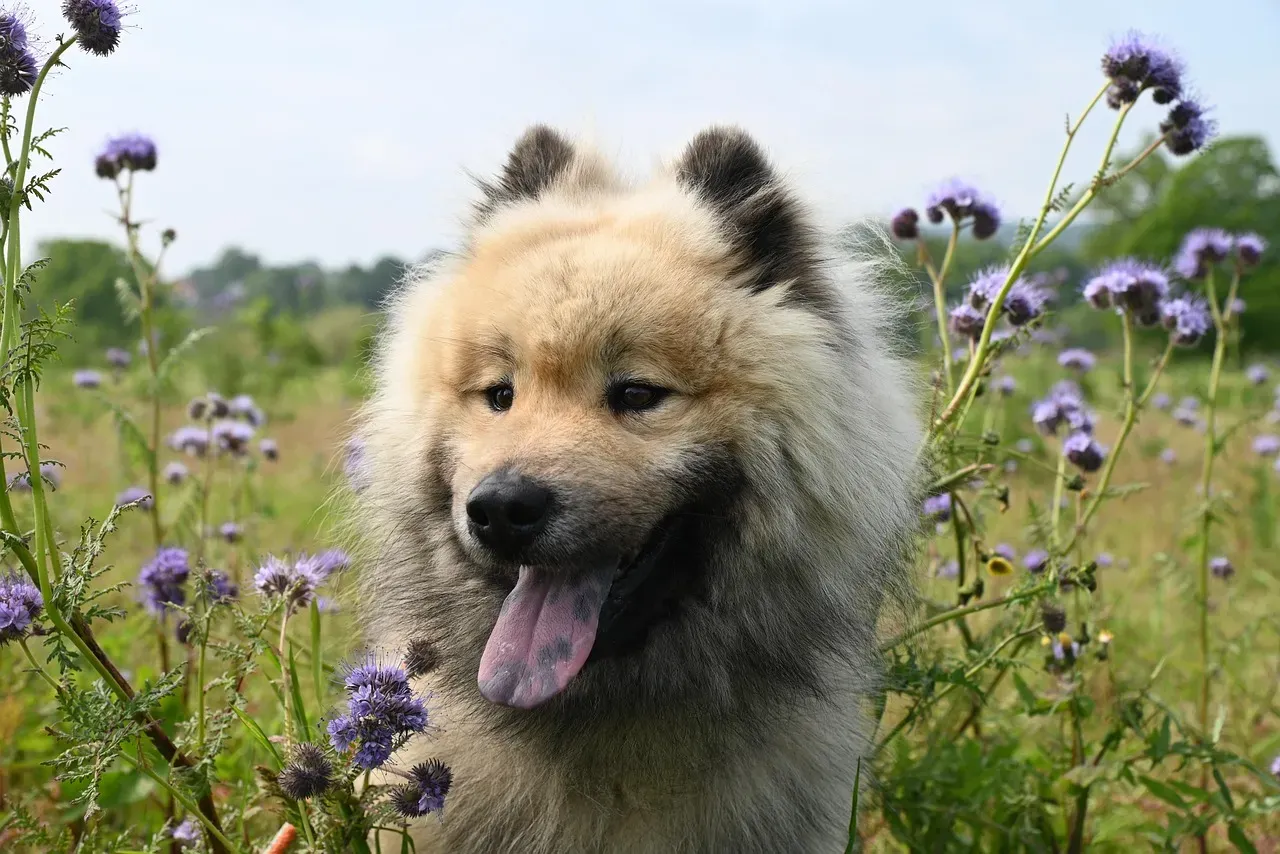
Let’s get real about why these differences exist. Dogs pant to release heat, and as the moisture on dog tongues and noses evaporates, air circulates through their lungs so their bodies slowly cool down. Unlike humans who sweat across our entire body, dogs have limited cooling mechanisms, which makes breed characteristics crucial.
Dogs that can handle hot weather have roots in warmer climates, short coats or physiques that effectively cool air as they breathe. Conversely, cold-weather dogs typically have thick double coats that trap warm air close to their skin. Dogs evolved in cold climates have thick, dense fur designed to keep them warm on the tundra. It’s remarkable how evolution shaped these breeds for specific environments.
Recognizing Overheating: Warning Signs Every Owner Should Know
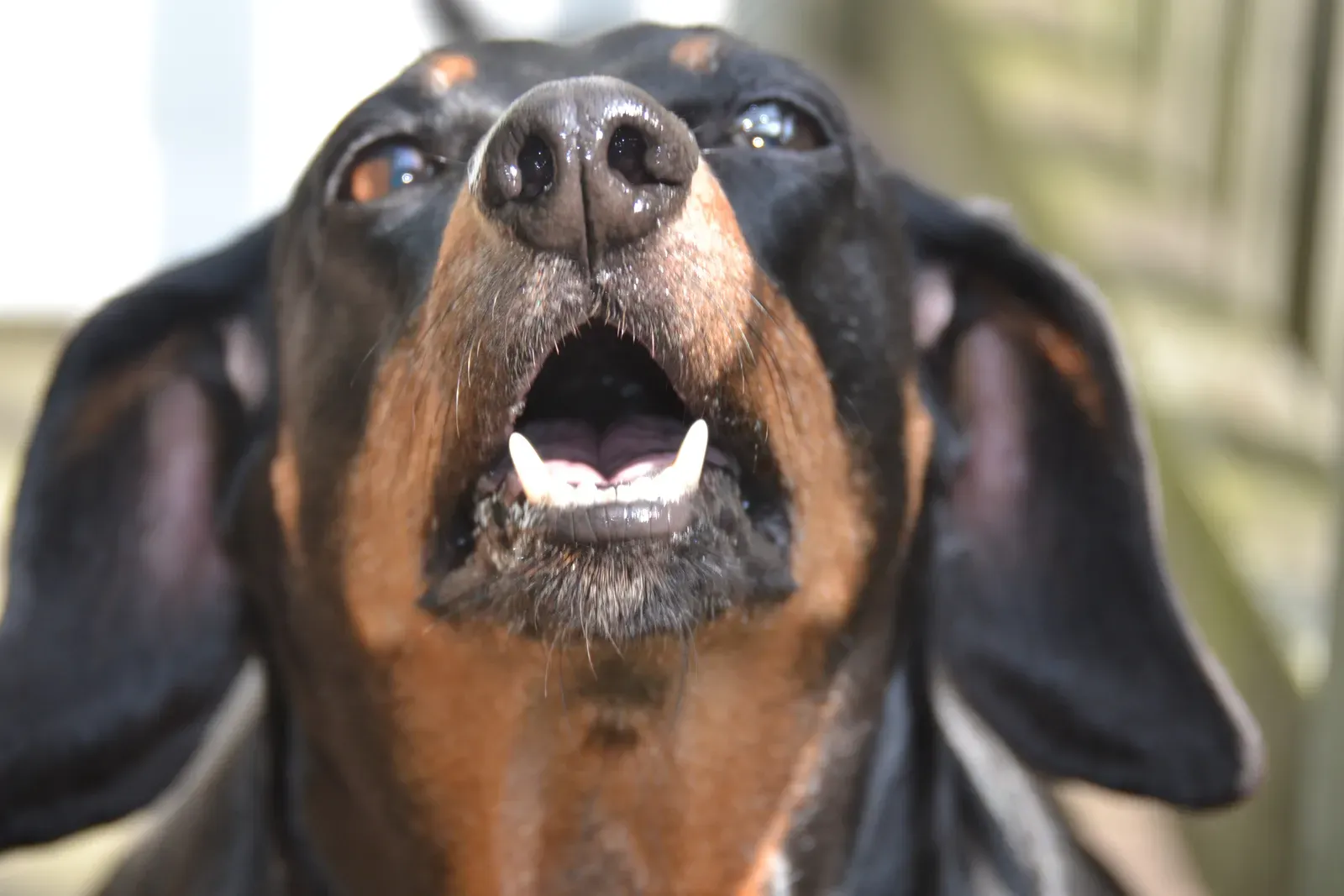
Even heat-tolerant breeds can get into trouble. Clear warning signs of overheating in dogs include frantic panting, extreme salivation, bright-red membranes, and labored breathing. These aren’t subtle signs. If you notice your dog displaying any of these symptoms, immediate action is necessary.
The condition may quickly progress as their temperature rises to over 106 degrees Fahrenheit and dogs can no longer cool themselves, causing the entire mouth to become grayish to purple because of the unmet oxygen demand. At this stage, you’re looking at a veterinary emergency. Prevention through proper hydration, shade access, and avoiding peak heat hours is always the best strategy.
Practical Prevention: Keeping Your Dog Safe Year-Round

Regardless of breed, taking preventative measures matters. Always ensure that your pet has access to shade and water when outdoors, only exercise dogs in cooler parts of the day like early morning or late at night, as even short walks can cause heatstroke in predisposed dogs on extremely hot, humid days.
For cold-weather breeds in warmer climates, indoor air conditioning becomes essential during summer months. Cold weather dogs have their limits in the opposite direction too, as many struggle in hot, humid conditions and can overheat quickly or even develop heat exhaustion. Similarly, heat-tolerant breeds need protection during winter. It’s about understanding your individual dog’s needs and responding accordingly.
Conclusion: Finding Your Perfect Climate Match
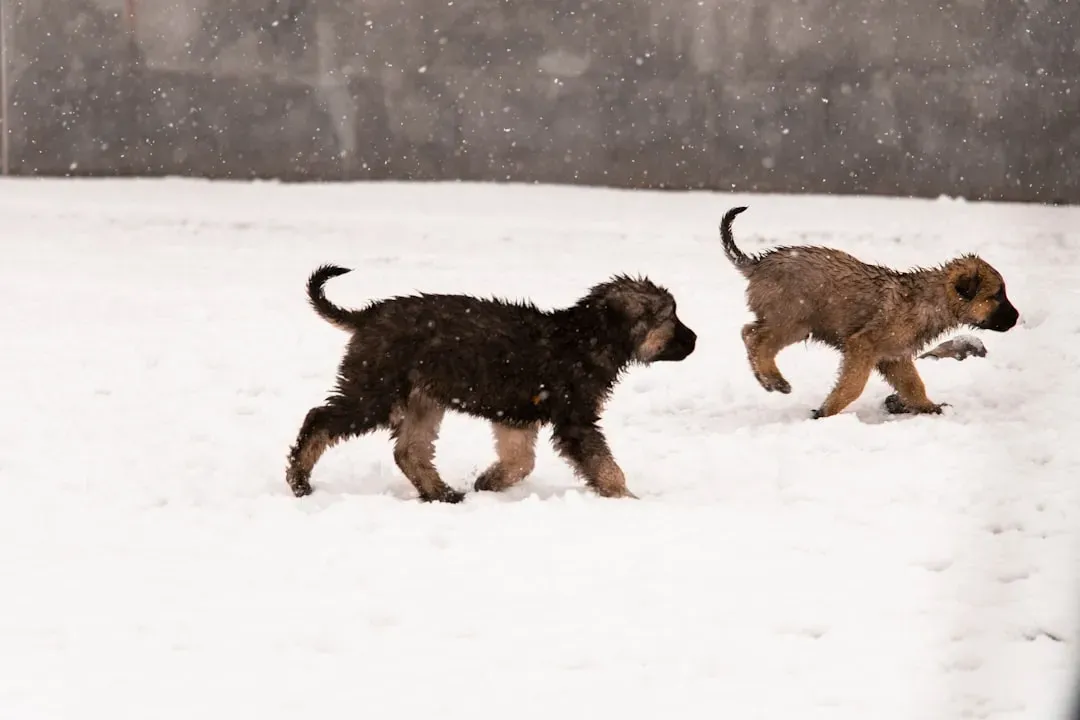
Choosing a dog that naturally thrives in your climate isn’t just about convenience. It’s about ensuring your companion lives their best, most comfortable life. Whether you’re drawn to the spirited energy of a Chihuahua basking in desert sun or the majestic presence of a Saint Bernard romping through snow, understanding these natural tendencies helps you make informed decisions.
Remember that individual dogs can vary even within breeds, and factors like age, health status, and conditioning play significant roles in temperature tolerance. The breeds we’ve explored represent excellent starting points, but getting to know your specific dog’s preferences and limits remains paramount.
What’s your climate like, and which of these breeds surprised you most with their temperature preferences? Your perfect furry match might be waiting to share your weather adventures.


