
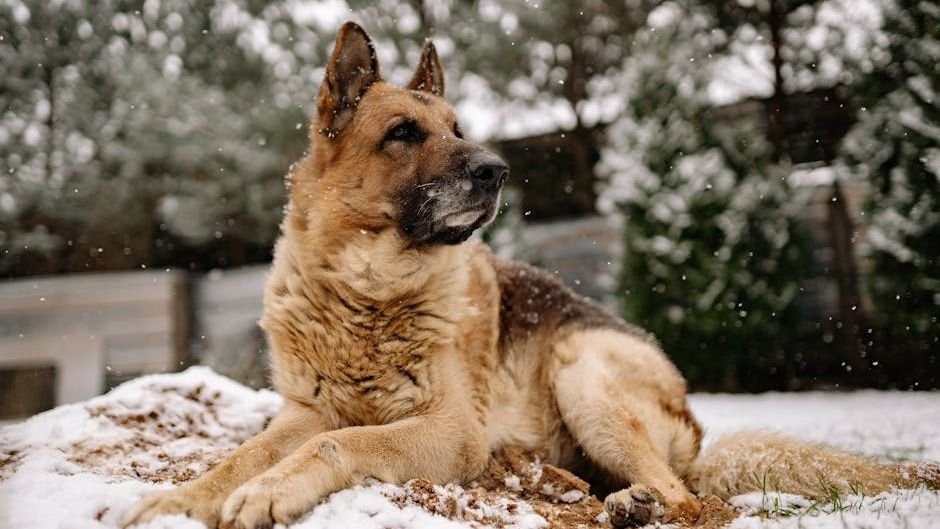
Minnesota winters are no joke. When January temperatures in the Twin Cities regularly drop below zero and Lake Superior’s shoreline turns to ice, most people reach for their heaviest coat and turn up the thermostat. But some dogs? They step outside, take one whiff of frozen air, and practically grin. Others, meanwhile, shiver at the mere idea of a January potty break.
The truth is, not all dogs are created equal when it comes to tolerating winter weather. While some breeds shiver at the mere thought of stepping outside in January, others were purpose-bred over centuries to thrive in sub-zero temperatures, deep snow, and howling Arctic winds. Understanding which camp your dog falls into isn’t just trivia. It’s genuinely useful information that can help you make better decisions about exercise, outdoor time, gear, and health monitoring every single season. Whether you’re already a proud owner or considering bringing a new dog home, here’s everything you need to know.
1. Siberian Husky: Born for the Blizzard
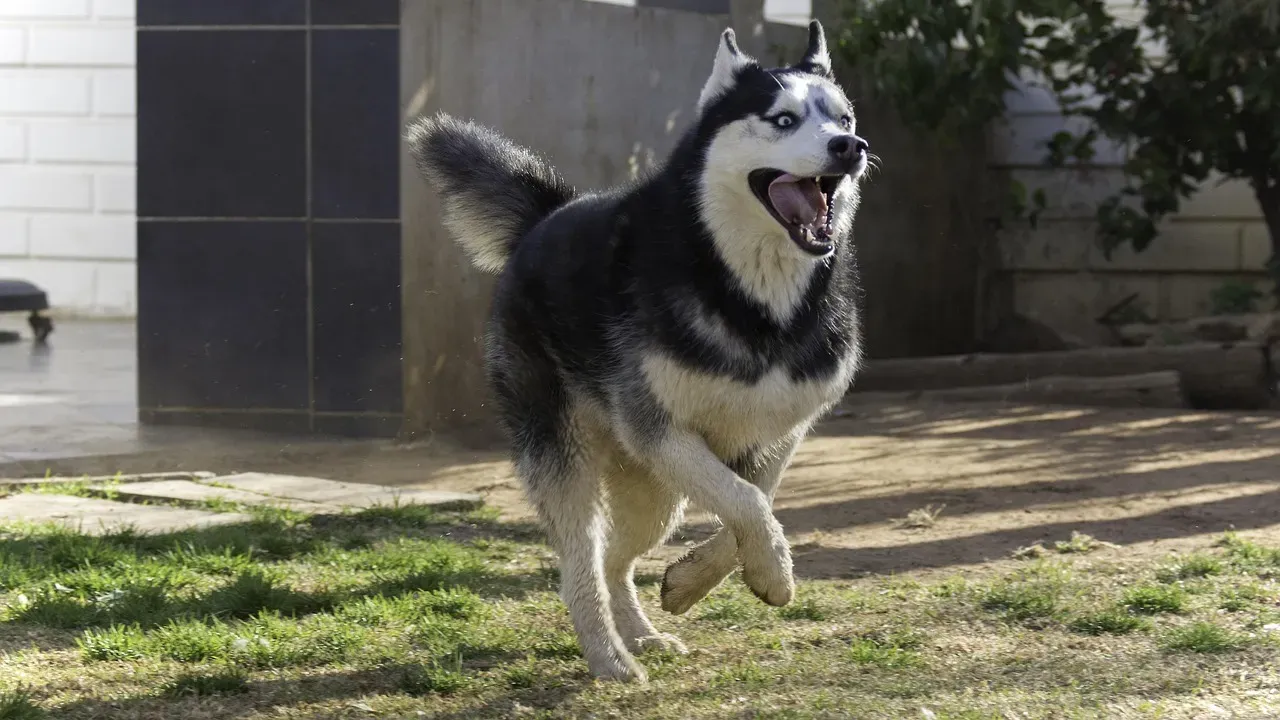
Developed by the Chukchi people to pull sleds across Arctic tundra, the Siberian Husky thrives in sub-zero temperatures. Their dense double coat insulates against extreme cold, and their high endurance makes them exceptional working dogs. In Minnesota, these dogs don’t just tolerate a blizzard – they seem to celebrate it. Owners sometimes joke that getting a Husky to come back inside during a snowstorm requires negotiation.
They have thick, medium-length double coats, sickle-shaped tails, erect ears, and almond-shaped eyes. Siberian Huskies have a strong pack mentality, so they do well with other dogs. They are extremely energetic, so make sure you can keep up. Daily exercise is non-negotiable with this breed, even in January. If a Husky isn’t getting enough activity, expect some creative indoor destruction as a form of self-entertainment.
2. Alaskan Malamute: The Heavy-Duty Snow Machine
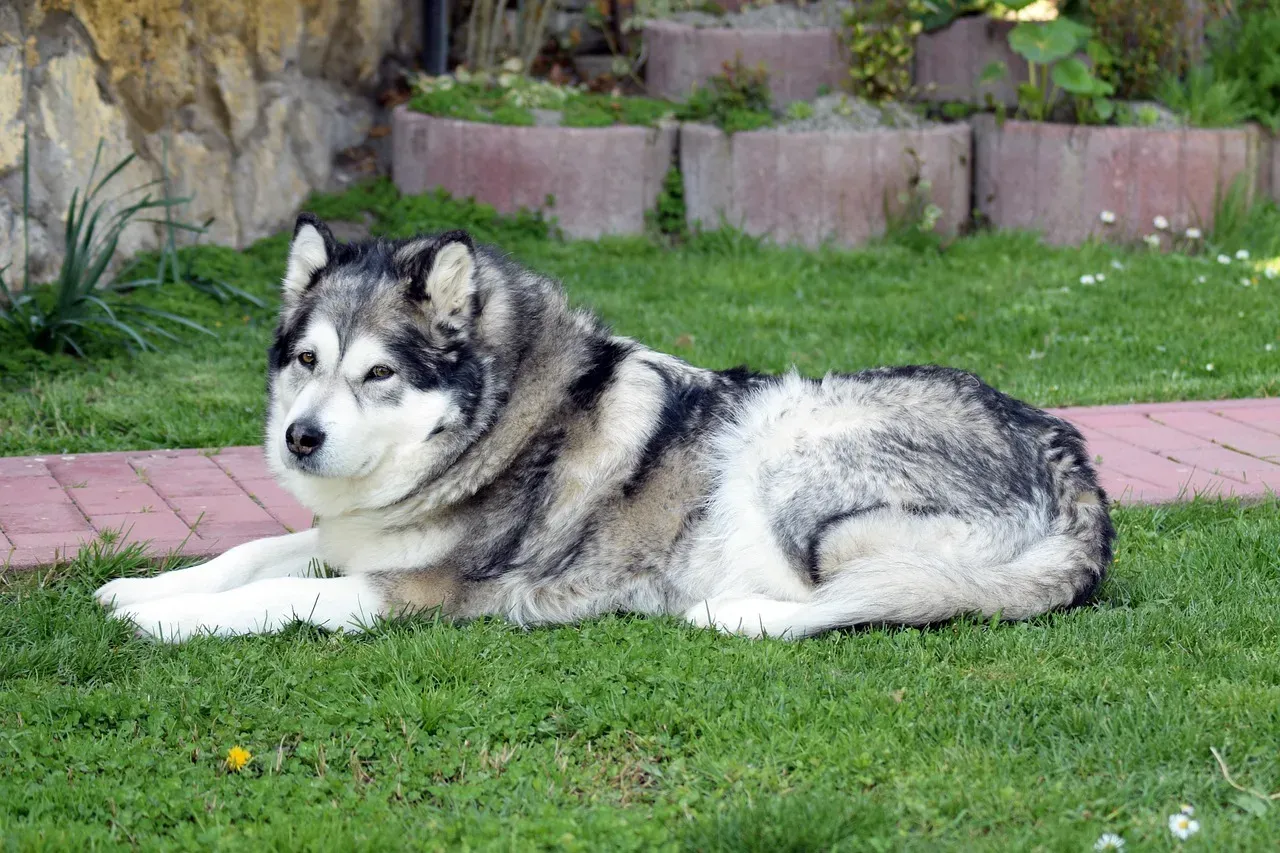
Larger and more powerful than the Husky, the Alaskan Malamute was bred to haul heavy freight through Arctic snow. A descendant of Arctic wolves, the Alaskan Malamute can tolerate temperatures as low as -20 degrees Fahrenheit. Their thick and waterproof double coat makes them suitable for the frozen Arctic, where they were part of expeditions to help settlers carry heavy freight sleds. In a Minnesota winter, this dog is completely in its element.
Alaskan Malamutes are well-adapted to winter and can work in very cold conditions, although they’re just as happy cuddled up with a family beside the fire. They’re deeply loyal and good with families, but they do have strong independent streaks and high exercise needs. Their thick coats require regular brushing to maintain proper insulation – matting reduces their cold-weather protection more than most owners realize.
3. Bernese Mountain Dog: The Gentle Giant of Snowfields
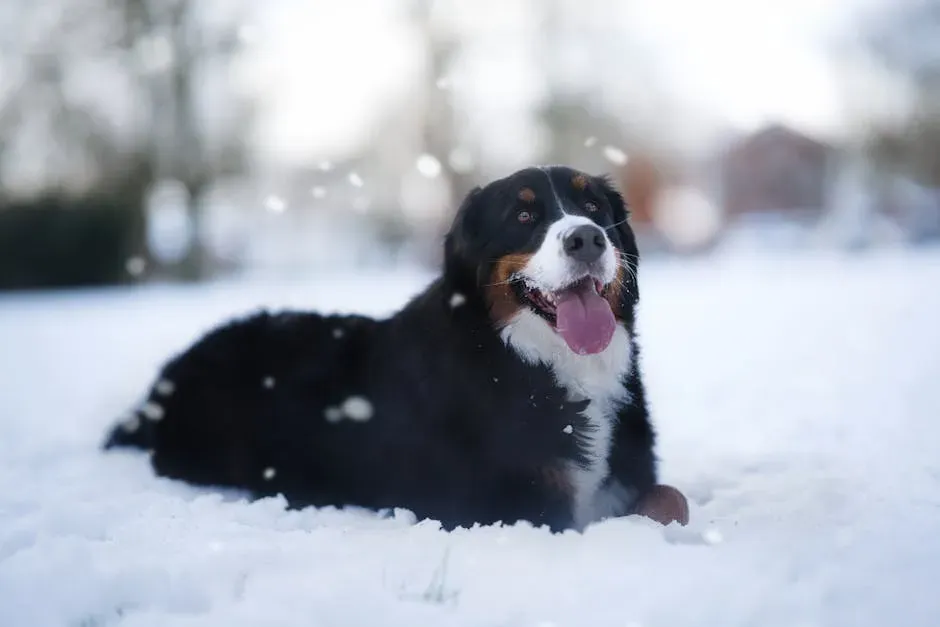
Bernese Mountain Dogs hail from the Swiss Alps, where they were bred to thrive in cold, mountainous terrain. Their thick double coat and large size help them retain body heat, making them well-suited for Minnesota winters. Watch a Berner encounter the first snowfall of the season and you’ll see what “bred for this” actually means – they roll, leap, and play with the enthusiasm of a dog half their size.
The Bernese Mountain Dog is a large breed that’s sturdy on their paws and is known to be able to carry heavy loads. While they don’t have a high need for exercise, they do have endurance – so they can keep you company on long, cold walks. One thing Berner owners in Minnesota should know: this breed is prone to joint issues as they age, and cold, damp conditions can exacerbate those problems. Regular vet check-ups heading into winter are a smart move.
4. Samoyed: The Smiling Snow Cloud
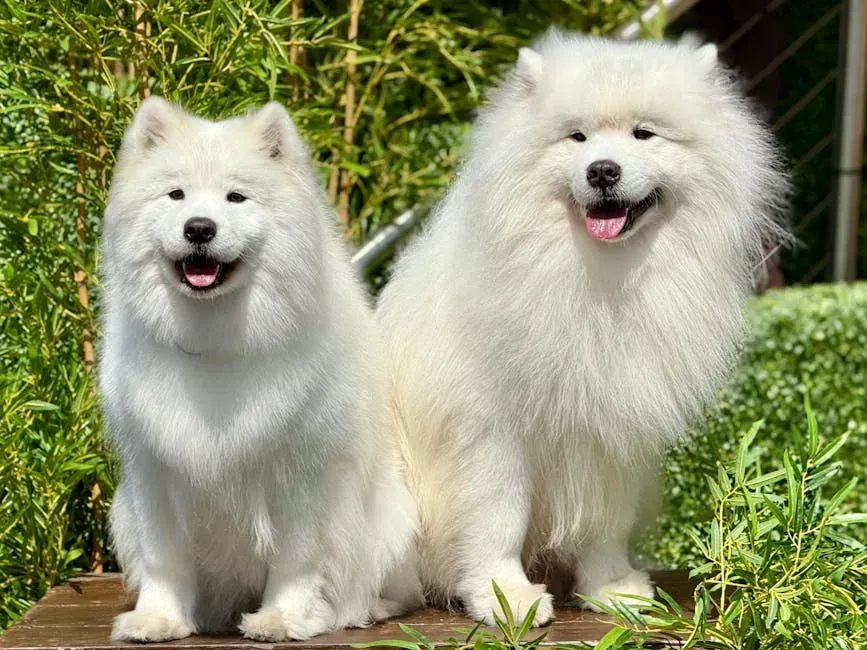
If you’ve ever seen a Samoyed and thought “that looks like a cloud with legs,” you’re not wrong. These dogs for cold weather have some of the fluffiest coats around, and they come with what people call the “Sammy smile” – they literally look like they’re smiling all the time. Like Huskies, they’re from Siberia, where they herded reindeer and pulled sleds. Their entire body is engineered for extreme cold, from their dense undercoat to their compact, well-padded paws.
Their fluffy double coat has a soft underlayer that can measure nearly two inches thick and keeps body heat trapped close to the skin, allowing them to survive in temperatures as chilly as -40°F. That spectacular white coat does require regular brushing – that beautiful white coat will need regular brushing unless you want your house to look like it has snowed inside. Sammies are social, cheerful dogs who don’t do well with isolation, so plan for plenty of family time alongside those snowy outdoor adventures.
5. Labrador Retriever: Minnesota’s Everyday Winter Companion
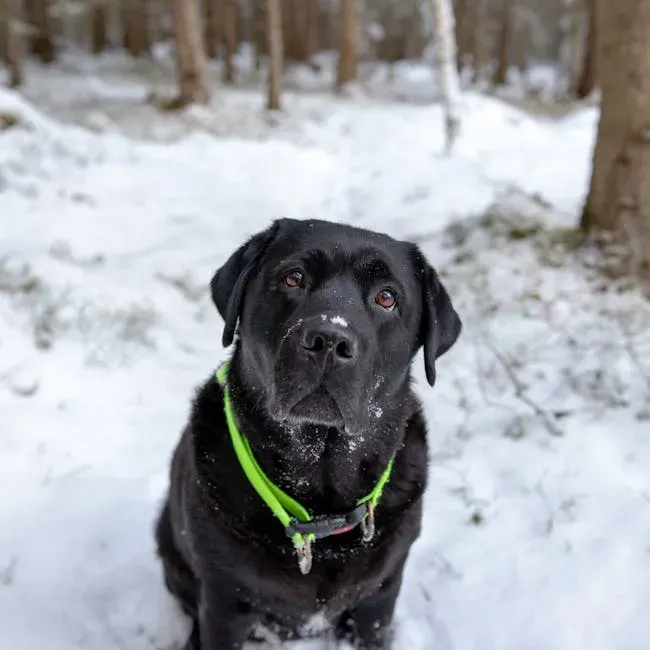
To understand why Labs love the cold, it’s essential to know their origins. Labs were bred with thick coats to help them comfortably withstand the cold. Newfoundland, where Labs originate from, never gets warmer than about 60 degrees in the summer. During the winter, it has an average daily temperature of about 32 degrees. That heritage translates directly to a dog that handles a Minnesota morning walk with ease.
Labs are equipped with a unique double coat that consists of a soft undercoat and a water-resistant outer coat. This combination is crucial for providing insulation against cold temperatures. The undercoat thickens in the winter, offering extra protection. Still, temperatures below 20°F can start to pose risks of frostbite and hypothermia, especially with prolonged exposure. Keep outdoor sessions active and watch for shivering – it’s your Lab’s clearest signal that it’s time to head back inside.
6. German Shepherd: Cold-Weather Intelligence on Four Legs
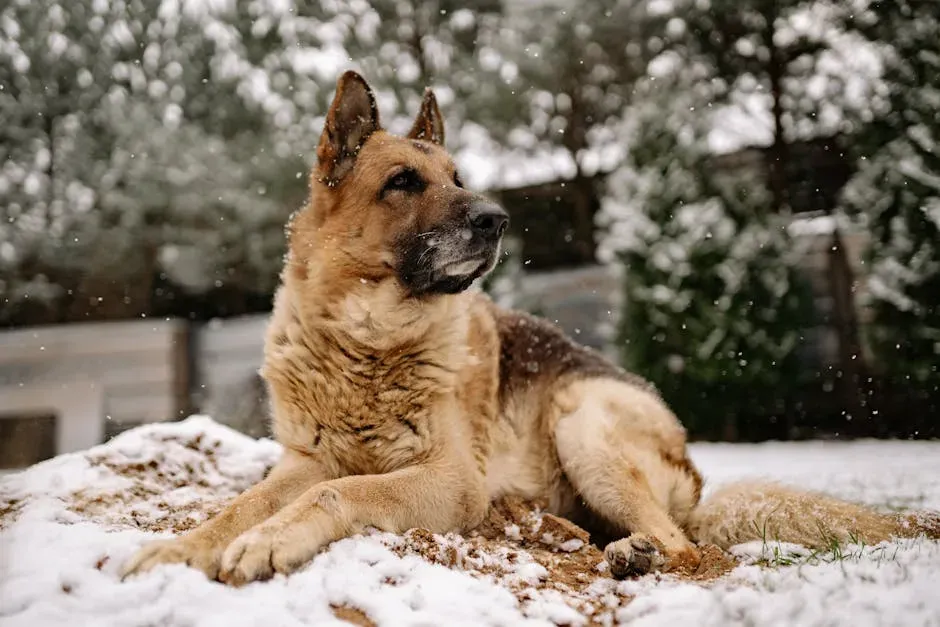
Known as a highly intelligent watchdog, the German Shepherd, with its double coat, is one of the best dog breeds for cold weather. Since German Shepherds have thick double coats, most can handle the cold well and even enjoy spending time outdoors in the winter. They’re active, focused dogs who actually benefit from the mental and physical stimulation that winter outdoor time provides.
A healthy coat is your German Shepherd’s first line of defense against the cold. Regular grooming is essential to remove loose fur and prevent matting, which can diminish its insulating properties. Avoid shaving or cutting their fur too short during winter, as it can expose them to the cold. German Shepherds also benefit from slightly increased calorie intake during cold months to support energy and warmth. Talk to your vet before adjusting their diet, especially if your dog has any underlying health conditions.
7. Saint Bernard: The Original Rescue Dog
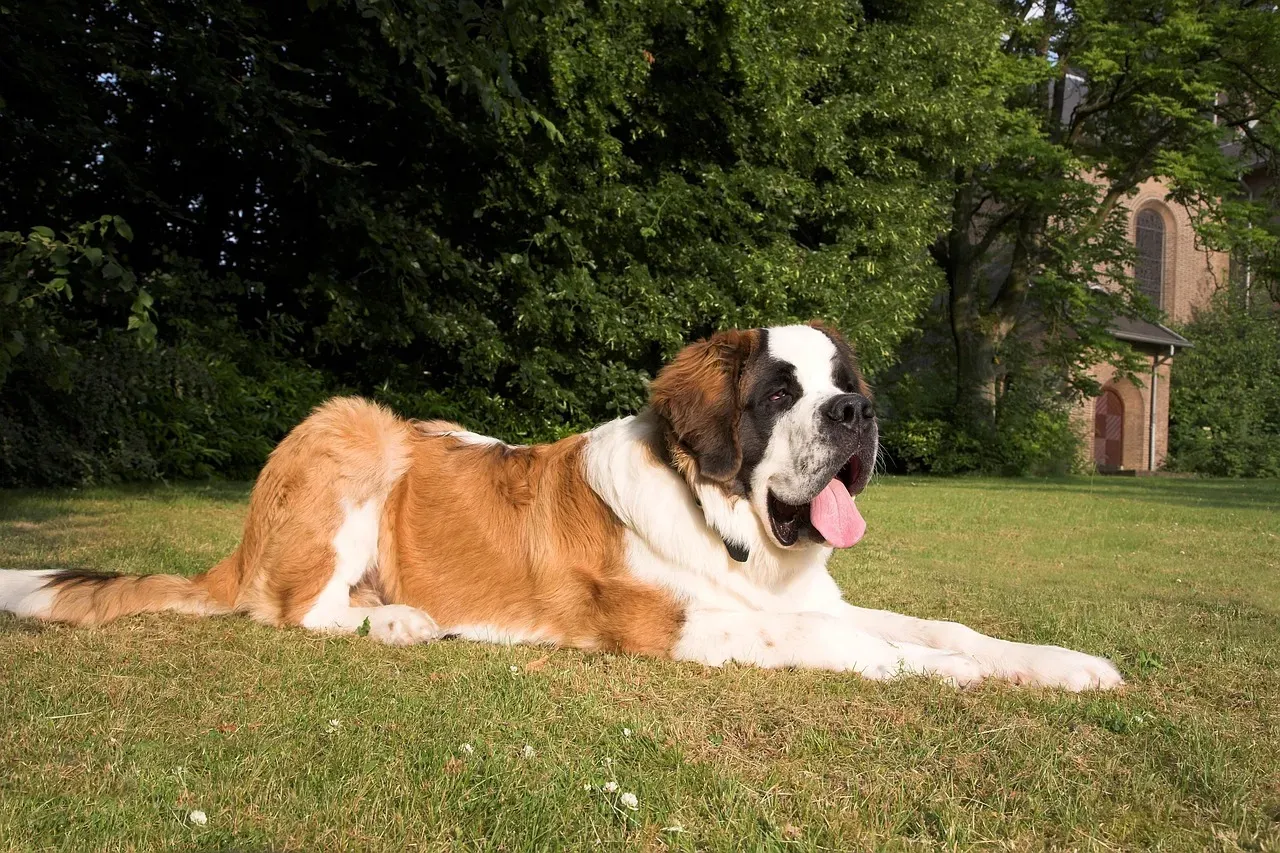
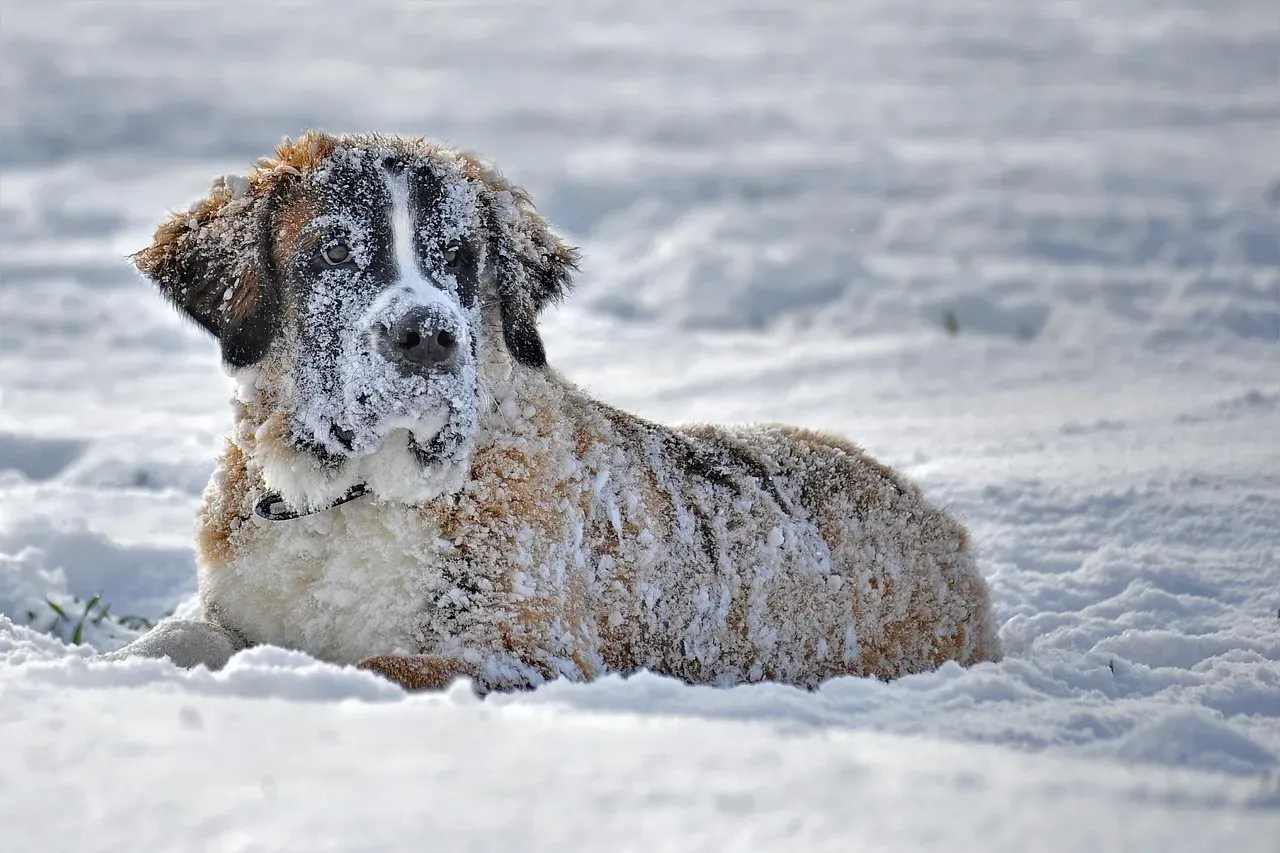
Bred by Alpine monks to rescue travelers lost in mountain snowstorms, the Saint Bernard has a massive build and dense coat suited to cold, snowy environments. Famous for patience, gentleness, and calm temperament – one of the great family giants. In Minnesota, Saint Bernards are well-suited for families with space, particularly those who enjoy regular outdoor winter activity and want a steady, dependable companion by their side.
These strong dogs were bred to handle the icy, snowy conditions of mountainous terrain, making them a good fit for cold weather. They have double coats that can be either short or long, are very muscular, and have broad heads with a short muzzle. Saint Bernards make excellent family dogs thanks to their gentle, calm demeanors. Their size means they need real space and consistent joint care, particularly as they age – cold weather can intensify arthritis in older, larger breeds.
8. Norwegian Elkhound: The Viking’s Best Friend
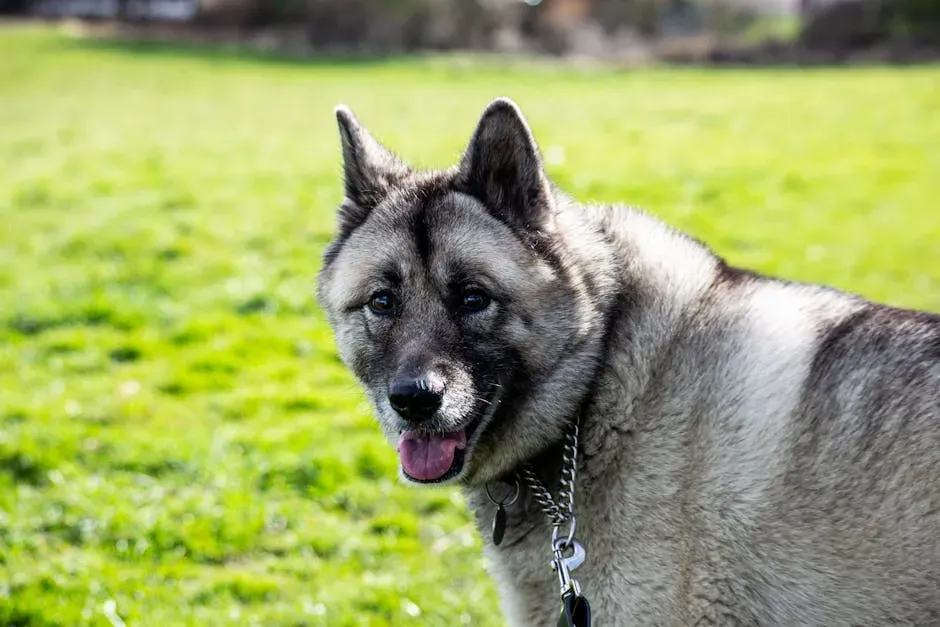
One of the oldest Scandinavian breeds, the Norwegian Elkhound has hunted alongside Vikings for thousands of years. Its thick silver-grey double coat provides excellent protection against Scandinavian winters. Bold, energetic, and deeply loyal. A dog that outlasted ice ages in northern Europe is more than up for a February morning in Minneapolis.
Norwegian Elkhounds are cold-weather dogs dating back to the Vikings. Now the national dog of Norway, Elkhounds were originally used as hunting dogs. This history means they can have a lingering prey drive and may chase after smaller animals, such as squirrels, rabbits, or cats. Introductions to cats must be done with care, and pet parents should keep their Elkhound on a leash or within a fence when outside. Their exercise needs are genuinely high, so they’re a better match for active families than low-key apartment dwellers.
9. Great Pyrenees: The Calm Mountain Guardian
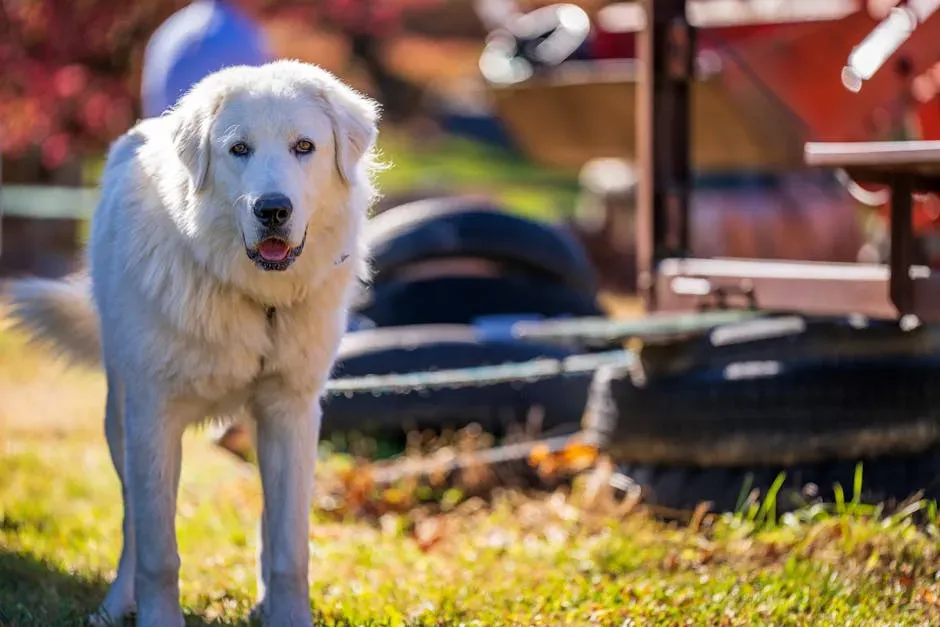
Bred in the mountains between France and Spain to guard livestock against wolves and bears, the Great Pyrenees has a dense weather-resistant white double coat designed for alpine conditions. Calm, authoritative, and nocturnal by nature, they prefer cool temperatures over warm ones. Minnesota winters genuinely suit these dogs in a way that warmer climates simply don’t.
Great Pyrenees are large with double coats that are usually white with various colored markings, and they have strong, muscular builds. These patient dogs are affectionate with their families but often aloof with strangers. They require moderate daily exercise and are overall a low-energy breed. One honest note for prospective owners: the Great Pyrenees is an independent thinker, which is a polite way of saying recall training is important before letting them roam a snowy yard.
10. Newfoundland: The Gentle Cold-Water Giant
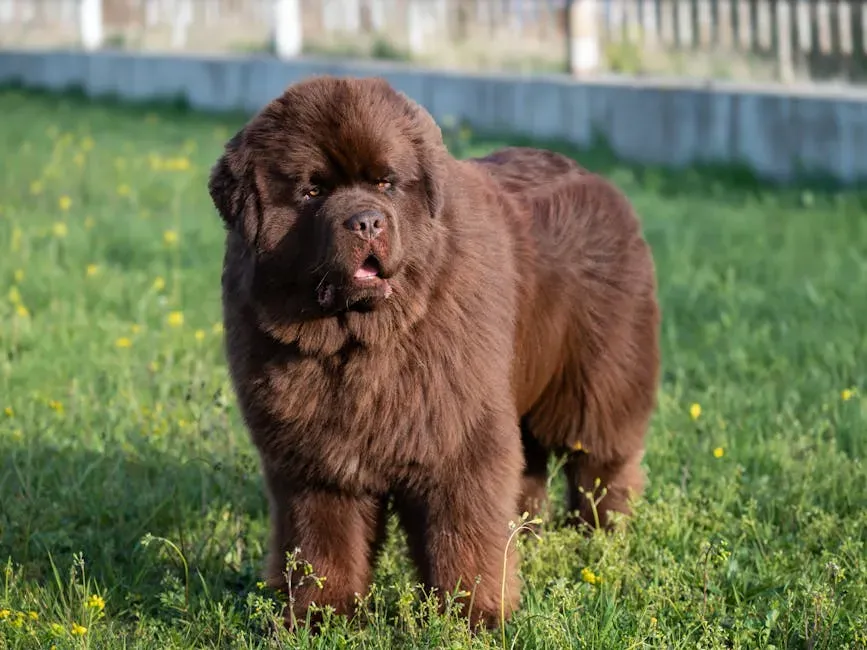
Newfoundlands represent the ultimate gentle giant, combining massive size with sweet, patient temperaments that make them exceptional family companions. These dogs were bred to assist fishermen in Newfoundland, pulling nets and performing water rescues – instincts that translate to powerful swimming ability. Their relationship with cold weather is deeply embedded in their genetics.
Their thick, water-resistant double coat requires substantial grooming commitment – expect to brush several times weekly and schedule professional grooming sessions regularly to manage shedding and prevent matting. Newfoundlands handle Minnesota winters exceptionally well but struggle with summer heat and humidity. If you live in Minnesota and want a dog that’s essentially a warm, furry winter companion who also loves kids, the Newfoundland deserves serious consideration.
11. French Bulldog: The Cold Struggles Are Real
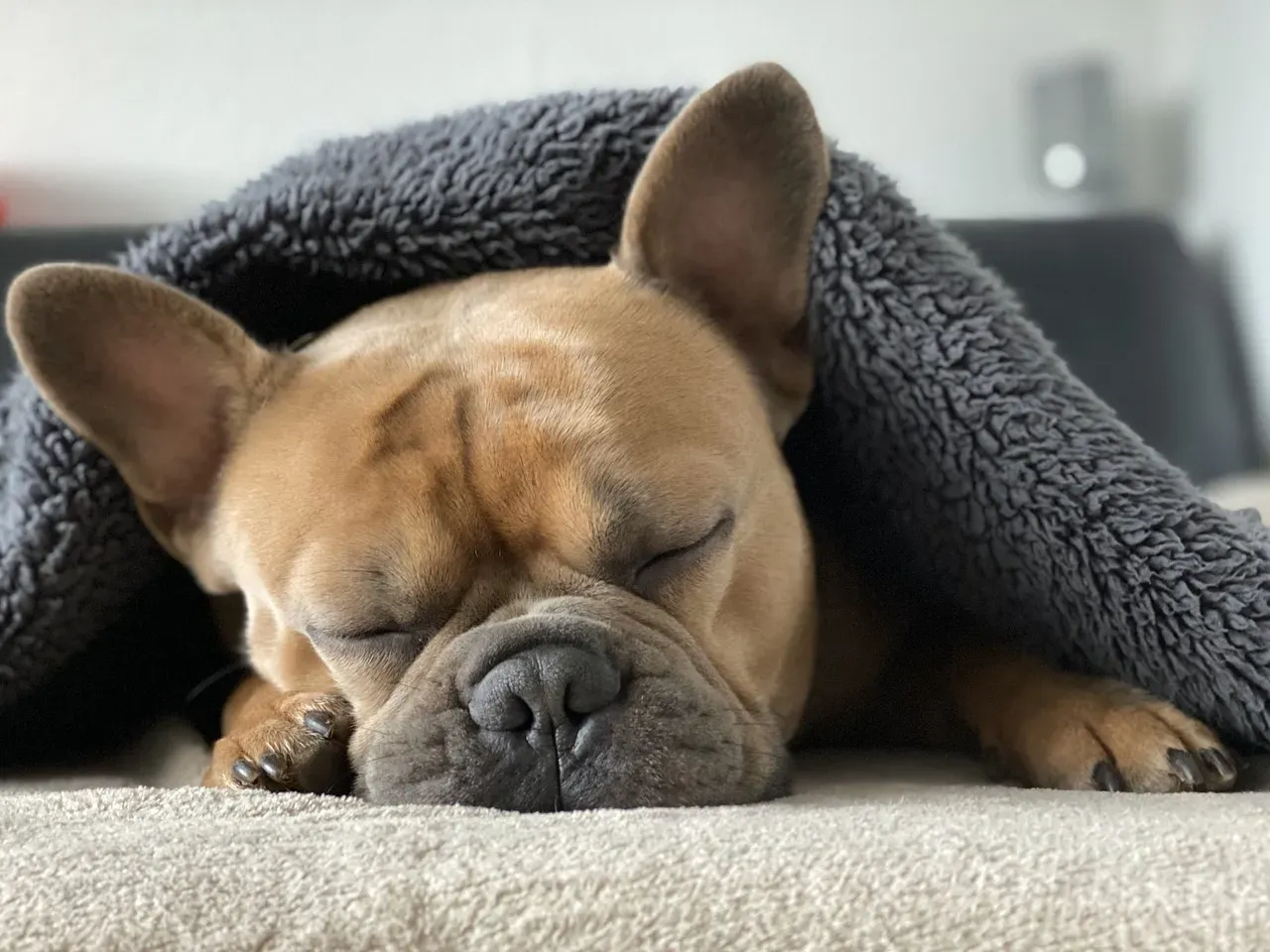
Their short coat offers virtually no protection against Minnesota winters, requiring dog sweaters or jackets for outdoor bathroom breaks when temperatures drop. Frenchies cannot regulate body temperature effectively due to their flat faces, making them vulnerable to both extreme cold and heat. You’ll need to limit outdoor time during harsh weather and ensure they have climate-controlled indoor space.
Breeds like the French Bulldog not only have short coats but also possess a brachycephalic structure, which can make breathing more difficult in cold weather. These dogs may experience discomfort and stress when exposed to low temperatures, leading to potential health issues such as hypothermia. For Frenchie owners in Minnesota, indoor enrichment – puzzle toys, training games, and snuffle mats – becomes essential during winter months when outdoor time must stay brief.
12. Chihuahua: Too Small for the Tundra
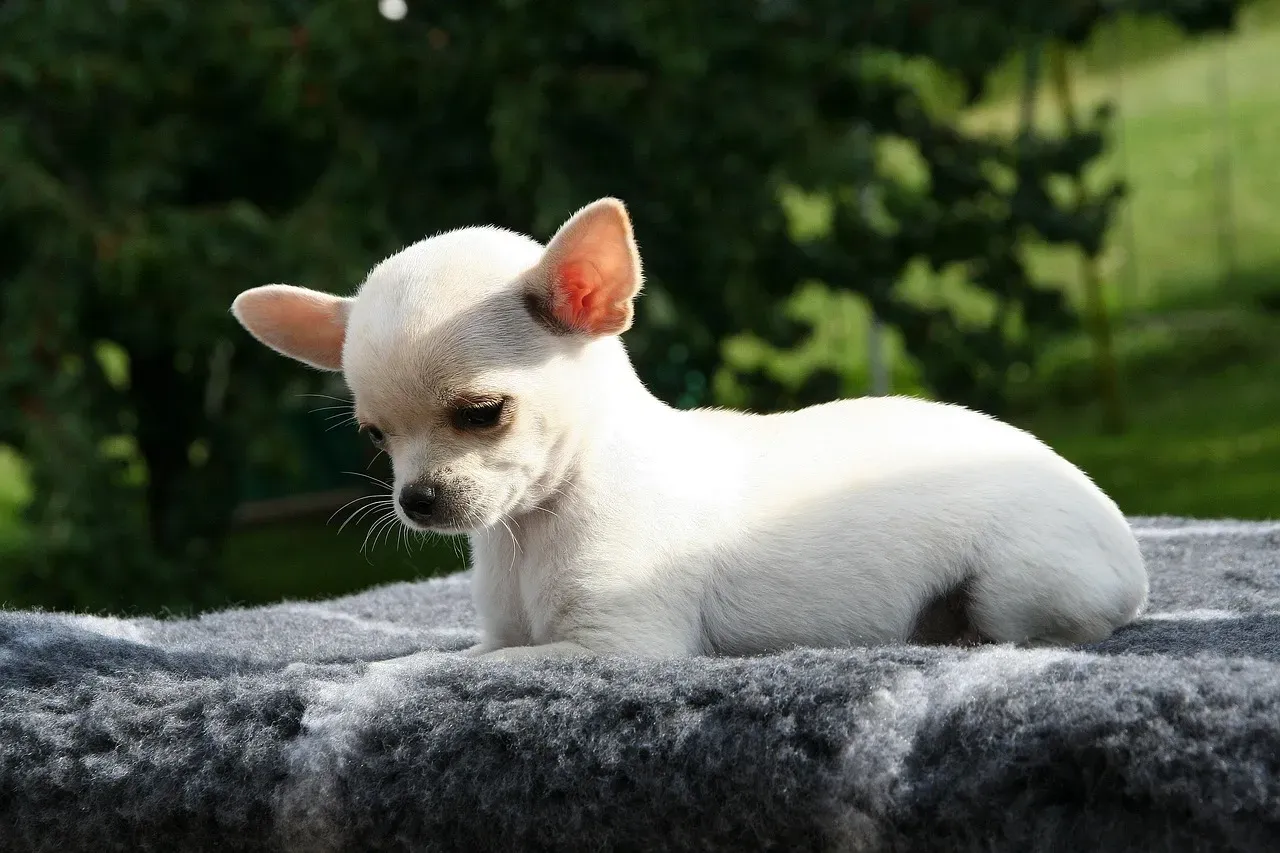
The Chihuahua is one of the smallest dog breeds, weighing only 4 to 6 pounds. It’s no surprise that these dogs can’t handle cold weather. They often shiver when cold and might need to wear a cute dog sweater, even when they’re inside. In fact, if you ever can’t find your Chihuahua, look under a blanket – they probably burrowed underneath for warmth.
Chihuahuas can lose body heat rapidly when the temperature plummets, so it’s important to minimize cold weather exposure. Fortunately, the small size of this breed makes it easy for them to exercise indoors. Dog puzzle toys and other interactive indoor games will keep your Chihuahua enriched during the winter months. Outdoor bathroom breaks should be quick, protected with a quality dog coat, and followed by immediate warming. Watch for excessive shivering or reluctance to move – those are signs your dog has been out too long.
13. Greyhound: Built for Speed, Not for Snow
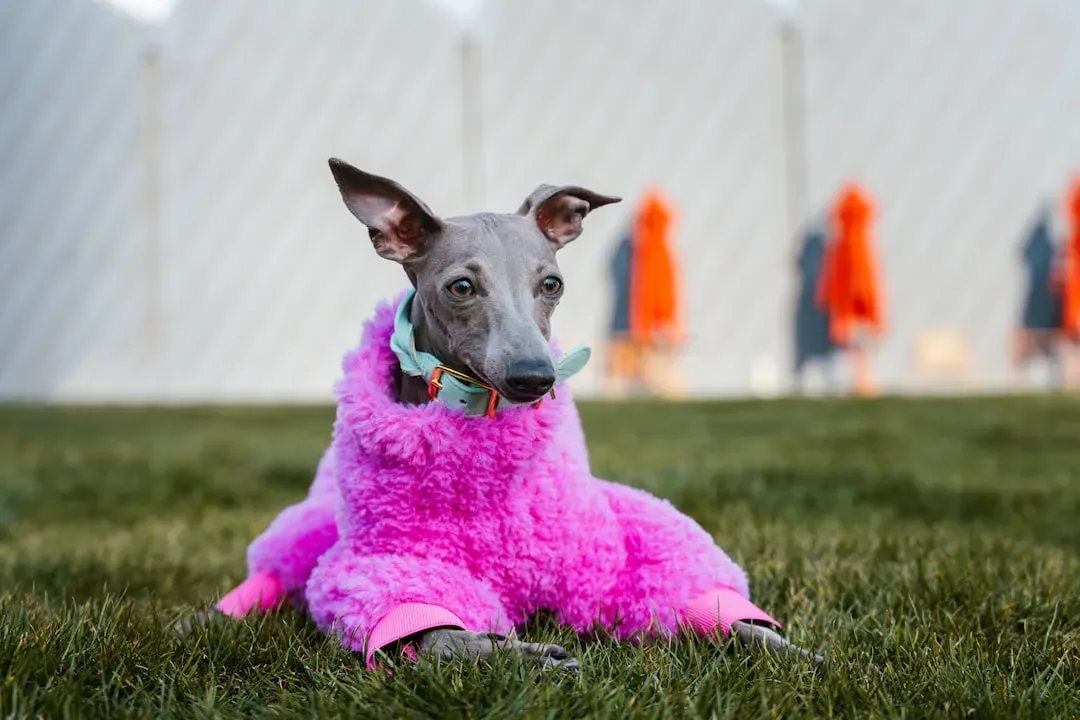
Capable of blazing fast speeds, the Greyhound has a lean physique with very little body fat and a very thin coat that allows for rapid heat dissipation. While these features make these dogs track stars, they’re less suited for cold weather conditions. Keep outdoor exposure brief when temperatures are below freezing, and don’t be surprised if your Greyhound needs a layer of clothing to stay warm.
Breeds like Greyhounds lack the thick, double undercoat that breeds like Huskies or Malamutes possess. They have very little natural insulation against cold temperatures. The irony with Greyhounds is that many people rescue them from racing and bring them home to cold-climate states, only to discover they shiver during a 40-degree afternoon walk. A well-fitted, insulated dog coat is genuinely necessary for this breed in Minnesota – not just a cute accessory.
14. Dachshund: Short Legs, Big Cold Problem
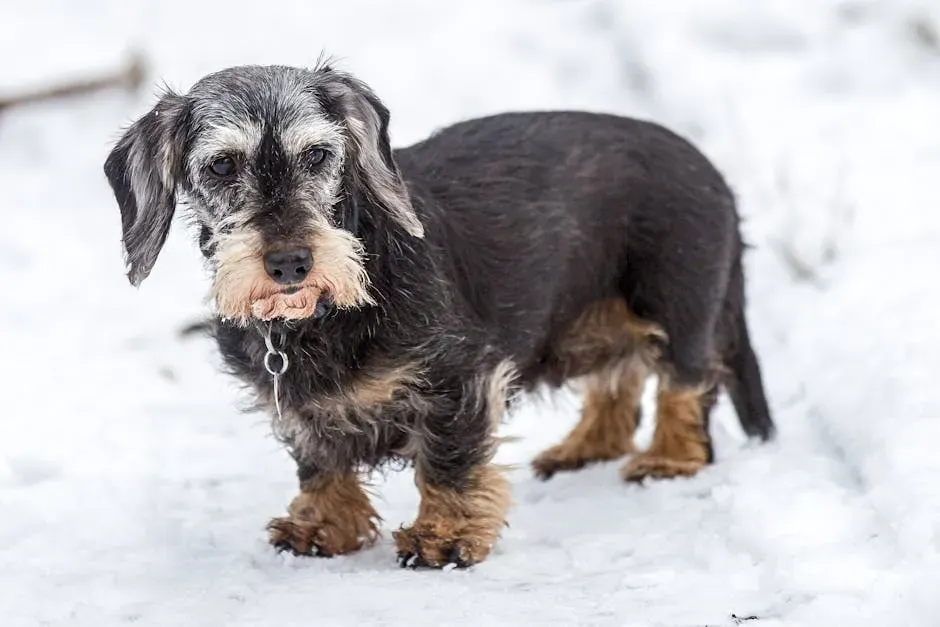
Dachshunds have notoriously short legs, and by nature always stay close to the ground. Come wintertime, this can become quite an issue, as even “light” snowfall can prove to be overwhelming for the stout breed. Not to mention the Dachshund has a thin coat that can hardly be called snow-proof, so this combination of exposure and lack of protection can be detrimental to their health.
In Minnesota, where even a moderate snowfall can create belly-deep drifts for a Dachshund, potty trips can become stressful for both dog and owner. A warm coat, cleared pathways, and short outdoor windows are essential management tools. Watch for lifted paws, reluctance to walk, and shivering – all early signs your Dachshund has hit their cold limit. Indoor exercise through play and training sessions will keep them mentally stimulated when outdoor time is minimal.
15. Pug: Brachycephalic and Cold-Sensitive
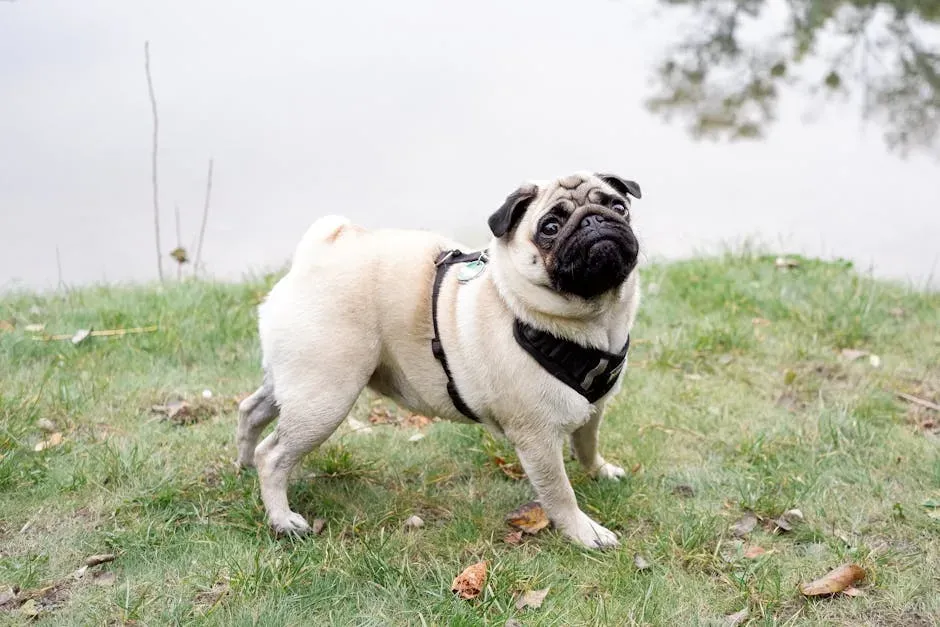
Many physical features make Pugs susceptible to inclement weather, whether that be heat or cold. Pugs have a strong susceptibility to a multitude of health issues, and there’s no exception for those of the weather-related variety. You may already know that Pugs do poorly with heat due to their brachycephalic characteristics preventing them from breathing properly, but Pugs do just as poorly in the winter as they do in the summer.
Their small size and manageable exercise requirements mean they’re comfortable in an apartment. Pugs have a rough time in temperature extremes, both really cold and really warm weather. They are a brachycephalic breed and have associated health concerns. When you take them for a walk in cooler weather, they’d appreciate it if you bundled them up a bit. In sub-zero Minnesota conditions, Pug owners should limit outdoor exposure to the bare minimum, always use a well-fitted coat, and monitor breathing carefully. Cold air can genuinely irritate their compressed airways.
Recognizing Cold-Weather Danger Signs in Any Dog
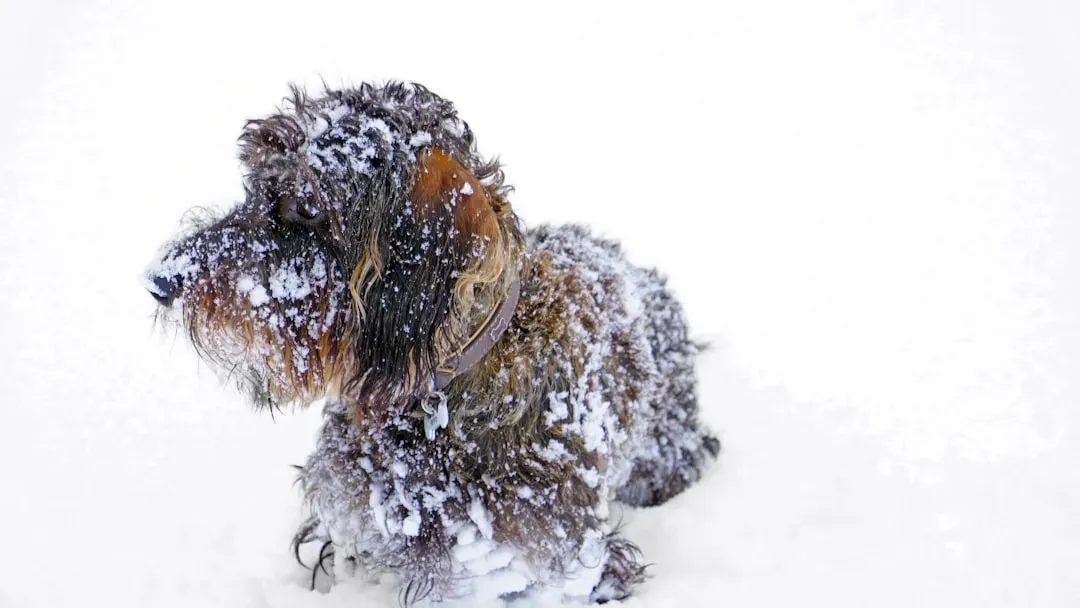
Shivering is the body’s automatic attempt to generate heat. Cold ears and paws are early signs, as extremities are the first to lose circulation as the body prioritizes keeping vital organs warm. Lethargy – your dog seeming unusually tired, slow, or reluctant to walk – is another warning sign. Stiff muscles and clumsy or uncoordinated movement are also indicators of dangerous cold exposure.
Hypothermia occurs when a dog’s body temperature falls to dangerously low levels. Normal body temperature in dogs is between 100.5 and 102.5 degrees Fahrenheit, and hypothermia begins when body temperature drops to 99 degrees Fahrenheit. If you think your pet is suffering from hypothermia, take them inside immediately and wrap them in warm blankets. Use warm but not hot water bottles to slowly raise their body temperature. Then, call your closest urgent or emergency care veterinarian. Acting fast matters enormously.
Paw Care and Winter Hazards: What Every Minnesota Dog Owner Needs to Know
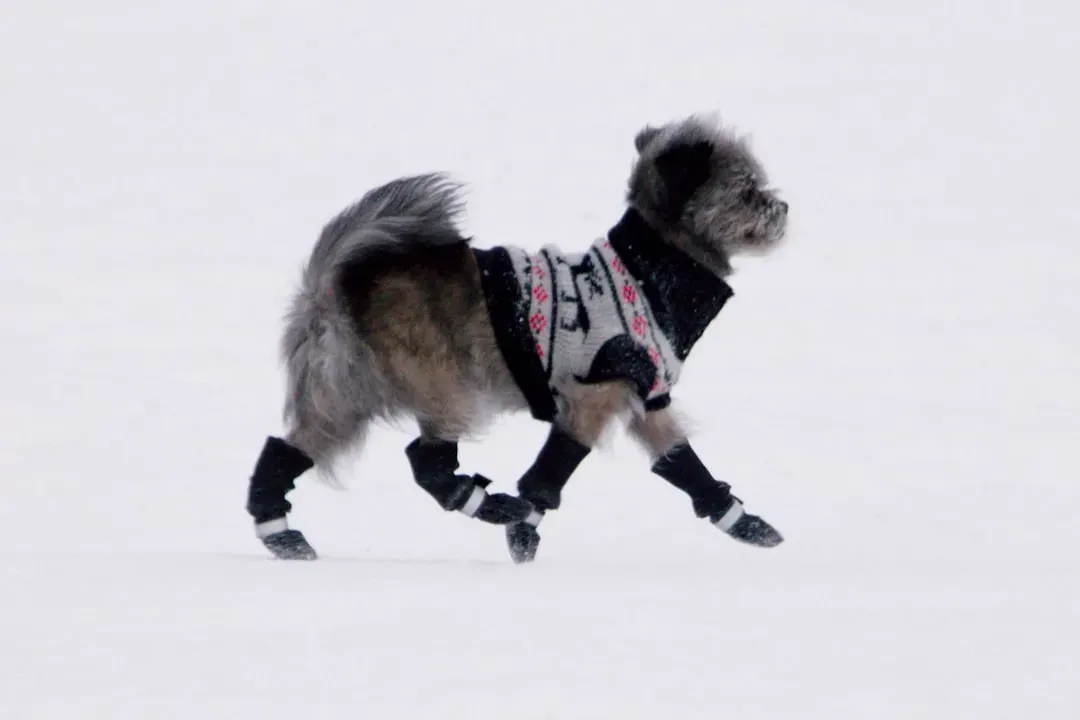
Cold temperatures, snow that accumulates between pads, ice, and chemicals used to treat roads and sidewalks all pose a risk to dog paws in the winter. Look for dog booties that are waterproof, provide traction, and are tough enough to last. Even cold-hardy breeds aren’t immune to paw damage from road salt and de-icers. Salt can cause the skin on your dog’s paws to dry out and crack, so if you’ll be spending much time on salt-treated surfaces, you should consider some kind of protection for your dog’s feet, or at least make sure to rinse your dog’s paws off once you get home to prevent cracking and bleeding.
During winter, keep your eyes open for potential hazards since there may be opportunities for your dog to inadvertently ingest a toxin such as antifreeze, de-icing chemicals, salt, and other substances poisonous to dogs. Antifreeze in particular is extremely dangerous and unfortunately has a sweet taste that attracts dogs. Clean up any antifreeze spills quickly and keep containers away from pets, as even small amounts of antifreeze can be deadly. A little vigilance goes a long way when the sidewalks are covered in unknown chemicals.
Conclusion: Know Your Dog, Respect the Cold
Minnesota winters demand honesty from every dog owner. If you have a Husky or a Malamute, winter might genuinely be the highlight of your dog’s year – lean into that with activity, mental stimulation, and regular outdoor adventure. If you have a Frenchie, a Chihuahua, or a Greyhound, your job is to minimize exposure, maximize indoor enrichment, and invest in quality cold-weather gear without guilt.
It’s a common belief that dogs are more resistant than people to cold weather because of their fur, but it’s untrue. Like people, dogs are susceptible to frostbite and hypothermia and generally should be kept inside. Longer-haired and thick-coated dog breeds are more tolerant of cold weather, but no pet should be left outside for long periods in below-freezing weather.
The most important thing isn’t the breed on their papers – it’s the care in your hands. Watch their behavior, trust their cues, and never underestimate how quickly a Minnesota January can shift from fun to dangerous. A dog who feels safe and warm in winter is a happier dog year-round, and that relationship of attentive care is really what owning a dog in a cold-weather state is all about.


