
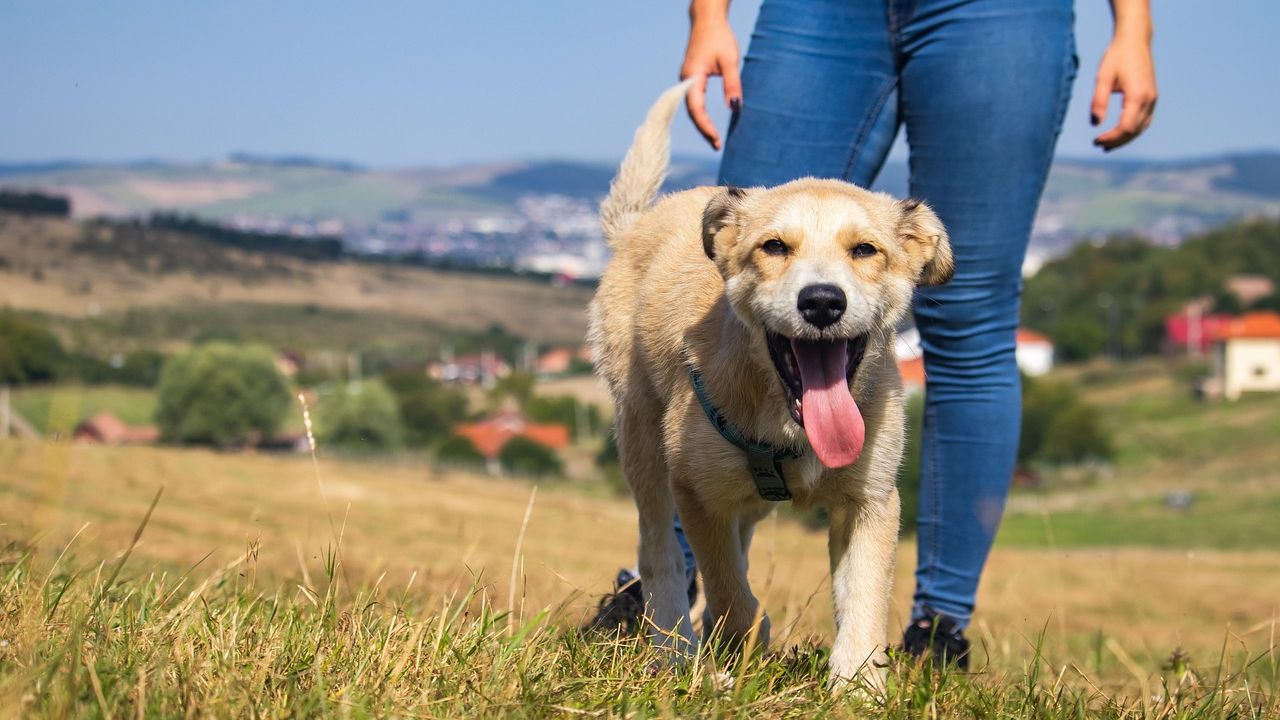
Most dog owners have stood in the middle of their living room at some point, watching their pup nap in a patch of sunlight, and quietly wondered: are you actually happy? It’s not a trivial question. Dogs can’t tell us how they feel, and unlike humans, they don’t write it in their journals or mention it over dinner. Their entire emotional world plays out in the curve of their ears, the looseness of their stride, and the way they choose to spend their quietest hours.
The good news is that once you know what to look for, your dog communicates their inner state constantly. It’s not about grand gestures or dramatic tail wags. Real contentment tends to show up in subtle, consistent patterns, the kind you’ve probably already noticed but may not have known how to interpret. Here are ten grounded, easy-to-read signs that your dog is genuinely thriving.
#1. Their Body Language Is Loose and Relaxed
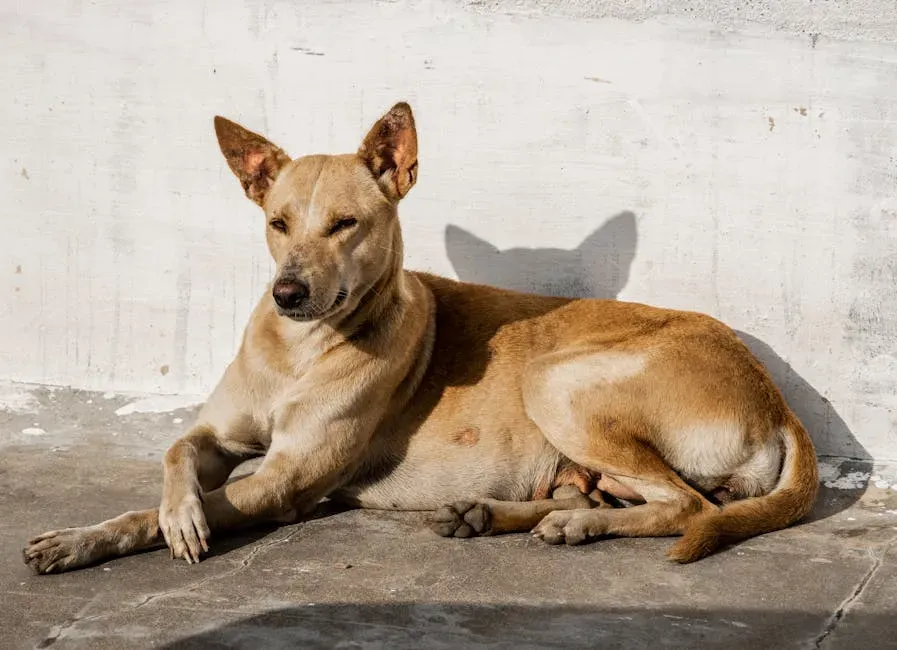
Relaxed body language is one of the most obvious indicators of a happy, content dog. Think of it like this: a tense dog holds itself like it’s bracing for something. A happy dog doesn’t. Happy dogs have a loose, soft posture without any signs of tension or stiffness, and this body language is usually paired with a relaxed facial expression, including a slightly open mouth and their ears in a natural position.
Happy dogs move freely, carry their bodies naturally, and do not display any stiffness, fear, or defensive tension in their daily interactions. If you pet your dog and their skin feels pliable and easy under your hand rather than drum-tight, that’s a reassuring sign. Loose shoulders, soft eyes without a fixed gaze, and a dose of “wiggliness” are all clues that your dog is feeling relaxed and comfortable.
#2. They Give You That Soft, Steady Eye Contact
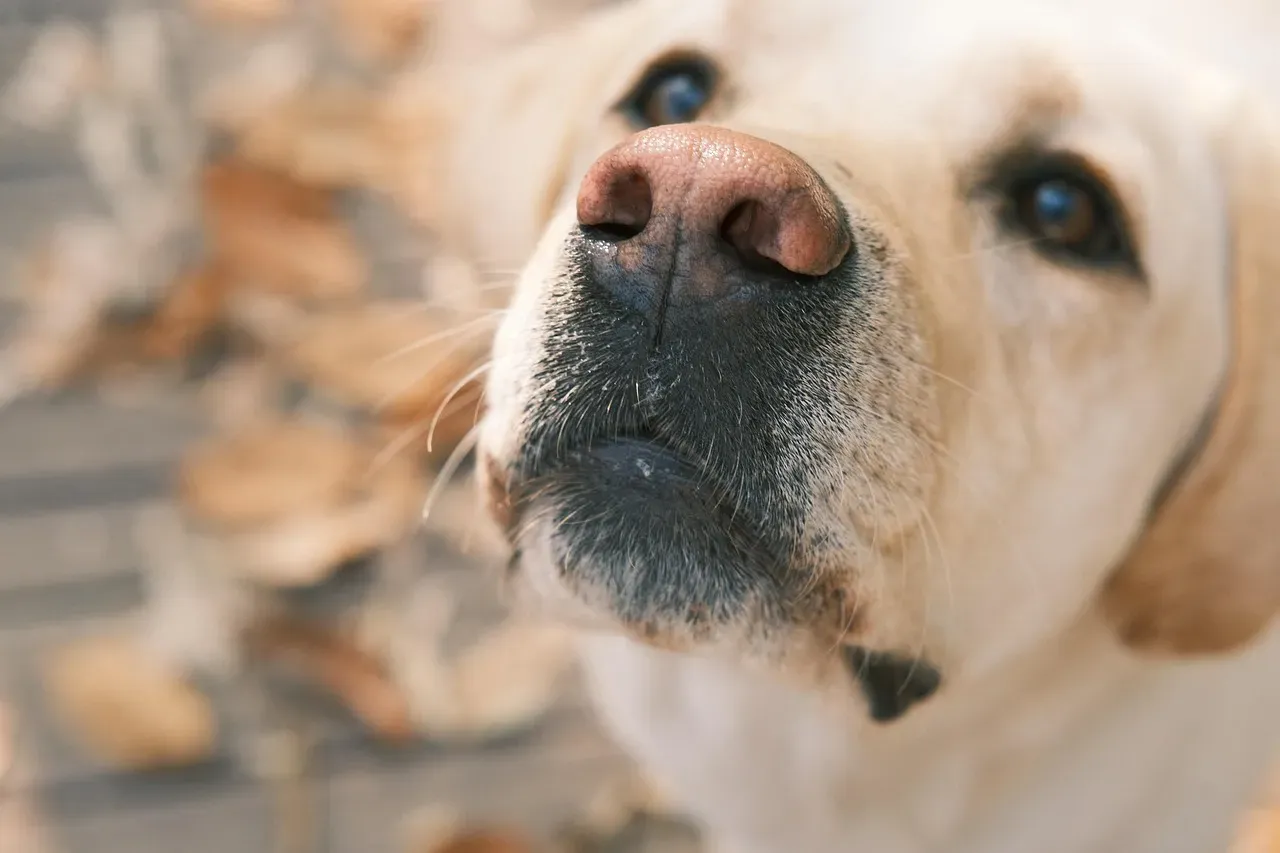
Eye contact is a major sign of trust in dogs, and when your dog is happy, their eye contact will be relaxed and soft, and they will continue to blink often. Hard staring is generally a sign of tension or challenge, but soft, unhurried looks are something entirely different. They’re a quiet form of trust.
That soft gaze can mean love and affection and has the power to stimulate the release of oxytocin in its owner. According to a study published in Science, oxytocin strengthens the affectionate bond between you and your dog. So those calm, lingering looks your dog gives you from across the room? They’re not just sweet to receive. They’re a genuine indicator that your dog feels safe and at ease in your presence.
#3. They’re Genuinely Excited About Walks
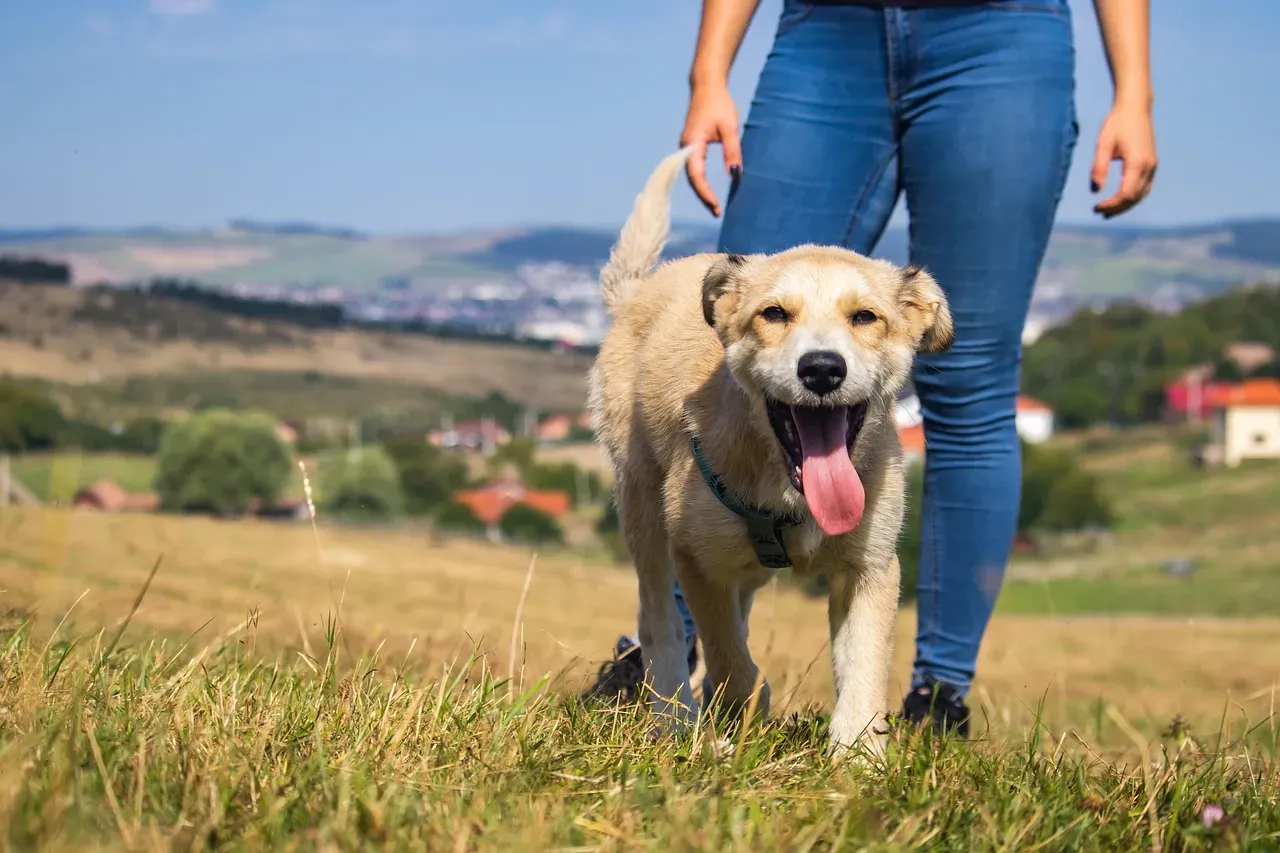
When out for a stroll, a happy dog is at complete ease with fully relaxed muscles. A dog that’s feeling happy will have a loose, bouncy, and smooth gait, and will also display normal dog behavior such as sniffing at plants and flowers and engaging with other friendly dogs and passersby. The walk itself becomes an experience, not just a routine.
Happy dogs take their time to explore everything around them during their walks, enjoying every moment. Poor leash manners, such as tugging at the leash and walking far ahead of you, shouldn’t be an issue if your dog feels happy during a walk. When your dog pauses to sniff a fence post for a full thirty seconds and then trots back to your side, that’s a dog who’s actually enjoying the journey, not just tolerating it.
#4. They’re Eating Well and Looking Forward to Mealtimes
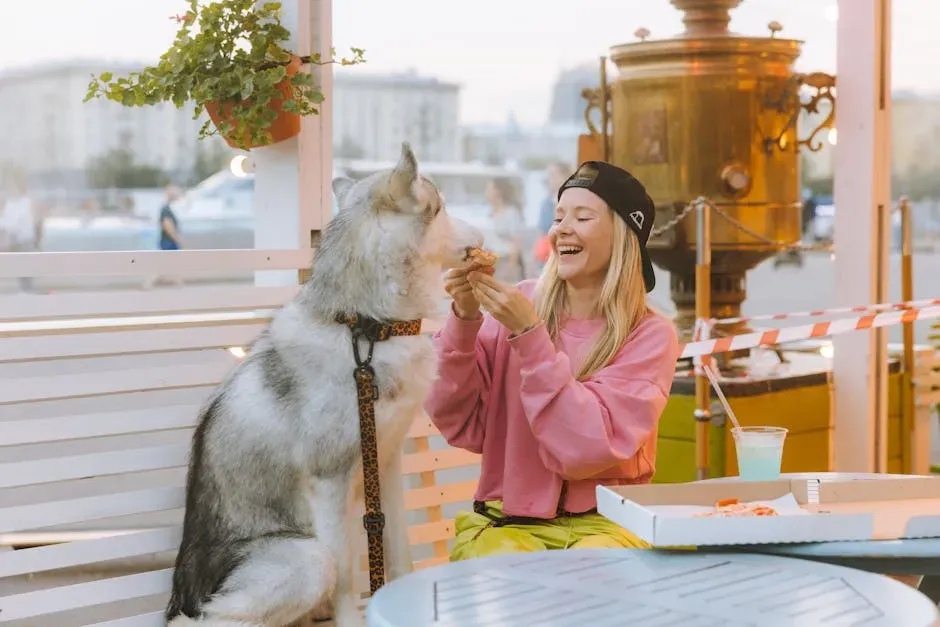
Dogs that are content and feeling well have good appetites. A change in your dog’s appetite is one of the first signs of potential illness or unhappiness. A dog who shows up eager, finishes their food steadily, and lingers near their bowl afterward is telling you something important about how they feel overall.
A dog with a good appetite will show excitement and eagerness when it’s time to eat, and they may wag their tail, pace around, or become visibly enthusiastic as you prepare their food. If you notice that your dog is suddenly disinterested in food or is losing weight, it may be a sign of underlying health issues or emotional distress and should be addressed by your veterinarian. Think of appetite as one of the most reliable daily check-ins you have.
#5. They Seek Out Your Company Without Being Clingy
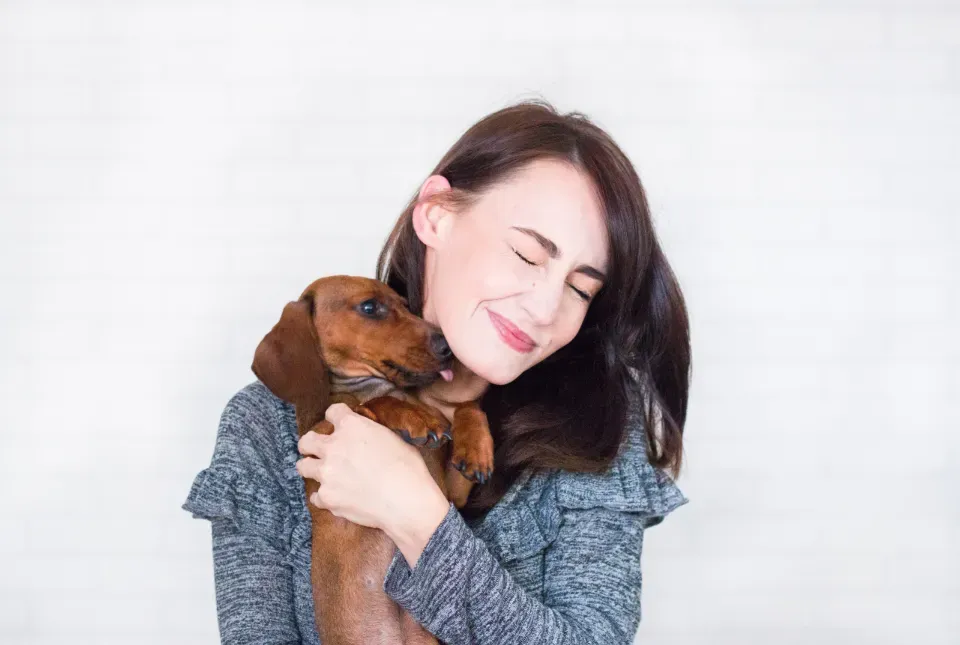
Happy dogs seek physical contact with their owners, like snuggling up to you on the couch or nudging your hand for a pat on the head. There’s a meaningful difference between a dog who chooses to be near you and one who follows you out of anxiety. A content dog will settle beside you, rest their chin on your leg, or simply drift into the same room as you, then go back to doing their own thing.
Happy dogs often search for companionship with their humans. They enjoy closeness and affection without extreme dependency, building comfort, trust, and an emotional connection through daily interactions. Every dog is different, though, so keep in mind that not every happy dog will want to cuddle. Even for the happy dogs that love physical contact, they’re not necessarily looking for hours of closeness; just a few minutes may be enough.
#6. They Initiate Play and Use the Play Bow
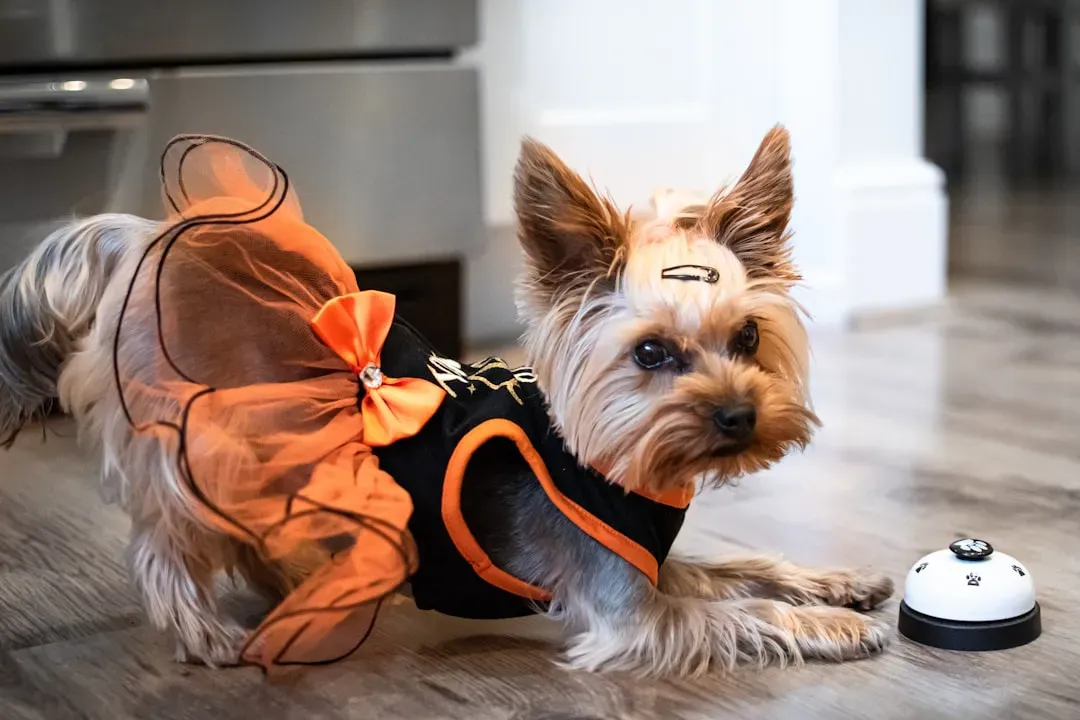
Playful dogs often initiate play by bringing you toys, nudging you, or engaging in a “play bow” position, lowering their front end while keeping their rear end elevated, to get your attention and encourage you to join in. This is one of the clearest and most endearing signals a dog can send. It’s an invitation, pure and simple.
A University of Michigan study set out to determine why exactly dogs perform this bowing behavior. Researchers found that dogs play bow most often when there is a pause in play, and they wish to continue playing. So, if you see your dog play bow in the middle of playing fetch, this gives you a good idea that they’re enjoying what they’re doing and want more. A dog who still asks to play is a dog who still feels joy in their daily life.
#7. They Sleep Deeply and Comfortably
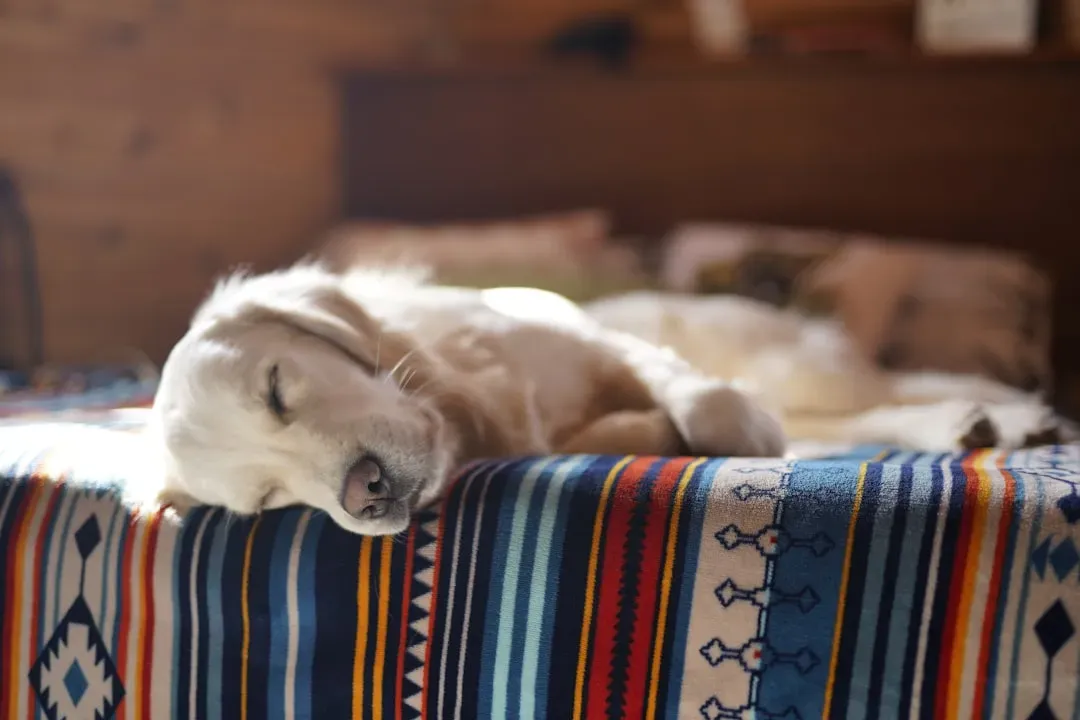
Healthy, happy adult dogs usually sleep for up to 16 hours a day. If your dog isn’t sleeping that much, it could be a sign of stress or illness. Equally important is the quality of that sleep. A dog who dozes deeply, stretches out fully, or curls into a ball without twitching restlessly is a dog whose nervous system is at rest.
Dogs need plenty of rest and a happy dog will sleep peacefully and comfortably. They will find a cozy spot, curl up, and show relaxed body posture with their eyes closed and their body in a stretched-out position, indicating comfort and deep sleep, along with a regular and calm breathing pattern. Dogs who feel safe will rest comfortably and deeply. Happy dogs sleep without constant vigilance, move at their own will, and seek the places they are familiar with and feel safe.
#8. Their Tail Wags in the Right Way
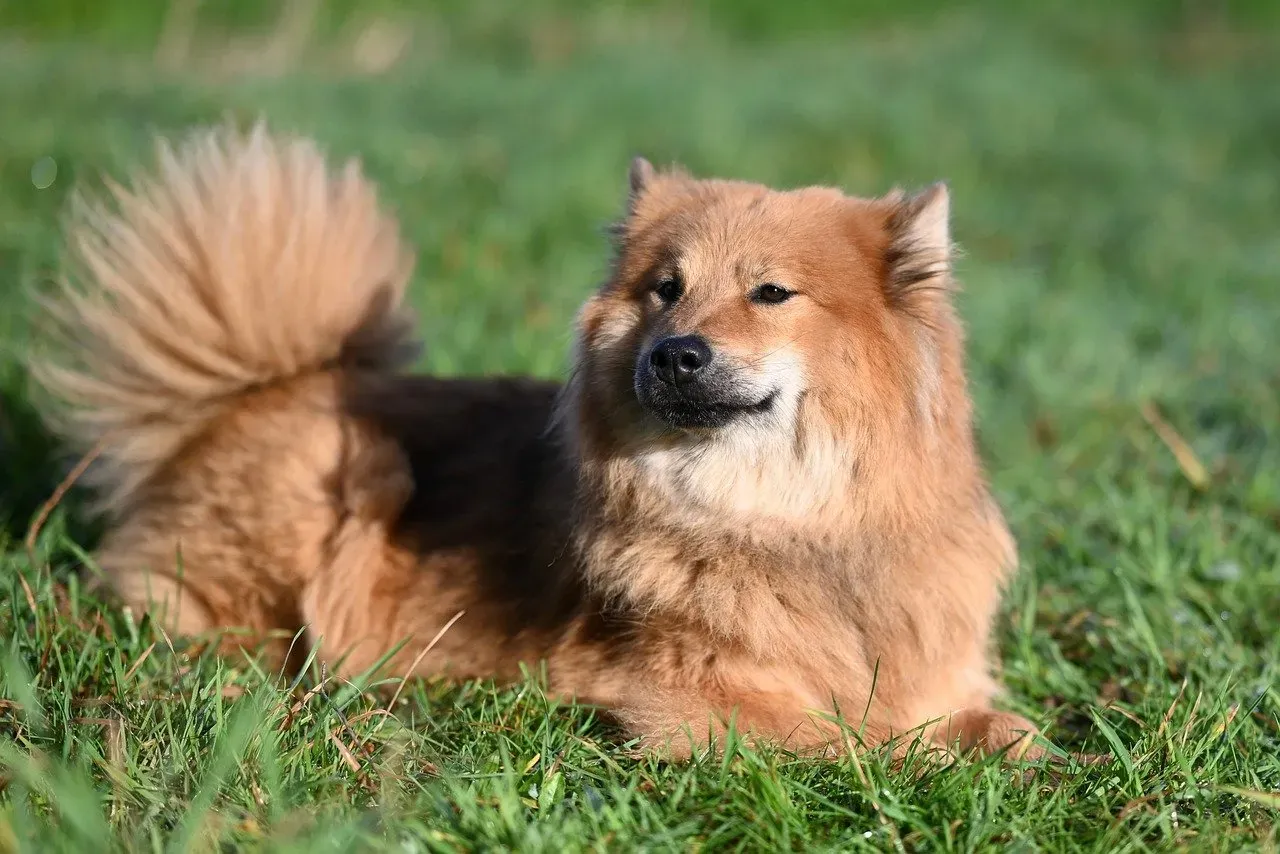
Not every tail wag means the same thing, and it’s worth learning the difference. A gentle, loose tail wag can indicate happiness in a dog. Dogs that are feeling happy may wag their tail slowly and widely from side to side, with their tail in a neutral position or slightly raised. In contrast, a dog that’s feeling aggressive will wag their tail quickly, with their tail arched over their back.
Happy dogs tend to wag with the tail in a neutral position, which can vary by breed. Look for wide, loose swings and very little muscle tension. To help figure things out, it’s recommended to look at other elements of your dog’s body language, including facial expression, muscle tension, and their interaction with you. The tail is just one part of the picture, but when it moves freely and lazily, it’s usually saying something honest.
#9. They Have Good, Consistent Behavior at Home
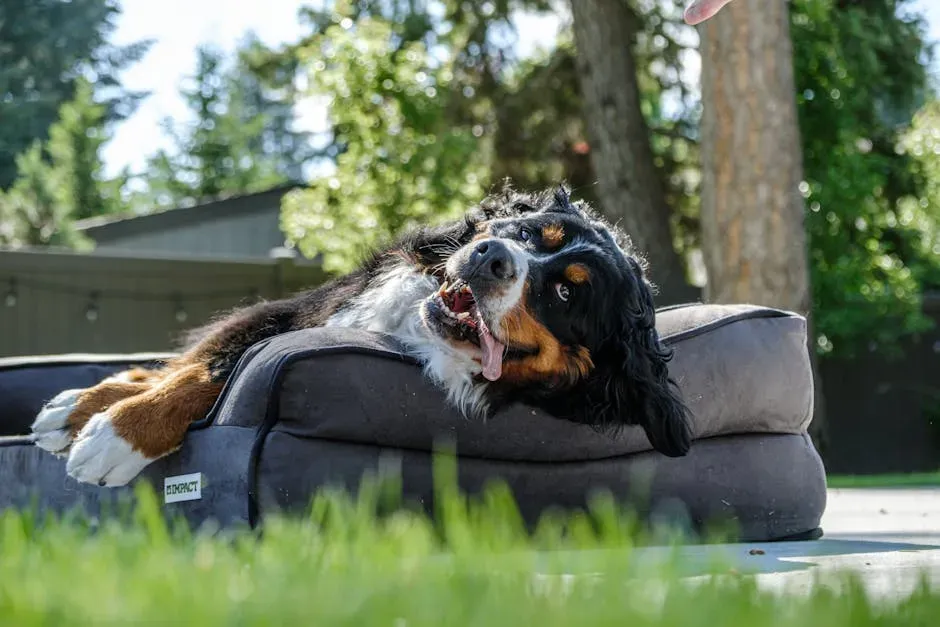
Destruction can be a sign of anxiety. So, if your dog is well-behaved, it can tell you that they’re feeling fulfilled and happy. A contented dog doesn’t feel the need to tear up the sofa or chew through baseboards. Those behaviors tend to be signals that something is off emotionally or physically, not that the dog is simply misbehaving.
Destructive behavior in dogs, such as chewing, scratching, and house soiling, can stem from a variety of issues with both behavioral and medical causes. Separation anxiety, fears or phobias, and lack of mental or physical stimulation are common causes of destructive behaviors, none of which indicate a happy dog. So when your dog spends their afternoon lounging peacefully and not redecorating your furniture, that’s genuinely worth appreciating.
#10. They Show a Relaxed, Open Facial Expression
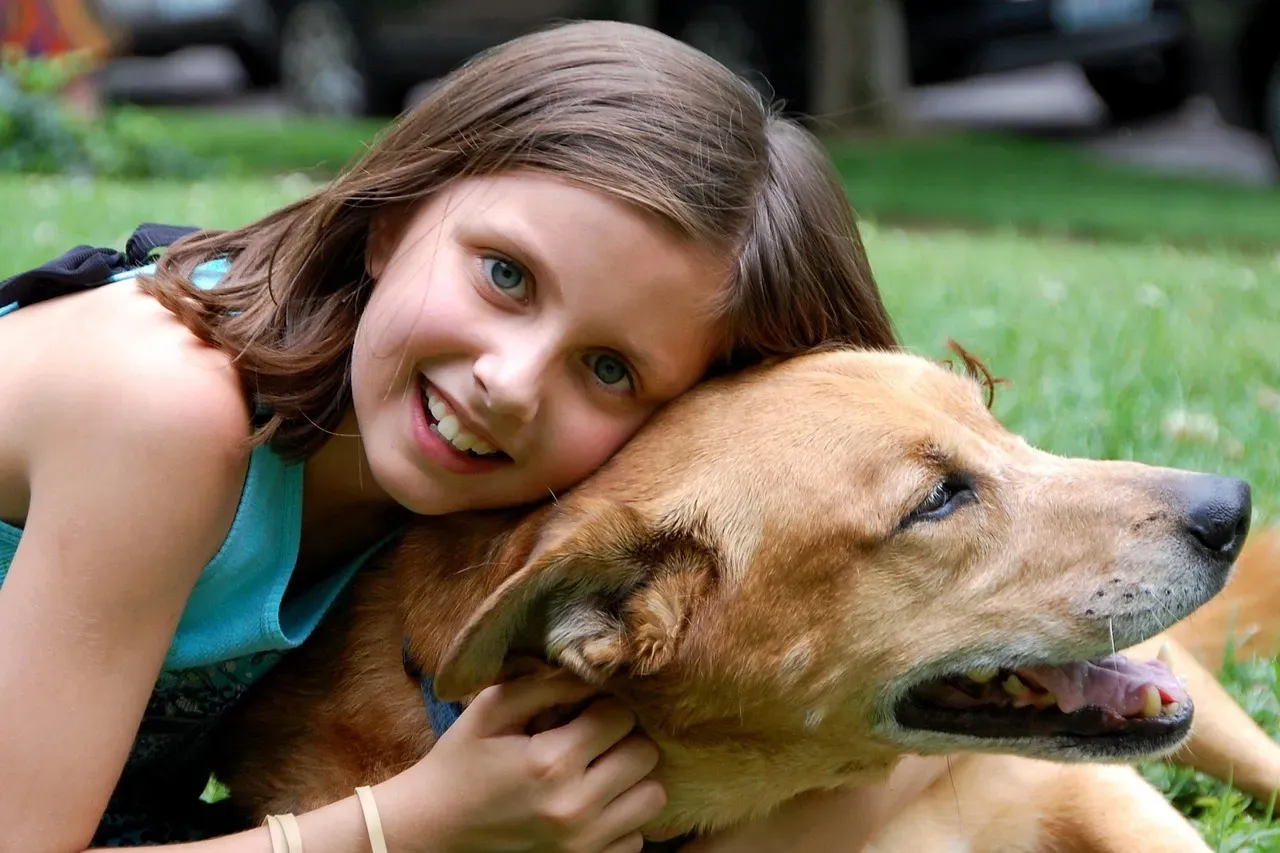
Happy dogs often appear to smile. The mouth is soft and open, the corners of the mouth are turned up, and while some teeth may be visible, it’s not in an aggressive manner. A lolling tongue can also mean your dog is relaxed. It’s one of those things that, once you start noticing it, you’ll see it all the time in a truly content dog.
While ear shapes vary depending on the breed, a happy dog’s ears are relaxed and rest naturally against their head. Some dogs will have one ear cocked up, or both may be loose and floppy. Ears pricked forward often indicate that a dog is interested in something. When a dog is happy, their eyes and eyelids will be open and relaxed, their gaze will be soft, and they will blink often. Narrowed eyes and a hard gaze can indicate aggression, while wide eyes, particularly if the whites are showing, could mean your dog is frightened. The face, when relaxed and open, tells you almost everything you need to know.
Final Thoughts
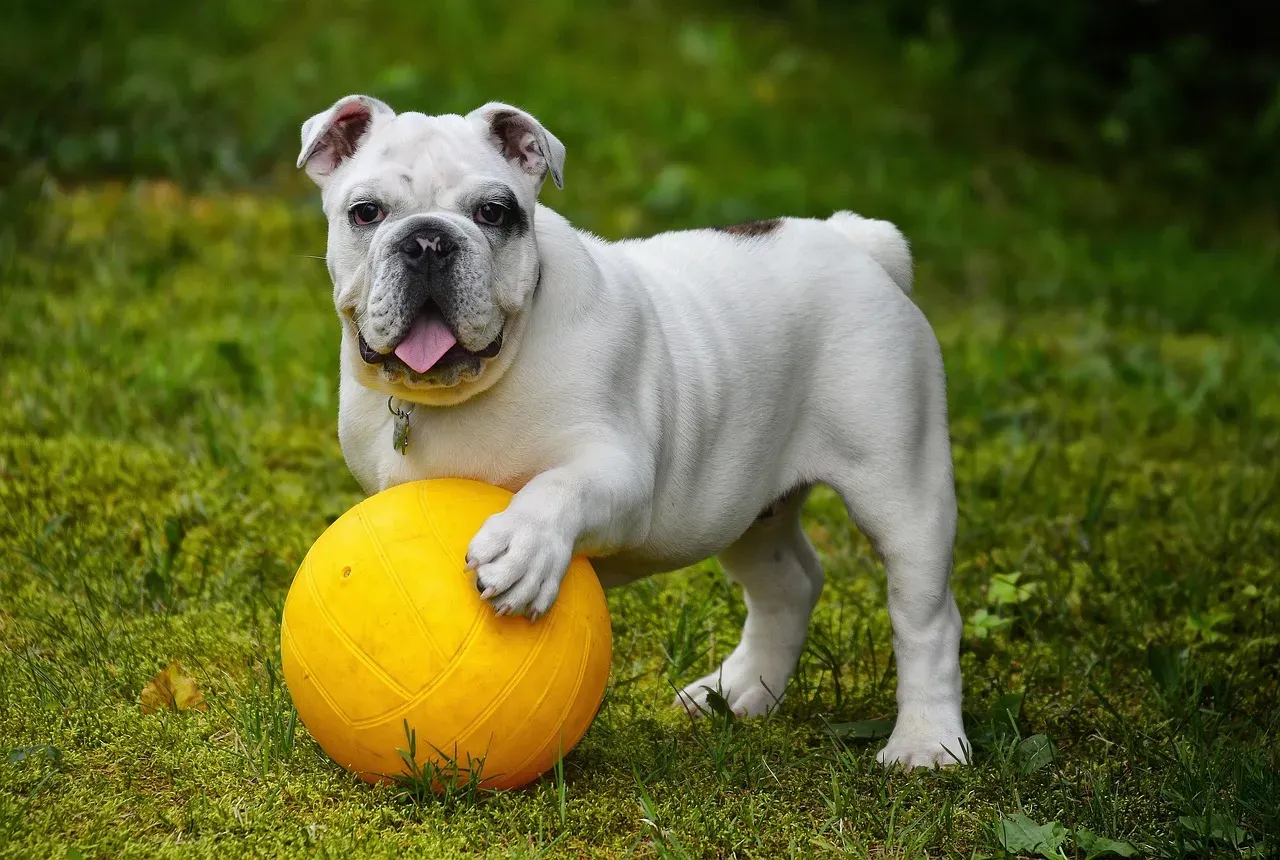
Here’s what’s worth sitting with: your dog’s happiness isn’t measured in toys or treats alone. True joy isn’t just found in a new toy or a favorite treat; it shows up in more subtle, consistent ways, in their vibrant health, their emotional stability, and the unbreakable bonds they share with us.
While every dog expresses joy a little differently, there are several common signals that can indicate happiness. From body language to behavior, these signs can provide insight into your dog’s emotional well-being. The ten signs above aren’t a rigid checklist but a language, one your dog has been speaking all along.
The dogs who are truly thriving are the ones who feel safe, seen, and consistently cared for. They show it not in a single dramatic moment but in the quiet, ordinary texture of every day together. Pay attention to those small, unremarkable moments. That’s usually where the real answer lives.


