
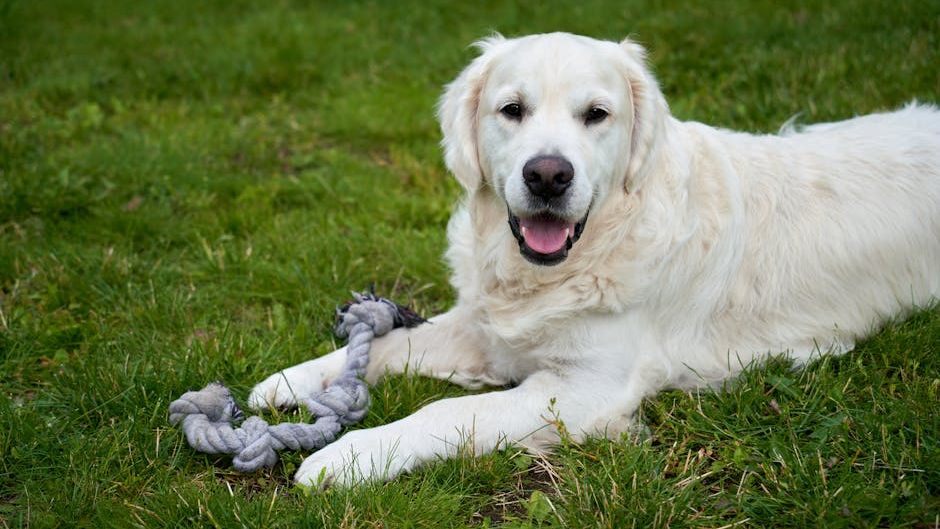
There’s a moment most rescue dog owners know well. It happens a few days after bringing a new dog home, when you reach down to pet them and they flinch. Not because you’ve done anything wrong, but because somewhere in their past, that same gesture meant something very different. That flinch tells a story words never could.
In addition to the physical hardships, dogs endure a terrible emotional toll after being abandoned. Scientists agree that dogs feel love for their human companions, and when they are abandoned, they are left with a psychological trauma that can take years to work through, if it heals at all. The rescue itself is only the beginning. What follows is a long, quiet journey of rebuilding trust, one careful day at a time.
#1. Separation Anxiety That Goes Far Deeper Than “Missing You”

Most people think separation anxiety in dogs is just about a dog being clingy or dramatic. In abandoned dogs, it runs much deeper than that. Dogs with a fear of abandonment may show separation anxiety that appears as pacing, licking, destructive behaviors, hiding, and a profound lack of trust towards new people and environments. It isn’t a personality quirk. It’s a learned survival response rooted in real loss.
Post-traumatic stress in rescue dogs can cause severe separation anxiety, leading to behaviors such as indoor defecation and yard escape attempts, with symptoms that include pacing, vocalizing, and persistent clinginess. For a dog who was once left alone and never came home to someone they loved, every single departure their new owner makes carries that same terrifying weight. The door closing sounds like abandonment all over again.
#2. Deep-Seated Fear of People

If a rescue dog constantly hides, cowers, or avoids people, it’s a sign of fear arising out of their past experiences. They might retreat when approached, flinch when you raise your hand, or appear scared around certain people, particularly men, if they have had negative experiences. This isn’t stubbornness or bad breeding. It’s the body’s honest memory of a world that once felt unsafe.
Many abandoned dogs are wary of humans due to past neglect or mistreatment. They may cower, tremble, or hide when approached, and some may be reactive to strangers or loud noises. The challenging part is that fear of people is one of the hardest scars to soften, because healing it requires the very thing that caused the wound in the first place: trusting a human being again.
#3. Hypervigilance and a Body Stuck on High Alert
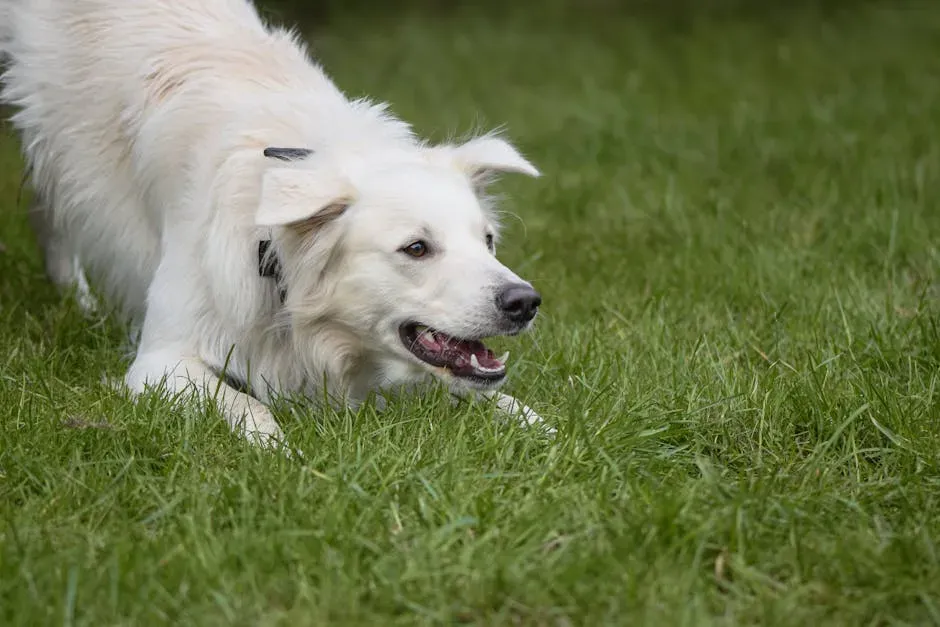
If a dog is extra alert, startles quite easily, or scans their environment constantly, this signifies they are suffering from hypervigilance, which is a common symptom of trauma. Watch a traumatized rescue dog in a quiet room and you’ll see it clearly. Their eyes sweep every corner. Their ears pivot at sounds you can’t even hear. They’re not curious. They’re bracing.
Dogs that are relinquished to a shelter are exposed to several stressors, including novel and unpredictable environments, noise, and social isolation, which contribute to an increase in stress levels. Rehomed dogs or dogs that have lived in shelters for any period can suffer from both acute and long-term stress, which can be measured behaviorally and physiologically. Even after leaving the shelter and settling into a safe home, that nervous system doesn’t automatically reset. The brain keeps scanning for the next threat, long after the threat is gone.
#4. Difficulty Trusting a New Bond
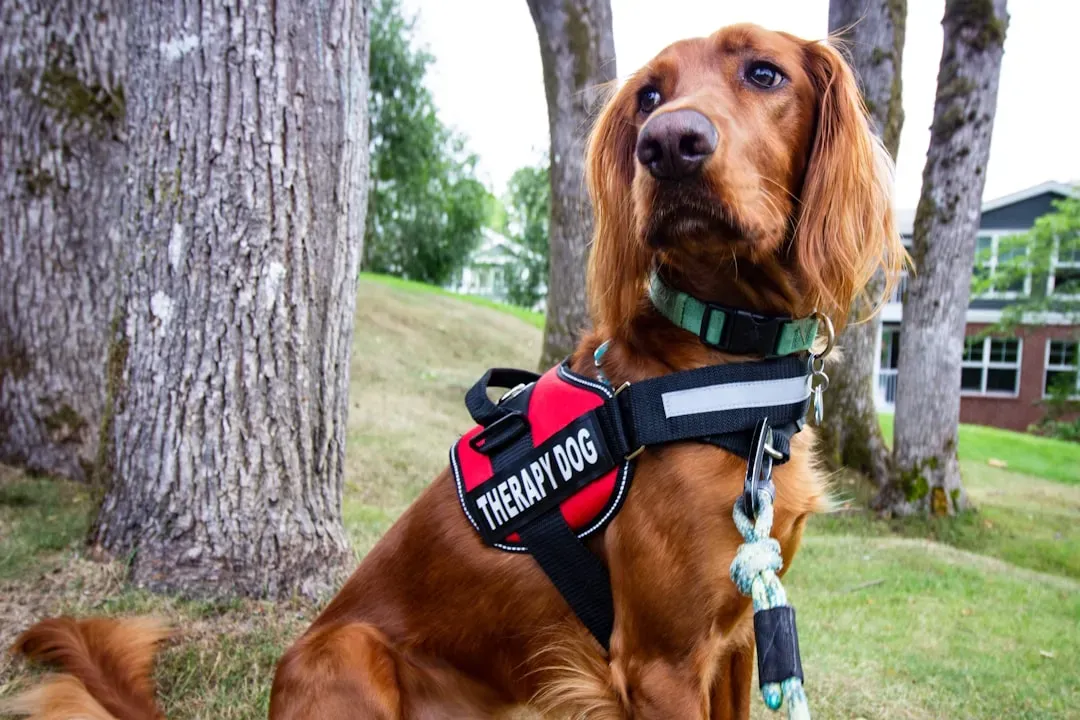
Abandoned dogs often struggle with a difficulty forming strong bonds with new owners. This can look like indifference or distance, and it’s easy to misread as the dog simply not liking you. In reality, it’s self-protection. They’ve bonded before. They’ve been left before. Why risk it again?
Research shows that formerly abandoned dogs tend to have higher levels of stranger-directed fear, separation-related problems, attention-seeking behaviors, and lower trainability. These findings suggest that early adverse environments may have lasting effects on dogs’ social behavior. The good news is that with consistent, patient care, rehomed dogs can synchronize their behavior with their new owner over time, and interestingly, owners of rehomed dogs often report a higher emotional closeness to their dogs than those with non-rehomed pets. Despite short-term disruptions, rehomed dogs can adapt and develop a strong relationship with their owner.
#5. Resource Guarding Driven by Scarcity
Protecting food, toys, or even a sleeping spot through growling, snapping, or biting is a recognized trauma behavior in rescue dogs. These behaviors are not signs of a “bad dog.” Instead, they often signal that your new companion is operating out of fear and self-protection. A dog who spent time without reliable food doesn’t easily believe the bowl will be full again tomorrow.
Some dogs lose their appetite entirely after abandonment, while others may overeat as a way to cope with their emotions. Both responses reflect the same disrupted relationship with food security. Once survival mode takes hold, it doesn’t switch off just because the circumstances have changed. It takes time, repetition, and a consistent environment before a dog can genuinely believe that their needs will always be met.
#6. Emotional Withdrawal and a Loss of Joy

Traumatized dogs may exhibit withdrawal behaviors, appearing lethargic or uninterested in play and interaction. They may isolate themselves, avoid eye contact, and seem disinterested in activities that typically bring joy to dogs, such as playing with toys or going for walks. This withdrawal can be a defense mechanism, as the dog may have learned that engaging with others leads to negative experiences.
A traumatized dog may appear completely shut down, showing zero interest in playing, exploring, or interacting. This withdrawal is a coping mechanism that makes them feel safe, but it also indicates real and ongoing emotional stress. It can break your heart to watch. A dog who should be running in the yard instead sits in the corner, head down, waiting for the next bad thing. Joy has to be slowly, carefully reintroduced.
#7. Compulsive Behaviors as Self-Soothing
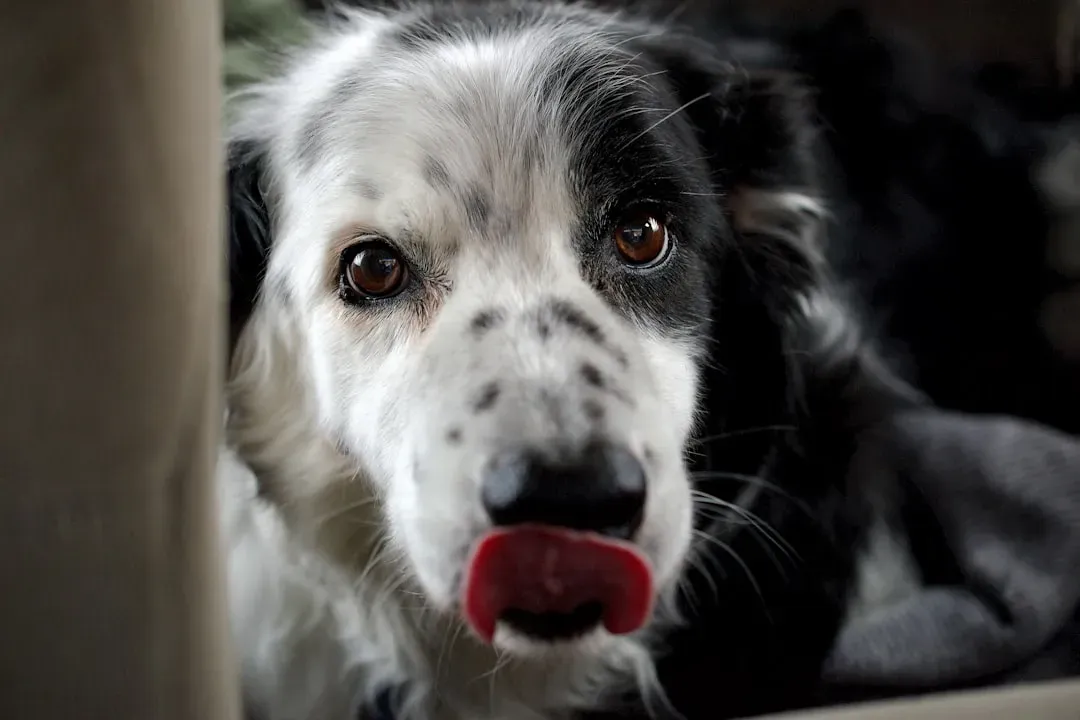
Coping behaviors like excessive licking, tail chasing, or pacing may soothe dogs temporarily, but they can indicate underlying trauma that needs to be addressed. These aren’t random habits. They’re rituals a dog developed to manage internal distress when no external comfort was available. In many ways, it’s the canine equivalent of nervous habits humans develop under chronic stress.
Compulsive licking, in particular, is recognized as a self-soothing behavior in dogs who have experienced abandonment or neglect. Other behaviors such as lip-licking, paw-lifting, yawning, and body shaking are commonly used as stress indicators in dogs. When these behaviors appear frequently and without obvious trigger, they’re a sign the dog’s emotional baseline is still running on stress, even in a safe and loving home.
#8. Fear-Based Aggression That Masks Deep Vulnerability
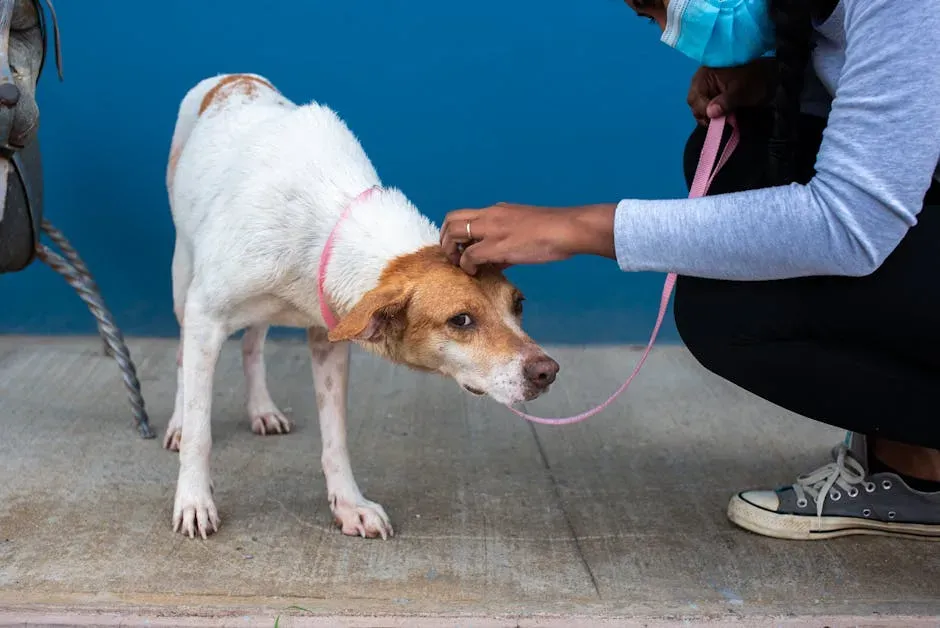
Some dogs show aggression because of fear. This behavior is seen especially when they feel threatened or cornered. Snapping, barking, or growling doesn’t necessarily mean a bad dog; sometimes it’s just a defense mechanism. It’s one of the most misunderstood emotional scars of all, because it’s the one that tends to frighten people away at exactly the moment the dog needs understanding most.
Aggression in rescue dogs can stem from fear or past experiences of abuse. This type of aggression is often defensive, as the dog feels the need to protect itself from perceived threats. Signs can include growling, barking, snapping, or biting. It’s important to recognize that this behavior is not a sign of a “bad” dog, but rather a coping mechanism developed to survive in a threatening environment. Patience and a non-threatening approach are the only tools that genuinely work here.
#9. Noise Sensitivity and a Nervous System That Won’t Settle

Dogs can be traumatized by loud, scary noises they can’t escape. Thunder and fireworks are the most common culprits, but things such as construction, gunfire, or even a neighbor’s leaf blower can cause panic. The fear from these unexpected sounds can build into something much bigger, with some dogs shaking, pacing, drooling, or hiding, while others may try to break out of the house to get away.
Dogs who have suffered abuse or been abandoned express their trauma through excessive barking, fear of noises, fear of people or other animals, and obsessive or destructive behavior. For a dog who has lived on the streets or in an unstable home, unpredictable sounds became signals of danger. That association doesn’t disappear with a new address. Trauma isn’t erased with commands; it heals through compassion, time, and safe, predictable environments.
#10. A Lingering Sense of Learned Helplessness

Some dogs develop learned helplessness, a state of despair where they believe they have no control over their environment. Others may become aggressive or hyperactive as a result of constant stress. This is perhaps the most heartbreaking scar of all. It’s the point at which a dog has stopped trying to influence what happens to them, because nothing they’ve done has ever made a difference.
Dogs are susceptible to trauma-related behavioral changes just like us, and recent research has even established that dogs can develop PTSD. New evidence suggests that behavior consistent with trauma may even be influenced through genetics. Any animal is the sum total of its breeding and upbringing, so a dog whose parents were fearful or who were mistreated may pass along fearful tendencies to its offspring. Learned helplessness can loosen its grip, but it requires steady, gentle proof over time that the world is now different. That the person kneeling in front of them is not going to leave.
The Long Road to Healing, and Why It’s Worth Every Step
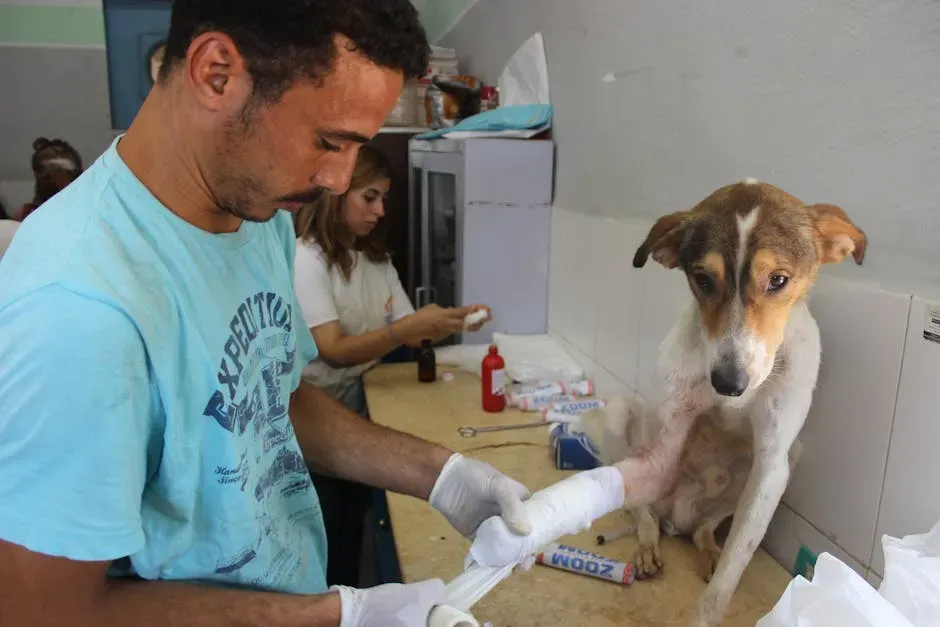
Rescuing a dog doesn’t end at the shelter door. In a very real sense, the deeper rescue begins the moment you get home. Most rescue dogs have been abandoned by a previous family, spent time in a shelter, been transported to a foster home, and possibly spent time with several families before finding their forever home. That’s a lot of loss packed into one animal’s life, and it leaves marks.
Veterinarians and behavior experts are effectively treating animals who suffer from trauma-driven fear and anxiety. Like humans, traumatized dogs can develop fear and anxiety disorders that respond well to the right professional support. Behavioral therapy, desensitization techniques, and in some cases veterinary-prescribed support can make a meaningful difference when trauma runs deep.
The emotional scars don’t define these dogs. They’re evidence of what was survived, not a verdict on who they are or who they can become. Most rescuers will tell you the same thing: the dog that flinched on day one is the same dog sleeping with its chin on your knee six months later, snoring like nothing in the world could disturb it. That transformation, quiet and unhurried, is what genuine healing actually looks like. It doesn’t announce itself. It just arrives, one trusted moment at a time.


