

Picture this: you’re having a rough day, stress radiating from every pore, and suddenly you notice your typically happy-go-lucky dog retreating to their favorite hiding spot, panting heavily despite the cool weather. Coincidence? Not quite. Dogs are very good at picking up on and mimicking human emotions. When a dog senses their pet parent is feeling sad or anxious, they’re likely to feel sad or anxious themselves. This is called emotional contagion.
Your furry companion isn’t just a pet; they’re an emotional sponge, absorbing and reflecting the energy around them in ways that might surprise you. Understanding what triggers their emotional responses isn’t just fascinating science – it’s the key to building a stronger, healthier relationship with your four-legged family member. It’s an undisputed fact that emotions drive behavior, moving the dog towards comfort and pleasure, or away from discomfort and pain. So let’s dive into the complex emotional world of our canine companions and discover what really makes them tick.
Your Emotional State Creates a Mirror Effect
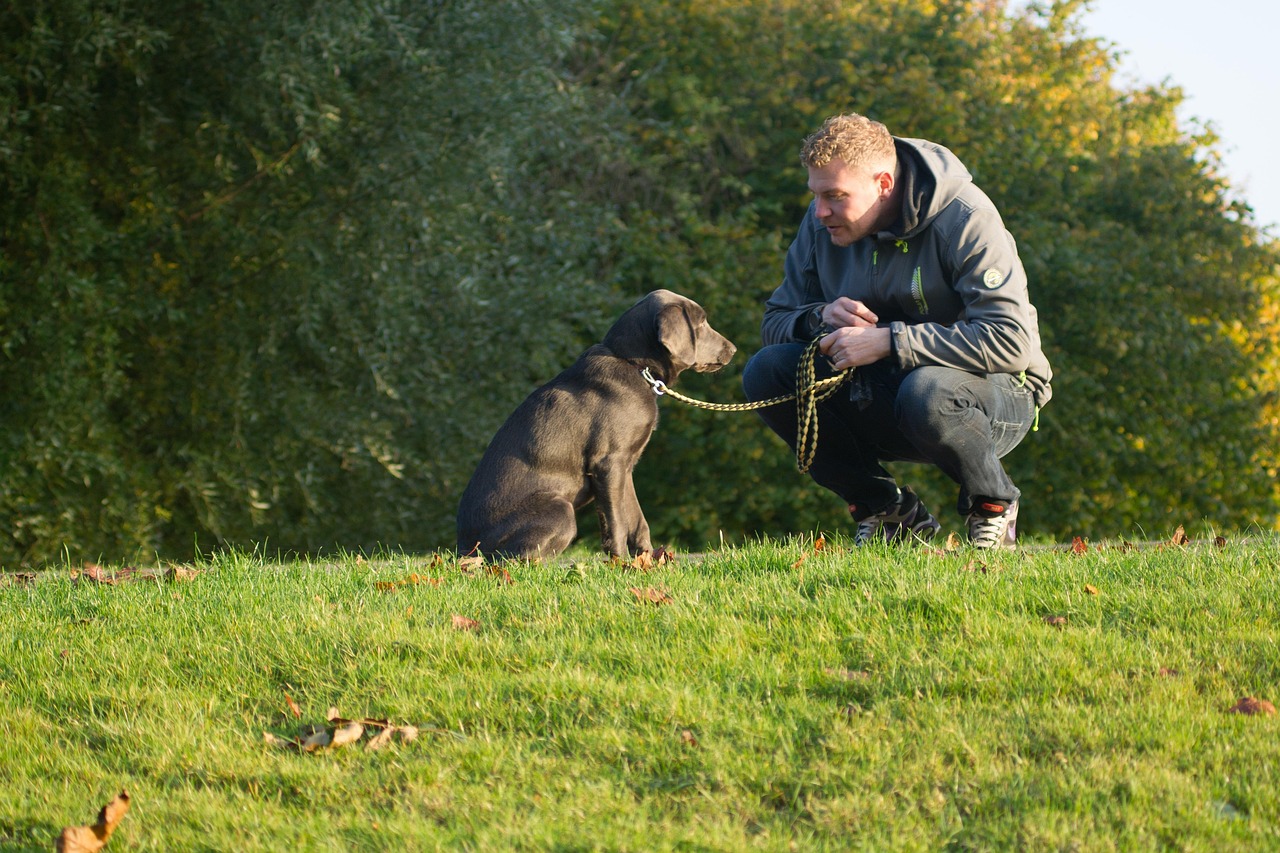
The bond between you and your dog runs deeper than daily walks and dinner bowls. While living together, dogs and their owners can form a bond that can facilitate the emotional contagion. When you’re stressed about work deadlines or excited about weekend plans, your dog picks up on these emotional cues and begins to mirror them.
Dogs are amazingly social beings, so they are easily infected with our warmth and joy. But the converse is true as well, which means their owner’s stress and anxiety can also become the dog’s stress and anxiety. This phenomenon becomes stronger over time too – the longer you’ve had your dog, the more synchronized your emotional responses become.
Research shows this mirroring happens at a physiological level. Oxytocin is a candidate molecule for explaining this possibility. We observed that eye-gaze from a dog stimulates oxytocin release in the owner, and owner’s talk and touch also stimulate oxytocin release in a dog. It is well known that increase of oxytocin facilitates the reading of others’ emotions and the emergence of empathetic responses.
Separation Anxiety Stems from Attachment Insecurities

Separation anxiety happens when your dog doesn’t feel confident and content when separated from family members. (It is estimated that 14–20% of dogs have separation anxiety.) This isn’t just your dog being dramatic – it’s a genuine emotional response to feeling abandoned or unsafe when left alone.
Watch for signs like destructive behavior, excessive barking, or indoor accidents that only happen when you’re away. Dogs with separation anxiety, or anxious episodes triggered by their parents’ absence, often bark, sometimes incessantly, after you leave the house. Some dogs become so distressed they literally cannot control their bodily functions.
Dogs who express their stress with destruction need pet parents who provide them with greater security. Creating a safe space and gradually building their confidence when alone can help reduce this emotional trigger significantly.
Loud Noises Trigger Ancient Fear Responses

Thunder, fireworks, construction noise, or even the vacuum cleaner can send your dog into an emotional tailspin. A basic, intense emotion aroused by the detection of imminent threat, involving an alarm reaction that mobilises the dog triggering a set of physiological changes. This isn’t about being a wimp – it’s hardwired survival instinct.
Unlike humans who can rationalize that thunder won’t hurt them, dogs experience these sudden loud sounds as potential threats to their safety. Puppies may begin developing feelings as early as 3 weeks of age. Around this time, they: Startle when hearing loud noises, which suggests they feel fear. This sensitivity often carries into adulthood.
The key is never punishing fearful behavior during noise events. Instead, create positive associations or provide a quiet, secure space where your dog can retreat when the world gets too loud.
Social Overwhelm from Too Much Stimulation

Just like people, dogs can become emotionally overwhelmed when there’s too much happening around them. Holiday parties, busy parks, or crowded veterinary waiting rooms can trigger stress responses that manifest as withdrawal, panting, or even aggressive behavior.
One of the early signs of stress, especially situational stress, is retreating. Your dog, who might normally enjoy being the center of attention, might choose to withdraw from the group and hide in a safe place. For example, during a Thanksgiving get-together, your sister and her three loud and rambunctious children come to visit. Your dog, who is not used to the noise, feels uncomfortable and hides from the group.
Dogs thrive on routine and predictability. Sudden changes in their environment or routine can cause confusion, leading to stress as they struggle to adapt to a new situation. Learning your dog’s social limits and respecting their need for quiet time prevents emotional overload.
Pain and Physical Discomfort Alter Mood

Medical conditions such as pain, inflammation, and underlying disease can also cause dog anxiety. Medical conditions such as pain, inflammation, and underlying disease can also cause dog anxiety. Your typically sweet-natured dog might become snippy or withdrawn when dealing with dental pain, arthritis, or digestive issues.
Pain, itching, illness, discomfort can all lower a dog’s threshold for anxiety and should be ruled out. Physical discomfort doesn’t just hurt – it changes how your dog perceives and reacts to their entire environment, making normally manageable situations feel threatening.
Pain and medical disorders can affect your dog’s behaviour. If your dog shows signs of being fearful, speak to your vet to check if there are no underlying health problems that might be contributing to their behaviour. Always rule out medical causes before assuming behavioral issues are purely emotional.
Changes in Routine Disrupt Emotional Balance

Dogs are creatures of habit who find comfort in predictable patterns. Moving to a new home, changing work schedules, or even switching food brands can trigger emotional responses ranging from mild anxiety to full-blown behavioral changes.
Think about it from your dog’s perspective: their entire world revolves around the rhythms you establish. When those rhythms suddenly shift without explanation, it can feel like their foundation is crumbling. Dogs who are aging can also struggle with cognitive issues like dementia, leading to confusion and stress.
Maintaining consistency in feeding times, walk schedules, and bedtime routines provides emotional anchoring. When changes are necessary, introduce them gradually to help your dog adjust without overwhelming their emotional system.
Social Conflicts Create Lasting Emotional Scars

Most fears, phobias, and anxieties develop in dogs at the onset of social maturity, from 12 to 36 months of age. Negative encounters with other dogs, aggressive interactions, or traumatic experiences during this critical period can create emotional triggers that last a lifetime.
A single frightening experience at a dog park might make your pup wary of all unfamiliar dogs. If your dog is exposed to the trigger, they have a phobia to again and again without intervention from you in the form of reassurance, behavior modification, counter-conditioning, or desensitization, they may become constantly anxious. When they feel like their world is unpredictable and the scary thing can show up at any time, they’re always anticipating a negative experience. In that case, their behavior may turn into generalized anxiety.
Early socialization and positive experiences with other dogs and people help prevent these emotional scars, but patient rehabilitation is possible even for dogs with difficult histories.
Territory and Resource Guarding Triggers Protective Emotions
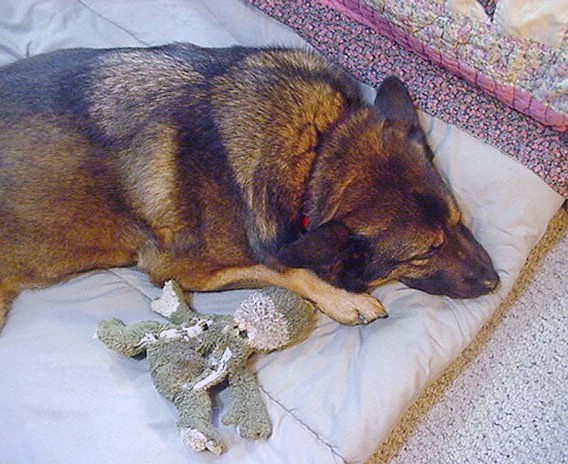
Your dog’s emotional response to perceived threats against their resources – food, toys, sleeping spots, or even you – stems from deep-seated survival instincts. This isn’t necessarily aggression; it’s emotional self-preservation.
Resource guarding behaviors often emerge when dogs feel their security is threatened. A dog who wolfs down food quickly or becomes tense when someone approaches their favorite toy is expressing anxiety about losing something valuable to them.
Understanding this emotional trigger means approaching resource guarding with compassion rather than confrontation. Teaching your dog that human presence near their resources predicts good things rather than loss helps rewire these emotional responses.
Sensory Sensitivities Overwhelm Their Emotional System

Dogs experience the world through senses far more acute than ours. Dogs have an olfactory sense that is 10,000 to 100,000 times more sensitive than a human’s and they commence their lives operating almost exclusively on smell and touch. This heightened sensory experience means they can become emotionally overwhelmed by stimuli we barely notice.
Strong perfumes, cleaning chemicals, flickering lights, or high-pitched sounds can trigger emotional distress that manifests as avoidance, restlessness, or stress-related behaviors. Dogs pant when hot, excited, or stressed. If your dog is panting even though they have not exercised, they may be experiencing stress.
Creating a sensory-friendly environment for your dog means being mindful of scents, sounds, and visual stimuli that might be triggering emotional responses you hadn’t considered.
Learned Helplessness from Negative Training Methods

Dogs who’ve experienced harsh training methods or unpredictable punishment can develop learned helplessness – a state where they shut down emotionally rather than risk making the wrong choice. When changing behavior that results from a dog being distressed, we have to address the emotion first. A dog who is trembling at the vet’s office is in a very different state from the dog who is begging for food at the dinner table, and needs a very different training approach.
Fear is a feeling and not a behavior and thus not amenable to operant conditioning. When dogs become afraid of making mistakes because they’ve learned that wrong choices lead to scary consequences, they often become emotionally frozen, unable to learn or engage confidently.
Positive reinforcement training methods help rebuild emotional confidence by creating predictable, safe learning environments where dogs can make choices without fear of punishment. This emotional foundation is crucial for healthy behavior development.
Conclusion
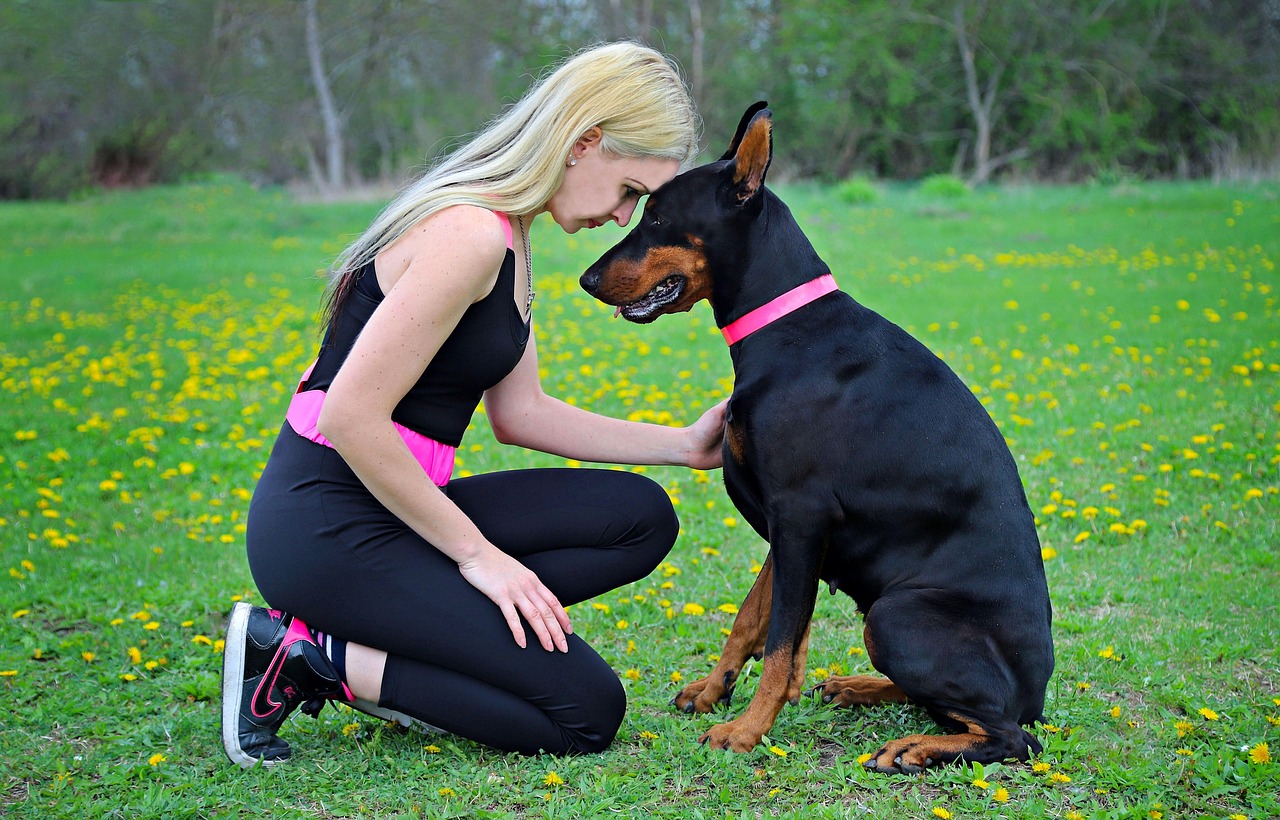
Understanding your dog’s emotional triggers isn’t just about preventing problem behaviors – it’s about honoring the complex emotional life of your canine companion. It’s an undisputed fact that emotions drive behavior, moving the dog towards comfort and pleasure, or away from discomfort and pain. When we recognize that their reactions stem from genuine emotional experiences rather than stubbornness or spite, we can respond with the compassion and understanding they deserve.
Each dog is an individual with their own emotional fingerprint shaped by genetics, experiences, and the bond they share with you. By staying attuned to these triggers and responding thoughtfully, you’re not just training better behavior – you’re nurturing a more confident, emotionally balanced companion. What emotional triggers have you noticed in your own dog? Share your observations in the comments below – your experiences might help another dog owner better understand their furry friend’s emotional world.


