

The Golden Teddy Bear, also known as the Syrian hamster, is one of the most adorable and low-maintenance pets you can have. With their chubby cheeks and gentle nature, they’re perfect for first-time pet owners or families with kids. These little fluff balls thrive best when housed alone and need a cozy space to burrow and explore. They’re nocturnal, so don’t be surprised if they throw a tiny party while you’re asleep! Understanding their needs ensures a happy, healthy hamster that lives its best life.
The Surprising Origins of the Syrian Hamster
It might blow your mind to learn that every pet Syrian hamster in the world can trace its family tree back to a single litter found in Syria in 1930. That’s right! These tiny creatures were discovered by zoologist Israel Aharoni, who dug them out of a burrow in the Syrian desert. They were nearly extinct in the wild, but after being brought to labs and eventually into homes, they became one of the world’s most popular pets. The journey from wild rodent to household teddy bear is nothing short of remarkable. Their story is a reminder of how a chance encounter can change the fate of an entire species. Today, it’s rare to find Syrian hamsters in the wild, but their legacy lives on in cozy cages and loving homes everywhere.
Why They’re Called “Golden Teddy Bears”

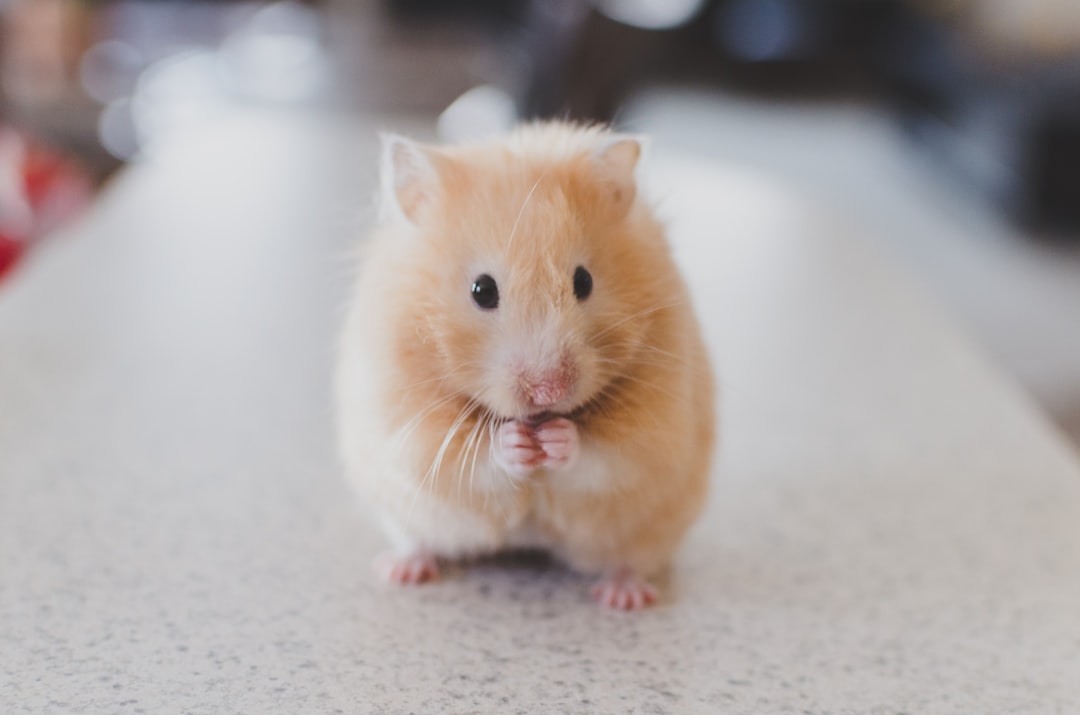
Those big, dark eyes and soft golden fur aren’t just cute—they’re what earned Syrian hamsters the nickname “Golden Teddy bear.” Their plush, rounded appearance makes them look like miniature stuffed animals come to life. But it’s more than just their looks. Their gentle personalities and chubby cheeks add to the teddy bear illusion. Many hamster fans say holding one feels like cuddling a tiny, living stuffed toy. That adorable appearance is also why they’re often the first choice for children’s first pet. It’s hard not to fall in love when you look into those sparkling eyes and see a tiny face peeking out from a pile of bedding.
They’re Solo Artists: The Importance of Living Alone

You might think your Syrian hamster would like a friend, but think again. These critters are fiercely territorial and prefer living solo. Housing two together, even siblings, almost always ends in a dramatic showdown. Unlike some other small pets, Syrian hamsters don’t crave companionship from their own kind. In fact, sharing a cage can lead to serious injuries or worse. If you want more than one hamster, each needs their own separate setup. This solitary nature is rooted in their wild instincts—each hamster claims its own territory and defends it to the end. It’s not loneliness; it’s just the way they’re wired.
Night Owls With a Busy Schedule

If you’re a night owl, you’ll have something in common with your Golden Teddy bear. Syrian hamsters are nocturnal, meaning they snooze the day away and become most active after the sun goes down. Don’t be surprised if you hear them running on their wheel or rearranging their bedding at midnight. This nighttime energy is a leftover trait from their wild ancestors, who explored under cover of darkness to avoid predators. If you’re hoping for a daytime playmate, you might be disappointed. But late-night hamster antics can be endlessly entertaining if you’re up for it!
Pocket-Sized, But Not Too Small
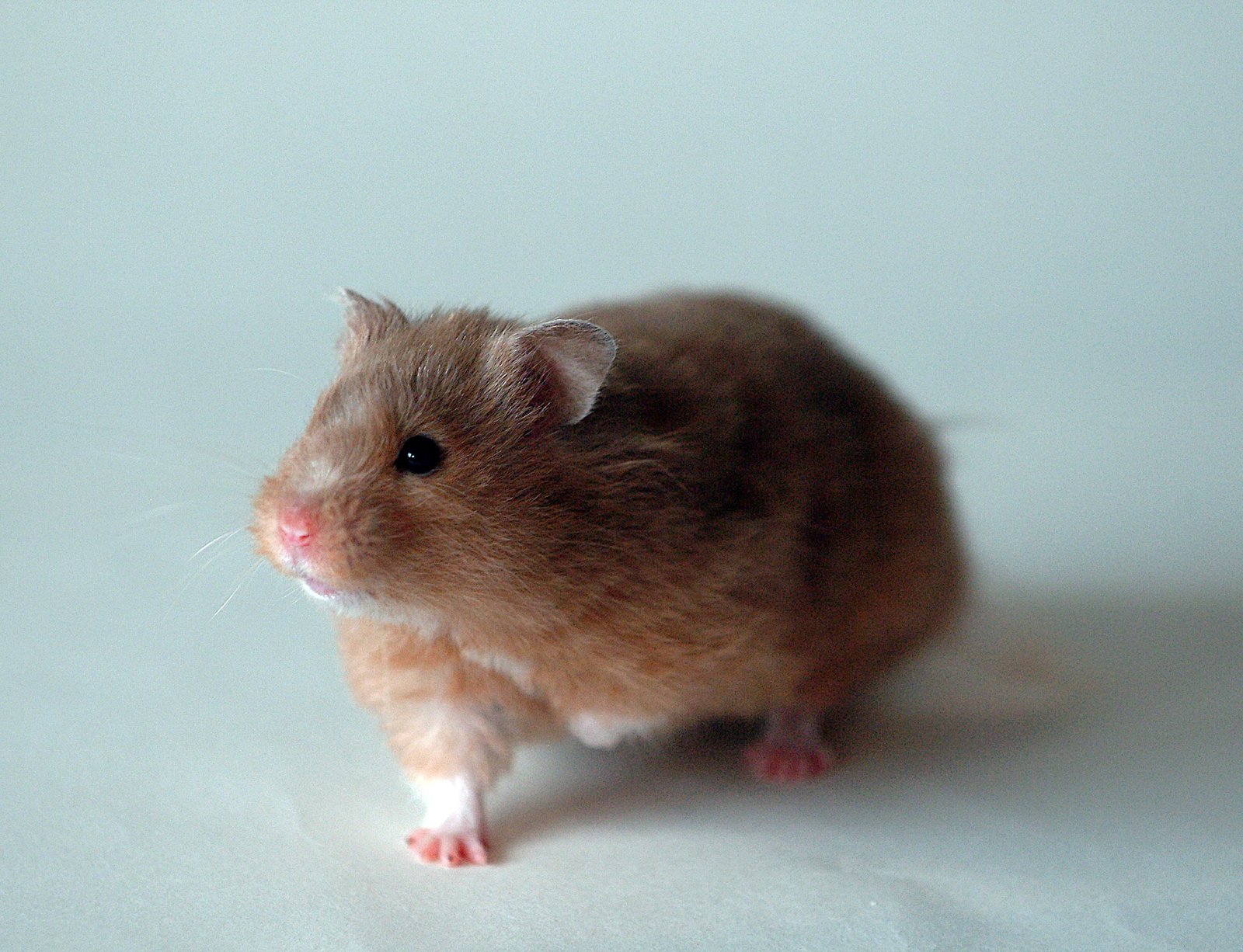
Syrian hamsters are bigger than most people expect. While they’re still small enough to fit in your palm, adult Syrians can grow up to 7 inches long—much larger than their dwarf hamster cousins. This size difference means they need spacious cages and larger wheels. Their chubby bodies and big cheeks make them look even plumper than they are. If you’re picking out accessories, always check that they’re meant for Syrian hamsters, not dwarfs. Bigger is always better when it comes to these little giants of the hamster world.
The Mystery of the Cheek Pouches

One of the most delightful things about Syrian hamsters is their magical cheek pouches. These stretchy pockets run from their cheeks all the way to their shoulders! Hamsters use them to carry food, bedding, and even their babies. If you see your hamster’s face suddenly puff up, don’t panic—it’s just using its built-in grocery bags. Sometimes they’ll stuff their cheeks so full they can barely fit through their tunnels. Watching them unload their treasures is like seeing a magician pull scarves out of a hat. This quirky habit is both practical and hilarious!
Colorful Coats and Stunning Patterns

The classic “golden” color isn’t the only option for Syrian hamsters. Over the years, breeders have introduced a rainbow of coat colors and patterns, from cinnamon and cream to black, white, and even tortoiseshell. Some have long, flowing fur (known as “teddy bear” or “long-haired” hamsters), while others sport a sleek, short coat. There are banded varieties, spotted ones, and even hamsters with satin-like shine. Each one is unique—no two are exactly alike. Picking out a Syrian hamster can feel like choosing a gemstone from a treasure chest.
Short Lifespan, But Big Impact
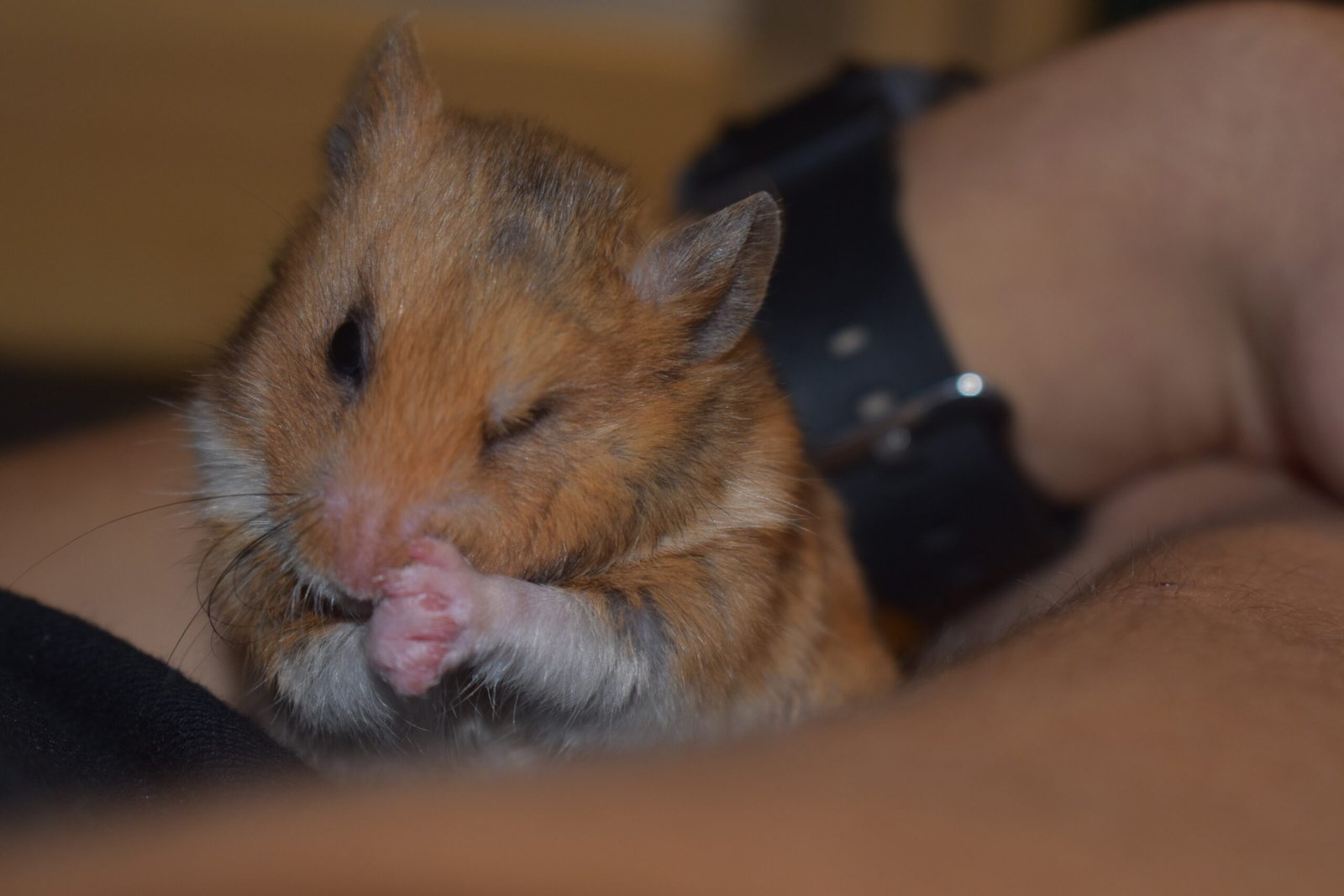
It’s a bittersweet truth: Syrian hamsters live only 2 to 3 years on average. Despite their short time with us, they leave an outsized mark on our hearts. In those brief years, they become family members, comforting companions, and hilarious entertainers. Their tiny lifespans remind us to treasure every moment, from sleepy snuggles to wild wheel-running marathons. Losing a hamster can be tough, but the memories they give are worth every second. If you’re ready for a pet that teaches you to cherish the little things, the Syrian hamster is a perfect choice.
Hamster Wheels: Not Just for Fun
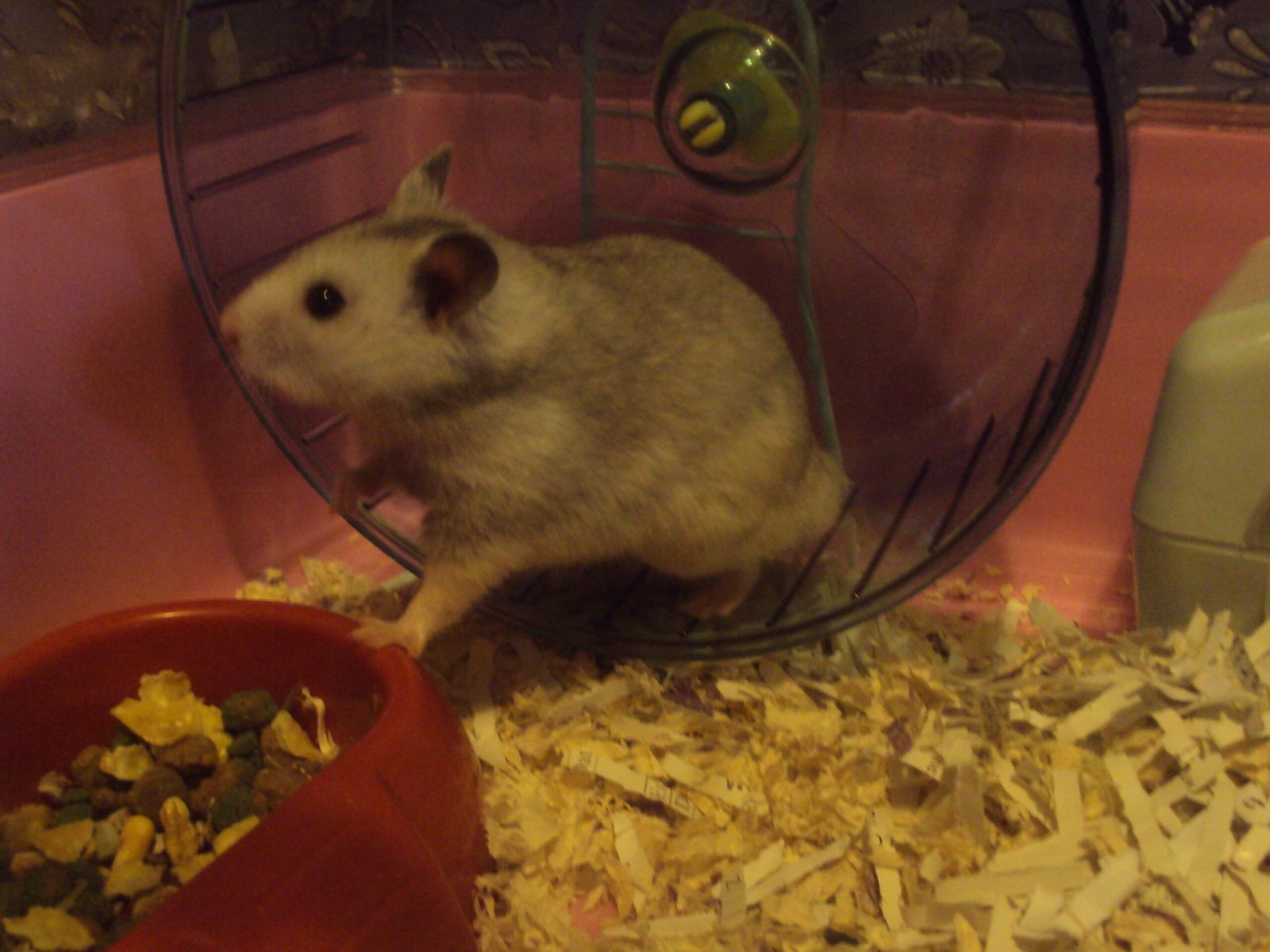
That spinning wheel isn’t just a cute accessory—it’s essential for your hamster’s health and happiness. Syrian hamsters are born to run, and in the wild, they can cover miles in a single night. Without a wheel, they can become bored, stressed, and even overweight. When choosing a wheel, always pick one that’s big enough for a Syrian hamster—at least 8 inches in diameter—to keep their backs straight as they run. Watching your hamster sprint like an Olympic athlete is one of the pure joys of hamster ownership.
Burrowing Is in Their DNA
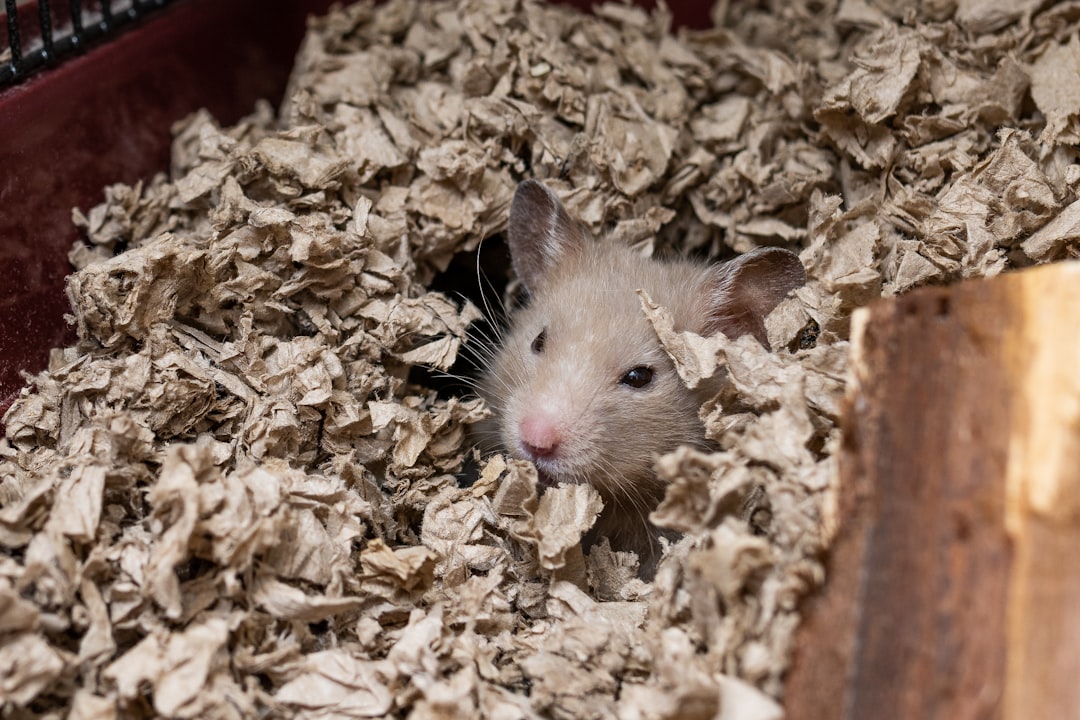
If you’ve ever watched your hamster disappear under a mountain of bedding, you’ve seen instinct in action. Syrian hamsters are natural diggers and love to burrow. In the wild, they dig elaborate tunnels to sleep, store food, and hide from danger. At home, providing deep, soft bedding lets them express this natural behavior. There’s something magical about seeing your hamster pop up from a tunnel like a fuzzy little mole. It’s their way of saying, “This is my territory, and I’m making it my own.”
Chubby Cheeks, Gentle Temperament
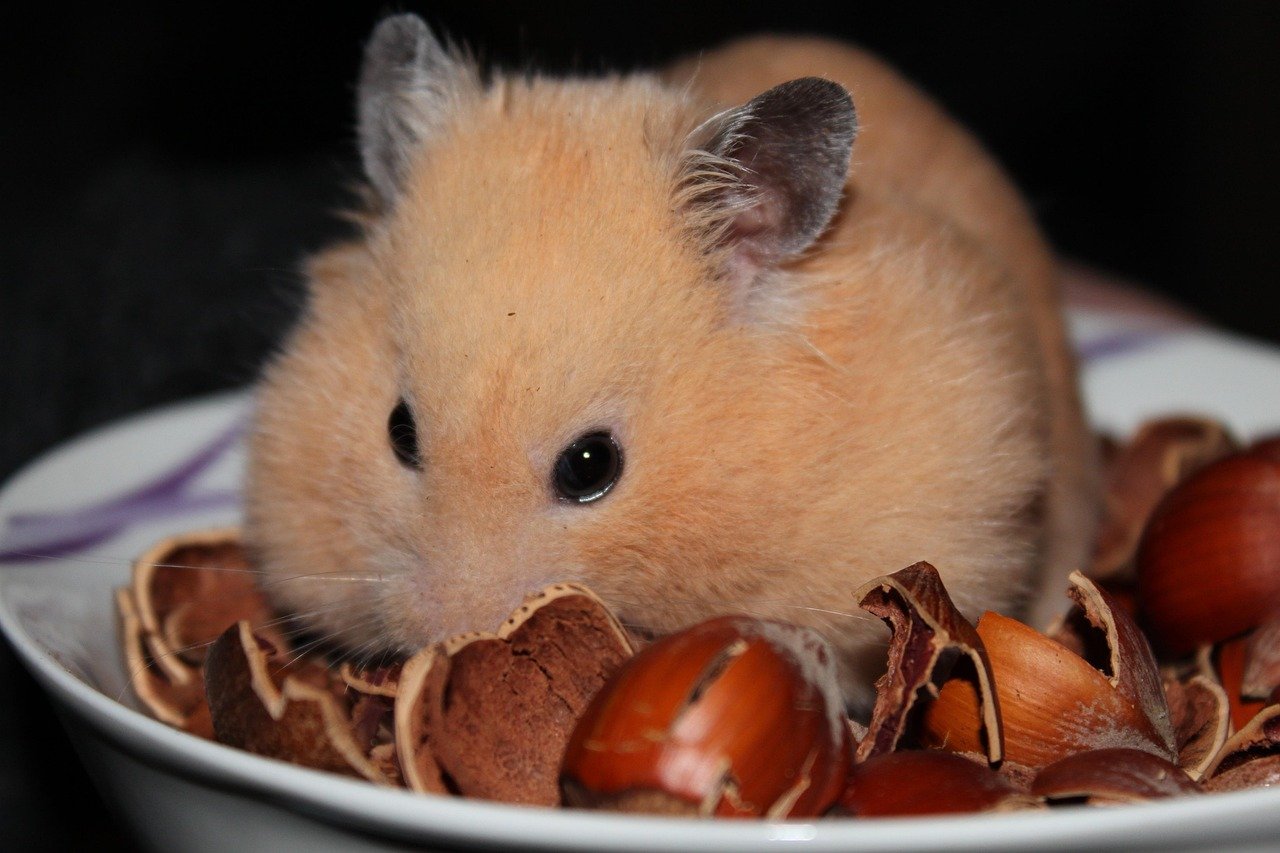
Syrian hamsters are known for their docile nature, making them ideal pets for gentle children and adults alike. With regular, patient handling, they can become quite tame and even enjoy sitting in your hand. They rarely bite unless startled or threatened. Their calm demeanor is one reason they’re often recommended for first-time pet owners. Each hamster has its own personality, from outgoing explorers to shy nesters, but most share a basic sweetness that’s impossible to resist.
Gourmet Tastes: What They Love to Eat

While commercial hamster food covers the basics, Syrian hamsters love variety in their diet. Fresh fruits (like apples and bananas), vegetables (such as carrots and broccoli), and small treats (like cooked egg or mealworms) can be offered in moderation. Avoid anything sugary, salty, or processed. Their favorite activity is stuffing new foods into their cheeks and scurrying off to stash them in secret hideaways. Watching a hamster discover a blueberry for the first time is a moment of pure joy.
Extreme Cleanliness: The Hamster Bath Myth
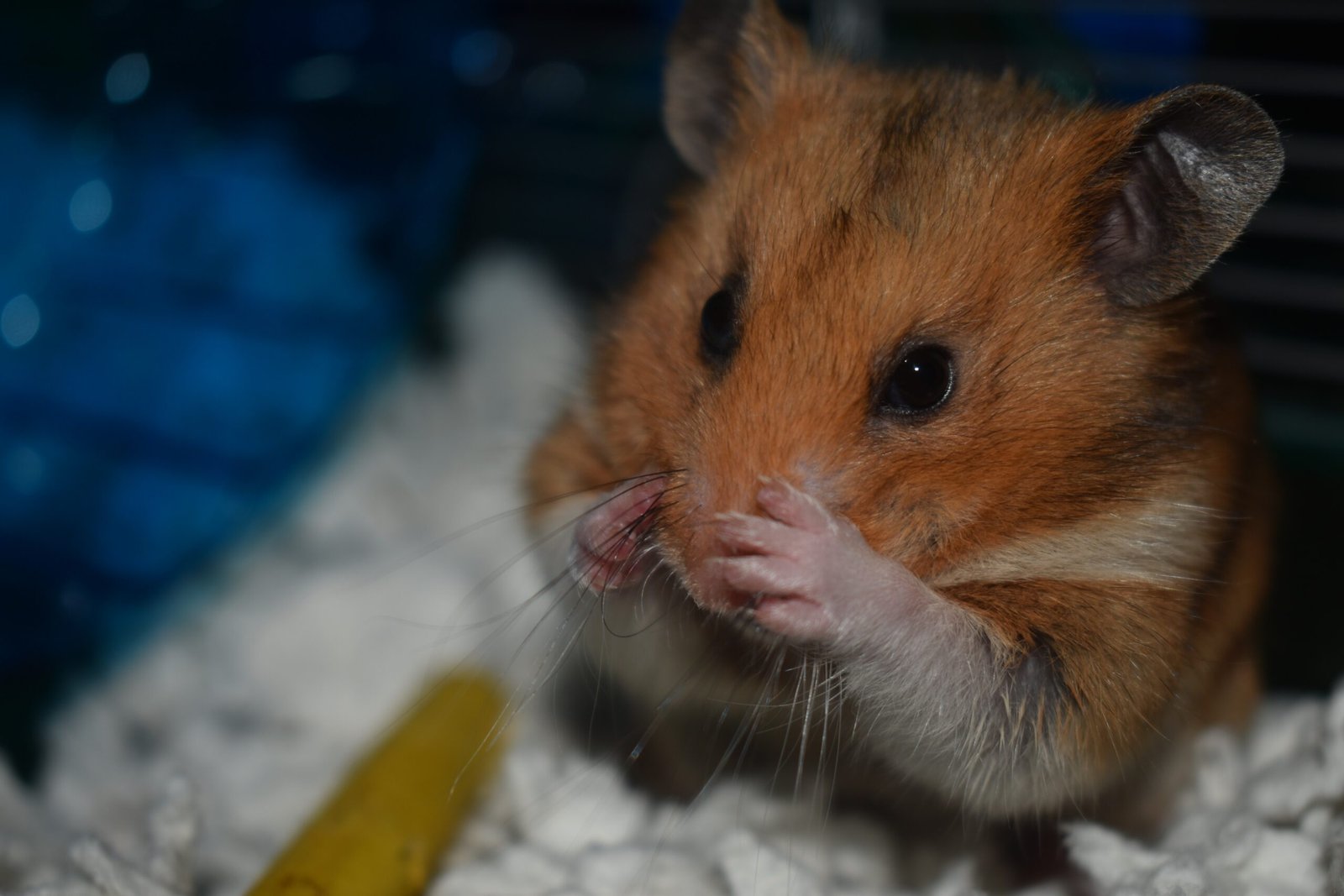
Despite popular belief, Syrian hamsters don’t need baths the way dogs do. In fact, water baths can be harmful and stressful for them. These little creatures are obsessively clean, grooming themselves several times a day. If you want to help them stay fresh, offer a small dish of chinchilla sand—never dust—for a sand bath. They’ll roll around and clean their fur naturally, leaving them soft and shiny. It’s amusing to watch, and far safer than soap and water.
They Speak With Their Bodies
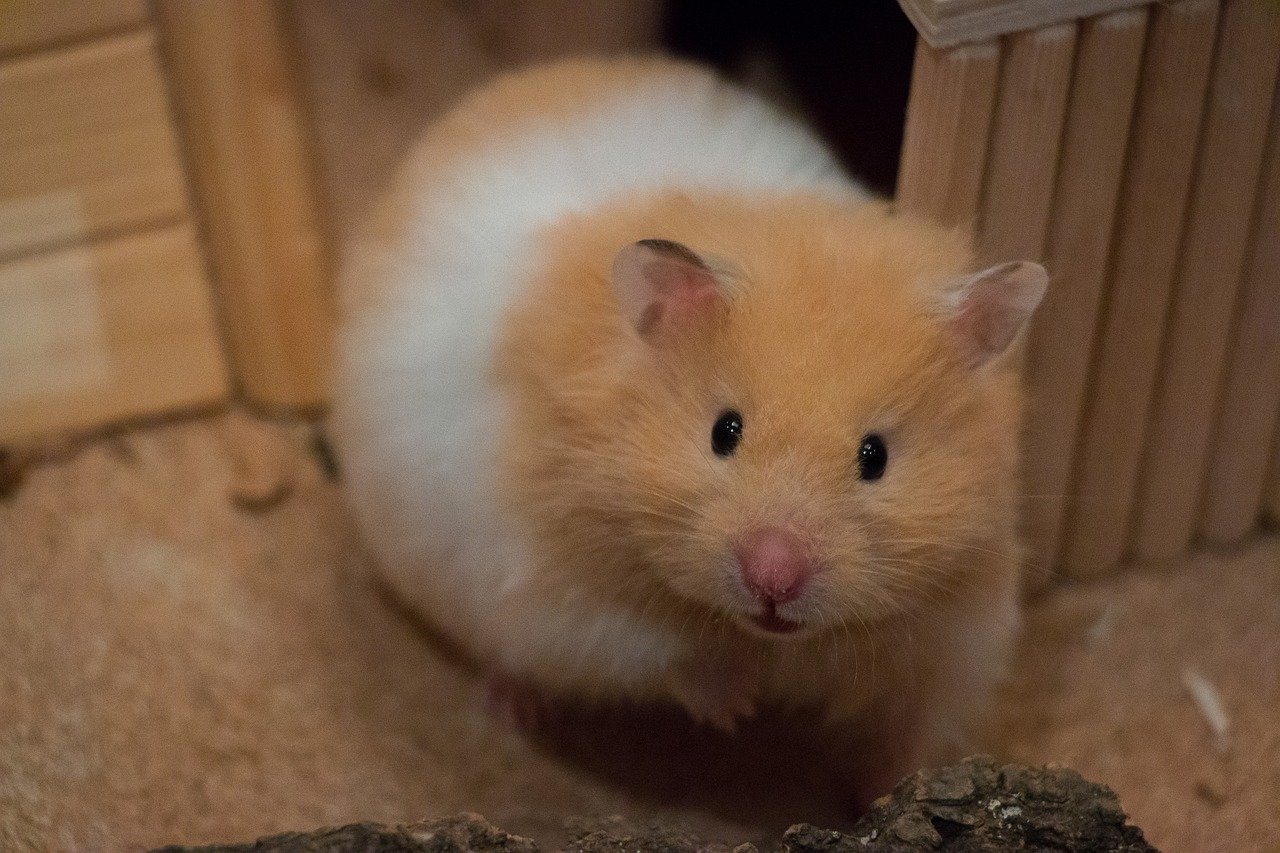
Syrian hamsters don’t bark, meow, or chirp, but they’re masters of body language. From stretching and yawning to standing up on their hind legs, every move means something. Flattened ears or a puffed-up body can signal fear or anger, while relaxed grooming shows they feel safe. Learning to “read” your hamster helps you understand its moods and needs. Sometimes, just sitting quietly and watching their tiny gestures can be more rewarding than any conversation.
Smart, Curious, and Always Entertaining

Don’t let their size fool you—Syrian hamsters are clever little problem solvers. They quickly learn the layout of their cage, remember routines, and can even figure out simple puzzles or mazes. Their curiosity leads them to explore every corner and crevice they can reach. Give them cardboard tubes, tunnels, and toys, and they’ll invent their own games. Their playful antics, from stuffing entire carrots in their cheeks to building elaborate nests, make every day with a Syrian hamster an adventure.
So, if you’re thinking about bringing home a Golden Teddy Bear hamster, now you know they’re more than just a cute face! With the right care, space, and attention to their nocturnal quirks, these tiny charmers can make wonderful little companions. Just remember—they may be small, but they’ve got big personalities. Whether you’re a first-time pet parent or a seasoned animal lover, a Syrian hamster might just steal your heart (and your socks).


